A product that works well overnight may be frustrating for an active afternoon. When comparing briefs vs protective underwear, the best choice usually comes down to how the wearer moves, how often changes are needed, and whether a caregiver assists with toileting. Both products manage urinary incontinence, but they are designed for different routines.
Choosing the right style can make everyday care more comfortable, reduce the chance of leaks, and make changes less stressful. Start with the wearer’s needs rather than assuming one product is always more absorbent or more convenient.
Briefs vs Protective Underwear: The Main Difference
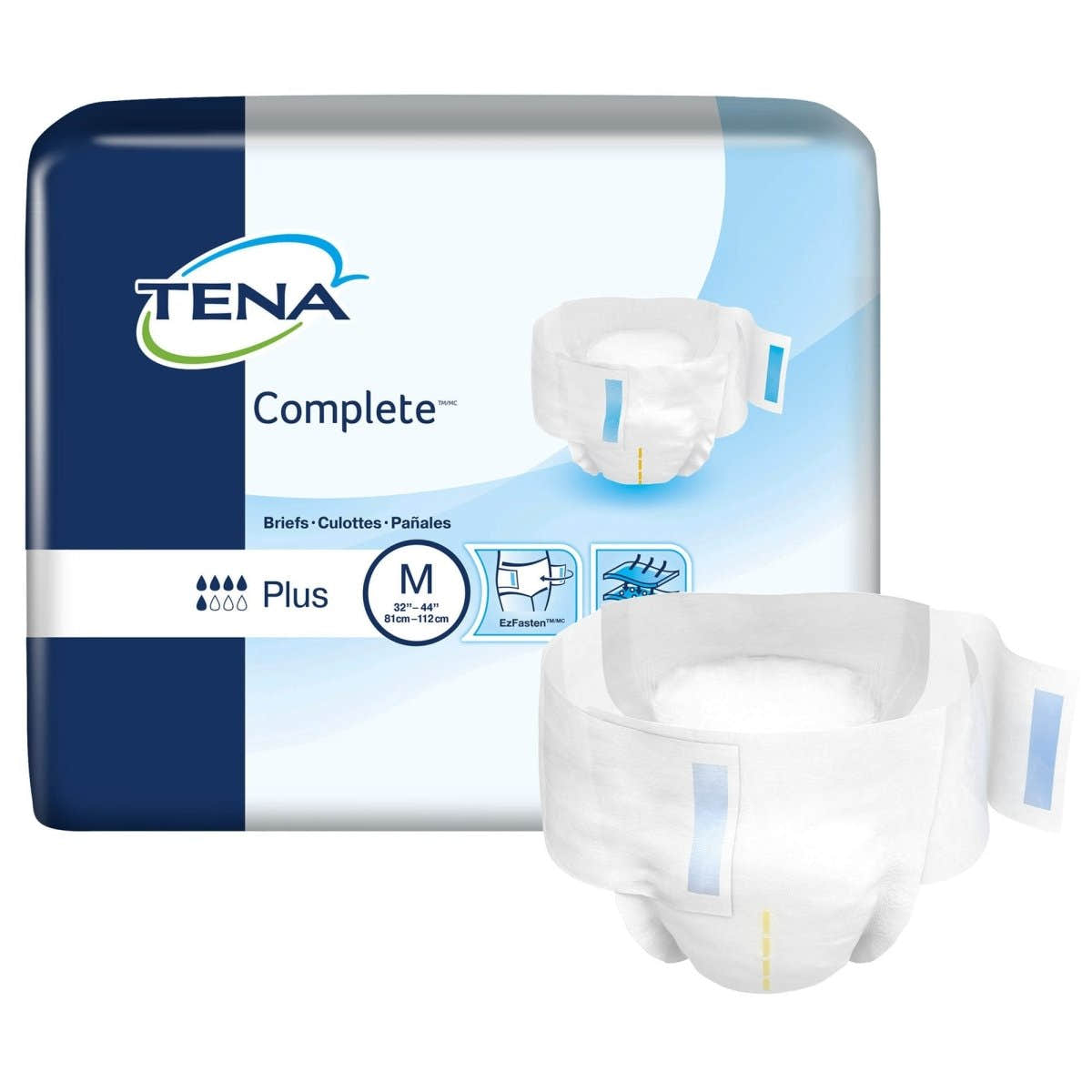
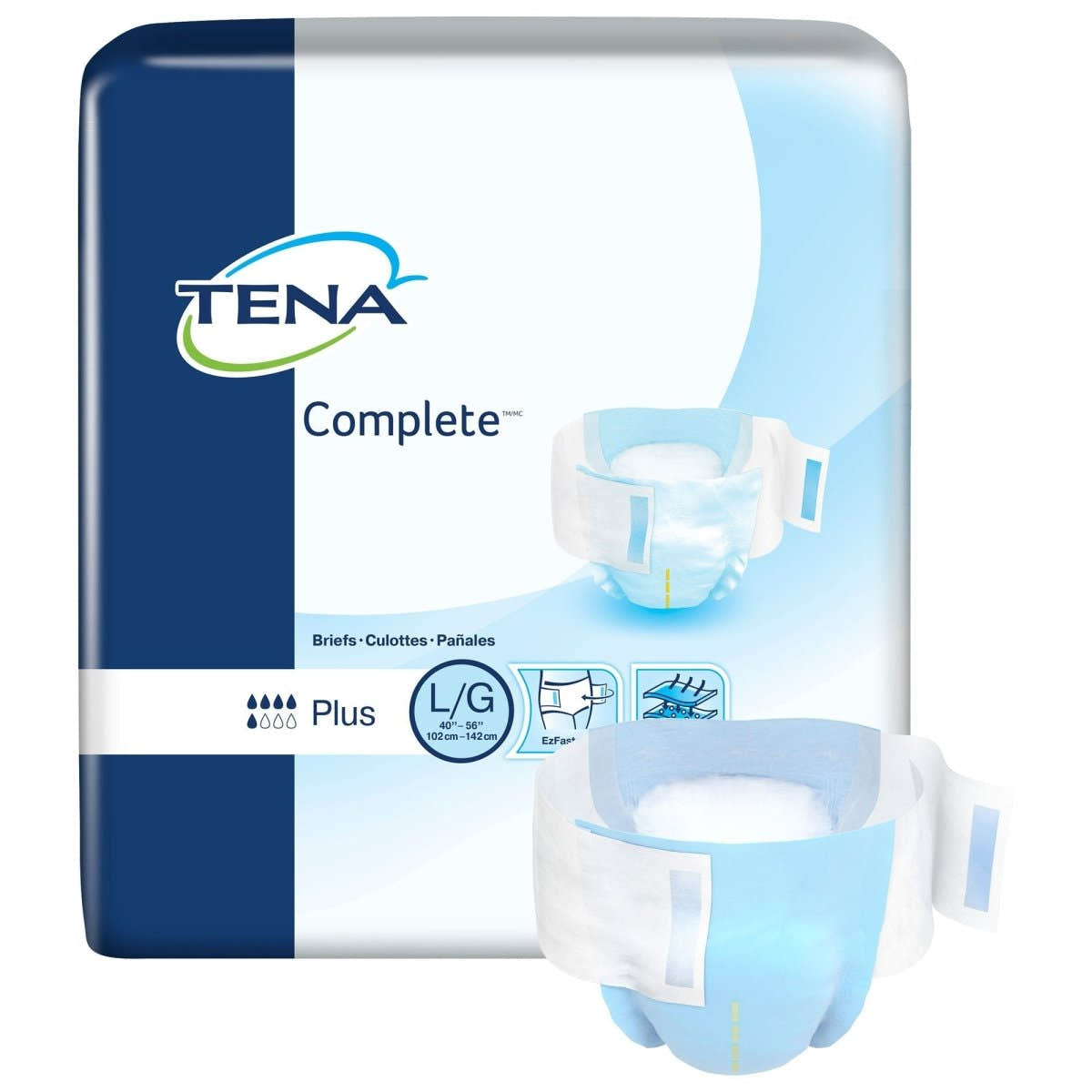
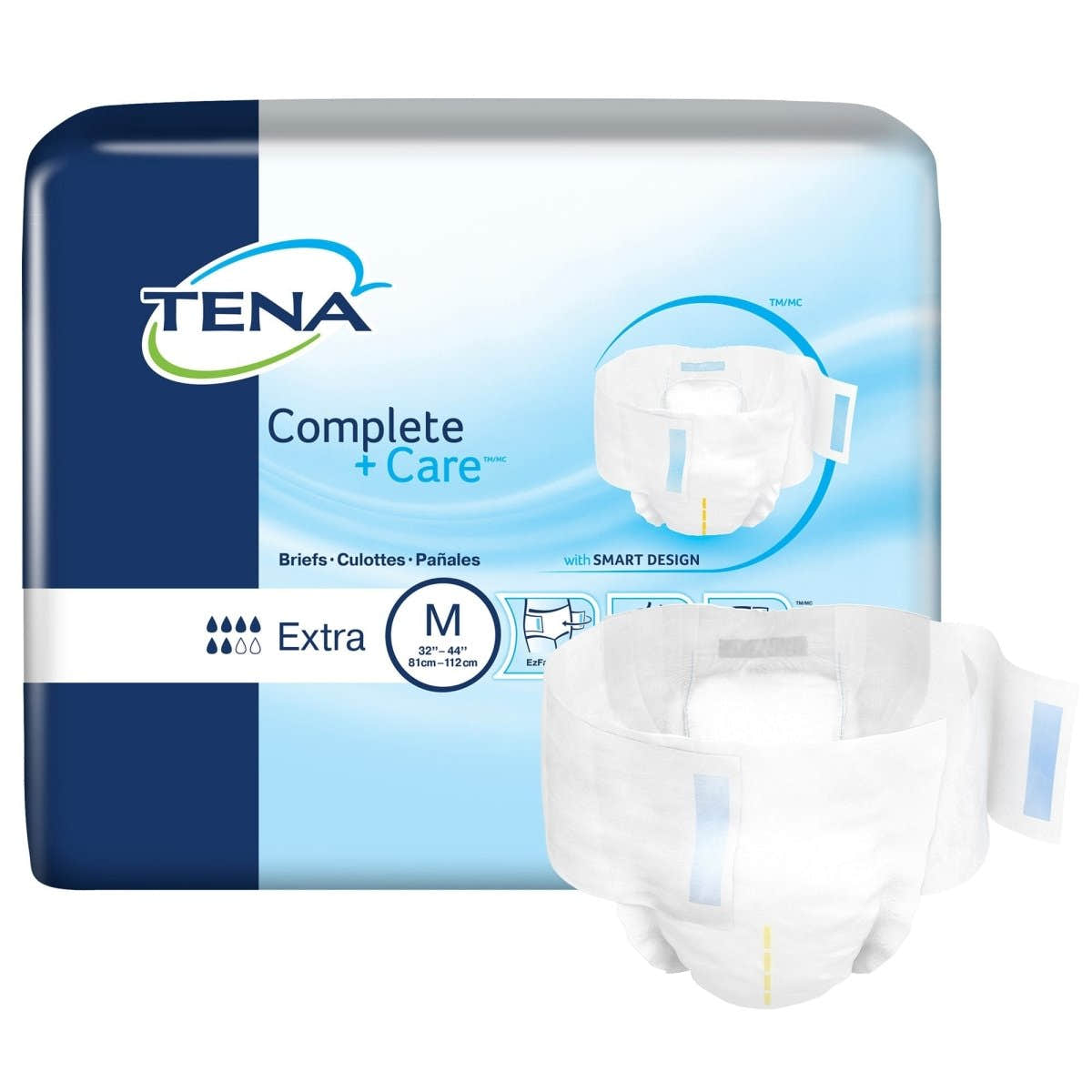
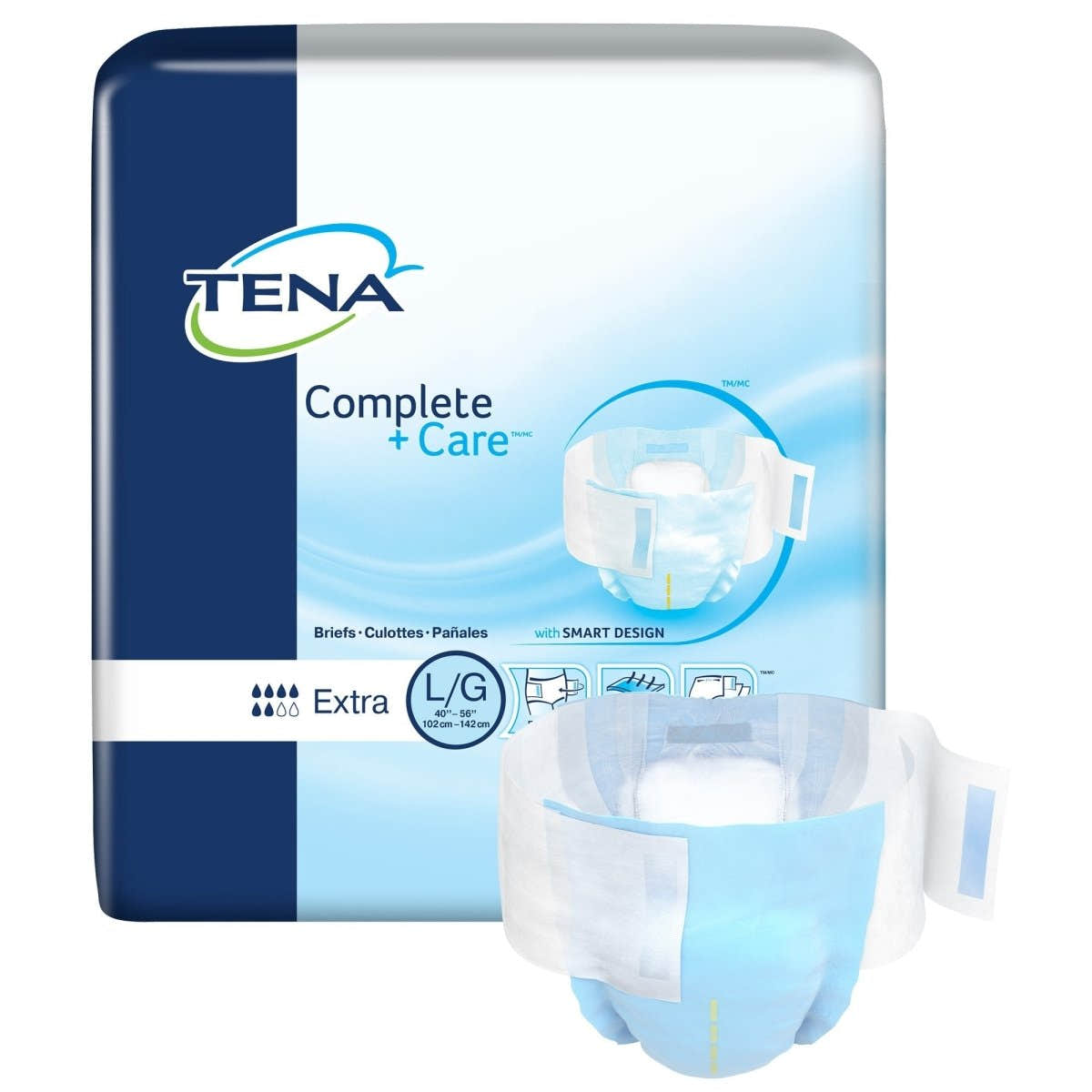
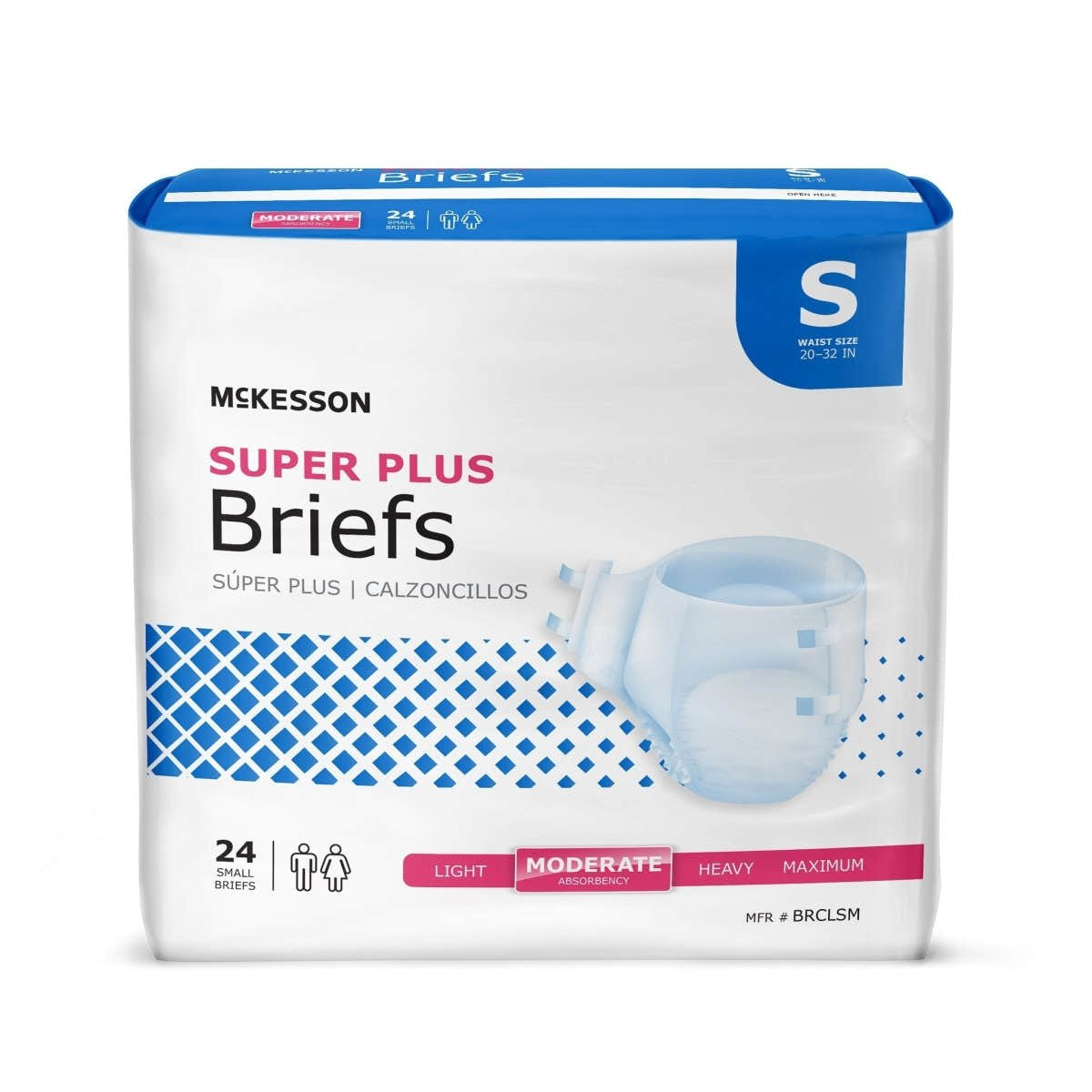
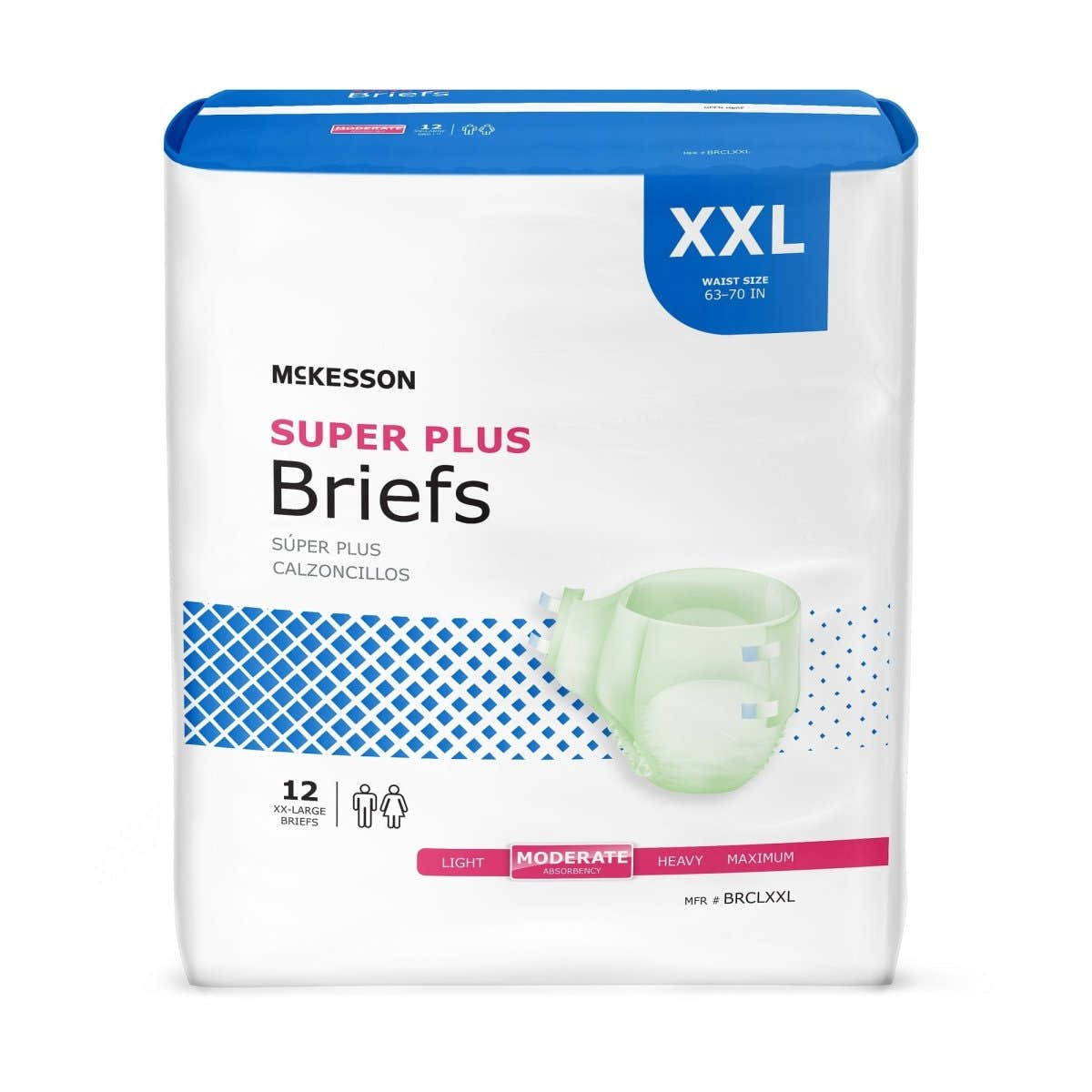
In home health care, adult briefs typically refer to disposable incontinence products with adjustable side tabs. They open flat, wrap around the body, and fasten at the hips. This design allows a caregiver to change the product while the person is lying down, seated, or standing with support.
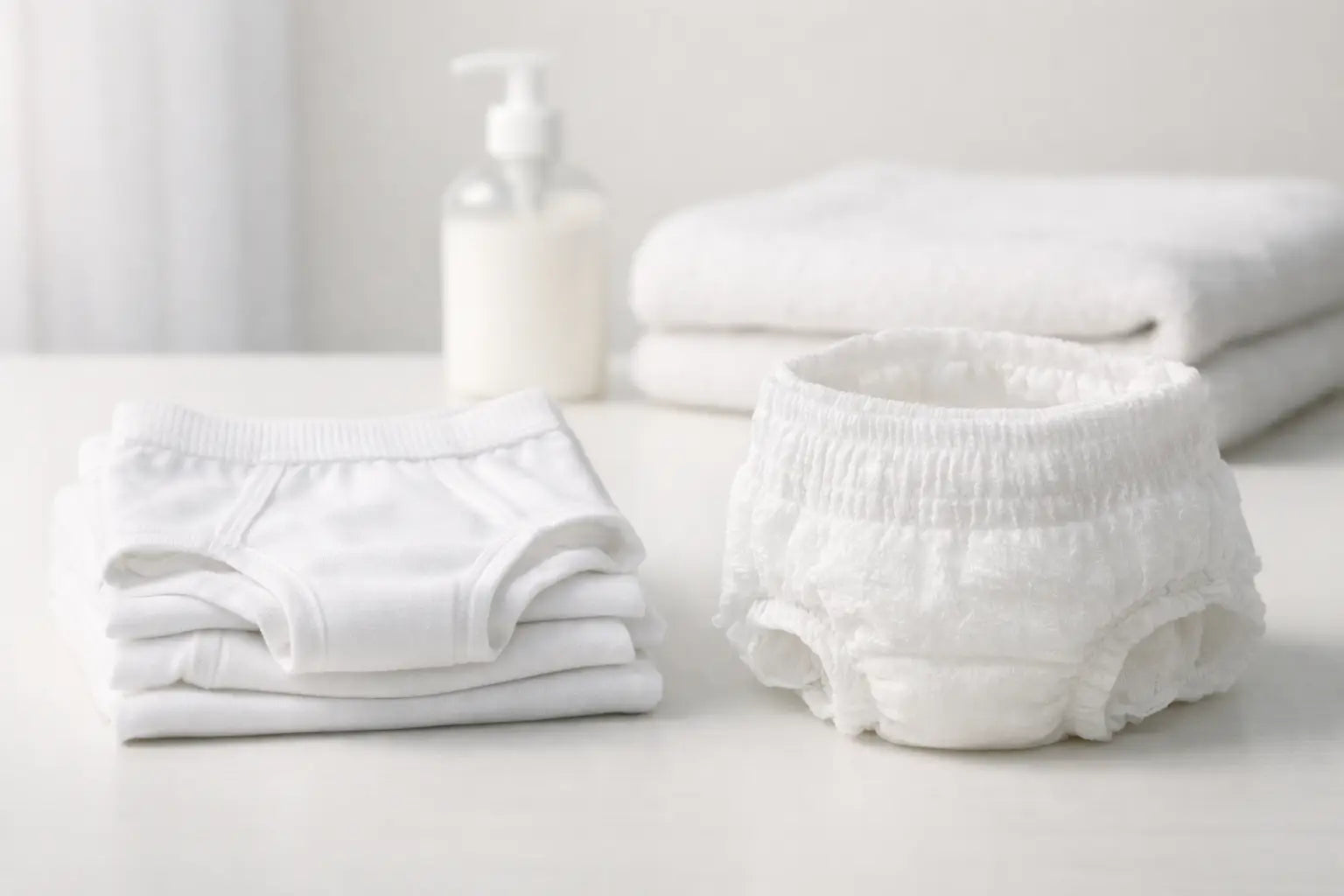
Protective underwear, often called pull-on underwear or protective underwear, looks and feels more like regular underwear. The wearer steps into it and pulls it up. It is generally a practical option for people who can use the toilet independently or with limited assistance and prefer a more discreet, underwear-like fit.
The terms on packaging can vary by brand, so it helps to look beyond the name. Check whether the product has refastenable tabs, a pull-on waist, tear-away sides, and the absorbency level needed for the intended use.
When Adult Briefs Are the Better Choice
Adult briefs are often the more workable choice when mobility is limited. A person recovering from surgery, living with severe weakness, or spending much of the day in bed may not be able to step into a pull-on product safely. With tab-style briefs, a caregiver can position the product without fully removing pants or lifting the wearer unnecessarily.
The adjustable tabs also allow for a more customized fit. This is useful when someone’s waist and hip measurements do not fall neatly into one size range, or when swelling, weight changes, or body shape make pull-on products feel too tight or too loose. A secure fit around the legs and waist helps direct fluid into the absorbent core instead of allowing it to escape around the edges.
Briefs can also simplify a full change after a bowel movement. Because the sides open, the soiled product can be removed without pulling it down the legs. That can be more hygienic and less disruptive for both the wearer and caregiver.
There are trade-offs. Tab-style briefs may feel bulkier than protective underwear, and some wearers find the fastening system less familiar. For a person who is independent and wants clothing that feels closer to everyday underwear, a brief may not be the preferred daytime option.
When Protective Underwear Makes More Sense
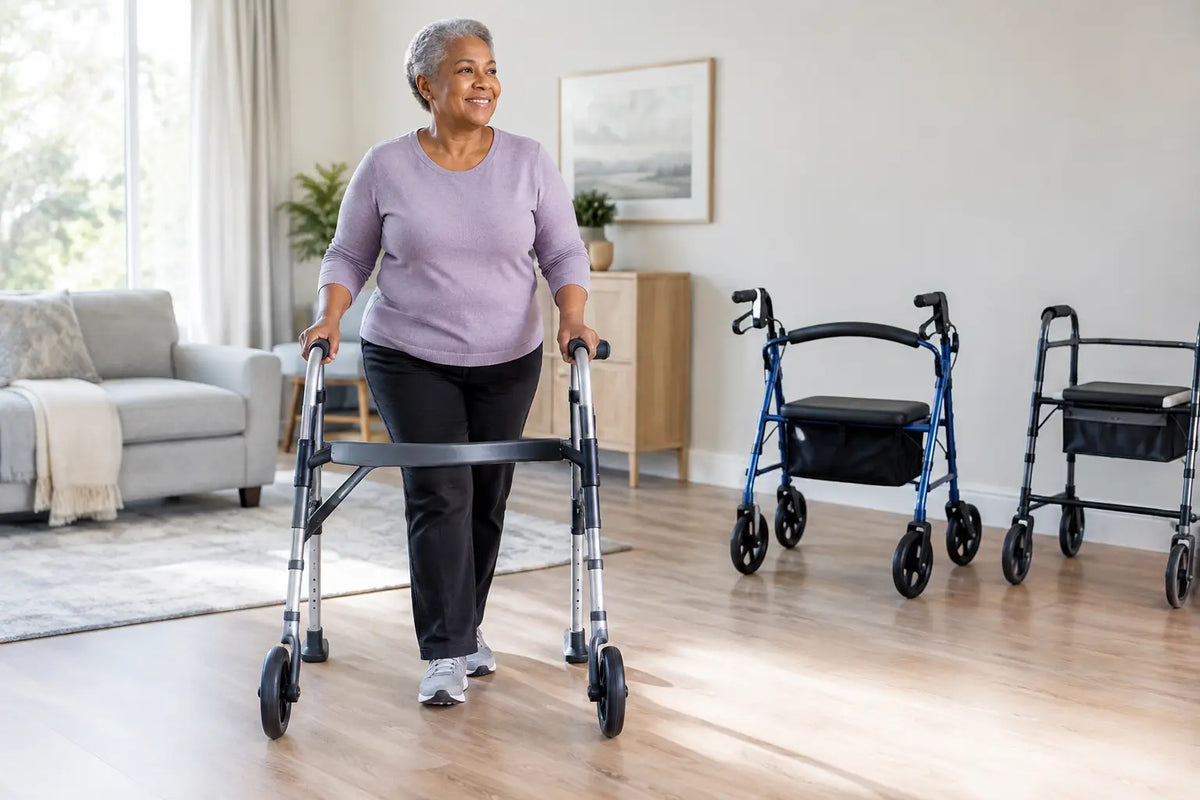
Protective underwear is designed for mobility and normal toileting routines. Many adults choose it for light to moderate bladder leakage, urge incontinence, or occasional accidents because it can be worn under everyday clothing without the look or feel of a traditional brief.
For someone who can walk to the bathroom, pull the product down, and pull it back up, protective underwear supports independence. That matters emotionally as well as practically. A familiar routine can help a person maintain confidence at work, while running errands, during social activities, or while recovering at home.
Many pull-on styles have elastic waistbands and breathable materials for comfortable daytime wear. Some also include tear-away side seams, which make removal easier if the product is heavily soiled or if changing while seated is necessary.
Protective underwear is not automatically the right choice for every active person. If leakage is heavy, frequent, or occurs overnight, a pull-on product may need to be changed more often than a high-absorbency brief. Product capacity differs widely, so compare the manufacturer’s intended use and absorbency description rather than relying on the product category alone.
Consider Mobility, Absorbency, and Change Frequency
The most useful way to decide is to match the product to the care situation. A caregiver assisting with transfers may value the open sides and adjustable fit of briefs. An adult who manages most bathroom trips independently may favor pull-on protective underwear for its familiar feel.
Absorbency is equally important, but the highest absorbency level is not always the most comfortable answer. A product that is too bulky for daytime use may discourage regular changing or feel restrictive. On the other hand, an overnight product that cannot handle the expected volume may lead to wet bedding, skin irritation, and interrupted sleep.
Think about when leaks happen. Daytime dribbling, sudden urges, nighttime wetting, and full bladder voids place different demands on a product. Some households use more than one style, such as protective underwear during the day and tab-style briefs for overnight care or days with less mobility. That approach can be practical when needs change from one part of the day to the next.
Getting the Fit Right
Even a highly absorbent product can leak when the size is wrong. Measure the wearer’s waist and hips, then use the larger measurement when comparing it with the brand’s size chart. Avoid choosing a smaller size just to create a tighter fit. Excessive tightness can cause discomfort, leave marks on the skin, and create gaps around the legs.
With briefs, fasten the tabs evenly on both sides. The product should sit snugly against the body without pulling or bunching. Refastenable tabs can be helpful for checking fit after the person changes position.
With protective underwear, make sure the leg openings sit in the natural crease where the legs meet the body. If the product rolls at the waist, sags in the crotch, or leaves persistent gaps at the legs, try a different size or style. A product that fits well should allow regular movement while keeping the absorbent area close to the body.
Protecting Skin During Ongoing Use
Moisture against the skin can lead to redness, soreness, and incontinence-associated dermatitis, particularly for people with sensitive skin or limited mobility. Prompt changes are one of the most effective ways to prevent discomfort, regardless of whether the person wears briefs or protective underwear.
Clean the area gently during each change, pat dry rather than rubbing, and consider a skin protectant if recommended by a healthcare professional. Fragrance-free cleansing products may be more comfortable for sensitive skin. If redness does not improve, skin is broken, or there are signs of infection, contact a clinician for guidance.
Avoid adding a regular menstrual pad, paper towel, or other improvised material inside an incontinence product. These additions can interfere with how fluid moves into the absorbent core and may increase leaking. If more protection is needed, select a product designed for greater absorbency or use an appropriate booster pad when the product instructions allow it.
A Quick Way to Choose
Before purchasing a larger supply, consider four practical questions:
- Can the wearer step into and pull down underwear safely?
- Is a caregiver changing the product in bed or while the person is seated?
- Is the main need light leakage, moderate urinary incontinence, or heavier overnight protection?
- Will the product be worn mostly during active daytime hours, overnight, or both?
A small trial purchase can prevent an expensive mismatch. Try the product during the time of day when protection matters most, watch for gaps or skin marks, and note whether changes feel manageable. The right choice is the one that supports comfort, dignity, and dependable care in the routine you have now.