Choosing between a standard walker and a rollator usually comes down to one practical question - do you need more support, or do you need more mobility? That is the heart of any walker vs rollator comparison. Both are designed to help with safer movement, but they solve different problems, and the right choice depends on strength, balance, home setup, and how the device will be used day to day.
For many shoppers and caregivers, the decision is not just about features. It is about avoiding falls, reducing fatigue, and making everyday tasks feel more manageable. A mobility aid should fit the person, the living space, and the routine. If it does not, even a well-made product can end up parked in the corner.
Walker vs rollator comparison: the basic difference
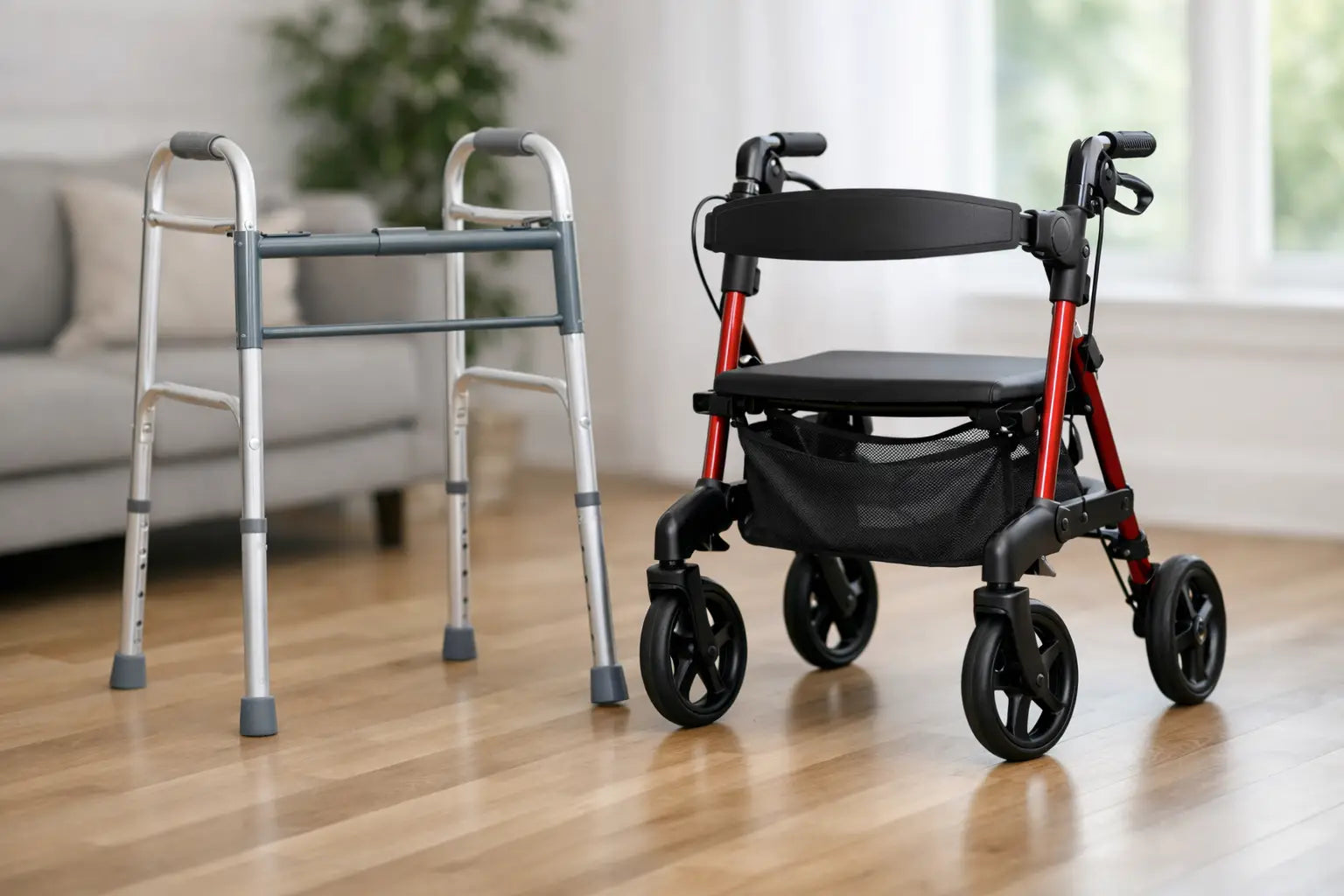
A standard walker usually has a lightweight metal frame with four legs and no seat. Some models have rubber tips on all four legs, while others have two front wheels and two back glides or tips. The user lifts or advances the walker slightly, then steps forward into it. That movement pattern creates a stable base and often works well for people who need firm support.
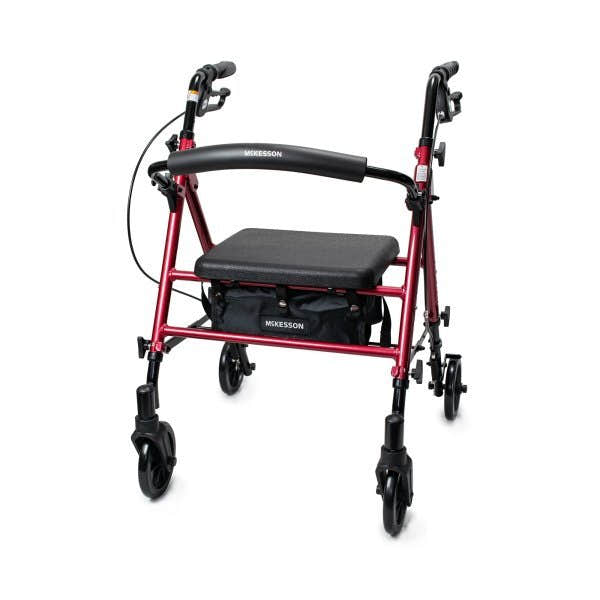
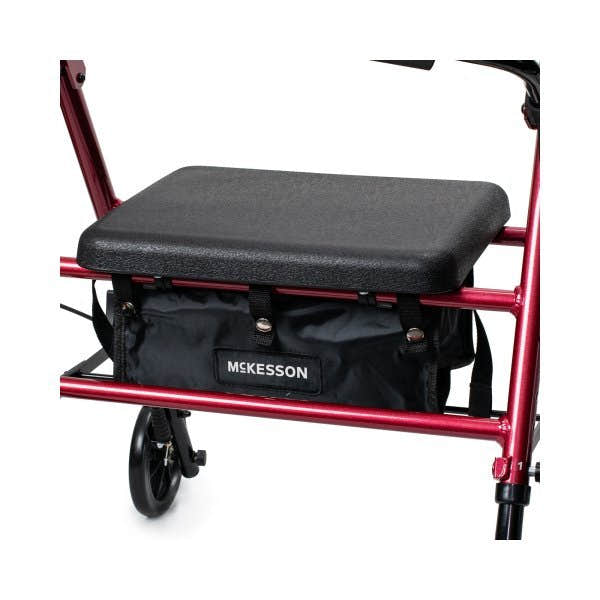
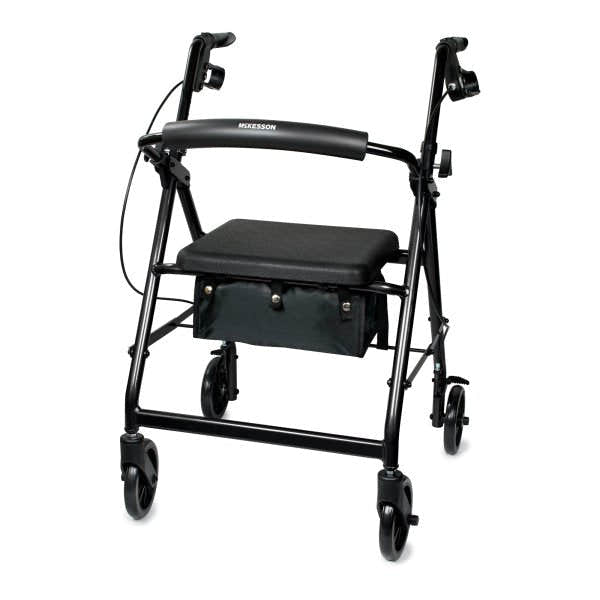
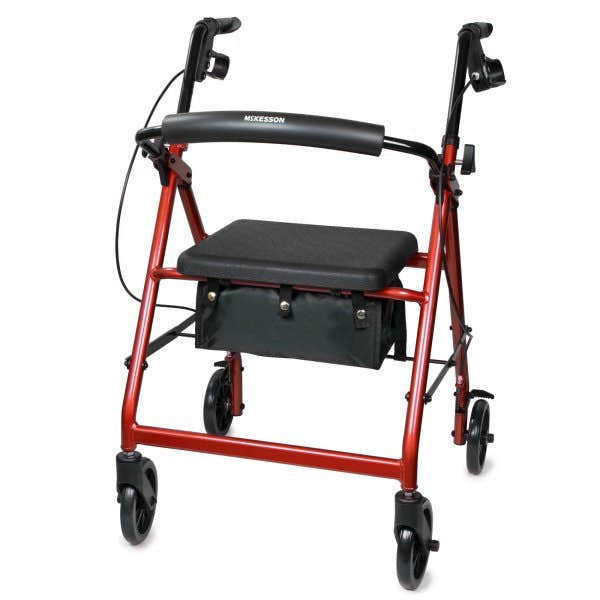
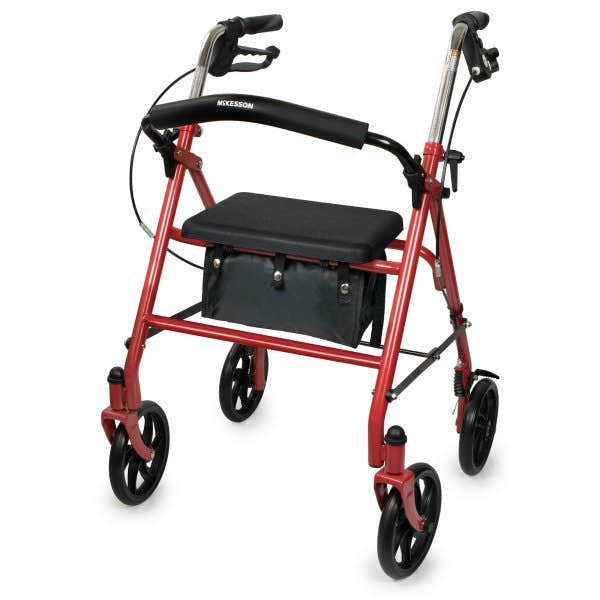
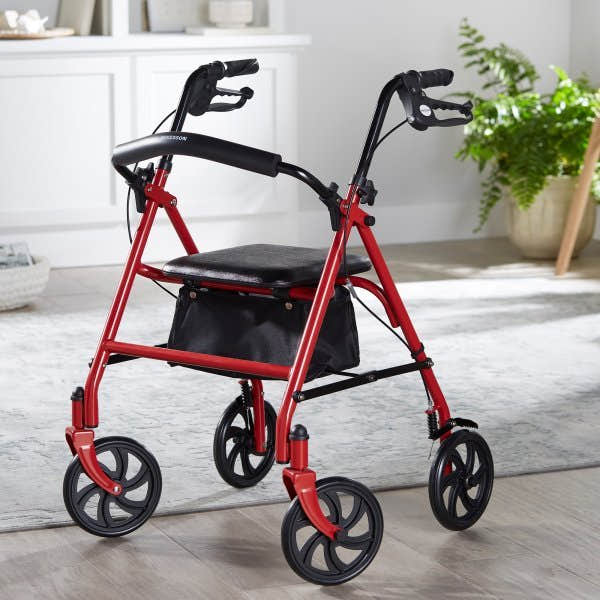
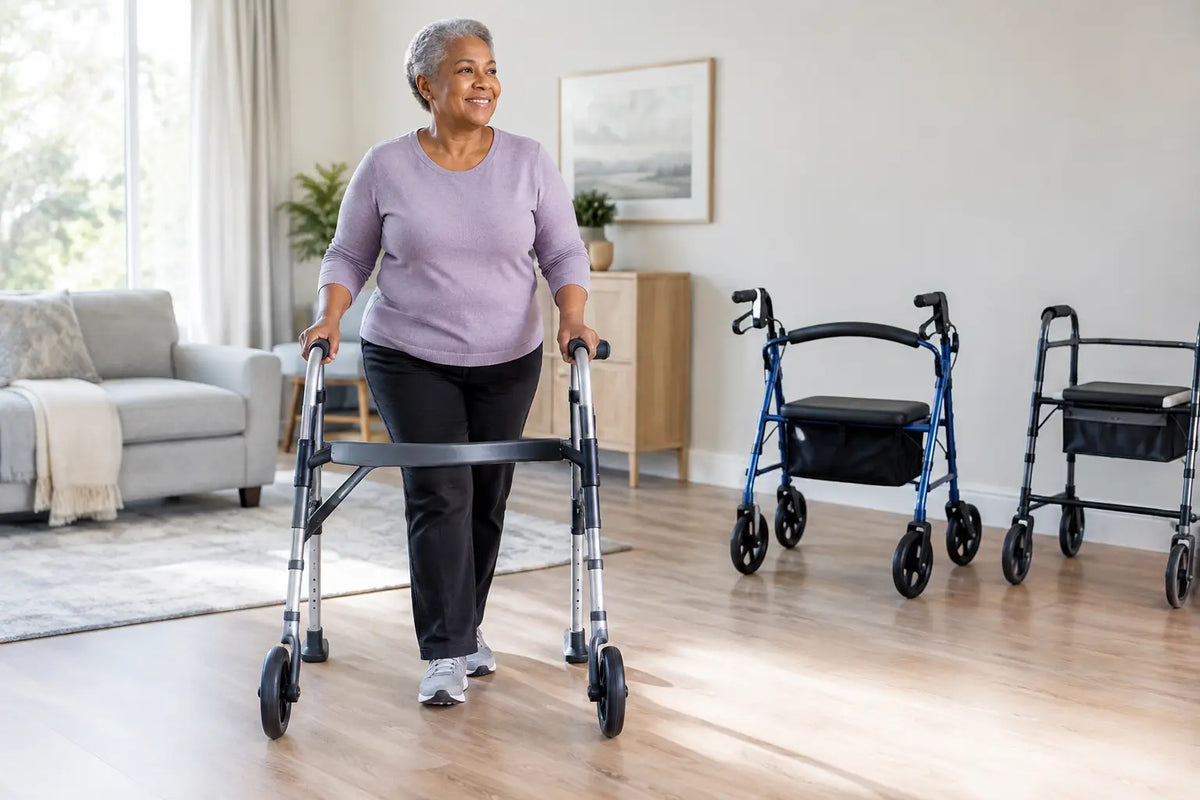
A rollator has wheels on all legs, hand brakes, and typically a built-in seat. Many also include a storage pouch or basket. Instead of lifting the frame, the user pushes it forward while walking. That makes movement smoother and faster, but it also means the user needs enough hand control, coordination, and balance to manage a rolling device safely.
In simple terms, a walker usually offers more stability. A rollator usually offers more convenience and easier movement. Neither is better in every situation.
Who usually does better with a walker
A walker is often the better fit for someone recovering from surgery, dealing with marked weakness, or needing help with weight-bearing. If a person feels unsteady even when standing still, a standard walker may provide the kind of support a rollator cannot.
This is especially true after joint replacement, lower-body injury, or a recent hospitalization. In these cases, the slower pace of a walker can actually be a benefit. It encourages more controlled movement and can reduce the risk of the device rolling away from the user.
Walkers can also be a strong option inside smaller homes. Narrow hallways, tighter bathrooms, and rooms with furniture close together may be easier to navigate with a compact walker than with a wider rollator. The trade-off is that lifting or advancing a walker takes more effort, which can be tiring over longer distances.
Benefits of a standard walker
The main advantage is stability. A walker gives the user a broad, dependable base and can help with confidence during transfers and short-distance movement. It is often easier to position near a bed, toilet, or chair.
Another benefit is simplicity. There are fewer moving parts, fewer adjustments to manage during use, and generally less concern about brake handling. For a caregiver helping someone at home, that straightforward design can be a real plus.
Limits of a standard walker
The biggest drawback is pace. Walkers are slower, and for some users they can feel awkward or tiring. If upper-body strength is limited, repeatedly lifting the frame may be difficult. Even two-wheel walker models, which reduce some of that effort, still do not move as freely as a rollator.
A walker also usually does not include a seat. If the user needs frequent rest breaks during outings, that matters.
Who usually does better with a rollator
A rollator often works well for someone who can walk independently but needs support for balance, endurance, or posture. Many people with mild to moderate mobility limitations prefer a rollator because it helps them stay active without slowing them down as much.
For outdoor use, longer hallways, medical appointments, and shopping trips, a rollator can be much more practical. The wheels move smoothly, the seat offers a place to rest, and the storage area helps carry personal items without using an extra bag.
People with conditions that cause fatigue or shortness of breath often appreciate the built-in seat. Someone may be able to walk safely but only for short stretches. In that case, the rollator supports mobility while also accommodating rest.
Benefits of a rollator
Ease of movement is the main one. A rollator glides rather than needing to be lifted, which can reduce strain and make everyday tasks feel less demanding. Many users also like that it supports a more natural walking rhythm.
The seat is another major advantage. It can make errands, waiting rooms, and community activities more manageable. Storage is also useful for carrying water, medications, a phone, or small purchases.
Limits of a rollator
The same rolling design that makes it convenient can also make it less stable for some users. If someone leans heavily on the frame or has trouble controlling speed, a rollator may feel unsafe. Brakes must be used correctly, especially on slopes, thresholds, and during sitting or standing.
Rollators also take up more space. In compact homes or cluttered rooms, turning and storing one may be less convenient than using a standard walker.
Walker vs rollator comparison for home use
When comparing the two for daily home use, think beyond the product label. Look at where the device will actually be used. A person may move safely with a rollator in an open living room but struggle with it in a narrow bathroom. Another person may use a walker indoors and prefer a rollator outdoors for longer distances.
Flooring matters too. Thick rugs, raised thresholds, and tight corners can change how a mobility aid performs. A walker may feel steadier on uneven transitions, while a rollator may be easier on smooth flooring where pushing is simple and controlled.
Storage can also influence the choice. If the aid needs to fit in a car trunk, beside a recliner, or inside a closet, dimensions and foldability matter just as much as support level.
Safety factors that should guide the decision
A useful walker vs rollator comparison should always come back to safety. If the user cannot reliably use hand brakes, a rollator may not be the right fit. If they cannot comfortably lift or advance a walker, that may create its own safety issue.
Posture is another clue. Some people bend forward too much on a rollator, which can shift weight unsafely. Others feel more upright and confident because the rollator keeps them moving smoothly. Fit and handle height play a big role here.
Weight capacity, seat size, frame width, and wheel size are also practical buying factors. Bariatric models, compact models, and more travel-friendly options are available in both categories. The best choice is often not just walker versus rollator, but which specific type within that category matches the user’s body, strength, and routine.
Questions to ask before buying
Before choosing a mobility aid, it helps to ask a few direct questions. Is the main goal balance support, help after surgery, or easier walking over longer distances? Will the aid be used mostly indoors, mostly outdoors, or both? Does the user need a place to sit during errands? Can they safely squeeze hand brakes and control a rolling frame?
It is also worth thinking about daily habits. Someone who only needs support getting from bedroom to bathroom has different needs than someone who wants to attend church, go to appointments, and walk through large stores. The right product should match real-life use, not just a general description.
When it makes sense to ask a clinician
Not every mobility decision should be made by guesswork. If the person has had a recent fall, significant weakness, new surgery, or a condition that affects coordination, a physical therapist or other clinician can help identify the safer option. That guidance can prevent buying the wrong device and needing to replace it later.
For caregivers, this step can be especially helpful when the user insists they want the faster or more convenient option. Comfort matters, but safety has to come first.
Making the right choice for daily life
The best mobility aid is the one a person can use safely, consistently, and with enough confidence to stay active. A walker may be the right answer for recovery, higher support needs, and tighter spaces. A rollator may be the better fit for endurance, smoother movement, and more independence outside the home.
If you are shopping for yourself or someone you care for, focus on how the device will perform in the places and routines that matter most. At CartHealth, that kind of everyday usability matters because the right product should support life at home, not complicate it. A good choice does not just help someone get from one room to another - it helps them keep doing more of what they want to do.