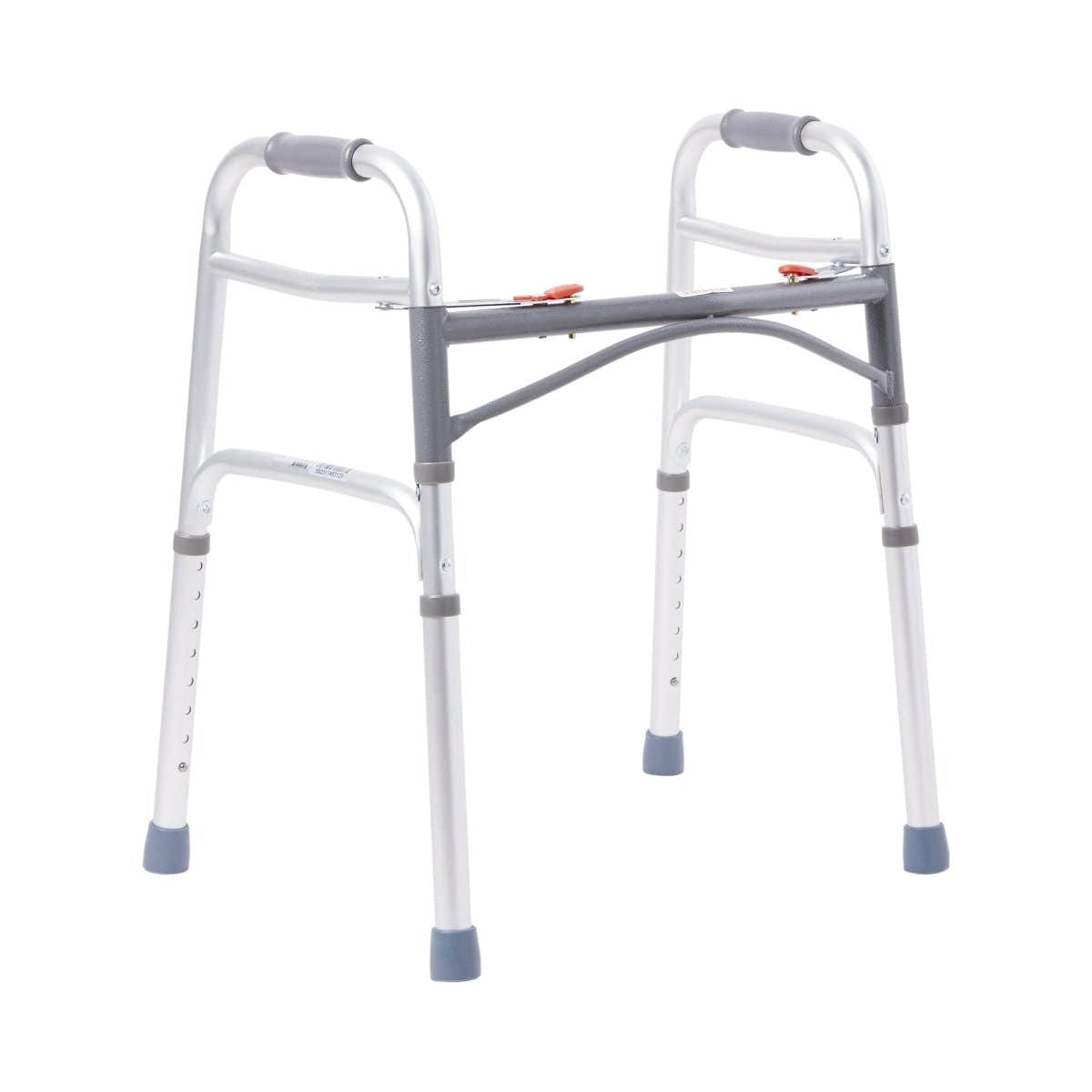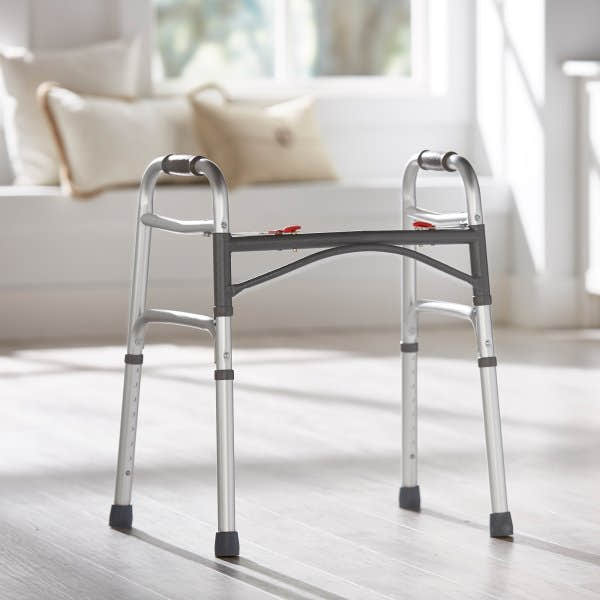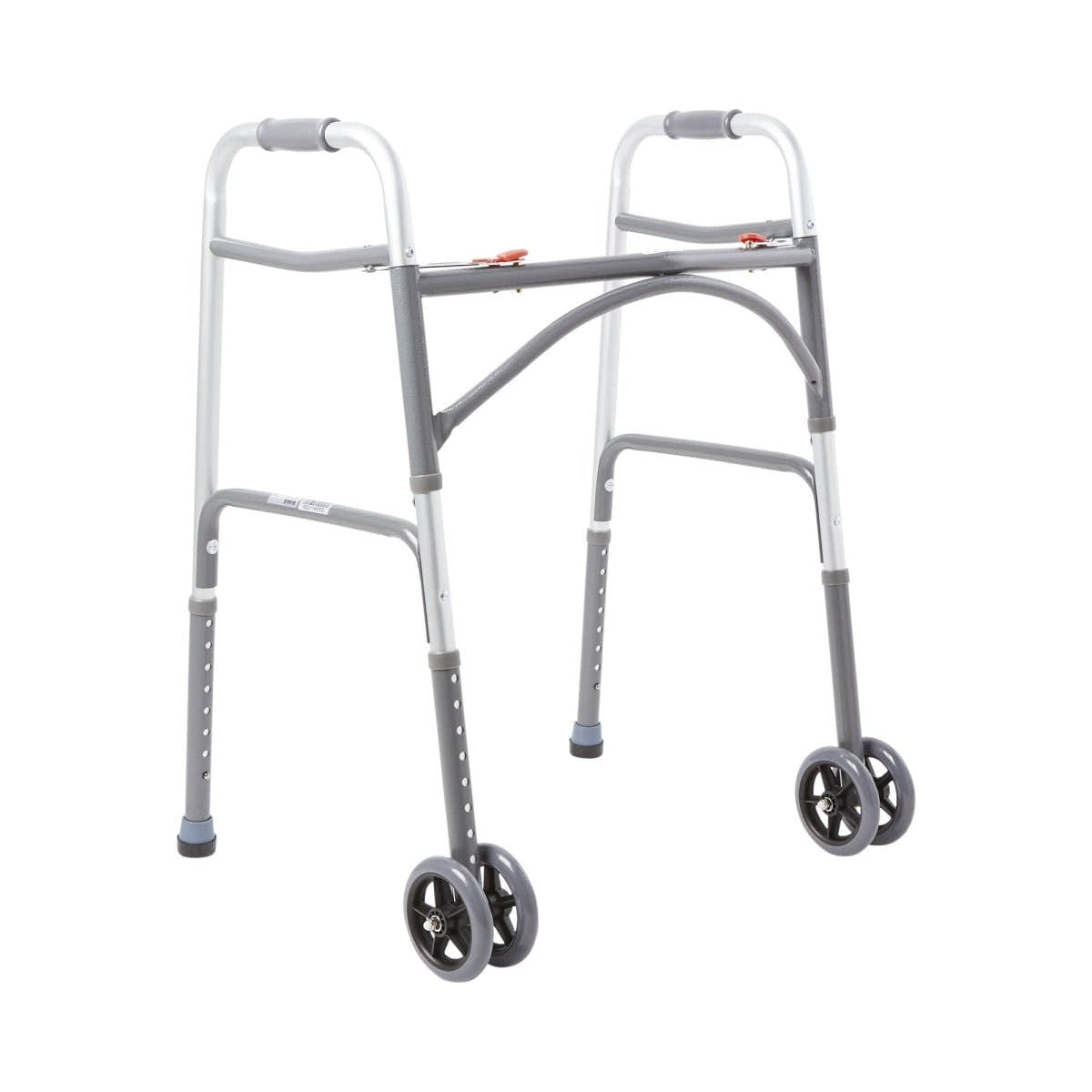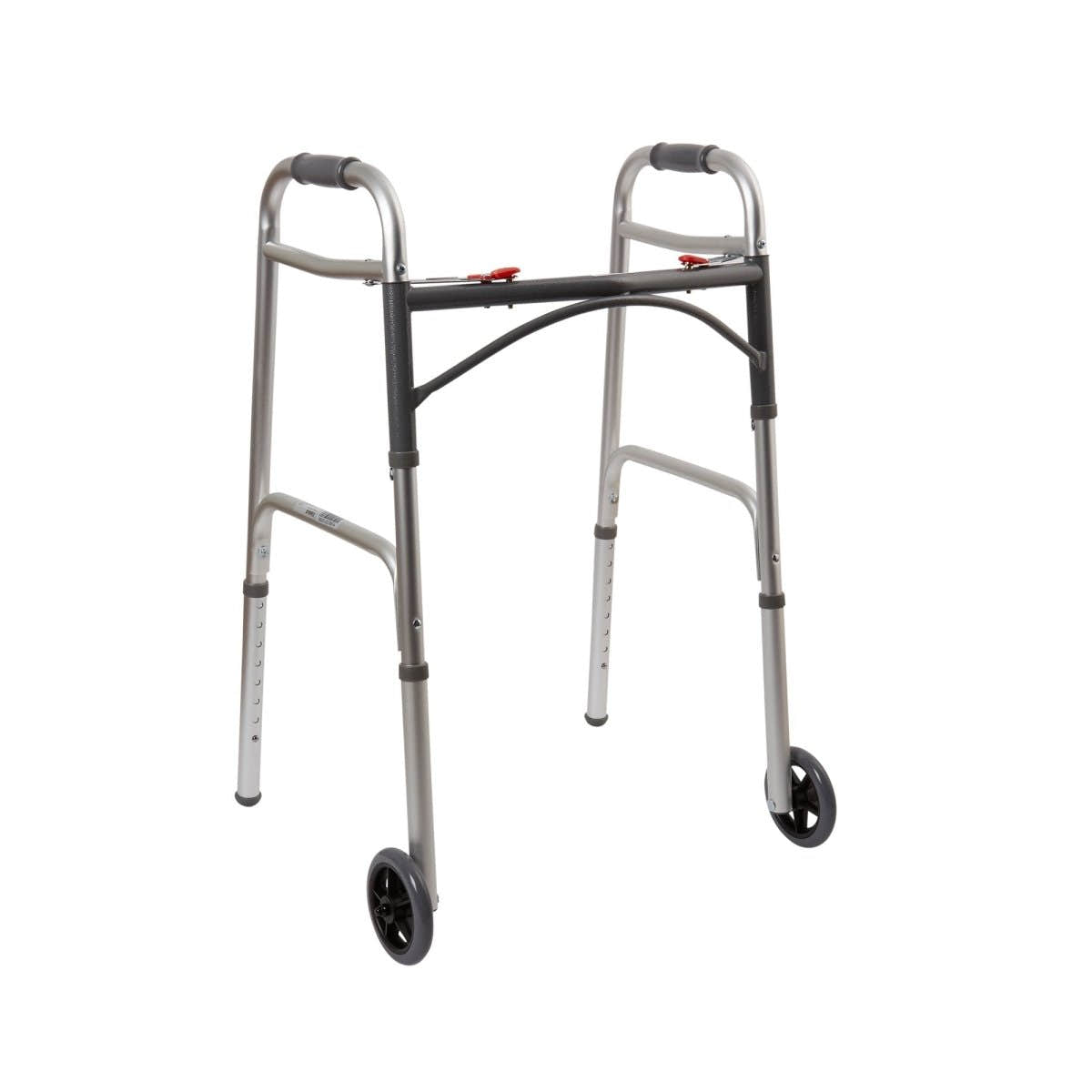
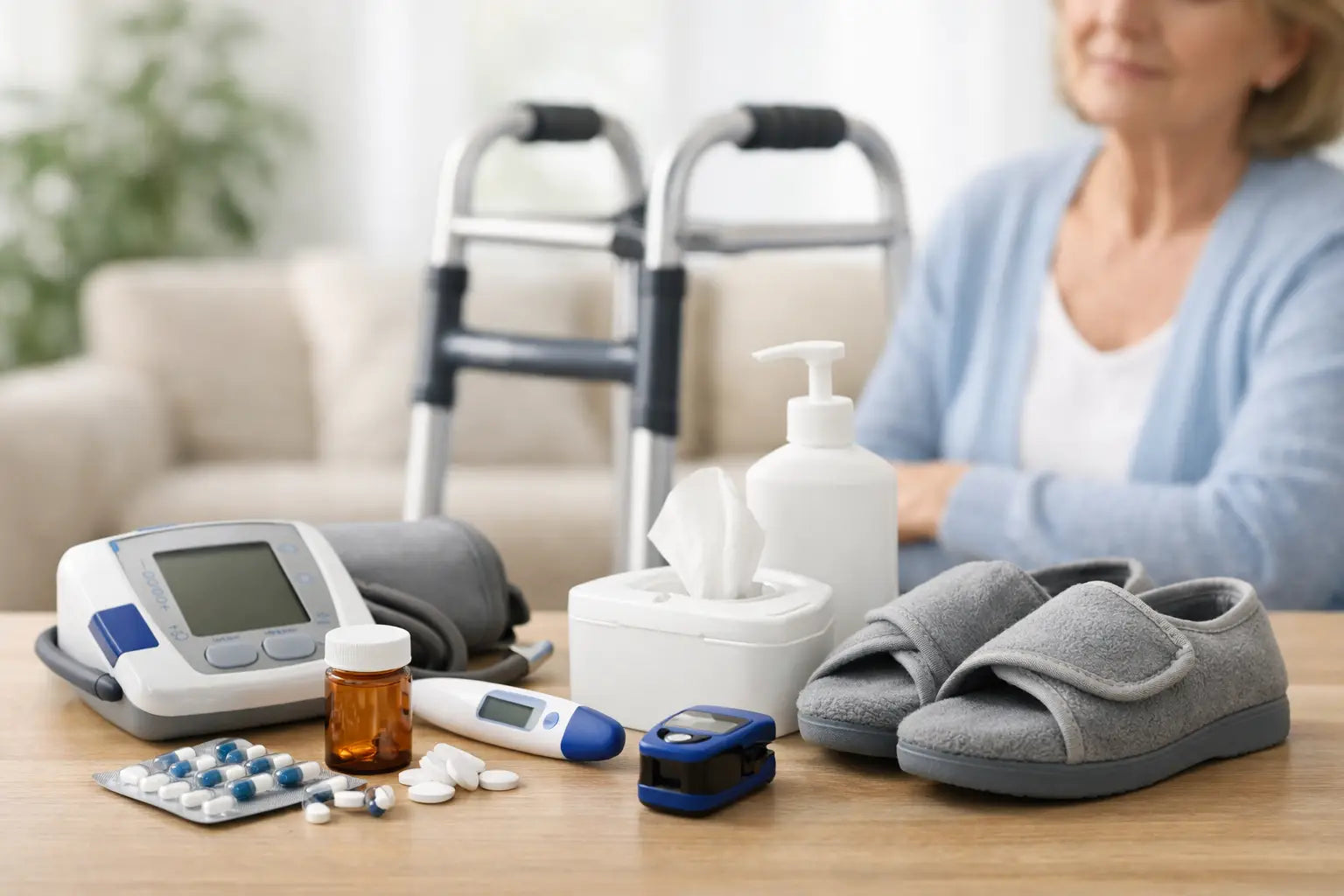
When a walker starts replacing a steady arm, or wound dressings become part of the weekly routine, shopping changes fast. Home health care products are not impulse buys - they are the supplies and equipment people rely on to stay safe, comfortable, and cared for at home. The challenge is not just finding a product. It is finding the right product, in the right size or format, with enough consistency to make daily life easier.
For many households, home-based care is not limited to one need. A person recovering from surgery may also need nutritional support. A senior managing mobility changes may also need incontinence products and skin care. A family caregiver may be juggling glucose testing supplies, disposable gloves, underpads, and a shower chair in the same week. That is why it helps to think in categories first, then narrow down to the details that matter most.
What home health care products usually include
The term covers a wide range of items used outside of hospitals and clinics. Some are everyday consumables that need frequent reordering, while others are durable products intended for longer-term use. Both matter, but they are bought differently.
Consumable home health care products include items like bladder control pads, adult briefs, wound dressings, ostomy supplies, catheters, gloves, wipes, test strips, and nutritional drinks. People tend to care most about comfort, absorption, compatibility, and reorder convenience in these categories. If a product works, they often want to buy the same item again without a lot of guesswork.
Durable products include walkers, wheelchairs, commodes, bath safety equipment, braces, supports, and bedroom safety aids. Here, fit and function tend to matter more than brand alone. A mobility aid that is slightly off in height or weight capacity can be frustrating at best and unsafe at worst.
The right approach depends on the category. A recurring supply needs reliability and availability. A larger equipment purchase needs closer comparison before checkout.
How to shop home health care products by need
The easiest way to narrow the field is to start with the health need, not the product name. Many shoppers know the situation they are trying to manage, but not the exact item they need yet. That is normal, especially for new caregivers.
Mobility and fall prevention
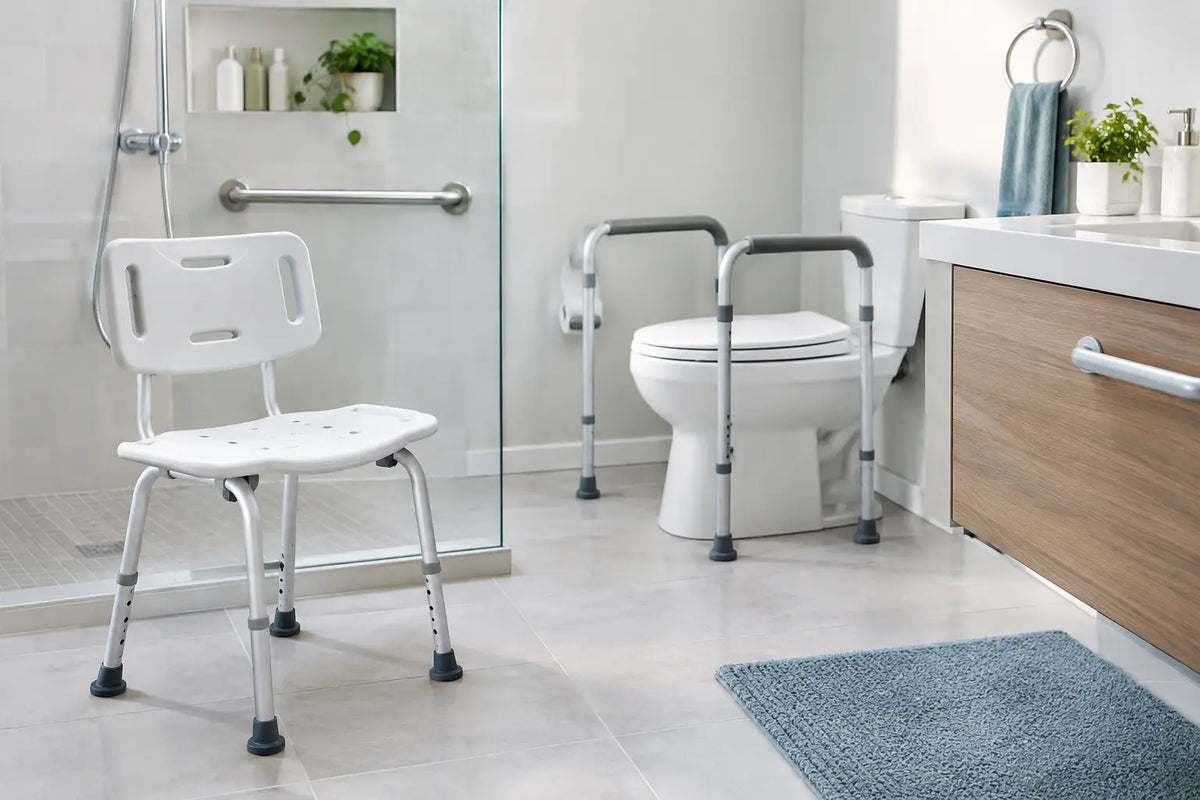
If stability is the concern, focus on products that improve support during walking, transferring, bathing, and sitting. Walkers, canes, rollators, transfer benches, raised toilet seats, and grab-assist bathroom products all fit here. The key questions are usually practical: Will this fit the user’s height? Can it be adjusted easily? Does it work well in a small bathroom or narrow hallway? Is it simple enough for daily use without constant help?
A lightweight walker may be easier to lift into a car, but a heavier model can feel more stable indoors. A shower chair with arms may add confidence, but it also takes up more space. These trade-offs matter because the best product on paper is not always the best match for the home.
Incontinence and personal care
This is one of the most common recurring categories in home care, and also one of the most personal. Briefs, protective underwear, liners, underpads, cleansing wipes, and barrier creams are often purchased together. Absorbency is important, but so are fit, discretion, skin protection, and ease of changing.
There is no single best choice for everyone. Someone who is active during the day may prefer protective underwear for a more normal feel, while a person with limited mobility may do better with tab-style briefs that are easier for a caregiver to change. Overnight needs are different from daytime use, and skin sensitivity can narrow the options further.
Wound care and skin protection
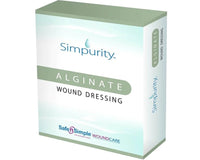
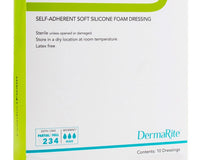
Home wound care products range from basic gauze and tape to foam dressings, hydrocolloids, cleansing solutions, and skin barriers. The right product often depends on the type of wound, drainage level, and how often dressing changes are needed. Convenience matters, but this is one area where precision matters more.
A simple adhesive bandage may be enough for a minor issue, while a draining wound may require a more absorbent dressing and secure fixation. Skin condition around the wound also matters. Fragile skin may not tolerate aggressive adhesives well, so gentler options can make a real difference over time.
Diabetes care and monitoring
For diabetes management at home, the product mix often includes blood glucose meters, lancets, test strips, alcohol prep pads, and sharps disposal items. Some shoppers know exactly which brand and model they need because they are replacing familiar supplies. Others are shopping for a parent or relative and need to make sure all components work together.
Compatibility is the first checkpoint. Not every strip fits every meter, and convenience becomes a major factor when supplies are used multiple times a day. Smaller details, like readable screens or easy-open packaging, can have a big impact for older adults or users with reduced hand strength.
Nutrition and feeding support
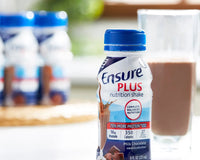
Nutritional drinks, thickened beverages, enteral feeding supplies, and related accessories support people who need more than a standard grocery run can provide. In this category, tolerance, flavor preferences, calorie needs, and clinical recommendations often shape the purchase.
Not all nutrition products serve the same purpose. Some are designed for general supplementation, while others support diabetes-friendly nutrition, high-protein recovery, or tube feeding. If the product is used daily, case quantity and reorder timing become especially important.
What to check before you buy
Once you know the category, it helps to look at a short list of practical buying factors. This is where many returns and frustrations can be avoided.
Size and fit come first for anything worn, applied, or used against the body. That includes braces, incontinence products, ostomy barriers, compression items, and orthopedic supports. Going by habit alone can be risky because sizing varies by product type and brand.
Product compatibility matters in categories like ostomy, urology, diabetes care, and enteral feeding. If a customer is replacing an existing item, matching the current specification is often safer than guessing based on appearance.
Frequency of use also affects value. A lower unit price may look appealing, but if the product needs to be changed more often or performs inconsistently, it may not be the better buy. For recurring needs, dependable performance usually matters more than a small upfront savings.
Shipping convenience is another practical factor. Many home care supplies are bulky, used regularly, or needed with little room for delay. A retailer with broad inventory across multiple categories can simplify repeat ordering, especially for households managing more than one care need at a time.
When broad selection actually helps
A large catalog only matters if it makes shopping easier. In home care, it usually does. People rarely need just one isolated item forever. Needs change. Recovery turns into rehabilitation. Short-term incontinence becomes long-term management. A simple ankle brace purchase can later become a search for a cane, compression socks, or cold therapy products.
That is why category depth is useful. It gives experienced buyers room to reorder the exact product they trust, while also helping newer shoppers compare options within the same care need. For a caregiver trying to manage supplies for a parent, being able to order wound care items, underpads, nutrition drinks, and bathroom safety products from one place can save time and reduce stress.
CartHealth is built around that kind of practical shopping experience - health-need categories, recognizable product types, and the ability to restock home care essentials without making multiple stops.
Common mistakes shoppers make with home health care products
One of the biggest mistakes is buying based only on the product name. Two items can sound similar and serve very different users. Protective underwear and tab briefs are not interchangeable for every situation. The same goes for basic walkers versus rollators, or standard dressings versus specialty wound care products.
Another common issue is underestimating quantity needs. Households new to caregiving often buy too little at first, especially for daily-use categories like gloves, wipes, nutritional supplements, or incontinence supplies. It is reasonable to start with a smaller order when testing a product, but once the right fit is found, reorder planning becomes part of the care routine.
Finally, people sometimes focus only on the patient and forget the caregiver’s experience. Ease of application, packaging that opens without a struggle, and products that simplify cleanup can affect whether a routine feels manageable day after day.
A better way to buy for home use
Good home care shopping is rarely about finding the fanciest option. It is about matching the product to the person, the home, and the routine. That means thinking about safety, comfort, frequency of use, and how likely the item is to be reordered.
If you are buying for yourself, prioritize products that support independence and are easy to use consistently. If you are buying for someone else, look for items that reduce friction for both the user and the caregiver. And if your household is managing more than one health need, it makes sense to shop with a category-first mindset so supplies stay organized and easier to replace.
The best home health care products are the ones that fit real life - not just a diagnosis, but the day-to-day work of living well at home.