When care happens at home, the most stressful moments are often the simplest ones - running out of gloves during a dressing change, realizing there are no underpads left, or discovering the thermometer battery is dead when you need a quick reading. A solid caregiver medical supplies checklist helps prevent those small gaps from turning into bigger problems. It also makes ongoing care easier to manage, especially when you are balancing medications, appointments, meals, and daily routines.
The right checklist depends on who you are caring for. A parent recovering after surgery will need a different setup than an older adult managing incontinence and limited mobility, or a family member living with diabetes or an ostomy. Still, most home caregivers benefit from organizing supplies into a few practical categories so they can restock on time and keep care moving without interruption.
What to include in a caregiver medical supplies checklist
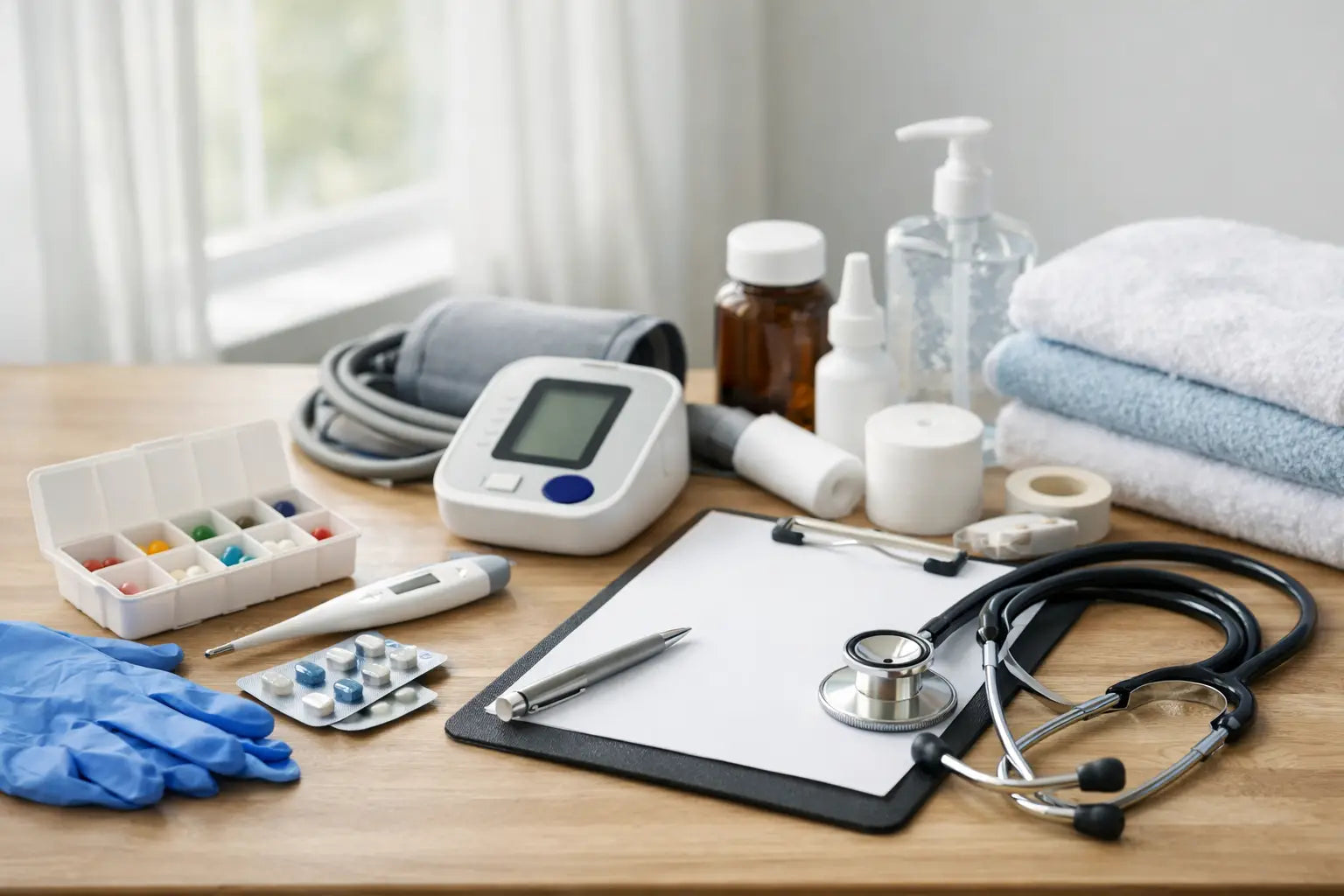
Start with the items that support basic daily care. Disposable gloves are one of the most useful supplies to keep on hand, especially for personal care, wound care, or cleaning up bodily fluids. Many households also keep face masks, hand sanitizer, and disinfecting wipes nearby, not because every situation requires full precautions, but because they make day-to-day hygiene easier when someone is ill, immunocompromised, or recovering.
Thermometers, blood pressure monitors, and pulse oximeters can also be worth keeping at home, depending on the person’s condition. Not every caregiver needs all three, but if a doctor has asked you to monitor symptoms or vitals, having these tools ready can save time and provide useful information between appointments. Batteries, probe covers, and charging cables are easy to overlook, so they should be part of the same kit rather than stored separately.
Personal care supplies usually become the highest-use category. This may include adult briefs, protective underwear, bladder control pads, underpads, washcloths, skin cleansers, barrier creams, and bathing wipes. If the person you care for spends a lot of time in bed or has limited mobility, these products are not optional extras - they are part of keeping skin healthy, clothing dry, and routines manageable. The best quantities depend on how often products are changed each day, so it helps to estimate at least a week or two of use rather than buying only for the next day or two.
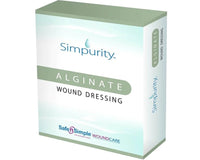
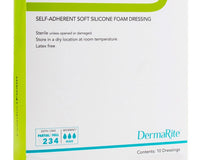
Wound care is another category many caregivers need, even if only temporarily. Gauze, nonstick dressings, medical tape, saline, wound cleansers, and adhesive bandages are common basics. Some homes also need specialty dressings, compression wraps, or skin prep products based on clinical instructions. This is one area where it makes sense to follow the care plan closely. Buying too little creates stress, but buying the wrong type in bulk can leave you with products that do not match the wound or dressing schedule.
Daily care categories that are easy to miss
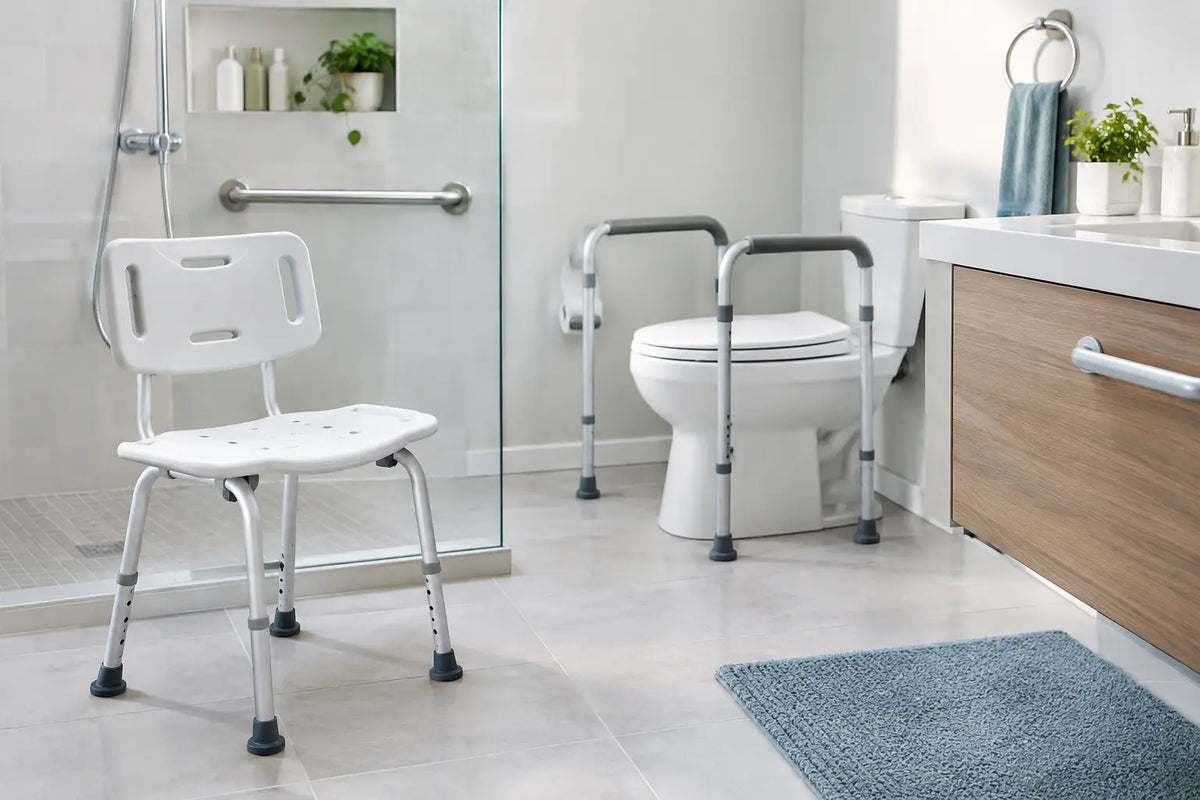
A useful caregiver medical supplies checklist should also cover mobility and transfer support. This does not always mean large equipment. Sometimes the most helpful items are bedside commodes, shower chairs, transfer belts, walkers, canes, non-slip socks, or cushions that improve positioning and comfort. These products can reduce strain for both the caregiver and the person receiving care. They can also help prevent falls, which is often more valuable than reacting after one happens.
Nutrition and hydration supplies are often overlooked until they become urgent. If someone uses oral nutrition drinks, thickened liquids, enteral feeding supplies, feeding syringes, or pump accessories, those products should be tracked just as closely as medications. Even for people who eat regular meals, practical items like spill-proof cups, straws, adaptive utensils, and meal trays can make daily care smoother.
If the person you care for has diabetes, then glucose meters, test strips, lancets, alcohol prep pads, and sharps containers need to stay on your active reorder list. The same goes for ostomy supplies, catheter supplies, or incontinence management products. These are recurring-use items, and running low tends to create immediate stress. For long-term care at home, the best system is usually one that treats these products like household essentials rather than specialty purchases.
Build your checklist around actual routines
The easiest mistake is creating a checklist based on what seems medically useful instead of what gets used every day. A better approach is to follow the care routine from morning to night and note what is touched, opened, replaced, or cleaned. That might include disposable gloves in the bathroom, wipes and barrier cream near the bed, nutrition products in the kitchen, and blood sugar supplies in a drawer that is easy to reach before meals.
This process usually reveals two things. First, some products are used far more often than expected. Second, storage matters almost as much as supply. If underpads are stored in a closet down the hall and wound care items are split between three rooms, caregiving becomes slower and more frustrating than it needs to be.
Many caregivers find it helpful to keep smaller stations in the places where care actually happens. A bathroom station may hold cleansing products, gloves, and incontinence supplies. A bedside station may include underpads, wipes, creams, and a digital thermometer. A wound care station may hold dressings, tape, saline, and trash bags. The goal is not to make the home feel clinical. It is to keep the most-used items where they save the most time.
How much to keep on hand
There is no perfect number for every home, because usage varies widely. A person recovering from a short-term injury may only need a light supply cushion. Someone with ongoing incontinence, wound care needs, or tube feeding supplies usually needs a more deliberate restocking plan.
A practical rule is to know your weekly burn rate. If you use 35 briefs, 20 underpads, and one box of gloves in a week, that gives you a clear reorder point. For recurring products, many caregivers aim to reorder before they are down to the last one to two weeks of use. That buffer matters because shipping times, insurance issues, product substitutions, and simple forgetfulness are all common.
It is also smart to separate backup stock from everyday stock. When everything is opened at once, it becomes harder to track what is actually left. Keeping one active package in use and the rest in reserve makes inventory easier to scan at a glance.
A simple restocking system that works
The best checklist is one you will actually maintain. For some caregivers, that means a printed sheet on the fridge. For others, it means a notes app with product names, sizes, preferred brands, and reorder dates. What matters is that the list is specific enough to prevent mistakes.
Instead of writing gloves, write nitrile gloves, medium, box of 100. Instead of writing briefs, note the brand, size, absorbency level, and whether tabs or pull-ons work better. Those details save time and reduce the risk of ordering something close, but not right.
This is also where shopping from a broad home health source can help. When you need incontinence products, wound care items, nutrition support, mobility aids, and patient care basics at the same time, it is much easier to manage recurring needs in one place than split them across multiple stores. For caregivers trying to save time and avoid repeat errands, that convenience matters.
Caregiver medical supplies checklist by priority
If you want to pressure-test your current setup, focus on four priority groups: hygiene and personal care, monitoring tools, condition-specific supplies, and safety equipment. Most homes can function for a day without extras, but not without the products in those categories.
Hygiene and personal care covers gloves, wipes, cleansers, underpads, briefs, creams, and bathing items. Monitoring tools include thermometers and any doctor-recommended home devices. Condition-specific supplies are the recurring products tied to diabetes care, wound care, enteral feeding, ostomy, or urology. Safety equipment includes transfer aids, fall-prevention items, and mobility supports that reduce risk during everyday movement.
If one of those groups is understocked, the home care setup is more fragile than it looks.
When to update your checklist
Your caregiver medical supplies checklist should change when the care plan changes. Hospital discharge, a new diagnosis, a medication change, reduced mobility, skin breakdown, or a change in appetite can all affect what you need at home. A checklist that worked three months ago may already be outdated.
It also helps to review the list after stressful weeks. Those are usually the moments when supply gaps show up clearly. If you had to improvise, borrow, substitute, or make an unplanned store run, that is a sign the checklist needs adjustment.
Care at home runs better when supplies are predictable. You do not need a perfect stockroom or a complicated tracking system. You need the right products, in the right places, with enough backup to get through the week calmly. A well-built checklist gives you one less thing to worry about, and for most caregivers, that is not a small win.