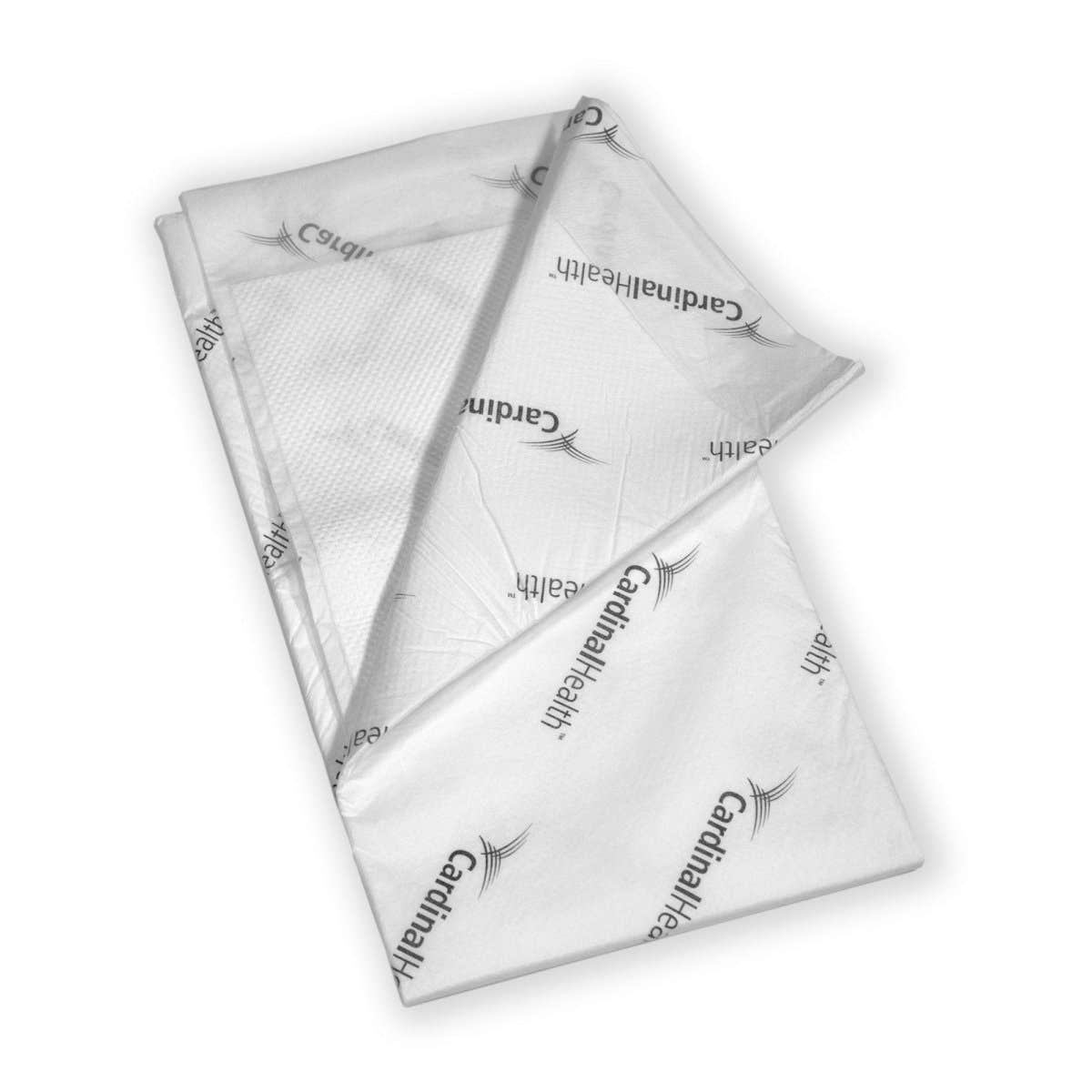
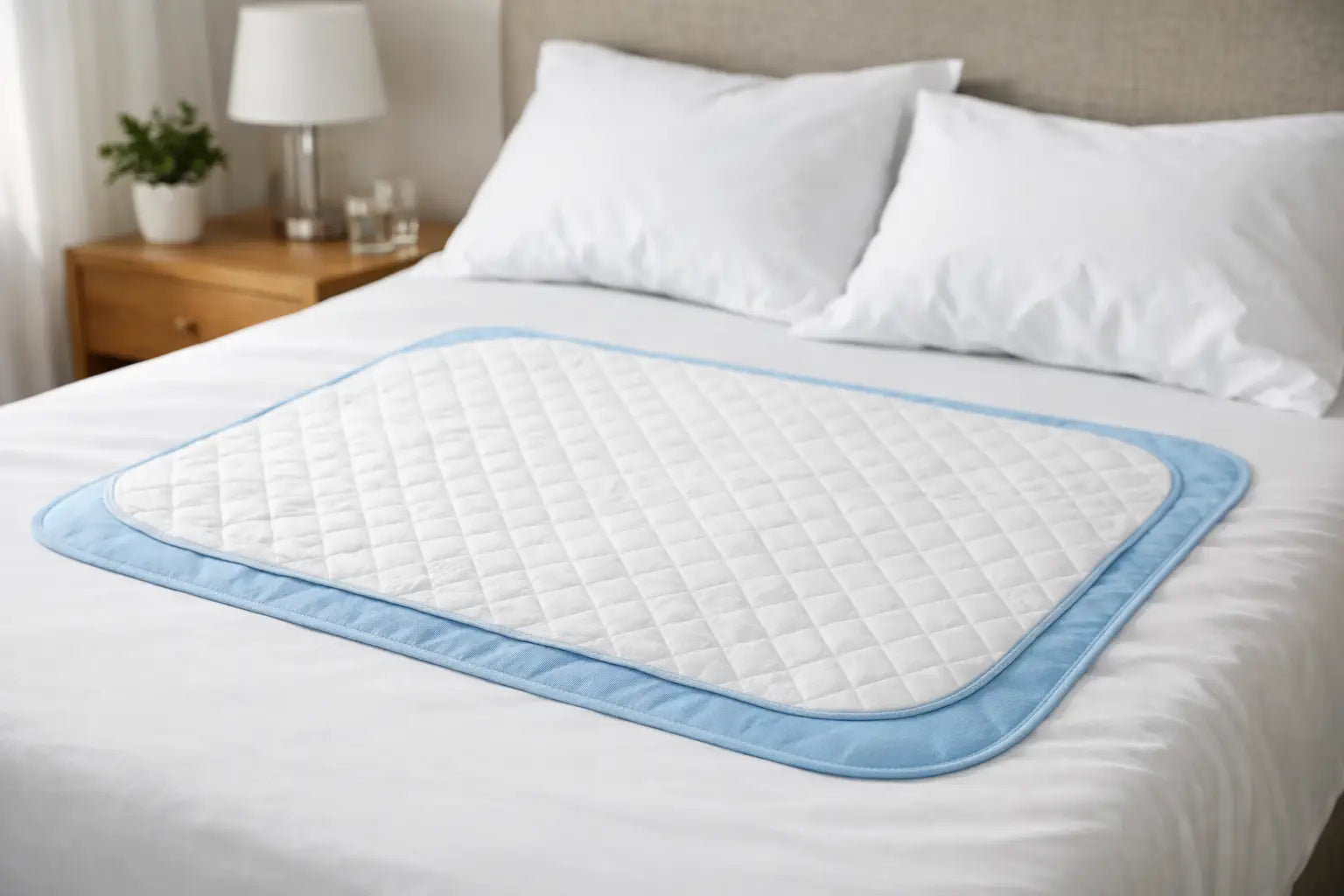
A wet sheet at 2 a.m. is more than a laundry problem. It can interrupt sleep, irritate skin, and turn a routine part of care into something stressful. That is why underpads for incontinence bed protection matter in everyday home care. The right underpad helps keep bedding drier, reduces cleanup, and gives both users and caregivers a more manageable routine.
Not every underpad works the same way, though. Size, absorbency, backing, and intended use all affect how well it performs. For some households, a simple disposable pad is enough. For others, especially when leakage is heavier or happens nightly, a larger or more absorbent option can save time and frustration.
What underpads actually do
Underpads are designed to add a protective layer between the body and the mattress or furniture surface. Most are placed on top of fitted sheets or directly over the area that needs protection. Their job is straightforward: absorb fluid quickly, help prevent moisture from spreading, and keep the surface underneath cleaner and drier.
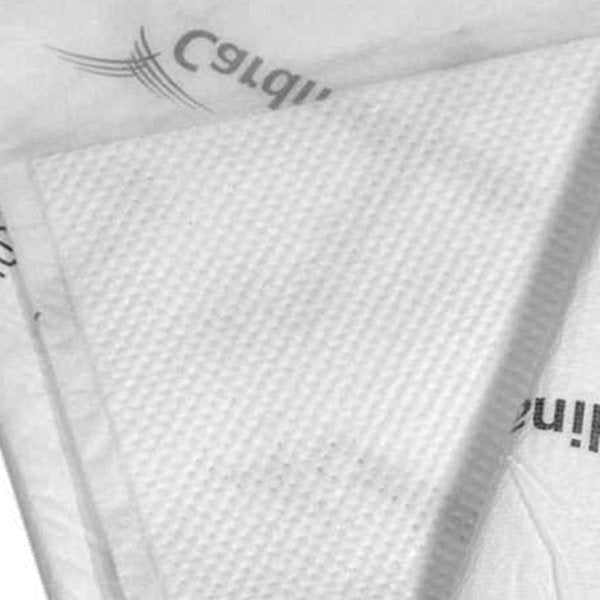
That sounds simple, but performance depends on construction. A good underpad usually includes a soft top layer, an absorbent core, and a moisture-resistant or waterproof backing. If one of those parts falls short, the result may be bunching, slow absorption, or leakage through to the bed.
For overnight use, underpads are often part of a broader incontinence setup rather than the only line of defense. They work well alongside adult briefs, protective underwear, or bladder control pads when extra protection is needed. That added layer is especially helpful during sleep, when position changes and longer wear times can increase the chance of leaks.
Choosing underpads for incontinence bed protection
When shoppers compare underpads for incontinence bed protection, absorbency is usually the first thing they notice. That makes sense, but it should not be the only factor. A very absorbent pad that is too small for the user or shifts during the night may not solve the problem.
Start with the use case. If the underpad is for occasional accidents, a lighter disposable option may be enough. If it is meant for nightly use, post-surgical recovery, or heavier urinary output, a higher-absorbency pad with a stronger backing makes more sense. Some people also need underpads during daytime bed rest, changing routines, or personal care tasks, which may call for a larger surface area.
The user’s mobility matters too. Someone who moves frequently in bed may need an underpad that stays flatter and resists bunching. A person who spends long periods lying down may benefit from a softer top sheet that feels less plastic-like against the skin. These details may seem minor when shopping, but they make a real difference over repeated use.
Size affects coverage more than many people expect
Underpads come in a range of sizes, and this is one of the most practical buying decisions. Smaller pads can work well for chairs, wheelchairs, or targeted bed protection. Larger pads provide broader coverage across the sleeping area and are often better for overnight use.
A pad that is too narrow may leave gaps where leaks can reach the sheet or mattress. A pad that is much larger than needed can be wasteful, especially if it is disposable. Caregivers often find that matching the pad size to sleeping position helps. For example, someone who stays mostly in one spot may do well with standard dimensions, while a restless sleeper may need wider coverage.
Disposable vs. reusable underpads
This is where convenience and cost often pull in different directions. Disposable underpads are easy to remove and replace, which can make overnight changes faster and reduce laundry. They are a practical fit for travel, temporary recovery, guest care, or households that want a quick cleanup option.
Reusable underpads can be more economical over time, particularly for long-term daily use. Many are quilted, softer to lie on, and less likely to crinkle. They can also feel more stable on the bed. The trade-off is laundry volume. If a household is already managing frequent washing, adding reusable underpads may or may not feel practical.
Some caregivers use both. Reusables may handle routine nightly protection, while disposables are kept on hand for travel, illness, or heavier-than-usual nights. That kind of mix often works better than trying to force one product type into every situation.
Materials and comfort matter for overnight use
A bed protection product should do more than absorb. It should also support comfort, especially if it will be used every night. Some underpads have a cloth-like top layer that feels softer and helps draw moisture away from the skin. Others feel thinner or more paper-like, which may be fine for short-term use but less comfortable over longer periods.
Breathability can be important for users with sensitive skin or anyone at risk of irritation from prolonged moisture exposure. While waterproof backing is essential for bed protection, the top side should still help reduce that damp, trapped feeling. If the user is already dealing with fragile skin, looking for a softer surface and quick absorption is often worth the extra cost.
Noise can matter too. Some disposable pads are more noticeable when the user shifts in bed. That may not be a concern for everyone, but for light sleepers it can become one more small disruption in the night.
When a basic underpad is not enough
If leaks keep reaching the bed even with an underpad in place, the issue is often not the idea of using one - it is the product match. Sometimes the pad is too small. Sometimes it does not absorb quickly enough. In other cases, the main incontinence product may need to be changed more often or upgraded for overnight use.
Positioning also affects performance. Underpads should be placed where leakage is most likely to occur, not simply centered by habit. For side sleepers, that may mean adjusting placement slightly. For people who slide down in bed, the pad may need to sit lower than expected.
Heavy incontinence, overnight output, sweating, and skincare products can all change how an underpad performs. That is why it often takes a little trial and error to find the right setup. A product that works well for one person may be wrong for another, even if they appear to have similar needs.
Underpads for incontinence bed protection in caregiver routines
For family caregivers, underpads are often one of the simplest ways to reduce cleanup time and protect expensive bedding or mattresses. They can also make nighttime care less disruptive. Instead of stripping the full bed after every accident, a caregiver may only need to replace the underpad and any affected garments.
That said, convenience should not come at the expense of skin health. If an underpad becomes wet, it should be changed promptly. Leaving a saturated pad in place can increase the risk of discomfort and skin breakdown. In home care, the best routine is usually the one that balances quick changes, dependable absorbency, and supplies that are easy to keep stocked.
This is where shopping by care need can help. Many households are not just buying one product. They may need underpads, adult briefs, wipes, gloves, mattress protection, and skincare items at the same time. A broad home health retailer like CartHealth can make that process easier by keeping related categories together so caregivers can order what they need without piecing it together from multiple stores.
What to look for before you buy
Product details tell you a lot if you know where to focus. Absorbency level, dimensions, quantity per pack, top-sheet feel, and backing type are all worth checking. If odor control matters, look for that feature specifically rather than assuming every underpad includes it.
Pack size also affects value. Larger cases may lower cost per pad, but only if the product is the right fit and will actually get used. If you are testing a new option, a smaller order may be smarter at first. Once performance is proven, buying in larger quantities usually makes reordering simpler and more cost-effective.
For long-term use, think beyond price alone. A cheaper underpad that leaks, shifts, or needs frequent doubling up may cost more in the long run through wasted product, added laundry, and mattress wear.
The best underpad is usually not the one with the most features on paper. It is the one that fits the user’s leakage level, sleep habits, comfort needs, and daily care routine. When those pieces line up, bed protection becomes less of a nightly worry and more of a dependable part of home care.
A good night often starts with small practical choices, and the right underpad is one of them.