Getting to the bathroom in time is not always a simple task. For many families, a bedside commode for elderly adults becomes necessary after surgery, during illness, with reduced mobility, or when nighttime bathroom trips start to feel risky. The right choice can make daily care easier, safer, and less stressful for both the user and the caregiver.
When a bedside commode makes sense
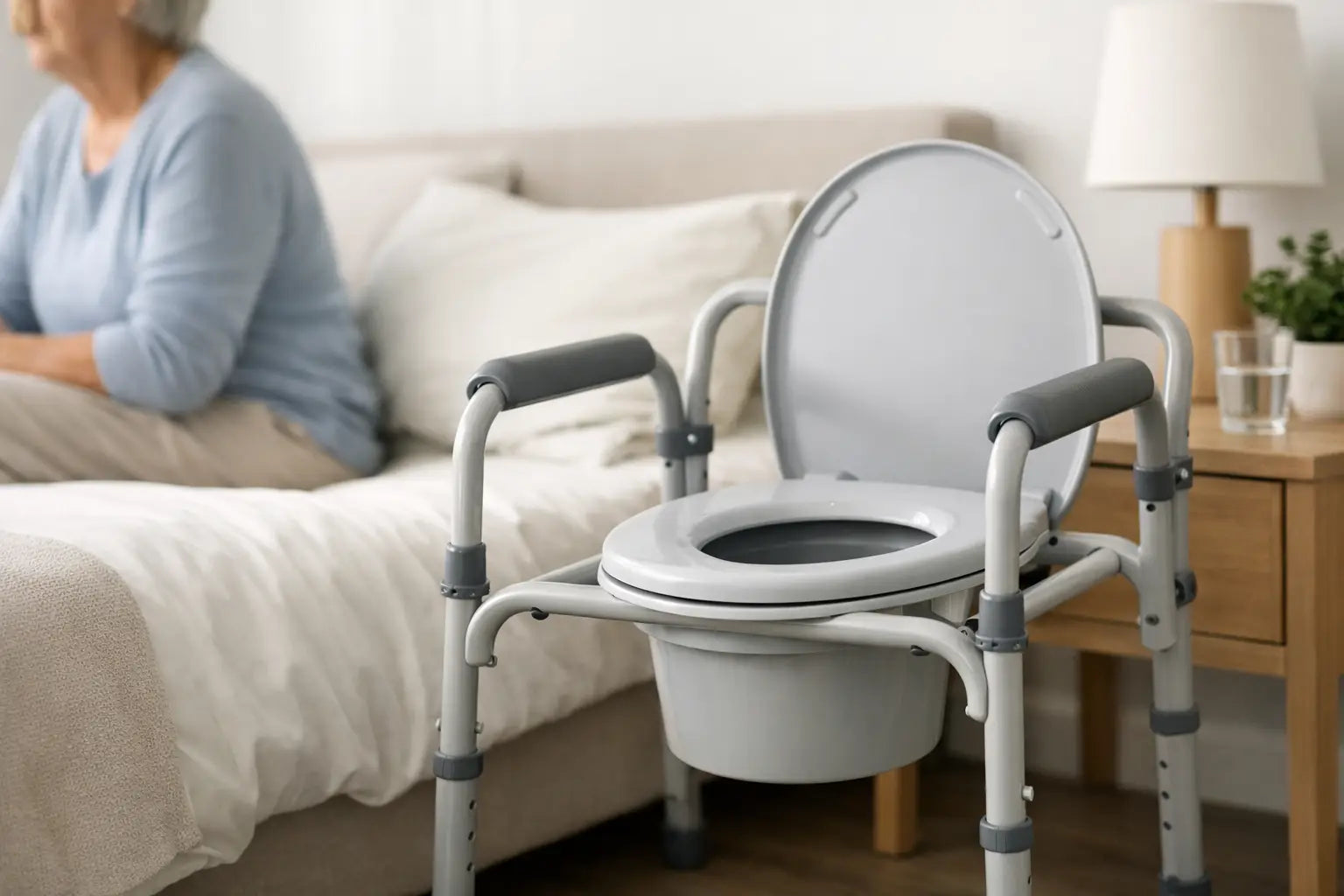
A bedside commode is designed to bring toileting closer to the user when walking to the bathroom is difficult or unsafe. That can matter after a hospital discharge, during rehabilitation, or as part of long-term care at home. It is often used for seniors who have trouble standing up from low toilet seats, who need help with balance, or who are managing weakness, fatigue, or urgency.
For some households, the main goal is fall prevention. Nighttime trips to the bathroom can be especially difficult when lighting is poor, medications cause dizziness, or the bathroom is far from the bedroom. In other cases, convenience matters just as much. A portable commode can reduce strain on the user and limit rushed transfers that increase the chance of injury.
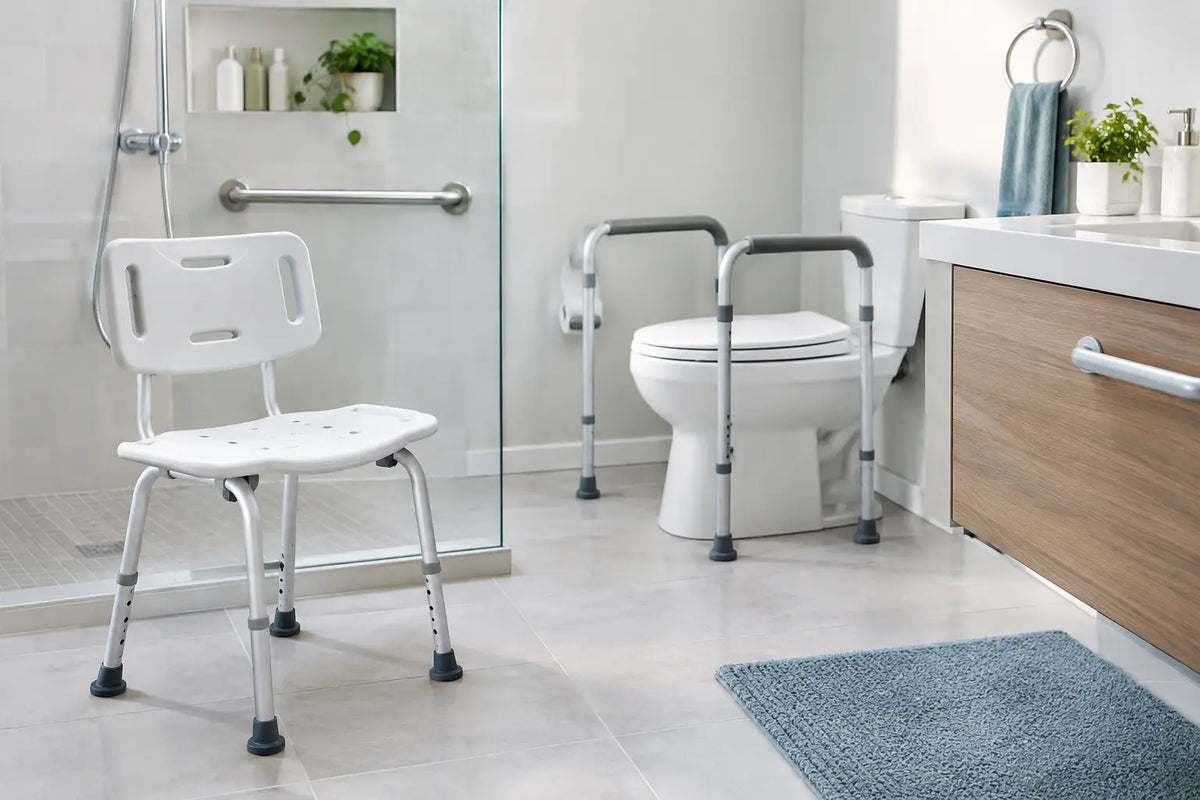
That said, a commode is not automatically the best fit for every situation. If someone can still use the bathroom safely with a raised toilet seat or grab bars, that may be a simpler setup. The right answer depends on mobility, room layout, caregiver support, and how often the equipment will be used.
How to choose a bedside commode for elderly adults
The best bedside commode for elderly users is usually the one that matches the person’s physical needs and home setup without adding extra complications. Product descriptions can look similar at first, but a few features make a real difference in day-to-day use.
Height and ease of transfer
Seat height is one of the first things to check. A commode that sits too low can make standing painful or unsafe, especially for someone with arthritis, knee pain, or limited leg strength. An adjustable-height frame gives more flexibility and can help align the seat with the user’s bed or wheelchair for easier transfers.
It is also worth looking at the width between the arms and the overall seat dimensions. A cramped seat can feel unstable, while a wider opening may improve comfort for some users. If the person relies heavily on arm support to stand, sturdy armrests are not optional - they are part of the safety setup.
Weight capacity and frame stability
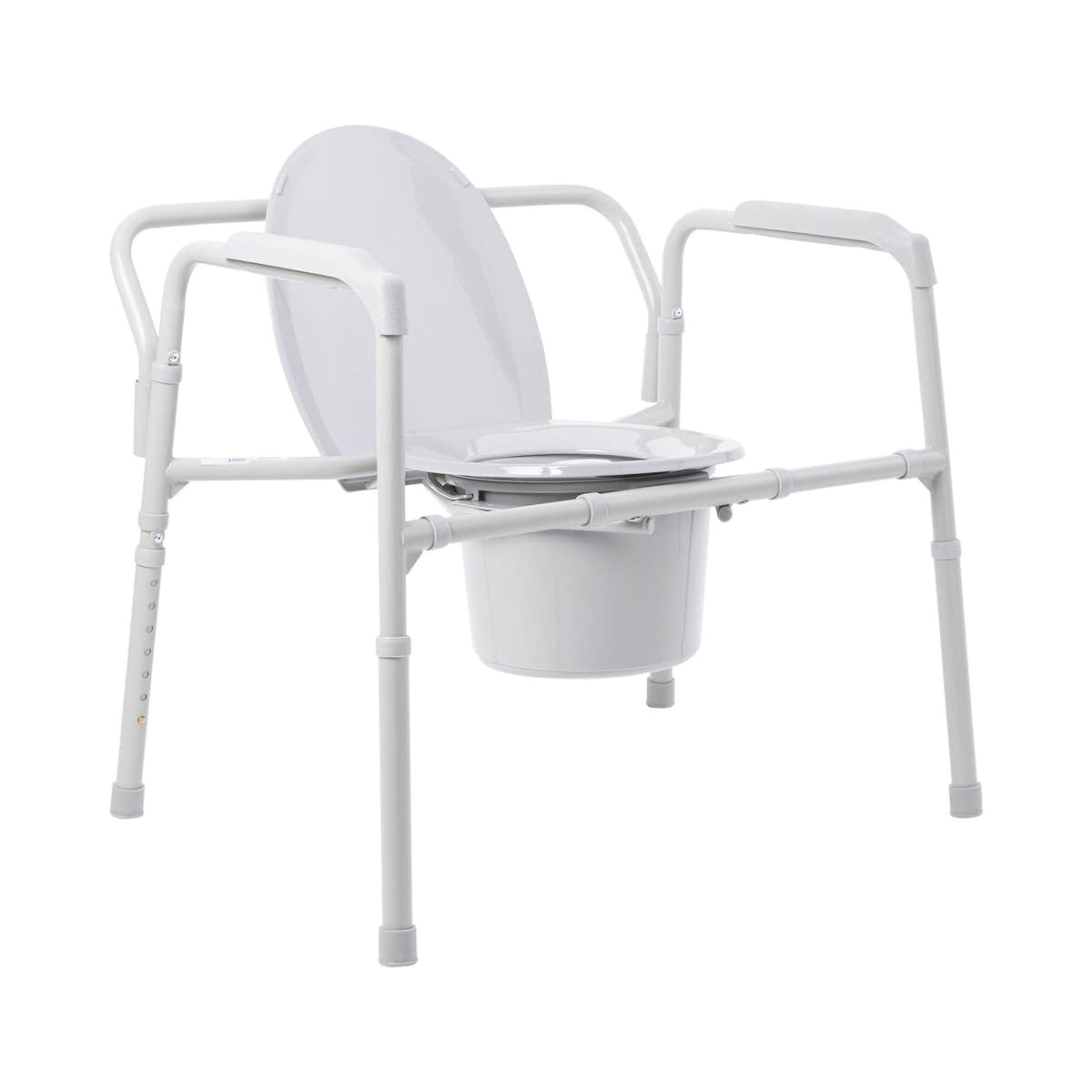
Not all commodes support the same amount of weight. Standard models may be fine for many users, but a bariatric commode is the better choice when extra width and higher weight capacity are needed. This is not just about durability. A properly sized frame can make transfers more secure and more comfortable.
Look closely at the base and leg design as well. Rubber tips help reduce slipping, and a stable frame matters more than lightweight portability if the commode will stay in one room. If it wobbles during use, it is the wrong fit.
Bucket design and cleanup
Some buyers focus on the frame and forget about cleanup. In practice, the pail, lid, splash guard, and carrying handle all affect how manageable the product is. A removable bucket with a secure lid can simplify emptying and cleaning. Commode liners may also help reduce mess and speed up disposal, especially in caregiver settings.
If the commode will be used often, convenience matters. A design that is easy to clean is more likely to stay sanitary and easier to manage over time.
Comfort for repeated use
A bedside commode may be used once in a while, or several times a day. That difference affects what comfort features are worth paying for. A padded seat, supportive armrests, and the right seat shape can improve the experience for someone using it regularly. If the user is recovering short term, a basic model may be enough. For ongoing home care, comfort tends to matter more than people expect.
Common bedside commode types
There is no single model that works for every household. Most bedside commode products fall into a few practical categories, and the best choice depends on how the equipment will be used.
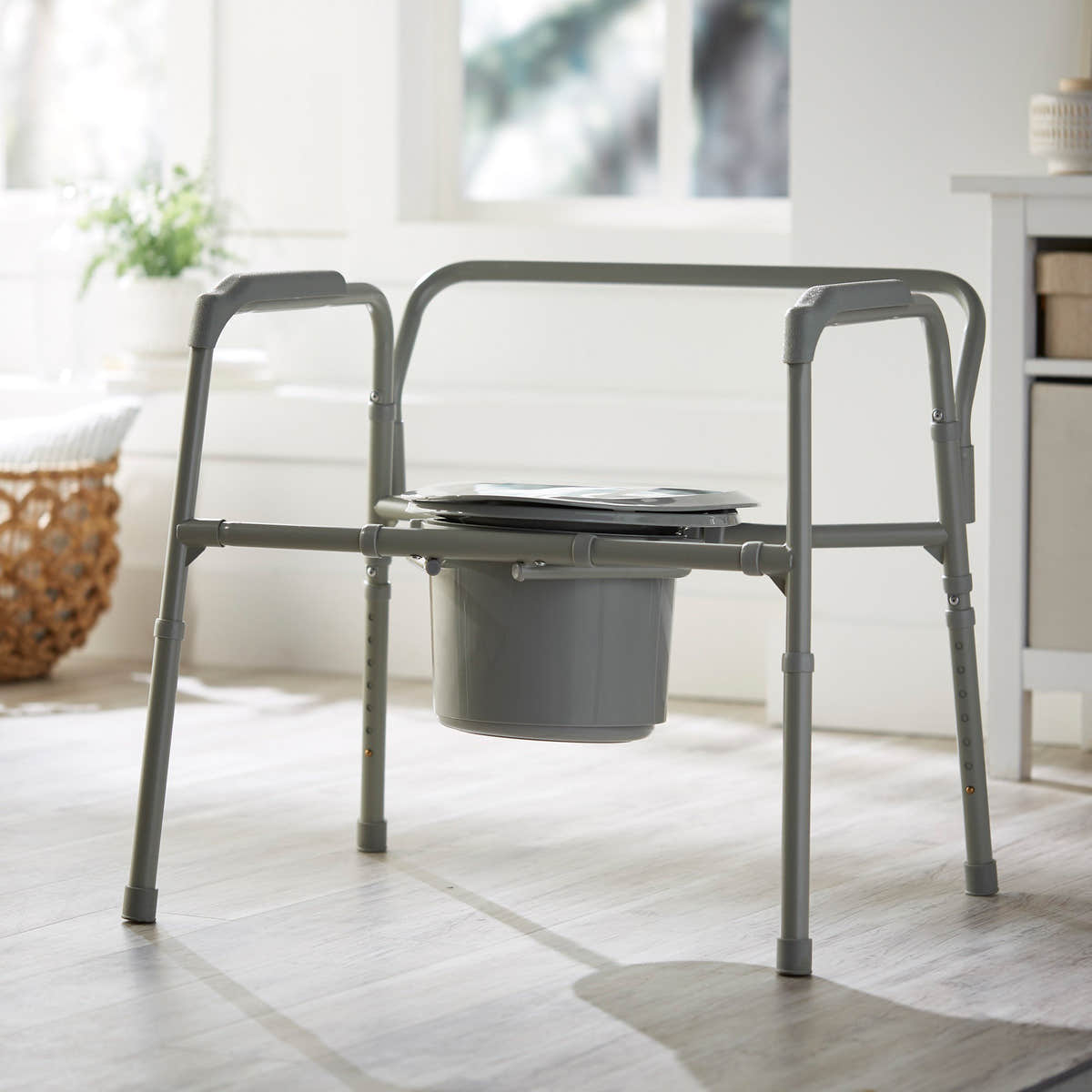
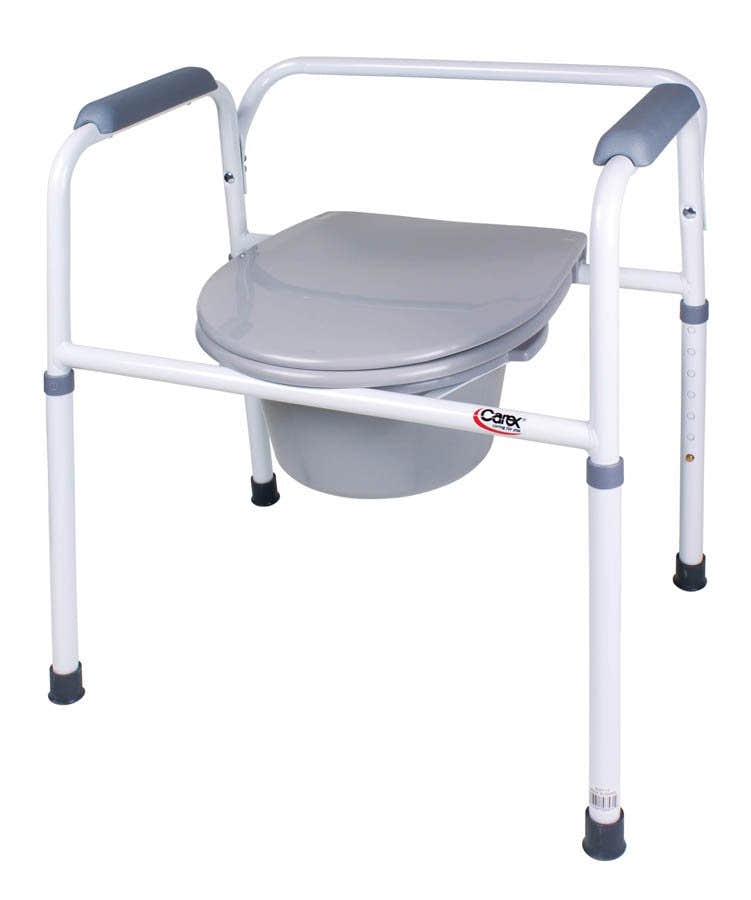
A standard bedside commode is often the simplest option. It includes a seat, bucket, lid, and armrests, and it can be placed next to the bed for direct access. This works well when the priority is short-distance toileting in a bedroom or living area.
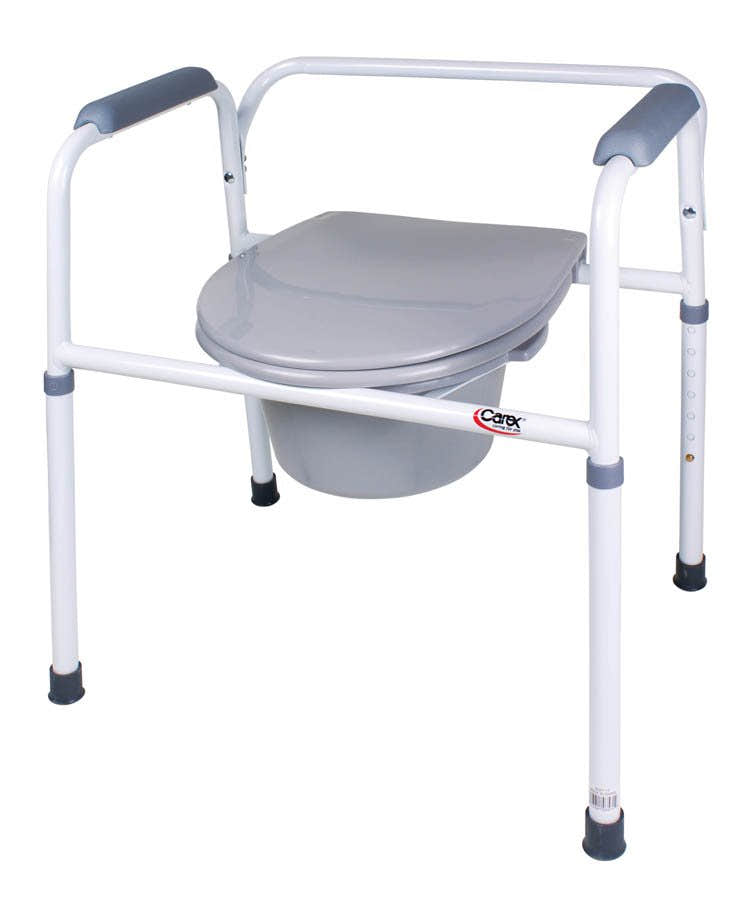
A 3-in-1 commode offers more flexibility. It can function as a bedside commode, a toilet safety frame, or a raised toilet seat when positioned over an existing toilet. For homes with changing needs, this style can be a practical purchase because it supports more than one setup.
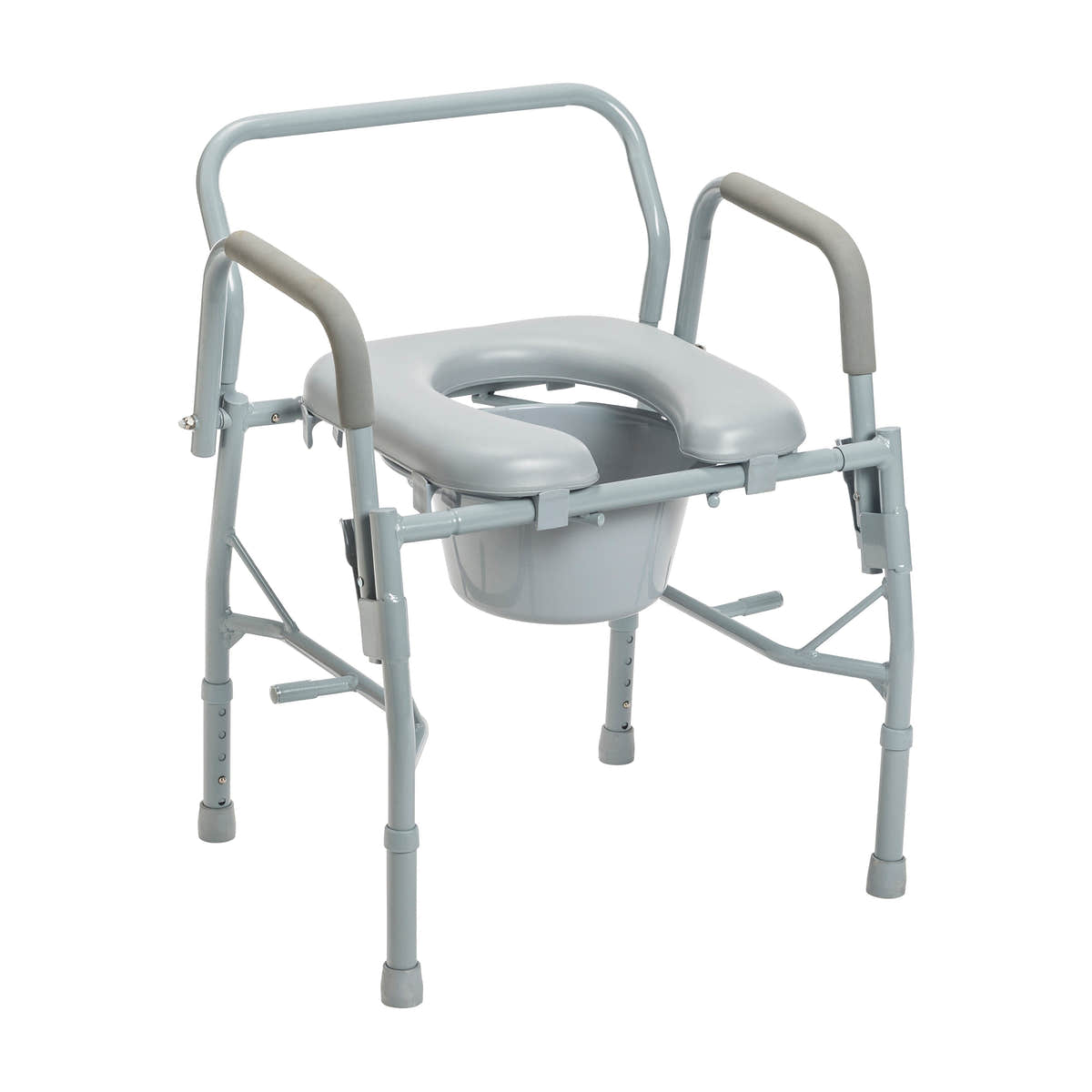
A drop-arm commode can help with lateral transfers from a bed or wheelchair. Instead of stepping forward and turning, the user may transfer from the side, which can be easier for those with major mobility limitations. This style is especially useful when caregiver assistance is part of the routine.
A bariatric commode is built for higher weight capacity and often provides a wider seat and stronger frame. It is a better option when standard dimensions feel restrictive or unsafe.
Where placement and setup matter most
Even a well-made product can be frustrating if it is set up poorly. Before buying, think about where the commode will go and how the user will approach it. There should be enough room to sit down, stand up, and transfer safely. Flooring matters too. Thick rugs, uneven surfaces, and tight corners can create problems quickly.
It also helps to think about privacy and dignity. Some users are comfortable with a bedside setup, while others prefer a commode in a nearby room or behind a privacy screen. Small choices like this can affect whether the equipment is used consistently.
If the person uses a walker or wheelchair, make sure there is enough clearance around the frame. The path to the commode should be simple and free of clutter. This sounds basic, but in home care, small barriers often become the biggest daily frustrations.
Safety details worth paying attention to
When comparing options, safety features should come before convenience features. A few details deserve extra attention.
Adjustable legs should lock securely and stay even on the floor. Armrests should feel firm, not loose. The bucket should fit tightly under the seat without shifting. If the model folds, the frame should still feel stable when fully opened.
It is also smart to match the commode to the user’s real abilities, not just their best day. Someone may be able to transfer independently in the morning but need help at night when they are tired or medicated. Choosing for average conditions rather than ideal ones usually leads to a safer setup.
What caregivers should think about before buying
Caregivers often notice needs that the user may not mention. Emptying the bucket, cleaning the frame, repositioning the commode, and assisting with transfers all become part of the decision. A product that looks compact and simple online may be awkward to manage in actual use.
This is where a slightly more versatile or better-built model can be worth it. If caregiving happens every day, small improvements in cleanup, portability, and transfer support add up fast. Shopping from a broad home health supplier such as CartHealth can also make it easier to compare commode styles alongside liners, wipes, gloves, incontinence products, and other daily care essentials in one order.
Signs it may be time to replace or upgrade
A bedside commode should not be treated as permanent if the user’s condition changes. If standing becomes harder, if the frame feels too narrow, or if the current model shifts during transfers, it may be time to upgrade. The same applies when cleaning becomes difficult or parts show wear.
Needs often change gradually. A standard commode that worked during short-term recovery may not be the right choice for long-term care. Reassessing comfort, safety, and ease of use can prevent bigger problems later.
Making the right choice without overbuying
Many families worry about buying too little or too much. The practical approach is to focus on current needs, likely short-term changes, and how the commode will actually be used at home. A lightweight basic unit may be enough for temporary recovery. A sturdier 3-in-1 or drop-arm model may make more sense for long-term mobility support.
The goal is not to find the most advanced option. It is to find a dependable bedside commode for elderly use that supports safer transfers, easier cleanup, and more confidence day to day. When the setup fits the person and the space, home care tends to run more smoothly - and that can make a real difference for everyone involved.
A good commode should reduce effort, not add to it, so the best choice is usually the one that quietly makes daily life easier.