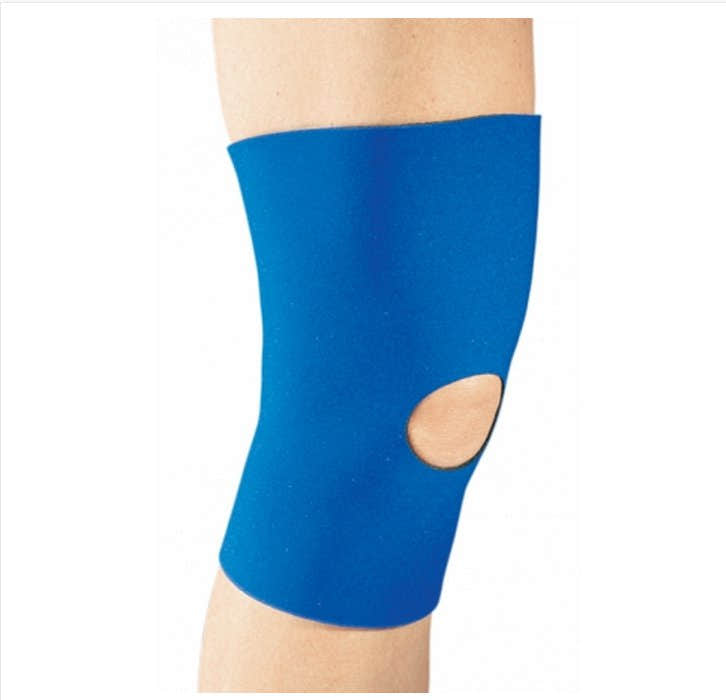
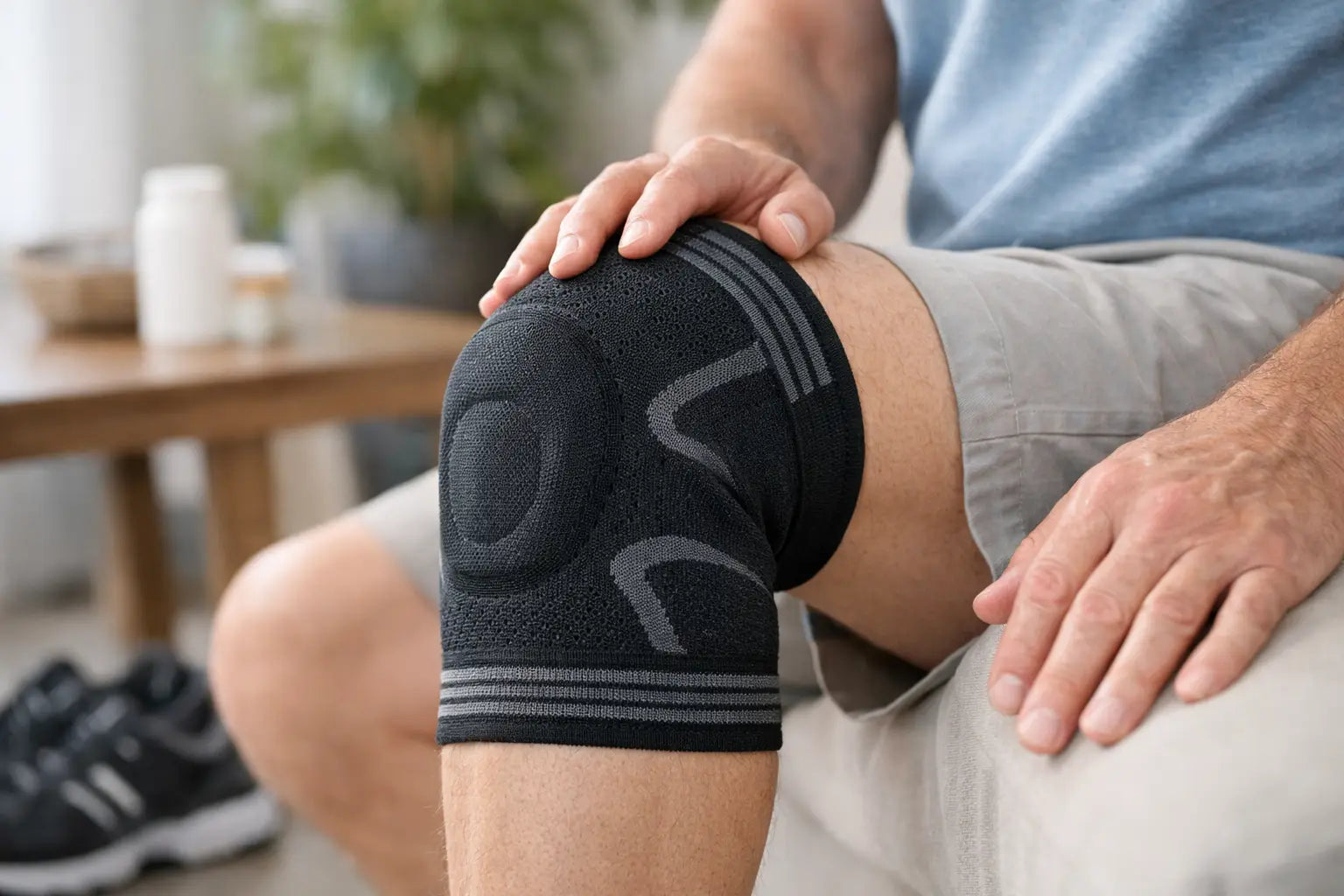
When your knee feels stiff first thing in the morning, aches after a short walk, or swells by the end of the day, a compression knee brace for arthritis can be a practical place to start. It is not a cure, and it will not rebuild worn cartilage, but for many people it can make everyday movement feel steadier, more comfortable, and easier to manage at home.
What a compression knee brace for arthritis actually does
Arthritis in the knee often brings a mix of pain, stiffness, swelling, and a feeling that the joint is not moving the way it used to. Compression braces are designed to apply gentle, consistent pressure around the knee. That pressure can help limit minor swelling, improve the sense of support around the joint, and make movement feel more controlled.
For some people, the biggest benefit is not dramatic pain relief. It is confidence. Going up the porch steps, standing to cook dinner, or walking through the grocery store may feel less uncertain when the knee feels held in place.
That said, compression is only one type of knee support. If you have mild to moderate arthritis symptoms, a soft compression sleeve or wrap-style brace may be enough. If your knee is unstable, gives out, or has a clear alignment issue, you may need a more structured brace with hinges or straps. The right choice depends on what your knee is doing, not just what it is called.
When a compression brace may help most
A compression brace tends to work best when arthritis symptoms are related to mild swelling, general soreness, or stiffness during activity. Many people use one during walking, errands, light exercise, or household tasks. Others wear one after activity when the knee feels irritated and puffy.
It may also help if your pain is worse with repetitive motion or long periods on your feet. The light support can make the joint feel less stressed, especially during predictable daily routines.
But there are trade-offs. A basic compression sleeve usually feels lighter and easier to wear under clothing, but it offers less control than a bulkier brace. A tighter brace may feel more supportive at first, yet if it pinches behind the knee or leaves deep marks, it is likely too tight and may become uncomfortable fast.
Types of knee braces used for arthritis
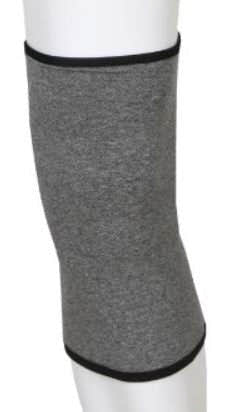
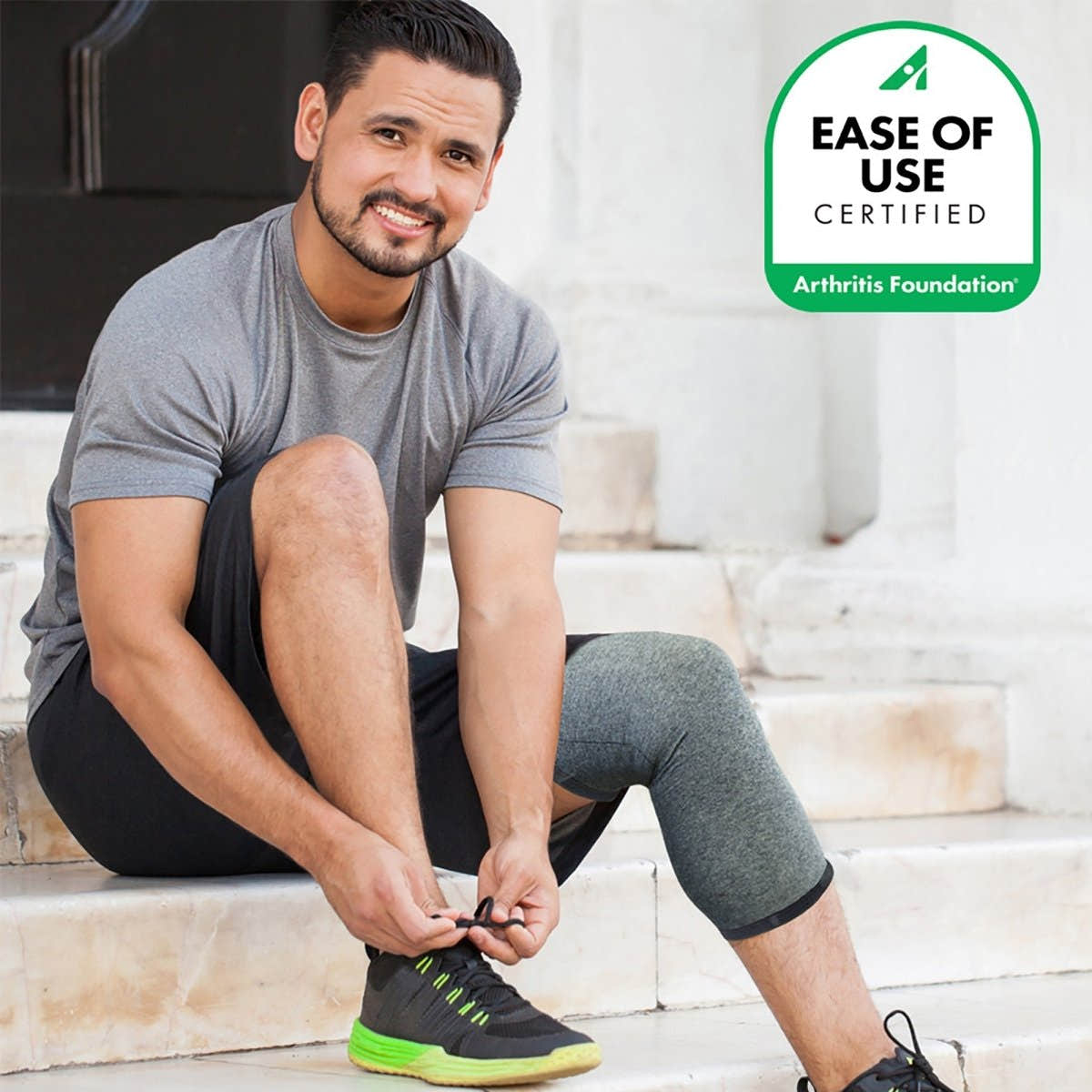
The simplest option is the elastic compression sleeve. This style slides on like a sock and provides even pressure around the knee. It is often the easiest choice for mild symptoms and everyday wear.
A wraparound compression brace is another common option. It usually fastens with hook-and-loop straps, which can make it easier to put on if bending is difficult or if hand strength is limited. It also gives you some control over tightness, which matters when swelling changes during the day.
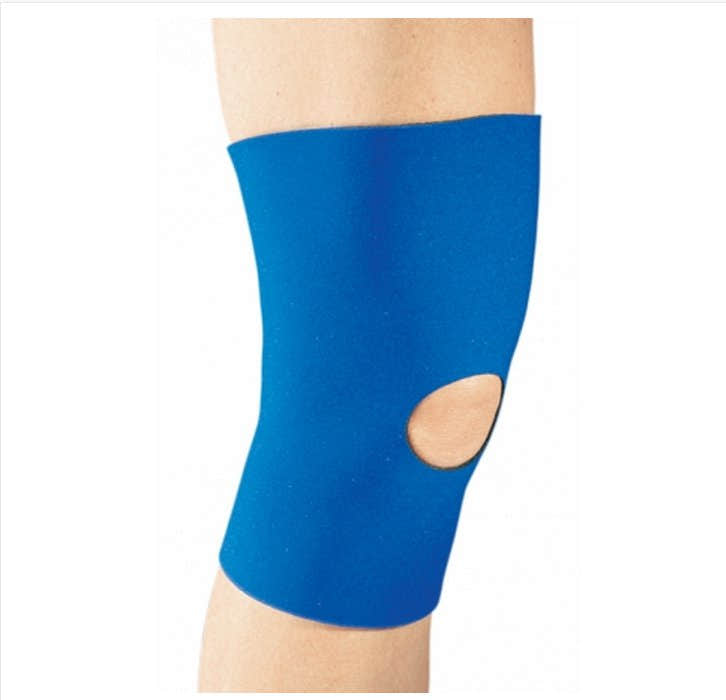
More supportive models may include a patella opening, side stabilizers, or hinges. These features can help if the knee feels wobbly or if you want more structure while walking. They can be useful for arthritis, but they are not always better. More support often means more bulk, more heat, and a harder fit under pants.
If you are shopping for home use, comfort and consistency matter as much as support level. A brace that helps a little and gets worn regularly is usually more useful than one with extra features that stays in a drawer.
How to choose the right compression knee brace for arthritis
Start with symptom level. If your arthritis is mostly about occasional swelling, mild pain, or stiffness, a compression sleeve is often a reasonable first step. If the knee buckles, shifts, or feels unstable, look for a brace with added side support or ask a clinician whether a hinged option makes more sense.
Next, pay close attention to sizing. This is where many people go wrong. A brace that is too loose will slide and bunch. A brace that is too tight can cause discomfort, restrict movement, or irritate the skin. Most braces use a measurement around the knee or around the thigh and calf. Measuring carefully matters more than guessing your usual clothing size.
Material also makes a difference. Breathable knit fabrics tend to feel better for longer wear and warmer climates. Neoprene-style materials may feel more supportive to some users, but they can trap heat and sweat. If you already know your skin is sensitive, softer fabrics and minimal seams are worth prioritizing.
For caregivers buying for someone else, ease of application should be part of the decision. A pull-on sleeve may look simple, but it can be frustrating for someone with limited mobility, hand weakness, or balance issues. A wrap-style brace may be easier to manage independently.
Fit signs to look for once you put it on
A good brace should feel snug but not restrictive. You should be able to bend and straighten the knee without the brace cutting into the skin. It should stay in place during normal walking, and the compression should feel even rather than tight in one spot and loose in another.
Check your skin after wearing it for a while. Mild impressions can happen, especially with elastic material, but deep grooves, numbness, tingling, or increased pain are warning signs. If swelling worsens below the brace or your leg changes color, remove it and reassess the fit.
It is also worth noticing whether the brace changes how you move. If it makes walking feel smoother and the knee more secure, that is a good sign. If you start limping more or avoiding bending the knee because of the brace, the design or fit may not be right for you.
What a brace can and cannot do
A compression brace can support comfort, but it works best as part of a broader arthritis management plan. It may help reduce the sensation of strain during activity. It may help control minor swelling. It may make stairs or daily chores feel more manageable.
What it cannot do is stop arthritis from progressing, fix severe joint damage, or replace evaluation when symptoms change. If your knee suddenly becomes very swollen, locks, gives out repeatedly, or hurts even at rest, a brace should not be your only answer.
This is where expectations matter. Some users feel relief right away. Others notice only a small difference, especially if their arthritis is advanced. Small gains still count if they help you move more comfortably through the day.
Wearing schedule and daily use
Most people do best wearing a brace during activities that usually trigger discomfort rather than all day without interruption. That might mean putting it on for a walk, errands, yard work, or time on your feet in the kitchen.
Some people also like wearing a compression brace for a short period after activity if the knee tends to swell. Overnight wear is usually not necessary unless a clinician has specifically told you to do that.
If you are new to braces, start with short periods and build from there. This gives you a chance to check comfort, skin response, and whether the brace is actually helping. Washing the brace regularly also matters, since sweat and skin oils can affect stretch, comfort, and skin health over time.
When to talk to a medical professional
If you are unsure which brace type fits your symptoms, getting guidance can save time and frustration. This is especially true if you have rheumatoid arthritis, significant deformity, circulation problems, diabetes with reduced sensation, or a recent injury on top of arthritis.
You should also ask for help if over-the-counter compression has not been enough. A more specific brace style, physical therapy, medication changes, or a different activity plan may be more useful than simply trying tighter support.
For shoppers comparing options online, the most practical approach is to match the brace to the problem you are trying to solve. Mild swelling and everyday soreness call for a different product than instability or advanced joint changes. Retailers like CartHealth make it easier to compare brace types by support level, design, and intended use so you can narrow choices without sorting through overly technical language.
Buying with comfort and routine in mind
The best knee brace for arthritis is often the one that fits your real routine. If you need something easy to pull on before a morning walk, choose simple compression. If you need adjustability because swelling changes, choose straps. If you need more support because the knee feels unreliable, consider a more structured design.
Price matters too, but the cheapest option is not always the best value if it stretches out quickly or never fits correctly. On the other hand, more expensive does not always mean more effective for mild arthritis. Think in terms of daily use, comfort, and whether the brace helps you stay active in ways that matter to you.
A good brace should make ordinary movement feel a little less complicated. Sometimes that is enough to help you keep doing the things you want and need to do, one steadier step at a time.