Getting the wrong catheter supply can turn a routine part of care into a daily frustration. If you are figuring out how to choose catheter supplies for yourself or someone you care for, the best place to start is not with a brand name. It is with the catheter type already prescribed, the person’s comfort, and the practical details that make home use easier.
Catheter supplies are not one-size-fits-all. The right setup depends on why the catheter is needed, how often it is used, whether the person is mobile, and what helps reduce irritation, leakage, or disruption during the day and overnight. A product that works well for one person may be inconvenient or uncomfortable for another.
How to choose catheter supplies for daily use
Most shoppers do best when they break the decision into a few simple categories: catheter type, size, drainage method, skin protection, and replacement routine. If a clinician has already recommended a specific product style, use that as the starting point. From there, the goal is to build a complete supply set that supports safe and consistent use at home.
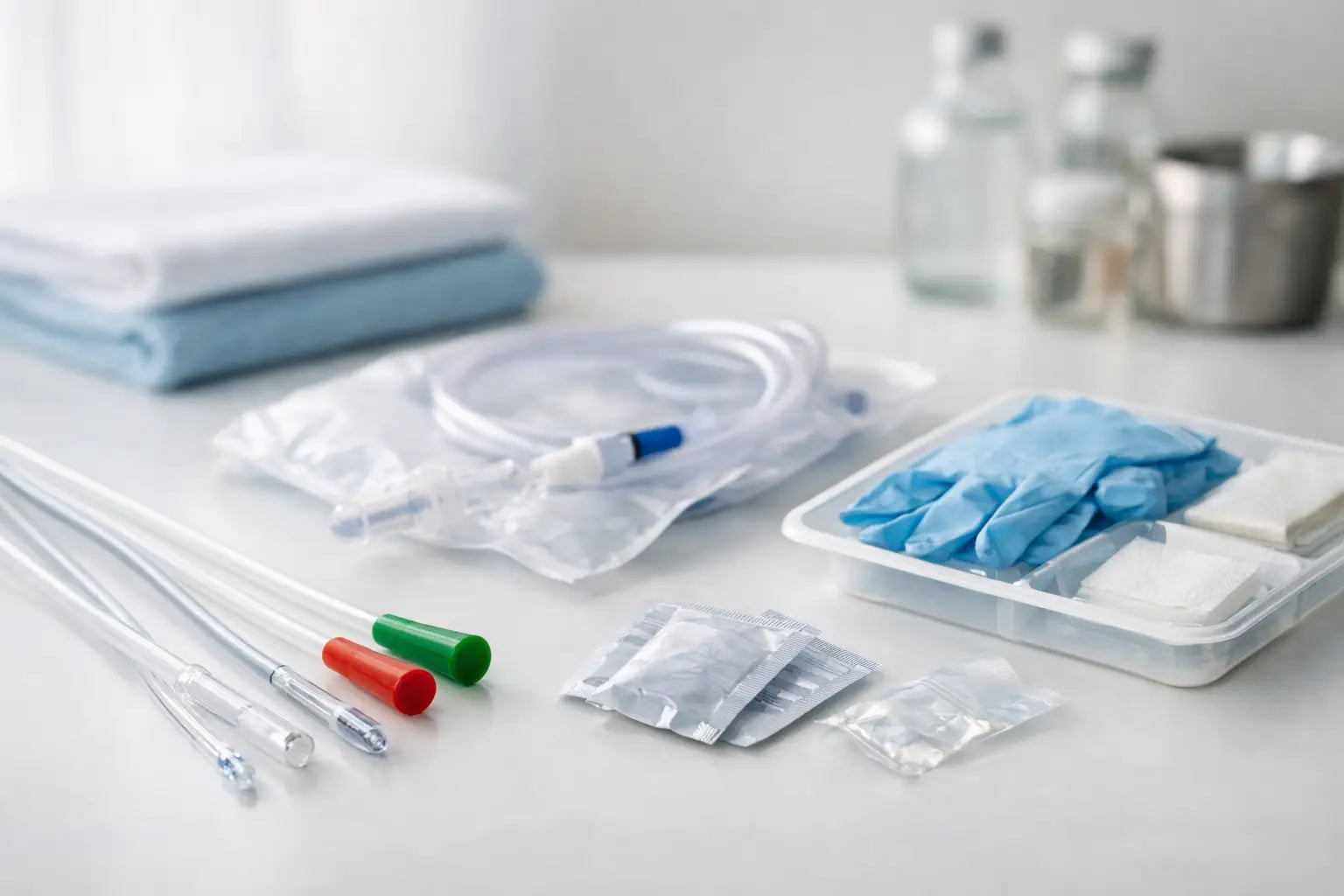
The first question is what kind of catheter is being used. Intermittent catheters, indwelling Foley catheters, and external catheters each call for different supporting supplies. Intermittent catheter users may need lubricant, insertion kits, gloves, wipes, and discreet disposal options. Foley catheter users typically need drainage bags, leg straps, securement devices, bedside drainage options, and cleaning supplies. External catheter users often focus on fit, adhesion, drainage tubing, and compatible collection bags.
That distinction matters because many shopping problems happen when people search too broadly. Someone may think they need “catheter accessories,” but what they actually need is a nighttime drainage bag that matches a Foley setup, or a closed system intermittent catheter that makes travel easier.
Start with the catheter type and prescription
Before comparing features, confirm the basics from the care plan or product packaging. Look at the catheter style, French size, length, and any specific notes about material or use frequency. If the person has been told to use coude tip instead of straight tip, latex-free instead of latex, or closed system instead of standard intermittent, that should guide every purchase.
This is where trade-offs come in. A more specialized product may cost more, but it may also reduce discomfort or make self-catheterization easier. A standard option may be perfectly appropriate if the fit and function are right. The best choice is not always the most advanced version. It is the one that matches the actual need.
For caregivers, consistency matters. Reordering the same specs each time helps avoid errors. If you are switching from one brand to another because of availability or price, compare product details carefully rather than assuming the replacement is identical.
Common catheter supply categories
For intermittent catheter users, the typical supply list may include the catheter itself, lubricant if not pre-lubricated, antiseptic wipes, gloves, underpads, and disposal bags. Some people prefer compact or travel-ready designs, especially if they are out of the house often.
For indwelling catheter users, the setup usually includes the catheter, drainage bag or leg bag, overnight bag, extension tubing if needed, securement device, and skin-friendly cleansing supplies. Some users also keep waterproof pads or mattress protection on hand for peace of mind.
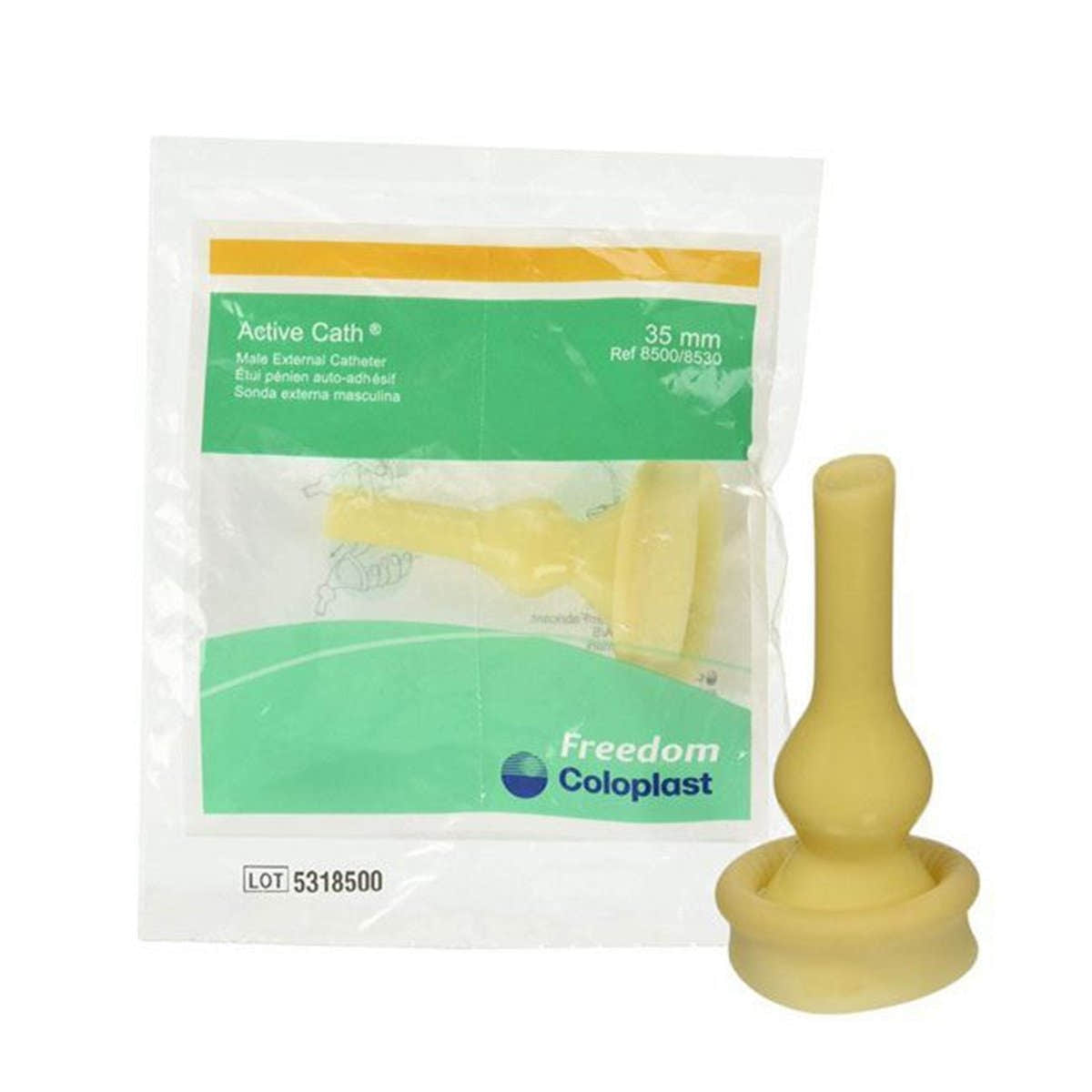
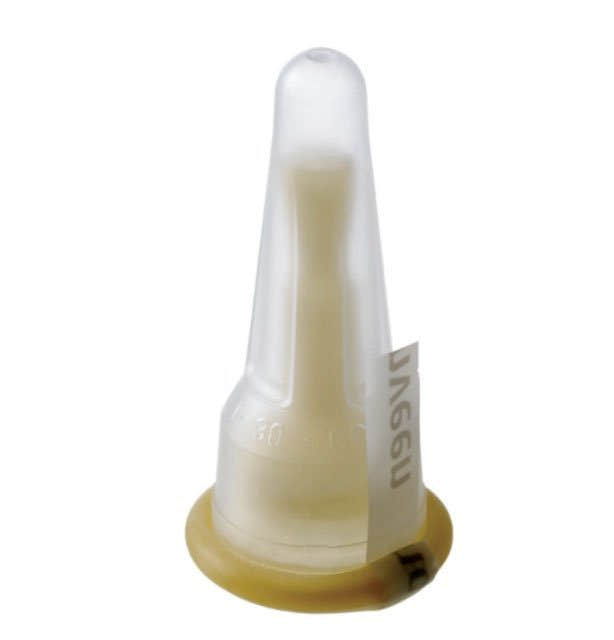
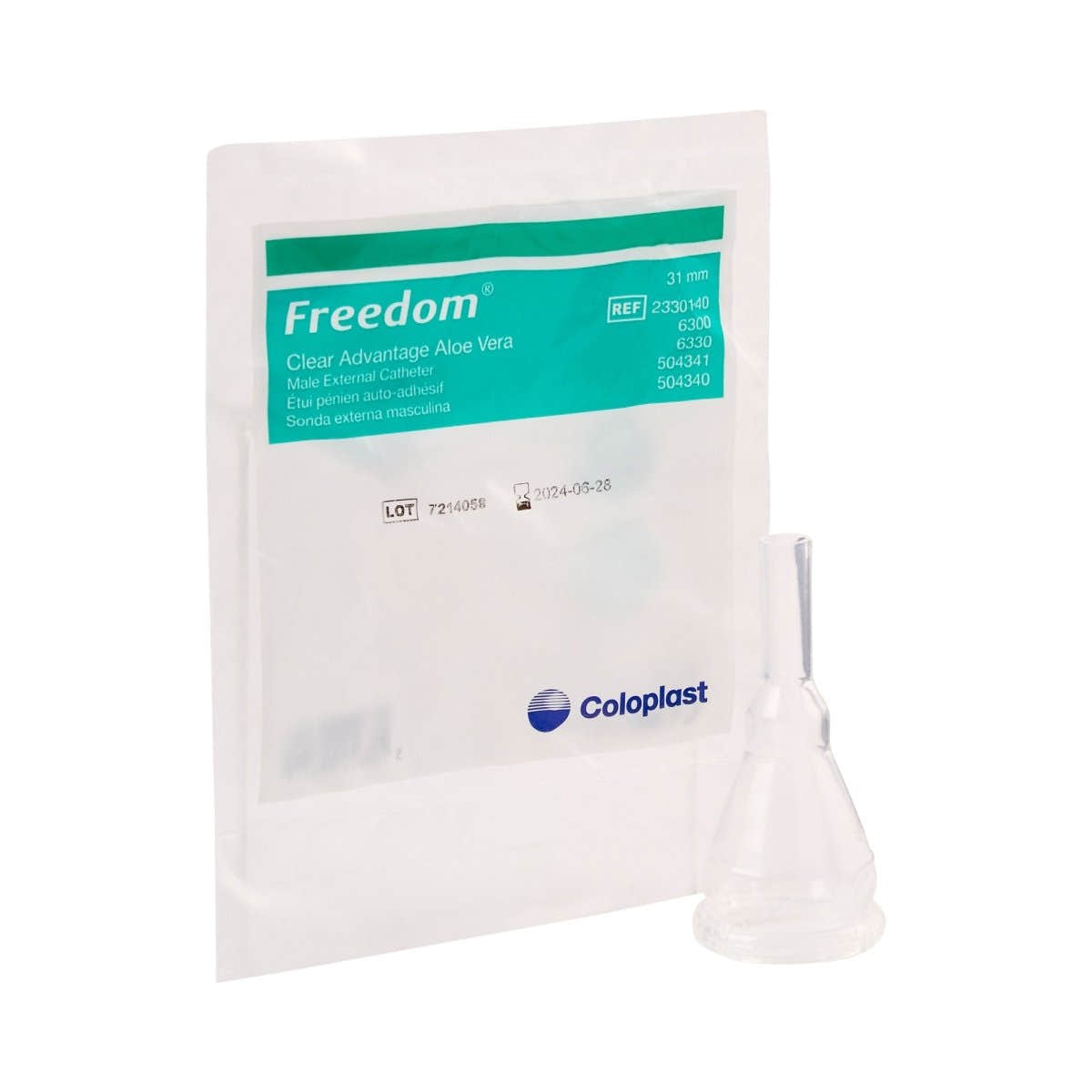
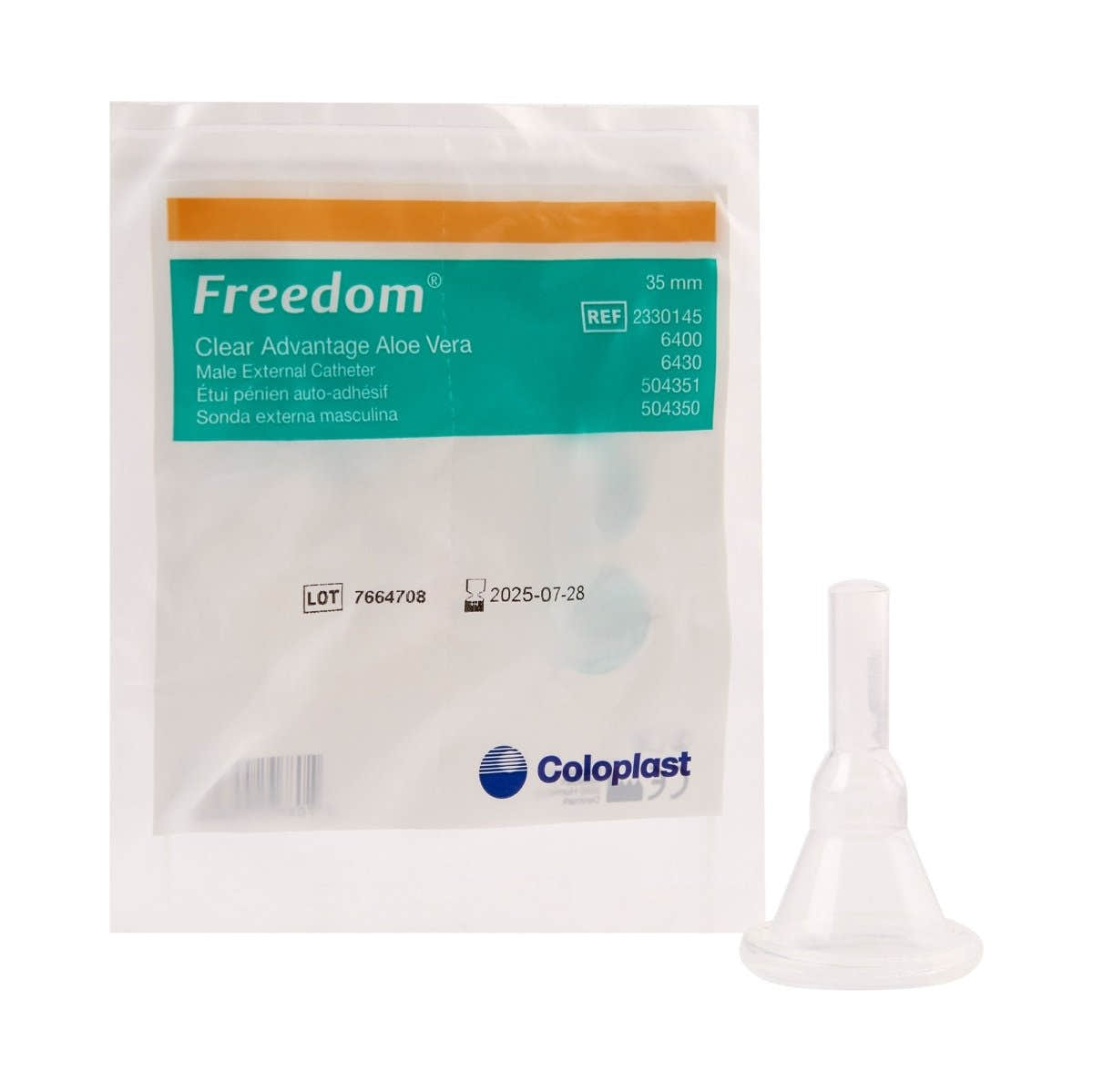
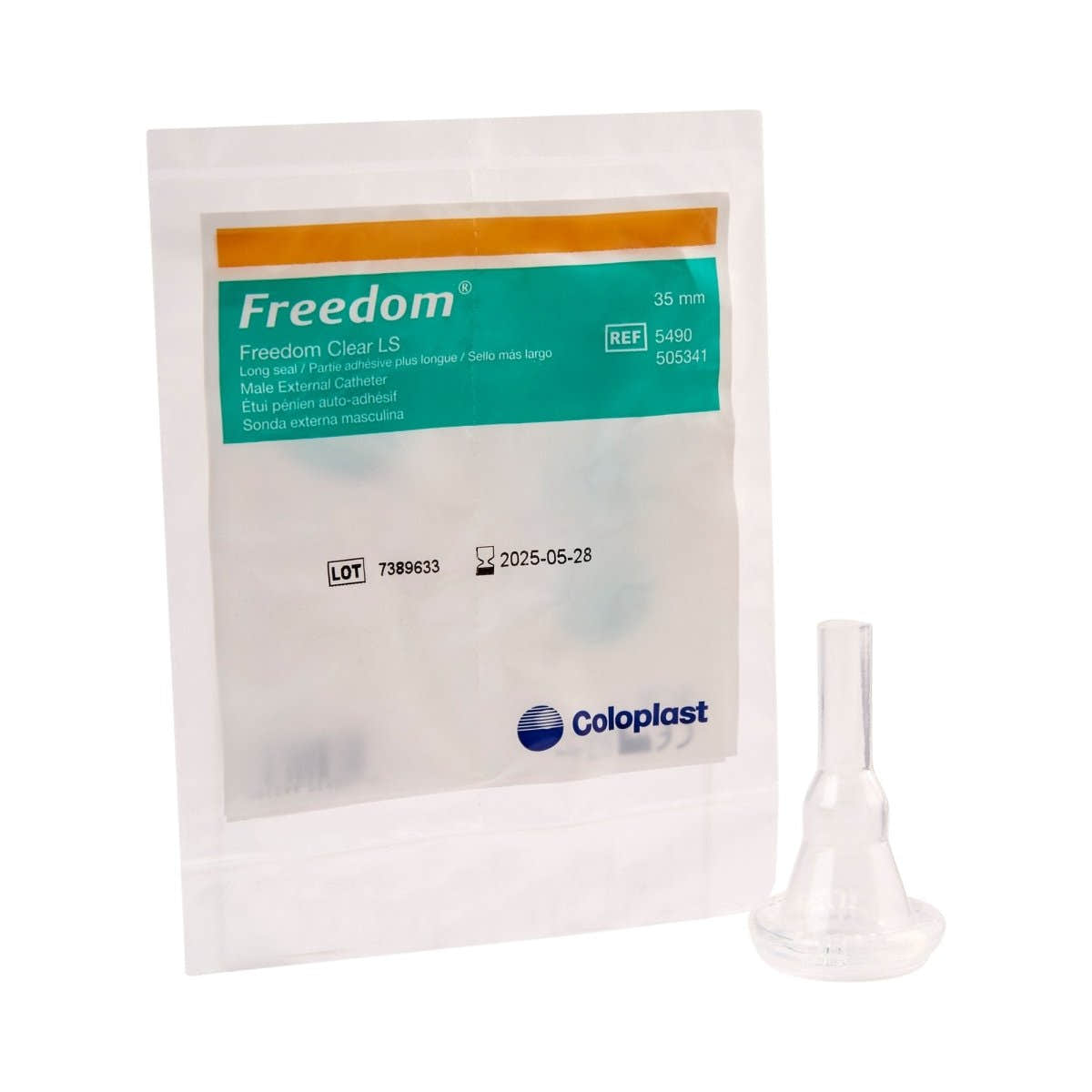
For external catheter users, the main supplies may include the external catheter, adhesive or integrated securement, tubing, collection bag, and skin prep products. Fit is especially important here because poor sizing can lead to leaks or skin problems.
Size, fit, and material affect comfort
One of the biggest parts of how to choose catheter supplies is understanding that comfort and safety often come down to fit. Catheter size is usually measured in French units, and using the prescribed size matters. Going larger is not a shortcut to better drainage. In some cases, it can create more irritation.
Material matters too. Some users do well with standard materials, while others need silicone or latex-free options because of sensitivity, long-term wear, or clinician preference. If there has been itching, redness, or irritation, it is worth checking whether the material could be part of the issue.
Length can also affect usability. For intermittent catheters, some people prefer full-length options for easier handling at home, while others choose compact designs for portability and discretion. Neither is universally better. It depends on dexterity, storage needs, and where the catheter is typically used.
Choose drainage bags based on routine, not just capacity
Drainage bags are easy to overlook until they become the part of the system that causes the most inconvenience. A leg bag may work well during the day because it is lower profile under clothing, while an overnight bedside bag offers larger capacity and fewer interruptions during sleep.
Capacity matters, but so do the smaller details. Tube length, outlet style, anti-reflux features, and how easy the bag is to empty can make everyday use much simpler. A caregiver may prioritize easy drainage and visibility for monitoring output. An independent user may care more about discretion under clothes and comfort while walking.
If someone switches between a daytime leg bag and a nighttime drainage bag, make sure the components are compatible. Matching connectors and tubing can save time and reduce frustration.
Do not skip securement and skin care supplies
Many people focus on the catheter itself and forget the support items that make the system more manageable. Securement devices and leg straps help reduce pulling, movement, and accidental tugging. That can improve comfort and may help lower the risk of irritation.
Skin care products are just as important. Gentle cleansers, barrier wipes, and skin prep products can help protect the area around the catheter or collection device. This is especially relevant for people with fragile skin, heavy perspiration, or long-term catheter use.
It depends on the person’s skin and routine. Some users do best with minimal products to avoid sensitivity. Others need more protection because of moisture or adhesive use. If the skin has been breaking down, a simple product change can sometimes make a noticeable difference.
Think about mobility, travel, and storage
The right catheter supplies should fit into the person’s real life. Someone who spends most of the day at home may choose differently than someone who works, travels, or has frequent appointments. Portability, packaging, and ease of use can be just as important as the base product category.
For active users, individually wrapped supplies, compact catheters, and discreet bags may be worth prioritizing. For caregivers managing supplies for a parent or family member, larger order quantities and dependable reordering may matter more.
Storage is another practical factor. Some products take up more space than expected, especially when buying a month’s supply at a time. It helps to think ahead about where drainage bags, underpads, wipes, gloves, and replacement items will be kept so they stay clean, dry, and easy to reach.
When to ask for a product change
A catheter supply setup should not be painful, hard to manage, or constantly causing leaks. If there is repeated discomfort, skin irritation, poor adhesion, drainage issues, or difficulty using the product as directed, it may be time to review the setup with a clinician.
This does not always mean the catheter type is wrong. Sometimes the issue is the accessory choice, the bag size, the securement method, or the product material. In home care, small adjustments often make the biggest difference.
If you are shopping online, keep the product name, size, and specs from any item that has worked well before. That makes reordering faster and reduces guesswork. Retailers with broad home health categories, such as CartHealth, can also make it easier to buy catheter supplies alongside related daily care items in one order.
A simple checklist for how to choose catheter supplies
If you want a practical way to narrow options, confirm five things before you buy: the prescribed catheter type, the exact size and length, the preferred material, the drainage setup needed for day and night, and the support items required for cleaning, securement, and skin protection.
That short checklist usually reveals whether you are buying just the catheter or building a complete home-use system. It also helps caregivers avoid the common mistake of replacing one item but forgetting the accessories that make the full routine work.
Choosing catheter supplies gets easier once you focus on the person’s daily routine instead of the product page alone. The right combination should feel manageable, dependable, and suited to life at home, which is exactly what good home care products are supposed to do.