
A jar that will not open, a shower step that feels higher than it used to, a hallway that seems fine during the day but risky at night - these are the moments when daily living aids for seniors make a real difference. The right products do not just add convenience. They help preserve independence, reduce strain on caregivers, and make everyday routines feel more manageable.
For many households, the goal is not to overhaul the home all at once. It is to solve the next practical problem with a product that fits the person, the space, and the level of support needed. That is why it helps to think in terms of tasks: getting dressed, bathing safely, moving around the house, using the bathroom, eating comfortably, and reaching household items without overextending.
What daily living aids for seniors actually do
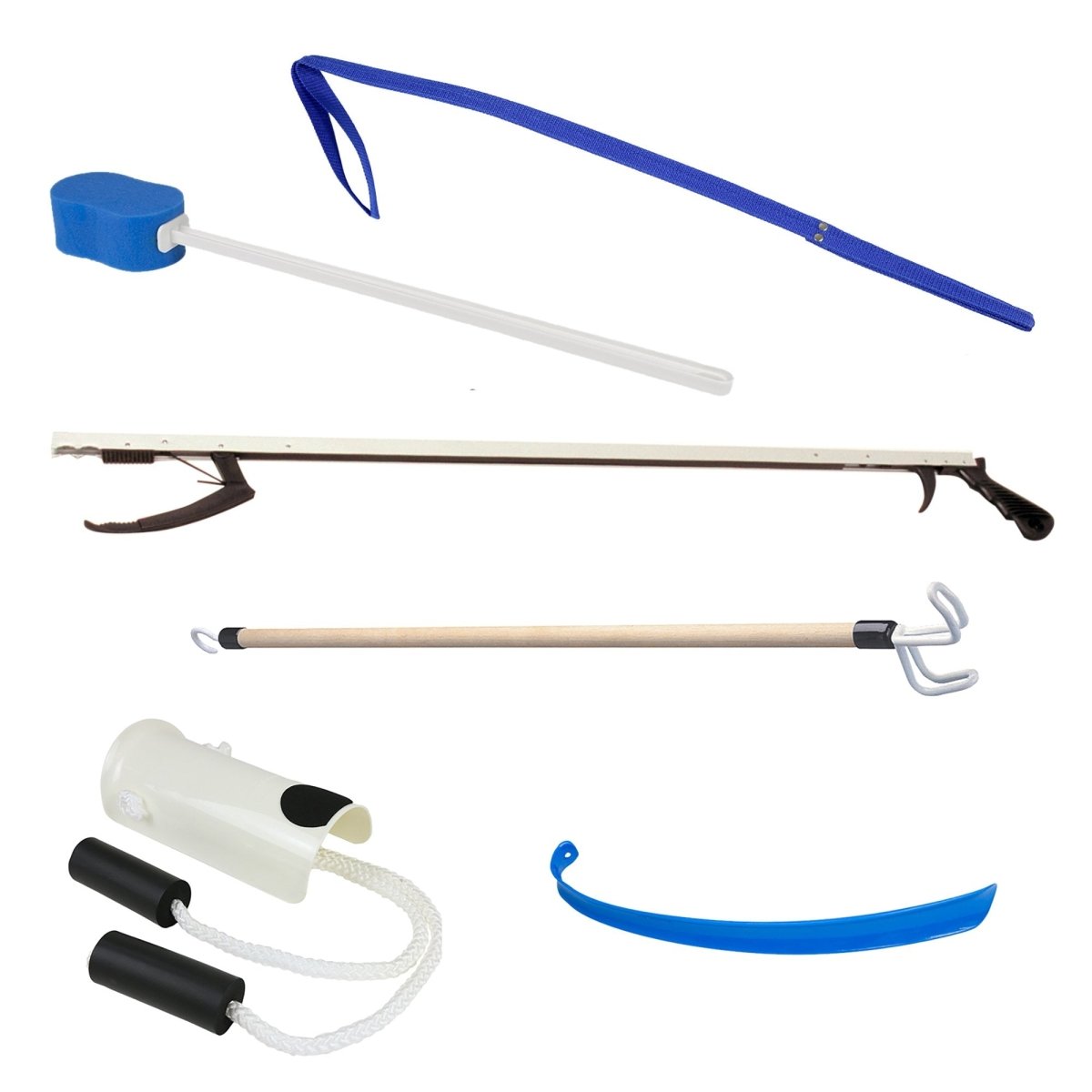
Daily living aids support activities that most people want to handle with as little assistance as possible. That can mean tools for grip, balance, reach, positioning, or personal care. Some products are simple and low-cost, like sock aids or long-handled sponges. Others are more substantial, such as raised toilet seats, shower chairs, or overbed tables.
What matters most is matching the aid to the reason the task is difficult. If someone has arthritis, the issue may be grip strength and joint pain. If they are recovering from surgery, bending and standing may be the main challenge. If balance is the concern, then stability and fall prevention should come first. A product can be well made and still be the wrong fit if it does not address the actual limitation.
Start with the highest-friction parts of the day
The best place to begin is usually where frustration or risk shows up most often. In many homes, that means the bathroom. Wet surfaces, low toilet heights, and the need to stand, turn, and sit in a small space can make routine care harder than families expect.
Bathroom aids
Grab bars, toilet safety frames, raised toilet seats, shower chairs, bath benches, handheld shower sprays, and non-slip bath mats are among the most commonly used bathroom supports. These products help with transfers, reduce fatigue while bathing, and create more stable handholds during movement.
There are trade-offs, though. A raised toilet seat may make sitting and standing easier, but height and fit need to match the user and the toilet. A shower chair can improve safety, but only if the shower space is large enough and the chair is adjusted properly. Suction-style supports may seem convenient, yet many households are better served by more secure mounting options when long-term reliability matters.
Dressing and grooming aids
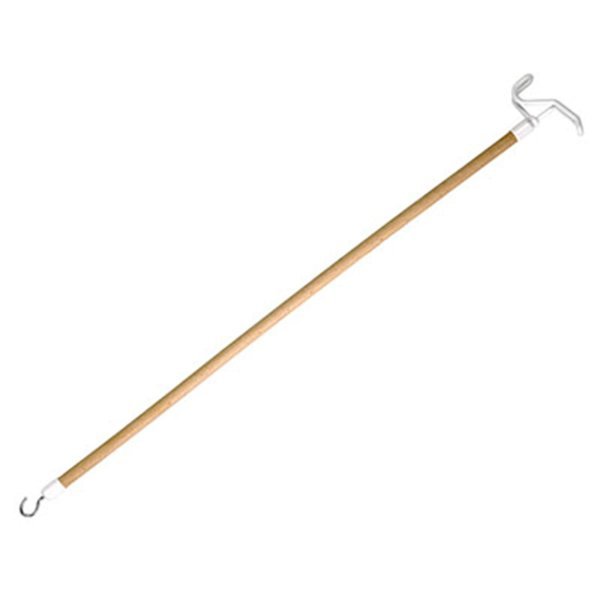
Getting dressed can become tiring when shoulder mobility, hand strength, or balance changes. Button hooks, zipper pulls, dressing sticks, elastic shoelaces, long-handled shoehorns, and sock aids can reduce the need to bend, pinch, or twist. For grooming, long-handled combs, easy-grip toothbrushes, and magnifying mirrors may help maintain a familiar routine with less strain.
These products tend to work best when they address a specific motion that has become difficult. A person with limited hand dexterity may benefit from built-up handles, while someone with hip precautions after surgery may need tools that reduce bending. Small adaptations can have an outsized effect when used several times a day.
Mobility and transfer support inside the home
Not every senior needs a wheelchair or walker, but many benefit from targeted support around standing, sitting, and short-distance movement. Chairs that are too soft, beds that sit too low, and entryways without a handhold can quietly increase fall risk.
Bedside and seating aids
Bed rails, bed assist handles, transfer poles, lift cushions, and seat cushions can make transitions safer and less exhausting. If getting out of bed is the hardest part of the morning, a stable assist rail may be more useful than a larger mobility device. If standing up from a favorite recliner is the issue, a seat lift cushion or firmer support surface may offer enough help to keep that chair usable.
The key is to pay attention to how the person moves now, not how they used to move. Some aids are intended for support and balance, not for bearing full body weight. Others require a certain mattress type, bed frame, or chair shape to work safely. Product details matter here.
Walking and reaching aids
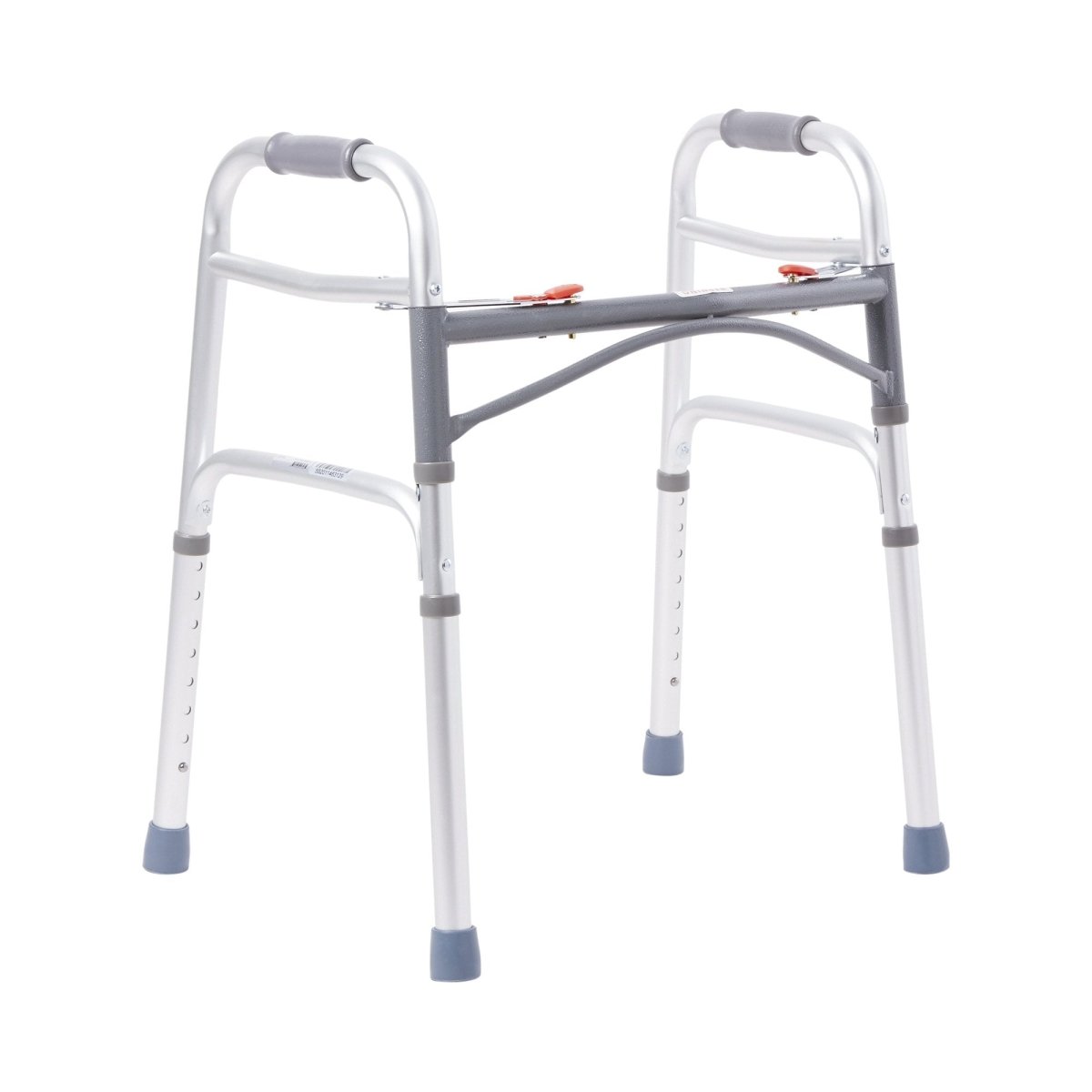
Canes, walkers, rollators, and reachers all fall into the broader category of daily support, but they serve different purposes. A reacher can prevent risky stretching into cabinets or picking items up from the floor. A cane may help with mild instability. A walker or rollator may be more appropriate when weight-bearing support or a place to rest is needed.
This is one area where under-buying can be just as problematic as over-buying. A lightweight, simple option may seem easier to manage, but if it does not provide enough support, it can create false confidence. On the other hand, a larger device may feel cumbersome in a small home with narrow turns. The best choice depends on both the user and the layout of the space.
Kitchen and mealtime tools that reduce effort
The kitchen often reveals changes in grip, endurance, and coordination before other rooms do. Opening containers, carrying dishes, cutting food, and standing at the counter can all become more difficult over time.
Adaptive utensils with enlarged handles, rocker knives, non-slip placemats, plate guards, jar openers, and lightweight cups can make meals easier and more comfortable. For some seniors, the challenge is not eating but preparing food safely. Reachers, stool supports, and easy-grip kitchen tools can reduce repetitive strain and lower the risk of losing balance while reaching.
There is no need to make the kitchen look clinical. Many daily living products are discreet enough to blend into normal routines. The goal is function without adding confusion. If a tool is too complicated to use or clean, it often gets abandoned.
Household safety products that support independence
Some of the most valuable daily living aids are the least noticeable. Motion-sensor night lights, non-slip floor solutions, threshold ramps, furniture risers, and anti-slip socks do not draw much attention, but they can make the home easier to navigate.
Lighting deserves special attention. A home that feels safe at noon can feel very different during a 2 a.m. trip to the bathroom. Night lights in hallways, bedrooms, and bathrooms can support better visibility without requiring overhead lights. For seniors with slower transitions from sitting to standing, that extra visibility can reduce hesitation and missteps.
Simple environmental supports also help caregivers. When a room is easier to move through and common items are easier to reach, there are fewer urgent asks and fewer physically demanding assists throughout the day.
How to choose the right daily living aids for seniors
Start with one question: what exact task is hard right now? That keeps shopping focused. From there, consider how often the task happens, whether the problem is pain, weakness, balance, limited range of motion, or fatigue, and whether the person is likely to use the product consistently.
Measurements are worth taking before you buy. Toilet height, shower width, bed height, chair arm spacing, and user weight capacity can all affect fit and safety. It also helps to think about cleaning and setup. A product used every day should be easy to maintain and simple to keep in place.
For caregivers ordering online, category organization matters. Shopping by care need rather than by brand alone can make it easier to compare options across bathroom safety, mobility, patient care, incontinence support, and home essentials. A broad home health retailer like CartHealth can be useful when you need to solve more than one daily challenge in the same order.
When a simple aid is enough and when it is not
Some issues improve quickly with the right tool. Others signal a bigger need for mobility support, rehab equipment, or clinical guidance. If a senior is having repeated falls, major difficulty transferring, or sudden changes in strength or coordination, a household aid may be only part of the solution.
That does not make small products less valuable. It just means they work best when they are chosen honestly. A sock aid can help someone dress more independently. It will not solve severe balance loss. A shower chair can reduce fatigue. It will not fix a bathroom layout that is too tight for safe transfers.
Good product selection starts with realistic expectations. The right daily living aid should reduce effort, improve safety, and support confidence. If it adds confusion, creates a new hazard, or goes unused after a week, it is probably not the right fit.
A safer, easier home usually comes together one practical fix at a time. When you choose products around real routines instead of ideal scenarios, daily tasks tend to feel less stressful for everyone involved.