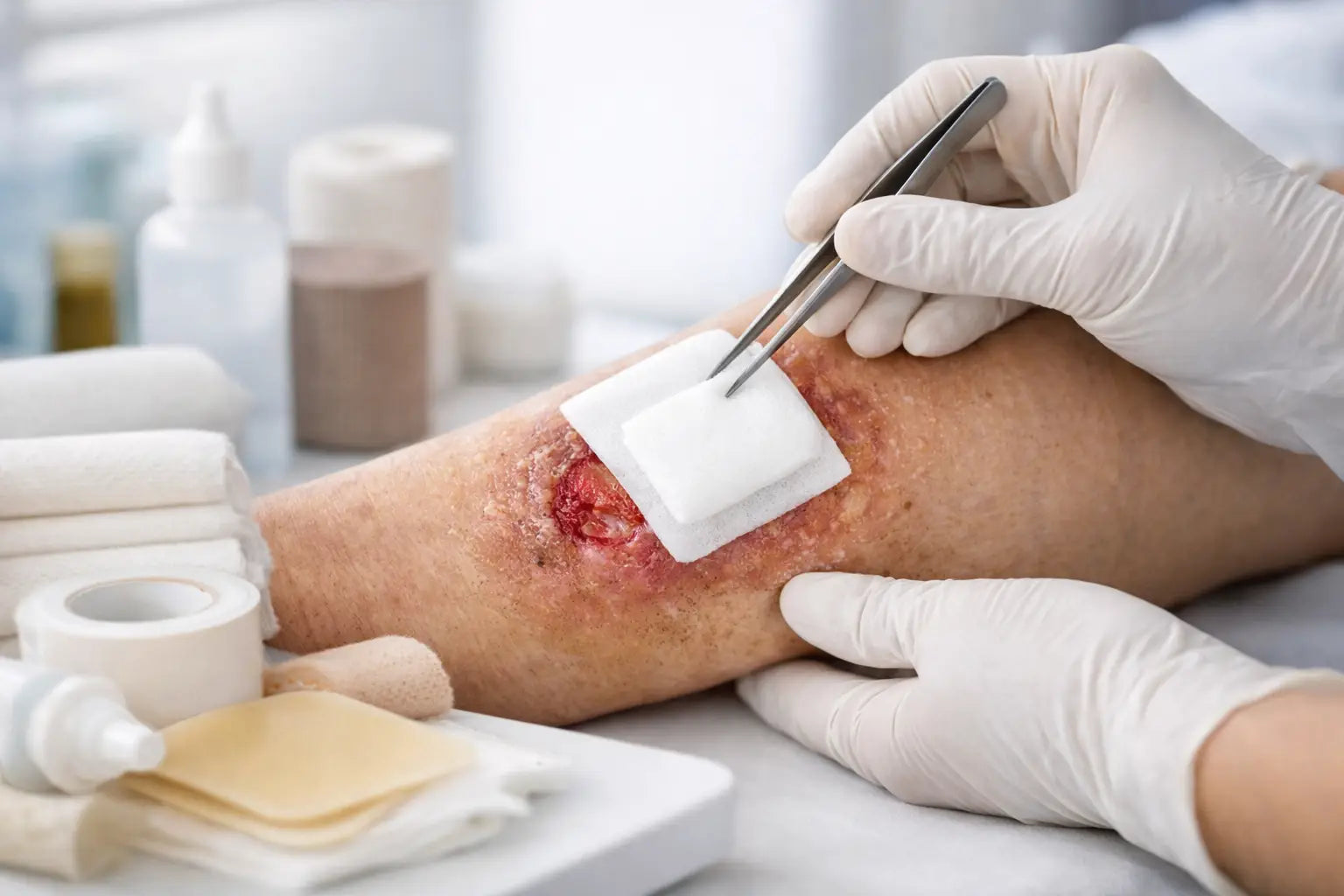
Choosing the best wound care dressings for ulcers usually comes down to one practical question: what does the wound need today? An ulcer that is dry and painful needs something very different from one that is heavily draining, has fragile surrounding skin, or sits in a spot that gets rubbed all day. For home care, the right dressing can help protect the wound, manage moisture, and make dressing changes less disruptive.
Ulcers are not all the same, and dressing choices should never be one-size-fits-all. Pressure ulcers, diabetic foot ulcers, venous leg ulcers, and arterial ulcers can behave differently based on circulation, drainage, tissue condition, and location. That is why shoppers often see several dressing categories rather than one universal product. The goal is to match the dressing to the wound environment, not just the diagnosis.
How to choose the best wound care dressings for ulcers
A useful way to shop is to start with three factors: moisture level, depth, and skin condition around the wound. If the ulcer is draining a lot, absorbency moves to the top of the list. If it is dry or has minimal drainage, moisture donation or gentle coverage may matter more. If the skin around the ulcer is fragile, adhesive strength and ease of removal become just as important as what touches the wound bed.
Location also matters. An ulcer on the heel, sacrum, or elbow may need a shape that stays in place better. A leg ulcer may need a larger dressing with good exudate management. A diabetic foot ulcer may need a low-profile option that works with offloading and footwear, depending on the care plan.
It also helps to think in terms of dressing role. Some products are primary dressings that contact the wound. Others work as secondary coverings that secure and protect the area. In many cases, effective ulcer care uses both.
Foam dressings for ulcers
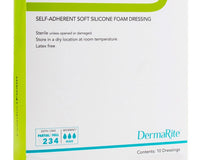
Foam dressings are often one of the most practical starting points for ulcers with moderate drainage. They absorb fluid, cushion the area, and help maintain a moist wound environment without making the wound overly wet. For pressure ulcers and venous ulcers in particular, foam can be a dependable everyday option when exudate control is the main concern.
Many foam dressings are designed for home use because they are easy to apply and available in bordered and non-bordered styles. Bordered foam can be convenient when you want an all-in-one dressing that stays put. Non-bordered foam may be better if the surrounding skin is sensitive or if a secondary wrap is preferred.
The trade-off is that foam is not ideal for very dry ulcers, and it may not be enough for heavy drainage on its own. If fluid output is high, the dressing may need more frequent changes or a more absorbent category.
Alginate and hydrofiber dressings
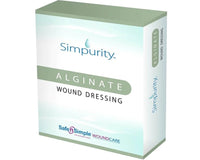
When ulcers produce heavy drainage, alginate and hydrofiber dressings are often strong candidates. These dressings are built to absorb significant exudate and can help reduce pooling that may affect surrounding skin. They are commonly considered for deeper wounds or cavity areas where fluid management is difficult.
Alginate dressings are made to interact with wound fluid and form a soft gel-like covering. Hydrofiber dressings work in a similar moisture-managing direction, though the feel and handling can differ by product. In both cases, they usually need a secondary dressing on top.
These dressings are not the best match for dry ulcers or wounds with little drainage. If there is not enough fluid, they can dry out the wound bed or become less comfortable during removal. That is why matching absorbency to drainage level matters so much.
Hydrocolloid dressings
Hydrocolloid dressings can work well for ulcers with light drainage, especially when a longer wear time is helpful. They create a moist, protected environment and can be useful on shallow wounds. Some people like them because they reduce the number of dressing changes, which can make home care more manageable.
That said, hydrocolloids are not right for every ulcer. They are generally not the first choice for infected wounds, very fragile skin, or heavily draining ulcers. They also tend to have a stronger adhesive profile, which can be a drawback for people whose skin tears easily.
If convenience is the main goal, hydrocolloids may look appealing, but skin tolerance should come first. A dressing that stays on well is only helpful if it does not damage surrounding tissue when removed.
Hydrogel dressings for dry ulcers
Some ulcers are dry, painful, or covered with tissue that benefits from added moisture. In those cases, hydrogel dressings may be more appropriate than absorbent options. Hydrogels help donate moisture to the wound and can support a gentler healing environment when dehydration is part of the problem.
This category is often considered when an ulcer has minimal drainage. The cooling effect can also be more comfortable for some patients. Gels, sheets, and impregnated gauze formats give caregivers a few ways to match product style to wound location and ease of use.
The main limitation is that hydrogels are not meant for heavy exudate. If the ulcer starts draining more, the dressing plan may need to shift toward better absorption.
Contact layers and non-adherent dressings
For ulcers with delicate tissue or very sensitive surrounding skin, a non-adherent contact layer can make dressing changes easier. These products are designed to protect the wound surface while allowing fluid to pass through to a secondary absorbent dressing. They are especially helpful when minimizing trauma matters as much as moisture control.
This approach can be useful for people who have pain during dressing removal or for wounds where newly formed tissue is easily disrupted. Contact layers are not usually the full solution by themselves, but they can improve comfort and protect the wound bed when paired with foam or another cover dressing.
Antimicrobial dressings and when they fit
Some ulcer dressings include antimicrobial elements such as silver, iodine, or medical honey. These products may be considered when bioburden control is a concern or when the wound is at higher risk for local infection. They can be helpful in the right setting, but they are not automatically the best first choice for every ulcer.
Overusing antimicrobial dressings can add cost without clear benefit if there are no signs that extra antimicrobial support is needed. Product selection should follow the wound’s condition and the care plan. For shoppers, the key point is to look beyond marketing language and ask what problem the dressing is supposed to solve.
Best wound care dressings for ulcers by ulcer type
Pressure ulcers often benefit from foam dressings because cushioning and drainage management are both important. Sacral and heel-specific shapes can improve fit and wear time. If the wound is deeper or more draining, alginate or hydrofiber may be layered into the plan.
Diabetic foot ulcers need careful dressing choices because pressure, friction, and moisture balance all matter. Low-profile foam, non-adherent layers, or absorbent fillers may be used depending on depth and exudate. Offloading remains a major part of care, so even a good dressing will not do the whole job alone.
Venous leg ulcers frequently produce moderate to heavy drainage, which makes absorbent foam, alginate, or hydrofiber common options. Because these ulcers often sit on fragile lower-leg skin, dressing removal should be gentle. Compression may also be part of care, depending on medical guidance.
Arterial ulcers are a different situation because circulation problems can limit healing. Dressing choice still matters, but protecting the wound and avoiding unnecessary trauma are often priorities. In these cases, what looks like a simple dressing decision can depend heavily on the broader treatment plan.
What to look for when buying ulcer dressings for home use
For home ordering, convenience matters, but so does consistency. It helps to choose products that are easy to reorder, available in the size you actually need, and practical for the frequency of dressing changes. If a caregiver is doing changes at home, simpler application can save time and reduce mistakes.
Absorbency, adhesion style, dressing size, wear time, and whether a secondary dressing is required are the details that affect daily use the most. Brand familiarity can help, but category fit is usually the better guide. A well-matched generic dressing type often works better than a premium product in the wrong category.
If you are shopping across multiple home care needs, a broad supplier such as CartHealth can make the process easier by keeping wound care products alongside other recurring supplies. That matters when care routines are ongoing and reordering needs to be straightforward.
When dressing choice is not enough
Even the best dressing has limits. If an ulcer is getting larger, producing more drainage, developing odor, showing increasing redness, or becoming more painful, it may need prompt clinical reassessment. The same applies if a wound is not improving over time or if surrounding skin is breaking down.
Ulcer care often works best when dressing selection is treated as part of a larger routine that includes pressure relief, blood sugar management, circulation support, nutrition, and skin protection. The dressing supports the environment, but it cannot replace the rest of the care plan.
The best place to start is with the wound’s current condition, not the label on the package. When the dressing matches the ulcer’s moisture level, location, and skin needs, home care tends to become more manageable - and that is often what makes consistent progress possible.