A feeding routine at home works best when the right products are already on hand. If you are shopping for enteral feeding supplies for home use, the goal is simple: keep daily care consistent, clean, and easier to manage without last-minute trips or missing essentials.
For many patients and caregivers, enteral feeding quickly becomes part of the household routine. That can mean scheduled bolus feeds during the day, overnight pump feeding, or a mix of both. The supplies you need depend on the feeding method, the tube type, and how often feedings and flushes happen, but the basic shopping approach stays the same - choose compatible products, keep enough inventory for regular use, and replace disposable items on time.
What enteral feeding supplies for home use usually include
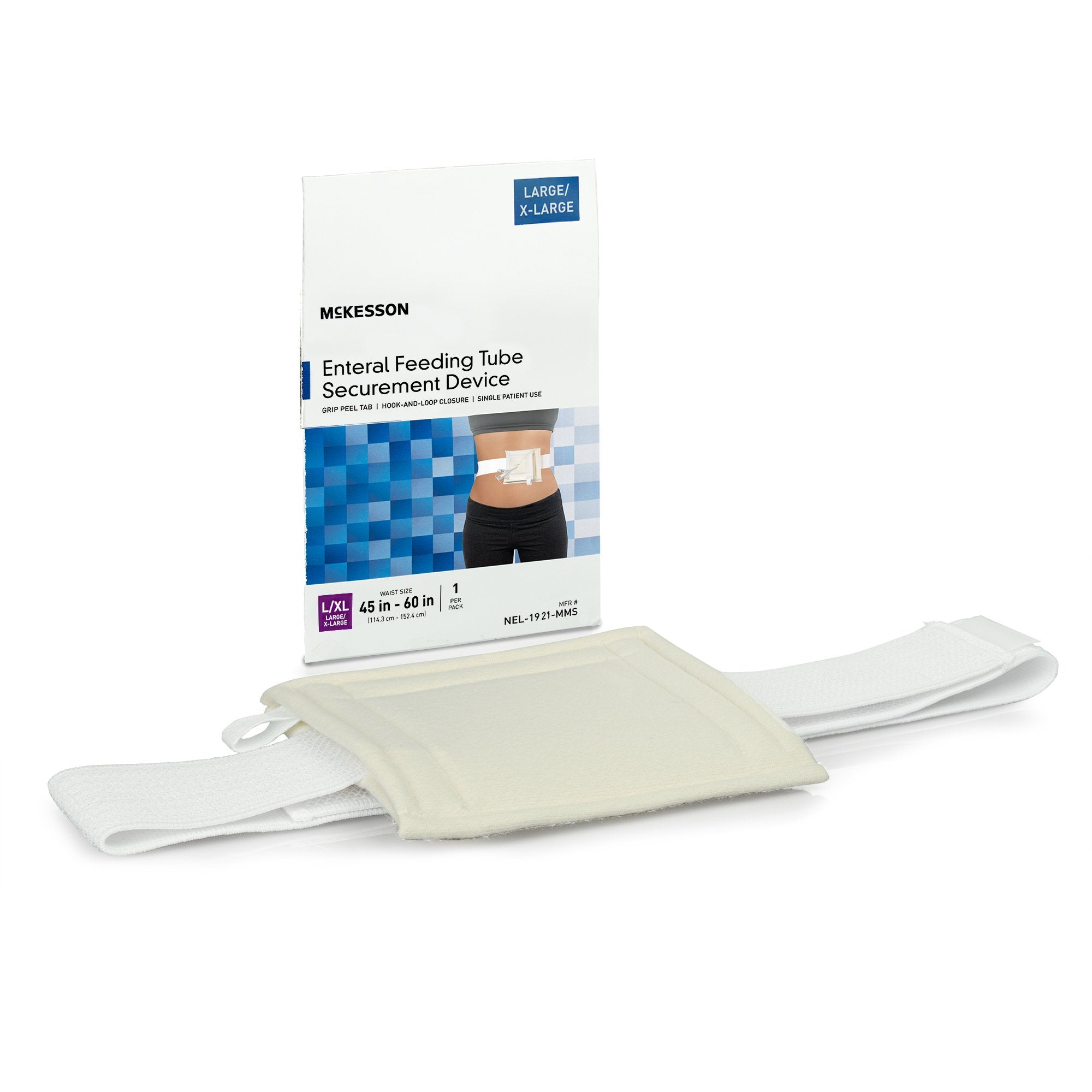
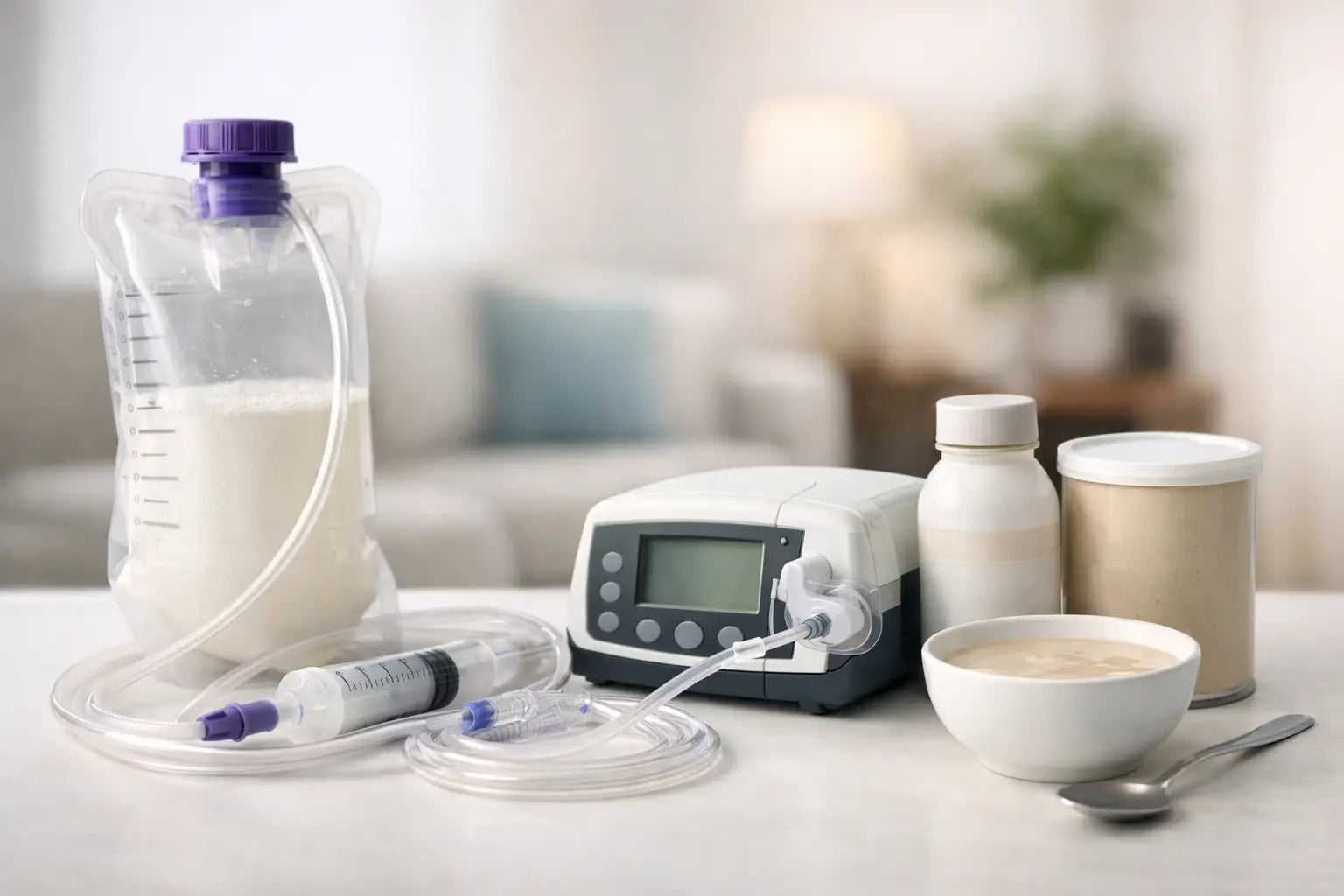
Most home setups center on a few core product types. Formula is the nutritional base, but it is only one part of the system. Many patients also need feeding bags, syringes, extension sets, tubing, connectors, dressings, skin care items, and cleaning accessories.
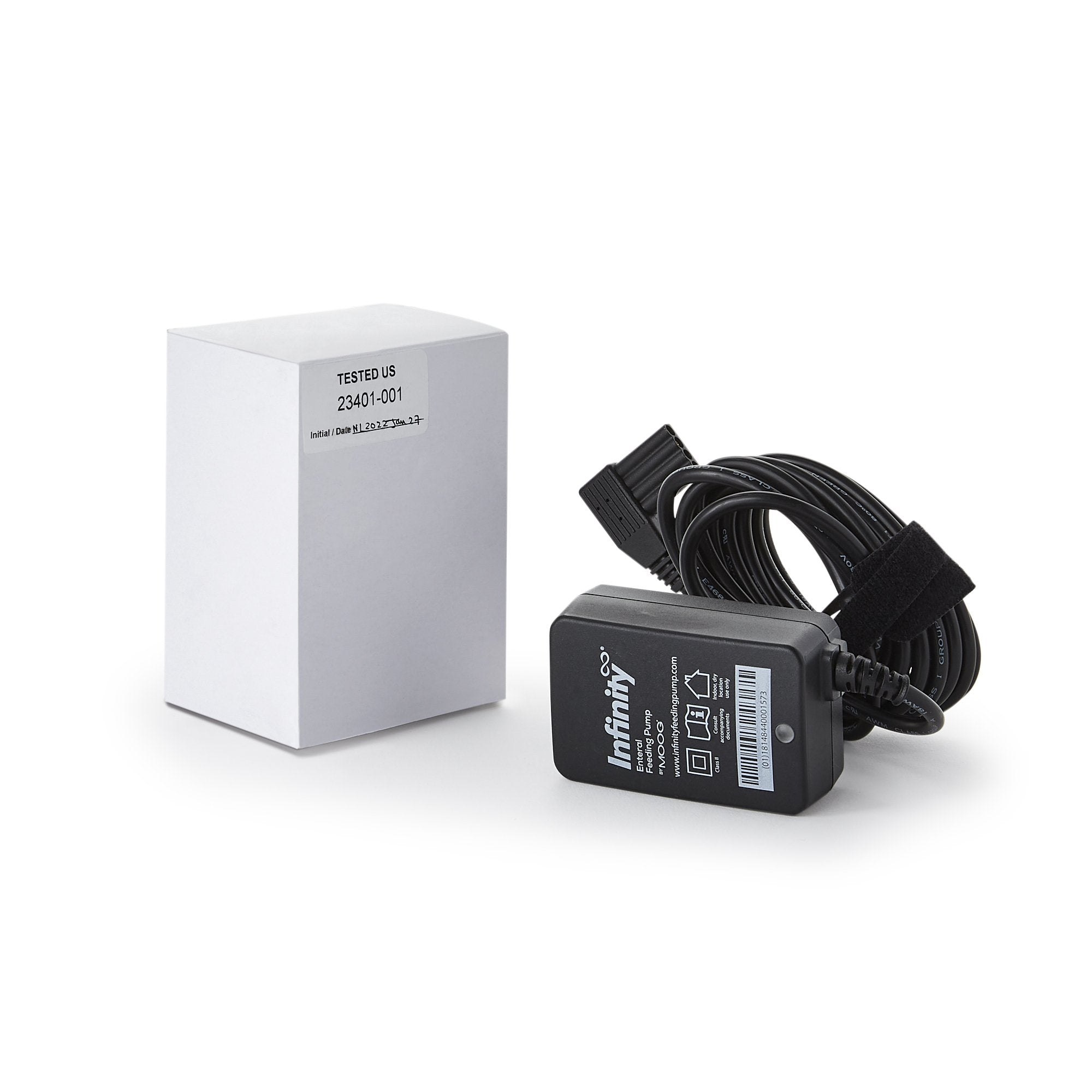
If a patient uses a feeding pump, pump bags and pump-compatible tubing are usually part of the regular reorder cycle. For bolus feeding, enteral syringes may be used more often than bags. Patients with gastrostomy or jejunostomy tubes may also need extension sets or replacement accessories designed for their specific tube style.
The details matter here. Not every bag, syringe, or connector fits every setup. Before reordering, it helps to check the tube brand, connector type, feeding method, and any clinician instructions. A product that looks similar may still be the wrong size or format for the patient.
How to choose the right supplies for your home setup
The easiest way to shop is to think in terms of daily use. Start with the products used every single day, then add backup items and care accessories. That keeps ordering practical instead of overwhelming.
First, confirm the feeding method. Gravity feeding, pump feeding, and bolus feeding each call for different supplies. Gravity feeding often uses a bag set designed for controlled flow. Pump feeding requires pump-compatible bags or tubing. Bolus feeding may rely more on enteral syringes for feeding and flushing.
Next, look at tube compatibility. ENFit connections are common, but some patients still use other systems depending on their equipment and care history. Connector type affects syringes, extension sets, and adapters, so this is one of the first things to verify before adding products to the cart.
Then consider frequency. A patient who feeds multiple times a day and flushes before and after each session will go through supplies faster than someone on a lighter schedule. Caregivers often underestimate how quickly syringes, gauze, and skin protection items get used. Ordering based on actual weekly usage usually works better than ordering by guesswork.
Storage matters too. Formula, disposable feeding sets, and tube care products should be easy to access and organized in one place. When products are spread across different rooms, it becomes harder to track what is running low.
Supplies that often need regular reordering
Some items are one-time equipment purchases, while others are repeat-purchase essentials. Most households need to restock disposable enteral feeding products regularly, especially if feeding is part of long-term care.
Feeding bags are a common repeat item because many are designed for limited use. Enteral syringes also need replacement over time, especially with frequent flushing and medication delivery. Dressings, tape, skin barriers, and gauze are easy to overlook until they run out, but they are often part of everyday tube site care.
Formula may be the most predictable recurring item, but it also requires the most attention to timing. Running low can create real stress for caregivers, so many families prefer to reorder before they are down to the last few days of supply. If the patient uses multiple care categories at home, such as incontinence, wound care, or diabetes products, placing one larger household order can be more convenient than managing separate purchases from different stores.
What to look for when comparing products
Price matters, but it should not be the only filter. With enteral supplies, the better question is whether the product fits the care routine reliably.
For feeding bags and tubing, check intended use, connection type, and whether the product is made for pump or gravity feeding. For syringes, pay attention to size, tip style, and ease of handling. Larger syringes may work well for feeding or flushing, while smaller syringes may be used for medication depending on care instructions.
For site care items, skin sensitivity can change the best choice. Some patients do well with basic gauze and tape, while others need gentler adhesive options or skin barrier products to reduce irritation. There is no one-size-fits-all answer. The right selection depends on skin condition, drainage, movement, and how often the dressing area is changed.
Brand familiarity can help, especially for experienced caregivers who already know what works. At the same time, availability matters. If a household depends on a product every week, consistent access and easy reordering can be just as important as brand preference.
Common mistakes when buying enteral feeding supplies for home use
One of the most common problems is ordering too narrowly. Caregivers often focus on the main feeding item, such as formula or bags, and forget the supporting products that keep the routine running. A home setup usually works better when feeding, flushing, medication delivery, and site care are considered together.
Another issue is waiting too long to reorder. Shipping times, schedule changes, or higher-than-usual usage can leave little room for delays. Keeping a small buffer of key disposables can help avoid rushed decisions.
Compatibility mistakes also happen often. A syringe may be the right volume but the wrong connector. A bag may be the right brand family but not designed for the patient’s feeding method. When in doubt, matching new orders to the exact product details on current supplies is usually safer than relying on appearance alone.
Finally, some households buy more complexity than they need. Not every patient requires a large assortment of accessories. If a simpler setup meets clinical needs and fits the routine, that can make daily care easier for everyone involved.
Building a practical reorder routine
A reorder routine does not need to be complicated. What helps most is consistency. Many caregivers choose one day each week to check formula, bags, syringes, dressings, and other high-use items. A quick supply check can prevent urgent shortages later.
It also helps to separate products into two groups: monthly staples and as-needed extras. Formula, feeding bags, and flush syringes may fall into the staple category. Tape, gauze, skin prep, and backup accessories may vary more depending on the patient’s condition and usage.
For long-term home care, convenience becomes part of good care. Being able to reorder trusted supplies from one place saves time and reduces the chance of missing something important. That is especially true for caregivers managing more than one condition at home. CartHealth supports that kind of practical shopping by making it easier to find recurring-use health products across categories in one order.
When it makes sense to ask for extra guidance
Some buying decisions are straightforward, especially when you are replacing the same products already in use. Other situations need a closer look. If the feeding method has changed, the tube has been replaced, the site is more irritated than usual, or the patient is switching formulas, it is worth double-checking the supply list with a clinician.
The same applies if medications are now being given through the tube and the current syringes are not the right size or style. Small changes in care can lead to different supply needs. Catching those changes early can make home feeding smoother and more comfortable.
A good home setup is not just about having supplies. It is about having the right supplies, in the right quantities, ready when you need them. When shopping for enteral feeding supplies for home use, a little planning goes a long way toward making daily care feel more manageable.