
A senior who starts skipping meals rarely announces it. More often, it shows up as low energy, loose clothing, slower recovery, or a fridge full of food that is not getting eaten. That is where the best nutritional drinks for seniors can help. They offer a practical way to add calories, protein, vitamins, and hydration when full meals feel like too much.
Not every drink fits every need, though. Some are built for weight gain, some for diabetes support, and some work better for people who need higher protein after illness, surgery, or a hospital stay. The right choice depends on appetite, medical conditions, swallowing comfort, and whether the goal is to maintain weight, regain strength, or simply make daily nutrition easier.
What makes the best nutritional drinks for seniors?
The best option is not always the one with the most calories on the label. For many older adults, the better drink is the one they will actually tolerate and use consistently. Taste matters. Texture matters. So does serving size. A very dense shake may look ideal on paper, but if it feels too thick or too sweet, it may sit unopened.
Protein is usually one of the first things caregivers check, and for good reason. Seniors often need help maintaining muscle mass, especially during recovery or periods of low activity. Drinks with a meaningful amount of protein can support strength and help fill gaps when regular meals are light.
Calories matter too, but the target varies. Someone who is losing weight without trying may need a higher-calorie drink. Someone with a smaller frame or lower activity level may do better with a more moderate option used between meals. Sugar content is another point to watch, particularly for people managing diabetes or trying to avoid blood sugar spikes.
Micronutrients should not be overlooked. Many nutritional drinks include vitamins and minerals that help cover common gaps, but they should supplement meals, not replace a varied diet long term unless a clinician recommends it. If a senior has kidney disease, fluid restrictions, digestive issues, or a need for thickened liquids, the label deserves a closer look.
10 best nutritional drinks for seniors by use case
1. Standard balanced shakes
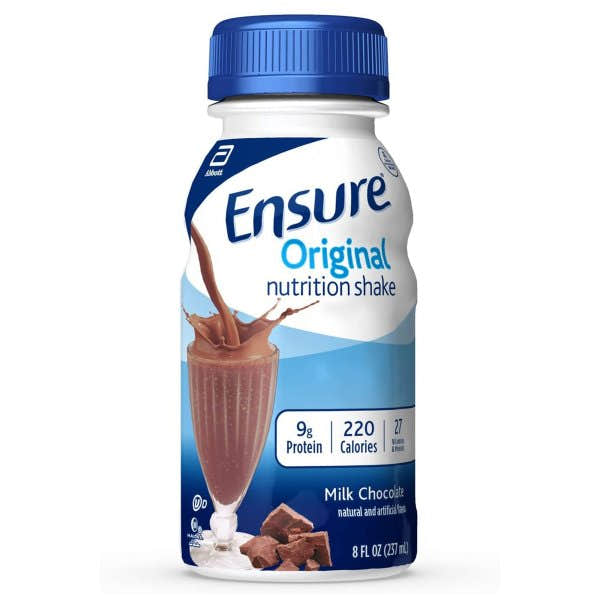
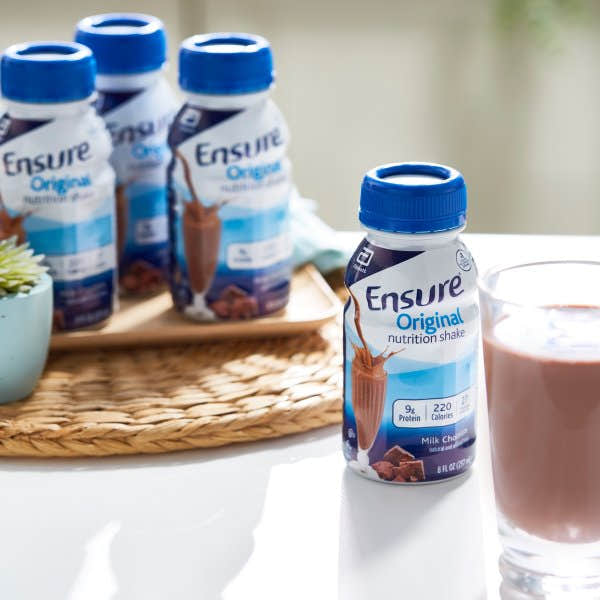
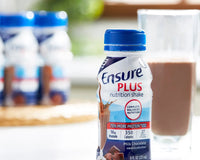
These are often the easiest starting point for seniors who need general nutrition support. They usually provide a mix of protein, calories, fats, carbohydrates, and key vitamins and minerals in a ready-to-drink format. For someone eating lightly but still taking some meals, a standard balanced shake can work well as a snack or light meal backup.
2. High-protein drinks
High-protein formulas are a strong fit for seniors focused on preserving muscle, improving recovery, or adding more substance to a small appetite. They are often useful after illness, surgery, or extended bed rest. The trade-off is that some high-protein products are lower in calories than weight-gain formulas, so they may need to be paired with other foods if unplanned weight loss is also a concern.
3. High-calorie nutrition shakes
When weight maintenance is difficult, higher-calorie drinks can make a real difference. These are often chosen for seniors with poor appetite, fatigue, or increased nutritional needs. Because they are more concentrated, they can help when drinking large volumes is unrealistic. The downside is that rich formulas may feel heavy, so smaller servings spread through the day may work better than one large serving.
4. Diabetic-friendly nutritional drinks
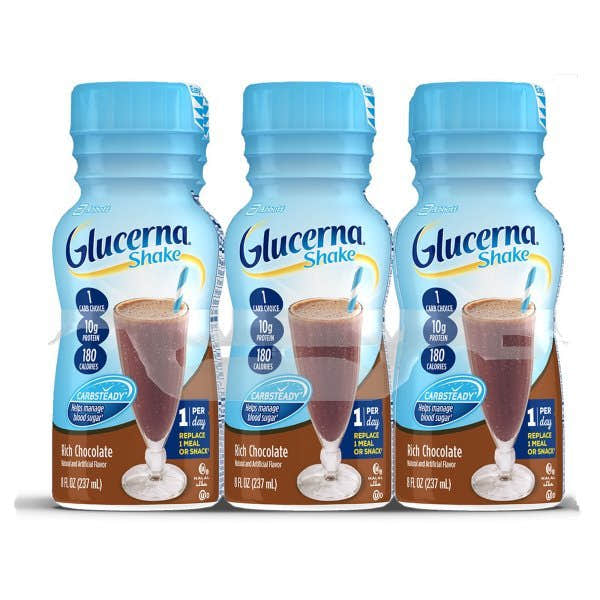
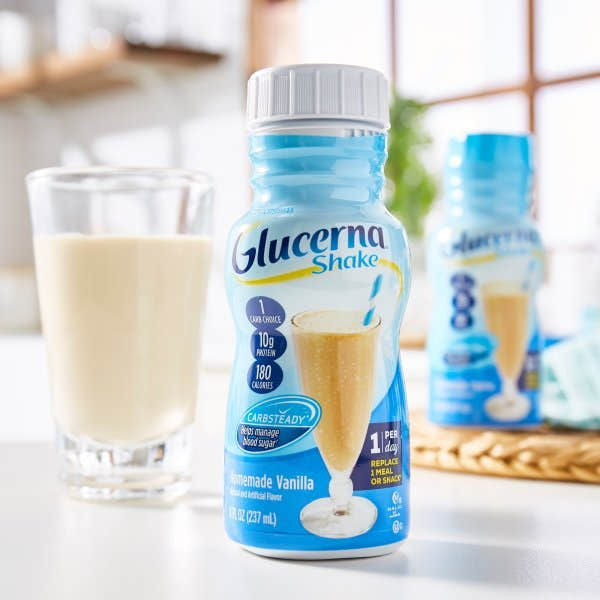
For seniors managing diabetes, carbohydrate content and sugar profile matter. Diabetic-friendly drinks are typically designed to offer steadier blood sugar support while still providing protein and calories. They can be useful, but they are not a free pass to ignore portion size or meal timing. For some people, the best result comes from using them consistently at the same times each day.
5. Clear liquid nutrition drinks
Not every senior wants a milky shake. Clear nutrition drinks can be easier to tolerate during recovery, after certain procedures, or when appetite is low and traditional shakes feel too filling. They are often more refreshing and may support hydration better, but they usually provide less protein than creamy meal-style drinks.
6. Powdered nutritional drinks
Powdered options work well for households that want flexibility. They can be mixed with water or milk and adjusted for taste or texture. They also tend to be easier to store in bulk. That said, they require preparation, which may be less convenient for seniors living alone or caregivers trying to simplify a busy routine.
7. Plant-based nutrition drinks
Plant-based formulas can help seniors who avoid dairy or prefer non-dairy ingredients. Some offer solid calorie and protein levels, while others lean more toward general wellness than medical nutrition support. It is worth checking the protein source and amount rather than assuming all plant-based drinks perform the same way.
8. Drinks for swallowing comfort
Seniors with swallowing difficulties may need products with a specific consistency or may require thickening guidance from a speech or medical professional. In these situations, safety comes first. A drink that is nutritionally strong is not the right fit if the texture increases choking risk.
9. Compact drinks with smaller serving sizes
Some seniors feel overwhelmed by an 8-ounce bottle. Compact nutrition drinks offer concentrated calories and protein in a smaller portion, which can make them easier to finish. These can be especially helpful for people with early fullness, nausea, or low stamina.
10. Specialty formulas for medical needs
Some nutritional drinks are designed around specific needs such as kidney support, wound healing, digestive tolerance, or tube feeding compatibility. These are not general-use products, and they are best chosen with clinical guidance. For the right person, though, they can be much more appropriate than an all-purpose shake.
How to choose the right drink for daily use
Start with the reason the drink is needed. If the main issue is missed meals, a balanced formula may be enough. If the concern is muscle loss, prioritize protein. If clothing is getting looser and appetite is fading, a higher-calorie option may be more useful.
Then think about when the drink will be used. A drink meant to replace breakfast should feel more substantial than one used as a midafternoon snack. For seniors who eat small meals, nutritional drinks usually work best between meals rather than right before them. Otherwise, they can reduce appetite even more.
Flavor fatigue is real. Vanilla may seem like the safest choice, but drinking the same flavor every day often leads to abandoned bottles. Rotating flavors or alternating between creamy and clear styles can improve consistency. Convenience matters too. Ready-to-drink bottles tend to be the easiest for home care because they reduce prep and cleanup.
If a caregiver is shopping for someone else, it helps to involve the senior in the choice whenever possible. The most clinically appropriate product still needs to pass a simple test: will they willingly drink it more than once?
When seniors may benefit most from nutritional drinks
Nutritional drinks are often helpful during transitions. That may include coming home from the hospital, recovering from a fall, dealing with dental issues, adjusting to a new medication, or managing fatigue from chronic illness. They are also useful when grocery shopping and cooking have become harder than they used to be.
For caregivers, these products can reduce some of the stress around meal completion. They do not replace real food, but they can take pressure off days when breakfast is half finished and dinner never quite happens. A dependable shelf-stable option in the pantry can make home nutrition support much more manageable.
What to watch before buying in bulk
Cost per bottle matters, but so does waste. Buying a large case of a product that goes untouched is not a bargain. It is usually smarter to test a few types first, especially if the senior is selective about taste or texture.
Check serving size, protein amount, calorie density, and whether the drink is intended for general nutrition or a more specific purpose. Pay attention to storage instructions and whether refrigeration is needed after opening. For households managing ongoing care, reorder convenience can be just as important as the formula itself. That is one reason many families prefer buying through a reliable home health retailer like CartHealth, where nutritional support products can be ordered alongside other everyday care essentials.
If the senior has diabetes, kidney concerns, food allergies, digestive sensitivity, or swallowing issues, it is worth verifying fit before making nutritional drinks a daily habit. Sometimes a product looks right by category but misses an important detail on the label.
A practical approach to the best nutritional drinks for seniors
The best nutritional drinks for seniors are the ones that match the real need, fit the person’s routine, and get used consistently at home. That may be a high-protein shake after rehab, a diabetic-friendly formula between meals, or a compact calorie-dense drink for someone with very little appetite. The label matters, but daily usability matters just as much.
When nutrition starts feeling harder than it should, small adjustments can go a long way. A drink that is easy to store, easy to open, and easy to finish can be one of the simplest ways to support strength, energy, and peace of mind at home.