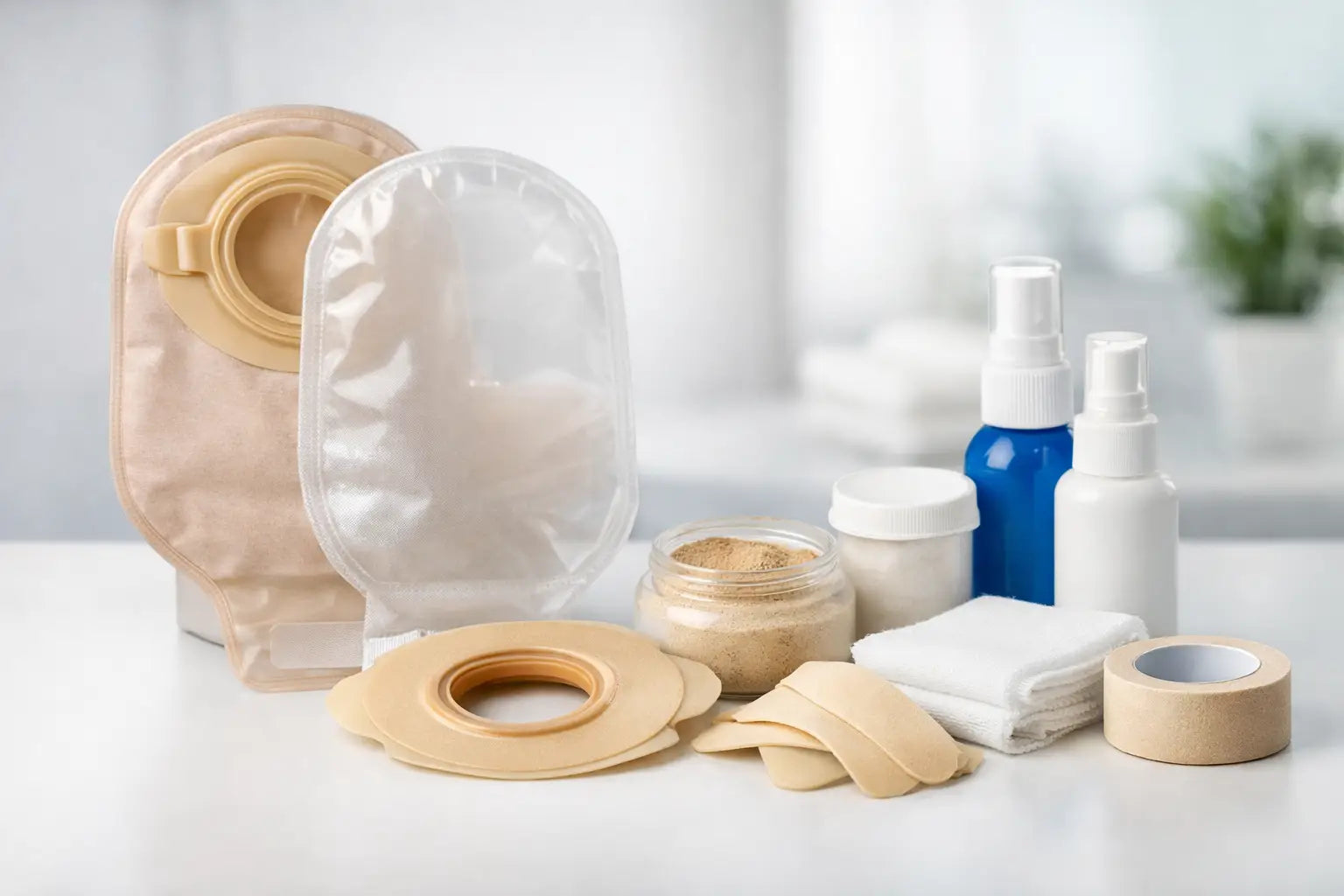
The first time you look at ostomy products online, it can feel like every item is essential and none of it is clear. If you are searching for ostomy supplies for beginners, the goal is not to buy everything at once. It is to understand the few basics that support a secure fit, healthy skin, and an easier daily routine.
Most new ostomy users start with a pouching system recommended by a nurse or clinician, then realize there are accessories, sizing questions, and different wear options to sort through. That is normal. A practical setup usually starts small, and then gets refined based on your stoma shape, skin sensitivity, output type, and how often you want to change your system.
The core ostomy supplies for beginners
At the center of your setup is the pouching system. This includes the skin barrier, sometimes called a wafer, and the pouch that collects output. Some systems are one-piece, where the barrier and pouch are attached together. Others are two-piece, where the pouch connects to a separate barrier.
For beginners, neither format is automatically better. A one-piece system can feel simpler because there are fewer separate parts to manage. A two-piece system can be easier if you want to change the pouch without removing the barrier each time. Comfort, flexibility, body shape, and personal preference all matter here.
Drainable pouches are often used when output is looser or more frequent, while closed-end pouches may work better for some people with more predictable output. If your clinician has recommended a specific style, that should guide your starting point. If not, your day-to-day needs usually decide it. Someone who wants fewer pouch changes may prefer drainable options. Someone who values convenience for short wear periods may prefer closed-end pouches.
You will also need a way to measure the stoma, especially early on. Stomas often change size in the weeks after surgery, so a measuring guide helps you cut the barrier opening correctly if you are using cut-to-fit products. Pre-cut barriers can be more convenient later, once your size is stable.
What accessories are actually useful
This is where many new shoppers get overwhelmed. Accessories can be helpful, but they are not all mandatory. The best approach is to start with the products that solve common beginner problems.
Adhesive remover is one of the most useful add-ons. It helps lift the barrier more gently and can make pouch changes more comfortable, especially if your skin is tender or you change systems often. Skin barrier wipes or sprays are also common. These create a protective film on the skin and may help reduce irritation, although some people do well without them.
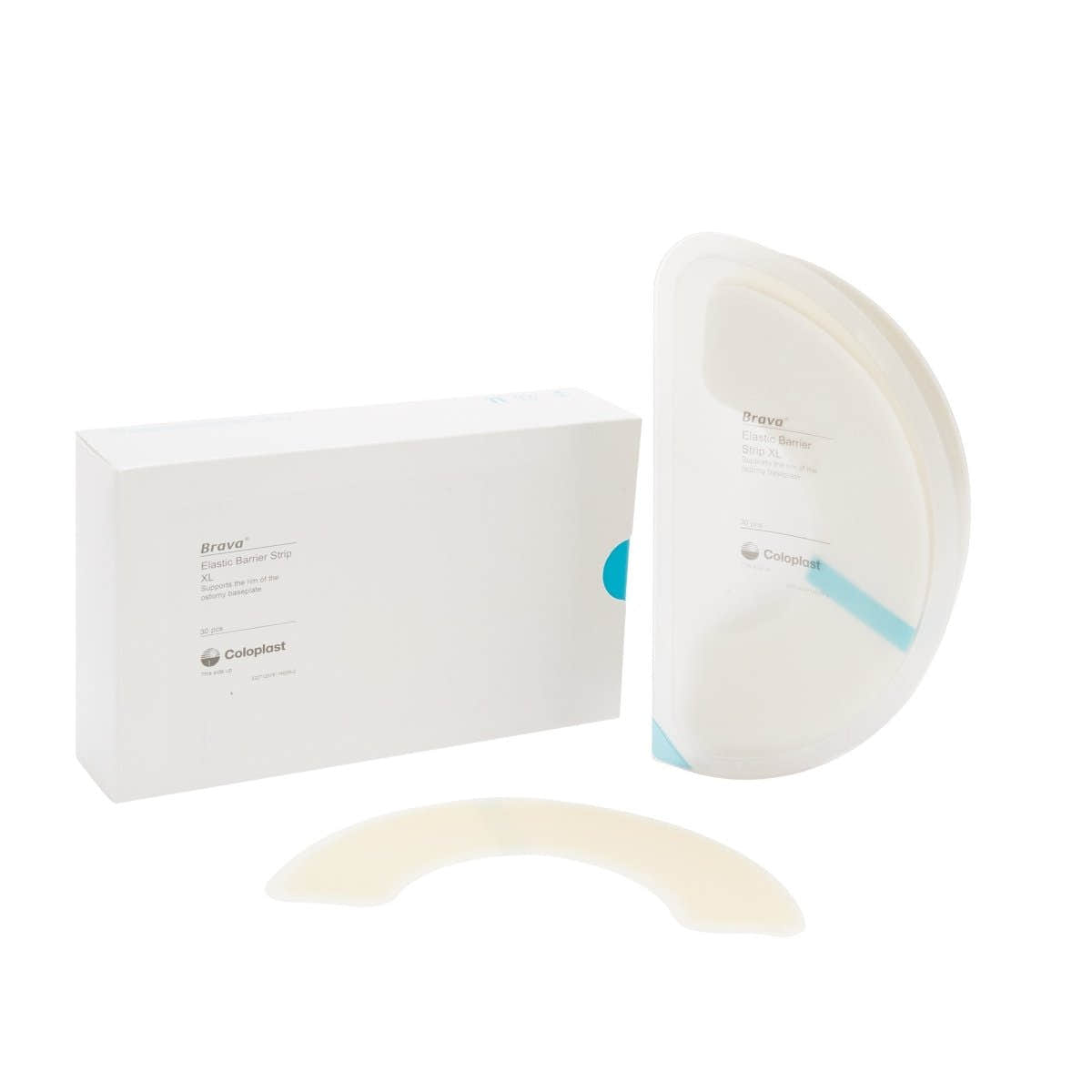
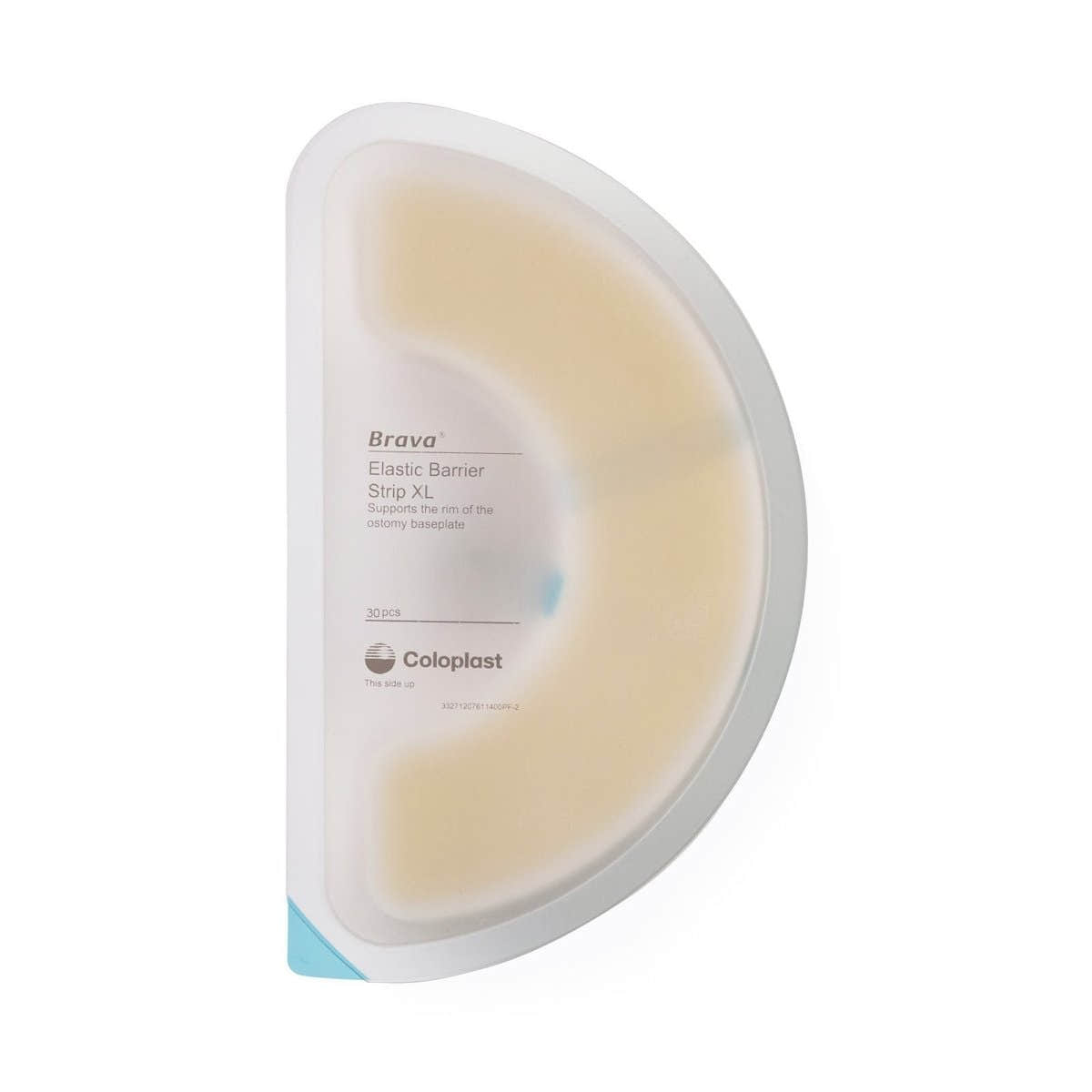
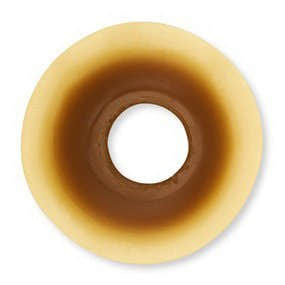
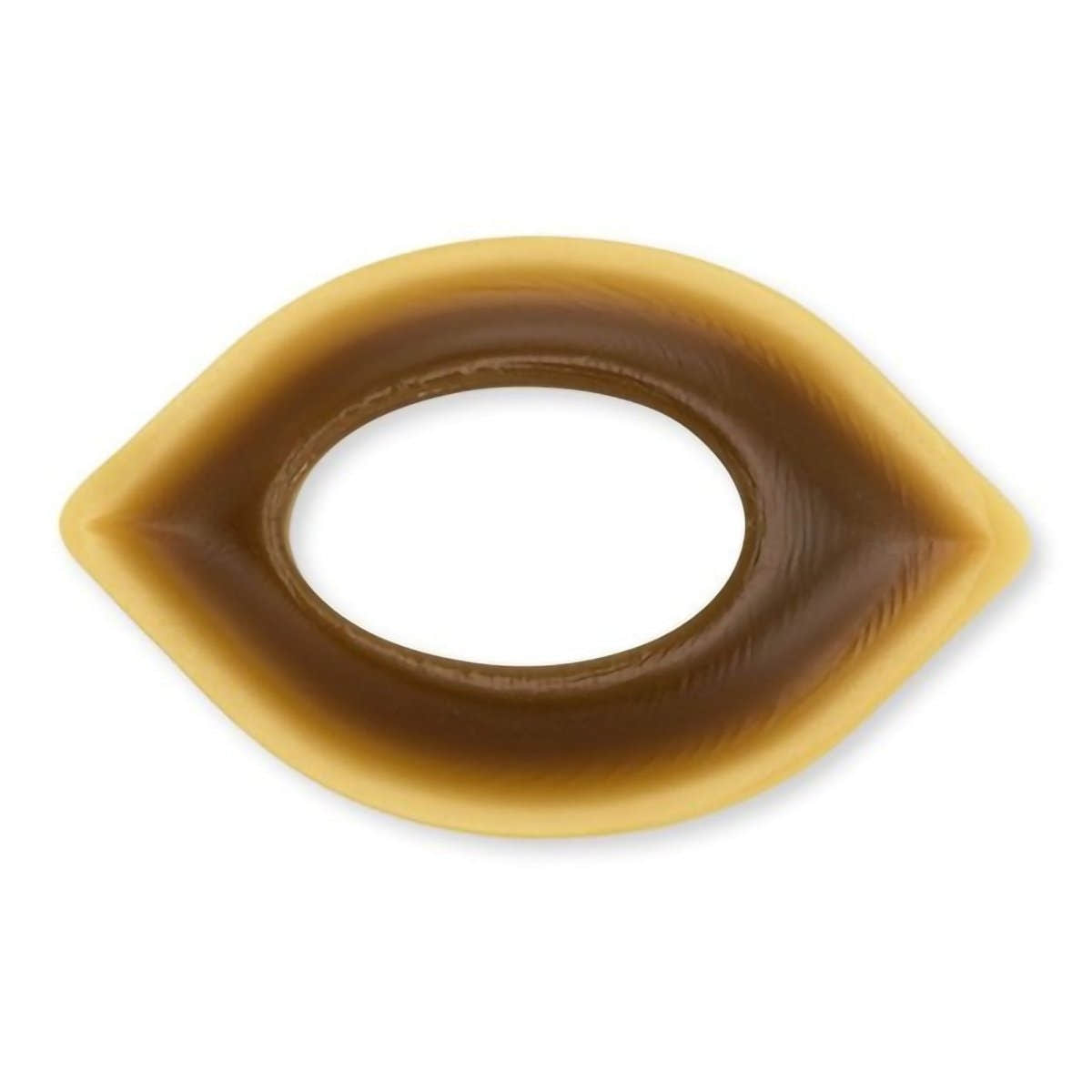
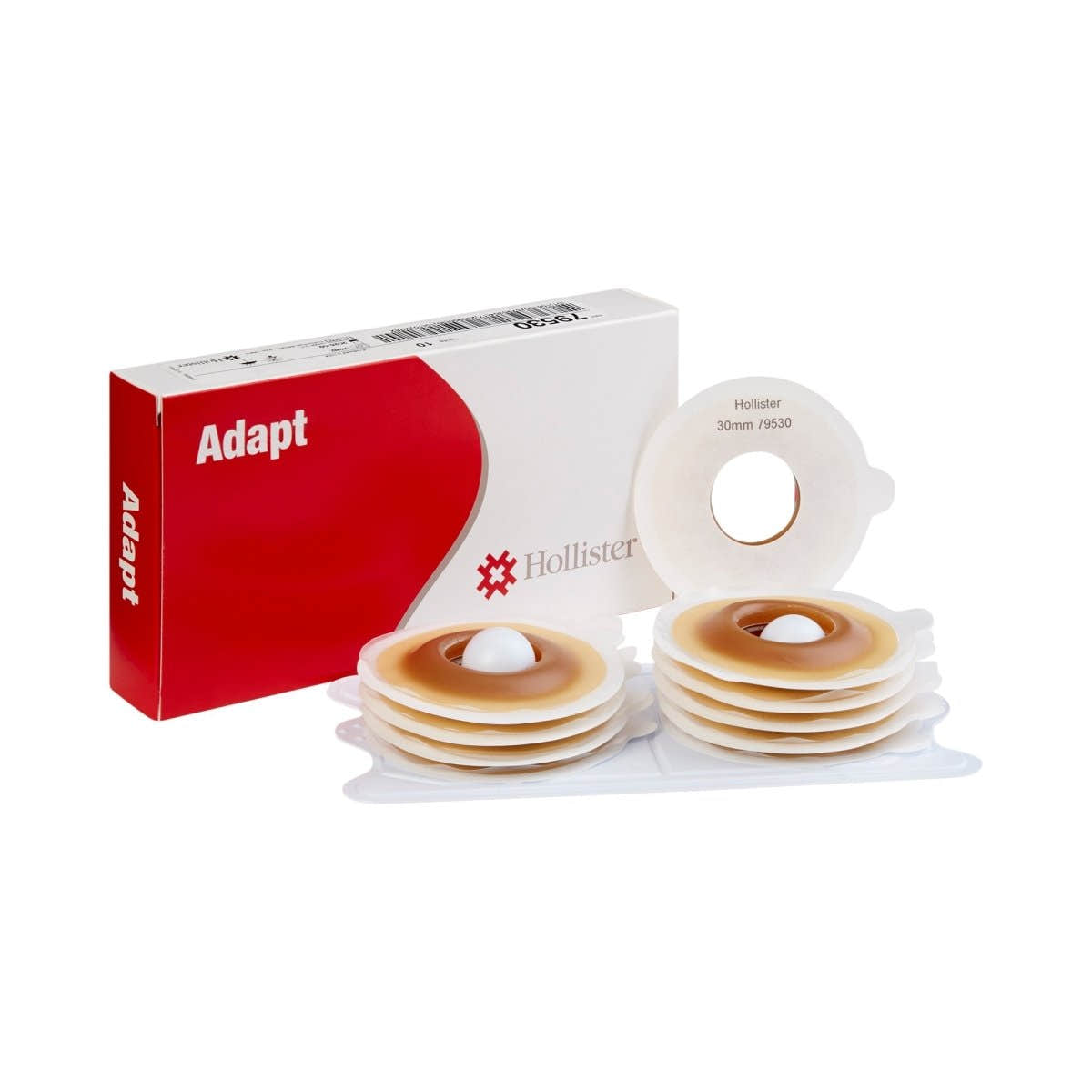
Barrier rings are another frequently used product. These mold around the stoma and can help fill uneven skin areas, improve the seal, and reduce leaks. For beginners with creases, folds, or minor gaps around the stoma, rings often make a noticeable difference. Paste can serve a similar purpose, but it behaves more like caulking than glue. Some people prefer rings because they are easier to handle.
Ostomy powder is usually used only if the skin is moist, irritated, or broken down. It is not something everyone needs daily. The same goes for support belts, deodorants, and pouch covers. They can improve comfort and confidence, but they are not always part of a basic starter setup.
How to choose the right pouching system
The right system depends on more than brand preference. Stoma type matters. So does whether your stoma sits above the skin, flush with it, or in a crease. Skin condition matters too, especially if you are prone to irritation or sweating.
Flat barriers work well for many people, but convex barriers may be recommended if the stoma is flush or retracted, or if leaks happen often. Convexity adds gentle pressure around the stoma to help output flow into the pouch rather than under the barrier. It can be very effective, but it should ideally be chosen with clinical guidance because the wrong fit can cause pressure issues.
Wear time is another practical factor. Some people need more frequent changes because of body heat, activity level, oily skin, or the nature of their output. Others can wear the same barrier longer. If you are just starting out, focus less on achieving the longest possible wear time and more on getting a reliable, comfortable seal.
Building a simple starter routine
A beginner routine should be easy to repeat. That matters more than having a large supply cabinet. During a pouch change, you generally need your new pouching system, a measuring guide if needed, scissors if the barrier is cut-to-fit, soft wipes or cloths, and any accessory your skin or seal requires.
Many people clean the skin with warm water only. That keeps the area simple and reduces the chance that soaps, oils, or lotions will interfere with adhesion. If you use a cleanser, it should be mild and residue-free. Once the skin is dry, you apply any skin prep or ring if you use one, then place the barrier and pouch.
It helps to keep your supplies organized in one place at home. A small basket, drawer organizer, or shelf can make reordering easier and reduce last-minute stress. If you are caregiving for someone else, this matters even more because consistency saves time.
What to keep on hand at all times
Running low on ostomy products adds stress fast, especially if shipping delays or sizing changes come up. A good rule for beginners is to keep enough supply for regular changes plus extra for leaks, mistakes, or unexpected skin issues.
That usually means having backup barriers, pouches, rings if you use them, remover, and any skin protection product that is part of your routine. Travel or emergency kits are also worth planning early. A small bag with one or two full changes, disposal bags, and wipes can make errands, appointments, and workdays easier.
This is also where shopping convenience matters. Many people prefer to reorder from one reliable source instead of piecing together products from different stores. CartHealth supports that kind of routine by offering broad home health categories in one place, which can make repeat purchasing easier when ostomy care is just one part of ongoing home needs.
Common beginner mistakes and how to avoid them
Cutting the barrier opening too large is one of the most common problems. Too much exposed skin can lead to irritation. Too small, and the barrier may rub the stoma. Measuring carefully, especially in the early weeks, helps prevent both issues.
Another mistake is trying too many new products at once. If your system is not working well, change one variable at a time. Switch the ring, or the barrier style, or the skin prep - not everything together. That makes it easier to figure out what is actually helping.
Some beginners also hold onto a poor fit for too long because they assume discomfort is normal. Mild adjustment is expected. Ongoing burning, itching, frequent leaks, or skin breakdown is not. Those signs usually mean the system needs to be adjusted.
When your supply needs may change
Your first setup may not be your long-term setup. As swelling goes down, activity levels increase, or your skin changes with weather and wear, your preferred products may shift. That is not a setback. It is part of finding the right everyday combination.
A more active person may want stronger adhesion or extra support. Someone with sensitive skin may need gentler removers or fewer accessory layers. If output becomes more predictable, pouch style preferences may change too. The best supply plan is one that fits real life, not just discharge instructions.
A beginner shopping checklist that stays manageable
When ordering for the first time, think in terms of categories instead of brand overload. You need a pouching system that matches your stoma and output, a measuring option if your size is still changing, and a few problem-solving accessories only if they address a clear need.
For most beginners, that means barriers and pouches first, then remover, then either a ring or skin protection product if leaks or irritation are concerns. Extras like deodorants, belts, or covers can come later if they improve comfort or confidence. Keeping your order focused makes it easier to learn what works and easier to reorder without second-guessing every item.
The easiest ostomy routine is usually not the one with the most products. It is the one you understand, trust, and can restock without stress. Start with the basics, pay attention to fit and skin health, and let your routine get more specific as your needs become clearer.