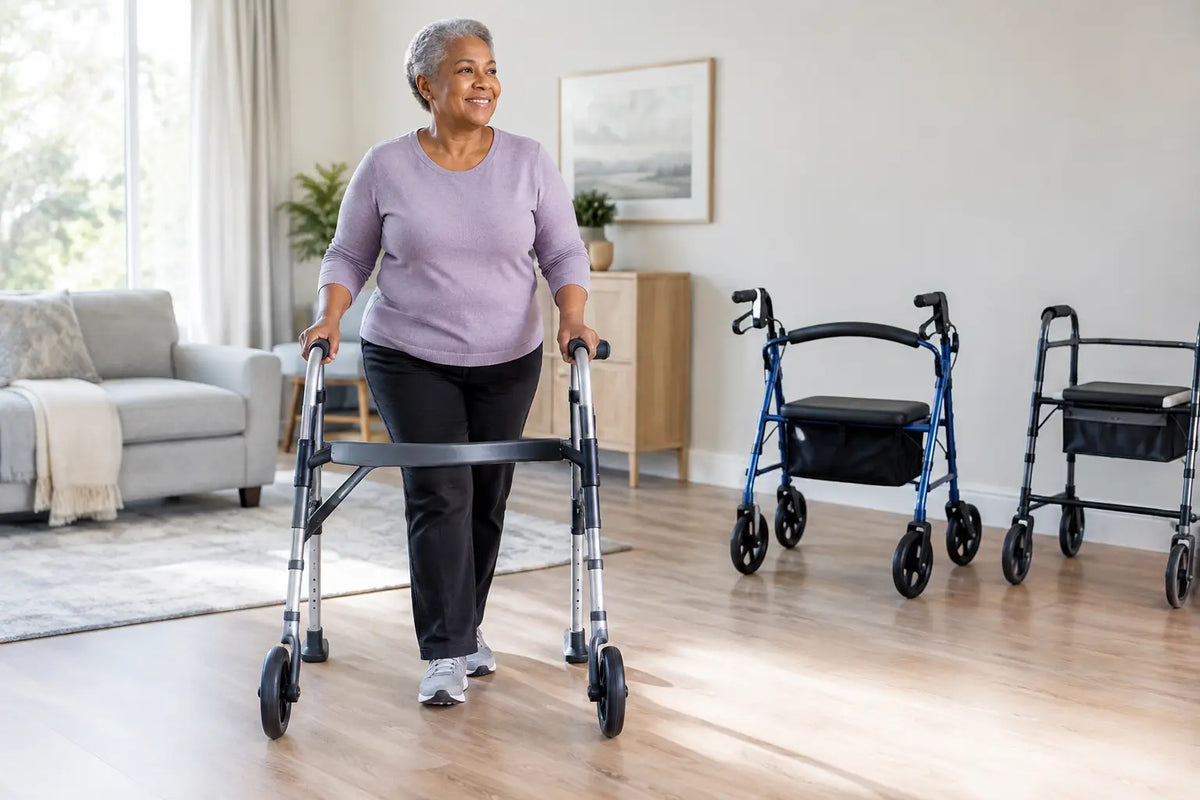
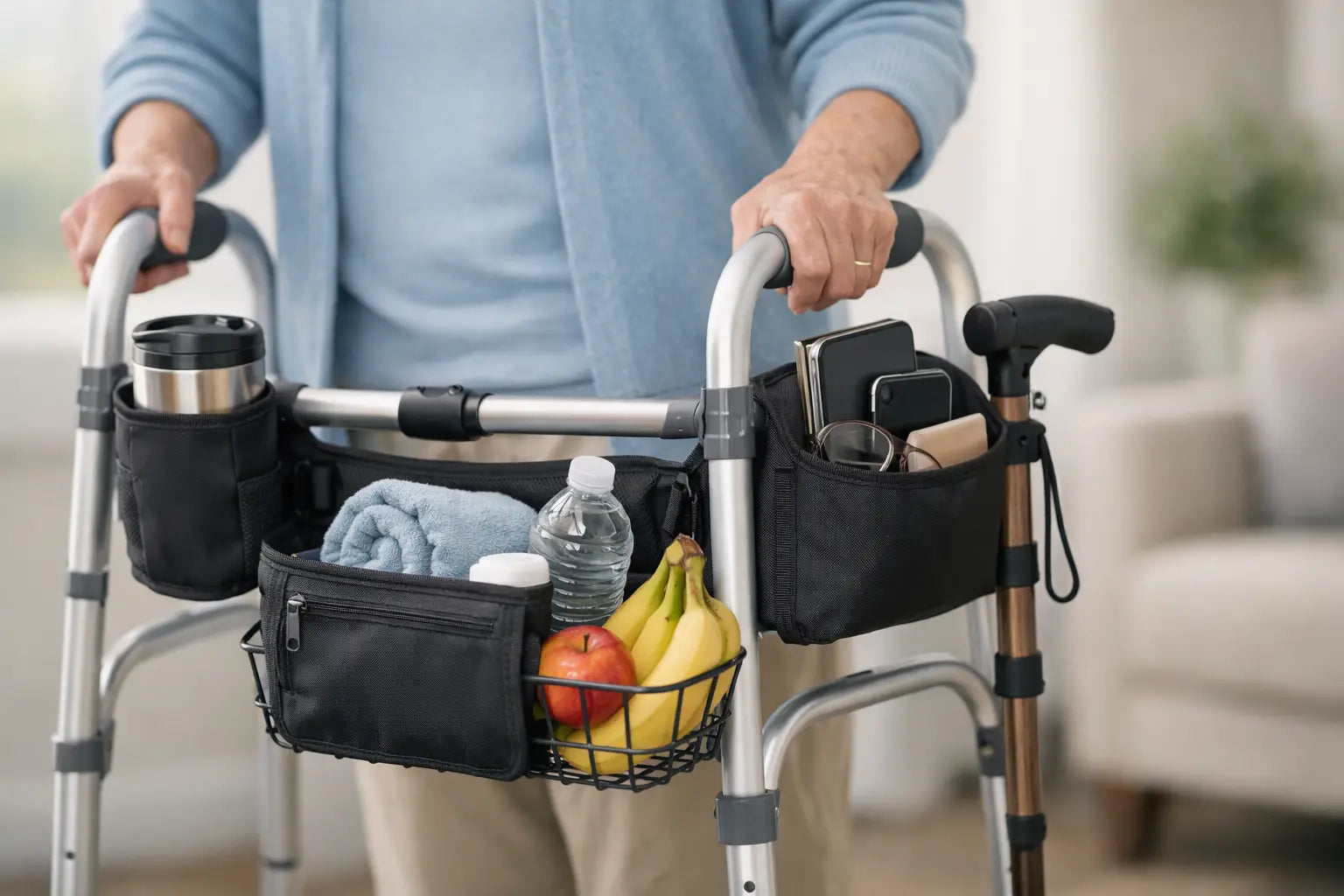
A walker that fits well can still feel incomplete once it has to handle real daily routines. That is where walker accessories for seniors make a noticeable difference. The right add-ons can make meals, medications, errands, and short walks around the house feel more manageable without turning a mobility aid into something bulky or frustrating to use.
For most shoppers, the best accessory is not the one with the most features. It is the one that solves a specific problem safely. A cup holder may matter more than a basket for one person, while another may need ski glides to move smoothly over indoor flooring. Choosing well starts with how the walker is used, where it is used, and what tasks tend to create strain or inconvenience.
How walker accessories for seniors improve daily use
Walkers are meant to support balance and reduce fall risk, but accessories can improve how practical that support feels throughout the day. A simple storage pouch keeps personal items close, which reduces the need to carry things by hand. A tray can help with moving light items from one room to another. Hand grips and padding may reduce pressure for users with arthritis or hand weakness.
That said, more accessories do not always mean better function. Every added item changes weight, width, or handling. If a walker becomes harder to steer, fold, or lift into a car, the trade-off may not be worth it. For many seniors and caregivers, the best setup is usually a few well-chosen accessories rather than every available attachment.
Start with the type of walker
Before buying any add-on, check the walker style and frame design. Standard walkers, two-wheel walkers, and rollators do not all use the same attachments. A bag that works on a rollator may interfere with folding on a standard walker. A tray designed for one frame width may wobble on another.
Weight capacity matters too. If the walker already supports a user near its limit, adding a heavy organizer or basket full of items is not a small detail. It can affect stability. Product fit, mounting method, and intended use should always come before convenience features.
Accessories for standard walkers
Standard walkers often benefit most from glides, front wheels, organizer pouches, and lightweight trays. Because these walkers are commonly used indoors, small changes in ease of movement can have a big effect on energy and comfort.
Accessories for rollators
Rollators often already include a seat and storage area, so add-ons should fill a real need rather than duplicate what is built in. Common upgrades include cup holders, cane holders, backrests, weather covers, and replacement cushions.
The most useful walker accessories to consider
Storage is usually the first need people notice. A walker bag, pouch, or basket makes it easier to carry a phone, glasses, tissues, medications, or a water bottle. Soft bags tend to be lighter and less likely to bump into furniture. Baskets can hold more, but they may add width and can catch on doorways in tighter spaces.
Trays are helpful for users who want to move light meals, mail, or personal items around the home. They work best indoors on level surfaces. They are less helpful for anyone who folds the walker often or uses it outside, since trays can become awkward during transport.
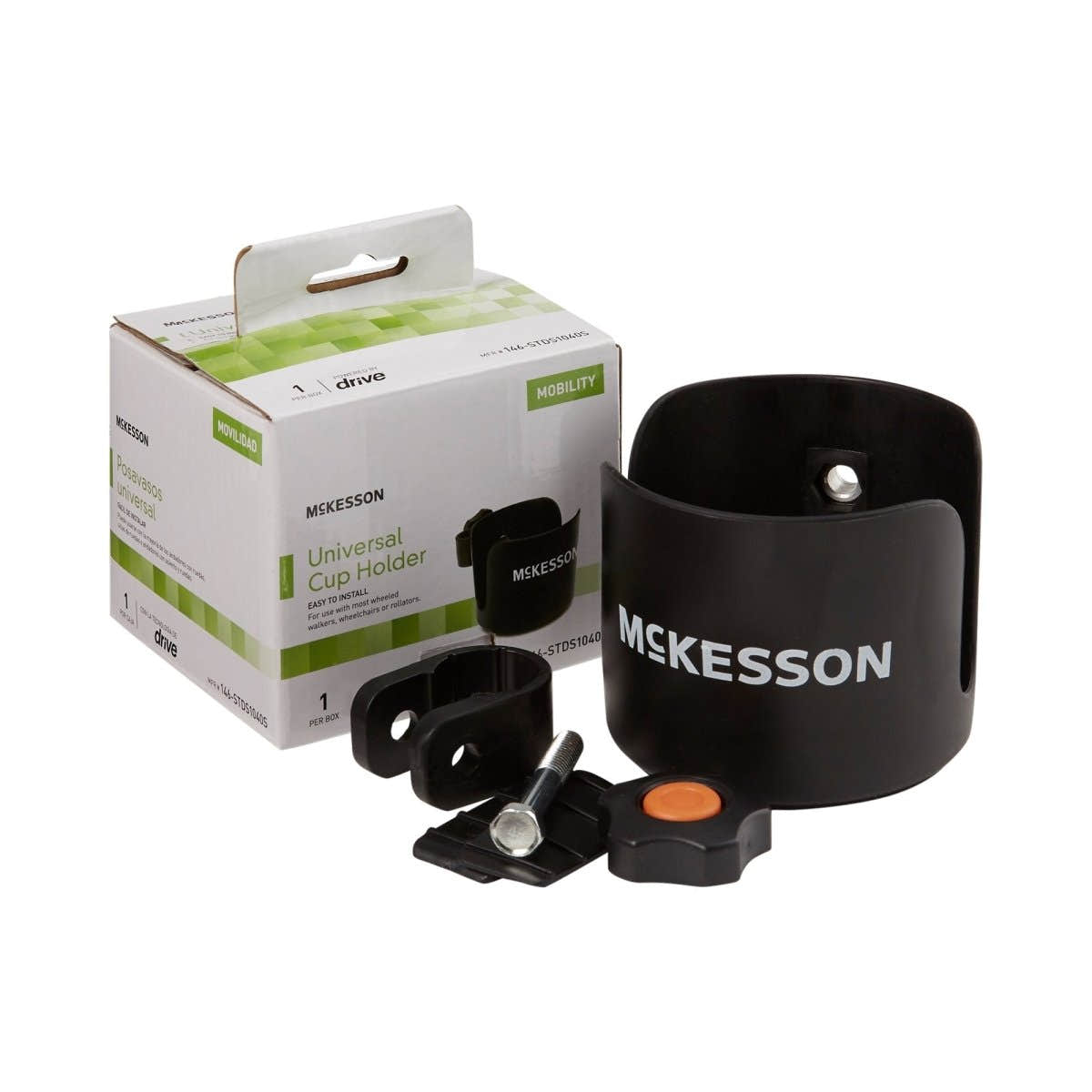
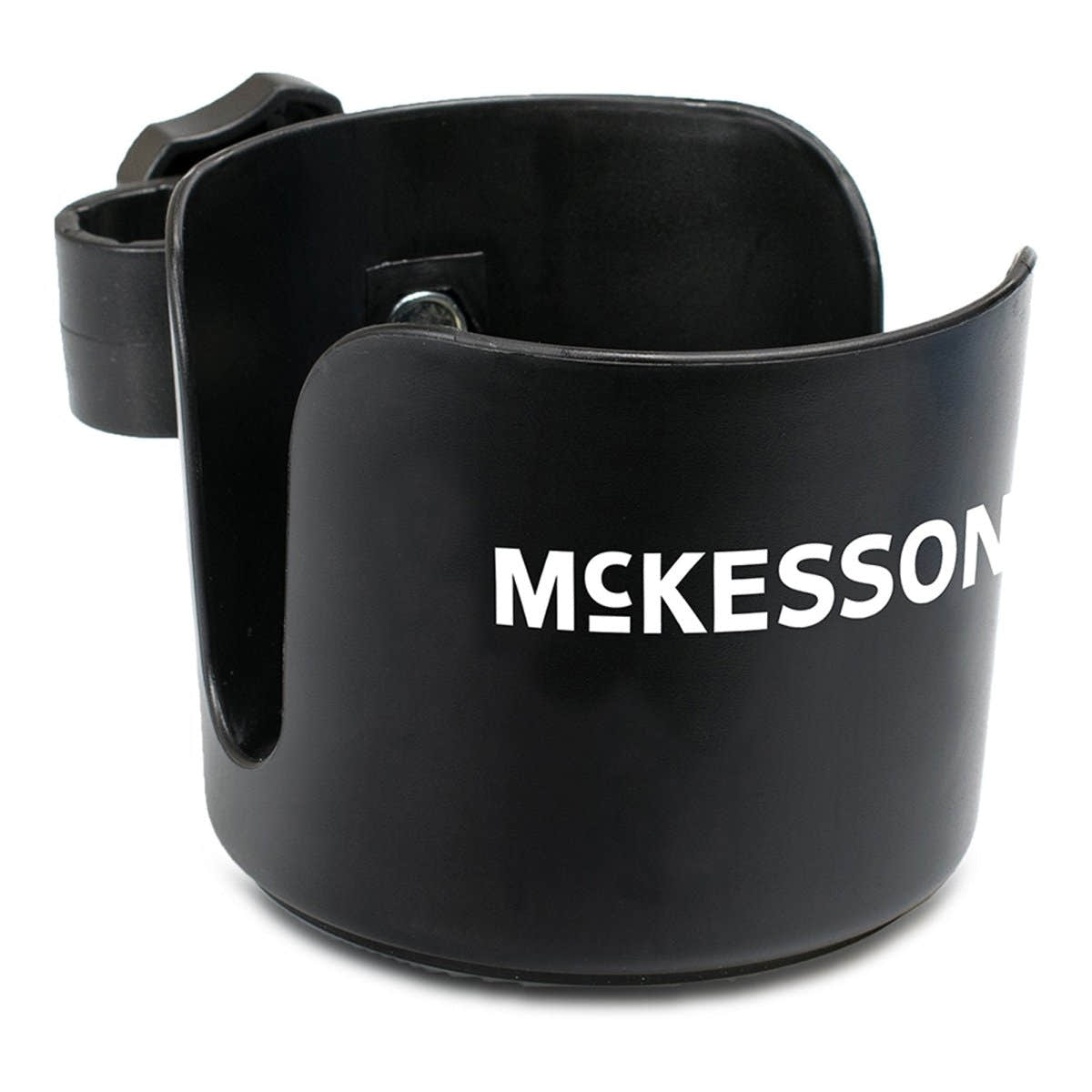
Cup holders are a small addition that many people end up using every day. They reduce the temptation to carry a drink while walking, which can compromise grip and balance. The best ones hold securely and do not shift when the walker turns or bumps over a threshold.
Glides and skis are especially useful on indoor flooring. They help the walker move more smoothly over tile, wood, or low carpet and can reduce the effort required to lift and place the frame. For some users, this means less upper-body fatigue. For others, it means easier movement but a slightly different feel, so adjustment time is normal.
Replacement hand grips and padding can improve comfort for seniors with arthritis, neuropathy, or reduced hand strength. A better grip surface may reduce pressure points during longer use. Still, extra-thick padding is not always better if it changes hand position too much or makes the walker feel less secure.
For rollator users, seat cushions and back support accessories can make longer outings more comfortable. These are most helpful for people who use the built-in seat regularly while waiting in lines, attending appointments, or taking breaks on walks.
Safety comes first with any accessory
The main question is not whether an accessory is convenient. It is whether it supports safe walker use. Anything that swings, slips, overloads the frame, or blocks hand placement can create problems. If a bag hangs too low, it may interfere with steps. If a tray shifts, it can affect balance. If a basket is overloaded, it can make the walker tip more easily.
Caregivers should also pay attention to visual clutter. A walker covered in multiple attachments can make it harder for someone with low vision or cognitive changes to use it confidently. In many cases, a cleaner setup is safer and easier.
A good rule is to test one accessory at a time. That makes it easier to tell whether it actually helps or creates a new issue. If the walker feels less stable, harder to fold, or more difficult to turn, it may be time to remove or replace that item.
Comfort and convenience should match real routines
The best walker accessories for seniors often depend on where the walker spends most of its time. Indoor users may get the most value from trays, pouches, and glides. Someone who goes to appointments, shops regularly, or spends time outdoors may care more about storage, cup holders, cane holders, and seat comfort.
It also helps to think about hand function, posture, and endurance. A senior with shoulder weakness may benefit from glides that reduce lifting. A person with arthritis may need softer grips. Someone who tires easily may value a rollator seat and backrest more than any storage feature.
Caregivers often shop with a different priority in mind: reducing the number of times the user tries to carry unsafe items while walking. In that case, a secure bag or tray can do more than add convenience. It can support safer habits throughout the day.
What to check before you buy
Compatibility should be the first filter. Frame width, tube shape, wheel configuration, and folding design all affect whether an accessory will fit properly. Universal fit claims can be helpful, but they should still be checked against the walker model whenever possible.
Durability matters, especially for daily-use items like bags, glides, and grips. Accessories that loosen quickly or wear down fast can become frustrating and may need frequent replacement. Materials should be easy to wipe clean, especially for products used around food, drinks, or personal care supplies.
Ease of installation is another practical factor. If an accessory takes too much force or too many tools to attach, it may not be ideal for home use. Many shoppers prefer simple straps, clips, or snap-on designs that can be adjusted without much effort.
Price should be considered in context. The least expensive option is not always the best value if it needs replacing soon or does not fit well. On the other hand, a higher-priced accessory is only worth it if it solves a daily problem clearly enough to justify the cost.
A practical way to build the right setup
If you are buying for yourself or someone else, start with the one problem that comes up most often. Is it carrying personal items? Moving a drink? Getting over floors more easily? Needing a place to rest? That first answer usually points to the best first purchase.
From there, build gradually. A storage pouch and glides may be enough for one user. Another may need a tray, cup holder, and replacement grips. The goal is not to create a fully loaded walker. It is to create a walker that feels easier, safer, and more useful in everyday life.
For shoppers comparing options online, category-based browsing can make the process simpler. Looking by mobility need, product type, or intended use helps narrow the field faster than sorting through features alone. Retailers like CartHealth serve many home care needs in one place, which can be especially helpful for caregivers ordering mobility products alongside other routine supplies.
The right accessory should make the walker feel more natural to use, not more complicated. When an add-on supports the way someone already moves through the day, it tends to earn its place quickly.