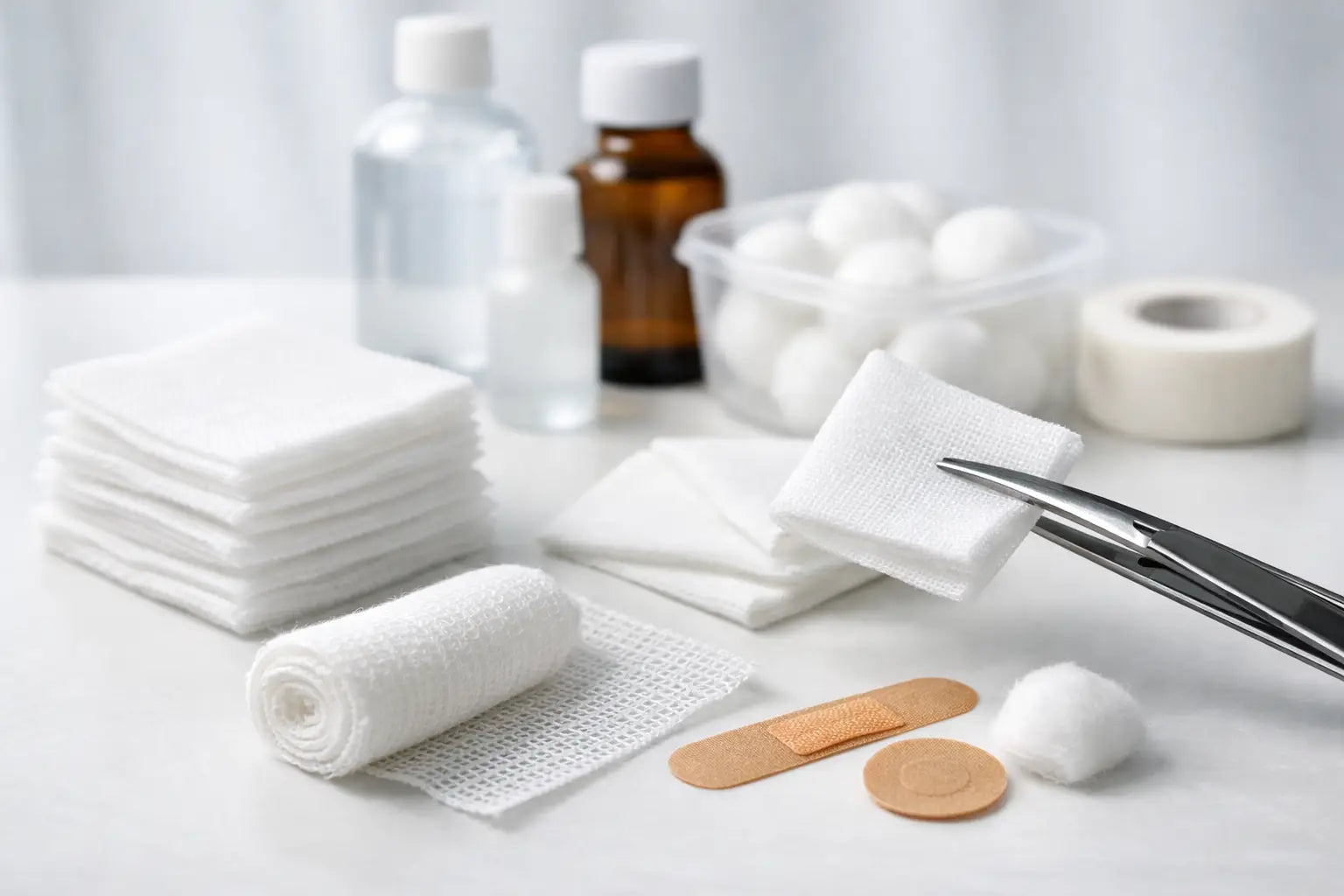
A scraped knee and a draining surgical site do not need the same dressing. That is where many home care mistakes start. Choosing the right gauze pads for wound care can help protect the area, manage drainage, and make dressing changes simpler for patients and caregivers.
Gauze pads are one of the most common wound care supplies used at home because they are versatile, familiar, and easy to keep on hand. But "gauze" is not one single product type. The right choice depends on the wound, the amount of drainage, whether a sterile dressing is needed, and how often the dressing will be changed.
Why gauze pads for wound care are so widely used
Gauze pads work well because they can cover and cushion a wound while absorbing fluid. They are commonly used for cuts, abrasions, post-procedure sites, and wounds that need regular monitoring. For caregivers managing wound care at home, they are also practical because they come in multiple sizes, sterile and non-sterile formats, and different ply levels.
That said, gauze is not always the best option for every wound. If a wound is very dry, very deep, or healing tissue is sticking to the dressing, a different type of dressing may be a better fit. Gauze remains a useful basic supply, but matching it to the wound matters.
What to look for when choosing gauze pads
The most helpful place to start is with four factors: sterility, size, absorbency, and contact with the wound bed. These details affect comfort, cleanliness, and how easy the dressing will be to remove.
Sterile vs. non-sterile gauze pads
Sterile gauze pads are individually wrapped or packaged to help reduce contamination. They are typically the better choice for open wounds, incision care, and dressing changes where cleanliness is especially important.
Non-sterile gauze may be used for general cleaning, padding, or other tasks where direct sterile wound contact is not required. For many shoppers, keeping both on hand makes sense - sterile pads for direct wound dressing and non-sterile gauze for support tasks.
Choosing the right size
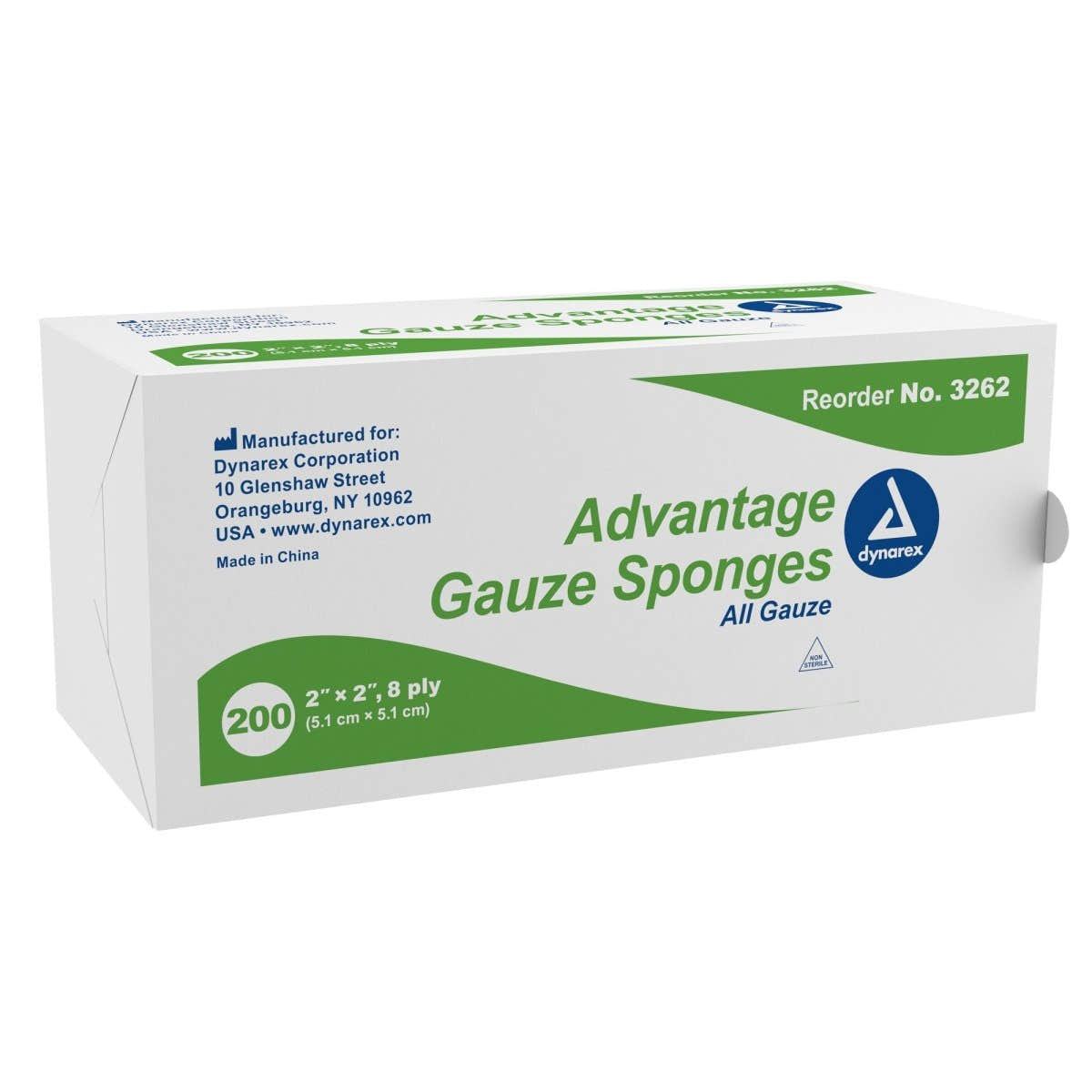
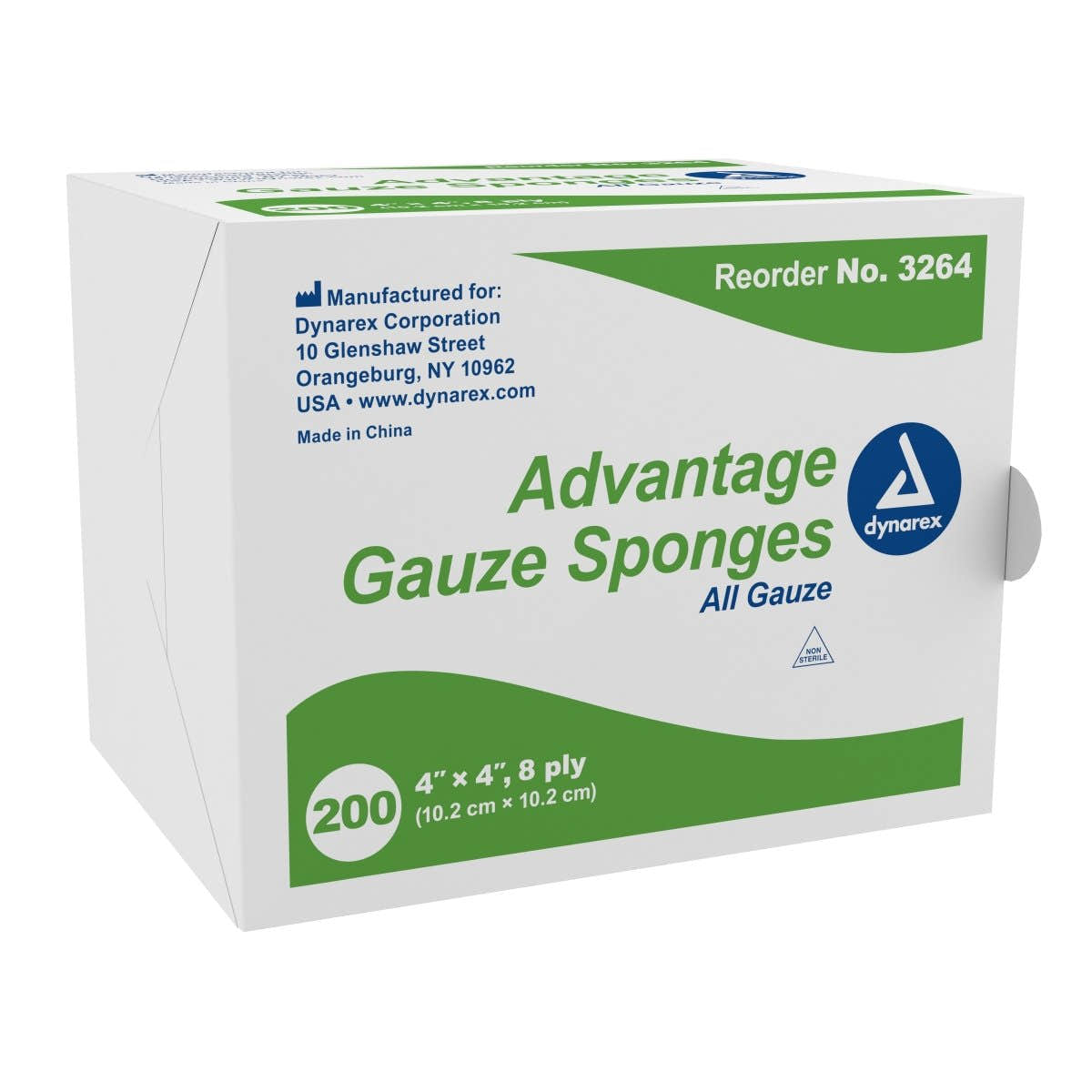
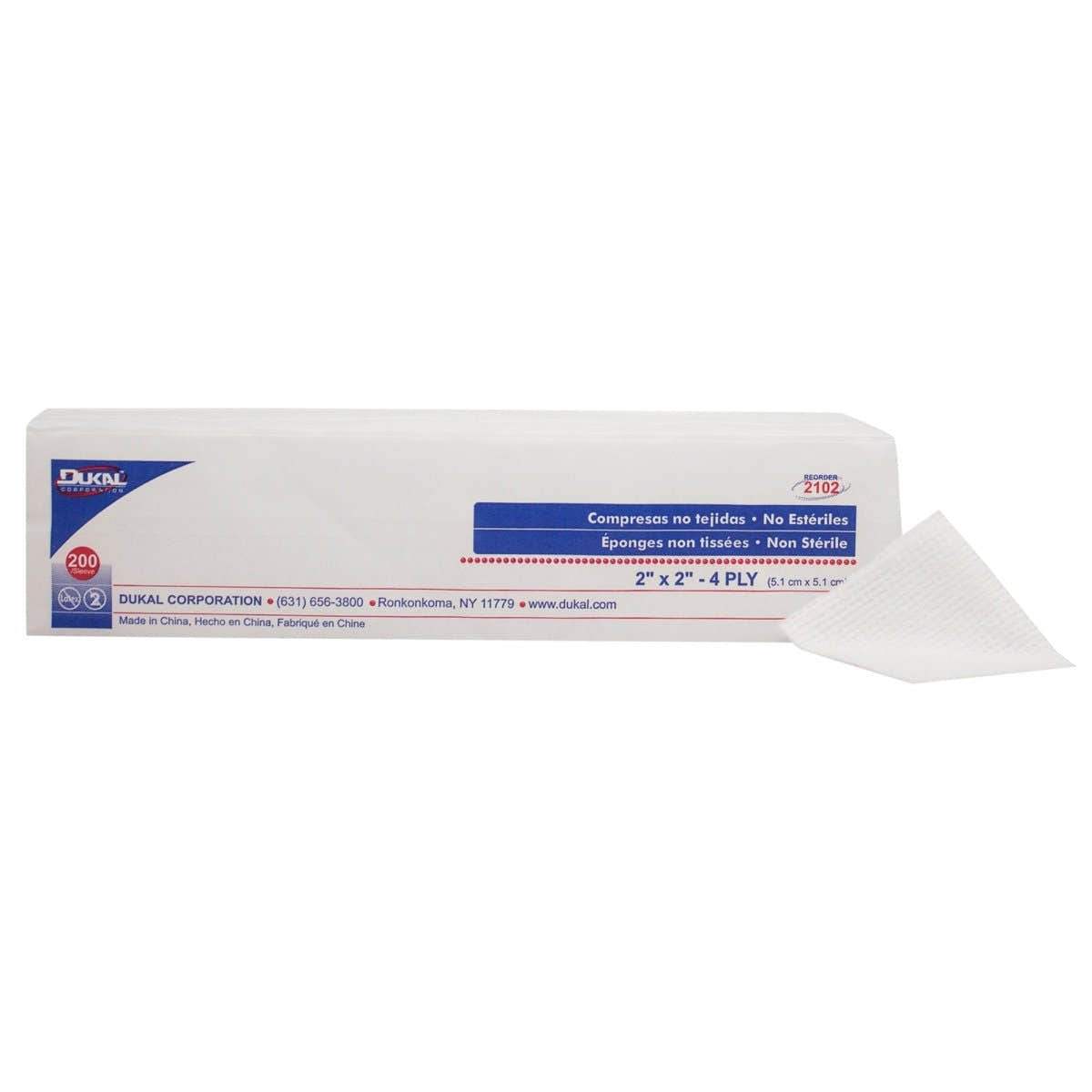
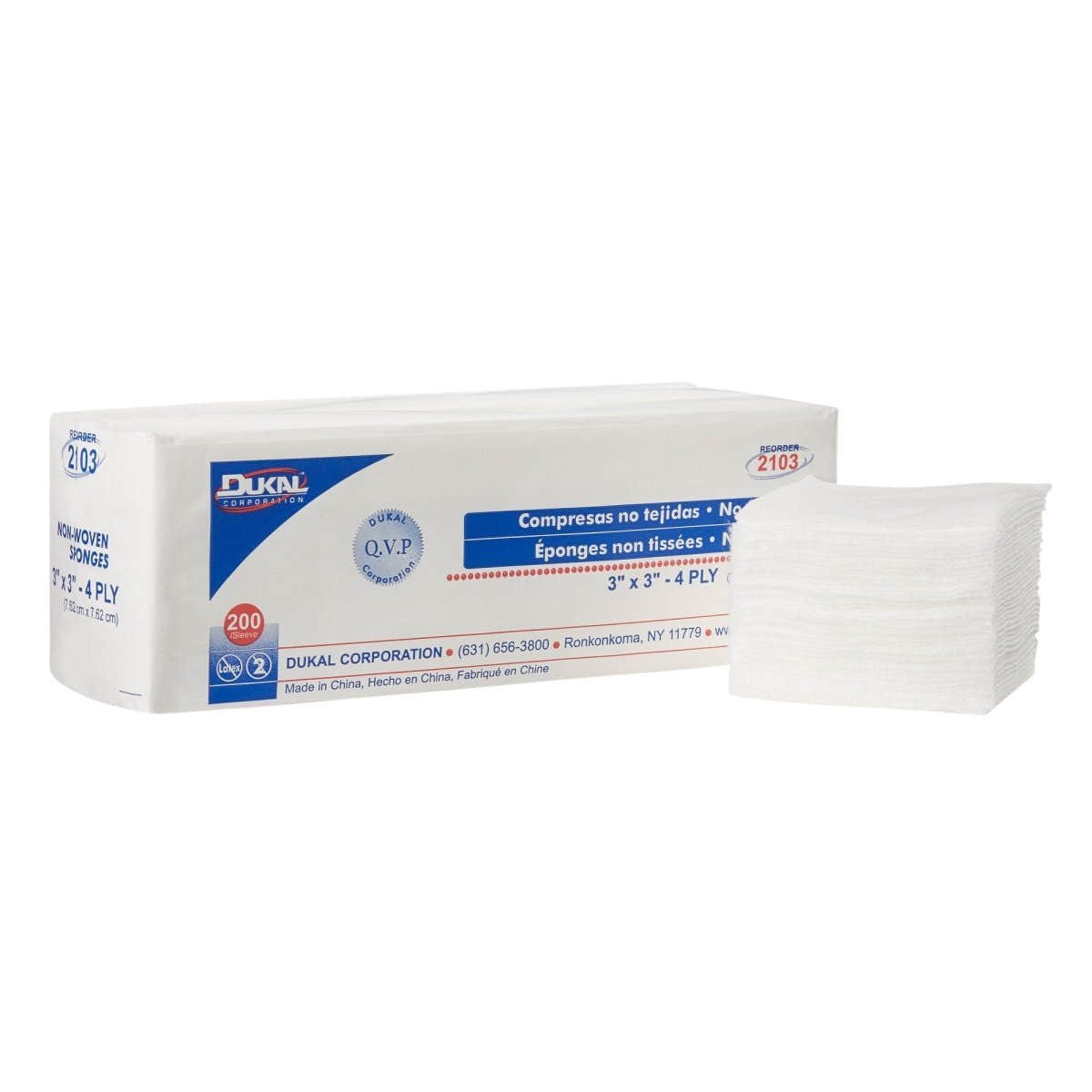
A gauze pad should cover the wound fully without leaving too much exposed area, but it should not be so oversized that it bunches under tape or wraps. Common sizes like 2x2, 3x3, and 4x4 inches work for many routine needs.
Smaller pads are often used for minor cuts or compact wound areas. Larger pads are helpful when there is more drainage or a broader area to cover. If a wound is near a joint or a part of the body that moves often, a properly sized pad can also help the dressing stay in place better.
Absorbency and ply
Ply refers to the thickness or layers in the gauze pad. Higher-ply gauze usually offers more cushioning and absorbency. That can be useful for wounds with moderate drainage or for areas that need a little extra protection.
If the wound has very little drainage, a lighter pad may be enough. If the dressing is soaking through quickly, a more absorbent option may be needed. In home care, choosing too little absorbency can lead to more frequent changes and a messier process. Choosing too much can sometimes be bulky, especially on smaller wounds.
Woven vs. non-woven gauze
This is one of the most overlooked differences. Woven gauze is the classic style many people recognize. It is useful and widely available, but it may leave lint behind in some situations.
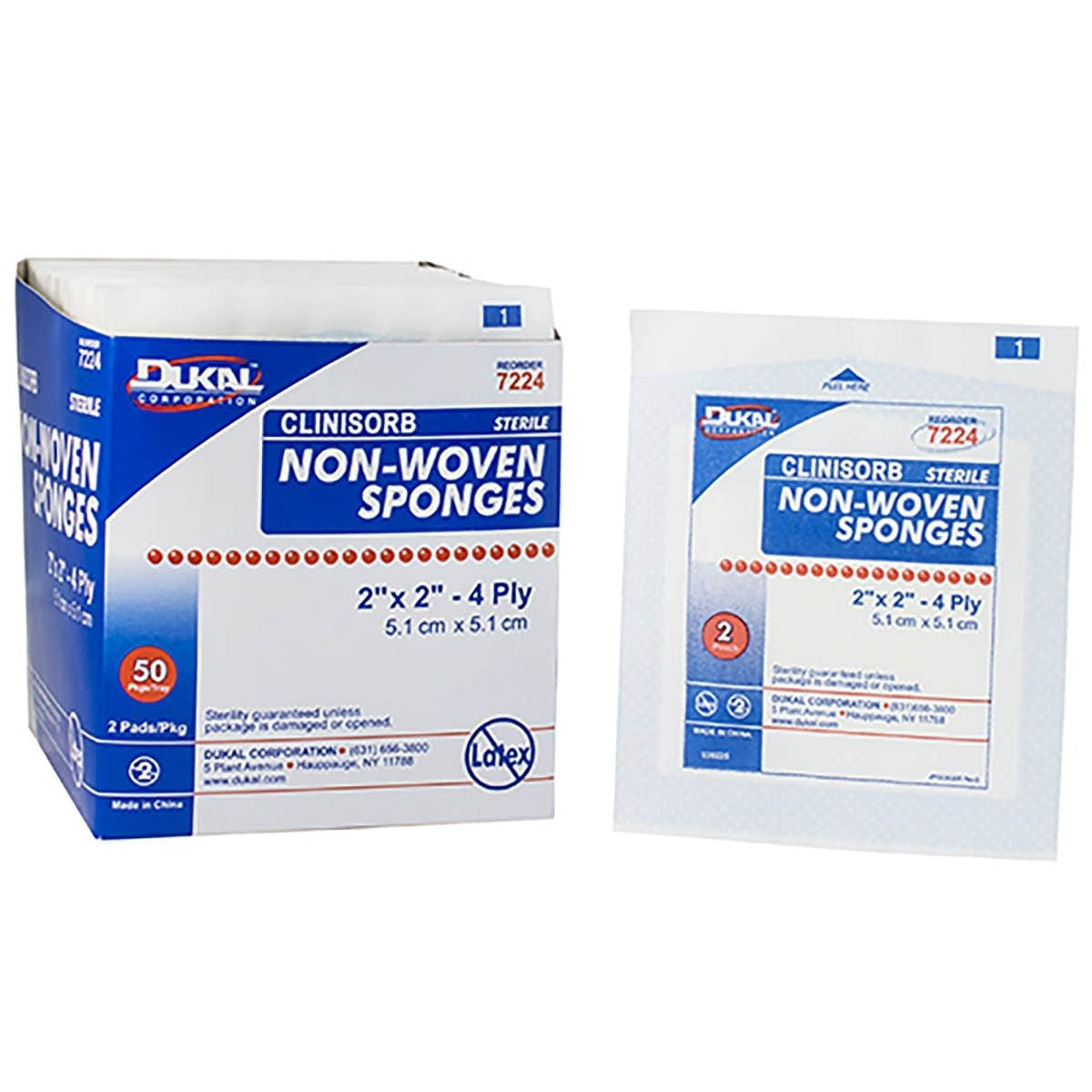
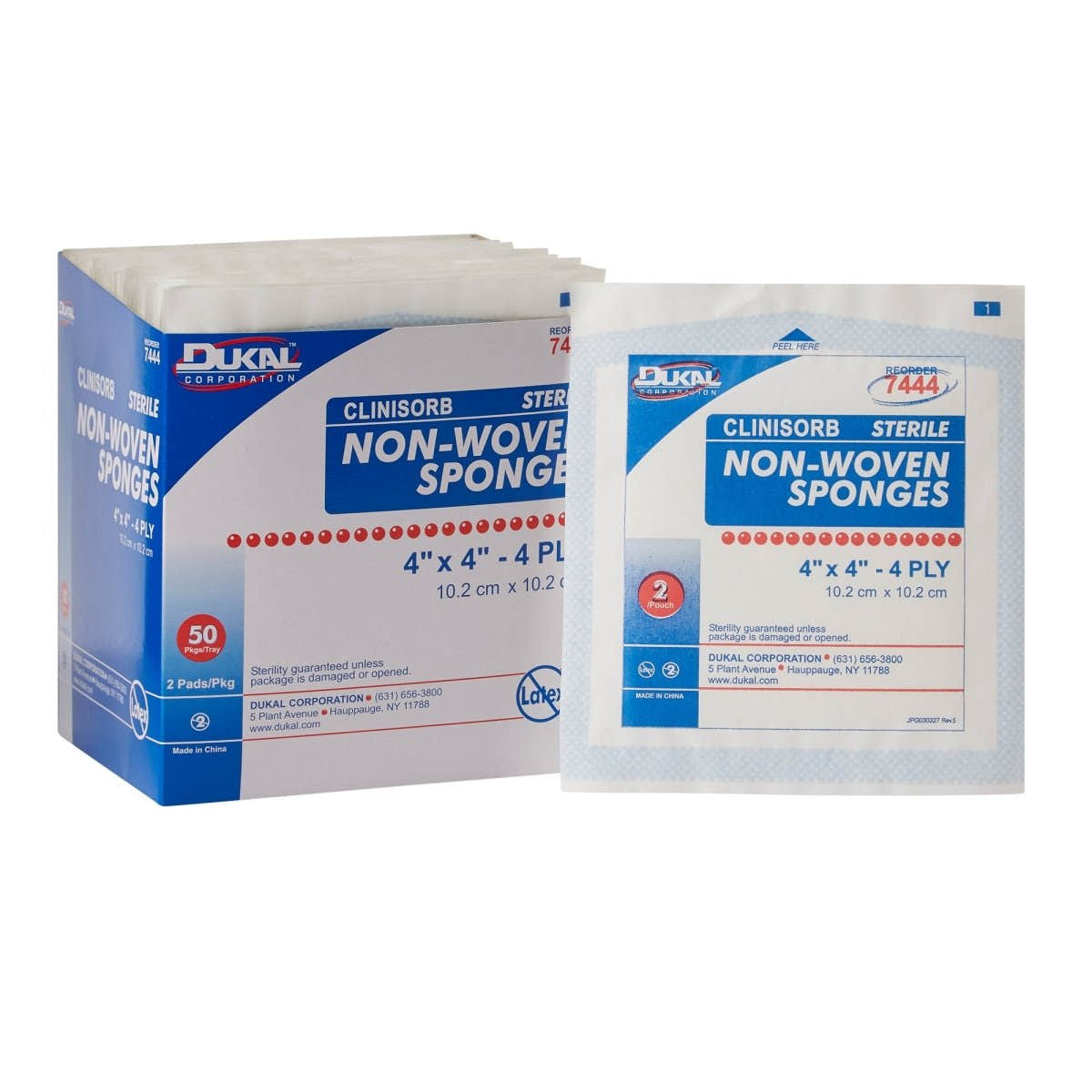
Non-woven gauze is made differently and tends to be softer, more absorbent, and less likely to shed fibers. Many caregivers prefer it for routine dressing changes because it can be gentler and cleaner to handle. If you are comparing options for home use, this is often worth paying attention to.
When gauze pads work well
Gauze pads are a practical option for many common wound care situations. They are often used to cover minor wounds, absorb drainage, protect healing skin, and serve as a secondary dressing over ointments or other wound products.
They are also useful when frequent dressing changes are expected. If a wound needs to be checked often, gauze can be a convenient and cost-conscious choice because it is easy to replace. For caregivers managing supplies at home, that flexibility matters.
When gauze may not be the best choice
There are trade-offs. Standard gauze can stick to a wound if the area is dry or if drainage dries into the fabric. That can make dressing changes more uncomfortable and may disturb healing tissue.
In those cases, a non-adherent dressing layer may be better under the gauze pad, or a different wound dressing category may make more sense altogether. Heavily draining wounds, wounds with signs of infection, pressure injuries, and chronic wounds often need more specific product selection and medical guidance.
If there is increasing redness, swelling, odor, warmth, unusual drainage, fever, or worsening pain, it is smart to contact a healthcare provider rather than simply switching dressing products on your own.
How to use gauze pads for wound care at home
Home wound care should follow the instructions given by a healthcare professional whenever those instructions are available. Product choice is only one part of the process. Clean handling and timely dressing changes are just as important.
Start by washing your hands and gathering supplies before opening anything. If sterile gauze is being used for direct wound contact, avoid touching the part of the pad that will sit against the wound. After cleaning the wound as directed, place the gauze gently over the area and secure it with tape, rolled gauze, or another retention method that does not pull too tightly.
The dressing should usually be changed when it becomes wet, soiled, loose, or according to the schedule provided by a clinician. A dressing that stays on too long can trap moisture or bacteria. A dressing that is changed too often can irritate the skin and disrupt healing. The right balance depends on the wound.
Shopping tips for caregivers and home users
When buying wound supplies for home use, it helps to think beyond one dressing change. Running out of basics can turn a simple care routine into a last-minute problem.
For that reason, many households keep a few core wound care items together: sterile gauze pads, non-sterile gauze for support use, medical tape, saline or wound cleanser if recommended, gloves, and any prescribed topical product. If dressing changes are ongoing, buying the right size and format in a quantity that fits the care schedule can save time and reduce repeat trips.
This is also where product consistency matters. If a patient or caregiver finds a gauze pad size, material, and absorbency level that works well, reordering the same type can make home care more predictable. That kind of routine is especially helpful for long recoveries and caregiver-heavy households.
Common questions about gauze pads
A frequent question is whether gauze pads can be cut. In some cases, yes, but cutting may create loose fibers and can reduce convenience. Many shoppers prefer buying the correct size instead.
Another question is whether sterile gauze is always necessary. Not always, but for open wounds and incision care, sterile options are commonly preferred. For cleaning around a wound or adding outer padding, non-sterile products may be acceptable depending on the care plan.
People also ask how often dressings should be changed. There is no one answer that fits every wound. The amount of drainage, the wound type, and provider instructions all matter. If a dressing is wet or dirty, it should not stay in place just for the sake of a schedule.
Choosing with confidence
The best gauze pads are not simply the thickest or the cheapest ones. They are the ones that fit the wound, support the care routine, and make dressing changes manageable at home. For some people that means sterile 4x4 pads with higher absorbency. For others, it means a softer non-woven option for lighter coverage.
If you are shopping for wound care supplies online, keep the decision simple: match the pad size to the wound, choose sterility based on direct wound contact, and pay attention to absorbency and material. That approach covers most everyday needs without overcomplicating the process.
Good wound care often comes down to reliable basics used the right way, and gauze is one of the basics worth choosing carefully.