A dressing that needs changing again shortly after it is applied can make home wound care frustrating. The choice between gauze vs foam dressing often comes down to one practical question: how much fluid does the wound produce? The right answer can help keep the wound protected, reduce mess, and make dressing changes more manageable.
Gauze and foam dressings are both common wound care supplies, but they work differently. Gauze is flexible and familiar, while foam is designed to absorb drainage and cushion sensitive areas. Neither is automatically better for every wound. The wound location, amount of drainage, surrounding skin, and instructions from a healthcare professional all matter.
Gauze vs Foam Dressing at a Glance
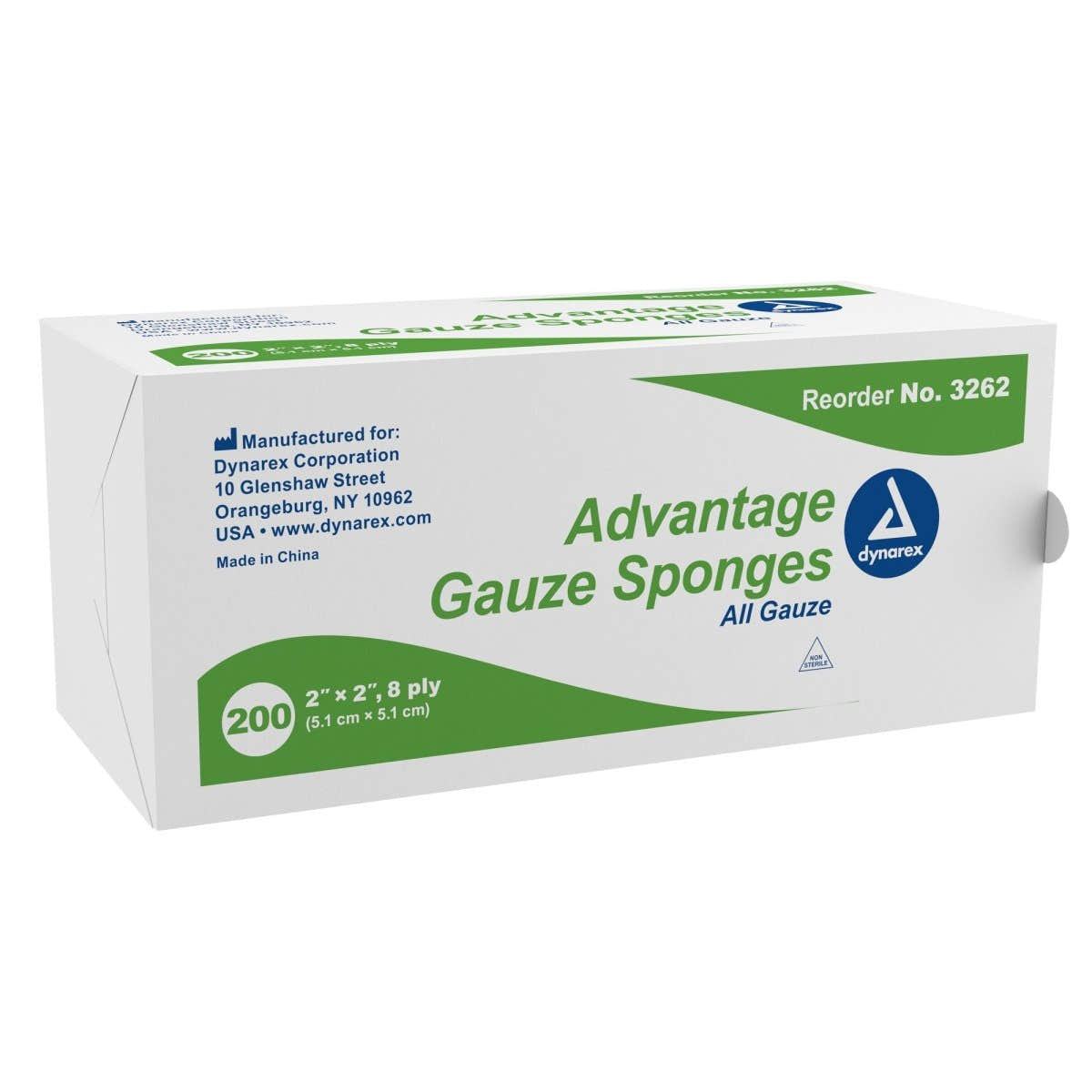
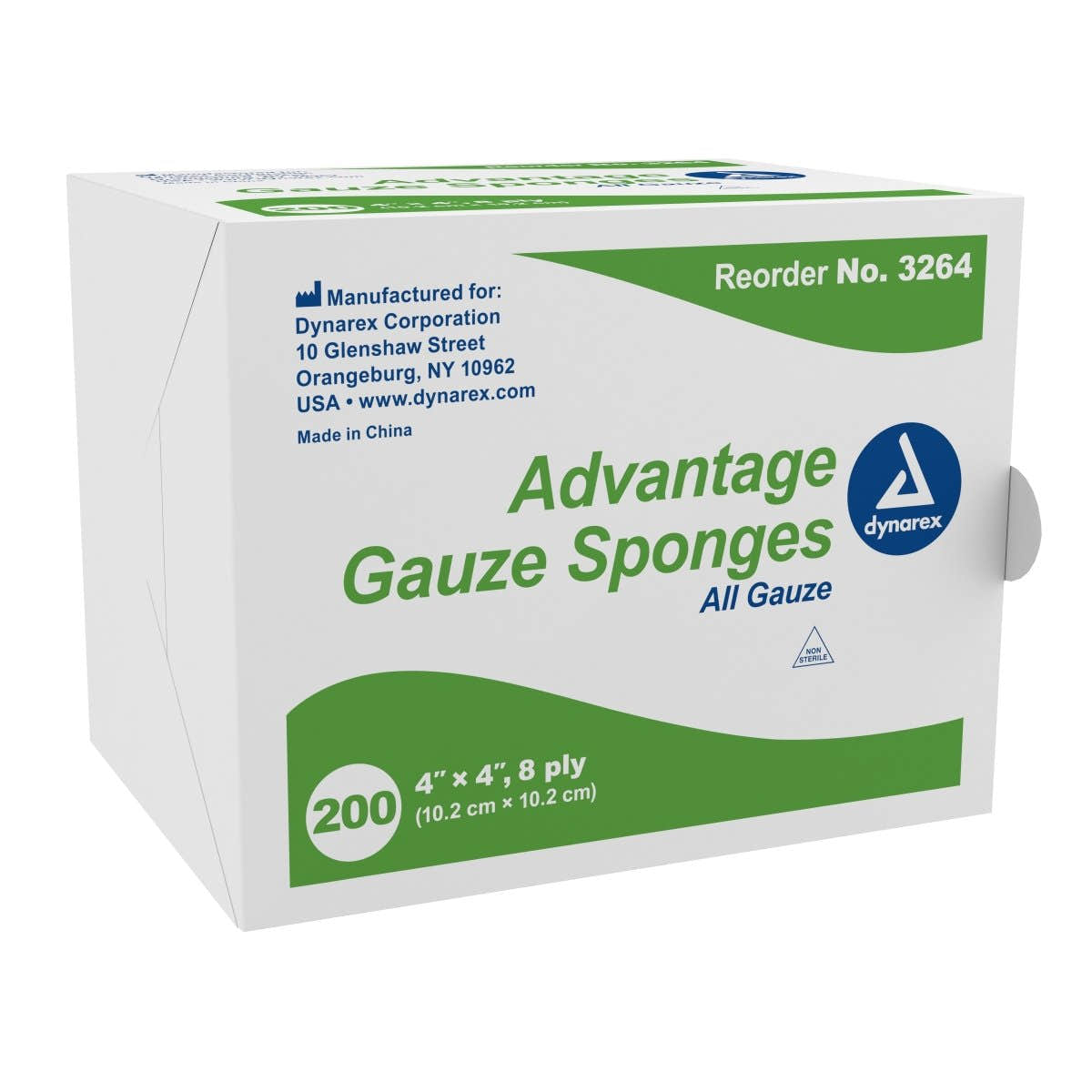
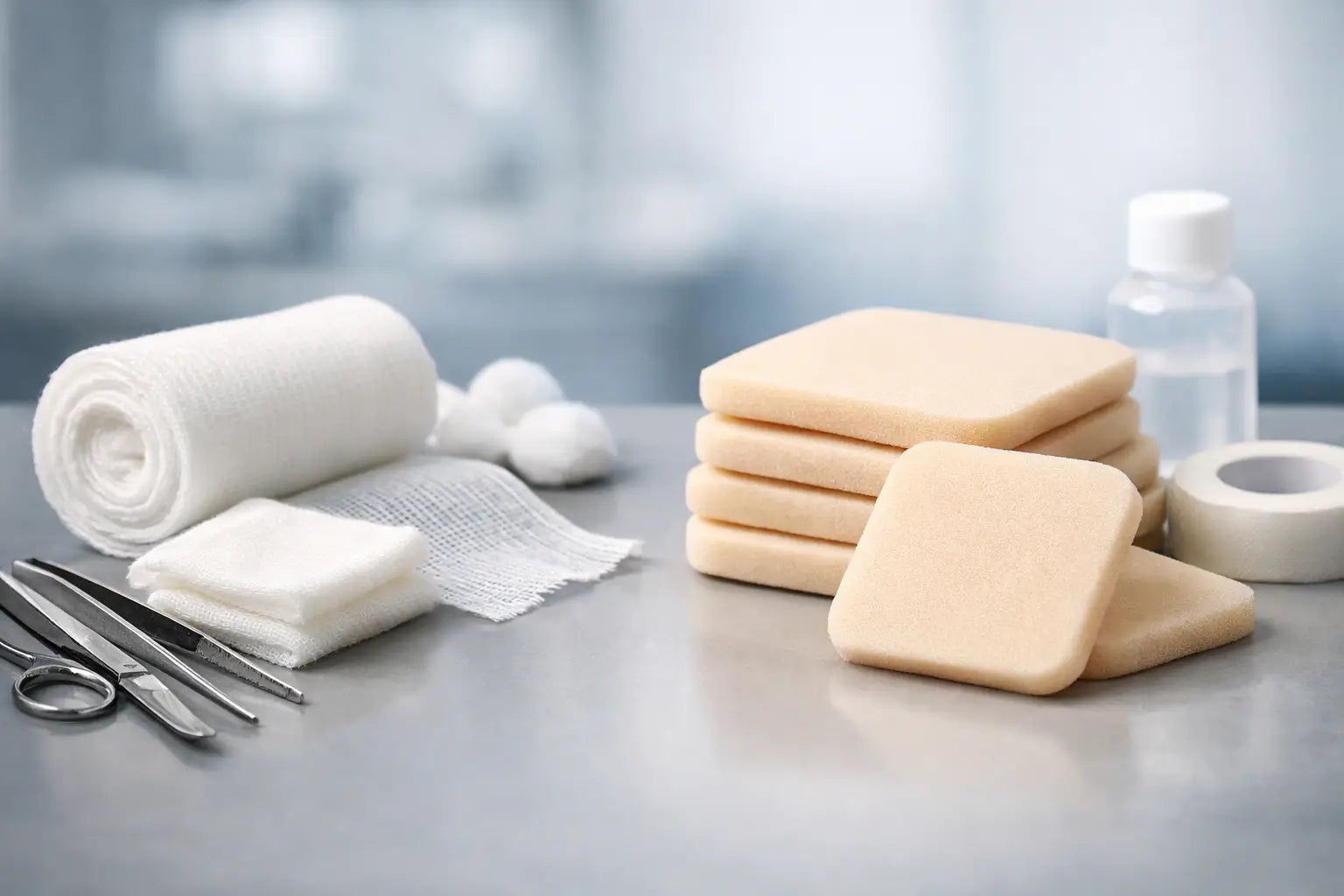
Gauze is a lightweight material available in pads, rolls, sponges, and packing strips. It may be sterile or non-sterile and can be used to cover, clean, cushion, or lightly pack certain wounds when directed by a clinician. It is often secured with medical tape, stretch gauze, or a bandage wrap.
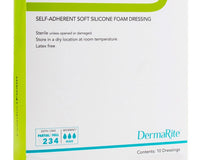
Foam dressing is a thicker, absorbent wound cover. It is commonly made with a soft foam layer that draws in drainage while helping maintain a protected wound environment. Many foam dressings have a gentle adhesive border, while non-adhesive options can be secured with tape or a wrap.
| Feature | Gauze Dressing | Foam Dressing |
| --- | --- | --- |
| Absorbency | Best for light drainage or frequent changes | Better for moderate to heavier drainage |
| Conformability | Very flexible for fingers, toes, and uneven areas | Cushioned but may be bulkier |
| Protection | Basic cover and light cushioning | More cushioning and padding from friction |
| Cost per dressing | Often lower | Often higher, but may need fewer changes |
| Securement | Usually needs tape, wrap, or netting | Available with or without adhesive borders |
When Gauze May Be the Better Choice
Gauze is a useful basic supply for many home first-aid and wound care routines. A sterile gauze pad may be appropriate for a small cut, scrape, or incision with little drainage, especially when a healthcare provider has recommended simple cover dressings. Its thin profile can be helpful under clothing and around small body areas where a bulkier dressing may not stay in place.
It is also a practical choice when you need a highly customizable dressing. Gauze rolls can be wrapped around an arm, ankle, hand, or foot. Gauze pads can be layered for extra coverage, and gauze sponges can be used during wound cleansing when instructed. For wounds that need packing, only use packing gauze and follow the exact directions provided by the treating clinician. Packing too tightly or using the wrong material can interfere with healing.
The trade-off is absorbency. Plain gauze can become saturated quickly when drainage is more than minimal. Once wet, it may stick to the wound surface, particularly if it dries out. Removing adhered gauze can be uncomfortable and may disturb fragile healing tissue. If gauze is repeatedly soaking through, it is usually time to ask a healthcare professional whether a more absorbent dressing is needed.
When Foam Dressing May Be the Better Choice
Foam dressings are often chosen for wounds with moderate drainage, or for areas that benefit from cushioning. They can be useful on pressure-prone locations such as the heel, elbow, hip, or sacrum when a clinician recommends them. The padded construction can help protect the area from rubbing caused by shoes, clothing, bedding, or mobility equipment.
A foam dressing absorbs fluid into its structure rather than allowing it to pool against the skin. This can be especially helpful when the surrounding skin is becoming soft, white, irritated, or fragile from moisture. Some foam dressings are designed with adhesive borders that simplify application and can make daily care easier for caregivers.
However, foam is not the best choice for every situation. A dry wound may not need an absorbent foam dressing. A very heavily draining wound may require a different dressing plan or more frequent changes. Adhesive-bordered foam can also be difficult for people with thin, fragile, or easily irritated skin. In those cases, a non-adhesive foam secured with a gentle wrap or skin-friendly tape may be more appropriate.
How to Choose Between Gauze and Foam
Start with the drainage level. For a wound with little to no drainage, gauze may provide the simple protection needed. For drainage that dampens a gauze pad, leaks through clothing, or requires repeated changes, foam may offer better absorption and a longer wear time. Always change a dressing sooner if it is loose, visibly soiled, saturated, or wet on the outside.
Next, consider where the wound is located. Gauze is easier to shape around toes, fingers, ears, and other small or uneven areas. Foam may be more comfortable over broad surfaces or bony areas where extra cushioning matters. For a wound near a joint, make sure the dressing can move with the body without pulling or rolling up.
The condition of the surrounding skin also affects the choice. If tape has caused redness or skin tears in the past, choose a securement method carefully. Silicone-bordered foam or a non-adhesive dressing may be gentler for some people, though no adhesive is risk-free for every skin type. Remove adhesive dressings slowly, supporting the skin as you go instead of pulling upward quickly.
Finally, follow the care plan for the specific wound. Surgical incisions, diabetic foot wounds, pressure injuries, venous leg ulcers, burns, and deep wounds can each require different supplies and different change schedules. Product convenience should never replace individualized instructions from a doctor, nurse, podiatrist, or wound care specialist.
Using Gauze and Foam Dressings Safely at Home
Before changing a dressing, wash your hands thoroughly and prepare supplies on a clean, dry surface. Use clean or sterile technique as directed by the healthcare team. If the old dressing is stuck, do not force it off. Moisten it with the approved solution if you have been instructed to do so, or contact the provider for guidance.
Clean the wound only with the solution recommended for that wound. Hydrogen peroxide, alcohol, and strong antiseptics may damage healing tissue when used routinely unless a clinician specifically tells you otherwise. After cleaning, gently pat the surrounding skin dry before applying the new dressing.
A dressing should cover the wound with enough overlap to stay in place, but it should not be wrapped so tightly that circulation is affected. Watch for numbness, tingling, cool skin, swelling below the wrap, or a change in skin color. These can be signs that a bandage is too tight and should be addressed promptly.
Signs You Should Contact a Healthcare Professional
Dressing choice can help manage a wound, but it cannot treat an infection or replace medical assessment. Contact a healthcare professional for increasing redness, warmth, swelling, worsening pain, pus-like drainage, a strong odor, fever, red streaking, or bleeding that does not stop with direct pressure.
Get prompt guidance if the wound is getting larger, deeper, darker, or more painful instead of improving. People with diabetes, poor circulation, reduced sensation, immune system conditions, or a history of slow-healing wounds should be especially cautious. Foot wounds in people with diabetes deserve early attention, even when they appear small.
For home care, keeping both sterile gauze and absorbent foam dressings on hand can make it easier to respond to changing needs. Choose the dressing that matches the wound today, keep an eye on drainage and skin condition, and ask for help when the wound does not look or feel right.