A hospital discharge can leave a family with a stack of instructions but no clear picture of the day-to-day items that make care manageable. If you are asking what supplies for home caregiving to buy, start with the person’s routine: how they move, eat, bathe, use the bathroom, take medications, and manage any condition-specific needs. The best supply list is not the biggest one. It is the one that keeps everyday care safe, comfortable, and easier to repeat.
A good approach is to buy enough for the first week or two, then adjust based on actual use. Some supplies, such as gloves and incontinence products, may be used more quickly than expected. Others, such as a transfer bench or walker, are durable items that should be selected carefully before ordering.
Start With the Care Plan and Daily Routine
Before filling a cart, review discharge instructions, prescriptions, and guidance from the patient’s clinician. Ask what tasks will happen at home each day and who will perform them. A person recovering from knee surgery may mainly need mobility support and bathing safety equipment. Someone living with diabetes, limited mobility, or bladder control concerns may need recurring supplies across several categories.
Create a simple home care station in a clean, easy-to-reach location. Keep frequently used items together, but store medications, sharps, and cleaning products safely away from children and pets. If more than one person provides care, label bins or shelves so everyone can find the same supplies without searching.
Personal Care and Hygiene Supplies
Personal care items support comfort, dignity, and skin health. Even when a loved one can complete much of their own care, having the right products nearby can reduce stress on difficult days.
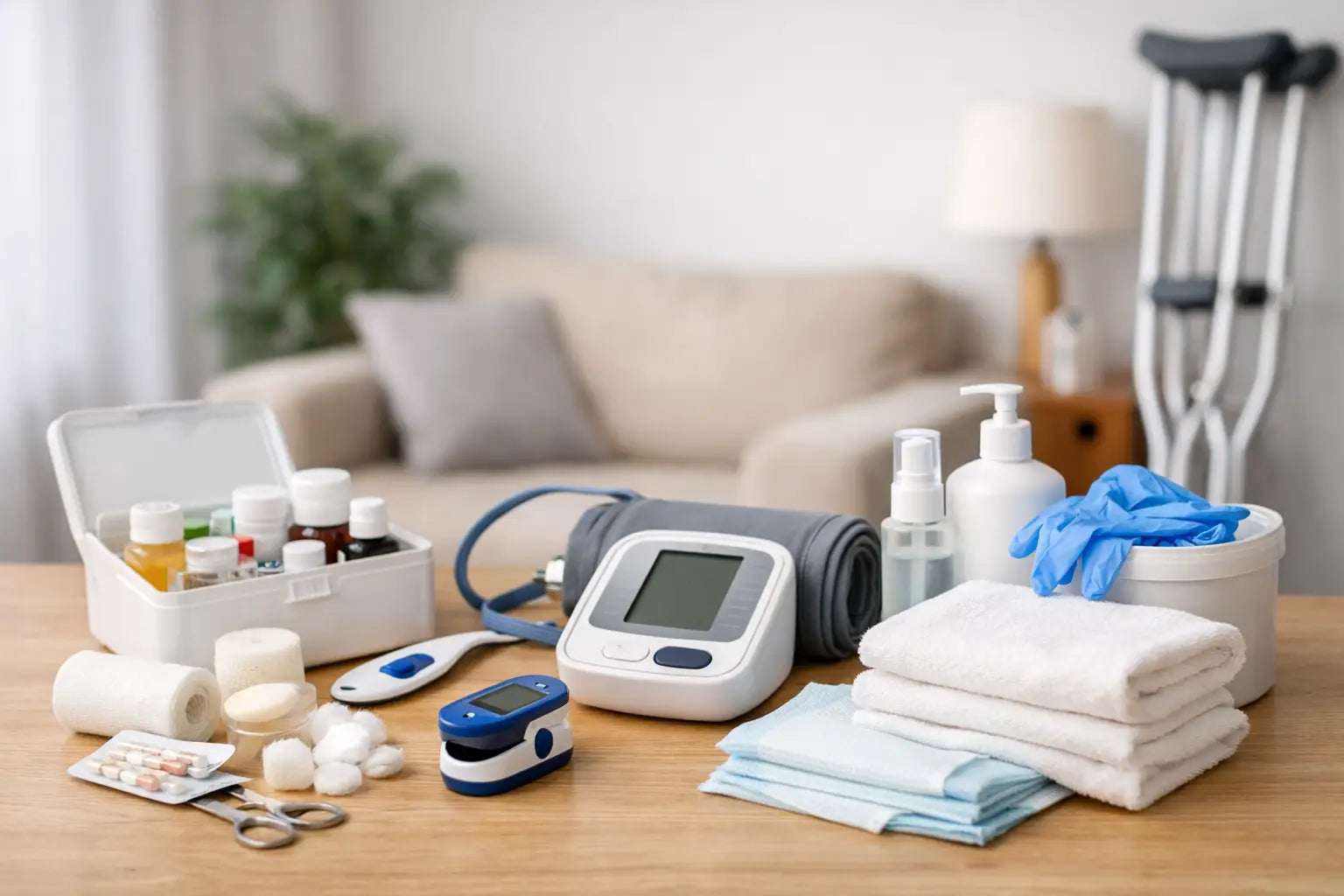
Common home caregiving essentials include:
- Disposable gloves for personal care, wound care, or cleanup
- Gentle cleansing wipes, no-rinse cleanser, and disposable washcloths
- Moisturizer and barrier cream to help protect skin from moisture
- Hand sanitizer, soap, tissues, and disposable underpads
- Oral care items such as a soft toothbrush, toothpaste, denture cleaner, or oral swabs
- A thermometer for checking temperature when illness or infection is a concern
Skin should be checked regularly, especially around the hips, tailbone, heels, and areas exposed to moisture. Redness that does not fade, broken skin, unusual warmth, or increasing pain should be reported to a healthcare professional.
Mobility, Transfers, and Fall Prevention
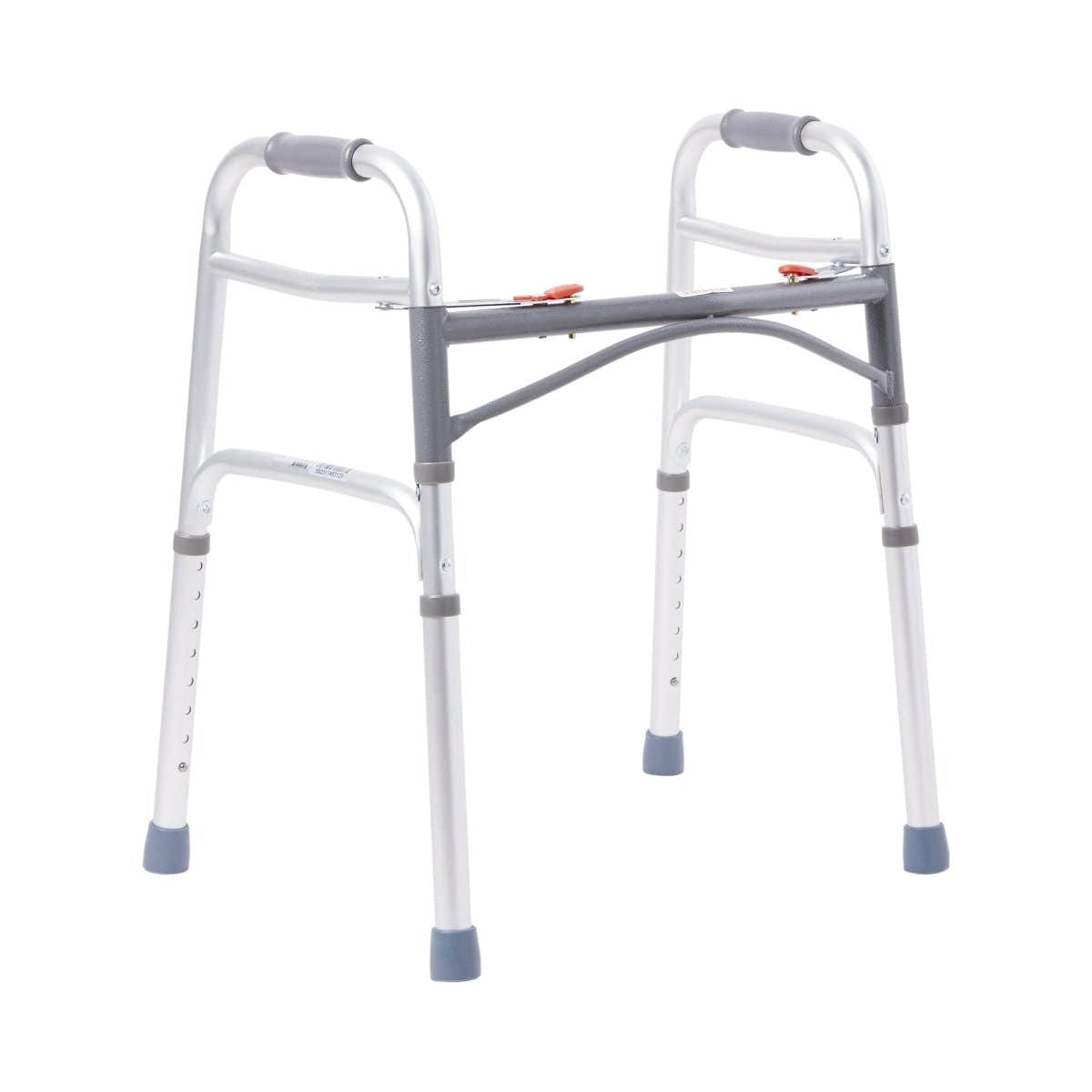
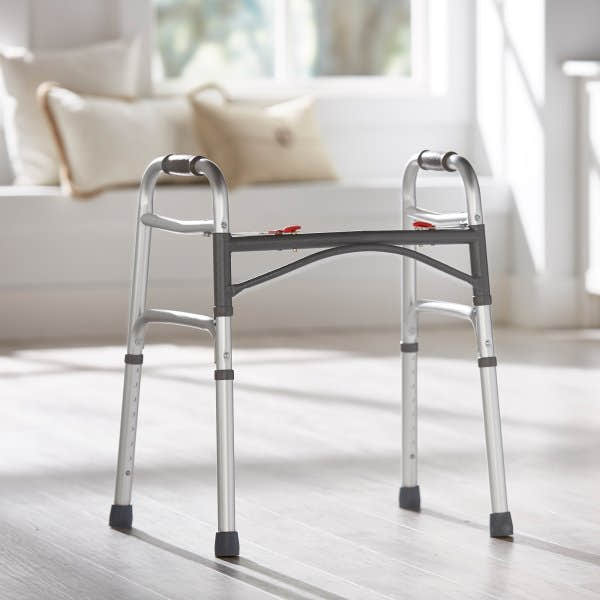
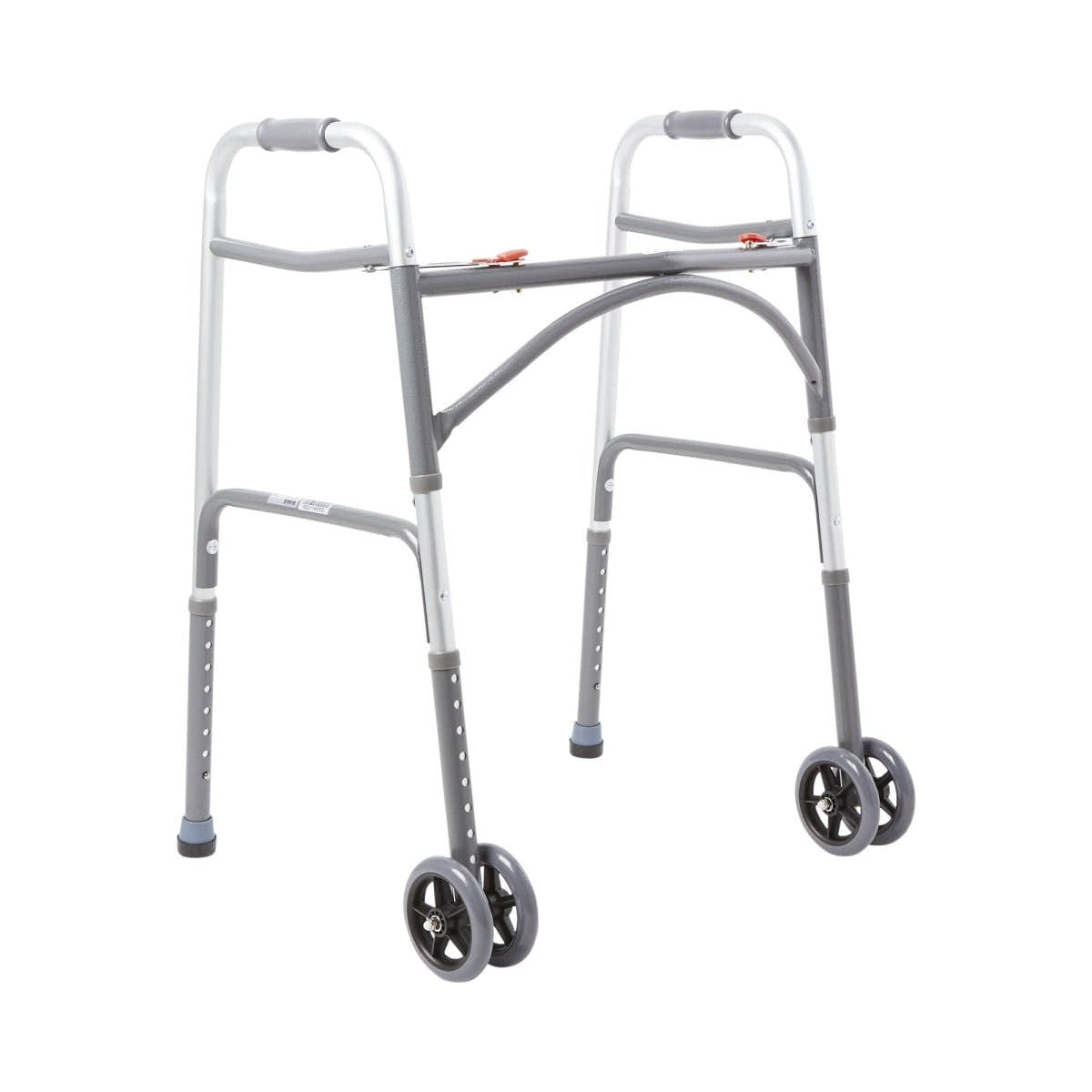
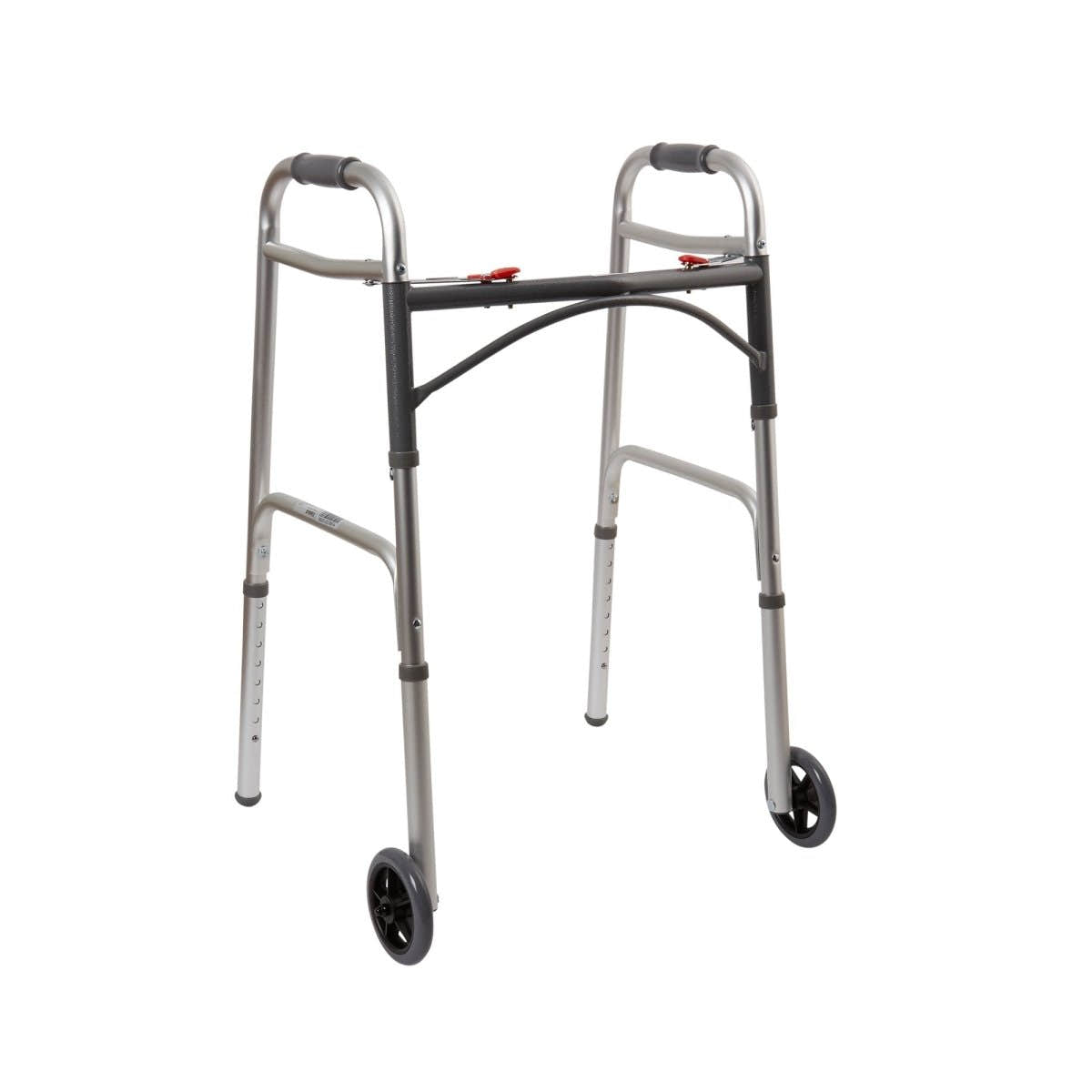
A fall can change a recovery plan quickly, so this category deserves careful attention. The safest equipment depends on the person’s strength, balance, weight, home layout, and ability to follow instructions. A walker that is too tall, a wheelchair that does not fit through doorways, or a poorly placed bedside commode can create new risks instead of solving old ones.
Mobility supplies may include a cane, walker, rollator, wheelchair, gait belt, transfer board, or patient lift when recommended by a clinician. Do not use a gait belt or lift without proper instruction. Caregivers can be injured when trying to lift or catch someone alone, even with the best intentions.
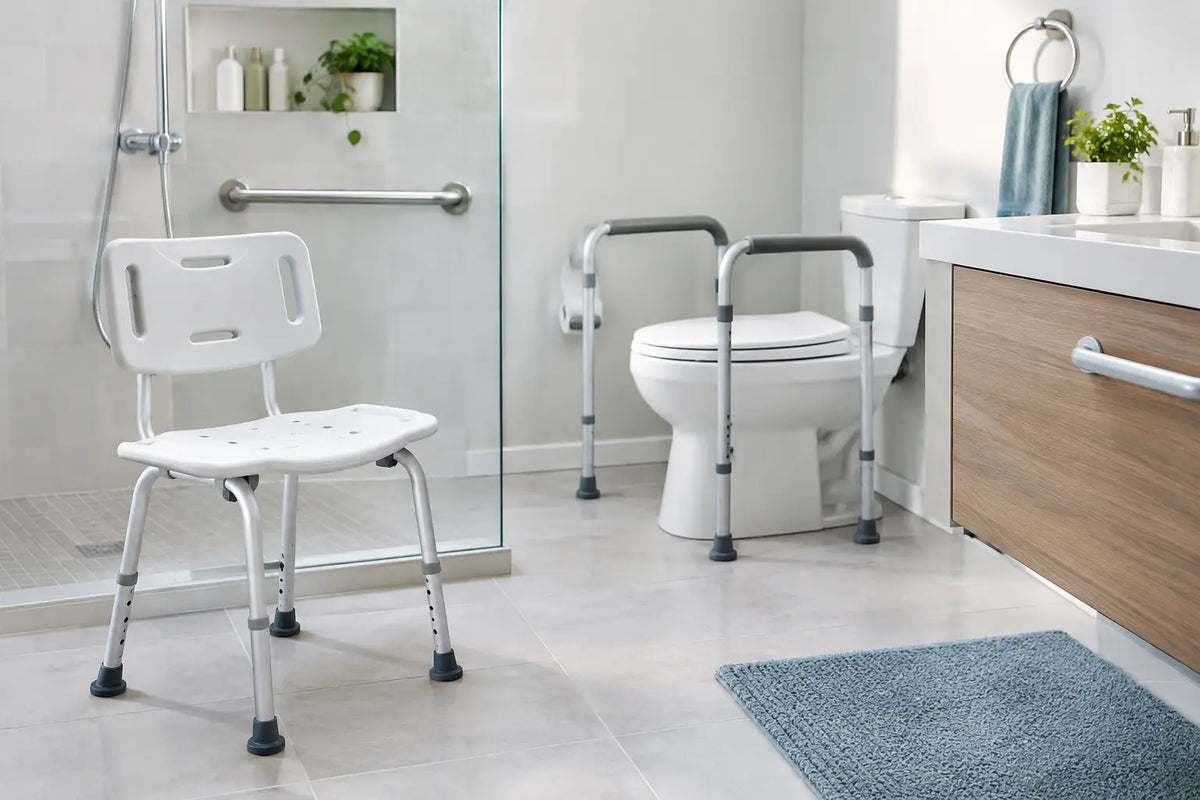
For the bathroom, consider a shower chair or transfer bench, nonslip bath mat, handheld shower attachment, raised toilet seat, toilet safety rails, or bedside commode. A transfer bench is often useful when stepping over a tub wall is difficult. A shower chair may be enough when the person can safely step into a walk-in shower but needs a place to sit.
Simple household changes also help. Keep walkways clear, secure loose rugs, add night-lights between the bedroom and bathroom, and place frequently used items at waist height. Supportive footwear with nonslip soles is usually safer than socks or loose slippers.
Nutrition, Hydration, and Medication Organization
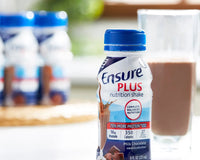
Meals and medications can become harder to manage during illness, recovery, or cognitive changes. Keep a water bottle or cup within reach, especially for people who have limited mobility or may forget to drink. If a clinician recommends nutritional drinks, thickened liquids, or a specific diet, keep a reliable supply so care does not depend on last-minute store trips.
For people using enteral nutrition, follow the care team’s instructions for formula, feeding bags, syringes, extension sets, and cleaning. Feeding supplies are not one-size-fits-all. Use only compatible products and the schedule provided by the prescribing clinician or dietitian.
A weekly pill organizer can make medication routines easier, but it is not right for every medication or household. Some medicines must stay in original containers, and some should not be removed from protective packaging. Keep an updated medication list that includes prescription drugs, over-the-counter products, vitamins, dosage instructions, and allergies. A written list is especially useful during appointments, emergencies, and handoffs between family caregivers.
Condition-Specific Supplies for Home Caregiving
Many households need more than general caregiving basics. Buying by health need can make it easier to spot recurring items and avoid running short.
Wound Care
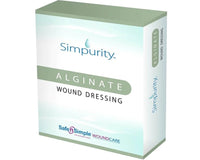
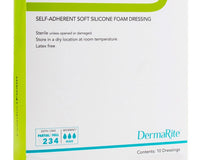
Wound care supplies may include sterile gauze, non-stick pads, medical tape, rolled gauze, saline wound wash, adhesive bandages, and gloves. However, a wound plan should come from a clinician. The correct dressing depends on the wound type, drainage level, location, and condition of the surrounding skin. Avoid switching products or applying ointments unless they are part of the care instructions.
Diabetes Care
Depending on the treatment plan, diabetes supplies can include blood glucose meters, test strips, lancets, alcohol prep pads, insulin pen needles, glucose tablets, and sharps containers. Test strips must match the meter model, and expiration dates matter. Keep fast-acting glucose nearby if the care plan calls for it, and use a puncture-resistant sharps container rather than tossing needles into household trash.
Ostomy and Urology Care
For ostomy care, keep enough pouches, skin barriers, barrier rings, adhesive remover, and skin protection products for regular changes plus unexpected leaks. Product fit is personal, so a small change in body shape or skin condition may mean the current system needs reassessment.
Urology needs may include intermittent catheters, drainage bags, leg bags, catheter securement devices, cleansing supplies, and underpads. Follow clinical instructions for catheter use and hygiene. Fever, new confusion, pain, cloudy urine, blood in urine, or drainage problems warrant prompt medical guidance.
Respiratory and Monitoring Needs
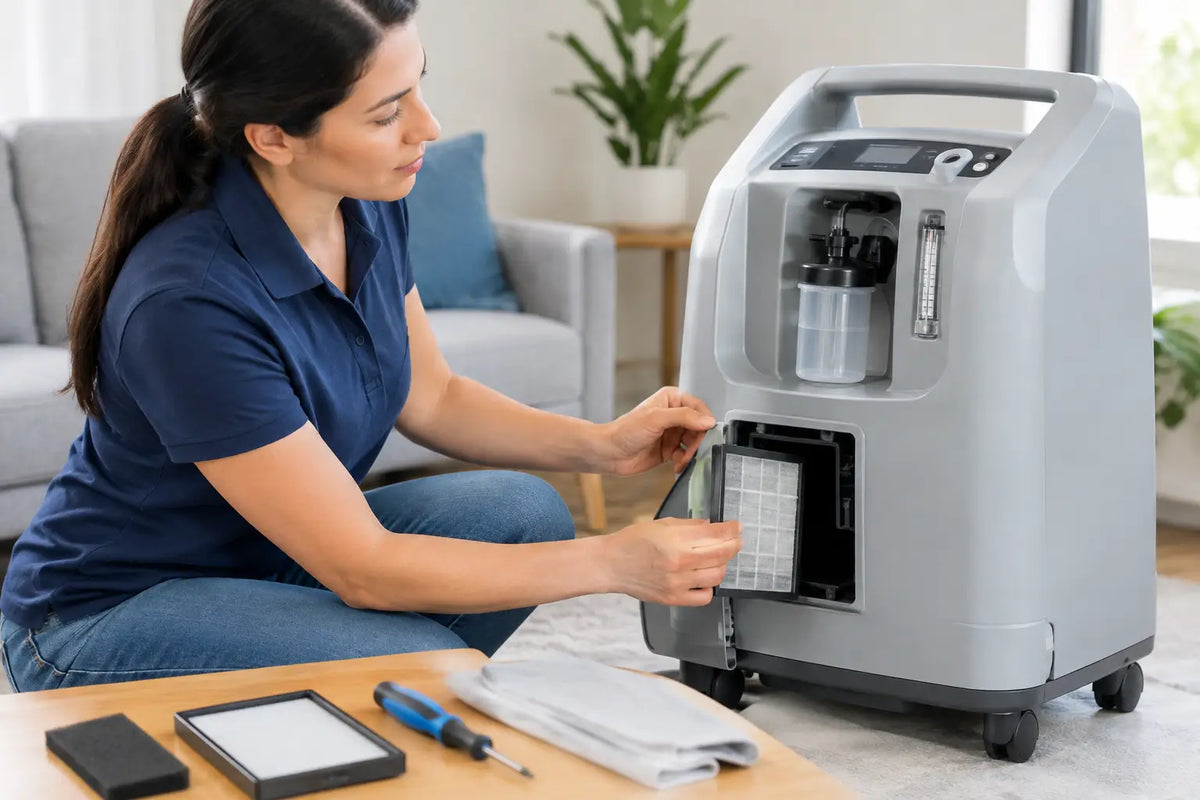
Some care plans call for pulse oximeters, nebulizer accessories, oxygen tubing, masks, or blood pressure monitors. Monitoring devices can be helpful, but numbers should be interpreted in the context of the person’s prescribed plan. Know in advance which symptoms or readings require a call to the care team or emergency help.
Plan for Reorders, Not Just the First Order
Recurring supplies are easier to manage when you know how long they last. Track the first few weeks of use, then set a reorder point before the package is nearly empty. For example, if a case of protective underwear lasts 20 days, consider reordering when 7 to 10 days remain. This gives room for delivery time, changes in usage, or an unexpected need for more frequent changes.
It also helps to keep a small backup supply of the items that would be hardest to replace quickly, such as incontinence products, gloves, feeding supplies, diabetes testing supplies, or ostomy pouches. Check package sizes and product specifications before reordering, particularly for absorbent products, mobility equipment, and compatible medical accessories.
CartHealth makes it easier to shop across these everyday care categories in one place, whether you are restocking familiar products or building a new home care setup.
When to Ask for More Help
Supplies can support care, but they cannot replace training or medical judgment. Ask a nurse, therapist, pharmacist, or prescribing clinician when you are unsure how to transfer someone, change a dressing, use feeding equipment, manage a catheter, or select a mobility aid. Get urgent help for trouble breathing, chest pain, signs of stroke, uncontrolled bleeding, a serious fall, sudden confusion, or any symptom your care team has identified as an emergency.
Home caregiving becomes more manageable when the essentials are ready before they are needed. Start with the person’s actual routine, keep the supplies that get used every day within reach, and refine the setup as you learn what makes each day safer and more comfortable.