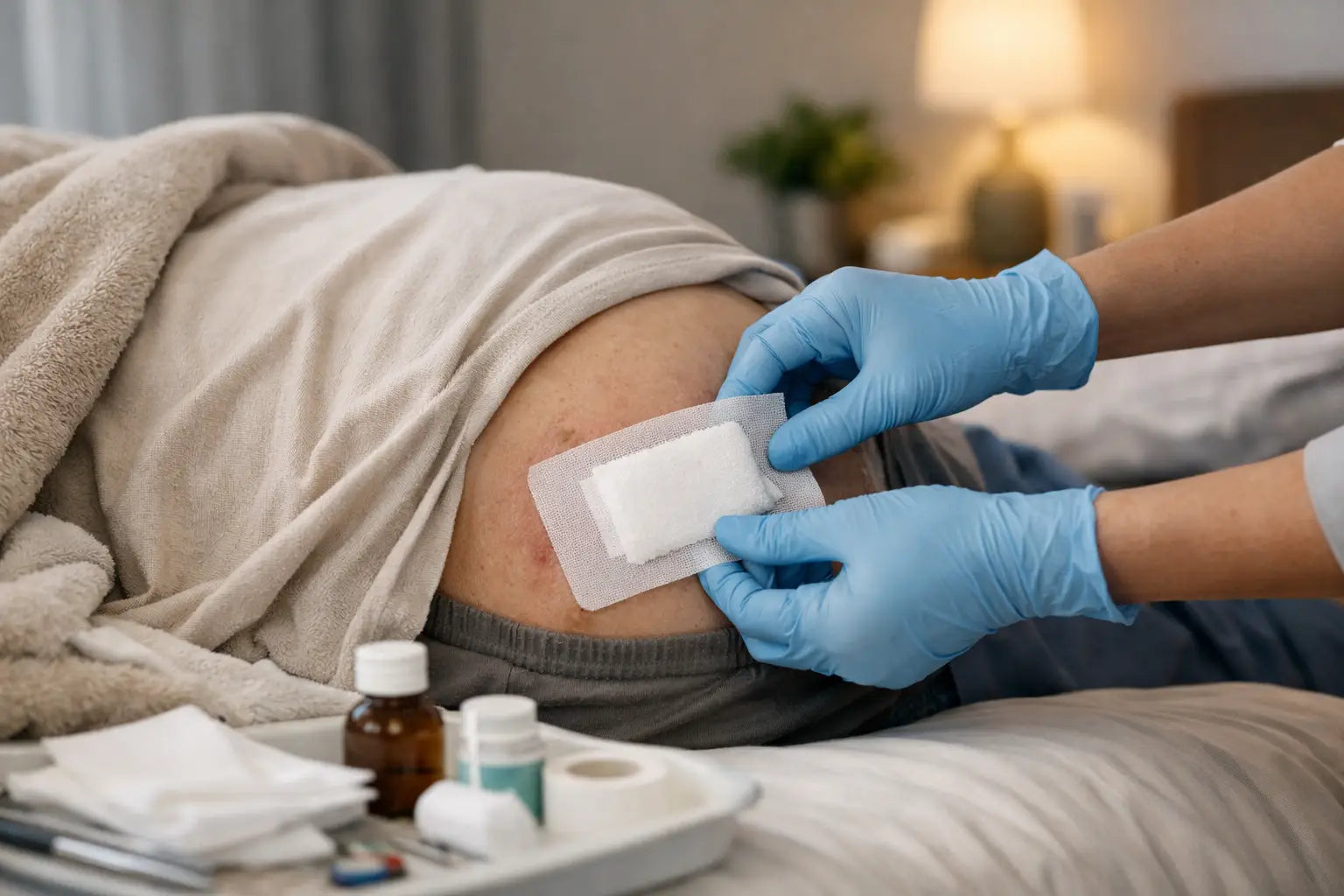
A dressing change is more than covering a wound. When you are learning how to dress bed sores, the goal is to protect fragile skin, manage drainage, lower the chance of infection, and support healing while pressure is removed from the area. A wound that is getting larger, deeper, more painful, or more draining needs clinical attention rather than repeated home treatment alone.
Bed sores, also called pressure injuries or pressure ulcers, can develop when skin and underlying tissue stay under pressure for too long. They are common on the tailbone, hips, heels, ankles, elbows, and shoulder blades. The right dressing depends on the wound's depth, moisture level, drainage, surrounding skin, and whether infection is suspected. If a clinician has provided a wound-care plan, follow that plan first.
Before You Dress a Bed Sore
Gather supplies before uncovering the wound so the person does not stay exposed or uncomfortable longer than necessary. You may need clean disposable gloves, saline wound wash or sterile saline, gauze, the prescribed dressing, skin barrier product, medical tape or another approved way to secure the dressing, and a disposable bag for used materials.
Wash your hands thoroughly with soap and water. Set supplies on a clean, dry surface, then put on gloves. If you are caring for a bed sore near the buttocks or groin, clean any urine or stool from the surrounding skin before treating the wound. Moisture and bacteria from incontinence can quickly break down skin and complicate healing.
Keep the person as comfortable as possible. Use pillows, wedges, or positioning supports to turn pressure away from the sore. Avoid dragging them across sheets, which can create friction and shear that further injures the skin.
Check the Wound First
Before applying a new dressing, look at the wound and the old dressing. Note the amount and color of drainage, odor, wound size, and the condition of the skin around it. A small amount of clear or light yellow drainage can occur, but thick drainage, pus, a new foul smell, or spreading redness should be reported promptly.
Do not try to remove black, brown, or yellow tissue from the wound at home. This is called debridement, and it should be performed only by a qualified clinician when appropriate. In some cases, especially with a stable dry black area on a heel, keeping it dry and protected may be the recommended approach. That decision requires professional guidance.
How to Dress Bed Sores Step by Step
Start by gently removing the old dressing. Hold the skin still as you lift tape or adhesive edges to prevent skin tears. If a dressing is stuck, moisten it with saline rather than pulling it away. Place the used dressing directly into the disposal bag.
Cleanse the wound as directed by the care team. Sterile saline or a wound cleanser is commonly used because it is gentle on healing tissue. Slowly rinse or pour the solution over the wound, allowing it to drain away. Pat the surrounding skin dry with clean gauze. Do not scrub the wound bed, and do not use hydrogen peroxide, rubbing alcohol, iodine, or harsh soap unless a clinician specifically tells you to use them. These products can damage healthy new tissue.
If a barrier cream, skin protectant, or prescribed topical treatment has been recommended, apply it exactly as directed. Skin barrier products are generally used on the intact skin around a wound, particularly where moisture or incontinence is a concern. Avoid putting creams into the wound unless they are part of the treatment plan.
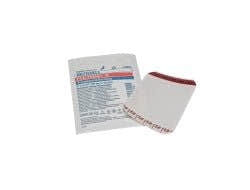
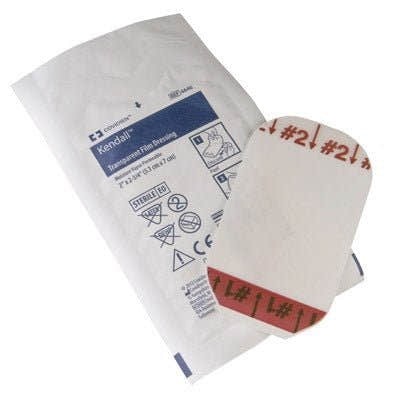
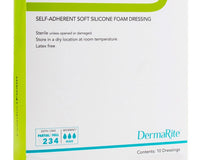
Place the recommended dressing over the wound without stretching the skin. The dressing should cover the wound fully and extend slightly onto healthy skin, but it should not be bulky enough to create more pressure. Secure it with the least adhesive needed. Fragile skin may do better with silicone-bordered dressings, retention netting, or other gentle securement methods rather than strong tape.
Remove gloves, seal and discard used supplies, and wash your hands again. Record the dressing change if you are tracking wound care for a nurse, physician, or home health team. A simple note with the date, drainage amount, odor, skin changes, and the type of dressing used can make changes easier to spot.
Choosing a Dressing for a Pressure Injury
The best dressing is not always the one that looks most protective. Wounds need the right moisture balance: too dry can slow healing, while too wet can soften and damage the surrounding skin.
For a shallow wound with little drainage, a thin foam, hydrocolloid, or protective silicone dressing may be used if it is appropriate for the wound and the clinician's plan. Foam dressings can cushion the area and absorb light to moderate drainage. Silicone contact layers and bordered foam dressings are often helpful when skin is delicate because they can be removed more gently.
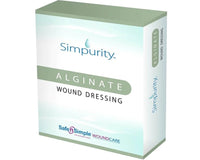
For a wound with moderate or heavier drainage, more absorbent foam or specialty absorbent dressings may be needed. Dressings that become saturated should be changed according to instructions or sooner if drainage leaks through the edges. Leaving a soaked dressing in place can irritate skin and increase infection risk.
Deep wounds, wounds with tunnels, or wounds with undermining may require packing material. This should only be done when a clinician has shown you how much material to use and how to place it. Packing too tightly can damage tissue; packing too loosely may not support proper drainage. Never fill a wound with cotton balls, tissue, or unapproved household materials.
Do not assume a dressing designed for one pressure injury is right for another. Stage, location, drainage, diabetes status, circulation, nutrition, and continence all affect the plan. CartHealth customers often shop for wound care supplies at home, but the wound assessment and dressing recommendation should come from a qualified healthcare professional.
Pressure Relief Is Part of Every Dressing Change
A well-applied dressing cannot heal a bed sore if the same area stays under pressure. Repositioning is a core part of treatment. The schedule varies based on mobility, comfort, skin condition, and clinical advice, but many people who cannot reposition independently need help changing position regularly.
When lying in bed, use pillows or positioning wedges to keep bony areas from pressing directly together. Float the heels by placing a pillow under the calves so the heels do not rest on the mattress. Do not place a donut-shaped cushion under the tailbone or other bony area unless a clinician recommends it. These cushions can concentrate pressure around the edges.
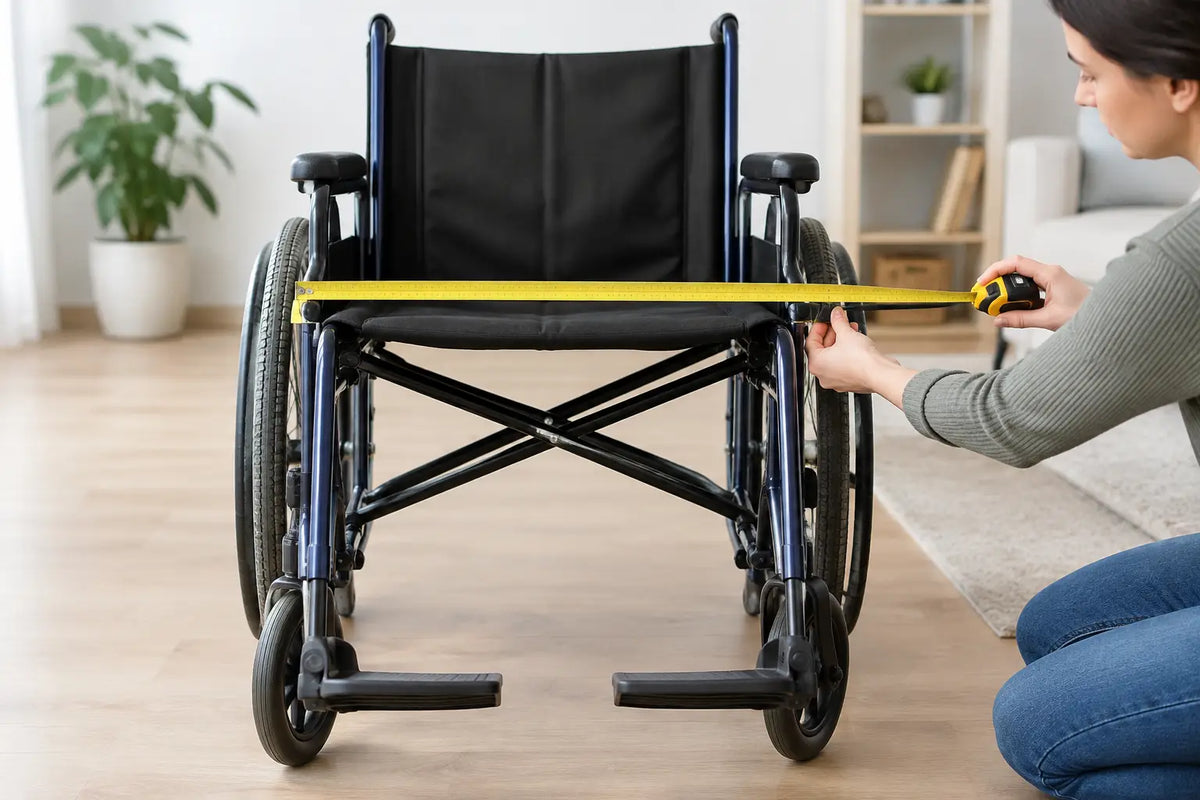
For someone who sits often, a properly selected pressure-redistributing seat cushion and regular weight shifts may help. Wheelchair positioning, mattress support surfaces, transfer techniques, and mobility aids can also make a meaningful difference. If turning or transferring is difficult, ask a nurse, physical therapist, or occupational therapist to demonstrate safer methods.
Nutrition and hydration matter too. Healing wounds use extra protein, calories, fluids, vitamins, and minerals. Appetite may be poor during illness or recovery, so bring up changes in eating, drinking, or unexplained weight loss with the care team. People with diabetes should also work to keep blood sugar within their clinician's recommended range, since high blood sugar can delay healing.
When to Call a Clinician Right Away
Contact a healthcare professional promptly if the sore is new, open, worsening, or not improving with the prescribed plan. Do not wait for a routine appointment if there is increasing redness, warmth, swelling, worsening pain, pus, a strong odor, fever, chills, confusion, or red streaking away from the wound. These can be signs of infection or a more serious problem.
A wound that exposes fat, muscle, tendon, or bone needs urgent professional care. So does a wound with a large black area, rapidly spreading discoloration, or skin that turns purple or maroon and does not lighten when pressure is relieved. For a person with diabetes, poor circulation, an immune condition, or limited sensation, it is especially wise to call early.
If you are unsure whether a product is right for the wound, pause before applying it and ask the clinician managing the care. Taking a clear photo for the medical team, if they permit it, can help them assess changes between visits.
Consistent, gentle care gives pressure injuries their best chance to heal. Keep the wound clean and protected, reduce pressure every day, and let changes in drainage, odor, pain, or skin color guide you to seek help sooner rather than later.