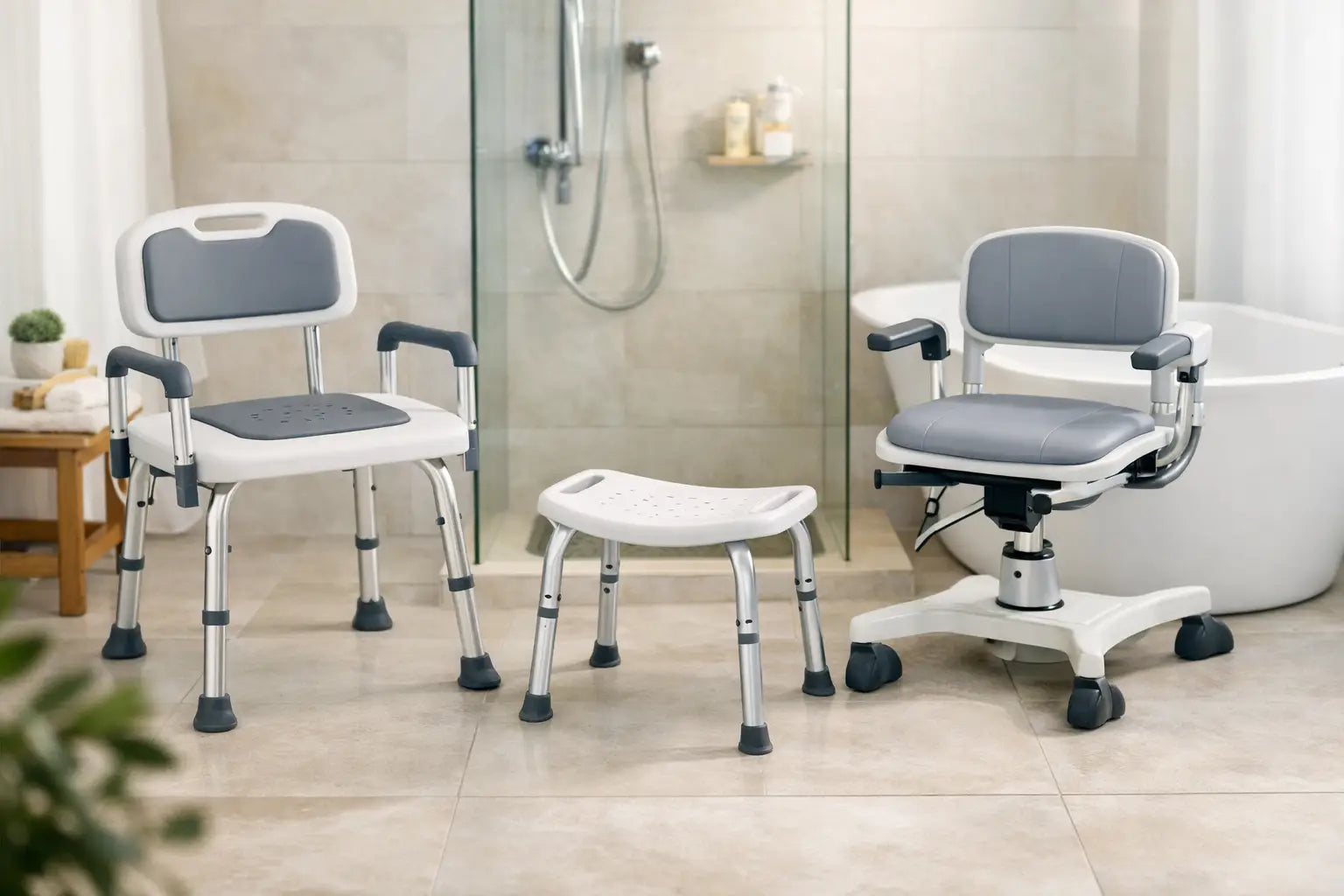
A shower can become one of the most tiring parts of the day when standing feels unsteady, recovery limits mobility, or a caregiver needs a safer way to help. The best shower chairs adults use are not necessarily the most padded or the most expensive. They are the ones that fit the bathroom, support the user’s weight, and make bathing more manageable without creating a new transfer hazard.
For many households, a shower chair is a practical daily-living item rather than a temporary medical purchase. Choosing the right style can reduce fatigue, support independence, and give caregivers more room to assist safely.
What Makes a Shower Chair a Good Choice?
A reliable shower chair starts with stability. Look for a wide base, non-slip feet, and a frame designed for wet environments. Aluminum frames are common because they are lightweight and resist rust. Plastic seats are easy to wipe down and typically include drainage holes so water does not pool under the user.
Weight capacity matters just as much as the chair’s overall appearance. Always check the manufacturer’s stated limit, and choose a model with capacity that comfortably exceeds the user’s current weight. A bariatric shower chair may have a wider seat, reinforced frame, and higher capacity for adults who need more room or added support.
Seat height is another detail that affects safety. A seat that is too low can make standing difficult, while one that is too high may prevent the user’s feet from resting firmly on the tub or shower floor. Adjustable legs are useful when multiple people use the same chair or when the shower floor has a slight slope.
Best Shower Chairs for Adults by Bathing Need
There is no single chair that works for every bathroom or every level of mobility. Start with the user’s transfer ability, shower layout, and whether someone will be available to assist.
Standard shower chairs
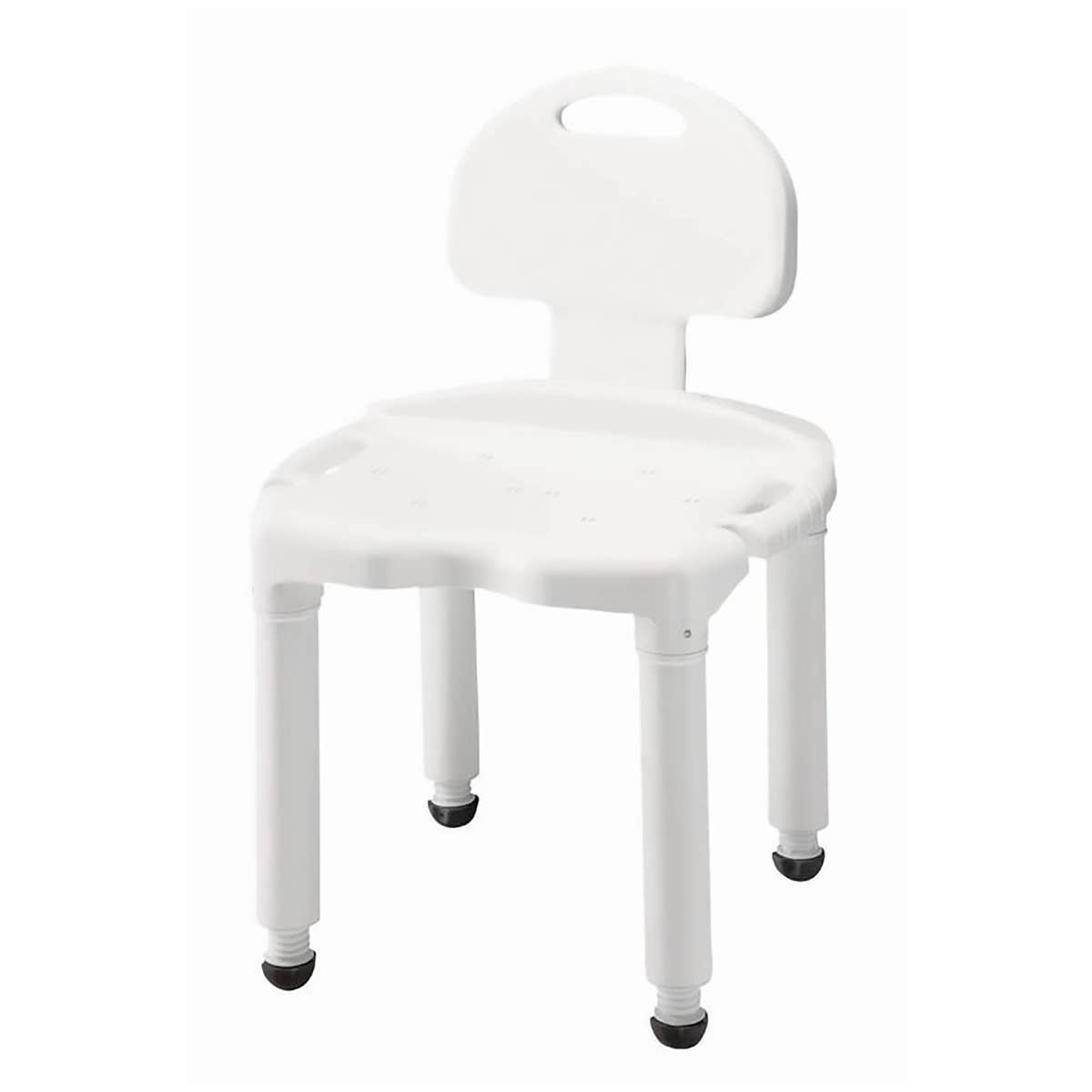
A standard shower chair has four legs and a flat seat, usually with or without a backrest. It works well in a walk-in shower for adults who can step over the threshold and lower themselves onto a seat with limited help. Backless models take up less space and are easier to position in smaller stalls, but they provide less support when sitting.
A chair with a backrest is often a better choice for someone with reduced core strength, dizziness, or fatigue. The back can make longer showers more comfortable, although it may make the chair slightly bulkier to clean and move.
Shower stools
A shower stool is a compact, backless option for people who need a place to sit but do not need full upper-body support. It can be a good fit for a tight shower stall, short-term recovery, or users who want to sit while washing their legs and feet.
The trade-off is less stability and comfort for users who need help maintaining an upright position. A stool is generally best for adults with fair balance who can transfer independently.
Shower chairs with arms
Armrests can give users a stable point of contact when lowering into the chair or pushing up to stand. They may be particularly helpful after hip, knee, or back surgery, or for adults with arthritis that makes standing from a low seat difficult.
Before choosing this style, measure the shower opening. Arms add width, and a chair that barely fits through the door is frustrating to use and difficult to remove for cleaning. Removable arms can offer more flexibility when the user’s needs change.
Transfer benches
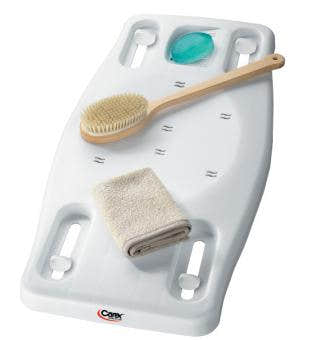
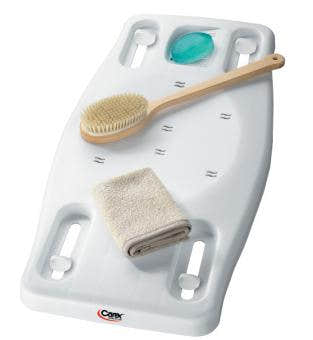
A transfer bench is designed for adults who cannot safely step over a bathtub wall. One side of the bench sits outside the tub and the other side sits inside it. The user sits down outside the tub, then slides across the seat while lifting one leg at a time over the tub edge.
This style often offers one of the safest solutions for a tub-shower combination, especially when paired with a handheld showerhead. It does require more bathroom space than a regular shower chair. Some models include a backrest and armrest, while others use a sliding seat to reduce the effort of moving across the bench.
Rolling shower and commode chairs
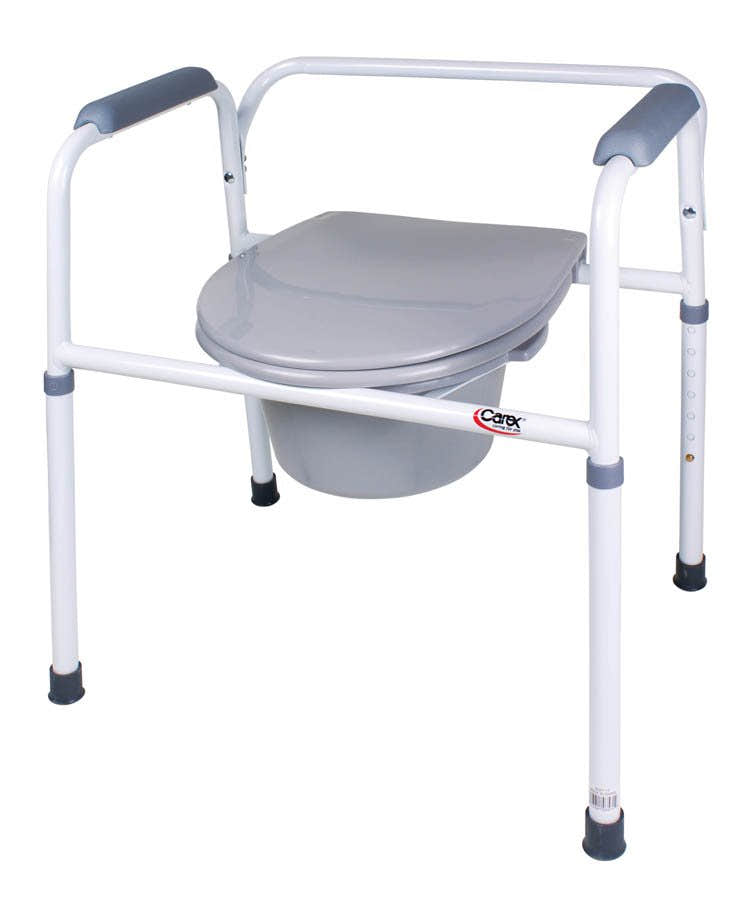
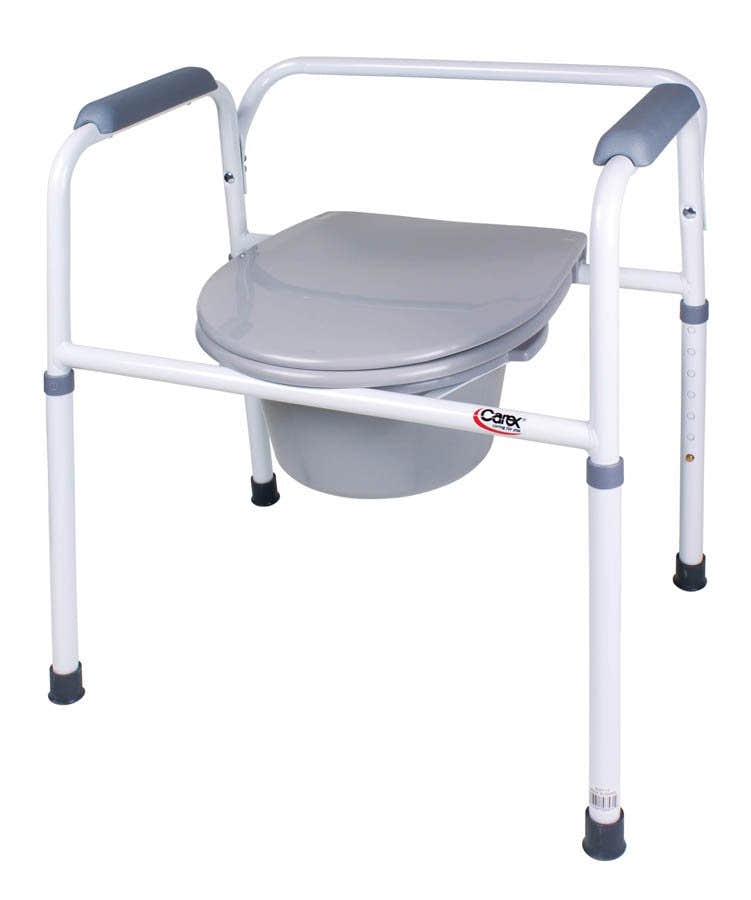
For adults with significant mobility limitations, a rolling shower chair or shower commode chair may make caregiver-assisted bathing easier. These chairs can be wheeled into a roll-in shower and may also serve as a bedside or over-toilet commode, depending on the design.
This category requires careful measurement of doorways, shower access, turning space, and weight capacity. Wheel locks are essential, and caregivers should be trained on safe transfers and braking before use. A rolling model is not automatically safer simply because it moves easily.
Measure Before You Order
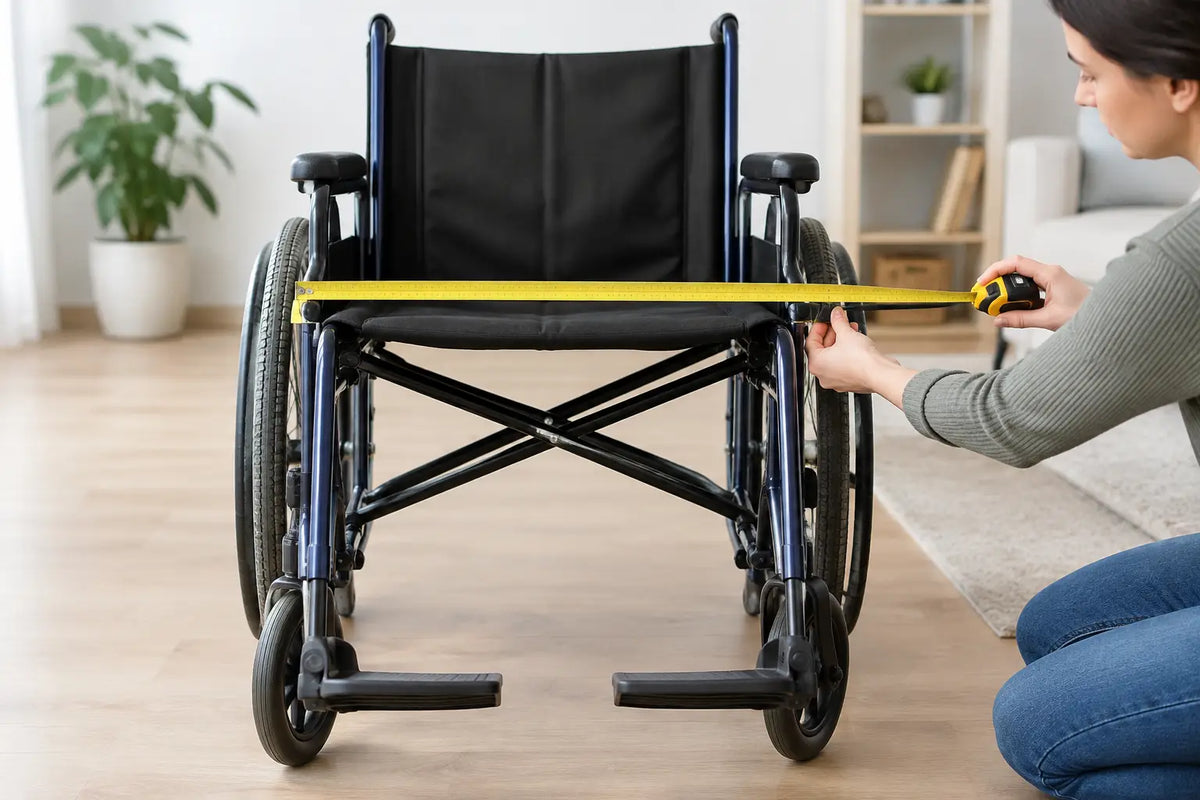
A few minutes with a tape measure can prevent an avoidable return. Measure the shower or tub interior at its narrowest point, then compare it with the chair’s assembled width and depth. For transfer benches, measure the tub wall height and the available floor space outside the tub.
Also check the seat dimensions. A wider seat may be more comfortable, but the user should still be able to reach the controls, grab bars, and bathing supplies without leaning too far. If a caregiver will assist, leave enough space for them to stand beside the chair rather than reaching awkwardly from outside the shower.
Think about the user’s feet as well. With the chair adjusted to the proper height, both feet should make secure contact with the shower floor. A footrest may help some users, but it should not replace a stable seated position.
Features Worth Looking For
When comparing shower chairs, focus on features that solve a real bathing problem. Drainage holes help keep the seat less slippery. Textured seat surfaces can improve grip, while handholds built into the seat can make repositioning easier.
For adults who need regular assistance, a backrest, armrests, and a handheld showerhead can work together to make care more comfortable. A handheld showerhead allows washing while seated and reduces the need to stand, turn, or reach. Grab bars installed securely in wall studs can add another layer of support, but towel bars and soap dishes should never be used as grab bars.
Padded seats may feel more comfortable, particularly for longer bathing routines, but they need to be cleaned and dried thoroughly. Simpler molded plastic chairs are often easier to maintain in busy households.
Safe Setup and Everyday Use
Assembly instructions should be followed exactly, including the placement of locking pins, leg extensions, and rubber feet. Before every use, make sure all four feet rest evenly on the floor. If the chair rocks, stop and adjust it before anyone sits down.
Place shampoo, soap, washcloths, and towels within easy reach before starting the shower. Reaching across wet tile is a common source of imbalance. Keep the bathroom floor dry, use a non-slip bath mat outside the shower, and make sure the water temperature is comfortable before the user transfers onto the chair.
A shower chair supports safer bathing, but it does not eliminate the need for supervision when someone has severe weakness, confusion, fainting episodes, or a history of falls. In those situations, a caregiver may need to stay nearby throughout the shower.
Cleaning and Replacing a Shower Chair
Rinse the chair after use and allow it to dry as much as possible between showers. Clean the frame, seat, feet, and adjustment holes regularly with a mild household cleaner that is appropriate for the product materials. Soap residue can make both the seat and rubber feet less effective.
Inspect the chair for cracks, loose hardware, worn feet, rust, or legs that no longer lock securely. Replace it if it wobbles, shows damage, or no longer fits the user’s needs. A change in mobility, weight, or bathing location can be a reason to reassess the chair style.
CartHealth offers home health and mobility essentials that can help make a bathing area more practical for everyday care. The right shower chair should feel like a dependable part of the routine: stable underfoot, comfortable to use, and suited to the person and bathroom it serves.