A small cut from cooking, a healing surgical incision, or a pressure injury can create very different care needs. The right wound care supplies help protect the area, manage drainage, and make day-to-day care at home more manageable. The best choice is not always the biggest bandage or the strongest adhesive. It depends on the wound, its location, the amount of drainage, and the guidance provided by a healthcare professional.
For caregivers and individuals managing recovery at home, having dependable supplies on hand can prevent rushed trips to the store and make dressing changes less stressful. Start with the care instructions you have been given, then choose products that support that plan.
Start With the Wound and Care Instructions
Before choosing a cleanser, dressing, or tape, consider what kind of wound you are caring for. Minor cuts, scrapes, and blisters often need basic cleaning and protection. Surgical wounds, diabetic foot wounds, pressure injuries, venous ulcers, and deeper wounds may require specific products and closer monitoring.
A healthcare provider's instructions should always take priority over general product advice. This is especially true when there are stitches, staples, packing material, drainage tubes, signs of infection, or a condition that can slow healing, such as diabetes, poor circulation, or an immune disorder.
Think through a few practical details as well. Is the wound in a spot that bends or moves often, such as an elbow, knee, heel, or finger? Does it stay dry, or does it produce drainage? Is the surrounding skin fragile, sensitive, or prone to irritation? Those answers affect how often a dressing needs to be changed and what type of adhesive is most comfortable.
Essential Wound Care Supplies for a Home Kit
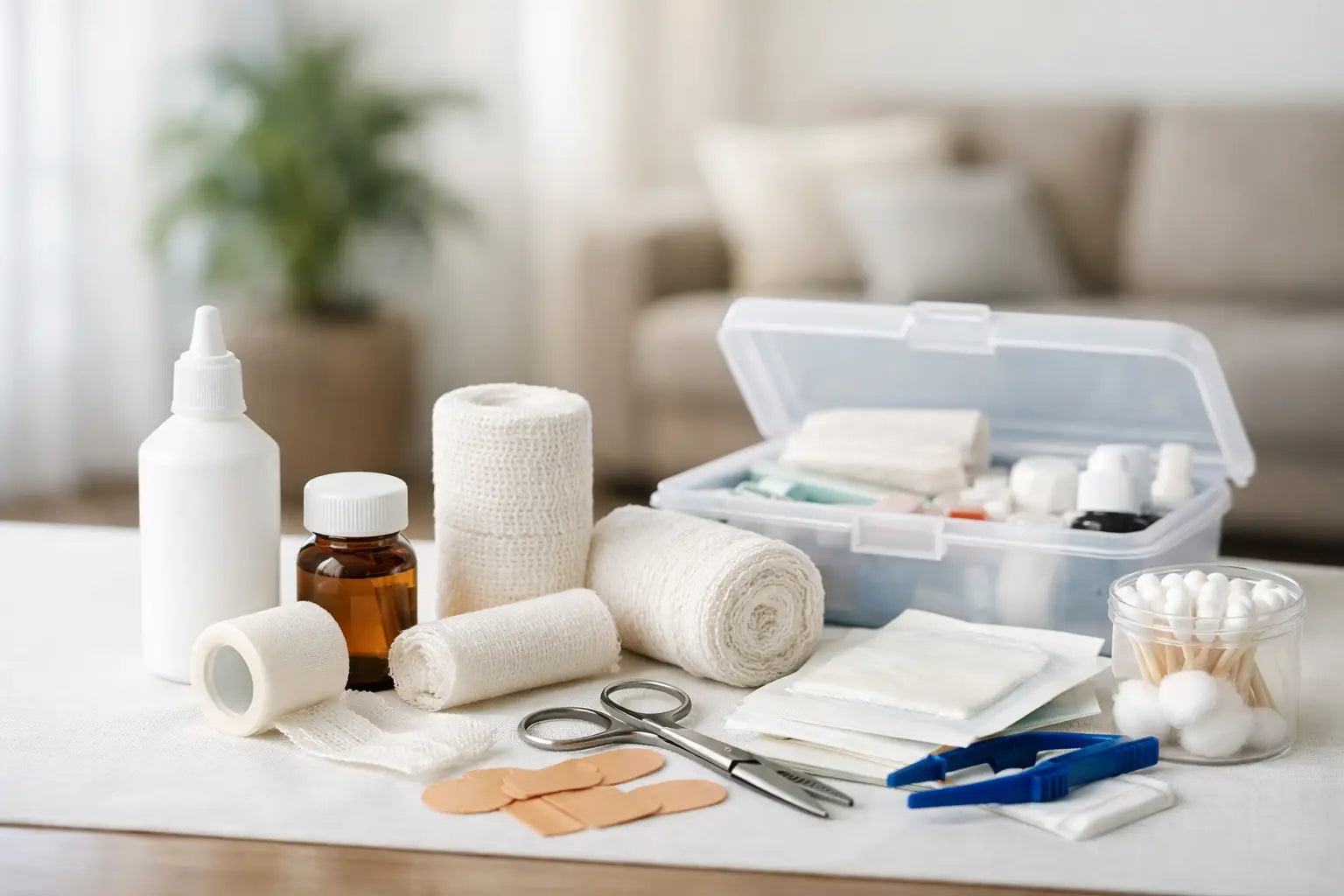
A well-stocked home kit does not need to be complicated. It should contain the items needed to clean, cover, secure, and safely dispose of used materials. For many households, these are the core categories to keep available:
- Sterile gauze pads and gauze rolls for covering wounds and absorbing drainage
- Non-stick pads for wounds that may stick to ordinary gauze
- Adhesive bandages in a range of sizes for small cuts and scrapes
- Medical tape, self-adherent wrap, or bandage rolls to secure dressings
- Wound cleansers or sterile saline for gentle cleaning when directed
- Disposable gloves, hand sanitizer, and a small disposal bag for cleaner dressing changes
Cleansers and Skin Preparation
Cleaning is often the first step in wound care, but more aggressive is not necessarily better. Sterile saline and wound cleansers are commonly used because they can rinse away debris without causing unnecessary irritation. Follow the directions from your clinician regarding soap, cleansing solutions, or prescribed treatments.
Avoid repeatedly applying hydrogen peroxide, rubbing alcohol, or other harsh products to an open wound unless a medical professional has specifically instructed you to do so. These products can irritate healthy tissue and may delay healing in some situations.
For wounds covered by adhesive dressings, the skin around the wound should be clean and dry before application. If the surrounding skin is delicate, a skin barrier product or gentler adhesive may help reduce pulling and irritation during dressing changes.
Dressings for Protection and Drainage Control
Gauze is a familiar option because it is versatile, affordable, and available in many sizes. It works well for general coverage and can absorb light to moderate drainage. However, plain gauze can adhere to a drying wound, which may make removal uncomfortable. A non-adherent contact layer or non-stick pad can be a better choice when that is a concern.
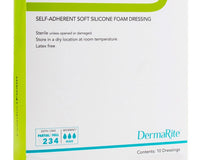
Foam dressings are designed to absorb more drainage and provide cushioning. They may be useful for wounds that need protection from friction or pressure, but the right size and change schedule matter. A dressing that becomes saturated should be changed according to care instructions.
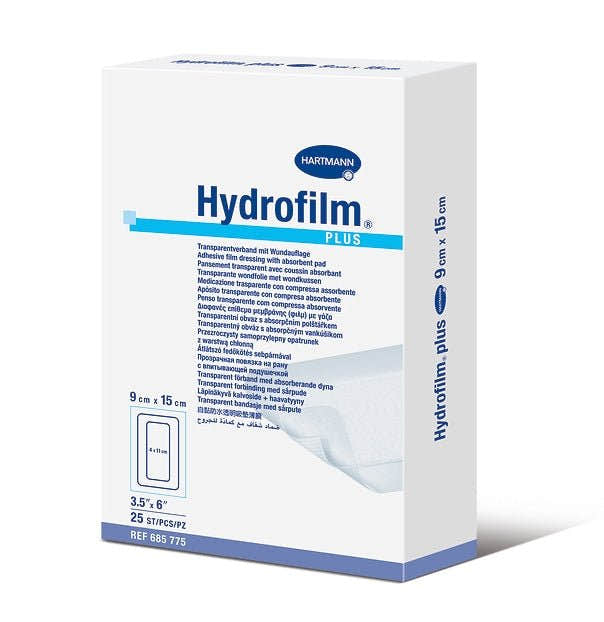
Transparent film dressings can protect shallow wounds from dirt and moisture while allowing you to see the area beneath. They are generally better suited to wounds with little or no drainage. Hydrocolloid dressings can create a moist healing environment for some minor wounds or blisters, but they are not appropriate for every wound type.
The goal is balanced moisture. A wound that is too dry can be slow to heal, while a dressing that traps excess moisture can soften and damage the surrounding skin. If you are unsure which dressing is appropriate, ask a nurse, doctor, wound care specialist, or pharmacist before trying a new product.
Tape, Wraps, and Adhesive Options
The material used to secure a dressing can make a major difference in comfort. Paper tape is often a gentler choice for sensitive or fragile skin. Cloth tape may provide a stronger hold for areas that move frequently. Self-adherent wrap sticks to itself rather than the skin, making it useful for holding a dressing in place on an arm or leg.
Do not wrap too tightly. Fingers and toes should remain warm and their normal color. Numbness, tingling, increased pain, swelling, or a cool sensation below the wrap can mean it needs to be loosened or removed. For recurring dressing changes, rotate adhesive placement when possible to give the skin a break.
A Safer Routine for Dressing Changes
Consistency matters more than speed. Choose a clean, well-lit surface and gather supplies before starting so you are not searching for tape or gauze with an uncovered wound.
Wash your hands thoroughly, then put on disposable gloves if recommended or if you are helping another person. Remove the old dressing carefully and place it in a disposal bag. Check the wound and the skin around it for changes in drainage, odor, redness, swelling, pain, or irritation.
Clean the wound only as instructed. Apply any prescribed treatment, then place the new dressing without touching the wound-facing surface as much as possible. Secure it comfortably and dispose of used supplies. Finish by removing gloves and washing your hands again.
Take note of how often you are changing dressings and what you observe. A simple written record can be useful for caregivers and can help a healthcare provider understand whether the wound is improving or changing.
When to Contact a Healthcare Professional
Home supplies support wound care, but they do not replace medical evaluation. Seek prompt medical advice for a wound that is deep, gaping, caused by an animal or human bite, contaminated with debris, or the result of a burn. People with diabetes, circulation problems, neuropathy, or a history of difficult-to-heal wounds should contact their care team early, even for injuries that appear minor.
Call a healthcare professional if you notice spreading redness, warmth, swelling, worsening pain, pus-like drainage, a foul odor, fever, red streaks, or a wound that is not improving as expected. Emergency care may be needed for severe bleeding that does not stop with direct pressure, a serious injury, or signs of an allergic reaction.
Make Reordering Easier for Ongoing Care
For recurring care, keep track of the dressing size, product type, and amount used each week. Ordering before the last box is open helps avoid substitutions made in a hurry. It can also be useful to keep backup essentials such as gauze, gloves, saline, and gentle tape even when a specialized dressing is part of the daily routine.
CartHealth helps households shop wound care products alongside other home health needs, from mobility support to incontinence and diabetes care. Consolidating routine supplies in one place can make caregiving tasks easier to manage while keeping familiar products within reach.
The most helpful wound care setup is the one that fits the care plan, protects the skin, and is simple enough to use correctly every time. Keep supplies organized, replace what runs low, and let changes in the wound guide the next conversation with a healthcare professional.