
The right incontinence supplies do more than manage leaks. They can make a morning routine faster, help protect sensitive skin, reduce laundry, and give the person receiving care more confidence at home. The best choice is rarely the product with the highest absorbency alone. Fit, mobility, type of leakage, skin needs, and how much help someone has with changing all matter.
For individuals and caregivers, a practical routine starts with matching each product to the situation. A light liner may be right for an active afternoon out, while an overnight brief and a washable bed pad may be better for uninterrupted sleep. Building that routine takes a little trial and adjustment, but it can make everyday care feel much more manageable.
Start With the Type of Protection Needed
Incontinence products are available in several formats because one style does not work well for every body, lifestyle, or level of need. Choosing by use case helps narrow the options quickly.
Pads and liners are generally designed for light to moderate bladder leakage. They fit inside regular, close-fitting underwear and can be a convenient option for people who are independent, mobile, and able to change products as needed. They are not usually intended to manage full bladder voids or bowel incontinence.
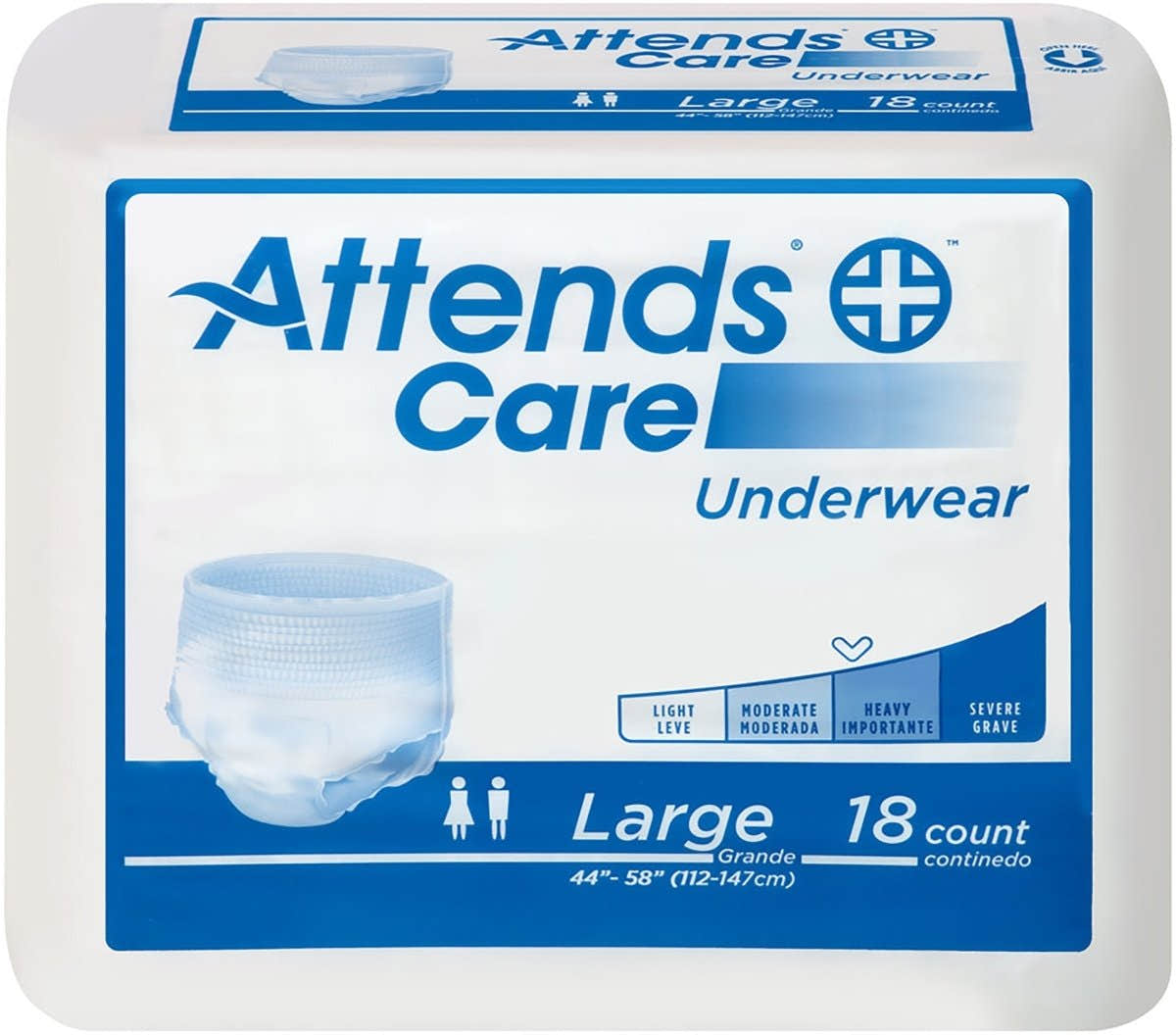
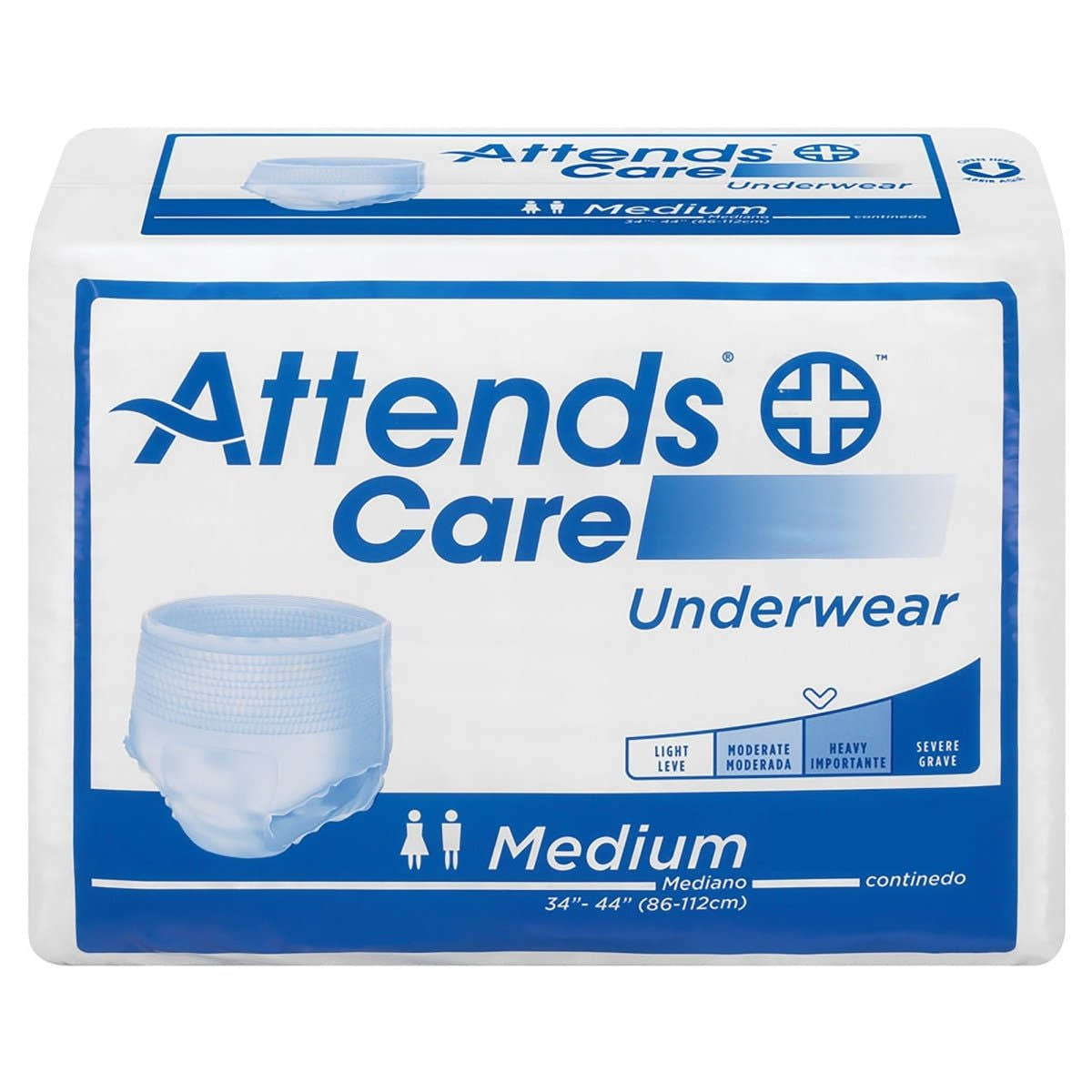
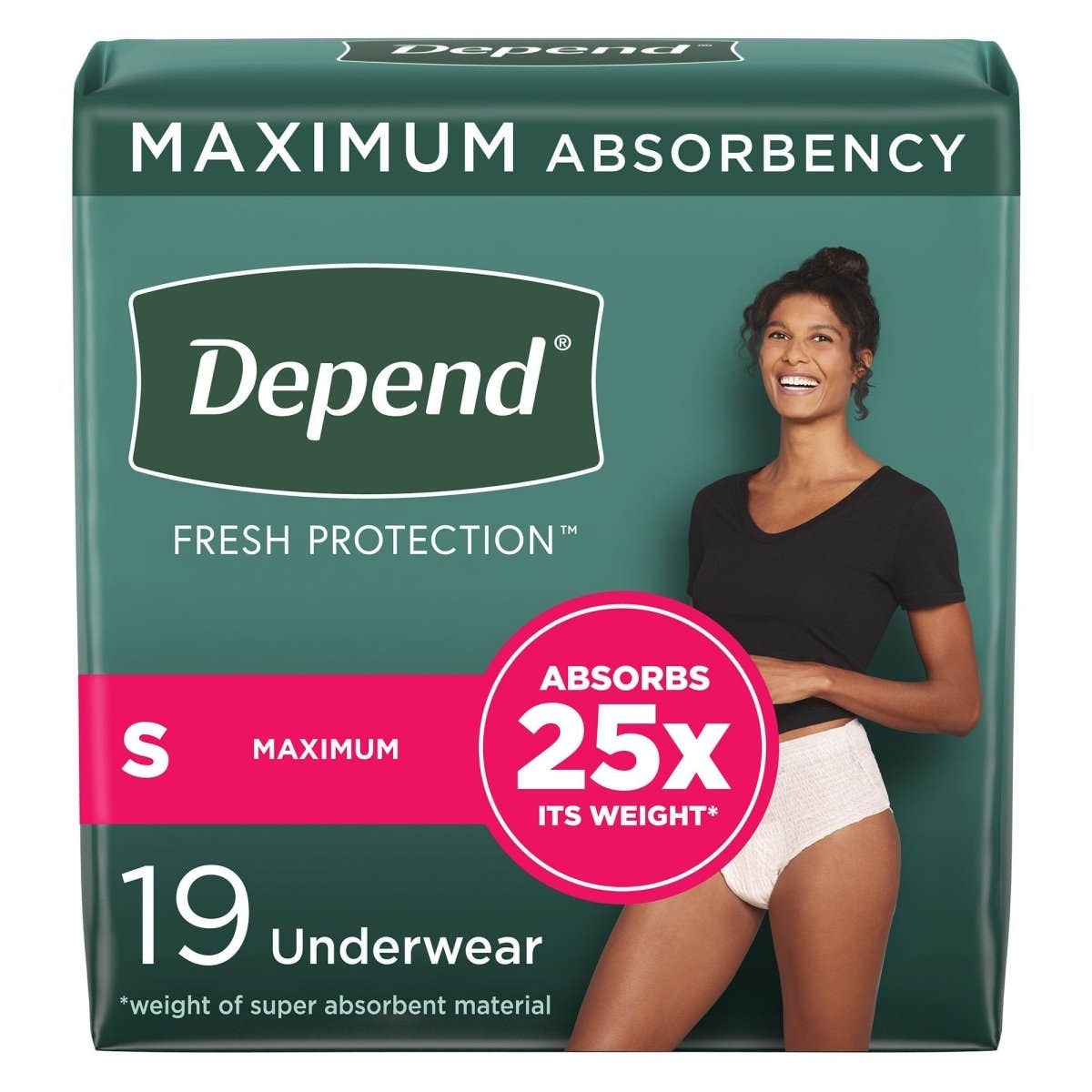
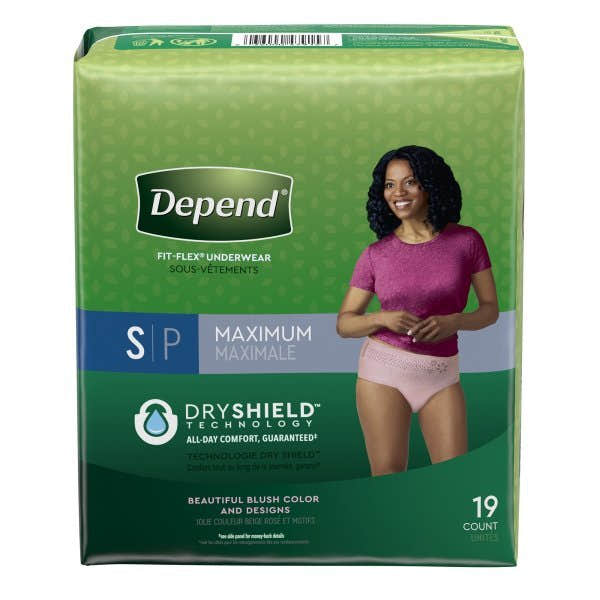
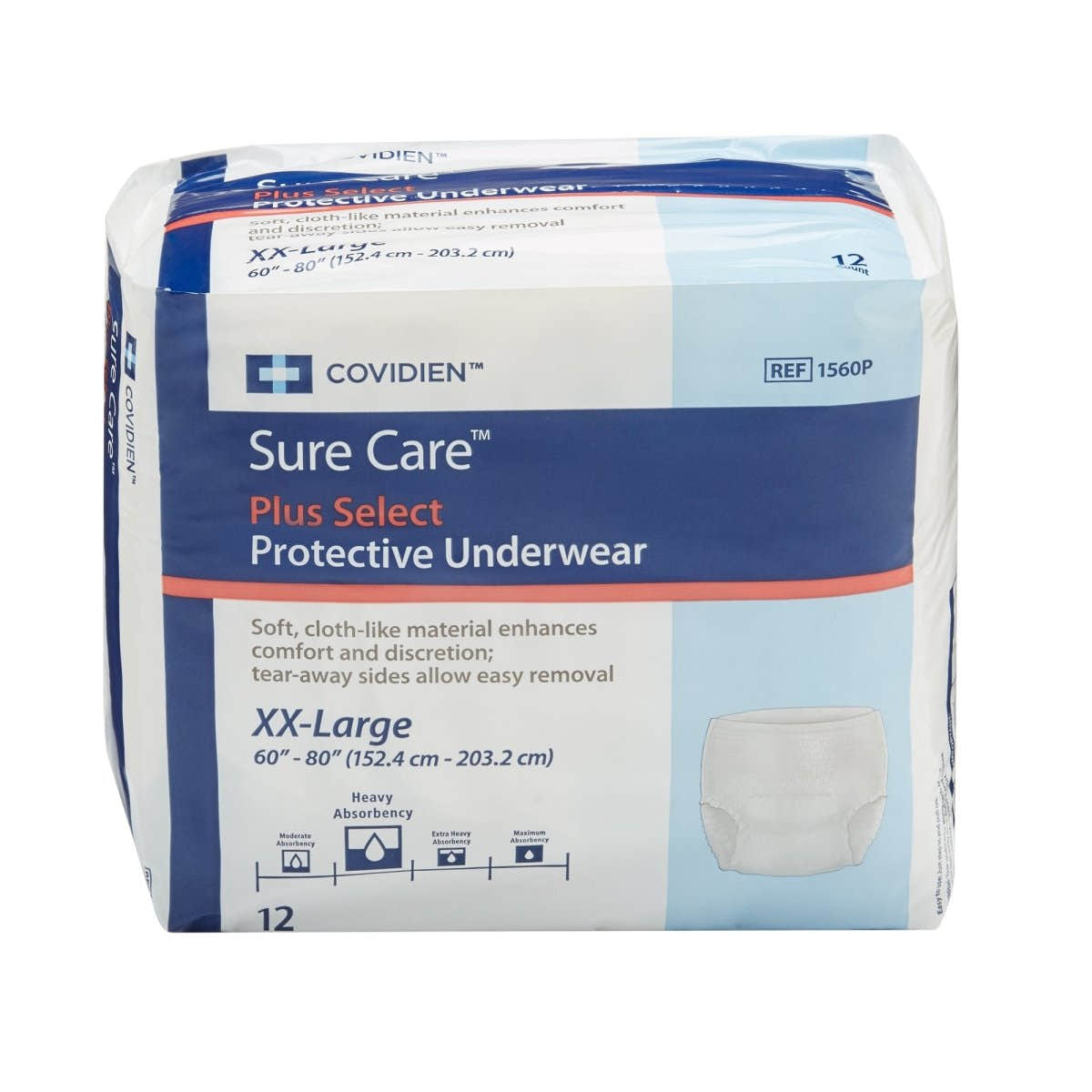
Protective underwear, sometimes called pull-ons, looks and feels more like regular underwear. It works well for people who can stand, pull clothing up and down, and use the restroom independently or with limited assistance. Many people prefer this style for daytime use because it feels familiar and is easy to wear under everyday clothing.
Adult briefs with adjustable tabs are often a better choice when leakage is heavier, changes are handled by a caregiver, or the wearer has limited mobility. The tabs allow the brief to be opened, repositioned, and secured without removing pants and shoes. For bedbound individuals or those who need frequent checks, that convenience can be especially helpful.
Underpads and mattress protection are not replacements for wearable products, but they are valuable backup. Disposable underpads can protect beds, chairs, wheelchairs, and recliners during a change or overnight. Washable pads may be a cost-conscious option for repeated use at home. For the strongest protection, consider a waterproof mattress cover beneath the bedding rather than relying on an underpad alone.
How to Choose Incontinence Supplies by Absorbency
Absorbency labels can be useful, but they are not standardized across every brand. A label such as moderate, maximum, or overnight provides a starting point, not a guarantee that one product will meet every need. The amount and timing of leakage should guide the decision.
For occasional drips or light leakage, a liner or light pad may be enough. Moderate leakage, such as small to medium voids, may call for a larger pad, protective underwear, or a more absorbent pull-on. Heavy or frequent leakage often requires a tab-style brief or high-absorbency protective underwear, especially for overnight use.
It helps to separate daytime and nighttime needs. During the day, a less bulky product may be more comfortable and discreet, particularly for someone who walks, works, or spends time outside the home. At night, longer wear time and reduced changes may make higher absorbency worthwhile. Still, even an overnight product should be changed promptly after a bowel movement or when it becomes heavily soiled.
A booster pad can add capacity inside a compatible brief or protective underwear. However, boosters should not be used to stretch a product beyond its intended wear time. If leaks are frequent despite a booster, the underlying product may be too small, too loose, or not absorbent enough.
Fit Matters as Much as Capacity
A product that is too large can shift, gap around the legs, and leak even when its absorbency rating is high. A product that is too small can feel restrictive, irritate the skin, and create pressure around the waist or thighs. Size should be based on the manufacturer’s hip or waist measurement guide, not regular clothing size.
For briefs, check that the leg gathers sit snugly in the groin area and that the tabs are secure without pulling tightly. For protective underwear, the waistband should rest comfortably without rolling down or leaving deep marks. The product should allow normal movement while staying close to the body.
Leaks can also point to a fit issue. Leakage near the legs may mean the product is too large, not positioned correctly, or saturated. Leakage at the waist or back may suggest the product is too small, too short for the wearer’s body shape, or not absorbent enough for the time it is being worn. Trying a small package before committing to a larger quantity can prevent waste and make comparison easier.
Protect Skin During Every Change
Moisture exposure can lead to redness, discomfort, and skin breakdown, particularly for people with limited mobility or fragile skin. A dependable incontinence care routine includes cleaning, drying, and protecting the skin at each change.
Use gentle cleansing wipes or a no-rinse cleanser rather than harsh soap whenever possible. Pat the area dry instead of rubbing. A moisture barrier cream or ointment can help protect skin from urine and stool, especially for people who experience frequent leakage. Products with zinc oxide, dimethicone, or petrolatum are common options, though the right choice depends on skin sensitivity and the amount of moisture exposure.
Change products regularly, even when they are designed for extended wear. A more absorbent product can reduce disruption, but it should not mean leaving wet or soiled materials against the skin for too long. Keep a simple care station stocked with gloves, wipes, disposal bags, barrier cream, clean products, and a disposable underpad. Having everything nearby makes changes less stressful for both the caregiver and the person receiving care.
If there are open areas, persistent redness, pain, unusual odor, fever, or a sudden change in bladder or bowel habits, contact a healthcare professional. These signs may need medical attention rather than a change in product alone.
Plan for Home, Travel, and Reordering
A reliable supply plan prevents last-minute substitutions. Start by tracking how many products are used in a typical day and add extra for overnight use, appointments, travel, or unexpected changes. This is particularly useful when caring for someone whose needs vary from day to day.
For outings, a compact bag with two or three changes, wipes, disposal bags, and a foldable underpad can make public restrooms easier to manage. Dark clothing or a chair pad may provide added peace of mind, but the goal is comfort and preparedness, not limiting activities.
For home care, it can be efficient to keep everyday incontinence items together with related supplies such as cleansing wipes, skin protectants, gloves, underpads, and laundry protection. CartHealth offers a broad selection of home health categories, which can simplify restocking the products a household uses repeatedly.
Price matters, but the lowest price per package is not always the best value. A less expensive product that leaks, requires frequent changes, or causes skin irritation can create more work and more laundry. Compare the cost per piece alongside fit, absorbency, comfort, and how many changes are truly needed each day.
Common Product Mistakes to Avoid
One common mistake is choosing a product solely by gendered packaging. Product shape can be helpful, but absorbency, fit, and the type of leakage are more important than the label on the package. Another is wearing a pad inside a product that already has an absorbent core when the two items are not designed to work together. This can interfere with fluid flow and cause leakage.
It is also easy to assume that more absorbency is always better. Extra-heavy products may feel bulky or warm during the day, and a product that is uncomfortable is less likely to be worn correctly. Many households find that a combination of daytime, overnight, and backup bedding protection works better than using one product for every situation.
The right routine should support the person’s comfort, dignity, and ability to keep participating in daily life. Start with a product that matches current needs, make small adjustments based on fit and performance, and keep the supplies that make care easier within reach.