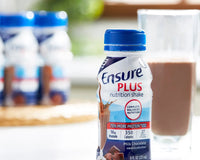
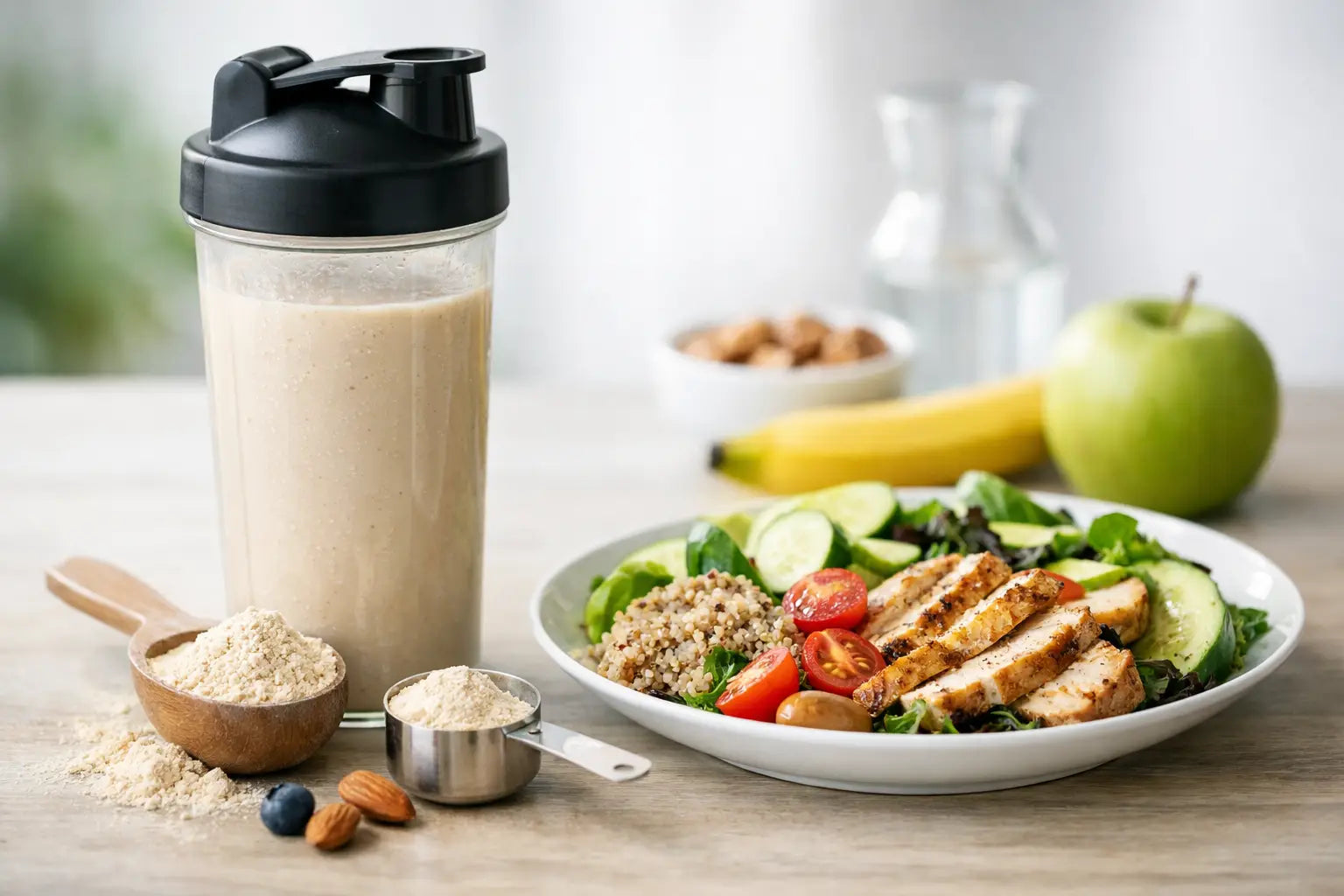
A ready-to-drink shake can feel like a practical answer when appetite is low, chewing is difficult, or preparing food is simply too much for the day. But can nutritional shakes replace meals? Sometimes, yes - especially for short periods or when a clinician has recommended them. For many people, though, shakes work best as nutritional support rather than a complete, long-term substitute for regular food.
The right choice depends on the person’s health needs, the type of shake, and what the rest of the day’s nutrition looks like. A product made for occasional protein support is different from one designed to provide balanced meal replacement nutrition or support medical recovery.
When nutritional shakes can replace meals
Nutritional shakes can be useful as a temporary meal replacement when a person cannot meet their needs with food alone. This may happen during recovery from surgery or illness, after dental work, during periods of fatigue, or when swallowing and chewing are challenging. They can also help older adults and people with limited mobility get calories and protein without the effort of shopping, cooking, and cleaning up.
Some formulas are designed to be nutritionally complete or nearly complete. These products typically provide a meaningful amount of calories, protein, fat, carbohydrates, vitamins, and minerals in each serving. When used as directed, they may replace one meal or, in some situations, several meals under medical guidance.
For caregivers, the convenience matters. Keeping familiar nutritional drinks on hand can prevent skipped meals on days when a loved one is not feeling well or has little appetite. Shelf-stable options are also easy to store at home, take to appointments, or keep near a bedside or recliner.
That said, replacing a meal occasionally is not the same as relying on shakes for every meal. A single bottle may not provide enough calories, protein, fiber, or fluids for an individual’s needs. Labels and serving sizes matter.
When a shake is better as a supplement
Many nutritional drinks are best used between meals, with a light meal, or as a convenient breakfast when time is limited. This approach can add nutrition without displacing the foods a person already enjoys and tolerates well.
For example, someone losing weight unintentionally may benefit from drinking a shake between lunch and dinner. A person with a small appetite might have half a shake with breakfast and the other half later in the day. Someone rebuilding strength after an illness may use a higher-protein drink after physical therapy or alongside a meal.
Using shakes as supplements can be especially helpful when the goal is to increase calories or protein. It also leaves room for foods that provide qualities a bottled drink may not fully match, including natural texture, variety, and the pleasure of eating with family.
What regular meals still provide
Even well-formulated nutritional shakes have limits. Whole foods offer a wider range of flavors, textures, and naturally occurring nutrients. Meals can also provide more fiber, depending on the shake, which supports regular digestion and may help with blood sugar management.
Eating regular food also gives caregivers useful information. Changes in appetite, chewing ability, swallowing, food preferences, or tolerance for certain textures can signal that a person needs additional support. A shake can bridge a difficult day, but it should not hide an ongoing problem such as unexplained weight loss, nausea, pain, or trouble swallowing.
For most people, a practical routine includes both: nourishing foods when possible and nutritional drinks when they make it easier to meet daily needs.
Choosing a nutritional shake for the right need
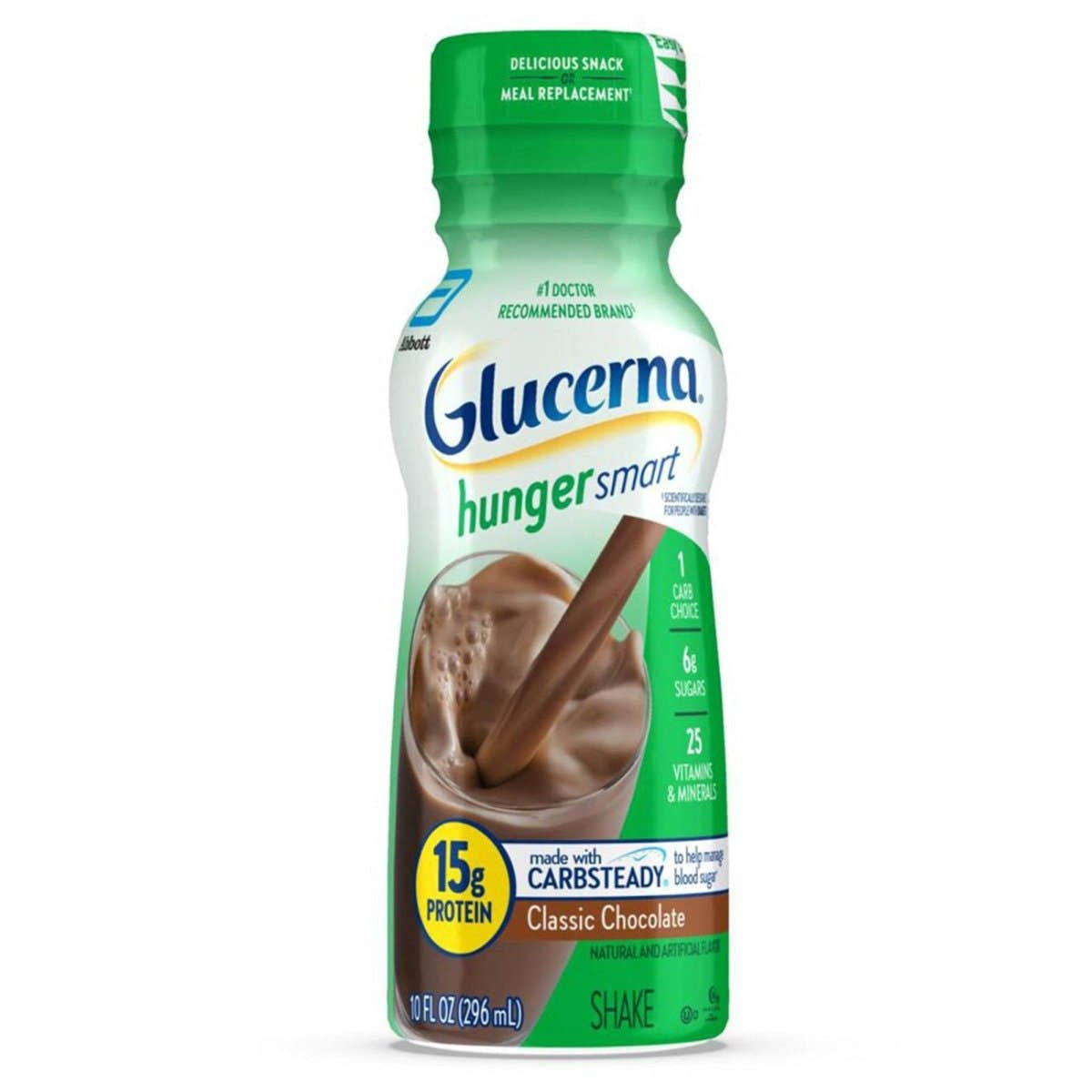
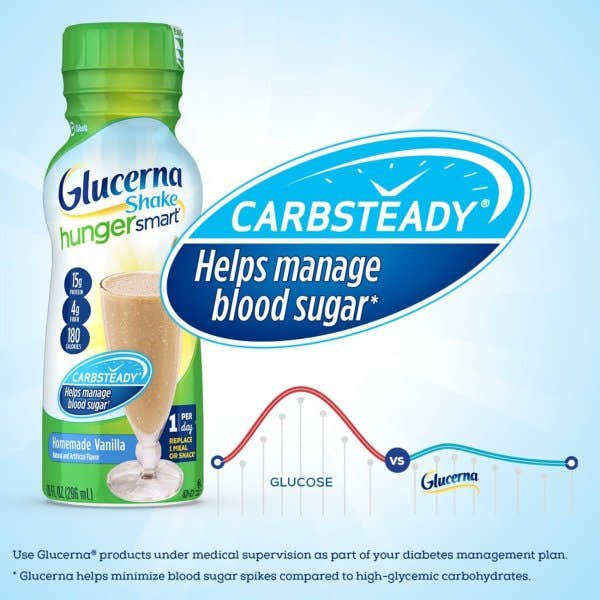
Start with the reason for using the shake. A general nutrition drink may be appropriate for occasional meal support, while a high-protein option may better fit recovery, wound healing support, or muscle maintenance. People managing diabetes may need a formula with a carbohydrate profile designed for steadier blood sugar support. Those with kidney disease, fluid restrictions, food allergies, or digestive conditions should not choose a formula based on calories alone.
Review the Nutrition Facts label and compare products by the amount in one serving, not just the size of the bottle. Four details are particularly useful:
- Calories: A low-calorie protein drink may be useful for a snack but may not replace a full meal.
- Protein: Needs vary, but protein can be especially important for older adults, recovery, and maintaining muscle mass.
- Fiber: Some drinks contain little or no fiber, which may be a concern if most meals are being replaced.
- Sugar and carbohydrates: This is especially relevant for people managing diabetes or following a clinician-directed eating plan.
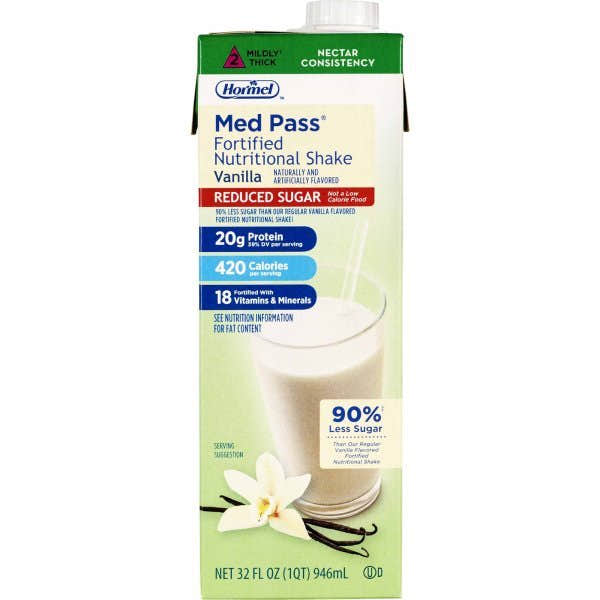
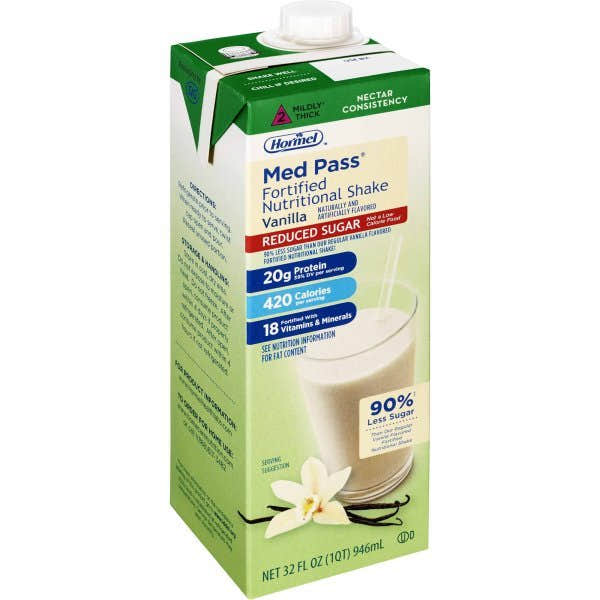
If swallowing is difficult, discuss texture and thickness with a healthcare professional. Standard thin liquids may not be safe for everyone with dysphagia. In that situation, a clinician may recommend thickened liquids or a specific nutrition plan.
Who should check with a healthcare professional first
A nutritional shake is a simple retail product for many shoppers, but it can become part of a medical nutrition plan for others. Speak with a doctor, registered dietitian, pharmacist, or other qualified healthcare professional before making shakes a regular meal replacement for someone who has diabetes, kidney disease, heart failure, liver disease, digestive disorders, or a fluid restriction.
Professional guidance is also a good idea when a person has lost weight without trying, eats very little for more than a few days, has persistent vomiting or diarrhea, or coughs or chokes during meals. These concerns deserve attention beyond choosing a different flavor or brand.
Caregivers should also ask about medications. Some nutrition drinks can affect blood sugar, potassium intake, vitamin K intake, or the timing of certain medicines. A clinician or pharmacist can help fit the product into the person’s broader care plan.
A practical way to use shakes at home
For occasional use, treat nutritional shakes as a dependable backup meal. Keep several flavors available, because taste fatigue is common when someone drinks the same product every day. Serve them chilled if preferred, and use a clean cup or straw when that makes drinking easier.
For regular use, build a simple routine around the person’s appetite. A shake at breakfast may work well for someone who feels hungry later in the day. A between-meal shake may be a better fit for someone trying to avoid replacing solid food. Track which products are tolerated, how much is consumed, and whether weight, energy, hydration, or digestive comfort changes over time.
CartHealth customers often shop for nutritional support alongside everyday home care supplies. Choosing products that are easy to reorder and keeping an appropriate amount at home can reduce stress when a health need changes unexpectedly.
The bottom line on meal replacement shakes
Nutritional shakes can replace a meal when they provide enough nutrition for the situation and fit the person’s health needs. They are often a practical option during recovery, poor appetite, busy caregiving days, or short-term difficulty eating. They are not automatically a complete replacement for the variety and long-term benefits of regular meals.
The most helpful approach is usually the one a person can tolerate and use consistently: real food when possible, a suitable nutritional drink when needed, and timely professional advice when eating becomes difficult. Keeping a trusted option in the pantry can make the next hard day feel more manageable.