
A midnight run to find adult briefs, a replacement walker tip, or the right wound dressing is rarely convenient. Knowing how to buy medical supplies online can turn an urgent errand into a more private, manageable routine - provided you confirm exactly what you need before placing an order.
Online shopping makes it easier to compare options, reorder familiar items, and have essential supplies delivered to your door. It also gives caregivers a practical way to manage recurring needs for a parent, spouse, child, or patient without visiting several stores. The key is to shop with enough product detail to get the right item the first time.
Start With the Care Need, Not Just the Product Name
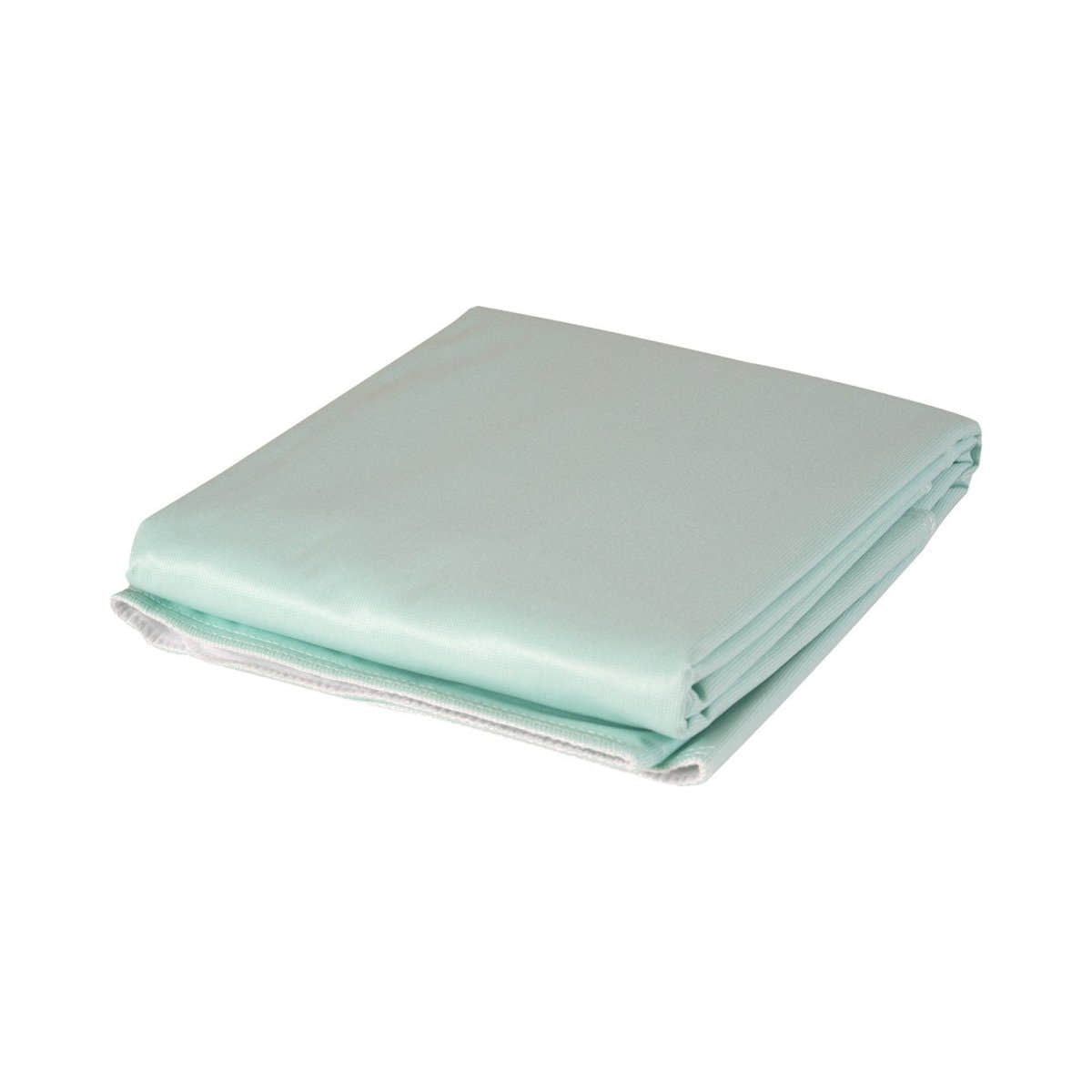
Many medical and home health products look similar at a glance but serve different purposes. A search for "incontinence products," for example, can include protective underwear, briefs with tabs, pads, liners, underpads, and booster pads. Each is designed for a different level of absorbency, mobility, and change routine.
Begin by identifying the care need: bladder or bowel incontinence, mobility support, diabetes management, wound care, ostomy care, nutritional support, recovery after surgery, or daily personal care. Then narrow the category by how the product will be used at home.
For recurring supplies, look at the package currently being used. Record the brand, product name, size, item number if available, absorbency level, and package count. A photo of the label can help prevent an ordering mistake. If a clinician, discharge planner, or therapist gave you a specific recommendation, follow the stated product type, dimensions, or care instructions rather than substituting based on appearance alone.
Durable equipment requires a little more planning. With a cane, walker, wheelchair, bedside commode, or shower chair, consider the user's height, weight capacity needs, home layout, and ability to transfer safely. A product that fits the doorway and works in the bathroom is more useful than one that simply looks right online.
How to Buy Medical Supplies Online With Confidence
A clear product page should help you answer the practical questions before checkout. Read beyond the main image and product title. Confirm the size, quantity, material, compatibility information, and what is included in the box.
Match sizing and measurements carefully
Sizing is one of the most common reasons medical supply orders need to be exchanged or replaced. For wearable items such as briefs, compression products, braces, orthopedic supports, and ostomy systems, use the manufacturer sizing chart whenever one is provided. Measure as directed instead of choosing a size based only on clothing size.
For wound care, check dressing length and width, whether the dressing is sterile, and the intended use. For enteral feeding supplies, diabetes products, urology products, and ostomy accessories, verify the connection type, gauge, model, or system compatibility. Small differences can matter.
If you are between sizes, the best choice depends on the product. A snug brace may need a precise fit for support, while an incontinence brief that is too tight can be uncomfortable and may leak. When uncertain, review the product details or contact customer support before opening a large case.
Read the quantity in the package
Online listings may show a single item, a retail pack, or a case. The lowest visible price is not always the lowest cost per use. Compare the number of items in each package, how often the item is changed or used, and whether a larger quantity makes sense for your storage space and budget.
Buying a case can be helpful for a product you already know works well. For a first-time purchase, a smaller pack may be the better choice when available. This is especially true for fit-sensitive items or products with personal comfort preferences, such as protective underwear, skin care, nutritional drinks, and braces.
Check brands, materials, and useful features
Recognizable brands can make reordering easier because product specifications are usually consistent. Still, brand familiarity should not replace reading the details. Compare features that affect everyday care, such as tabs versus pull-on styles, overnight absorbency, latex-free materials, scent-free options, moisture-wicking layers, locking wheels, adjustable height, or washable construction.
For sensitive skin or wound-related needs, review materials and product warnings. If the person using the product has allergies, fragile skin, circulation concerns, or a condition that affects healing, ask a healthcare professional which materials or products are appropriate.
Know When Professional Guidance Is Needed
Online medical supply shopping is useful for many home care essentials, but it does not replace medical advice. A product listing can describe intended use, yet it cannot assess a new symptom, worsening wound, infection risk, unexplained pain, or sudden change in mobility.
Use your clinician's guidance for prescription-related items, specialized feeding supplies, advanced wound care, catheter supplies, and equipment with specific clinical requirements. Some items may require a prescription or additional documentation, while others can be purchased directly for home use. Requirements vary by product and seller.
If you are ordering after a hospital stay, keep the discharge paperwork nearby. It may include the recommended product type, frequency of use, and safety instructions. This helps caregivers avoid guessing when several products have similar names.
Review Seller Information Before Checkout
A dependable online retailer should make it easy to find complete product information, pricing, shipping details, return policies, and ways to reach customer support. Look for a retailer with broad category coverage if you are managing more than one care need. Ordering nutritional products, personal care essentials, mobility accessories, and incontinence supplies from one place can reduce the number of separate orders to track.
Before completing an order, review these practical details:
- Confirm the delivery address, especially if supplies are being sent to a parent, patient, or caregiver in another home.
- Check estimated shipping timing and any free-shipping threshold before placing separate small orders.
- Review return eligibility, noting that opened hygiene products and certain personal care items may not be returnable.
- Save the order confirmation, product name, and item number for easy reordering.
Plan Reorders Before Supplies Run Low
The best time to reorder is not when the last package is open. Estimate how many items are used in a typical day or week, then allow extra time for shipping, holidays, or an unexpected increase in use.
For example, if a box of 72 protective underwear is used at three per day, it may last about 24 days. A reorder reminder around day 14 or 16 gives you room to adjust if usage changes. The same approach works for test strips, underpads, nutrition drinks, gloves, skin care products, and other consumables.
Keep a simple note with preferred brands, sizes, and order dates. Caregivers who share responsibilities can use this record to avoid duplicate purchases or accidental substitutions. For durable equipment, keep the model number and replacement-part information in the same place.
Make Value Part of the Decision
Price matters, but the cheapest option is not always the best value. A lower-cost product that leaks, irritates skin, fails to fit, or requires more frequent changes can cost more over time. Consider cost per item alongside comfort, performance, durability, and the convenience of reliable delivery.
Promotions and free-shipping thresholds can make planned purchases more economical, especially for recurring household needs. Just avoid adding items solely to reach a shipping threshold if they will not be used before their shelf life or storage space becomes a problem. Nutritional products, wound care items, and personal care supplies should be stored according to their package instructions.
For many households, keeping a small backup supply is worthwhile. It provides breathing room during travel, storms, illness, or a delayed delivery without requiring you to overstock every item.
Build a Routine That Supports Home Care
Buying medical supplies online works best when it becomes a simple routine: identify the need, confirm specifications, order from a dependable source, and reorder before the household runs low. CartHealth helps bring common home health categories together so caregivers and individuals can spend less time searching across stores and more time focused on care.
When a product affects comfort, safety, or daily independence, give yourself permission to pause and verify the details. A few careful minutes before checkout can make the next delivery one less thing to worry about.