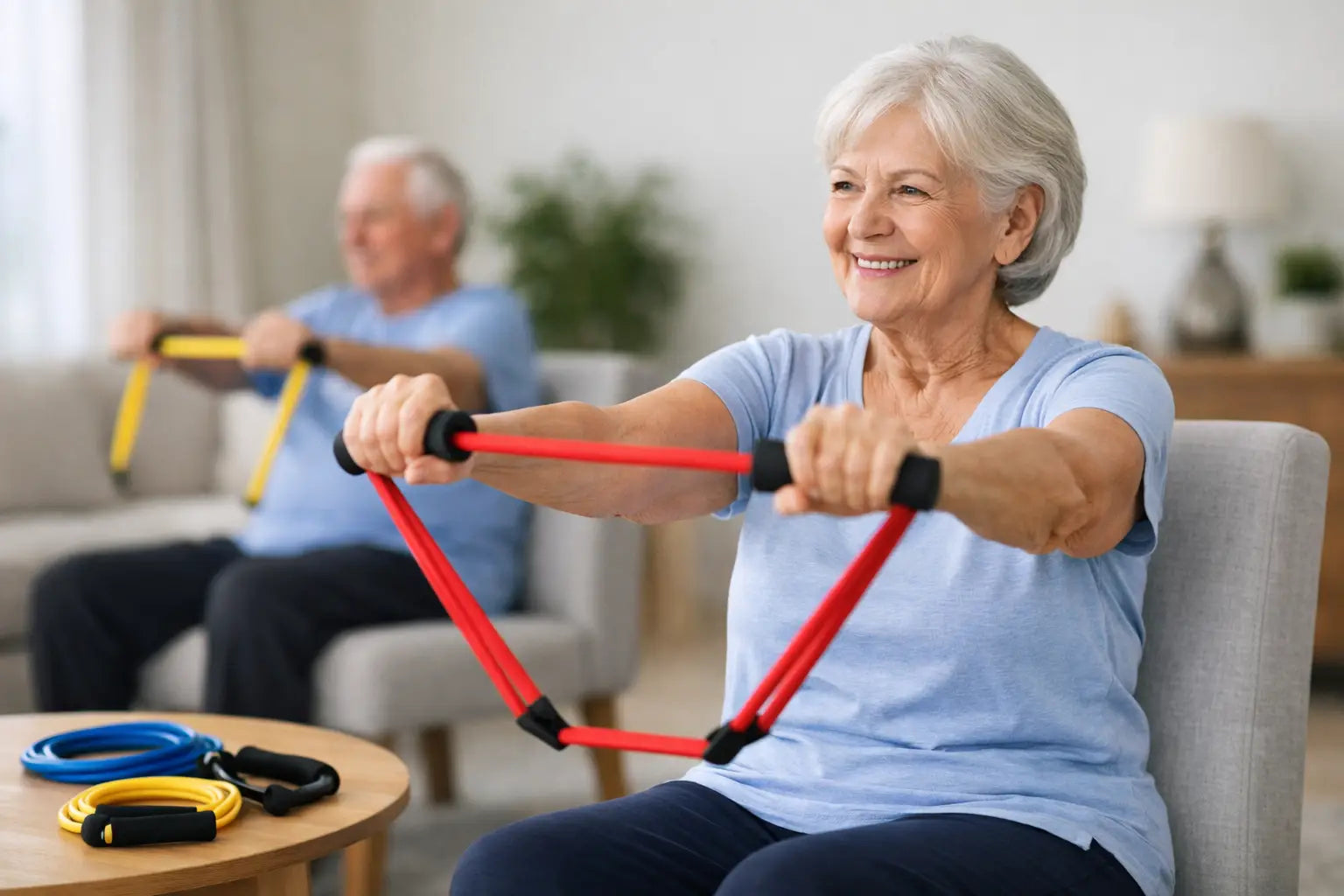
A sturdy chair and a light resistance band can turn a few quiet minutes at home into useful movement practice. Seated exercise bands for seniors offer a practical way to work muscles used for reaching, standing, carrying groceries, and maintaining balance without requiring floor exercises or a trip to the gym. The goal is not to push through a hard workout. It is to build a comfortable, repeatable routine that fits daily life.
For many older adults, a seated routine is also easier to continue during recovery, on low-energy days, or when standing for long periods is not comfortable. Still, the right setup matters. A band that is too strong, a chair that moves, or an exercise that causes joint pain can turn a helpful activity into a frustrating one.
Why use seated exercise bands for seniors?
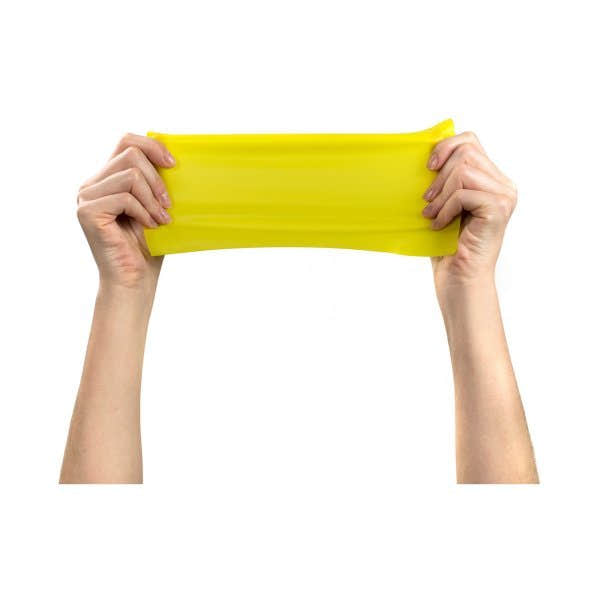
Resistance bands create tension as they stretch. Unlike a dumbbell, which has the same weight throughout a movement, a band becomes more challenging near the end of its stretch. That makes bands compact, easy to store, and useful for controlled strength work at home.
When used from a chair, bands can help target the upper body, legs, and core while reducing the balance demands of standing exercise. They are especially useful for people who use a walker, are returning to activity after an illness, or want an approachable way to stay active between therapy visits.
Regular movement may support strength, circulation, joint mobility, and confidence with everyday tasks. Results depend on the person, the routine, and any health conditions involved. Bands are not a substitute for physical therapy or medical treatment, but they can be a useful part of a clinician-approved home routine.
Choose a band and chair that make movement easier
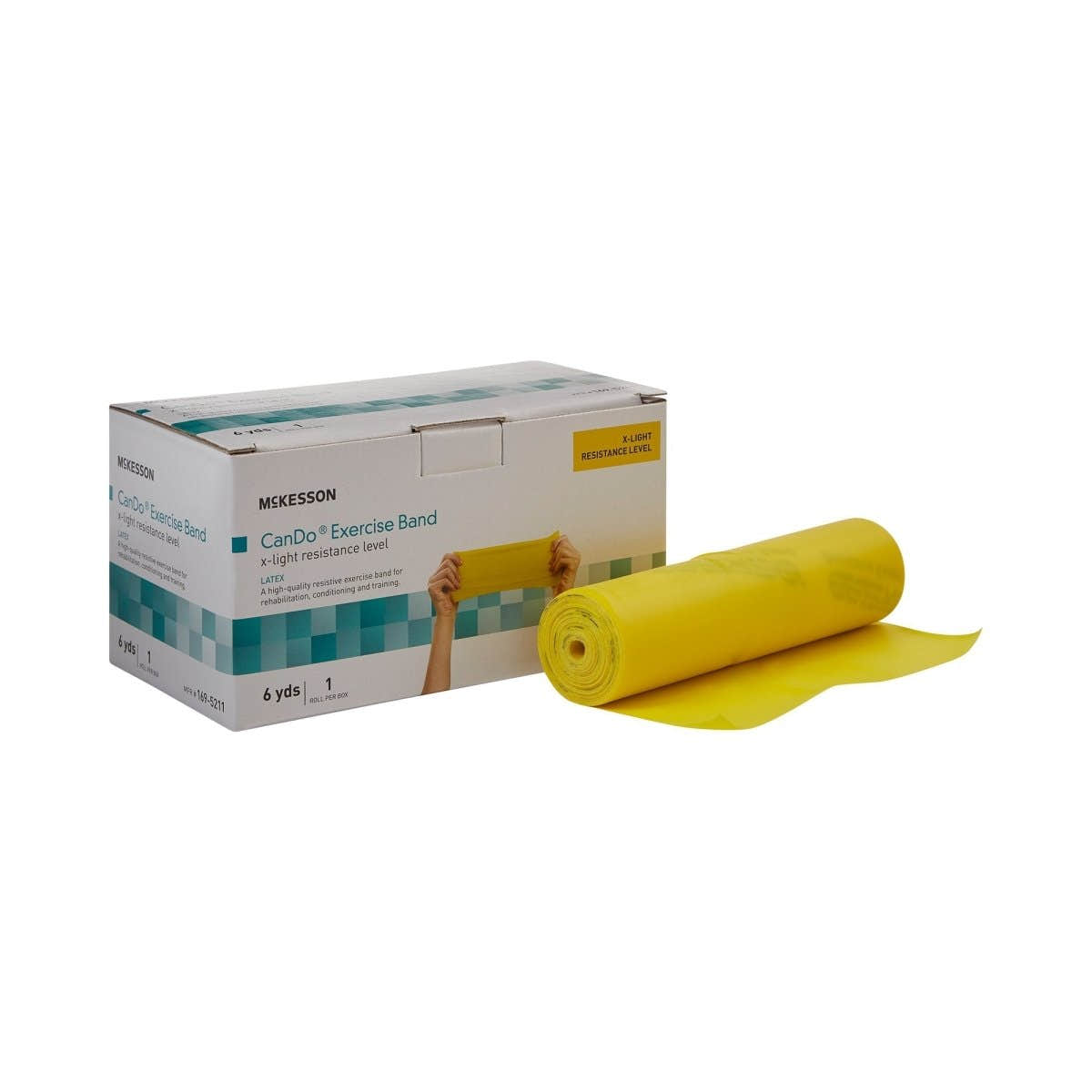
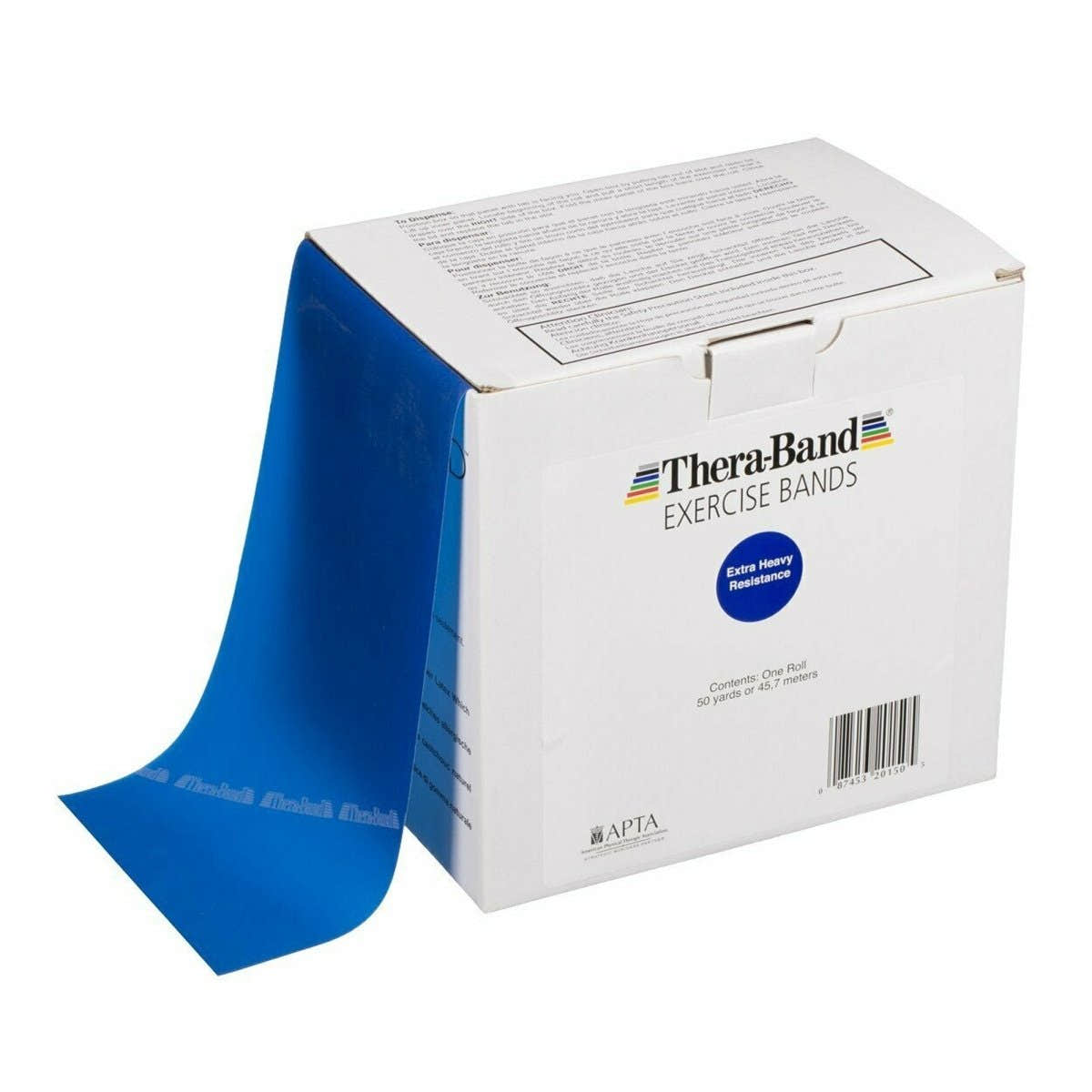
The best band is usually not the strongest one. Most beginners do well starting with light resistance and gradually increasing only when the movements feel controlled. If a band color indicates resistance, remember that colors are not standardized across brands. Read the package description rather than assuming one color means the same tension everywhere.
Flat therapy bands are versatile and work well for exercises under the feet or around the hands. Loop bands can be convenient for leg exercises, although they should not be so tight that they pull the knees inward. Resistance tubes with handles may feel easier to grip for someone with hand arthritis, but inspect the handles and connections carefully.
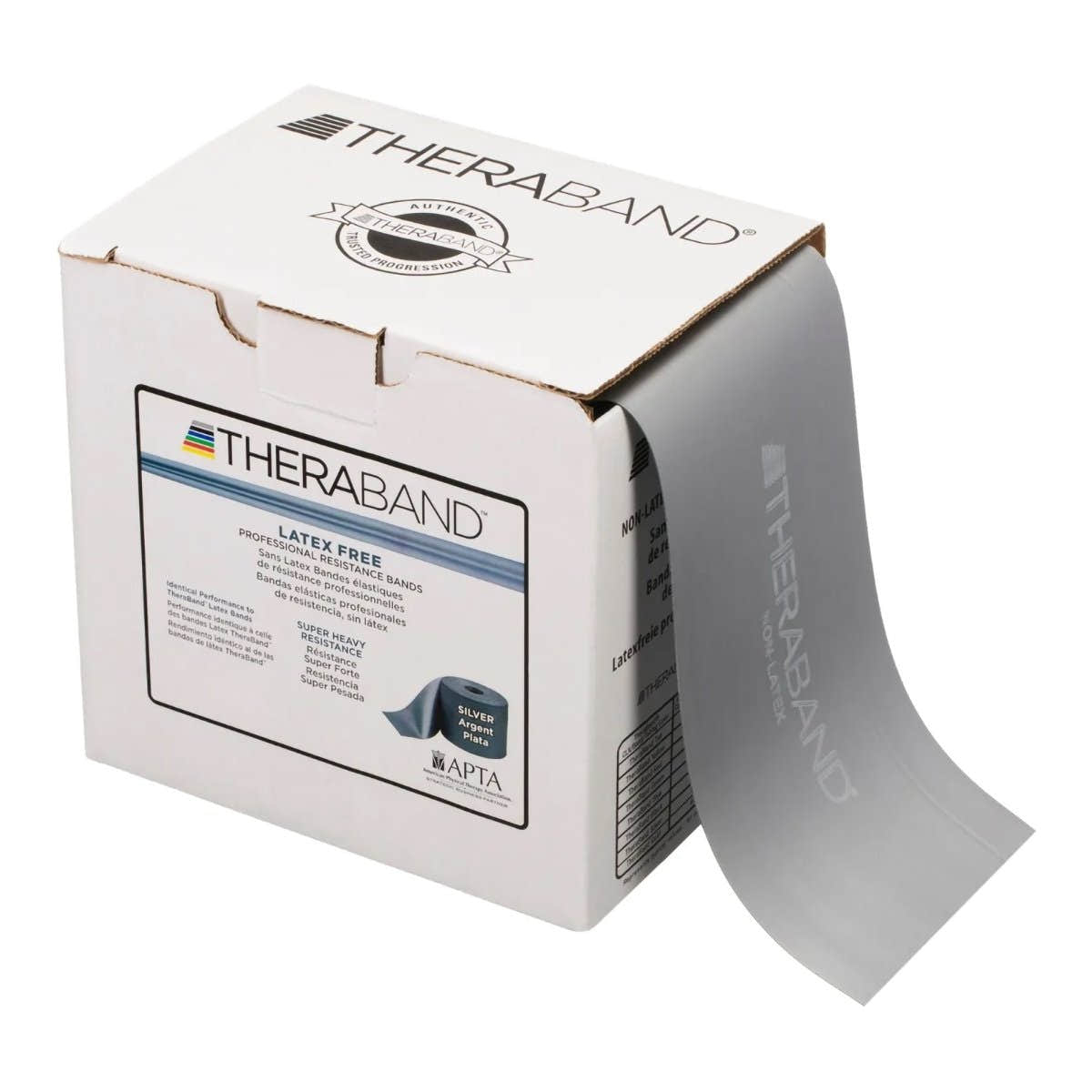
Look for a latex-free option if the user has a latex allergy or sensitivity. A longer band offers more flexibility for seated movements, while a shorter loop can be easier to manage for targeted leg work. There is a trade-off: long bands can be adjusted in many ways but may feel less tidy, while loops are simple but less adaptable.
The chair matters just as much as the band. Use a firm, stable chair with a back and no wheels. Place it on a level surface, preferably against a wall if it tends to slide. Avoid recliners, rolling office chairs, and soft couches that make posture difficult. Both feet should rest on the floor unless the exercise specifically places the band under one foot.
Set up for safer, more comfortable sessions
Before starting, check the band for small tears, thinning areas, sticky spots, or damaged handles. Replace a worn band rather than trying to repair it. A snapped band can strike the face or skin, especially when it is stretched close to the body.
Sit tall with the hips toward the back of the chair, shoulders relaxed, and feet planted. Keep movements slow enough that you can notice your posture. Holding your breath can raise effort unnecessarily, so exhale during the pulling or pushing part of the exercise and breathe in as you return.
A useful starting point is one set of 8 to 10 repetitions for each movement, two or three days per week with rest days between strength sessions. The final few repetitions should feel like work, but not strain. If the band is easy to stretch through the entire set and posture stays steady, it may be time for a slightly stronger band or a few additional repetitions.
Stop right away for sharp pain, chest pain, sudden shortness of breath, dizziness, new numbness, or a feeling that the joint is unstable. Muscle effort and mild next-day soreness can be normal. Joint pain is not something to work through. People with a recent surgery, fracture, severe osteoporosis, significant heart or lung disease, or a new injury should ask their physician or physical therapist which movements are appropriate first.
Five useful seated band exercises
Start with a few minutes of easy shoulder rolls, ankle circles, or slow marching in the chair without a band. Then choose two or three of the exercises below rather than trying to do everything at once. Quality and consistency are more valuable than a long session.
Seated row for upper-back strength
Place the center of a long band around both feet, holding one end in each hand. Sit upright and pull the elbows back toward your sides as though you are drawing them toward your back pockets. Pause briefly, then return slowly. Keep the shoulders down rather than shrugging them toward the ears.
This movement can support the muscles used for upright posture and reaching. If reaching the feet is difficult, use a longer band or ask a therapist for a modified setup. Do not wrap the band around chair legs, since it can slip or pull the chair unexpectedly.
Chest press for pushing tasks
Hold the band behind your upper back, with one end in each hand. Press both hands forward at chest height, then bring them back with control. Keep the wrists straight and use a smaller range of motion if the shoulders feel pinched.
A chest press can be helpful for the pushing pattern used to open heavier doors or rise from an armchair. However, people with shoulder pain may prefer a lighter band, one arm at a time, or a different exercise recommended by a clinician.
Biceps curl for lifting and carrying
Step on the center of the band with both feet and hold the ends with palms facing up. Bend the elbows to bring the hands toward the shoulders, then lower slowly. Keep the elbows close to the ribs and avoid leaning backward.
This is one of the simplest seated movements to learn. Adjust the difficulty by changing how much band is under the feet. More slack means less resistance; a shorter section of band means more resistance.
Leg extension for thigh control
Anchor one end of the band under one foot and loop the other end around the sole of the opposite foot, if the band length allows without pulling awkwardly. Slowly straighten the working knee, then return. Another option is to use a loop band around both ankles and extend one leg forward against the tension.
Keep the motion small at first, especially with knee arthritis or after a knee procedure. The aim is controlled thigh engagement, not locking the knee forcefully at the end of the movement.
Seated hip opening for outer-leg strength
Place a loop band around the thighs, just above the knees. With both feet flat, gently press the knees apart against the band, pause, and return slowly. Keep the feet still and avoid rocking in the chair.
This movement works muscles around the hips that contribute to steadiness during walking and standing. If the knees or hips hurt, reduce the band tension by choosing a lighter loop or placing it higher on the thighs.
Make the routine sustainable at home
The most effective routine is one that is easy to repeat. Keep the band in a visible, dry place near a stable chair, and attach the session to an existing habit such as finishing breakfast or watching the evening news. A short routine done regularly is more useful than an ambitious plan that stays in a drawer.
Caregivers can help by checking the chair setup, reading product instructions, and watching for signs of fatigue or discomfort. They should avoid pulling on the band for the person or forcing a greater range of motion. Encouragement works better when the older adult remains in control of the pace.
When shopping for home exercise supplies, focus on practical details: resistance level, band length, latex content, handle style, and clear care instructions. CartHealth can help simplify shopping for everyday home health needs, whether a household is building a gentle activity routine or managing ongoing care.
Start light, move slowly, and let comfort guide the pace. A band and a chair may look simple, but used consistently and safely, they can support the movements that help a person stay active in their own home.