
A product that looks right on the package can still be the wrong choice at home. A pad may shift during a walk, protective underwear may feel too bulky under clothing, or a brief may not provide enough overnight coverage. This incontinence products buying guide is designed to help individuals and caregivers match everyday needs with the right level of protection, comfort, and convenience.
The best option is not always the most absorbent one. It is the product that fits well, manages the type and amount of leakage involved, and is practical to change and reorder. Start with how the product will be used, then narrow the selection by style, fit, and absorbency.
Start With the Type of Incontinence
Understanding the pattern of leakage makes product selection much easier. Light urine leakage from coughing, laughing, exercise, or a sudden urge often calls for a different product than frequent, heavy leakage or bowel incontinence.
For occasional dribbles or small leaks, thin pads, liners, and bladder control pads can provide discreet protection. They are often a good choice for people who are active, mobile, and able to use the restroom independently. These products are designed to fit inside regular underwear and are usually changed throughout the day.
Moderate to heavy urinary leakage may require protective underwear or adult briefs. Protective underwear pulls on like regular underwear and can feel more familiar for someone who is mobile. Adult briefs use side tabs for adjustment and are generally easier for a caregiver to apply or change when the wearer has limited mobility.
For bowel incontinence, choose a product with enough capacity, leg coverage, and secure fastening to contain stool and reduce the risk of leakage. A brief is often more practical than a pad or pull-on style when changes are frequent or assistance is needed. If bowel changes are new, persistent, or accompanied by pain, fever, bleeding, or unexplained weight loss, contact a healthcare professional.
Incontinence Products Buying Guide: Choose the Right Style
Product style affects dignity, comfort, and ease of use. It also affects how easily a caregiver can complete changes without requiring the person to stand or remove clothing fully.
Pads and liners
Pads and liners are best for light leakage. They attach to close-fitting underwear with an adhesive strip and should not be worn inside loose boxers or regular menstrual underwear, where they can shift. Bladder control pads are made to handle urine quickly, helping move moisture away from the skin.
They are compact and easy to carry, but they are not intended for heavy leakage or full bladder voids. Choosing a larger pad than needed can create bulk without solving a fit issue.
Protective underwear
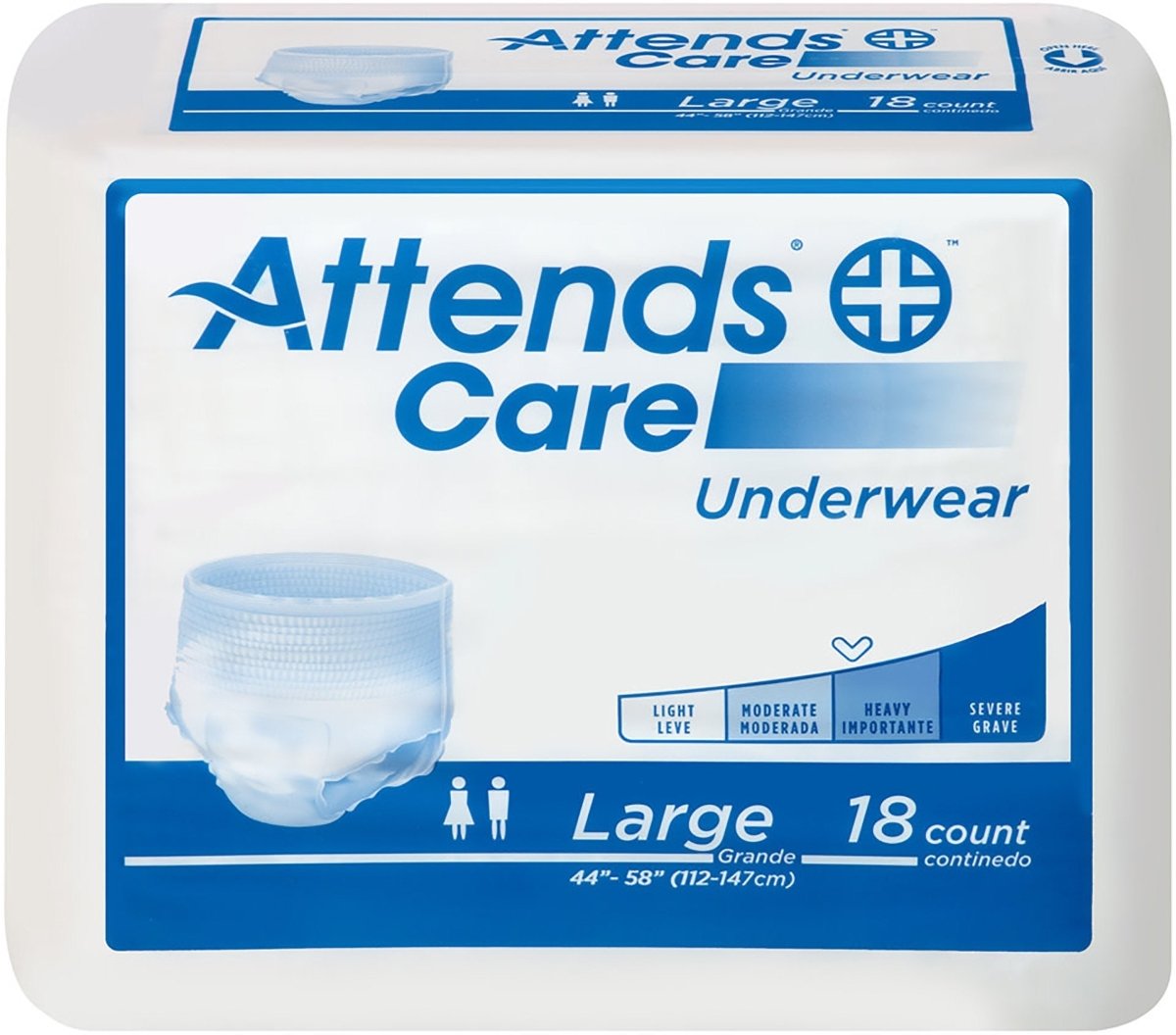
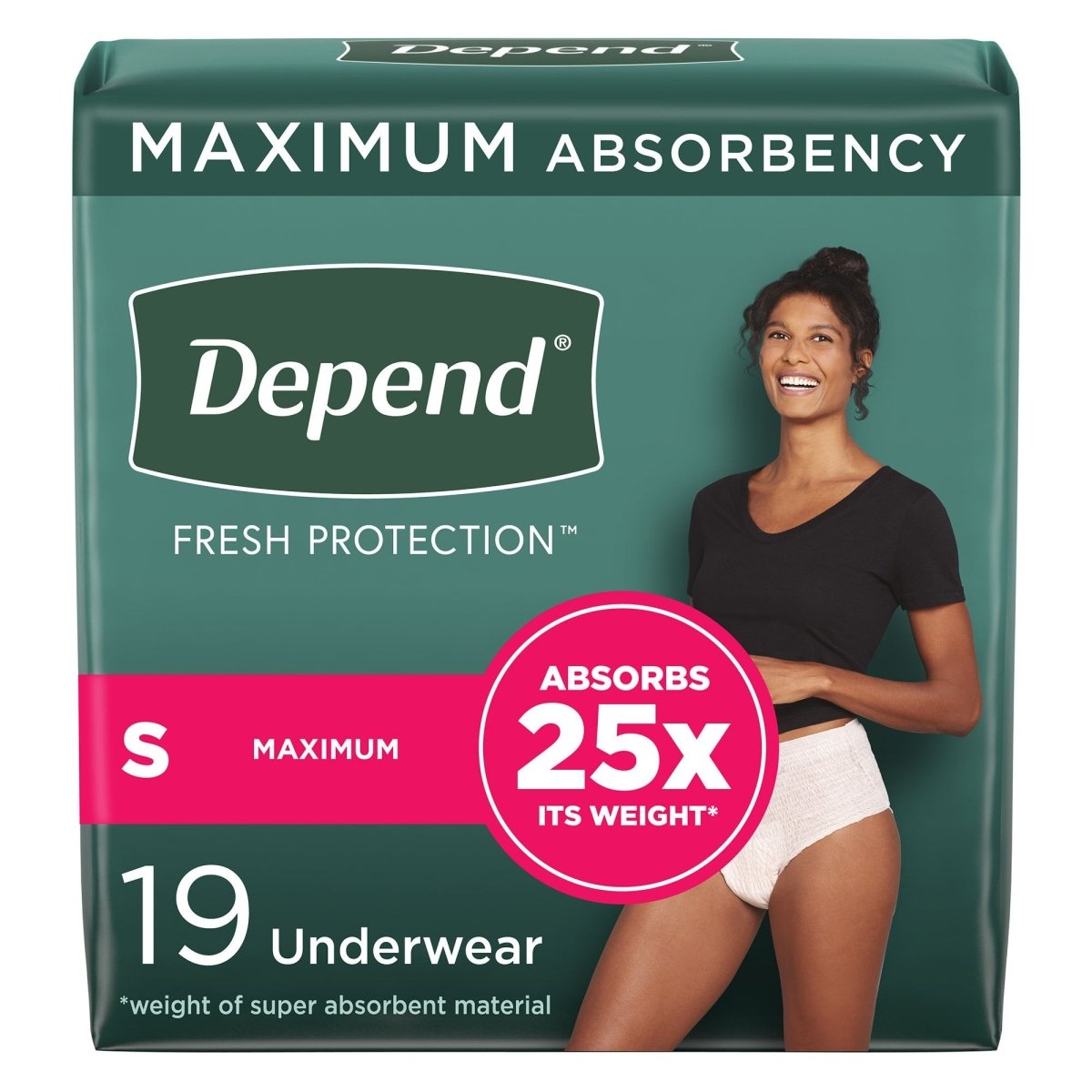
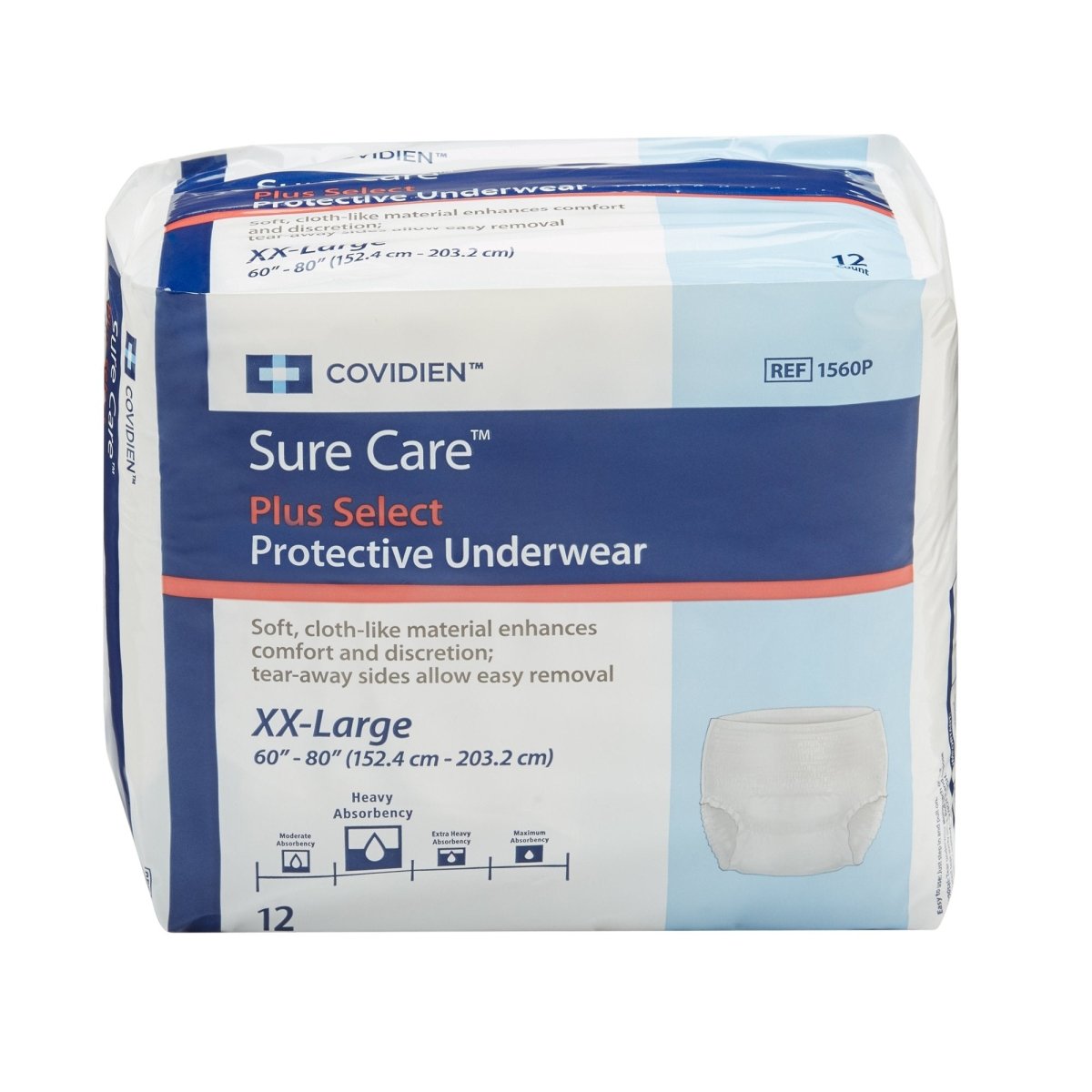
Protective underwear, often called pull-ons, works well for people who walk independently, use the toilet, and prefer a product that resembles regular underwear. Available in several absorbency levels, they can be a practical day-to-day option for moderate leakage.
The trade-off is changing them. A person usually needs to pull them down or tear the sides to remove them. For someone with arthritis, balance concerns, or limited movement, that may be harder than using a tab-style brief.
Adult briefs with tabs
Adult briefs are a common choice for heavy incontinence, overnight use, bowel incontinence, and caregiver-assisted care. Refastenable tabs allow the fit to be adjusted and make changes possible while the wearer is lying down.
Look for wide, secure tabs and elastic around the legs. A brief should fit close enough to prevent gaps but should never pinch, leave deep marks, or restrict circulation.
Underpads and mattress protection
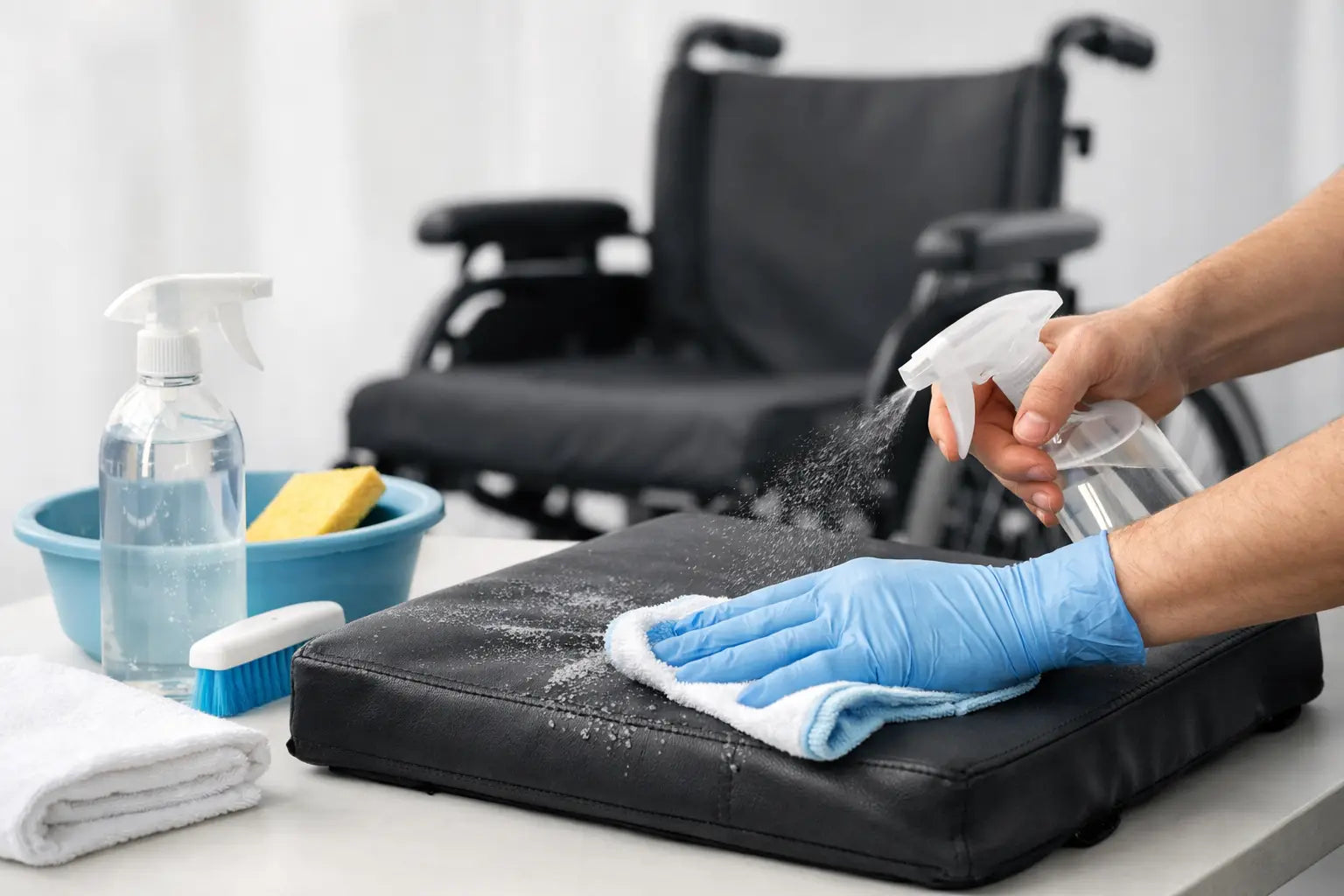
Disposable underpads protect beds, chairs, wheelchairs, and recliners from leaks. They are helpful as a backup layer, especially overnight or during recovery, but they do not replace a wearable incontinence product. Reusable mattress covers and washable underpads may make sense for ongoing needs, while disposable options can simplify cleanup during travel or short-term care.
Match Absorbency to Real-Life Use
Absorbency labels are useful, but they are not standardized across every brand. Terms such as light, moderate, maximum, and overnight can mean different things depending on the product. Product descriptions and capacity details can help, but a small trial order is often the most reliable way to find the right level.
Think about when leaks happen and how much protection is needed between changes. Daytime needs may be lighter if bathroom access is easy. Overnight protection typically needs greater absorbency, broader coverage, and a fit that stays secure while turning in bed.
A product that leaks quickly may be too small, too low in absorbency, or poorly fitted. On the other hand, using a high-capacity brief for very light leakage can be unnecessarily expensive and may feel hot or bulky. Some households use more than one product: a lighter option for daytime and a more absorbent brief or underwear for nights and long outings.
Avoid adding a pad inside a brief or pull-on unless the manufacturer specifically permits it. Layering can interfere with how moisture moves into the absorbent core and may make leaks more likely. It can also create extra heat and friction against the skin.
Get the Fit Right Before Ordering a Case
Sizing is one of the most common reasons an incontinence product does not perform as expected. Do not choose a size based only on clothing size. Use a measuring tape to check the waist or hip measurement called for on the package, then compare it with that brand's size range.
For a good fit, the leg openings should rest against the body without gaps. The waistband should be secure but comfortable. With tab-style briefs, fasten the lower tabs first to shape the leg area, then adjust the upper tabs around the waist. Pull-on underwear should sit high enough to cover the lower back without rolling or sagging.
Signs of a poor fit include leaks around the legs, drooping after a short time, red marks, chafing, or tabs that overlap too far. A larger size is not always more absorbent. If the product is too large, fluid can escape through gaps before the absorbent material can do its job.
Protect Skin During Daily Changes
Even high-quality products need to be changed promptly after they are wet or soiled. Long periods of moisture against the skin can lead to irritation, rashes, and pressure-related skin breakdown, particularly for people who spend much of the day in bed or seated.
Cleanse gently with a no-rinse cleanser or soft wipes, pat the area dry, and use a moisture barrier cream when needed. Fragrance-free products can be a good option for sensitive skin. Avoid aggressive rubbing, harsh soap, or powders that can clump in skin folds.
If redness does not improve, open areas appear, or there is swelling, warmth, drainage, or significant pain, seek guidance from a healthcare professional. Skin changes can worsen quickly for people with diabetes, poor circulation, or limited mobility.
Make Caregiver Changes Easier
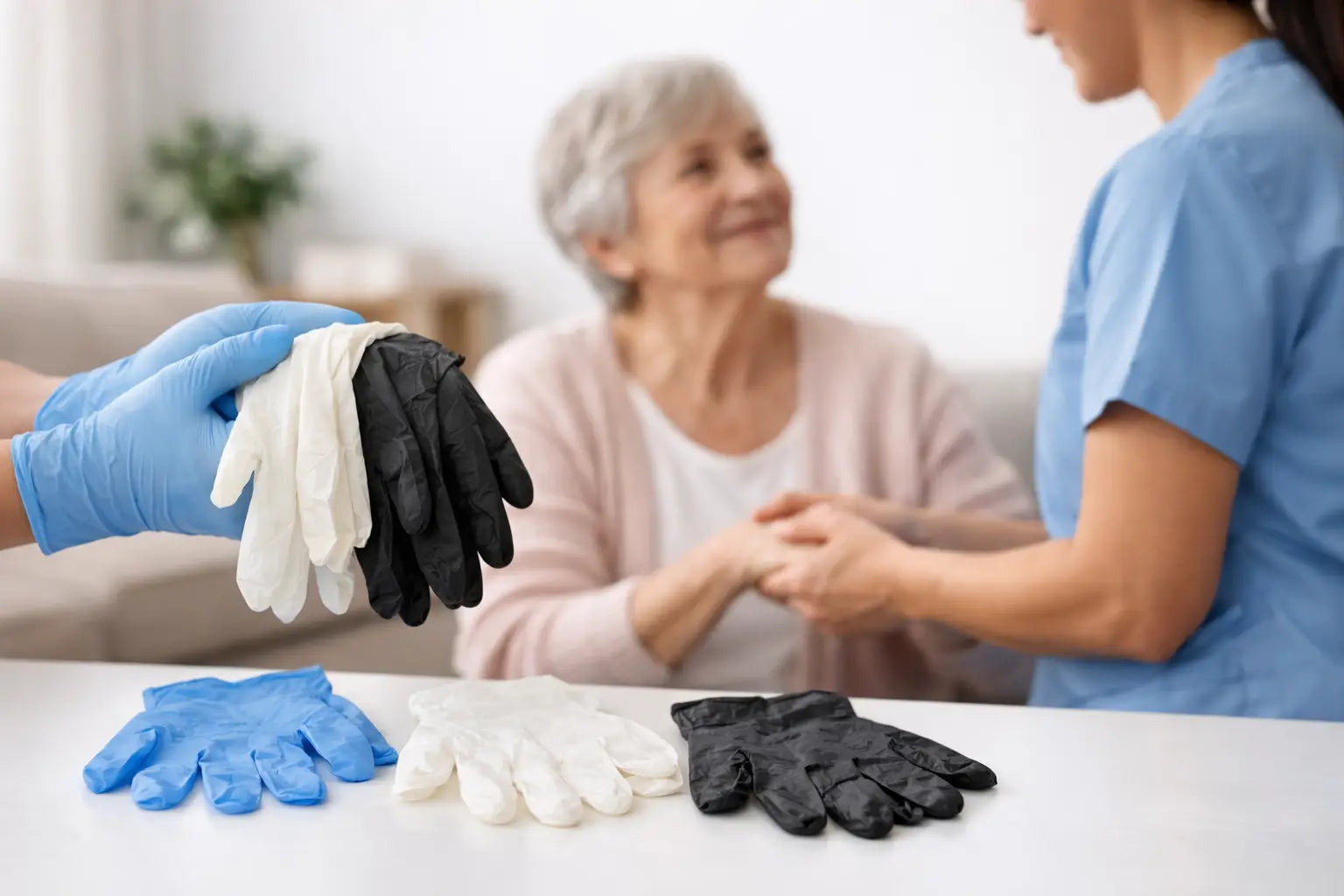
For caregivers, the best product is one that balances dependable protection with a manageable changing routine. Tab-style briefs are usually easier for bed-based changes because they can be opened and secured without standing the person up. Underpads, disposable gloves, cleansing supplies, and a covered waste container can help keep the process organized.
Keep supplies in a consistent, easy-to-reach location. If care is shared among family members or home aides, use the same brand, style, and size whenever possible. Consistency reduces confusion and makes it easier to notice when a person's needs change.
Privacy matters, too. Explain each step before beginning, cover areas not being cleaned, and allow the person to do as much as they can safely manage. These small choices support comfort and independence.
Plan for Cost, Storage, and Reordering
Incontinence supplies are recurring household essentials, so purchasing decisions should account for more than the price of one package. Compare the cost per item, expected changes per day, and whether one product can cover both daytime and nighttime needs. Larger packs may lower the per-unit cost, but only after the fit and performance have been confirmed.
Store unopened products in a clean, dry place away from extreme heat or humidity. Keep enough supplies on hand to avoid running out, especially if a specific style or size works well. Ordering online from a broad home health retailer such as CartHealth can also make it easier to restock incontinence care alongside gloves, skin care products, underpads, and other everyday supplies.
The right product should make daily life feel more manageable, not more complicated. Begin with a small quantity, pay attention to fit and skin comfort over several uses, and adjust the style or absorbency as needs change.