A product that is easy to put on can make the difference between a confident outing and a stressful day at home. When comparing pull ups vs tab briefs, the best choice is usually not about one product being better overall. It is about matching the style to the wearer's mobility, level of incontinence, preferred changing routine, and the amount of help available.
Both options are designed to provide discreet, absorbent protection. The differences are in how they go on, how they come off, and how easily they can be changed. Understanding those practical details can help individuals and caregivers order products that support everyday comfort and reliable care.
Pull Ups vs Tab Briefs: The Daily Difference
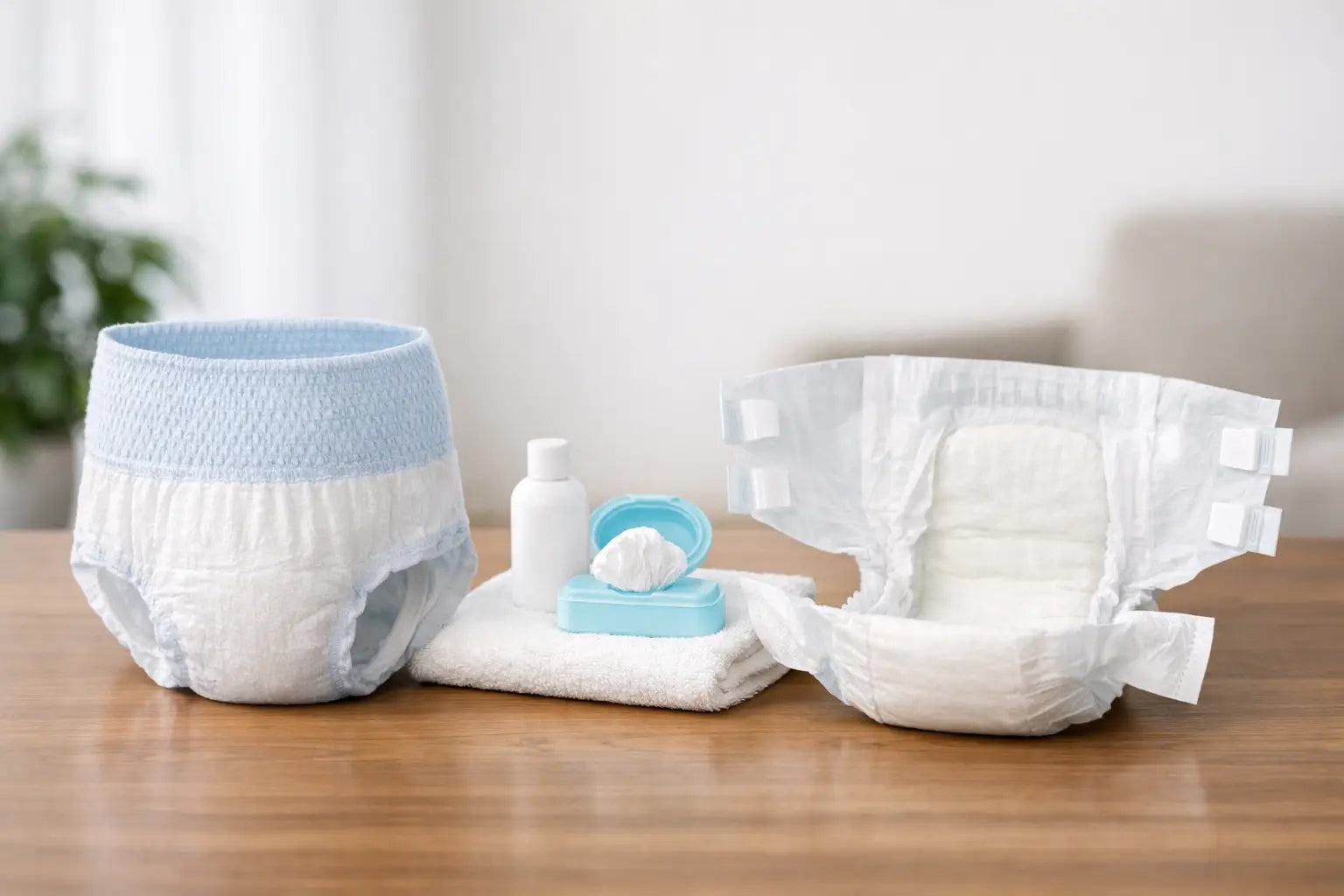
Pull ups, also called protective underwear or disposable underwear, look and feel more like regular underwear. They have a stretchy waist and leg openings, and the wearer steps into them or pulls them up while standing. Many pull ups have tear-away side seams for removal after use.
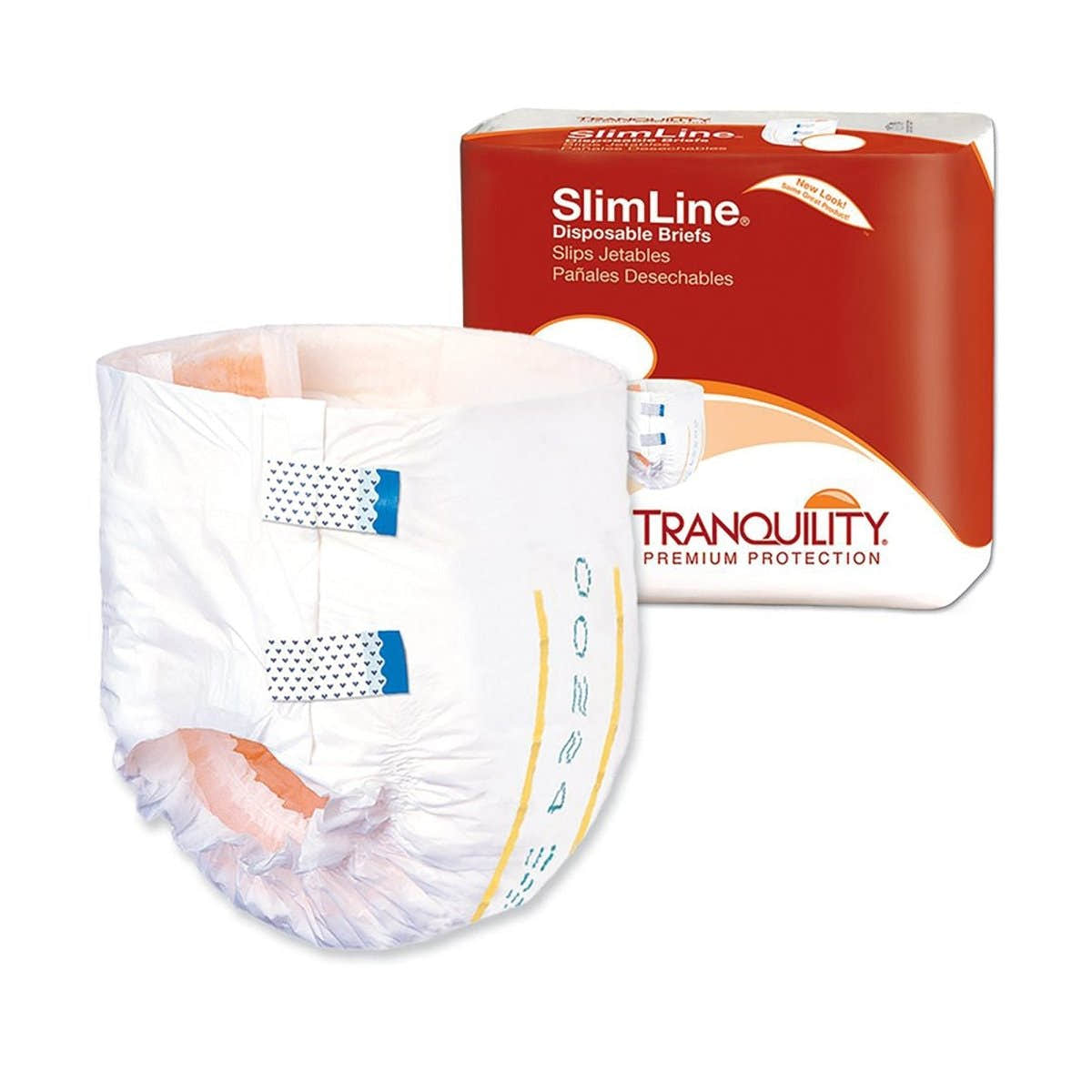
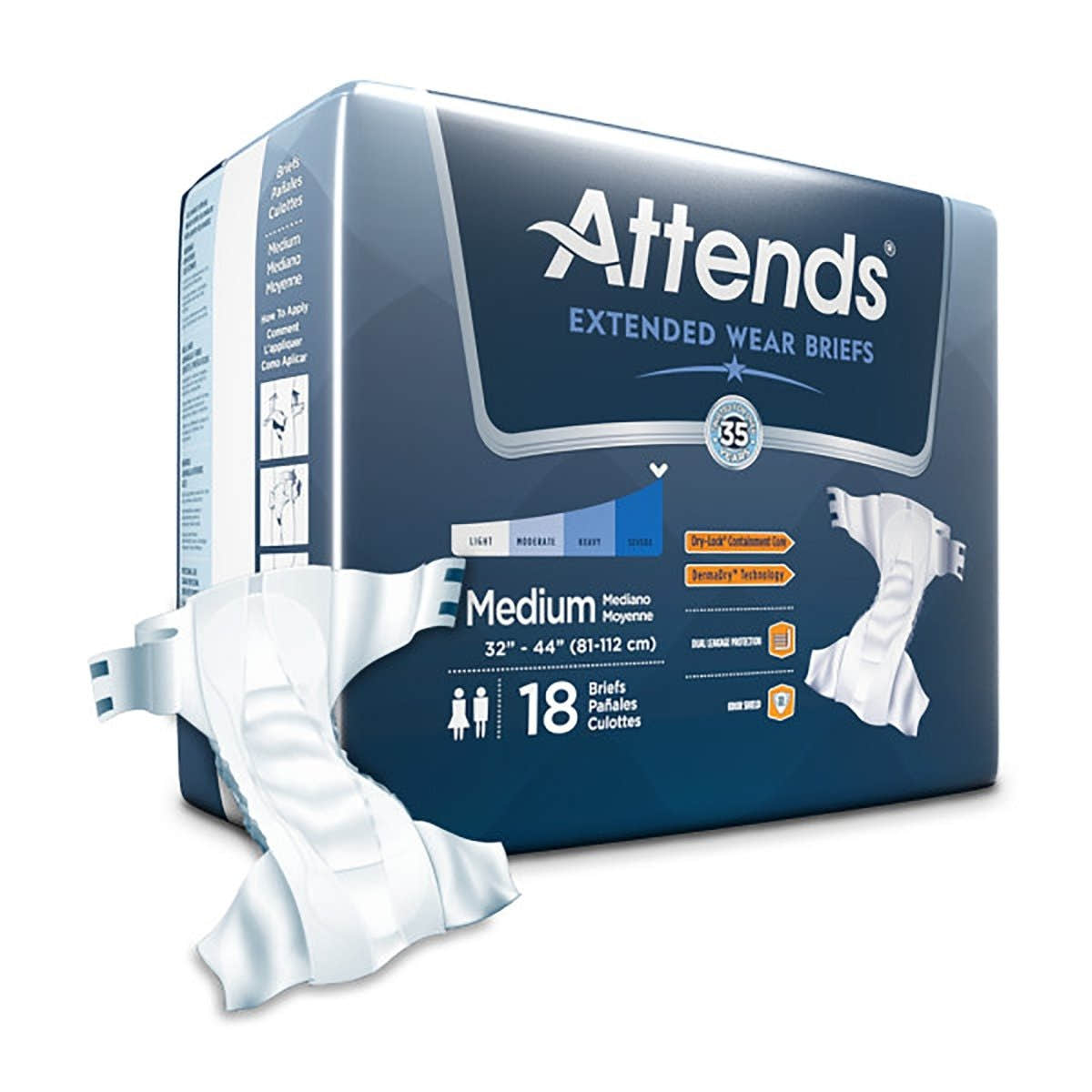
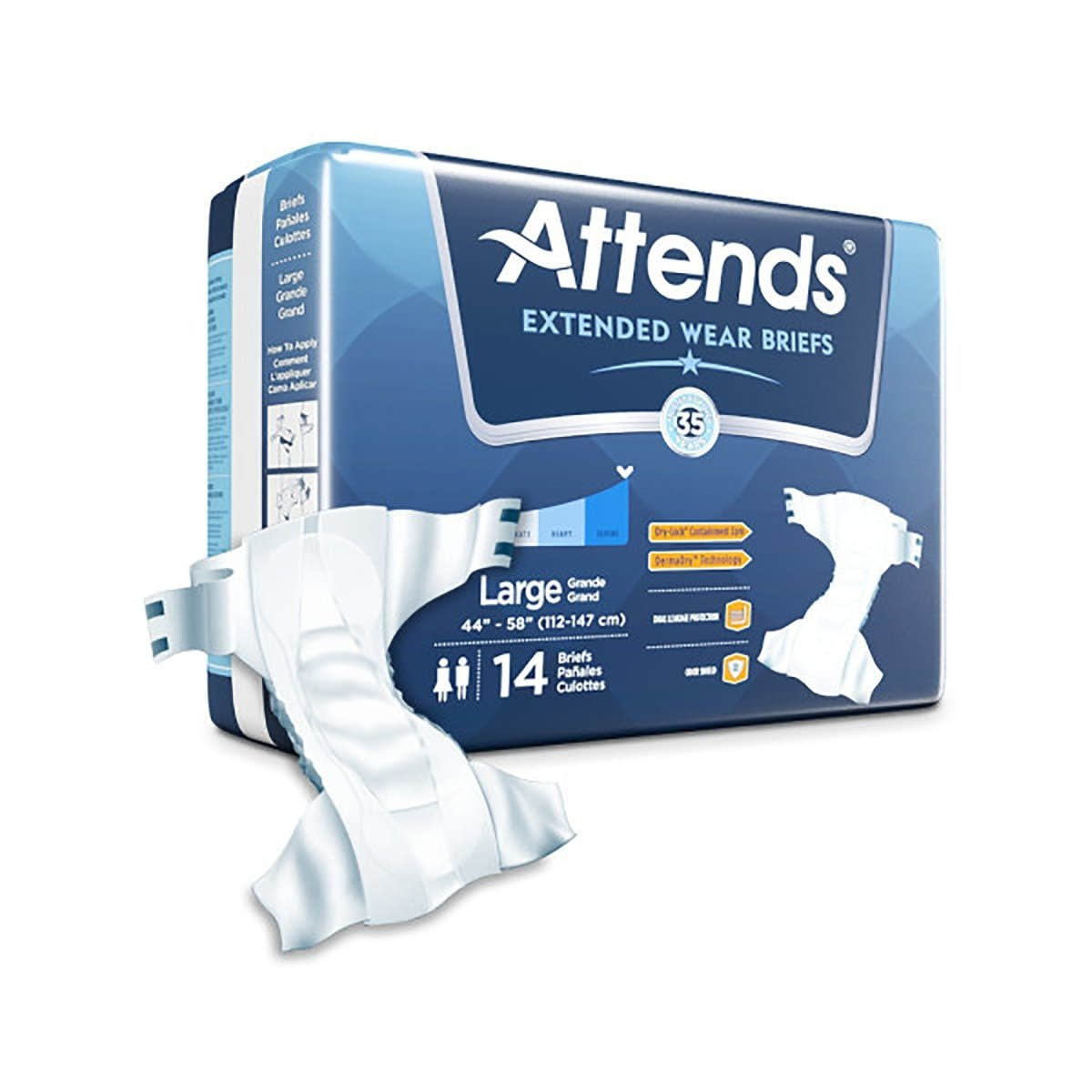
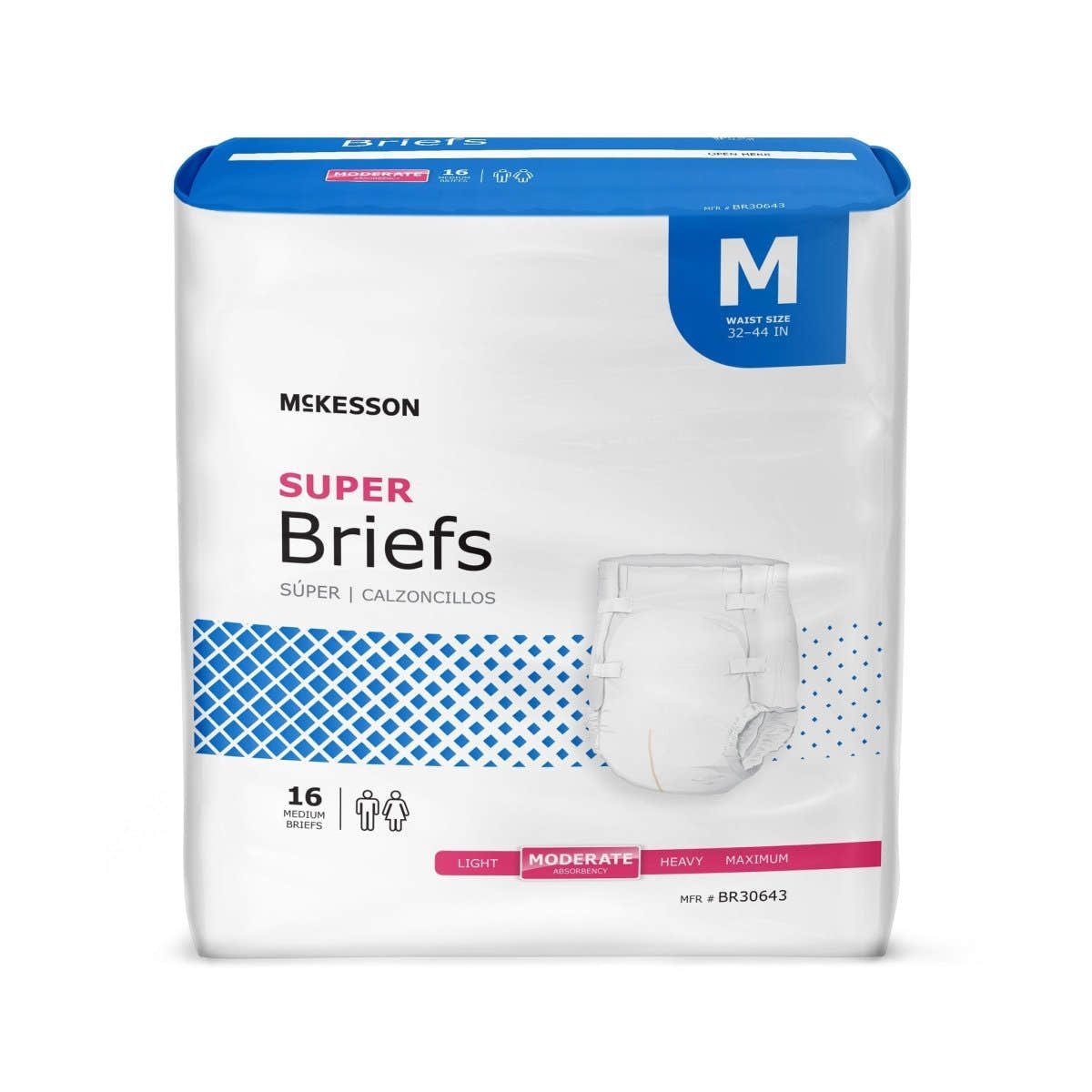
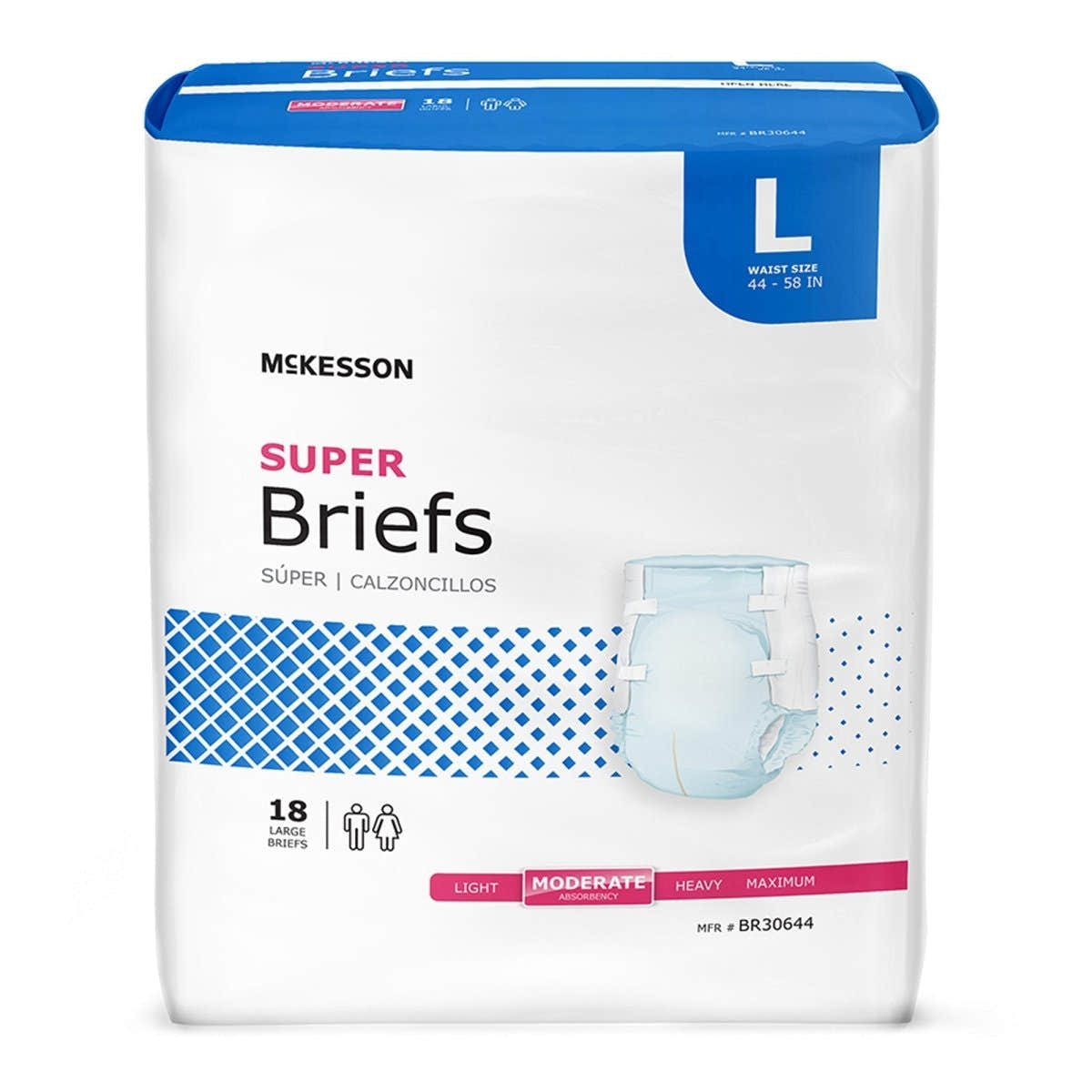
Tab briefs, sometimes called adult briefs or diapers with tabs, open completely at the sides. Adjustable tabs fasten around the waist, allowing the brief to be applied while the person is lying down, sitting, or standing. The tabs can usually be opened and refastened to improve fit during the day.
This design difference affects more than convenience. It can influence independence, caregiver workload, leakage protection, skin care routines, and the comfort of the person wearing the product.
When Pull Ups Are a Better Fit
Pull ups are often a practical choice for people who can stand independently or with limited assistance. Because they go on like underwear, they can preserve a familiar bathroom routine for adults who still use the toilet but need protection for urgency, occasional leaks, or moderate bladder leakage.
For many people, the underwear-style design feels less medical and more discreet under everyday clothing. A pull up can be a comfortable option for work, errands, travel, social activities, or overnight use when the wearer is able to manage changes in the bathroom. Look for a size that fits at the waist and hips without pinching at the legs. A product that is too loose may leak, while one that is too tight can feel uncomfortable and leave marks on the skin.
Pull ups are also useful for individuals who want to maintain as much independence as possible. If a person can pull clothing down, remove the used product, and put on a new one safely, protective underwear can support that routine. However, changing a pull up after a bowel movement or a heavy wetting episode may require removing pants and shoes, unless the side seams are torn. That can be inconvenient for someone with limited balance, arthritis, or reduced hand strength.
Absorbency varies significantly by product. Do not assume that every pull up is designed for light leakage. Some protective underwear options provide substantial overnight or extended-wear absorbency. Review the product's stated use, size range, and capacity guidance rather than choosing based on style alone.
When Tab Briefs Make More Sense
Tab briefs are generally easier to manage when a caregiver performs changes, when the wearer spends much of the day in bed or a chair, or when mobility is limited. Since the sides open fully, a caregiver can change the product without pulling it over the legs. This may reduce unnecessary movement for someone recovering from surgery, living with pain, or needing assistance with transfers.
The adjustable tabs are one of the biggest advantages. They let the caregiver customize the waist and leg fit, then check and refasten the brief as needed. A secure, comfortable fit helps the absorbent core stay close to the body and can reduce gaps that allow leakage. For people whose waist size changes due to swelling, weight changes, or positioning, that adjustability can be especially helpful.
Tab briefs are commonly selected for moderate to heavy incontinence, including situations where frequent changes are needed. They can also make bowel incontinence care more manageable because the brief opens flat for removal and cleanup. That said, absorbency still differs from one product to another. A tab brief is not automatically more absorbent than a pull up, so compare the individual product specifications.
Some people find tab briefs bulkier under fitted clothing or less familiar than underwear-style protection. For an active person who values privacy and can toilet independently, that trade-off may not be worthwhile. For home care where safe, efficient changes are the priority, the open-side design can be the more practical option.
Consider Mobility Before Absorbency Claims
Mobility is often the clearest starting point. A person who walks safely to the bathroom and dresses independently may prefer pull ups. Someone who needs help standing, cannot easily lift their legs, or remains in bed for long periods may be more comfortable in tab briefs.
It also helps to consider the caregiver's routine. Changing a pull up can take more repositioning, especially if pants must be removed. A tab brief can be placed under a person while they are lying down, then secured after gentle turning and positioning. This can be easier for both the caregiver and wearer when changes are frequent.
A mixed approach is common. Some households use pull ups during the day for independence and tab briefs overnight or during illness, recovery, and periods of reduced mobility. Keeping both styles on hand can prevent last-minute product substitutions when care needs change.
Fit, Leakage, and Skin Comfort
The right product should fit snugly without being restrictive. With pull ups, check that the waistband sits comfortably and the leg openings rest against the body without rolling or digging in. With tab briefs, fasten both sides evenly and avoid pulling the tabs so tightly that they cause pressure at the waist or hips.
Leaks are not always a sign that a product needs more absorbency. They can also happen because of an incorrect size, a gap around the legs, a product that has shifted during movement, or waiting too long to change it. If leakage occurs regularly, review the fit first, then consider a different absorbency level or style.
Prompt changes are essential for skin health, especially after bowel movements. Gently cleanse the area, pat skin dry, and use barrier products if they are part of the person's care plan. Persistent redness, open areas, pain, rash, or signs of infection should be discussed with a healthcare professional. No disposable product replaces regular skin checks and timely care.
How to Choose the Right Size
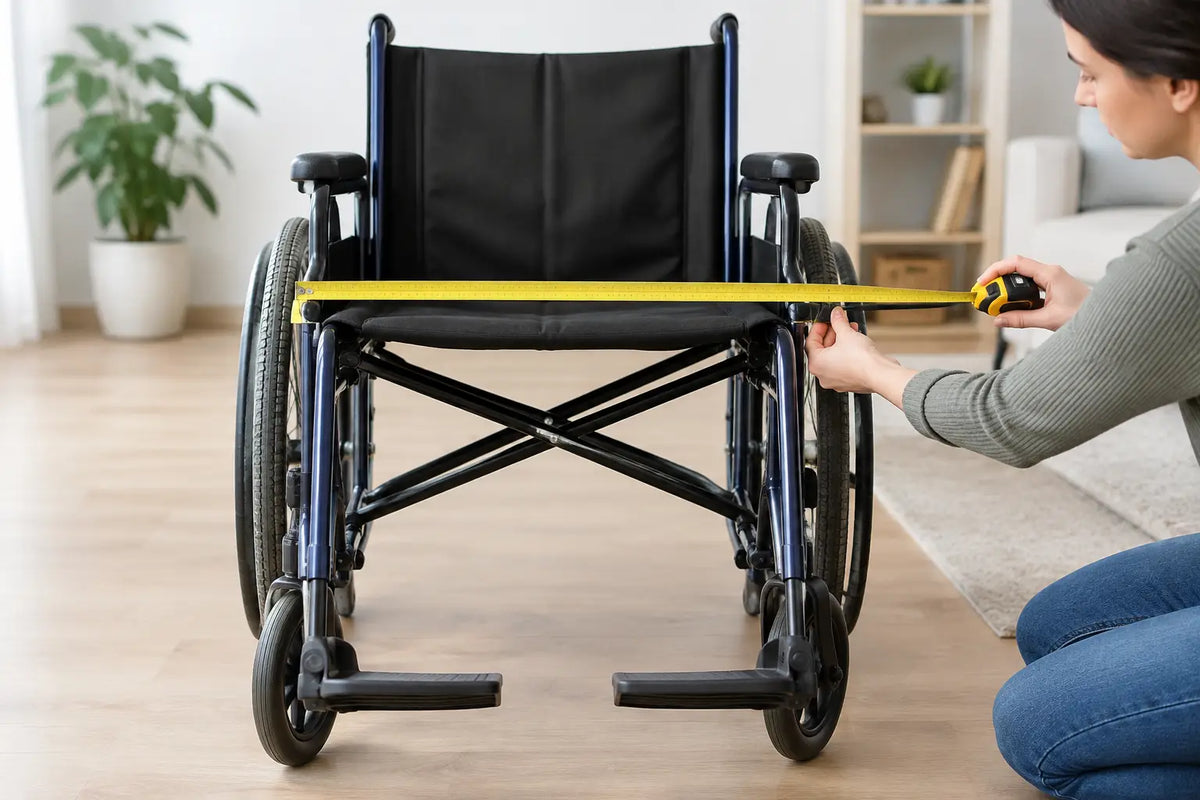
Sizing is not universal across brands. Measure the wearer's waist and hips, then use the larger measurement when reviewing the manufacturer's size chart. If the person falls near the top of a size range, trying the next size up may offer a more comfortable fit, but avoid sizing up so far that leg gaps form.
For tab briefs, consider both waist measurement and body shape. The tabs should overlap or meet within the designated landing zone without pulling excessively. For pull ups, the garment should pull on with reasonable effort but should not sag once in place.
A small trial order can be useful when switching brands or styles. Test the product during the time of day when leaks are most likely, such as overnight or after a long period away from the bathroom. Note whether the wearer stays dry, whether the product remains in position, and whether removal is manageable.
Choosing Between Pull Ups and Tab Briefs
Choose pull ups when the wearer is mobile, values underwear-like discretion, and can manage bathroom changes with little or no help. Choose tab briefs when adjustable fit, caregiver access, frequent changes, or bed-based care are the greater priority.
The answer can change over time. A person may need tab briefs after a hospital stay, then return to pull ups as strength and mobility improve. Caregivers may also find that one option works better during the day and another works better overnight. Ordering the right supplies is less about labels and more about making each change safe, comfortable, and manageable for the person receiving care.