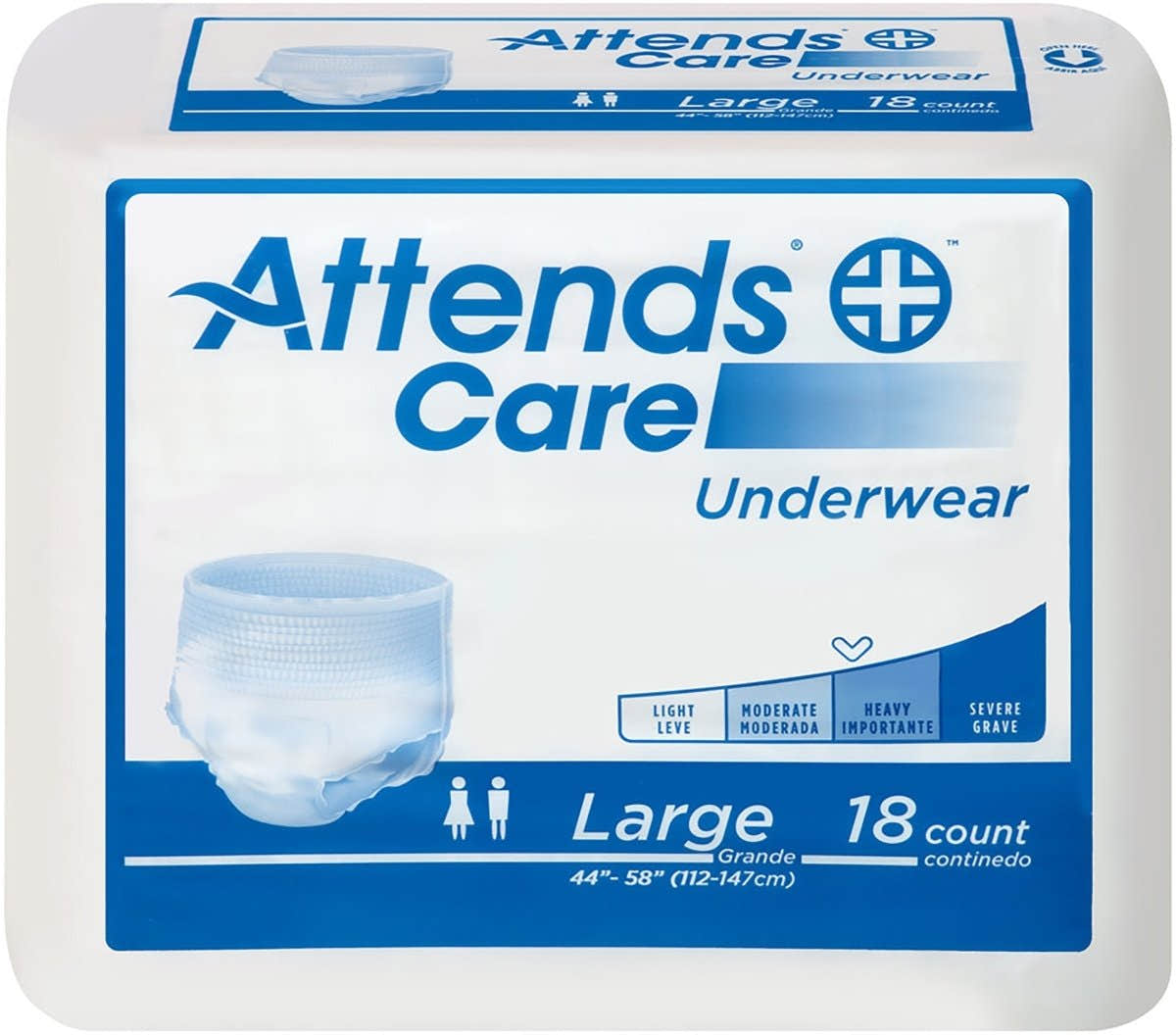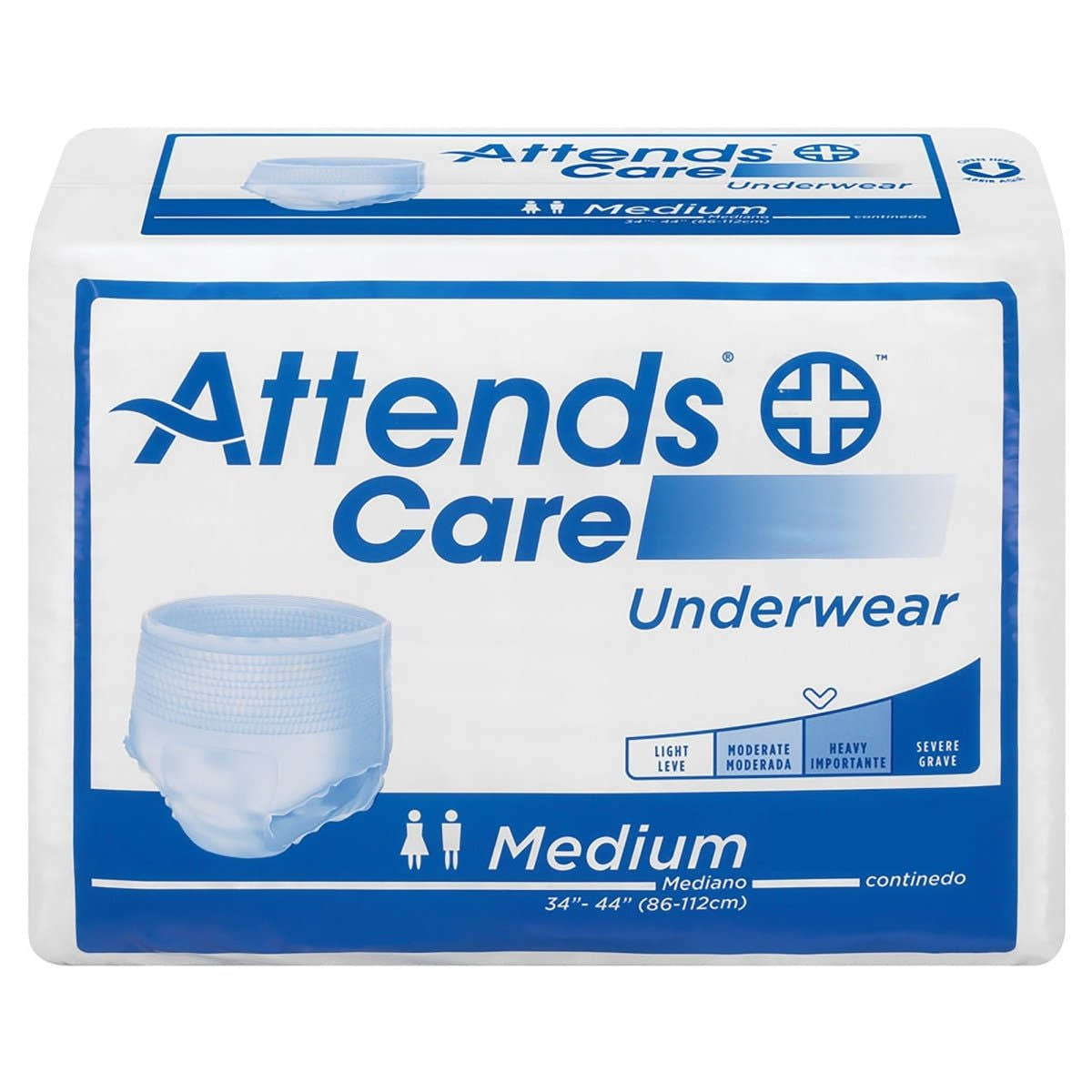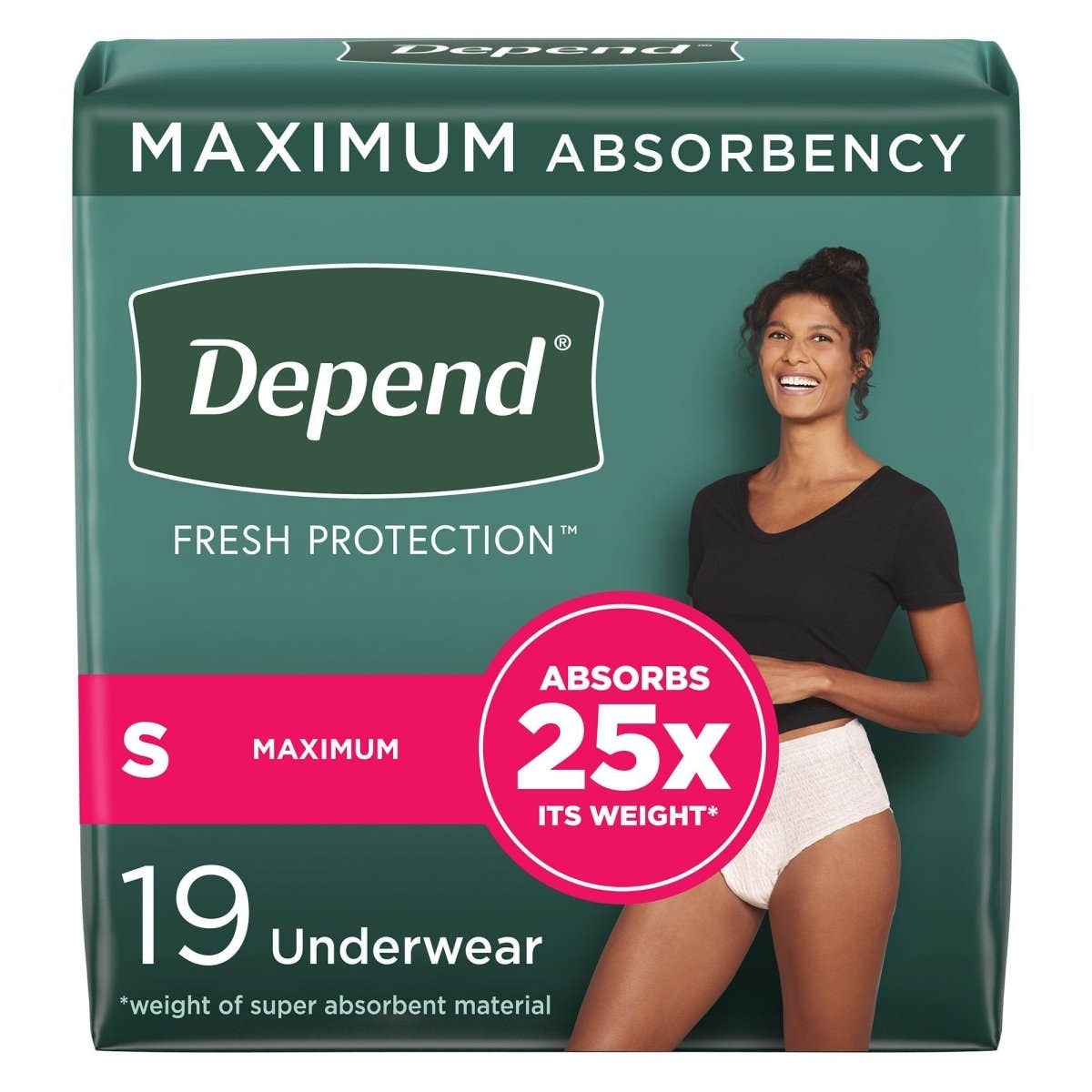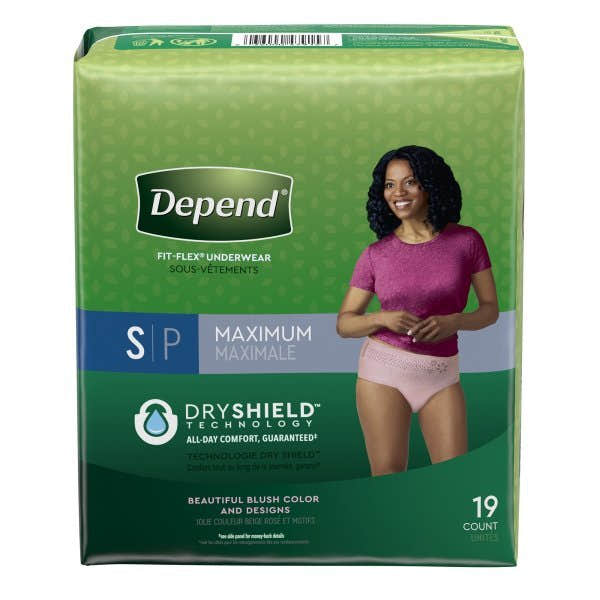

A product that works well overnight may feel bulky under daytime clothes. A pull-on style that is easy for one person to use may be difficult for someone with limited mobility. Knowing how to choose incontinence underwear starts with matching the product to the amount of leakage, the wearer’s daily routine, and the level of help available.
The right choice can make everyday care simpler, protect skin, and reduce the worry of leaks. It may take trying more than one option to find a reliable fit. That is normal, especially when needs change during recovery, illness, or aging.
How to Choose Incontinence Underwear for Daily Needs
Start with the type of incontinence protection you actually need, rather than choosing solely by the product name. “Underwear,” “brief,” and “protective underwear” are often used differently across brands. Product descriptions, absorbency levels, sizing charts, and features such as tabs or tear-away sides provide a clearer picture of what you are buying.
Think about when leaks happen and how much fluid is involved. Light bladder leakage from coughing, exercise, or a sudden urge usually calls for a different product than frequent, heavy urinary incontinence. If leakage occurs mostly at night, overnight protection with higher absorbency and more coverage may be a better fit than a standard daytime option.
Consider these four practical questions before ordering:
- Is leakage light, moderate, heavy, or occurring multiple times a day?
- Will the product be used during the day, overnight, or both?
- Can the wearer pull underwear up and down independently?
- Is there sensitive skin, limited mobility, bowel incontinence, or a need for caregiver changes?
Choose the Right Product Style
Incontinence products are available in several familiar formats. Each has advantages, and the best style depends on independence, comfort, and how often changes are needed.
Pull-on protective underwear
Pull-on protective underwear looks and wears most like regular underwear. It is a practical choice for people who can stand, balance, and manage clothing independently. Many people prefer this style for daytime use because it feels more natural under everyday clothing and can be pulled on without fastening tabs.
Some pull-ons have tear-away side seams for easier removal after a leak. This feature is especially helpful when a garment is heavily soiled or when bending and stepping out of the underwear is difficult. Pull-on underwear can be less convenient for a caregiver to change on someone who is lying down, since it usually requires removing pants and shoes or tearing the sides.
Adult briefs with tabs
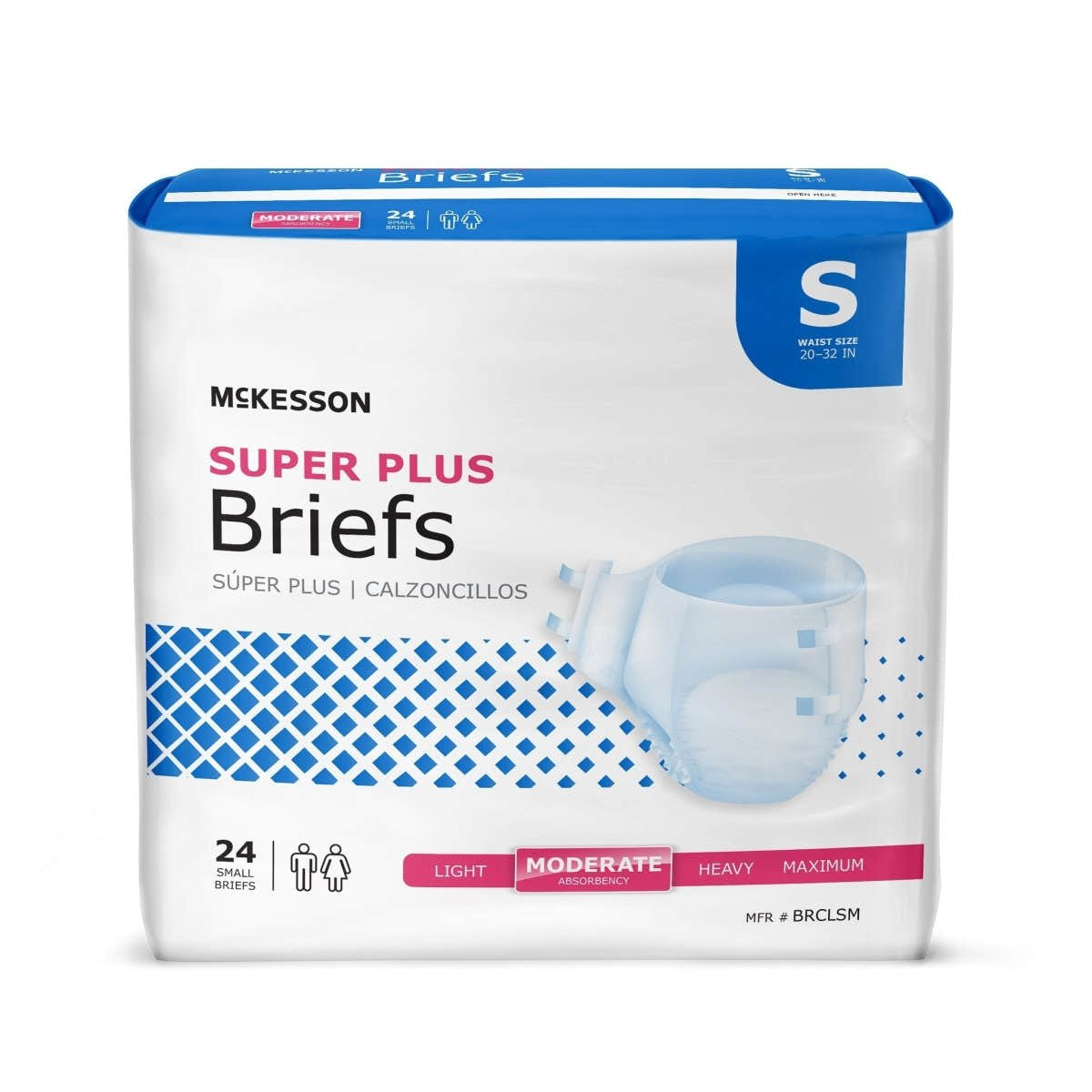
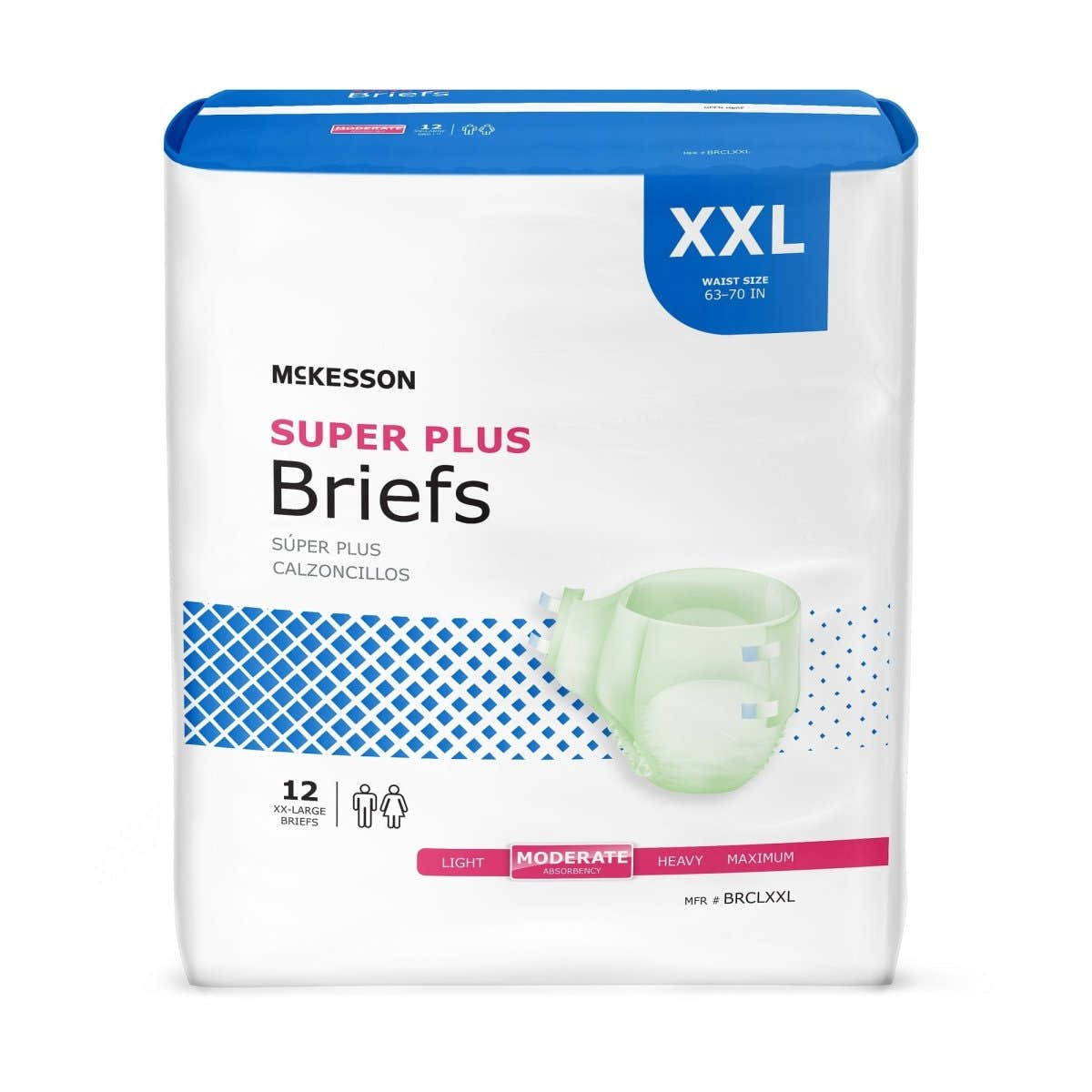
Adult briefs, sometimes called tab-style briefs, fasten at the sides. They are often the better option for heavier leakage, overnight use, limited mobility, or caregiver-assisted changes. Adjustable tabs allow a closer fit around the waist and legs, and the brief can be changed while the wearer is in bed or seated.
A tab-style brief can provide more security, but it may feel bulkier than pull-on underwear. For someone who is active and independent, that trade-off may not be worthwhile during the day. For someone who needs regular assistance, the easier changes can make a significant difference.
Disposable underwear versus reusable options
Disposable underwear is convenient for travel, recovery periods, frequent changes, and households that want to avoid laundry. It is typically designed for one use and is available at a wide range of absorbency levels.
Reusable incontinence underwear may suit very light leakage or occasional backup protection. It can feel more like traditional underwear, but it generally does not offer the same capacity as a disposable brief or protective underwear. Reusable products also need prompt washing and complete drying to help protect skin and control odor.
Pads and liners
Pads and liners are not underwear, but they can be a good choice for light leakage when worn inside close-fitting, regular underwear. They are generally less appropriate for heavy leakage, substantial overnight needs, or bowel incontinence. A pad that shifts or bunches can cause leaks and skin irritation, even if its stated absorbency seems adequate.
Match Absorbency to Leakage Level
Absorbency is one of the most important details when choosing incontinence underwear, but labels are not always standardized from one brand to another. Terms such as “maximum,” “super,” and “overnight” should be treated as useful starting points, not guarantees. Read the product’s stated capacity and intended use, then evaluate performance over a few wears.
For light leakage, a low-profile product can provide discretion without unnecessary bulk. Moderate protection may be appropriate for more frequent urges or leaks that occur before reaching the bathroom. Heavy or overnight protection is often needed when leakage is larger in volume, happens without warning, or occurs during sleep.
Using a product that is too absorbent can feel warm or bulky, especially during the day. Using one that is not absorbent enough can lead to leaks, wet clothing, and more frequent changes. If a daytime product works well but nighttime leaks continue, use separate products for each need rather than sizing up every daytime purchase.
Bowel incontinence may require a more protective, tab-style brief that can be changed quickly and securely. If new bowel incontinence, sudden worsening leakage, pain, fever, blood in urine, or skin breakdown occurs, contact a healthcare professional for guidance.
Get the Size and Fit Right
A larger size does not mean more absorbency. In fact, underwear that is too large is more likely to gap around the legs and leak. A size that is too small can feel restrictive, leave marks, irritate skin, and prevent the absorbent core from working as intended.
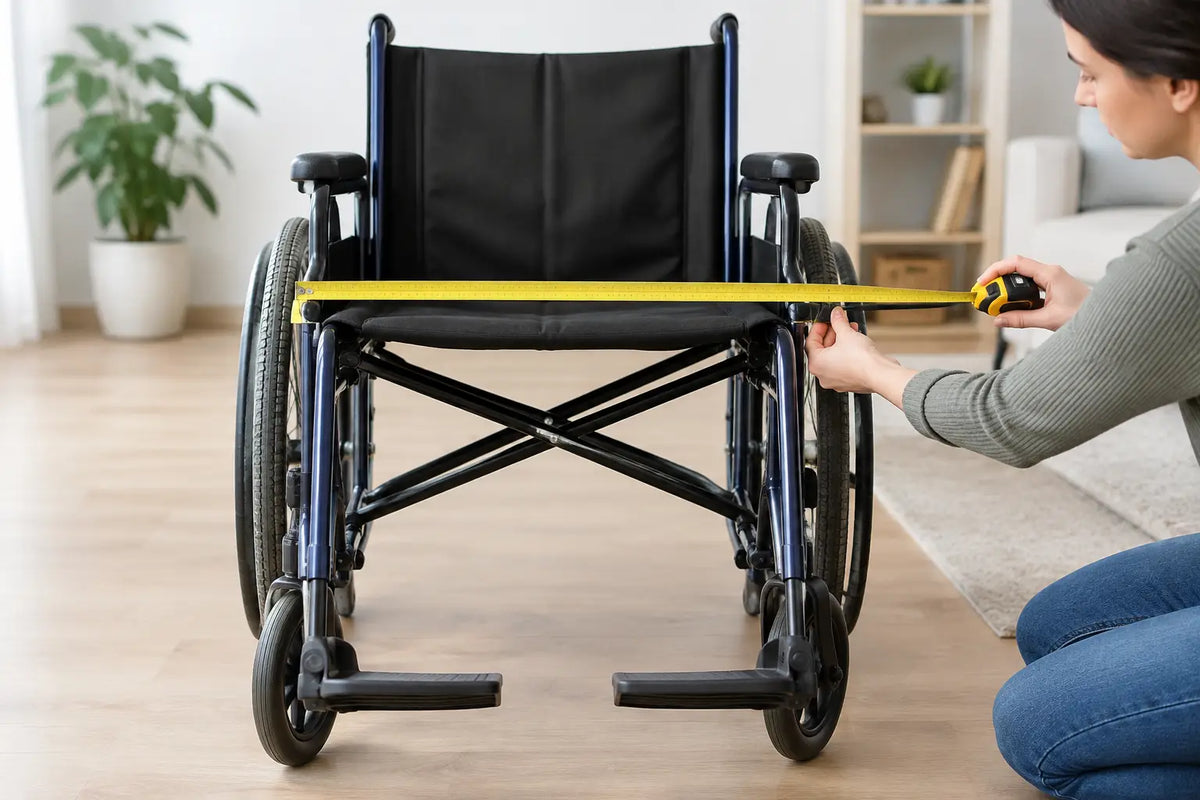
Use the manufacturer’s waist and hip measurements instead of relying on clothing size. When measurements fall between sizes, the product type and body shape matter. A person with a fuller abdomen or hips may benefit from the larger size, while someone needing a snug fit around the legs may do better with the smaller recommended option. With tab-style briefs, adjustable fasteners offer more flexibility than pull-on products.
A good fit should feel secure but not tight. The leg openings should rest close to the body without digging in. The waistband should sit comfortably without rolling, and the absorbent area should be centered where protection is needed. After putting it on, check that inner leak guards are standing up rather than folded flat.
If leaks happen at the legs, the problem may be fit rather than absorbency. If the product leaks through the center despite a close fit, a higher absorbency level or more frequent changes may be needed.
Look for Features That Support Comfort and Skin Care
The best incontinence underwear should not only contain leaks. It should help keep moisture away from the skin and remain comfortable through normal movement. Look for a soft inner lining, a breathable outer material, and moisture-wicking layers when skin sensitivity is a concern.
Wet skin is more vulnerable to irritation, especially for people who spend long periods sitting or lying down. Change soiled or wet products promptly, cleanse gently, and allow the area to dry before putting on fresh protection. A fragrance-free barrier cream may be helpful for people prone to irritation, but follow advice from a clinician if there are open areas, persistent redness, or a history of pressure injuries.
Odor-control features can add confidence, but they should not replace regular changes. Fragrance may be irritating for some people, so unscented products are often a better choice for sensitive skin.
Consider Mobility, Clothing, and Routine
A product can be highly absorbent and still be wrong for the wearer’s day. Someone who works, travels, or attends appointments may prioritize a slim profile, quiet materials, and a pull-on design. Someone recovering from surgery or receiving care in bed may need adjustable tabs and easier changes instead.
Think about the clothing worn most often. Fitted pants may work better with lower-profile protective underwear, while loose sleepwear can accommodate a more absorbent overnight brief. Keep a small supply of backup products in a bag, car, or bedside area so a change is available when it is needed.
For caregivers, consistency can make routine changes easier. Once you find a product that fits well, consider keeping a separate supply for daytime and nighttime use. Ordering enough for regular changes also helps avoid stretching a product beyond its intended use.
Try a Small Supply Before Stocking Up
Even when measurements and absorbency ratings look right, real-world use is the final test. Start with a smaller package when possible and try the product during the time of day it is meant for. Note fit, comfort, ease of changing, odor control, and whether clothing and bedding stay dry.
If a product does not work, identify why before switching. A leak at the leg suggests a sizing or style issue. A soaked core points to insufficient absorbency or a need for more frequent changes. Difficulty pulling the garment on may mean tab-style briefs are a more practical option.
Choosing incontinence underwear is not a one-time decision. Needs can change with medications, mobility, sleep patterns, recovery, and the amount of care a person receives. A dependable online source such as CartHealth can make it easier to compare product types and reorder the protection that supports a more comfortable daily routine.