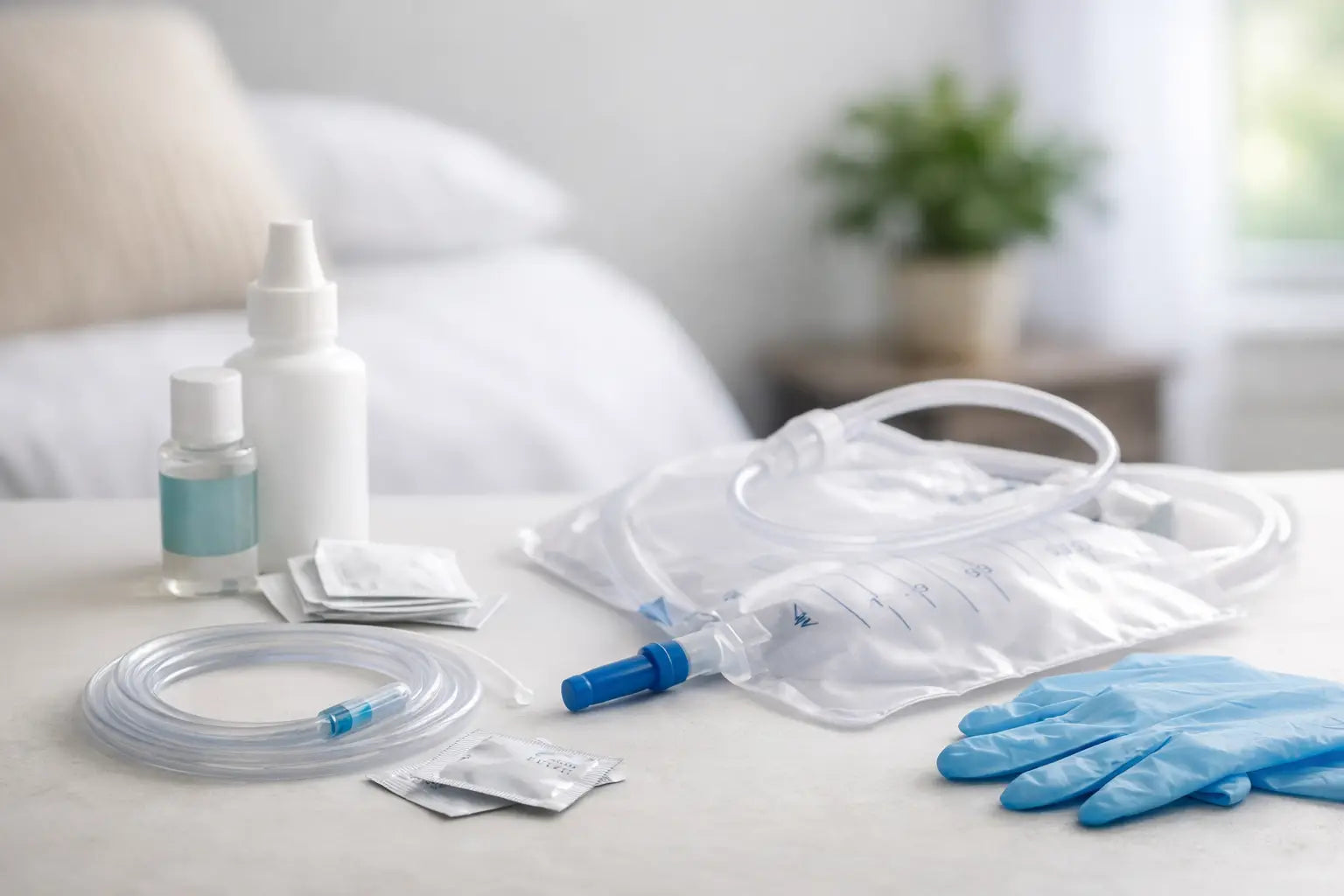
A catheter routine works best when the supplies are ready before they are needed. Whether you are managing your own care or helping a family member, having the right urinary catheter home supplies on hand can make daily care more comfortable, private, and predictable. The goal is not to stock every urology product available. It is to keep the products that match the catheter type, prescribed routine, and lifestyle of the person using them.
Start With the Catheter Type and Care Plan
The first step is identifying exactly what kind of catheter is being used. Supplies are not one-size-fits-all, and choosing based on appearance alone can lead to poor fit, leaks, skin irritation, or difficulty using the product.
An intermittent catheter is inserted to empty the bladder and then removed. People who use intermittent catheters may need a regular supply of single-use catheters, lubrication if the catheter is not pre-lubricated, and discreet disposal options. Some catheters are designed for travel, with compact packaging or included water packets, while others are better suited to use at home.
An indwelling catheter, often called a Foley catheter, remains in place and drains continuously into a collection bag. This setup usually involves a drainage bag, tubing, a securement device, and cleaning supplies for routine hygiene. A suprapubic catheter also drains continuously but enters through an opening in the lower abdomen rather than through the urethra. It may use similar drainage supplies, but site care should follow the instructions provided by the clinician.
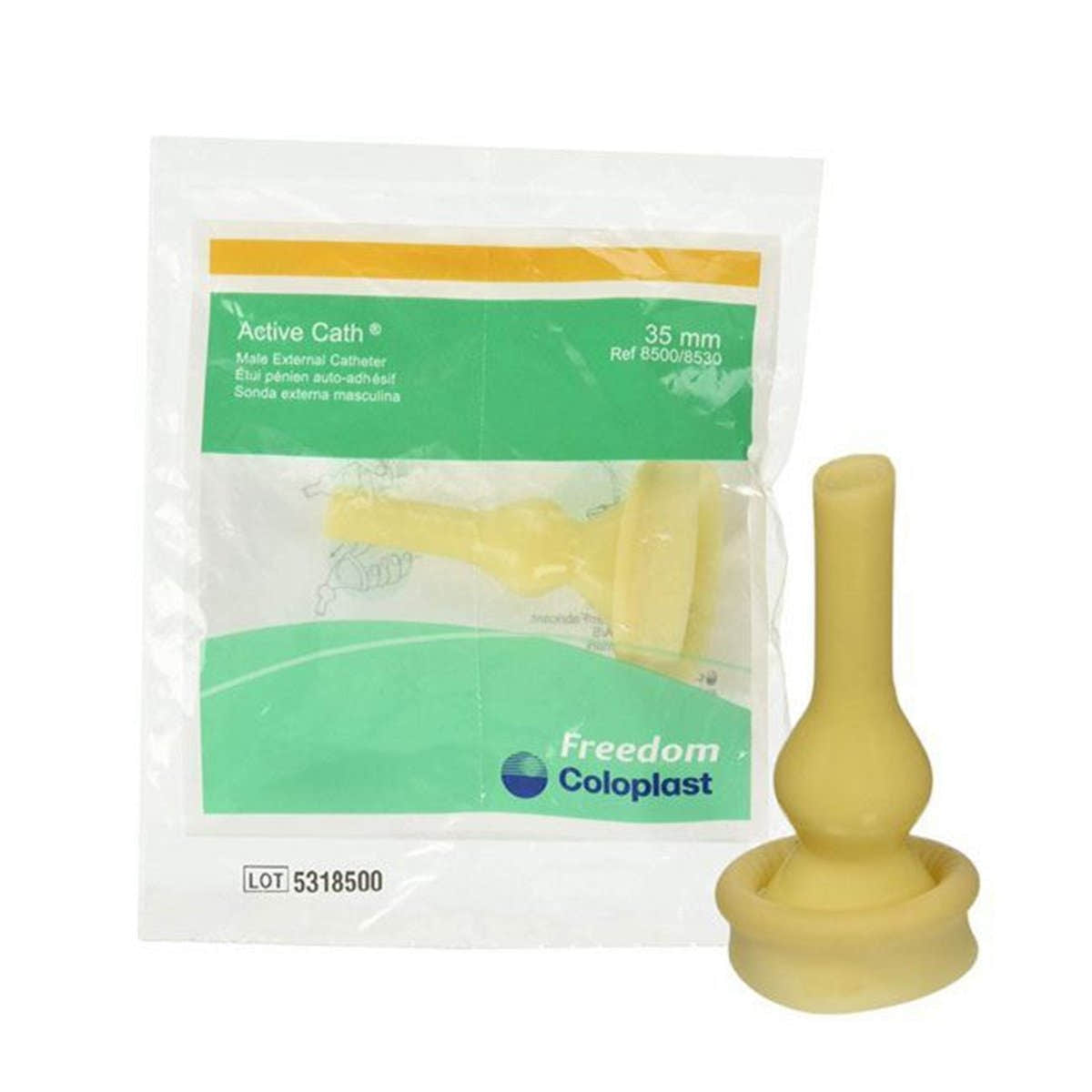
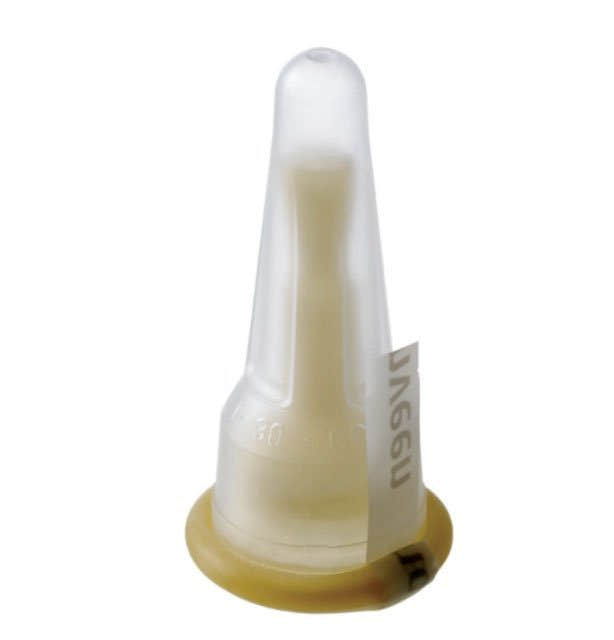
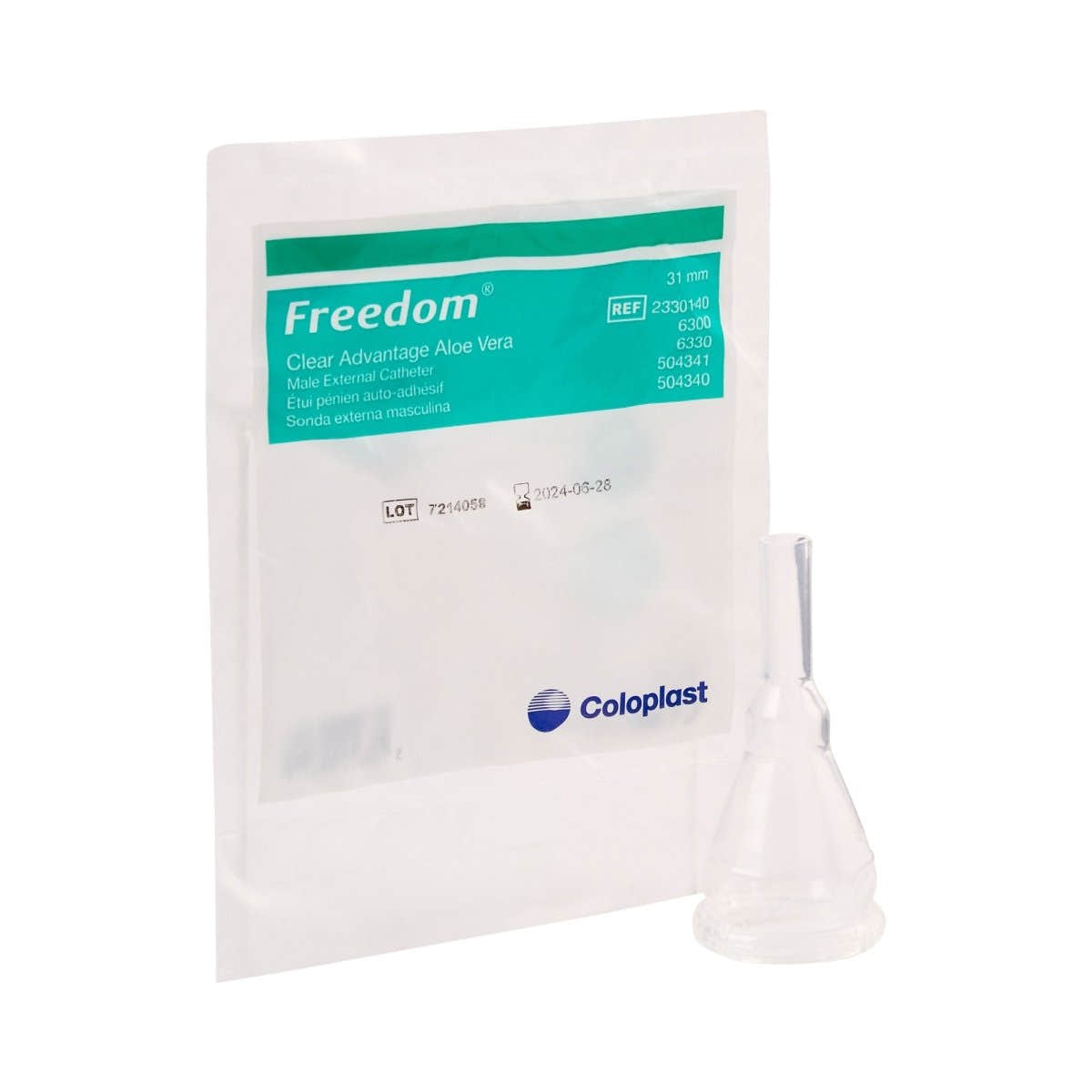
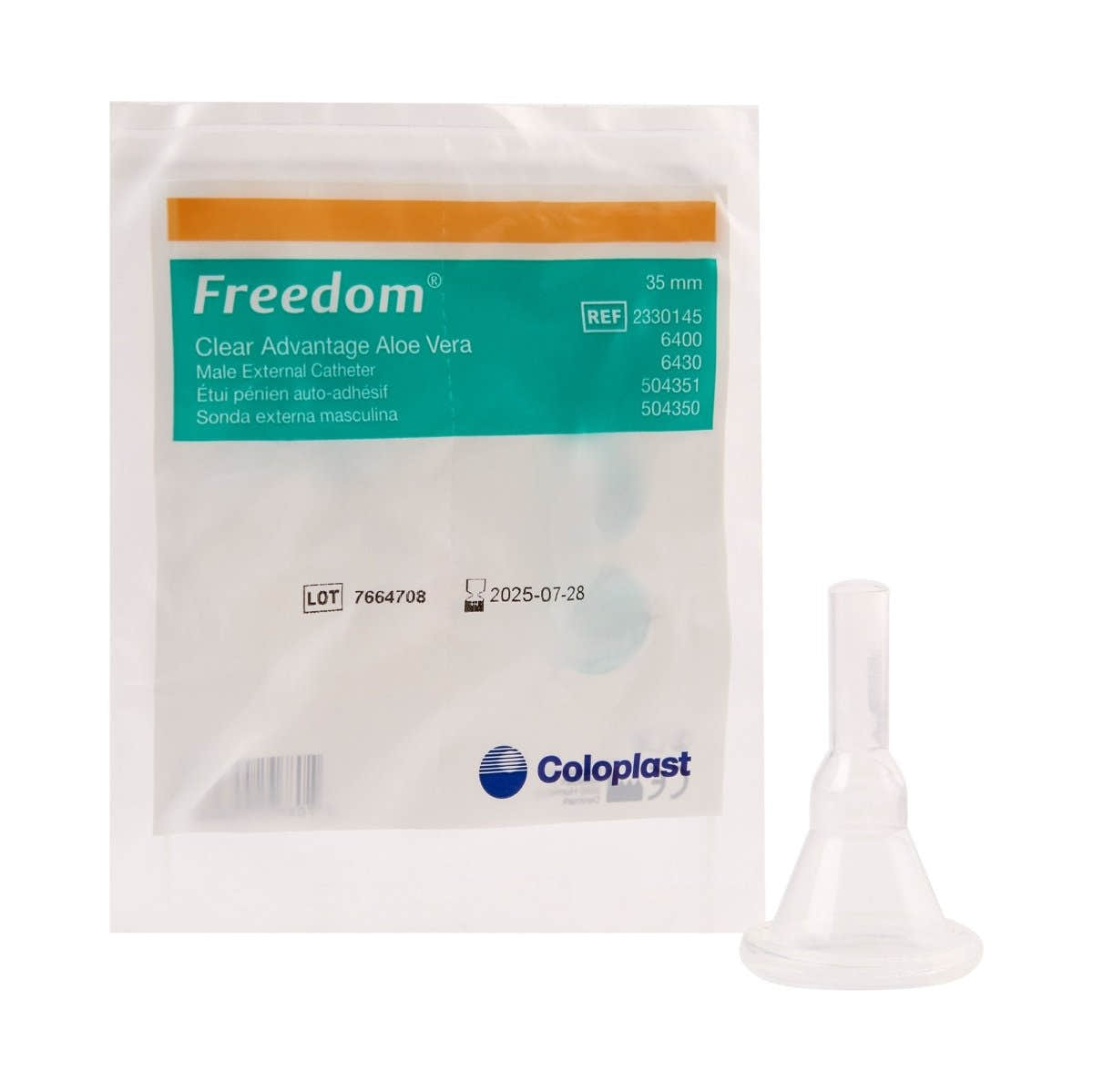
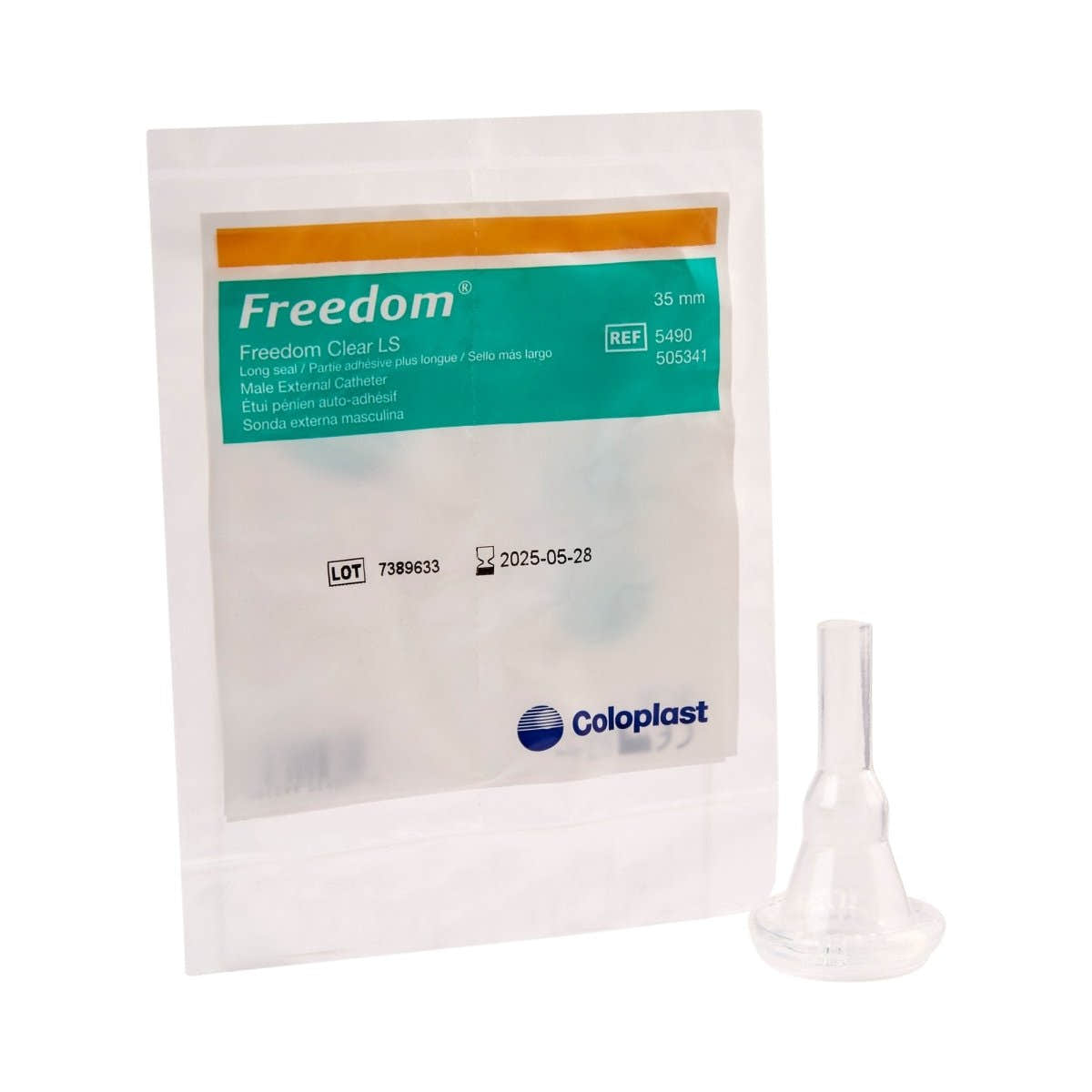
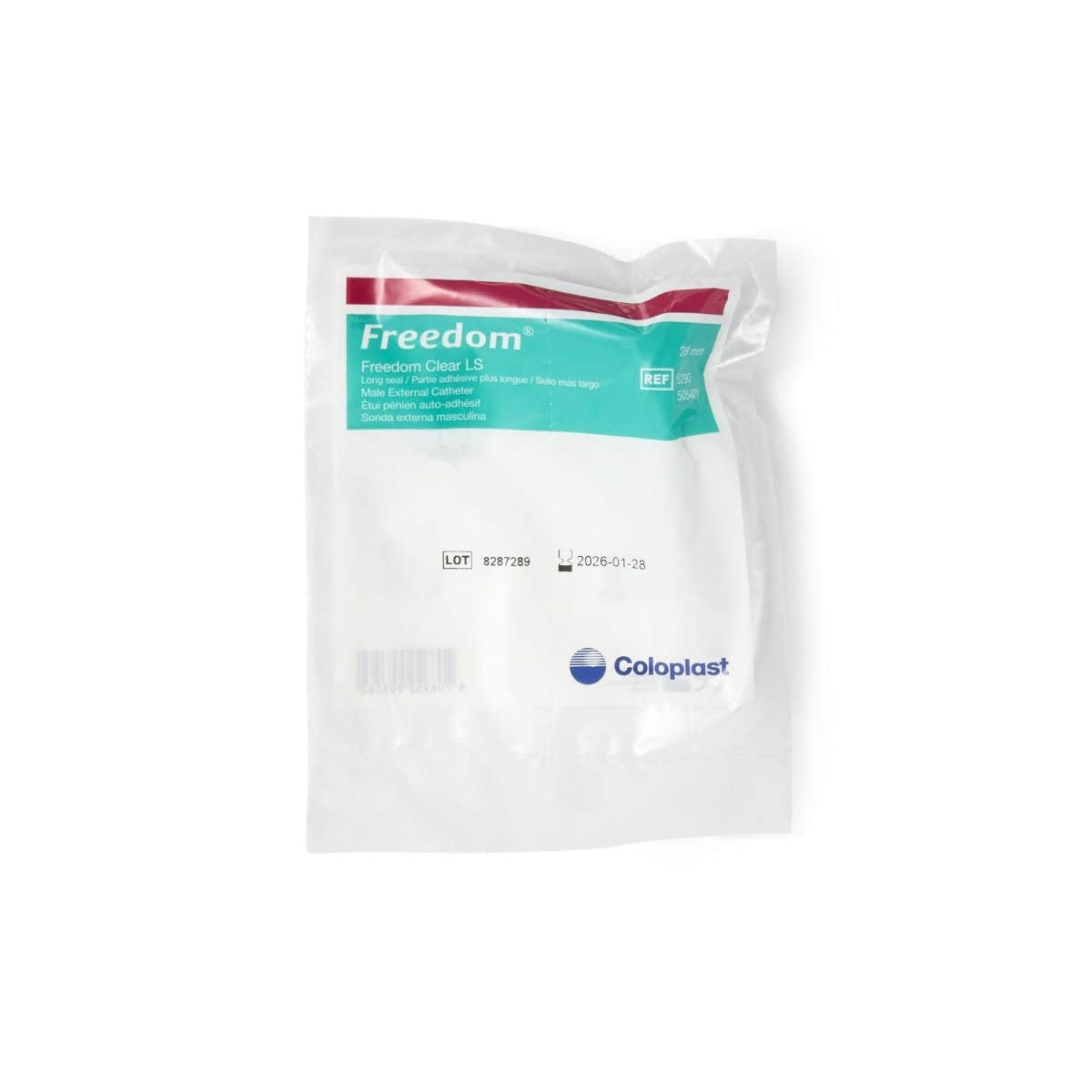
External catheters, sometimes called condom catheters, are worn over the penis and connect to tubing and a drainage bag. Proper sizing is especially important. A product that is too tight may irritate the skin, while one that is too loose can slip or leak. If sizing is uncertain, contact the prescribing clinician or catheter manufacturer for guidance before ordering a large quantity.
Your care team should determine catheter style, French size, length, material, balloon size for indwelling catheters, and how often products should be changed. Keep this information written down or saved with your order history. It makes reordering much easier and gives caregivers a clear reference.
Essential Urinary Catheter Home Supplies
The supplies you need depend on your setup, but a well-organized home care area often includes these core items:
- Catheters: Use the prescribed type, size, length, and material. For intermittent use, consider whether a straight tip, coudé tip, hydrophilic catheter, or closed-system catheter was recommended.
- Drainage bags: Leg bags are designed for daytime mobility and can be worn under clothing. Larger bedside bags offer greater capacity for overnight use and generally stay below bladder level.
- Extension tubing and connectors: These may be helpful when a leg bag setup needs more flexibility or when replacing worn components. Only use compatible pieces intended for the system.
- Securement products: Leg straps, adhesive anchors, catheter holders, and stabilization devices can help prevent pulling on the catheter and reduce tugging during movement.
- Lubricant and cleansing products: Water-soluble lubricant may be needed for certain intermittent catheters. Gentle soap, clean washcloths, and skin-friendly cleansing products support routine hygiene.
- Disposable gloves and underpads: Gloves can be useful for caregivers or anyone who prefers an extra barrier during handling. Underpads protect bedding, chairs, and car seats from an unexpected leak.
- Urine collection accessories: Measuring containers may be needed when a clinician asks for output tracking. A clean container reserved only for this purpose is generally easiest to manage.
Daytime and Overnight Drainage Needs
Many people with indwelling, suprapubic, or external catheters use two bag sizes during the day. A smaller leg bag supports mobility and can be concealed under loose clothing. At night, a larger bedside drainage bag limits the need to empty the bag while sleeping.
The transition between bags should follow the instructions from the healthcare professional and the product manufacturer. Keep connections clean, avoid placing the bag on the floor, and make sure tubing is not bent, twisted, or trapped under clothing or bedding. A drainage bag should stay lower than the bladder to support drainage and reduce backflow risk.
For people who spend most of the day in bed or a recliner, a bedside bag may be the more practical choice. For people who walk, work, attend appointments, or run errands, a leg bag and reliable straps can make daily activity feel more manageable.
Build a Routine That Makes Reordering Easier
Catheter supplies are recurring needs, so waiting until the last catheter or drainage bag is in use can create unnecessary stress. A simple inventory routine helps prevent gaps.
Keep unopened supplies in a clean, dry storage area away from direct heat and moisture. A labeled bin or shelf can separate daytime products, nighttime products, cleaning items, and backup supplies. This is especially helpful when more than one caregiver helps with care.
Check quantities on a set schedule, such as once a week or when opening the last box. Count the items that are used most often, including catheters, drainage bags, straps, lubricant, and underpads. Consider delivery timing too. It is wise to reorder before the supply is nearly gone, particularly around holidays, severe weather, or travel dates.
For convenience, keep the exact product details with your records: brand, product name, size, item number, and preferred quantity. If a product is working well, reordering the same item can reduce trial and error. CartHealth makes it easier to shop across urology, incontinence, patient care, and other home health categories in one place when a household has more than one ongoing care need.
Comfort and Skin Protection Matter
A catheter setup should be functional, but it should also be comfortable enough for daily life. Tugging, pressure, moisture, and poorly fitted straps can all affect the skin. Securement products should hold tubing in place without feeling overly tight. Rotating the placement area when appropriate may help avoid repeated pressure in one spot.
For external catheters, check the skin regularly for redness, swelling, soreness, or breakdown. For indwelling and suprapubic catheters, follow the clinician's instructions for cleaning around the catheter entry area. Use only products approved for the care routine, since harsh cleansers, powders, or ointments may cause irritation or interfere with adhesion.
Leaks are not always a sign that a larger bag is needed. They can result from a kinked tube, a full bag, a loose connection, a catheter position issue, constipation, bladder spasms, or an incorrect external catheter size. If leaking is frequent or new, it is worth discussing with a healthcare professional rather than repeatedly changing products without guidance.
When to Call a Healthcare Professional
Home supplies support routine care, but they do not replace medical advice. Contact a healthcare professional promptly for fever, chills, new or worsening pain, blood in the urine beyond minor spotting after a recent catheter change, foul-smelling or unusually cloudy urine with symptoms, no urine draining when the bladder feels full, or a catheter that has fallen out.
Seek urgent medical guidance if there is severe lower abdominal pain, significant bleeding, confusion in an older adult, or signs of an allergic reaction. Do not force a catheter, attempt to reinsert an indwelling catheter without training, or change a prescribed catheter schedule on your own.
A dependable supply routine gives people and caregivers more room to focus on comfort, mobility, and the rest of the day. Keep the products that fit the prescribed plan close by, reorder before supplies run low, and ask for help whenever a change in symptoms or catheter performance does not feel routine.