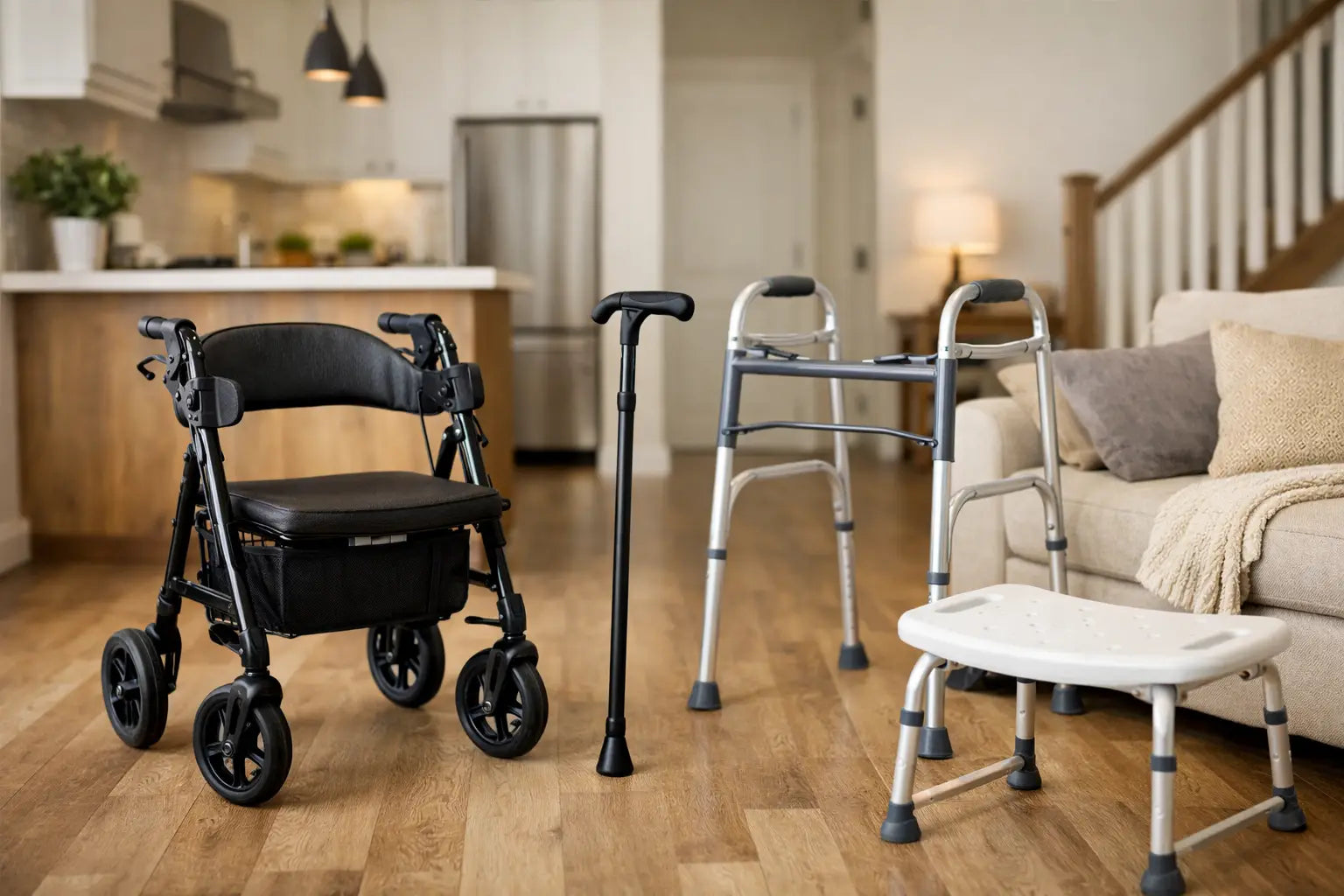
A trip from the bedroom to the bathroom should not feel like a high-risk task. The right mobility aids can make familiar routines - getting dressed, preparing lunch, stepping outside, or moving from a chair to a bed - feel steadier and less exhausting. For many adults and caregivers, the goal is not simply getting from one place to another. It is preserving comfort, confidence, and as much independence as possible at home.
The best choice depends on the person, the space, and the type of support needed. A cane may be enough for occasional balance support, while someone recovering from surgery may need a walker, shower chair, or transfer device for a period of time. Choosing thoughtfully can help avoid equipment that is difficult to use, poorly sized, or left unused in a corner.
Start With the Movement That Needs Support
Before comparing product types, consider where mobility feels difficult. Is the concern pain in one knee, weakness after a hospital stay, poor balance, fatigue during longer walks, or difficulty standing from a low chair? A mobility aid should address that specific challenge rather than add more complexity to the day.
It also helps to think through the full routine. Someone may walk safely through a wide hallway with a standard walker but struggle with a narrow bathroom doorway. A person who uses a wheelchair outdoors may still need a bedside rail or a raised toilet seat for safer transfers indoors. Looking at daily movement as a sequence often reveals needs that are easy to miss.
When mobility changes suddenly, ask a doctor, physical therapist, or occupational therapist for guidance. They can help determine the right equipment, fit, and safe technique, especially after surgery, a fall, stroke, or significant illness. For ongoing needs, a caregiver can also observe when and where the person reaches for furniture, loses balance, or needs extra help.
Common Mobility Aids and When They Help
Canes for light balance support
A cane is often a practical option for someone who can walk independently but needs a little extra stability or help taking weight off one leg. Standard single-tip canes are lightweight and easy to use on level indoor surfaces. Quad canes have a wider base and may offer more standing stability, though they can be less convenient on stairs or uneven ground.
Proper height matters. When standing upright with arms relaxed, the cane handle should generally align near the wrist crease. A cane that is too tall can strain the shoulder; one that is too short can encourage leaning. Cane tips also wear down over time, so checking the rubber tip for smooth spots or cracks is a simple but meaningful safety habit.
Walkers for greater stability
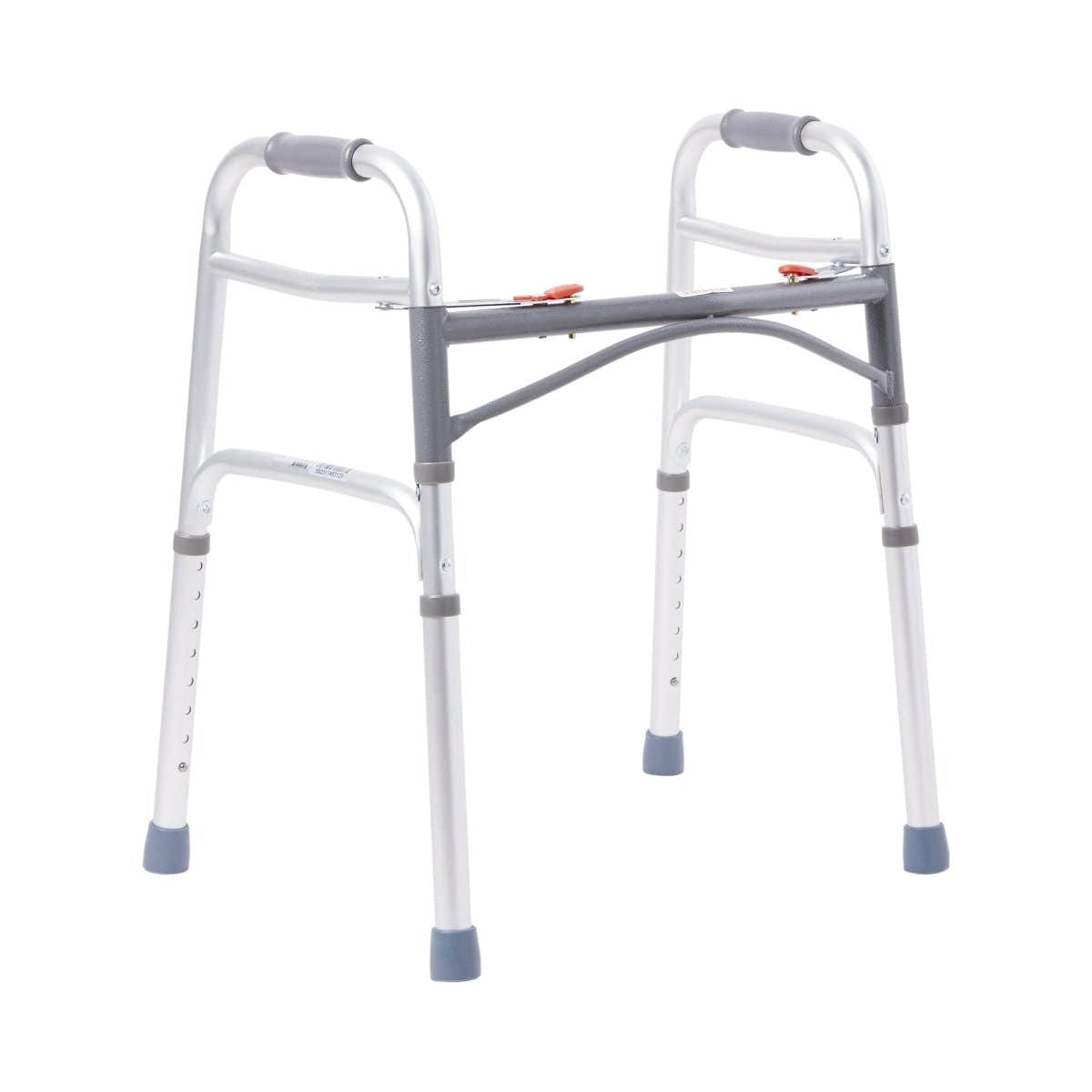
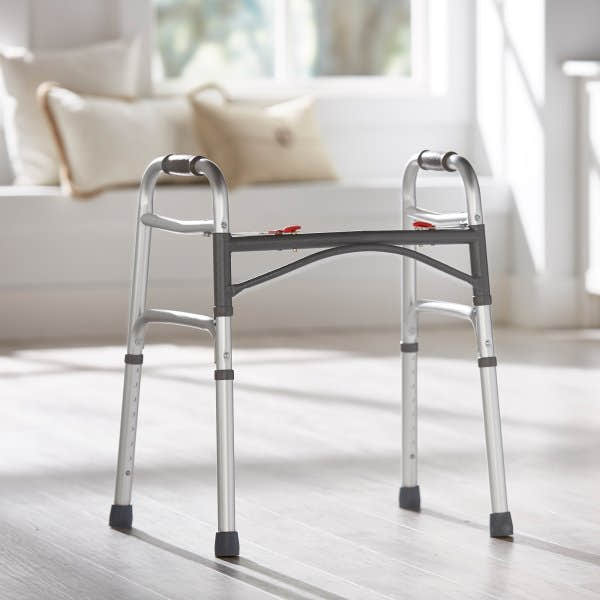
Walkers provide a broader base of support than canes. A standard walker is often useful for people who need to place substantial weight through their arms or who are still rebuilding strength. It requires lifting the frame slightly with each step, which can be tiring for some users.
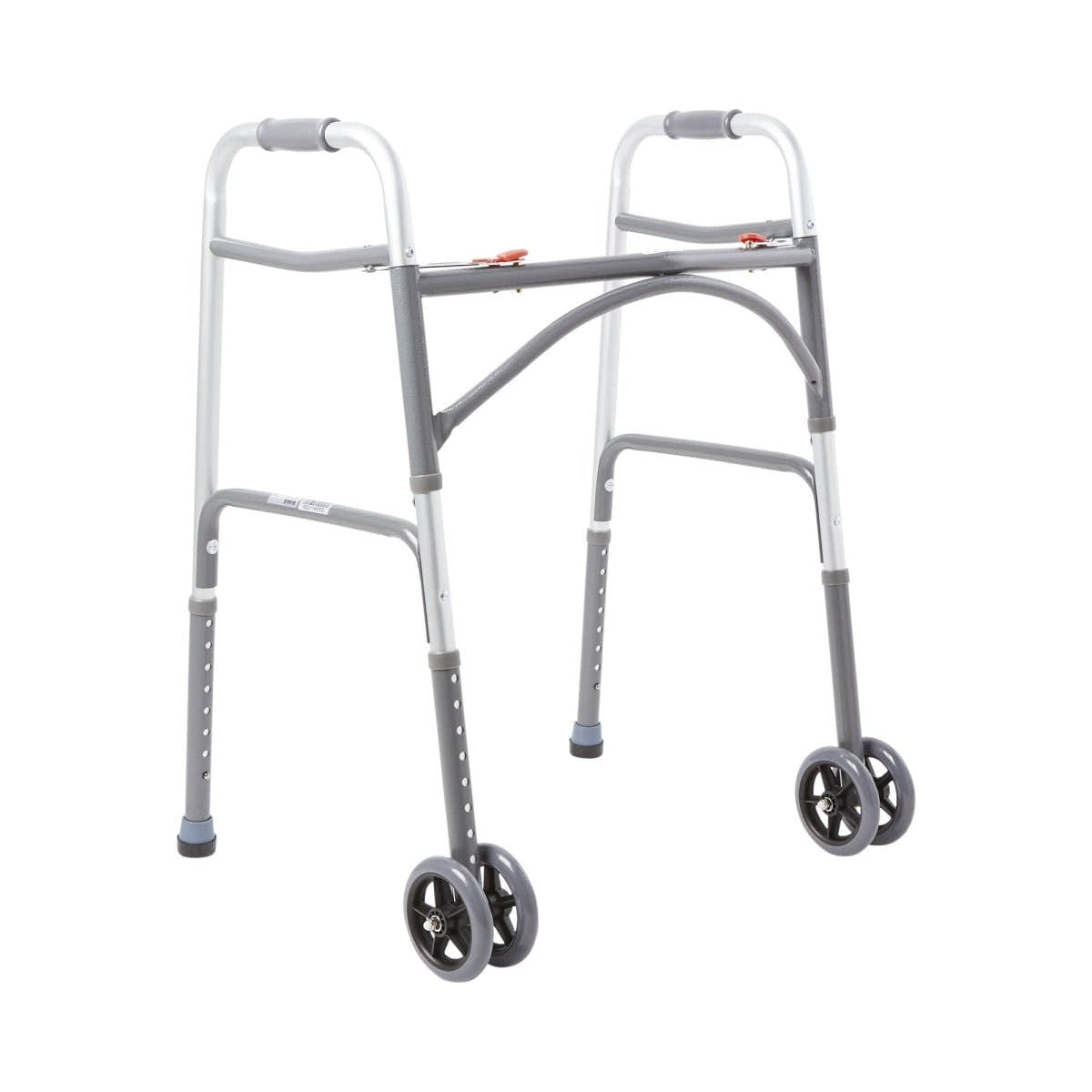
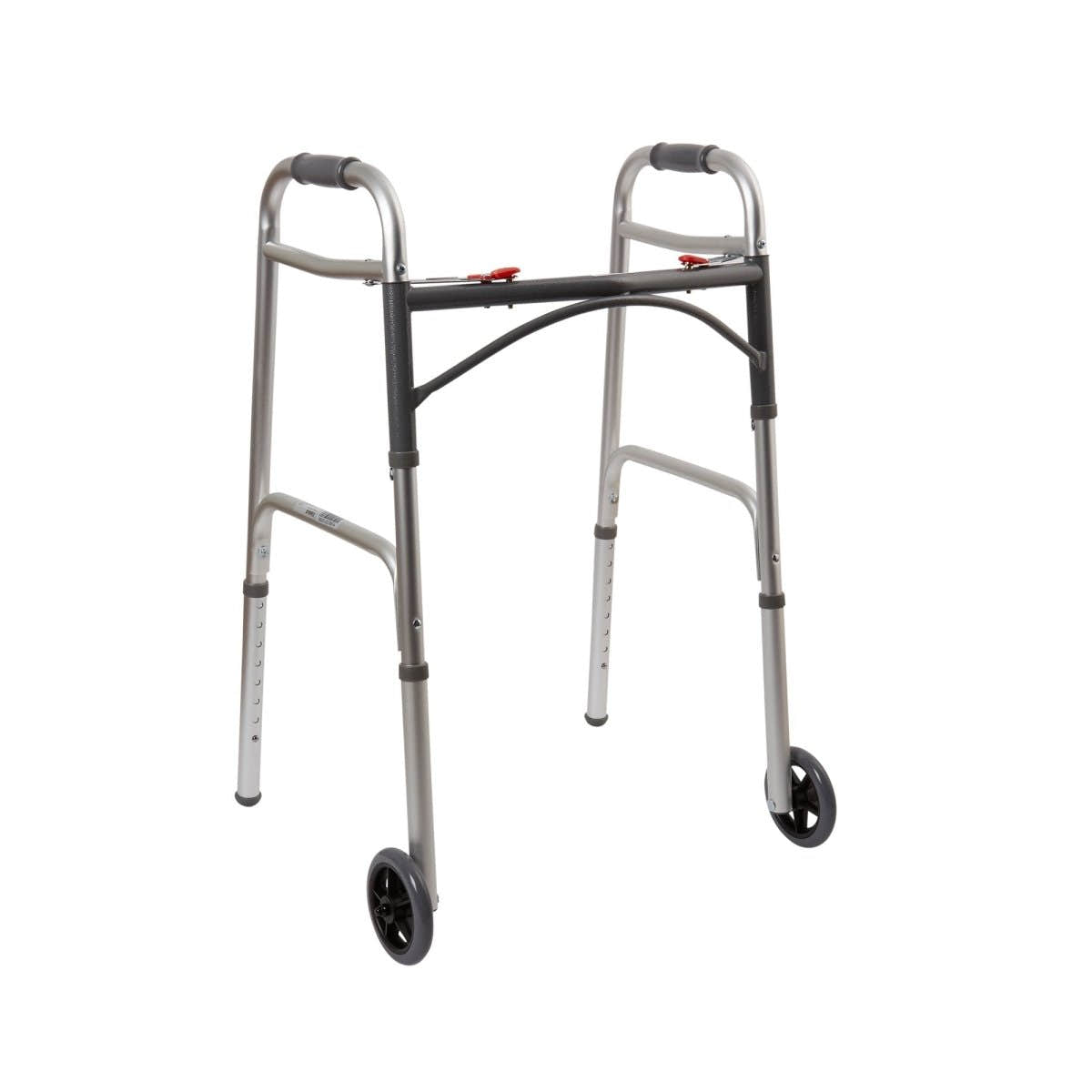
Two-wheel walkers reduce the need to lift the frame and work well for many indoor settings. Four-wheel rollators are easier to push over longer distances and usually include hand brakes, a seat, and a storage pouch or basket. That convenience comes with a trade-off: rollators move more freely, so reliable hand strength, brake use, and good judgment are essential. A rollator is not designed to provide the same level of weight-bearing support as a standard walker.
Wheelchairs and transport chairs for seated mobility
A wheelchair can support people who cannot walk safely or comfortably for needed distances. Self-propelled manual wheelchairs have large rear wheels that allow the user to move independently when upper-body strength and coordination permit. Transport chairs are typically lighter and easier for a caregiver to push, but their smaller wheels are not intended for independent propulsion.
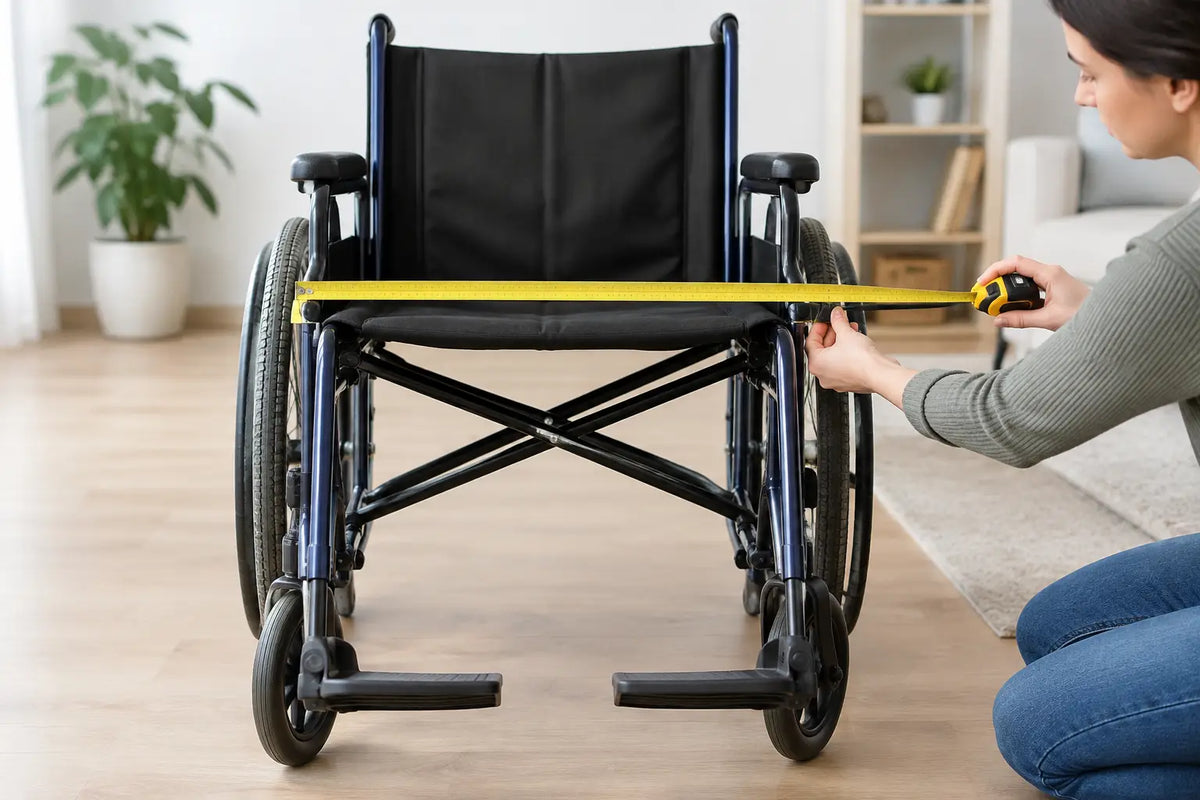
Measure doorways, hallways, and vehicle storage space before selecting a chair. Seat width, weight capacity, footrest style, armrest height, and folded size all affect everyday use. For a person who spends extended time in a wheelchair, seating comfort and pressure management deserve particular attention. A healthcare professional can help identify whether specialized cushions or positioning supports are needed.
Transfer and bathroom supports
Walking equipment is only one part of safe movement at home. Transfers - moving between a bed, chair, toilet, shower, or vehicle - are often where falls happen. Bed rails, transfer poles, gait belts, raised toilet seats, toilet safety frames, shower chairs, and bathtub transfer benches can reduce the effort required during these transitions.
Each item should be matched to the environment. A shower chair may work well in a walk-in shower, while a transfer bench is often more helpful for stepping over a tub wall. Grab bars should be securely installed, not replaced with towel bars or suction accessories that may not bear body weight. For caregivers, transfer tools can also reduce the risk of back strain when assisting someone who needs hands-on support.
How to Choose Mobility Aids for the Home
A product may look appropriate online yet be a poor match for the person or the room. Focus on a few practical details before ordering.
First, confirm the user’s height and weight requirements. Adjustable equipment still has a safe fitting range, and every product has a listed weight capacity. Do not assume that a heavier-looking frame automatically provides better support. The right fit and correct use matter more than bulk.
Next, consider the floor plan. Measure narrow doorways, tight turns, toilet clearances, and the space beside the bed. For rollators and wheelchairs, include room to turn around, not just room to pass through. If thresholds, rugs, cords, or pet toys interrupt common walking paths, remove or address those hazards before relying on a new device.
Then, think about the user’s hands and energy level. Brakes, folding mechanisms, footrests, and seat belts should be manageable without pain or confusion. A lightweight device may be easier to lift into a car, but it may not offer the durability or stability required for daily use. The right answer is often a balance between portability and support.
Finally, plan for where the equipment will live. A walker kept across the room cannot help during an urgent nighttime bathroom trip. A shower chair should not block access for other household members. A small amount of planning helps equipment become part of the routine rather than another obstacle.
Safe Use Matters as Much as the Equipment
New equipment takes practice. The first few uses should happen in a clear, familiar area, ideally with a caregiver or clinician nearby if the person is unsteady. Follow the manufacturer’s instructions, especially for brakes, folding frames, and weight limits.
For walkers and rollators, users should avoid pulling up on the device to stand unless it is specifically designed for that purpose. A stable chair with armrests, a bed rail, or another appropriate support may be safer. Rollator brakes should be locked before sitting on the seat and before standing up. Wheelchair footrests should be moved aside during transfers when appropriate, and wheel locks should be engaged before getting in or out.
Regular checks prevent small problems from becoming safety concerns. Inspect wheels, brakes, handles, rubber tips, screws, and seat fabric. Clean equipment according to product directions, especially bathroom items that are exposed to moisture. Replace worn parts promptly rather than waiting for a complete failure.
Making Home Mobility More Manageable
Mobility equipment works best alongside a home setup that supports safe movement. Keep frequently used items within easy reach, improve lighting near beds and stairs, and use non-slip surfaces where moisture is common. Supportive shoes can also make a noticeable difference, particularly for people who tend to walk in loose slippers or socks.
For caregivers, it is reasonable to reassess needs as recovery or health changes. A temporary walker after joint surgery may no longer be necessary in several weeks. On the other hand, a person whose endurance is declining may benefit from adding a rollator seat or a transport chair for appointments and outings. Needs are not fixed, and equipment should not be either.
CartHealth makes it easier to shop for home health essentials across mobility, bathroom safety, orthopedics, and everyday care needs in one place. When selecting equipment, prioritize the products that make the next ordinary task safer - whether that is standing at the sink, crossing the living room, or getting a good night’s rest without worrying about the trip to the bathroom.