
A wet brief, damp bedding, or urine around the catheter can be frustrating, especially when you are managing care at home. Catheter leakage causes are not always obvious, but the pattern of leaking can offer useful clues. A leak may come from around the catheter, from a loose drainage-bag connection, or from a bag that is not draining as it should.
For a person with an indwelling urinary catheter, a small amount of leakage may be called bypassing. It does not automatically mean the catheter needs to be replaced, but it does deserve attention. Start with a few safe checks, protect the skin from moisture, and contact the prescribing clinician when symptoms suggest a blockage, infection, or catheter problem.
Common Catheter Leakage Causes
A kinked tube or poor drainage
Urine needs a clear path from the bladder through the catheter tubing and into the drainage bag. If tubing is bent, twisted, pinched by clothing, or caught under a leg or wheelchair, urine can back up and leak around the catheter instead.
Check that the tubing follows a gentle path without sharp bends. The drainage bag should stay below bladder level and should not rest on the floor. Avoid placing the bag on a bed or chair where it may rise above the bladder when the person changes position. A full bag can also slow drainage, so empty it according to the care plan before it becomes heavy or overfilled.
Bladder spasms
The bladder can contract around the catheter, forcing urine around the outside of the tube. These contractions, known as bladder spasms, may feel like cramping, pressure, an urge to urinate, or discomfort in the lower abdomen. Some people have spasms without being able to describe the feeling clearly.
Spasms can happen after catheter placement, with irritation from the catheter, or alongside constipation or a urinary tract infection. A clinician may recommend an evaluation or medication if spasms are frequent, painful, or causing repeated leakage. Do not try to adjust or remove the catheter balloon at home.
Constipation putting pressure on the bladder
A full bowel can press against the bladder and catheter, making drainage less effective and increasing leakage. This is especially common for people with reduced mobility, low fluid intake, certain medications, or a history of bowel irregularity.
Pay attention to changes in the usual bowel routine. Follow the person’s clinician-approved bowel plan, including any recommended fluids, dietary changes, stool softeners, or laxatives. Severe constipation, abdominal swelling, vomiting, or inability to pass stool requires prompt medical advice.
A partially blocked catheter
Sediment, mucus, blood clots, or mineral buildup can reduce catheter flow. This may lead to little or no urine in the bag while urine leaks around the catheter. Cloudy urine or debris alone does not prove a blockage, but it is useful information to share with the care team.
Never force fluid into a catheter or attempt irrigation unless a clinician has specifically taught you to do so and provided instructions. If the bag has stopped draining, check for kinks and bag position first. If there is still no drainage, call the clinician who manages the catheter, particularly if the person has bladder pain, fullness, or new agitation.
Catheter size, position, or balloon issues
A catheter that is too small for a person’s needs may allow more urine to pass around it. But using a larger catheter is not always the answer. A larger size can increase irritation and may worsen spasms or cause urethral injury. The right catheter type and size depend on the person’s anatomy, reason for catheter use, and clinical history.
Leakage can also occur if a catheter has moved, the balloon has deflated, or the catheter is nearing its scheduled change date. If the catheter appears to have slipped out, do not push it back in. Secure the tubing to reduce pulling, keep the area clean, and contact a clinician for guidance.
Loose connections or a damaged drainage bag
Sometimes the problem is not bladder leakage at all. Moisture near a connector, a cracked drainage bag, an open outlet valve, or a loose leg-bag strap can cause urine to escape. Look carefully at the tubing connection, bag seams, drainage port, and leg-bag attachment points.
If a drainage bag or tubing is damaged, replace it with the compatible supplies recommended for the catheter system. Keep the connection points clean, and avoid disconnecting the closed drainage system more often than necessary. Frequent disconnections can increase the chance of contamination.
How to Check a Leaking Catheter at Home
Begin with hand hygiene. Then look at where the wetness is coming from. Is urine leaking around the catheter at the urethra or suprapubic site, or is it coming from the tubing and bag? This distinction can help the clinician determine the next step.
Next, make sure the tubing is not bent and that the bag is lower than the bladder. Check whether urine is collecting in the bag and whether the bag needs emptying. Look for tension on the catheter from tight underwear, a leg strap, or tubing that is pulled too tightly.
If skin is exposed to urine, gently clean and dry the area. Change wet briefs, pads, clothing, or linens promptly. A moisture barrier product may be appropriate for people who experience repeated skin exposure, but use it only as directed and avoid getting creams or powders into the catheter insertion site.
Write down what you notice: when the leaking began, how much urine is reaching the bag, urine color or odor changes, recent bowel movements, fluid intake, pain, fever, and whether the catheter was recently changed. These details make a call to the clinician more productive.
When to Call a Clinician About Catheter Leakage
Contact the catheter care provider the same day if leakage is new and persistent, the catheter is not draining normally, or the person has recurring bladder spasms. Call sooner if there is new pelvic, lower abdominal, back, or flank pain; blood or clots in the urine; fever or chills; nausea; confusion; or a noticeable decline in how the person feels.
For older adults and people with dementia, infection or urinary retention may show up as sudden confusion, restlessness, unusual sleepiness, or behavior changes rather than a clear complaint of pain. These changes should not be brushed off as a normal part of aging.
Seek urgent medical care for severe abdominal pain or swelling, no urine drainage with signs of bladder fullness, heavy bleeding, a catheter that has come out when it cannot be readily replaced by a trained professional, or symptoms of a serious infection such as fever with shaking chills, weakness, or confusion.
Supplies That Can Make Home Catheter Care Easier
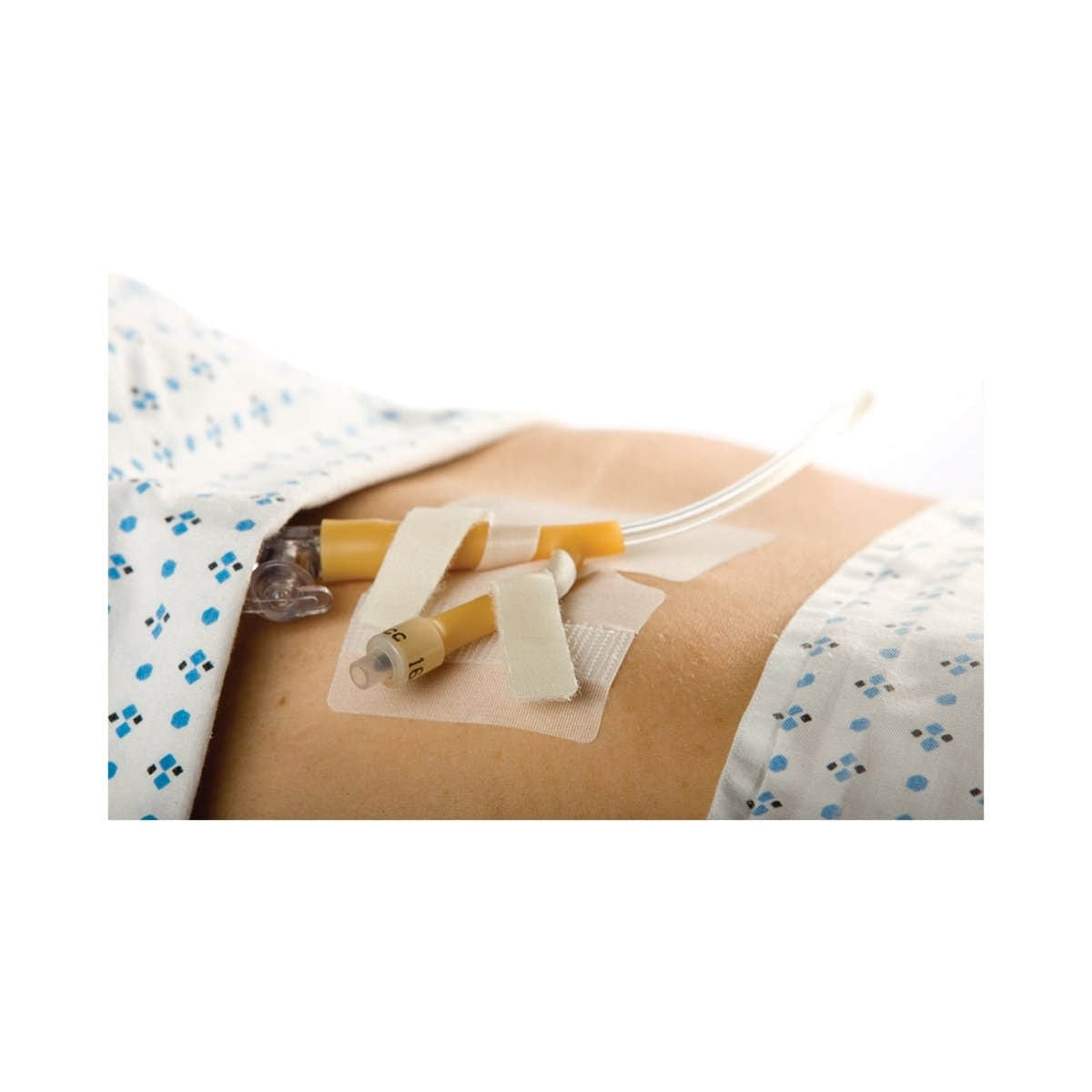
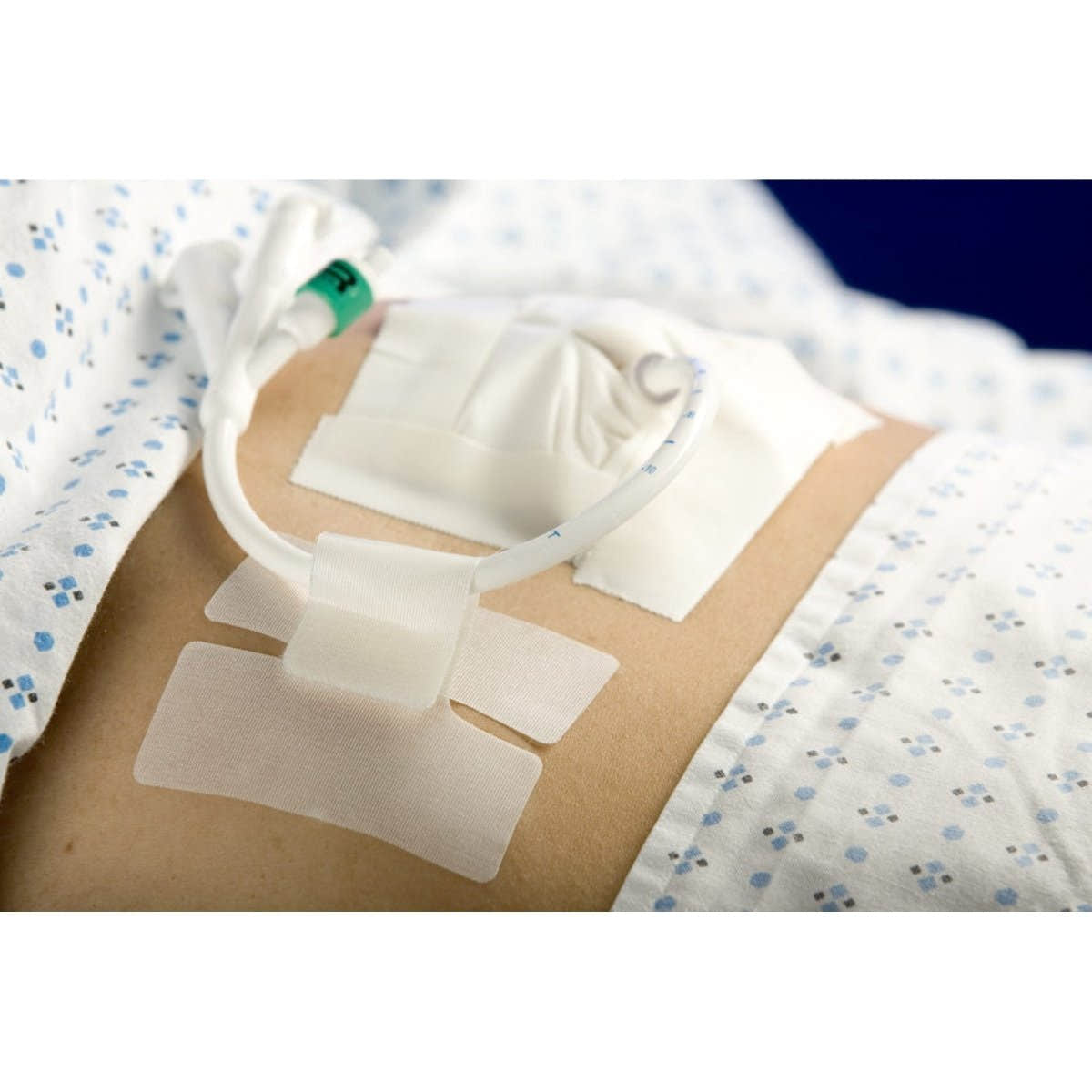
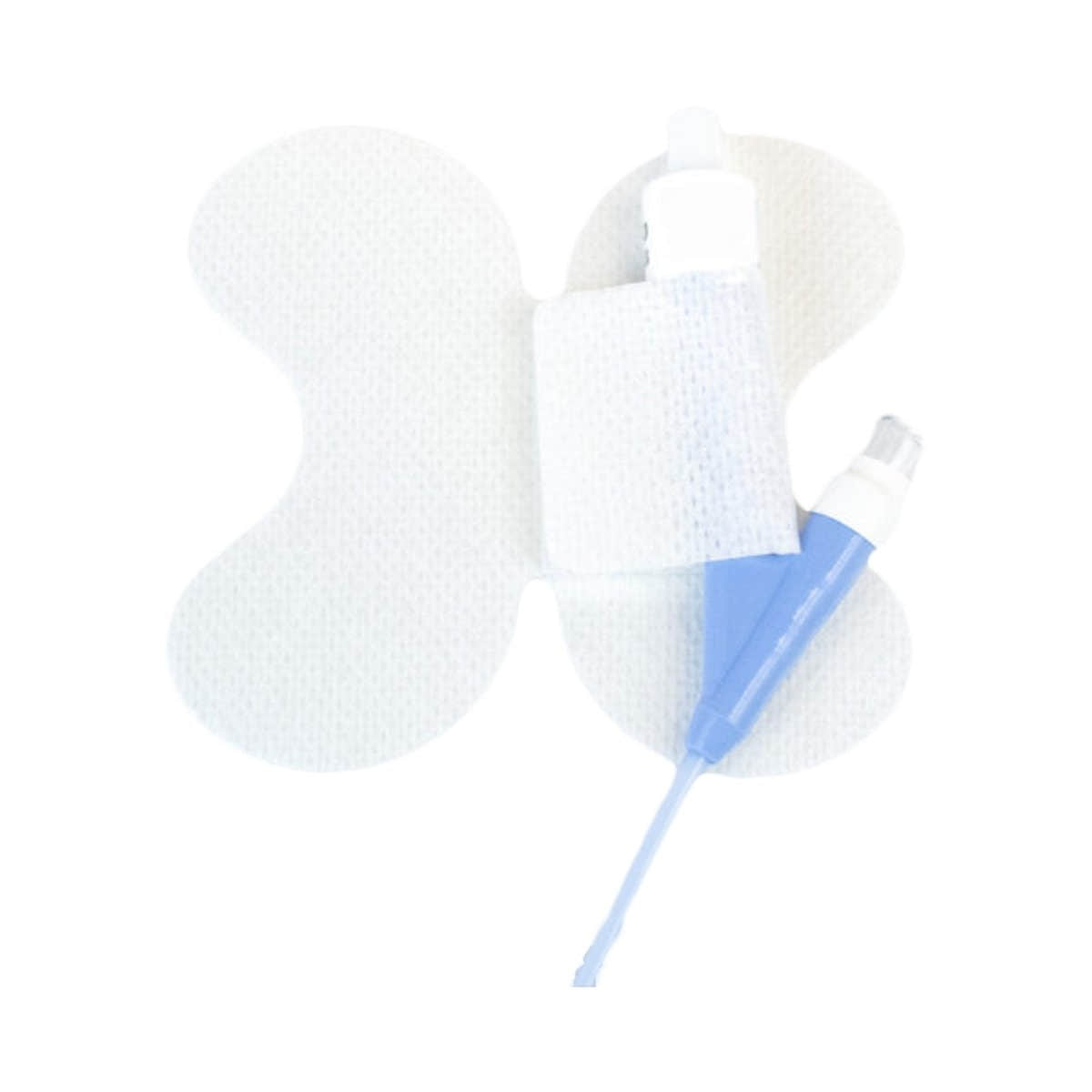
Having the right routine supplies on hand can reduce stressful last-minute decisions. For many households, this includes compatible drainage bags, leg-bag straps, tubing securement devices, disposable underpads, absorbent briefs or pads, gentle cleansing products, gloves, and skin-protection products.
Compatibility matters. Drainage bag capacity, tubing connection style, leg-bag support, and catheter care instructions can differ by product and clinical plan. When reordering supplies, check the product details against the equipment already in use. If you are uncertain, ask the prescribing office or home health team before switching to a different setup.
Leaking does not always mean something has gone seriously wrong, but it is a signal worth checking. A clear tube, a properly positioned bag, dry skin, and a quick call when symptoms change can help make catheter care safer and more comfortable at home.