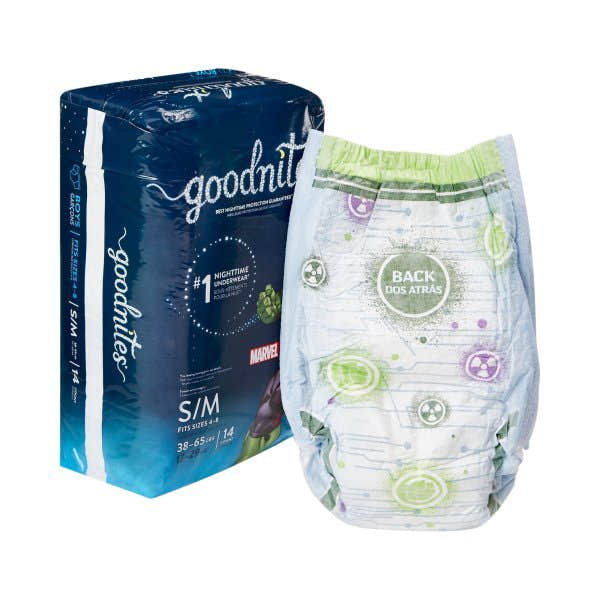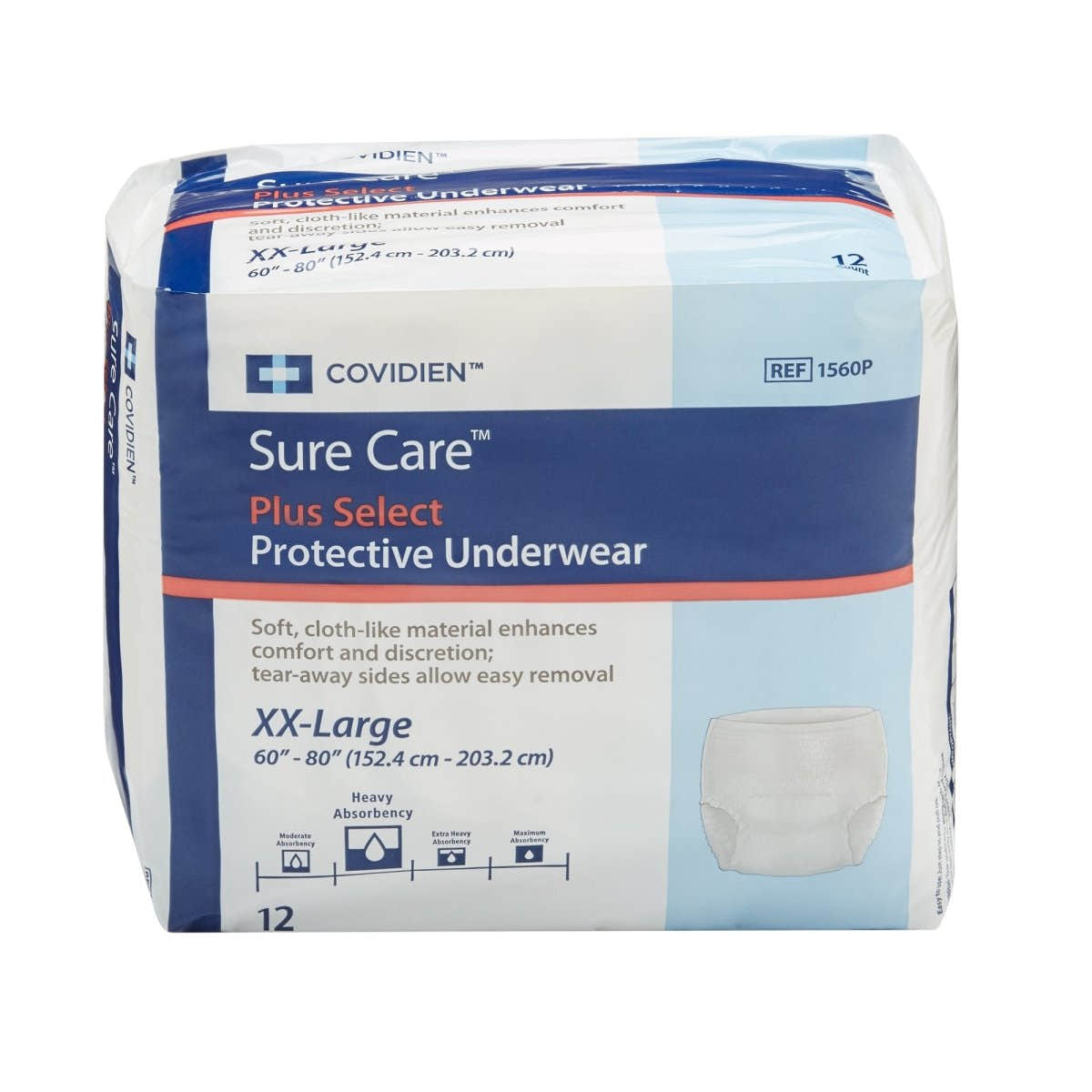

A protective underwear size that is too loose can lead to gaps and leaks. One that is too tight can leave marks, feel uncomfortable, and make changes harder than they need to be. Learning how to size protective underwear starts with a tape measure, but the best choice also depends on body shape, mobility, absorbency needs, and the fit guidance on the specific package.
For everyday bladder or bowel protection, the right size helps the absorbent core stay close to the body where it can do its job. A few careful measurements before ordering can save time, reduce waste, and make reordering a familiar product much easier.
How to Size Protective Underwear Step by Step
Protective underwear is designed to pull on like regular underwear, with built-in absorbent material. Most brands use waist and hip measurements rather than clothing size. A medium in one brand may not fit like a medium in another, so avoid choosing based only on the size of pants or underwear already in the drawer.
Start by checking the size chart for the product you are considering. Then measure the wearer while standing, if possible. If standing is difficult, measurements can be taken while seated or lying down, but the tape should remain level and snug without pulling tightly against the skin.
Measure the waist
Place a flexible measuring tape around the natural waist, usually near the navel or the narrowest part of the torso. Keep the tape parallel to the floor. Record the measurement in inches.
Some people carry more weight in the lower abdomen. If that is the case, also measure the area where the underwear waistband will sit most comfortably. The goal is to identify the measurement that best reflects the fit around the torso, not to pull the tape in for the smallest possible number.
Measure the hips
Measure around the fullest part of the hips and buttocks. For many adults, this is the more useful number because protective underwear must fit securely around the leg openings and seat. A product that fits the waist but is too small through the hips may pinch, tear during application, or fail to provide full coverage.
Write down both numbers before looking at the package chart. If the product chart provides a single waist-and-hip range, use the larger measurement when selecting a size unless the manufacturer provides different instructions.
Compare measurements to the product chart
Choose the size range that contains the wearer’s measurements. If the waist and hips fall into different sizes, the hip measurement will often be the better guide for pull-on protective underwear. The product needs enough room to move over the hips and cover the seat without stretching the material too tightly.
There is one exception: if the waist is substantially larger than the hip measurement due to abdominal fullness, a larger size may be more comfortable and less likely to roll down. Check the chart and consider trying a small package first when measurements sit between sizes.
What a Proper Fit Looks and Feels Like
A correctly sized protective underwear product should feel secure, not restrictive. It should sit at the waist or just below it, depending on the style, and fully cover the buttocks. The leg gathers should rest against the skin without digging in.
After putting it on, check that the absorbent area is centered from front to back. This matters especially for people who sleep on their side, spend long periods seated, or have urinary leakage that is heavier in the front or back. The product should not sag before use or leave a wide gap at the legs.
A quick fit check can help confirm the choice:
- The waistband lies flat without rolling, folding, or sliding down.
- The leg openings are close to the body without deep red marks or pinching.
- The underwear covers the full seat and stays in place during walking or sitting.
- The wearer can pull the product on and off, or a caregiver can assist, without tearing the side panels.
Signs You May Need a Different Size
Leaks do not always mean a product needs more absorbency. Fit is often part of the issue. If leakage occurs around the legs, the underwear may be too large, worn too loosely, or not positioned correctly. If the product leaks over the top or feels overfilled quickly, a higher absorbency level or more frequent changes may be needed.
Sizing up may help when the material is difficult to pull over the hips, the waistband rolls down, the seams strain, or the wearer has uncomfortable pressure around the thighs or abdomen. Sizing down may help when the underwear droops, shifts while walking, gaps at the legs, or feels loose before it has absorbed any fluid.
Body measurements can change with weight changes, recovery after surgery, reduced mobility, swelling, or changes in medication. A size that worked well months ago may no longer be the best option. Recheck measurements when fit or leakage patterns change rather than assuming the product itself is the problem.
Choosing Between Sizes When You Are on the Border
Being at the upper or lower edge of a size range is common. There is no single answer for every person because product materials, stretch, and body shape vary by brand.
Choose the smaller size when the wearer has a slimmer build, the hip measurement falls comfortably within the smaller range, and loose leg openings have caused leaks in the past. Choose the larger size when the person has fuller hips, a larger abdomen, limited mobility, sensitive skin, or difficulty pulling a snug product into place.
For overnight use, do not automatically move up a size just to get more absorbency. Larger underwear may create gaps that allow leakage. Instead, look for a product with the same correct fit and a higher absorbency capacity. For daytime use, some people prefer a lighter, more discreet protective underwear style, while others need a more absorbent option for longer outings or limited access to a restroom.
Fit Considerations for Caregivers
When helping another adult, comfort and dignity matter as much as the measurement. Explain each step, keep the person covered as much as possible, and check whether the waistband or leg openings feel uncomfortable once the product is in place.
Protective underwear works best for people who can stand briefly or participate in pulling the product up and down. If the wearer cannot stand safely, has very limited mobility, or needs frequent changes while in bed, tab-style briefs may be easier for a caregiver to apply and remove. The best product is the one that meets both protection needs and the realities of the daily care routine.
For bowel incontinence or heavier urinary incontinence, make sure the product offers the required absorbency and enough coverage through the seat. A good fit supports containment, but changing promptly after a bowel movement remains essential for skin comfort and hygiene.
Make Reordering Easier
Once you find a product that fits well, keep a simple note with the brand, style, size, absorbency level, and package quantity. This helps avoid confusion when shopping for a family member or placing a repeat order. It is also useful to note whether the product is intended for daytime, overnight, or both.
CartHealth customers can shop protective underwear alongside other everyday home care essentials, making it easier to keep needed supplies on hand. Before ordering a larger case, consider trying a smaller package when switching brands or changing sizes.
The right protective underwear should support daily routines without constant adjusting or worry. A careful measurement, a close look at the package chart, and an honest fit check can make every change more comfortable and dependable.