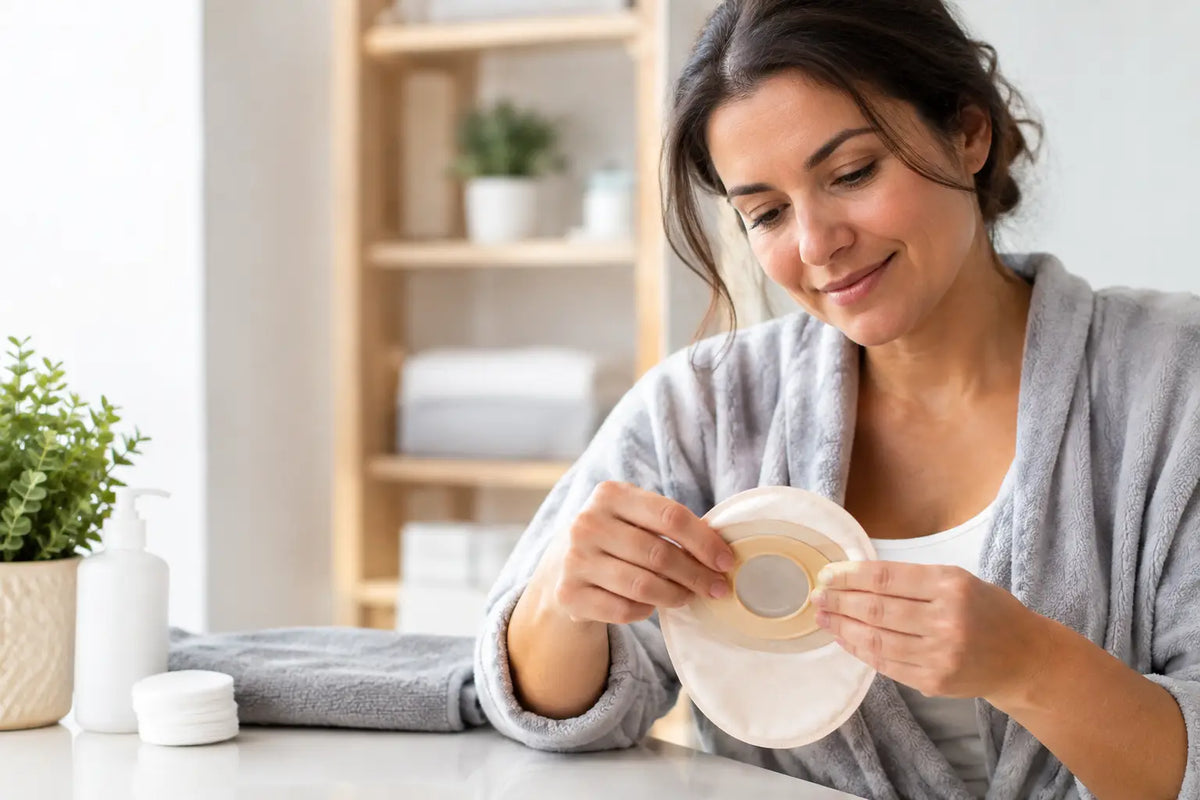
A pouch that leaks or lifts at the edges can turn ordinary errands, sleep, and meals into a source of stress. This ostomy skin care guide focuses on the practical routines that protect the skin around your stoma, help your pouching system stay in place, and make it easier to spot a problem before it gets worse.
The goal is not perfectly flawless skin every day. Small changes in your body, output, activity level, and appliance wear time can affect how your skin responds. The goal is skin that is intact, comfortable, and protected by a pouching system that fits well.
Why Peristomal Skin Care Matters
The skin around a stoma is called peristomal skin. It should generally look and feel like the skin on the rest of your abdomen. Redness, itching, burning, weeping, open areas, or painful bumps are signs that something may need attention.
Skin irritation often starts with moisture or output getting under the barrier. Stool and urine can be irritating, especially when they sit against the skin. A poor seal can create a cycle: irritated skin makes adhesion harder, then reduced adhesion allows more leakage. Addressing fit and skin care together is usually more effective than treating either issue alone.
Start With a Close, Comfortable Fit
A well-fitted skin barrier is the foundation of everyday ostomy skin care. Your stoma may change in size and shape after surgery, with weight changes, or as swelling goes down. Measuring it periodically helps ensure the opening in the barrier remains appropriate.
The barrier opening should fit close to the base of the stoma without pressing, cutting, or rubbing it. An opening that is too large leaves more skin exposed to output. An opening that is too tight can injure the stoma or interfere with drainage. If your stoma is oval, flush with the skin, located in a crease, or surrounded by uneven contours, a standard flat barrier may not be the best choice.
Convex barriers, barrier rings, paste, strips, and other accessories can help create a more secure seal. The right option depends on your body shape and the type of ostomy you have. A wound, ostomy, and continence nurse can assess fit and recommend changes when leaks keep happening.
Check the Seal Before It Fails
Do not wait for a full leak to replace a barrier. Look for lifting edges, a soft or swollen barrier, odor that is unusual for you, itching under the adhesive, or stool or urine visible near the stoma opening. These signs can mean output has started to work underneath the seal.
Your ideal wear time is personal. Some people get several days from a system, while others need more frequent changes because of high-output drainage, perspiration, body contours, or sensitive skin. Extending wear time is not worth it if the barrier is leaking or causing soreness.
A Simple Routine for Cleaning the Skin
When changing your pouch, gently remove the old barrier. Adhesive remover wipes or spray may make removal more comfortable and can reduce skin stripping, particularly if you change frequently. Support the skin with one hand and slowly peel the barrier back rather than pulling it away quickly.
Clean the peristomal skin with warm water and a soft cloth or gauze. If you use soap, choose one without oils, lotions, or moisturizers that can leave a residue behind. Rinse thoroughly and pat the skin completely dry. Adhesives do not bond well to damp skin, and even a small amount of moisture can shorten wear time.
Avoid scrubbing the skin or using harsh products such as alcohol, hydrogen peroxide, or heavily fragranced wipes unless your clinician specifically directs you to use them. These can dry or damage healthy skin. You generally do not need to clean the stoma itself aggressively. It may bleed slightly when touched because it has a rich blood supply, but persistent bleeding should be reported to your care team.
Choosing Supplies for Common Skin Concerns
The best product is the one that matches the problem. Adding several products at once can make it harder to tell what is helping and may interfere with adhesion.
For moist, irritated, or lightly weeping skin, ostomy powder can absorb moisture. A common technique is to apply a light dusting, brush away the excess, and seal it with a skin barrier film before applying the wafer. This is often called crusting. Too much powder can prevent the barrier from sticking, so a thin layer is usually enough.
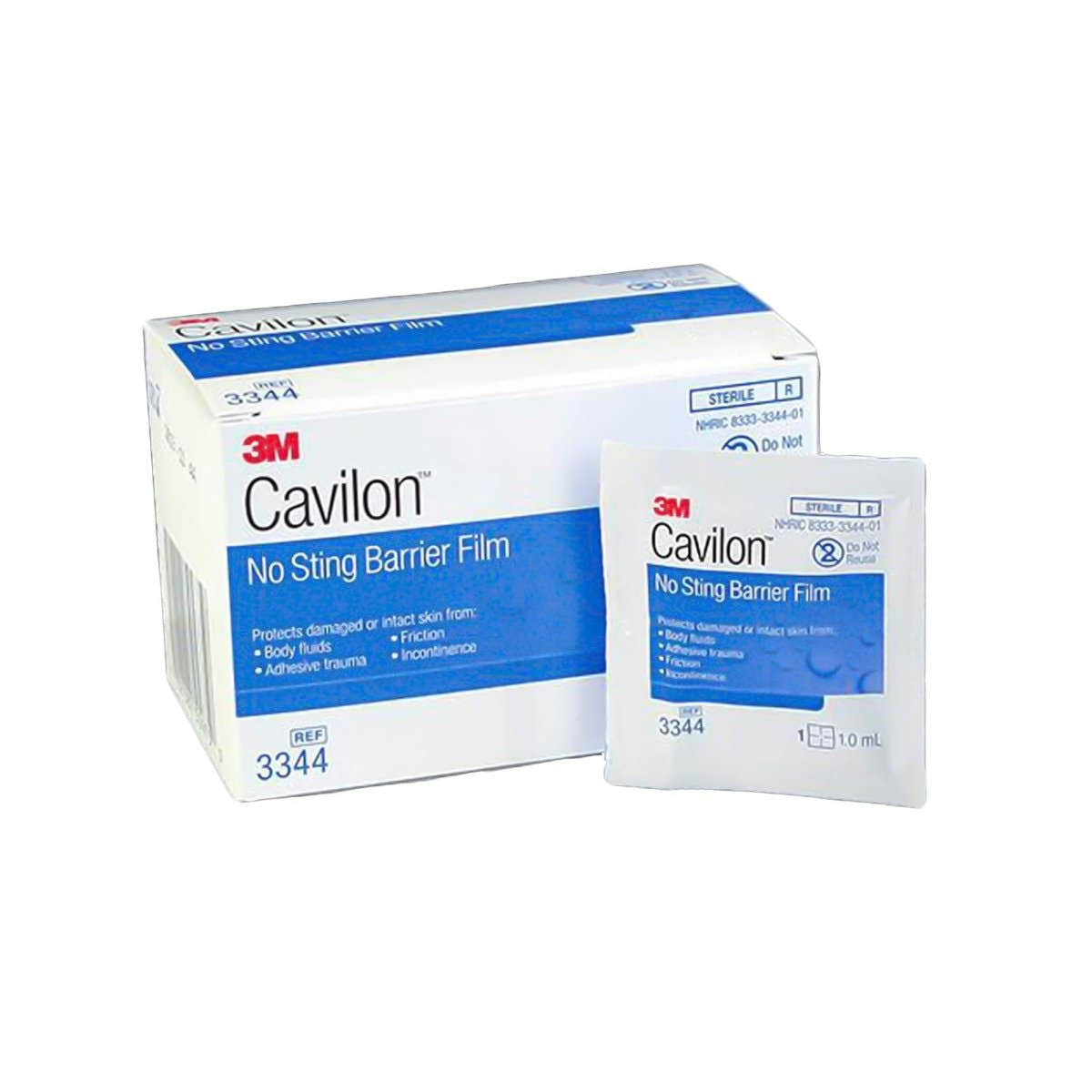
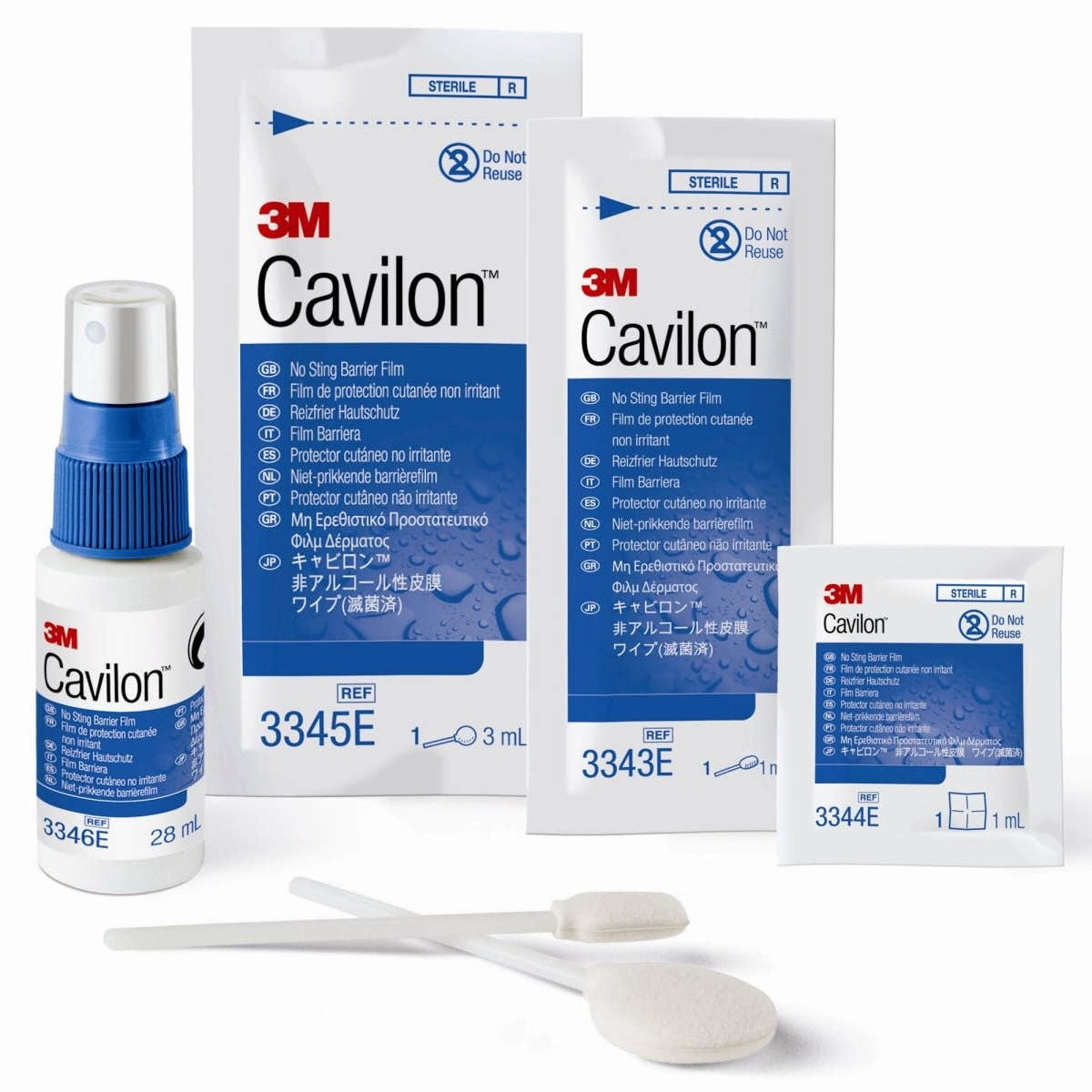
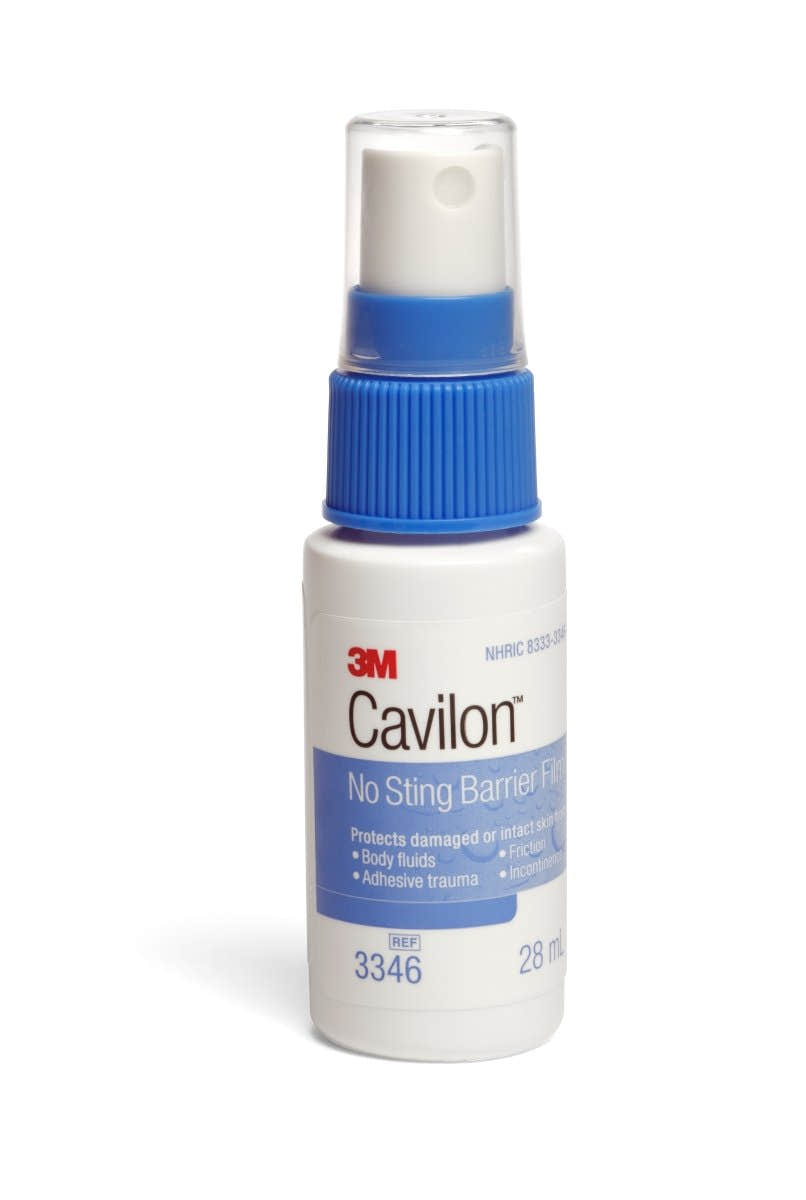
If the skin is intact but tender from frequent adhesive removal, a sting-free barrier film may provide a protective layer. If you have folds, scars, dips, or an uneven area around the stoma, a moldable barrier ring or paste may fill gaps and reduce the chance of undermining. Paste is a caulking material, not glue, so it works best as part of a fitting strategy rather than as a fix for a barrier opening that is too large.
For hair around the stoma, trim rather than shave when possible. An electric trimmer can make barrier removal easier and reduce pulling, while shaving can create tiny cuts or irritated follicles. If you react to an adhesive, tape, remover, or barrier film, stop using the suspected product and ask your ostomy nurse about alternatives. Sensitivity to one product does not mean every pouching system will cause the same reaction.
Daily Habits That Help Protect Your Skin
Empty your pouch before it becomes heavy, usually when it is about one-third to one-half full. A full pouch can pull on the barrier and increase the risk of lifting. Make sure the pouch closure is secure after emptying, especially before leaving home or going to bed.
Heat and sweat can challenge adhesion. After bathing, swimming, exercise, or hot weather, gently pat the outside of the pouching system dry. Some people find it helpful to hold a warm hand over the barrier for a minute after application to encourage a better seal. Follow the instructions for your specific system, since materials and recommended use can vary.
Keep a small set of supplies ready for travel, work, appointments, or overnight stays. A practical kit may include an extra pouching system, a disposable bag, wipes or gauze, a barrier ring if you use one, and a change of clothing. Having backups nearby can reduce the pressure to make a compromised pouch last longer than it should.
When a Skin Problem Needs Professional Advice
Call your ostomy nurse or healthcare provider if redness spreads, pain increases, skin breaks down, or a rash does not improve after you correct the fit and simplify your routine. You should also ask for help if you have repeated leaks, worsening itching, raised bumps, pus, fever, or a possible fungal rash. A fungal rash may appear red with small spots around its outer edges, but it needs proper evaluation because several skin conditions can look similar.
Seek urgent medical care for severe abdominal pain, major changes in stoma color such as dark purple or black, no output when you would normally expect output along with cramps or vomiting, or heavy bleeding. These symptoms are different from minor spotting during routine cleaning.
Keep Track of What Changes
When troubleshooting, note the date, pouch wear time, amount and type of output, location of leakage, skin symptoms, and any new products. A photo taken for your care team, if you are comfortable doing so, can also help them understand what is happening between visits. This record can reveal patterns that are easy to miss day to day.
Make Reordering Part of Your Care Routine
Running low on trusted supplies can lead to skipped changes, rushed application, or using an appliance past its reliable wear time. Keep track of how many barriers, pouches, rings, removers, and skin-protection products you use in a typical month. Ordering before your last box is open gives you room for delivery delays and helps maintain a consistent routine.
CartHealth makes it easier to shop for recurring ostomy essentials alongside other home health needs, so caregivers and individuals can keep commonly used supplies organized in one place. If you are trying a new accessory, consider keeping your usual system on hand until you know how your skin responds.
Comfortable skin care is built through observation, not trial and error without a plan. A close-fitting barrier, clean dry skin, and timely support from your ostomy care team can turn a frustrating routine into one that feels manageable and dependable.