A small cut can become a bigger problem when it is left dirty, repeatedly disturbed, or covered with the wrong material. Good wound care is not about building an elaborate first-aid setup. It is about keeping the area clean, protected, and observed while knowing when home treatment is no longer enough.
For caregivers, older adults, and anyone recovering at home, having reliable supplies on hand can make daily care less stressful. The right dressing depends on the wound, the amount of drainage, the condition of the surrounding skin, and instructions from a healthcare professional.
Start With the Type of Wound
Not every wound should be treated the same way. A minor paper cut, scraped knee, surgical incision, pressure injury, and diabetic foot ulcer have very different risks and care needs.
Small, shallow cuts and abrasions may often be managed at home after cleaning and covering them. These wounds usually improve steadily over several days. A wound that is deep, gaping, caused by a bite, heavily contaminated, or bleeding heavily needs prompt medical attention instead of routine home care.
Surgical wounds should be handled according to the instructions provided by the surgeon or care team. Even when an incision looks simple, changing products or applying ointments without guidance can interfere with healing. People with diabetes, poor circulation, immune-system concerns, or limited sensation in their feet should take new wounds especially seriously. What looks minor can worsen quickly when blood flow or feeling is reduced.
Wound Care Basics for Everyday Home Use
The goal is simple: protect the wound from contamination and excess moisture while supporting the body’s natural healing process. Before touching the area, wash your hands thoroughly with soap and water. If gloves are recommended or available, use a clean pair, especially when changing a dressing for someone else.
Clean gently, not aggressively
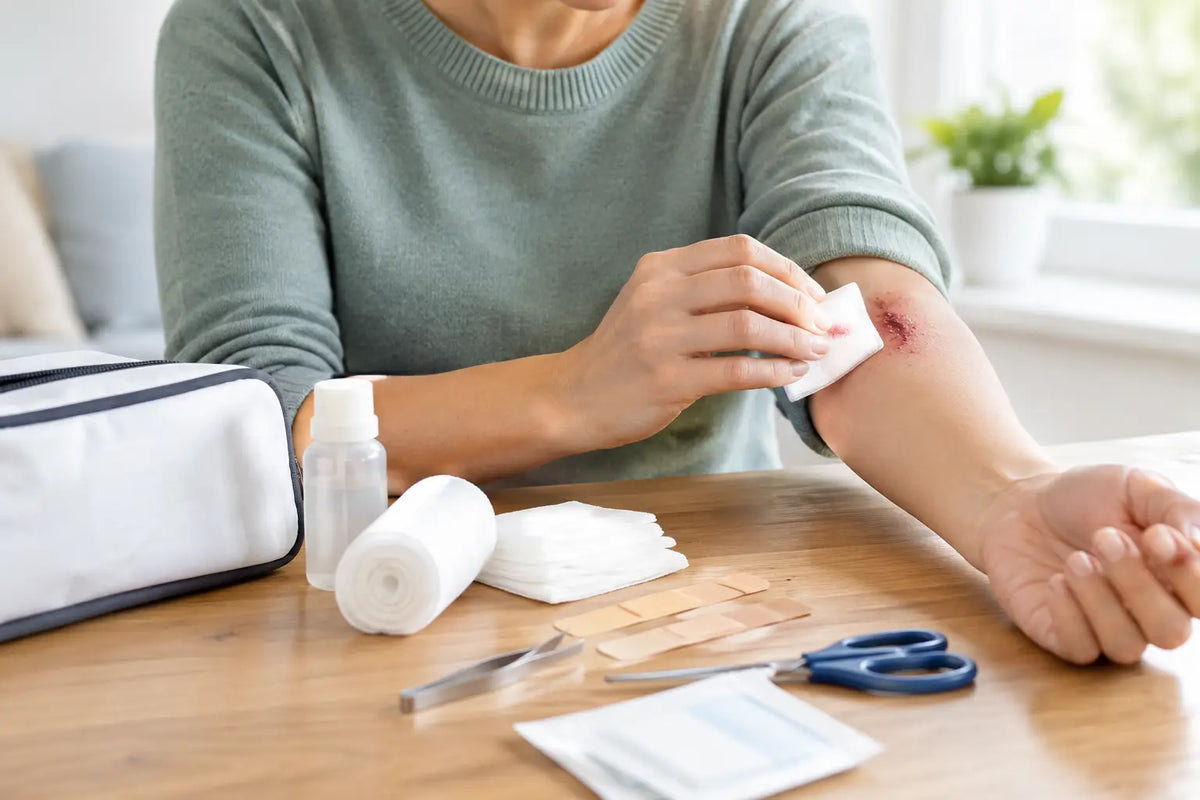
For many minor wounds, rinsing with clean running water or sterile saline is enough to remove dirt and loose debris. Use mild soap around the wound if needed, but avoid scrubbing the injured tissue. Pat the surrounding skin dry with clean gauze or a soft, lint-free material.
Hydrogen peroxide, rubbing alcohol, and iodine can damage healthy healing tissue when used routinely on an open wound. They may be appropriate only when specifically directed by a clinician. If a wound contains embedded debris, glass, gravel, or material that will not rinse away, seek medical care rather than digging at it at home.
Stop bleeding and protect the area
Apply gentle, steady pressure with sterile gauze or a clean cloth for minor bleeding. Do not repeatedly lift the gauze to check every few seconds, since that can interrupt clotting. If blood soaks through, add another layer on top rather than removing the first layer.
Once bleeding has stopped and the wound is clean, choose a dressing that fits the situation. A small adhesive bandage may be enough for a minor cut. Larger scrapes often benefit from a non-adherent pad secured with tape or a gauze wrap. The dressing should cover the wound fully without being so tight that it causes numbness, tingling, swelling, or a change in skin color.
Change dressings at the right time
A dressing should be changed when it becomes wet, dirty, loose, or saturated with drainage. For a clean, dry minor wound, daily changes are often practical, though the best schedule depends on the product and the wound itself. Follow clinician instructions first, particularly for post-surgical wounds, chronic wounds, or wounds using specialty dressings.
When removing an adhesive dressing, support the skin and pull slowly in the direction of hair growth. Older adults and people with fragile skin may do better with gentler silicone-based adhesives, non-adherent contact layers, or securement products designed to reduce skin trauma.
Choosing Wound Care Supplies by Need
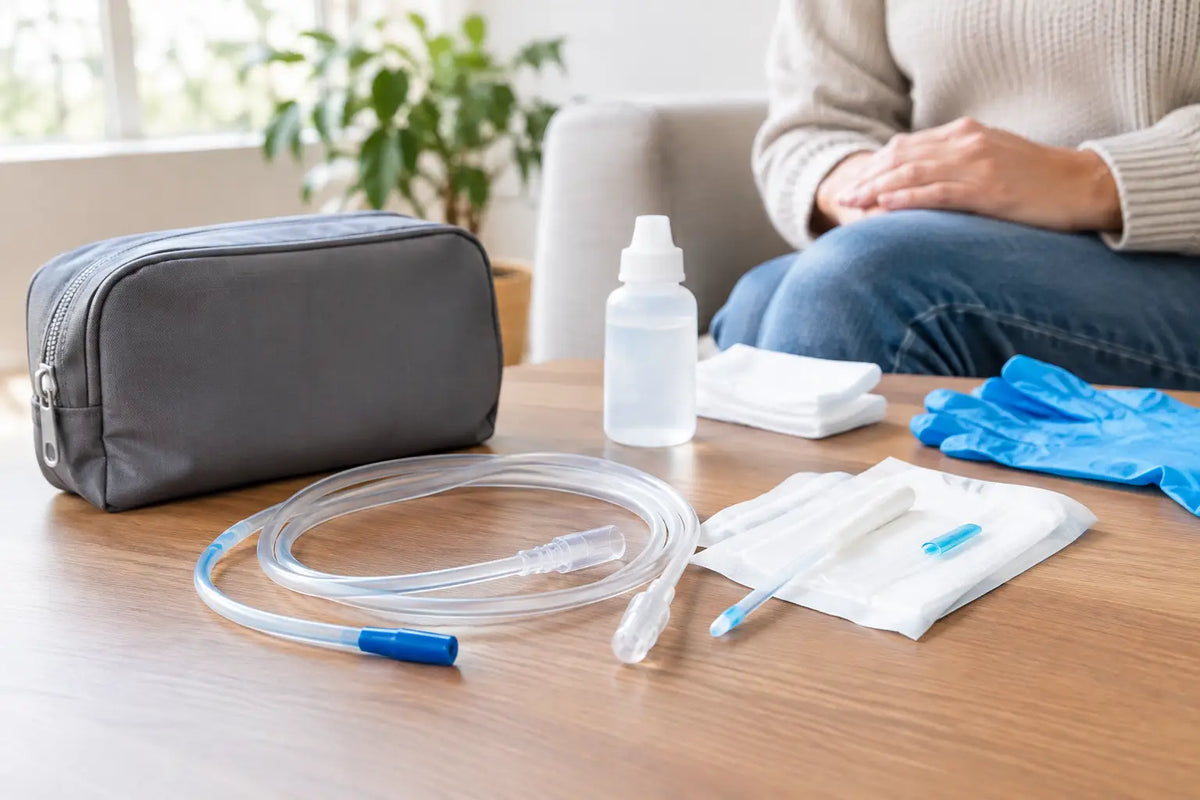
A useful home supply kit does not need to be complicated, but it should include products that match common needs. Sterile saline, gauze pads, non-adherent pads, medical tape, adhesive bandages, disposable gloves, and a wrap or cohesive bandage cover many minor-care situations.
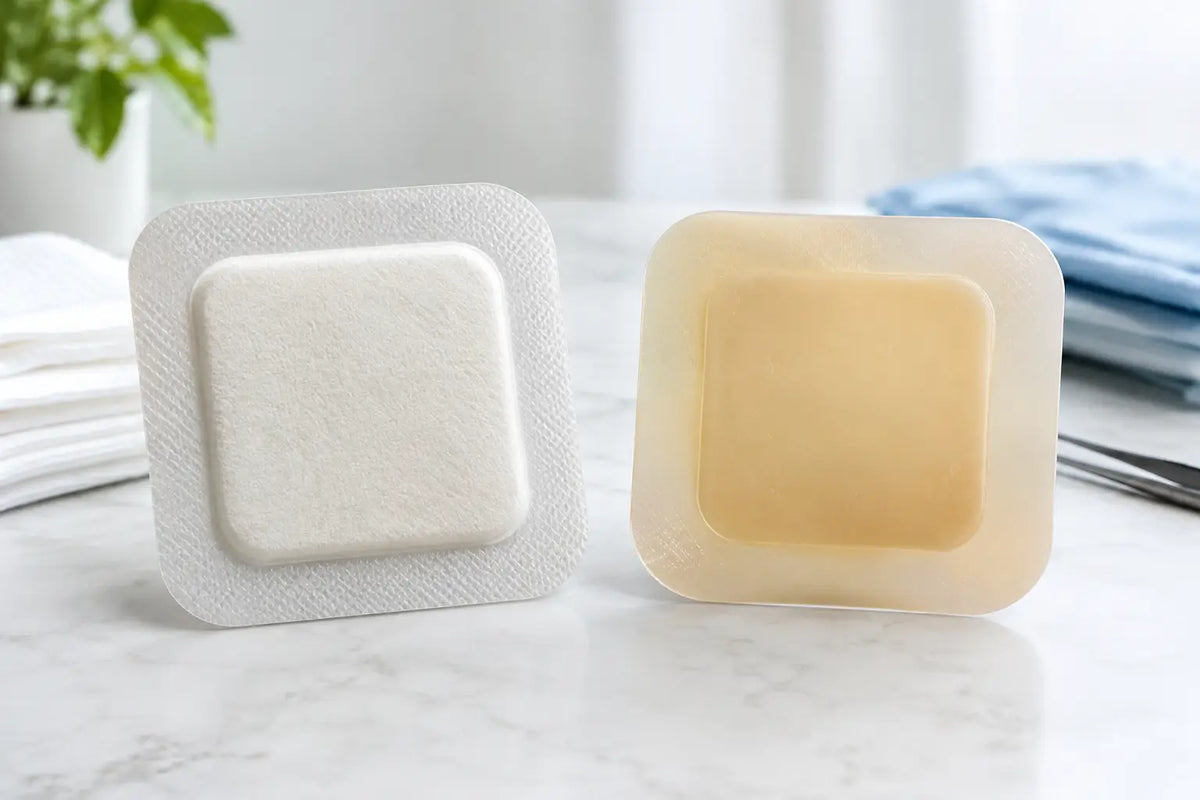
For wounds with more drainage, absorbent foam dressings or abdominal pads may help manage moisture and protect clothing or bedding. A dressing that is too absorbent for a dry wound can stick or leave the wound overly dry. On the other hand, a light bandage may not keep up with a wound that drains heavily. The best choice is often a balance between absorption, comfort, and how frequently the dressing needs to be changed.
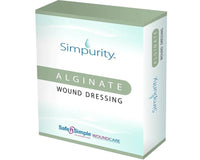
Hydrocolloid, hydrogel, alginate, antimicrobial, and other advanced dressings are designed for specific wound conditions. They can be helpful, but they are not interchangeable. An alginate dressing, for example, is generally intended for wounds with drainage and should not be used on a dry wound without professional guidance. Antimicrobial products may be recommended for certain wounds, but they are not a substitute for assessing signs of infection.
For recurring needs, keeping familiar products stocked at home helps avoid last-minute substitutions. CartHealth offers wound care categories that make it easier to shop for dressings, gauze, tape, cleansers, and other everyday supplies from one place.
Protect the Skin Around the Wound
The skin surrounding a wound matters as much as the wound bed itself. Drainage, frequent tape removal, incontinence, perspiration, and friction can soften or irritate nearby skin. This is sometimes called maceration, and it can make it harder for a dressing to stay in place.
If the surrounding skin looks white, soggy, peeling, or increasingly red, the dressing routine may need adjustment. A more absorbent cover, a skin barrier product, or a different adhesive can help in some cases. For people who use incontinence products or have limited mobility, regular skin checks and moisture management are particularly important.
Pressure is another concern. A wound on a heel, tailbone, ankle, or other bony area may not improve if the same spot continues to bear weight. Repositioning, offloading devices, supportive cushions, and clinician-directed pressure-relief plans can be part of the care routine. Do not use donut-shaped cushions for pressure injuries unless a healthcare professional specifically recommends one.
When to Call a Healthcare Professional
Healing is not always a straight line, but a wound should generally become less painful and less inflamed over time. Contact a healthcare professional if you notice increasing redness, warmth, swelling, worsening pain, pus-like drainage, a bad odor, red streaks, fever, or chills. These can be signs of infection or another complication.
Seek urgent care for bleeding that does not stop with steady pressure, a deep puncture, an animal or human bite, a burn that is large or severe, a wound with exposed tissue, or an injury caused by a dirty or rusty object. Tetanus vaccination status may also need to be reviewed after certain injuries.
Call the care team promptly for any wound that is getting larger, turning dark, developing a new odor, or failing to improve. This is especially important for foot wounds in people with diabetes, circulation problems, neuropathy, or a history of ulcers. Do not wait for severe pain as a warning sign - reduced sensation can mask a serious issue.
Make Wound Care Easier to Keep Up With
Consistency is often the hardest part of care at home. Keep supplies together in a clean, dry location, check expiration dates, and reorder before essential items run out. If several people help with care, write down the dressing type, change schedule, drainage amount, and any changes in appearance. A simple record can make it easier to spot a problem and communicate clearly with a clinician.
Take a moment during each dressing change to look for progress, not perfection. Clean hands, the right supplies, gentle technique, and early attention to warning signs can make everyday wound care more manageable and give healing the support it needs.