A home first aid kit is most useful when a small problem happens at an inconvenient time: a scraped knee after dinner, a kitchen burn, a blister before a trip, or a dressing that needs changing after a procedure. Knowing how to stock a home first aid kit means you can respond calmly, find what you need quickly, and avoid a late-night trip to the store for basic supplies.
The goal is not to turn a closet into a clinic. A well-stocked kit should handle common minor injuries and support the everyday care needs of the people in your household. What belongs in it depends on your family, their health conditions, and whether you are also caring for an older adult, a child, or someone recovering at home.
Start With a Kit That Is Easy to Reach
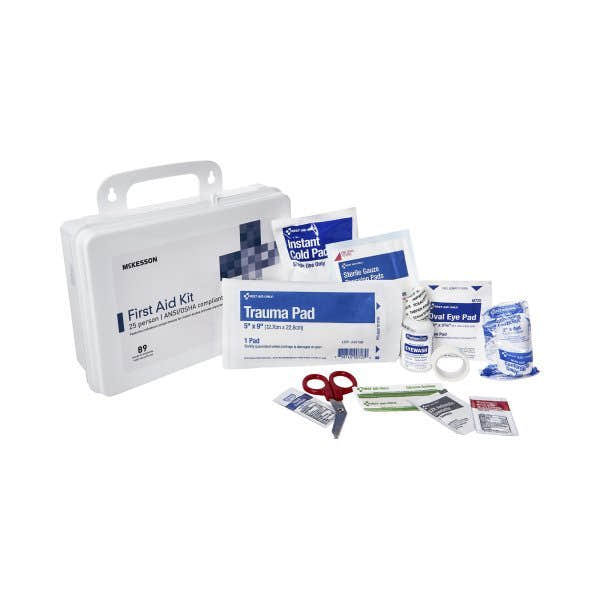
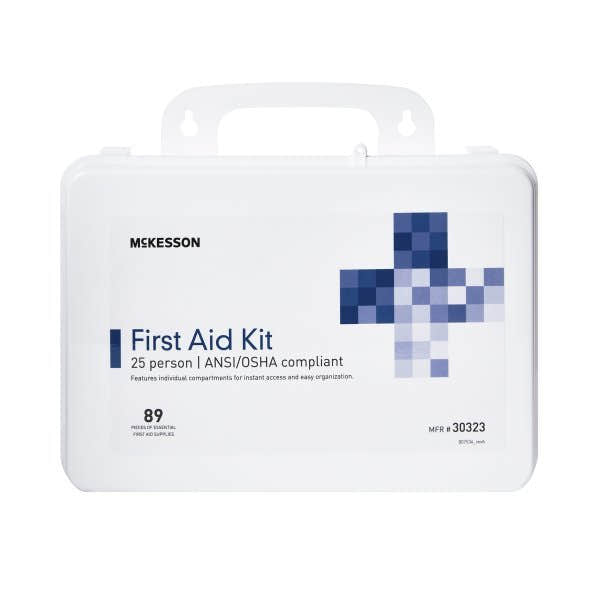
Choose a clean, dry container with a secure lid and enough room to keep supplies organized. A handled plastic bin, a dedicated cabinet organizer, or a hard-sided first aid case can all work well. Clear containers make it easier to see when supplies are running low, while divided containers help separate wound care, medications, and tools.
Keep the main kit in a central place that adults can reach easily, such as a kitchen cabinet, hallway closet, or laundry room shelf. It should be away from heat, humidity, and young children. Bathrooms are convenient, but steam and moisture can damage packaging and medications over time.
If someone in the home has limited mobility, make sure the kit is accessible from the area where they spend most of their time. Consider a smaller secondary kit for the car, diaper bag, or upstairs bedroom, especially in a larger home.
How to Stock a Home First Aid Kit for Everyday Injuries
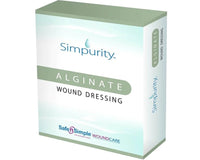
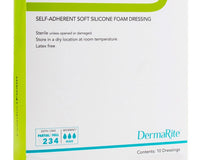
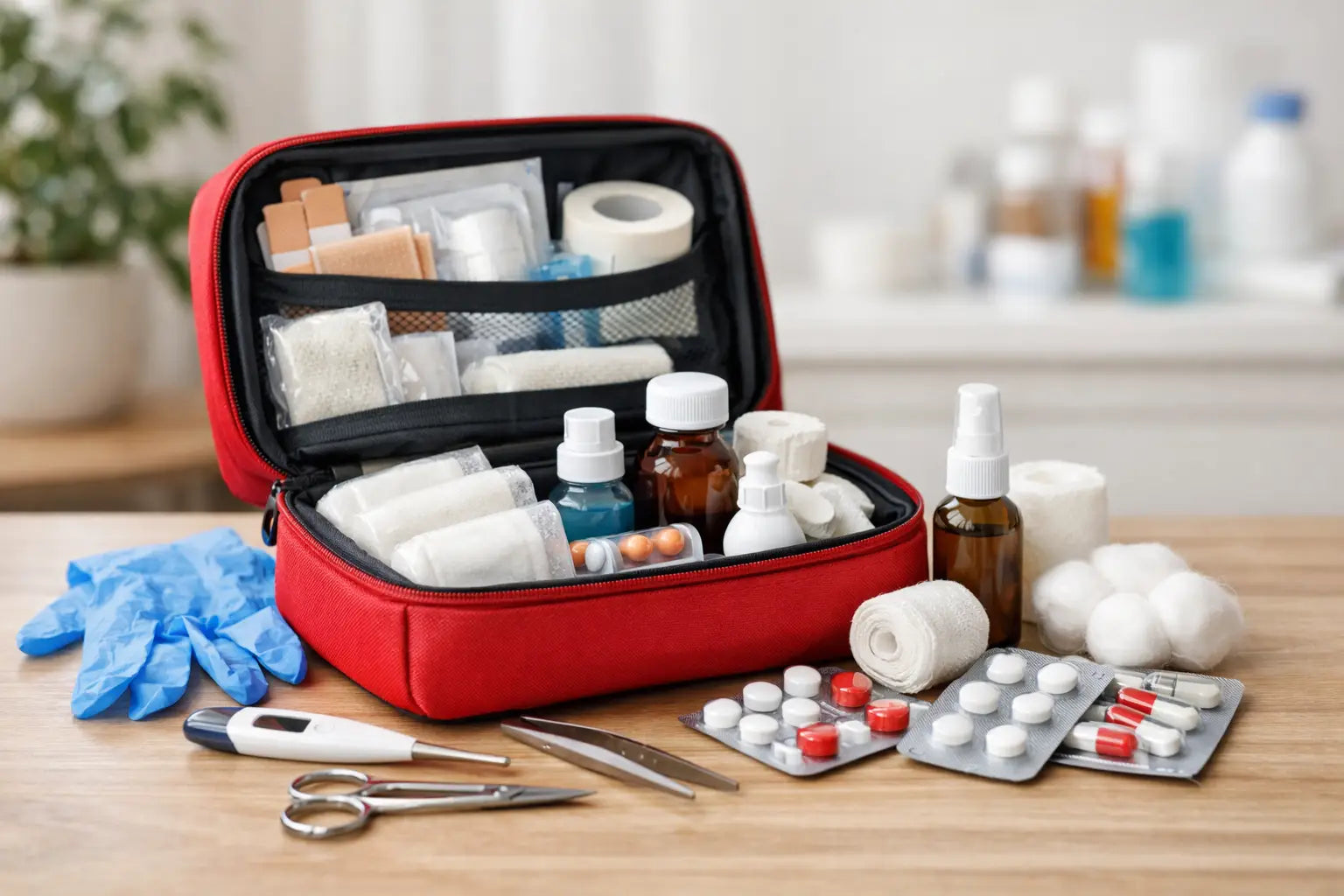
For most households, wound care supplies are the foundation of the kit. Minor cuts, scrapes, blisters, and skin tears often need simple cleaning, protection, and monitoring. Keep products in their original packaging when possible so instructions and expiration dates stay with them.
Your basic wound care section should include:
- Adhesive bandages in several sizes, including fingertip and knuckle styles
- Sterile gauze pads in small and larger sizes
- Rolled gauze or conforming bandages for securing dressings
- Medical tape that is comfortable on skin
- Nonstick pads for scrapes, burns, or wounds that may adhere to standard gauze
- Antiseptic wipes or a gentle wound-cleansing solution
- Antibiotic ointment, if appropriate for your household
- Hydrogel or burn dressings for minor burns
- Blister bandages or cushioning pads
- Disposable nitrile gloves
Add the Tools That Make Supplies Usable
Supplies are less helpful if you cannot open, trim, or secure them. Keep a few simple tools together in a labeled pouch or compartment. Include blunt-tip scissors for cutting tape and gauze, tweezers for removing a visible splinter, a digital thermometer, and a small instant cold pack for minor swelling or bumps.
A CPR face shield can be a practical addition for households that want to be prepared for an emergency. An oral syringe or medicine cup is helpful when measuring liquid medication for children or adults who need precise doses. A small flashlight with fresh batteries can also be useful during a power outage or when checking an injury in low light.
Avoid using household scissors or tweezers that may be dirty, rusty, or hard to locate. First aid tools should stay clean, dry, and dedicated to the kit.
Include Medications With Care
Over-the-counter medications can make a home first aid kit more useful, but they need more attention than bandages. Store each product in its original container with the label intact, and check expiration dates regularly. Keep medicines secured from children and avoid combining loose pills in unmarked containers.
Common options may include an age-appropriate pain reliever and fever reducer, an antihistamine for mild allergy symptoms, hydrocortisone cream for minor itching or irritation, and calamine lotion for poison ivy or insect bites. Oral rehydration products can be useful during stomach illness, particularly for young children, older adults, or anyone at risk of dehydration.
The right medication selection depends on the household. People who take prescription drugs, use blood thinners, have kidney or liver disease, are pregnant, or manage chronic conditions should ask a pharmacist or clinician which over-the-counter options are appropriate. Aspirin, for example, is not suitable for children and should not be added casually just because it is common.
If you keep emergency medications prescribed for a household member, such as an epinephrine auto-injector, rescue inhaler, or glucose products for low blood sugar, store them where they can be found quickly. These items are personal care supplies, not general-use medications. Make sure family members and caregivers know where they are and understand any instructions provided by the prescriber.
Adapt the Kit to Your Household's Care Needs
A standard kit is a starting point, not a complete answer for every home. Families with babies may need a rectal thermometer, saline nasal spray, and child-safe medication measuring tools. Households with active children or athletes may use elastic wraps and extra cold packs more often.
For older adults and people receiving care at home, consider adding supplies that match routine needs. This may include skin barrier cream, gentle cleansing wipes, disposable underpads, adhesive remover wipes, or extra nonstick dressings. People using mobility aids may benefit from blister protection and basic skin-care supplies, since friction and pressure can become more than a minor inconvenience.
If someone has an ostomy, urinary catheter, feeding tube, or chronic wound, their dedicated care supplies should be stored separately from the basic first aid kit. Keep a small backup amount of essential items on hand, but follow the care plan provided by their healthcare team. Specialized supplies are not interchangeable, and substitutions can create problems.
Know What a Home Kit Cannot Treat
A first aid kit is for immediate, basic care. It is not a substitute for urgent or emergency medical help. Call 911 for trouble breathing, chest pain, severe bleeding, loss of consciousness, signs of stroke, a serious allergic reaction, or any situation that seems life-threatening.
Seek prompt medical attention for deep cuts, wounds that will not stop bleeding, bites, punctures, burns larger than the person's palm, chemical or electrical burns, eye injuries, suspected broken bones, or wounds with signs of infection. Increasing redness, warmth, swelling, drainage, fever, or worsening pain can all signal that a wound needs professional evaluation.
For poison exposures, contact Poison Help at 1-800-222-1222 in the United States. Keep that number written inside the kit along with emergency contacts, the address of the home, and a list of important medications and allergies. In a stressful moment, clear information can be as valuable as the supplies themselves.
Store, Check, and Restock Your Supplies
Set a reminder to review your kit every six months. Replace expired medications, damaged packaging, used cold packs, and supplies that have become wet or contaminated. Restock bandages and gauze after an injury instead of waiting until the next scheduled check.
It also helps to review the kit before travel, the start of a sports season, hurricane season, or a planned surgery or recovery period. Those moments often reveal needs that a basic kit does not cover. Keep a short inventory list inside the lid so another family member or caregiver can quickly see what needs to be replaced.
A first aid kit earns its place when it is simple, organized, and tailored to the people who rely on it. Stock the essentials, keep specialized supplies separate and clearly labeled, and make checking the kit part of your regular home-care routine. When a small health concern arises, having the right item within reach makes care feel more manageable.