Filters

Blood Pressure Monitors

52 products

Showing 1 - 24 of 52 products

Blood pressure monitors are devices that are used to measure blood pressure. Blood pressure is the force of blood against the walls of the arteries as it is pumped from the heart. High blood pressure, or hypertension, is a common condition that can increase the risk of heart attack, stroke, and other health problems. Blood pressure monitors use sensors to measure blood pressure and display the readings on a digital screen.
Showing 1 - 24 of 52 products
View
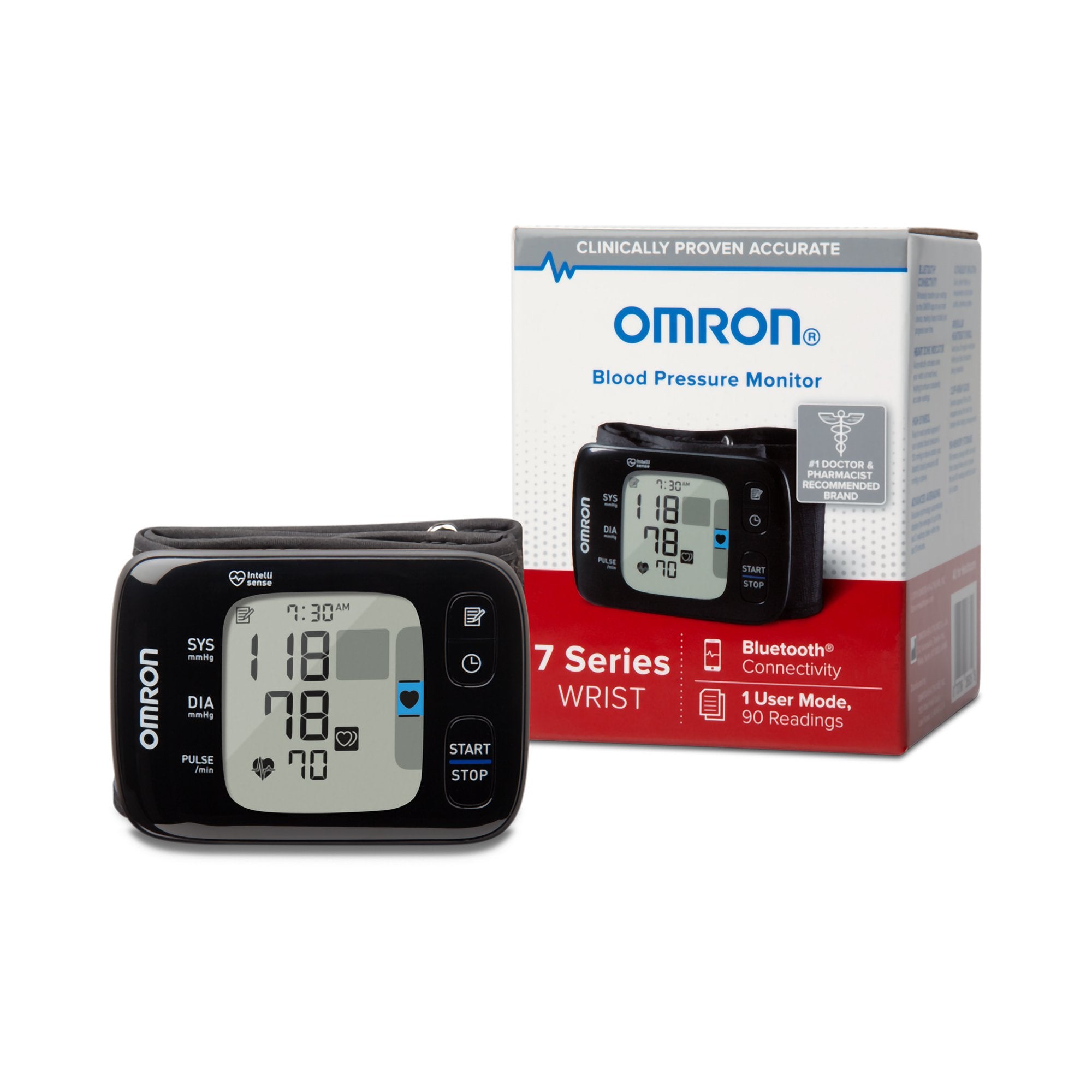
Omron 7 Series Digital Blood Pressure Wrist Unit, Automatic Inflation, Adult, One Size Fits Most -Each
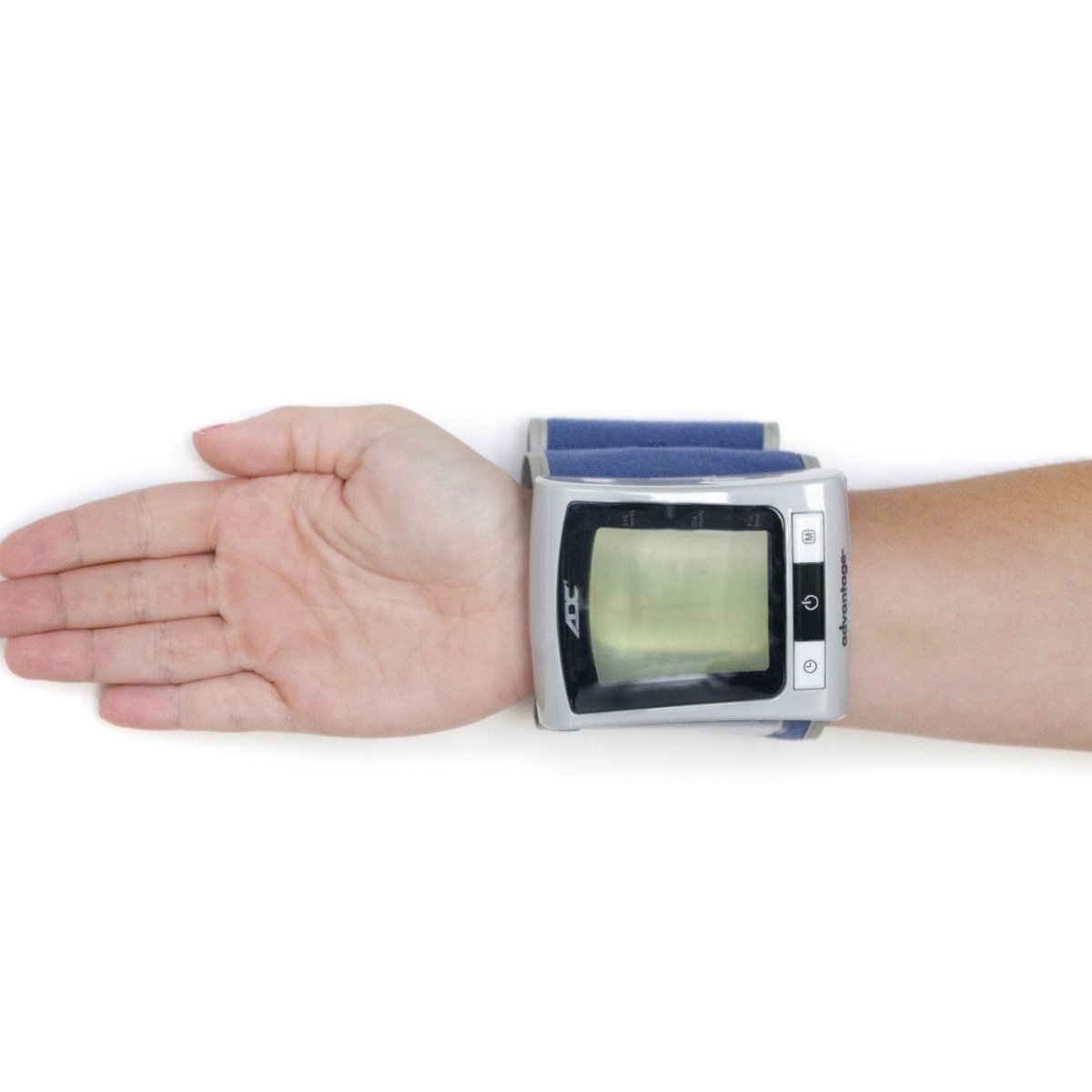
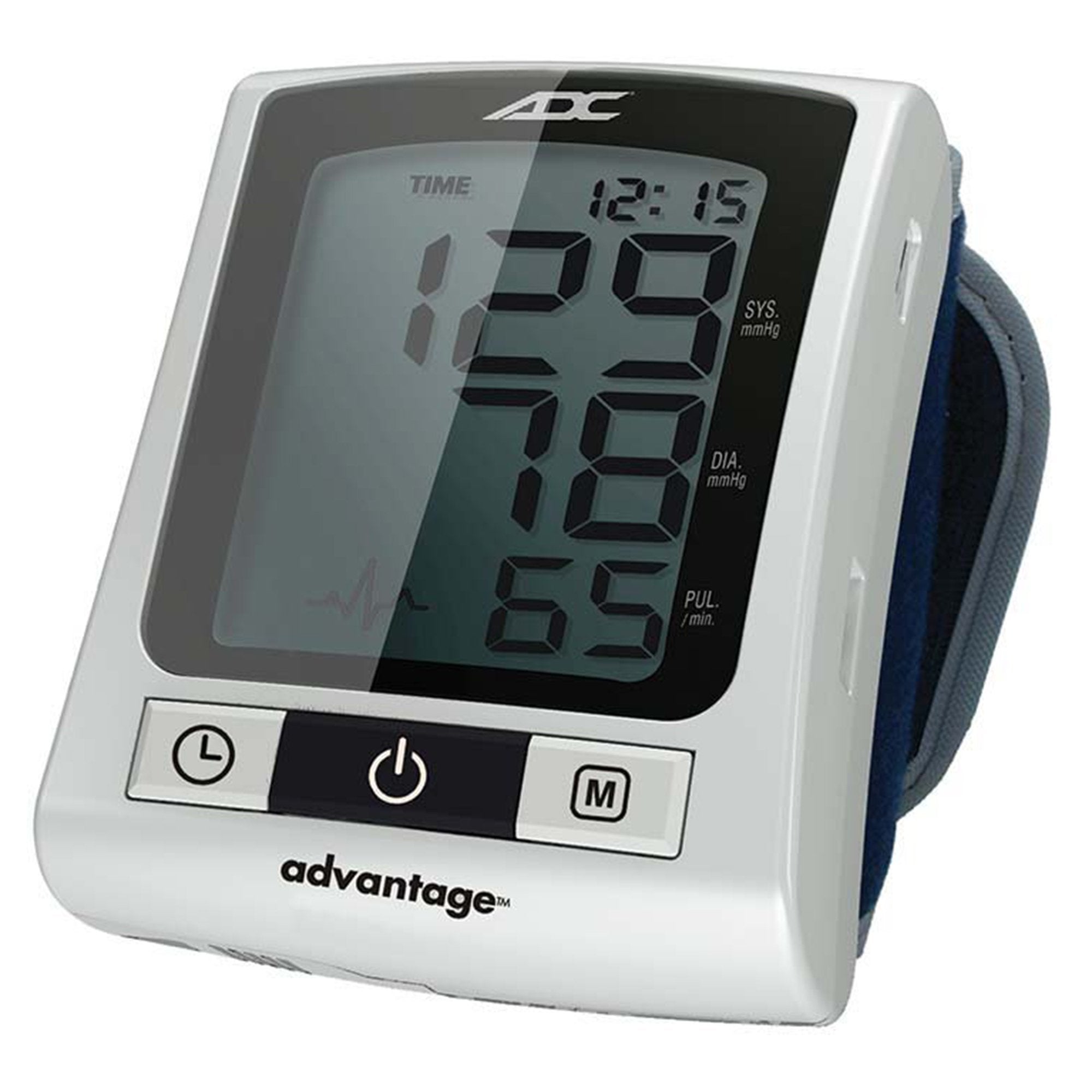
Advantage Wrist Digital Blood Pressure Monitor - 942865_EA - 1
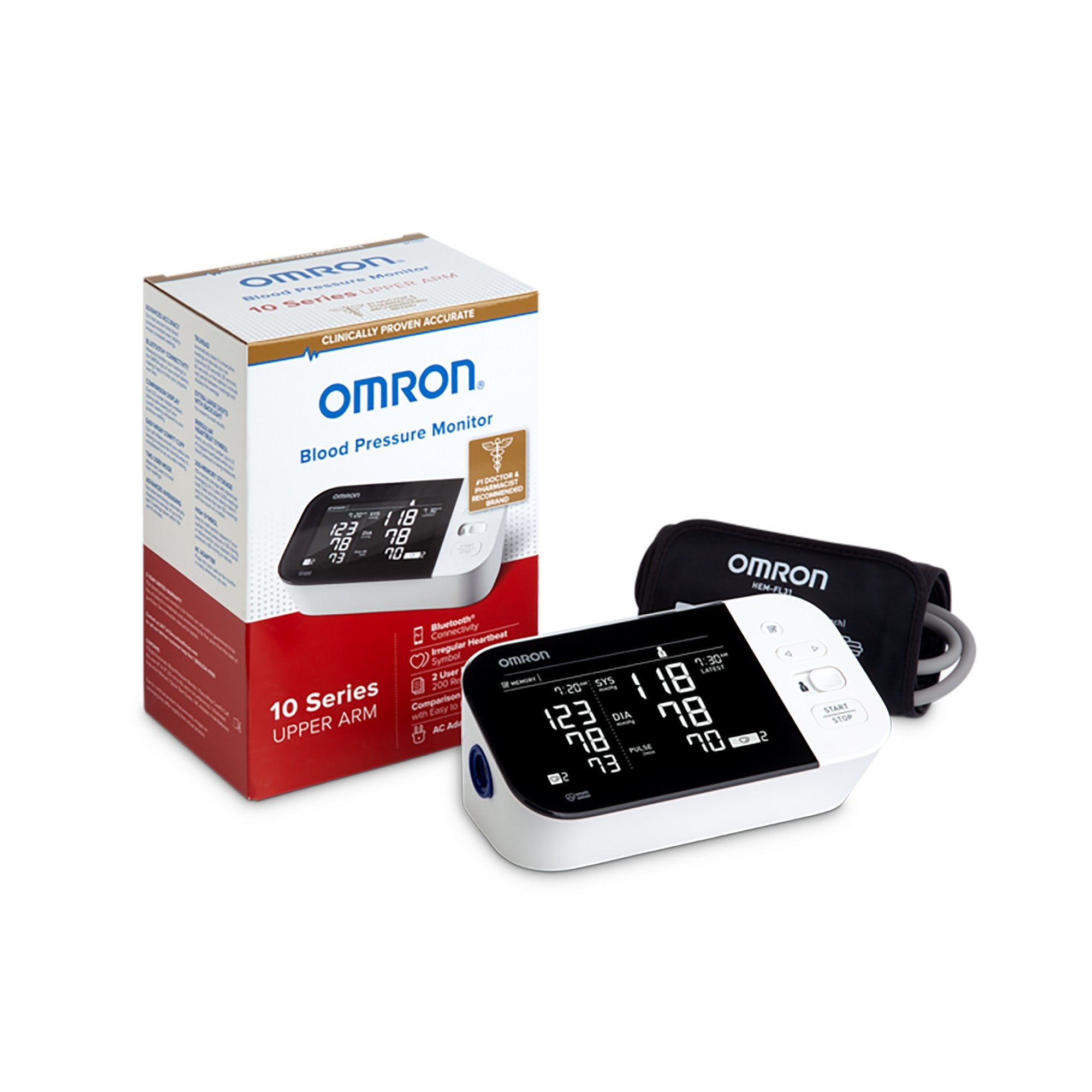
Omron Digital Blood Pressure Monitoring Unit -Each
Save 16%
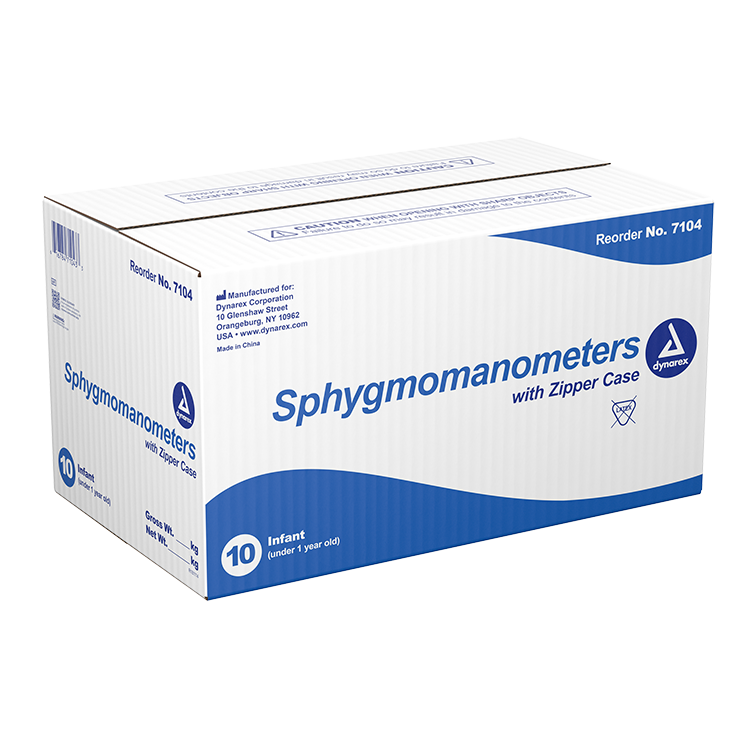
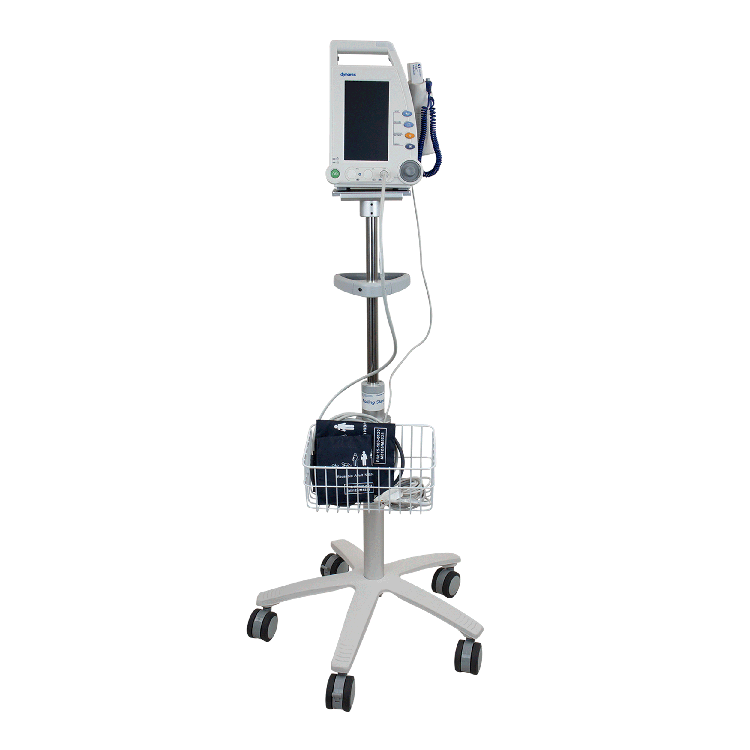
Dynarex Vital Signs Control Knob Patient Monitor w/ Stand
Sale price$2,195.00 Regular price$2,599.00
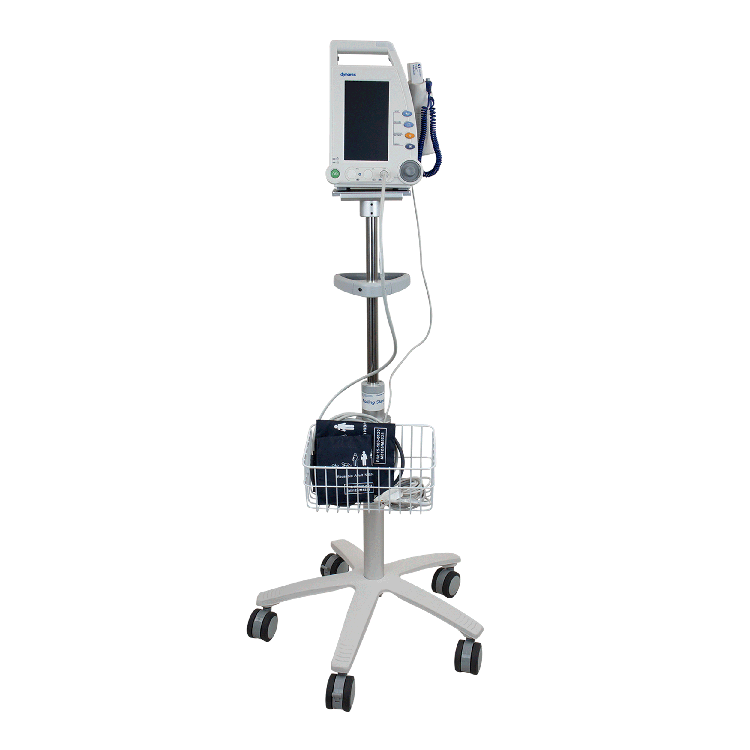
Dynarex Vital Signs Touch Screen Patient Monitor w/ Stand
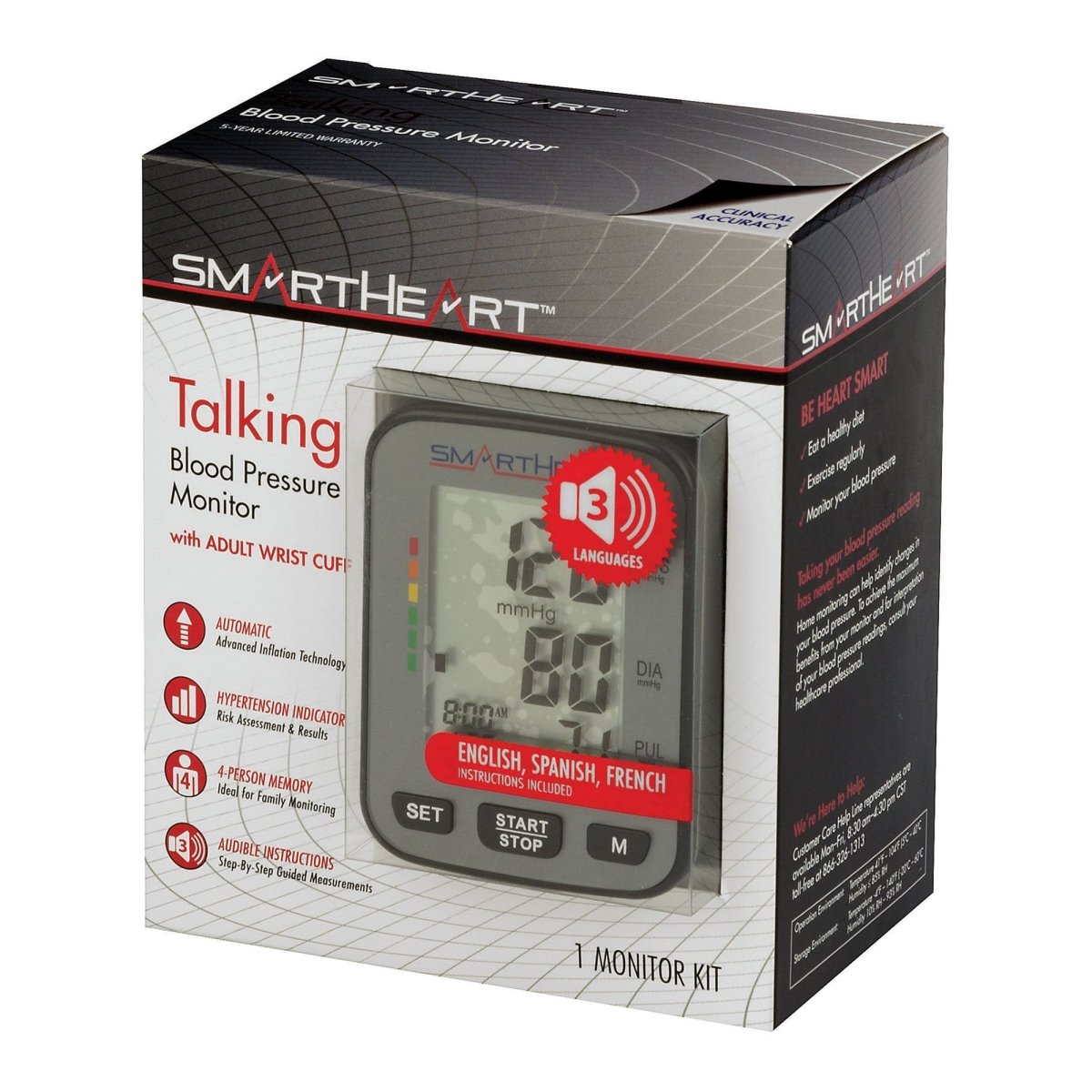
Smartheart Premium Talking Wrist Blood Pressure Monitor - 1226067_EA - 1
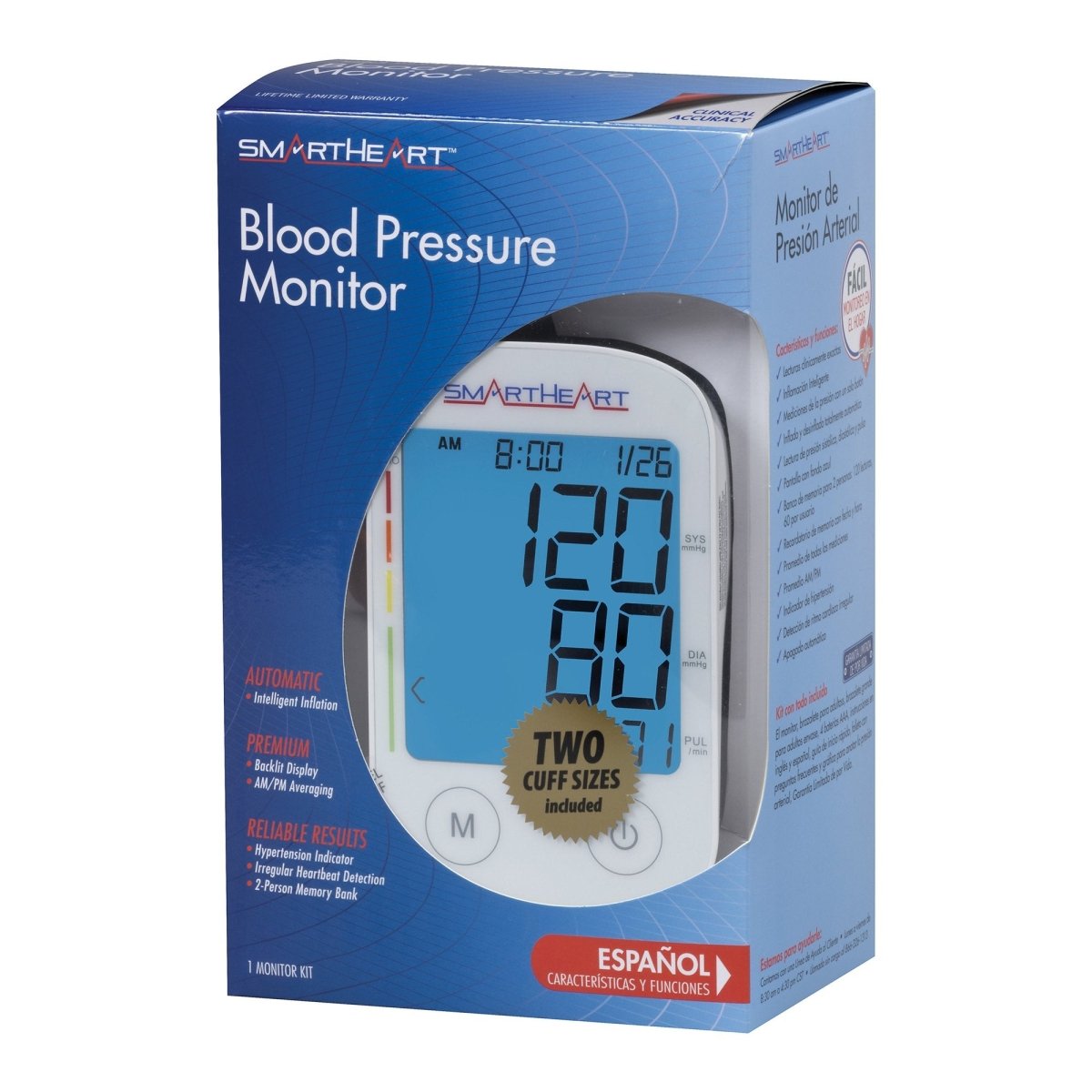
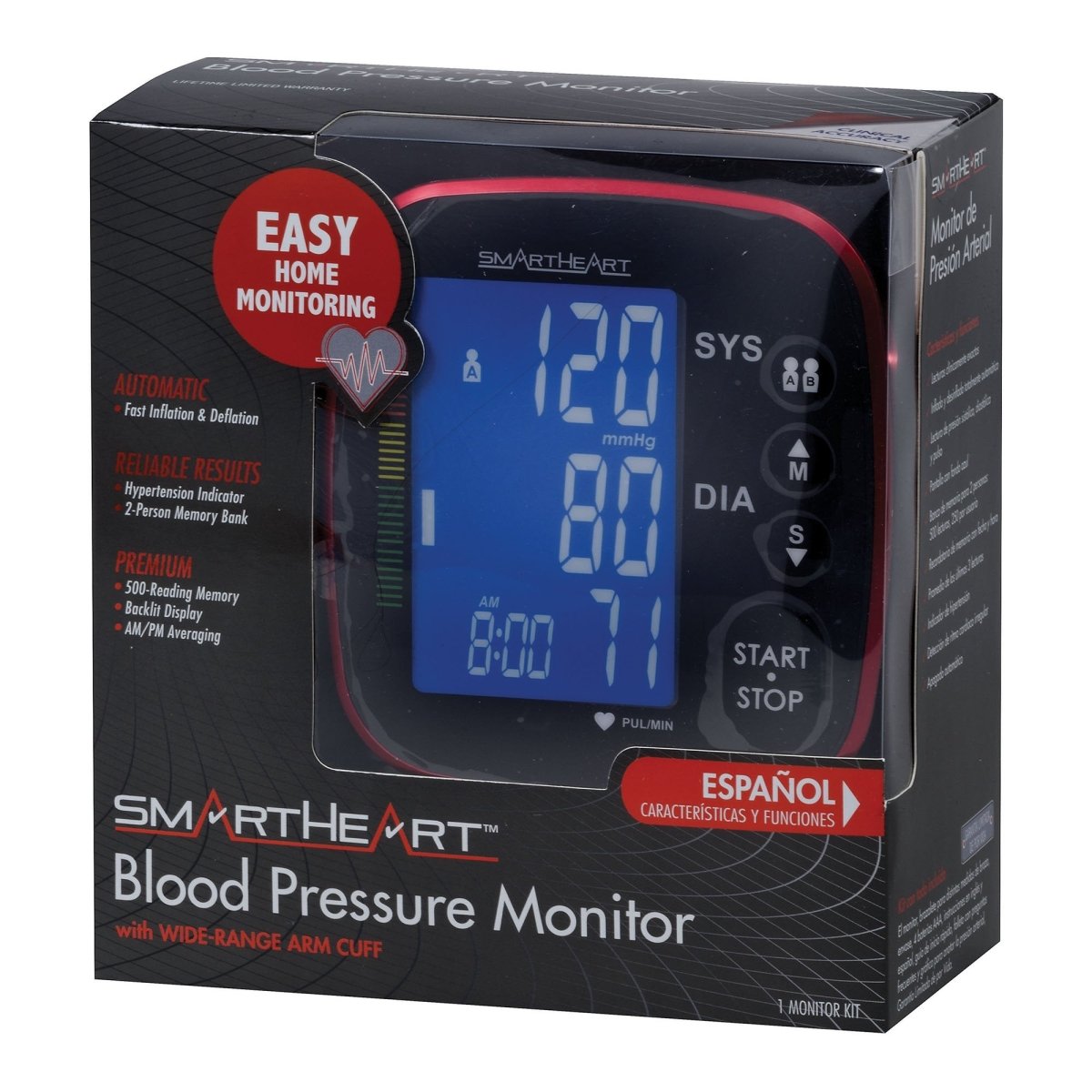
Smartheart Home Automatic Digital Blood Pressure Monitor - 1226085_CS - 1
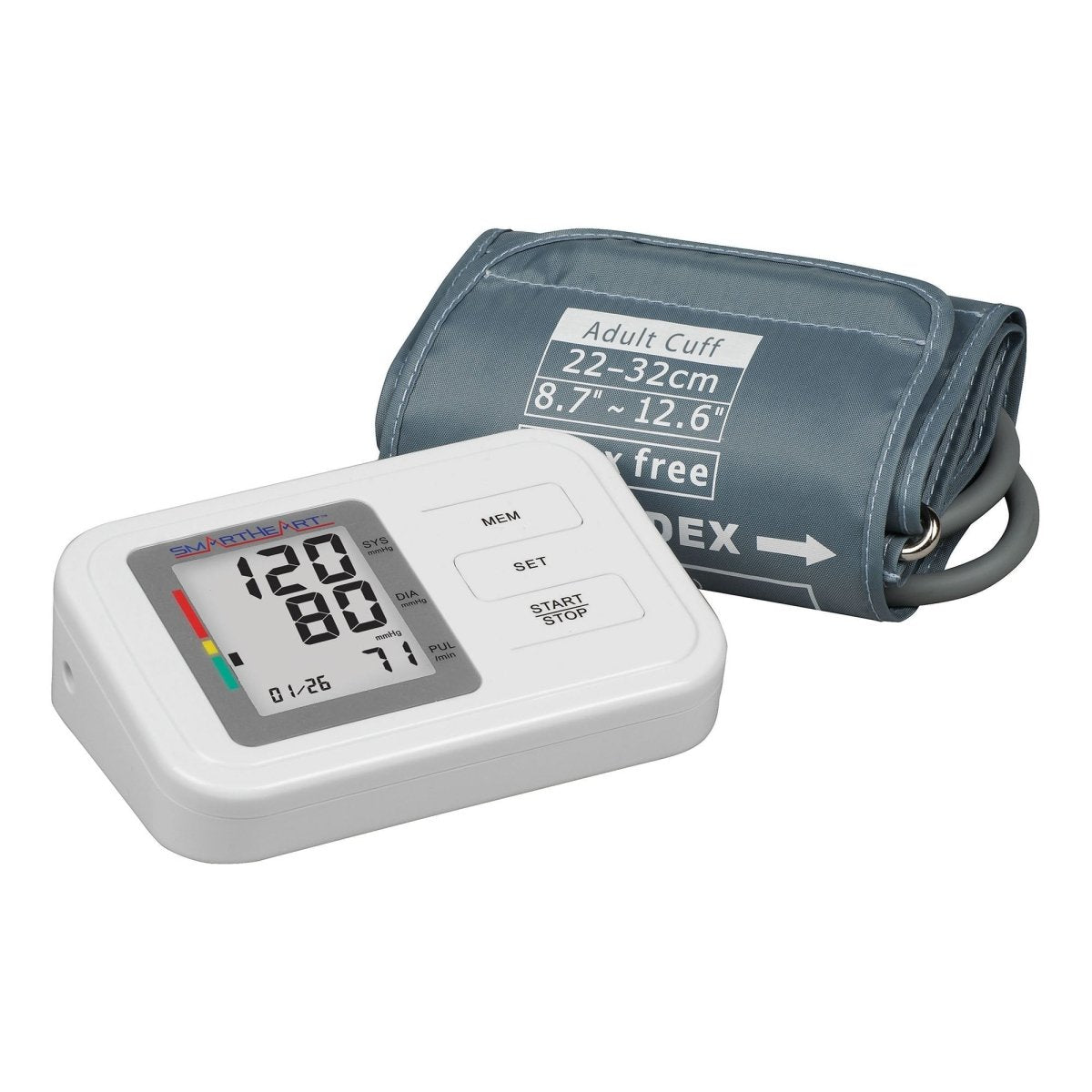
Smartheart Blood Pressure Monitor With Automatic Inflation - 1218876_CS - 1
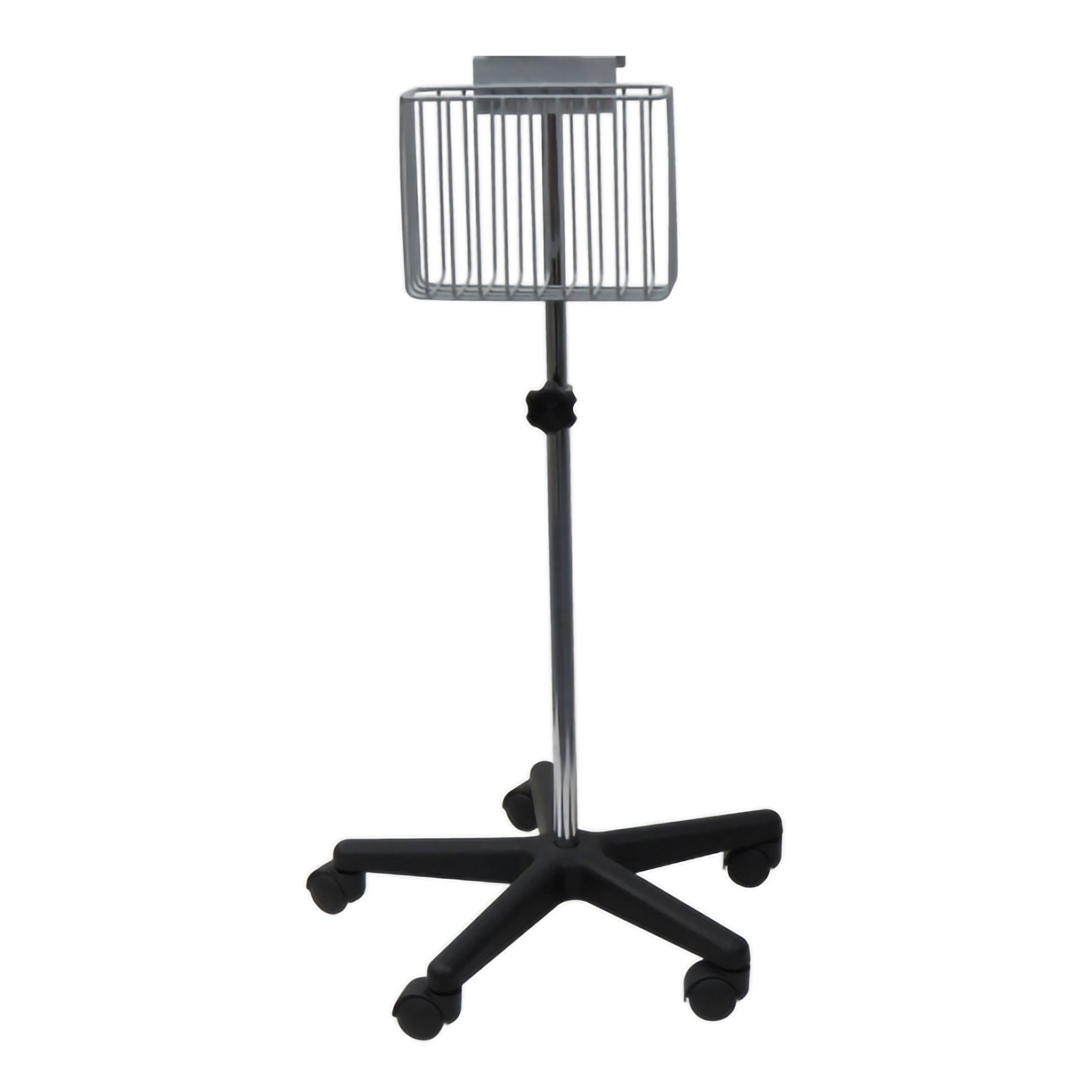
IntelliSense Blood Pressure Monitor Cart -Each
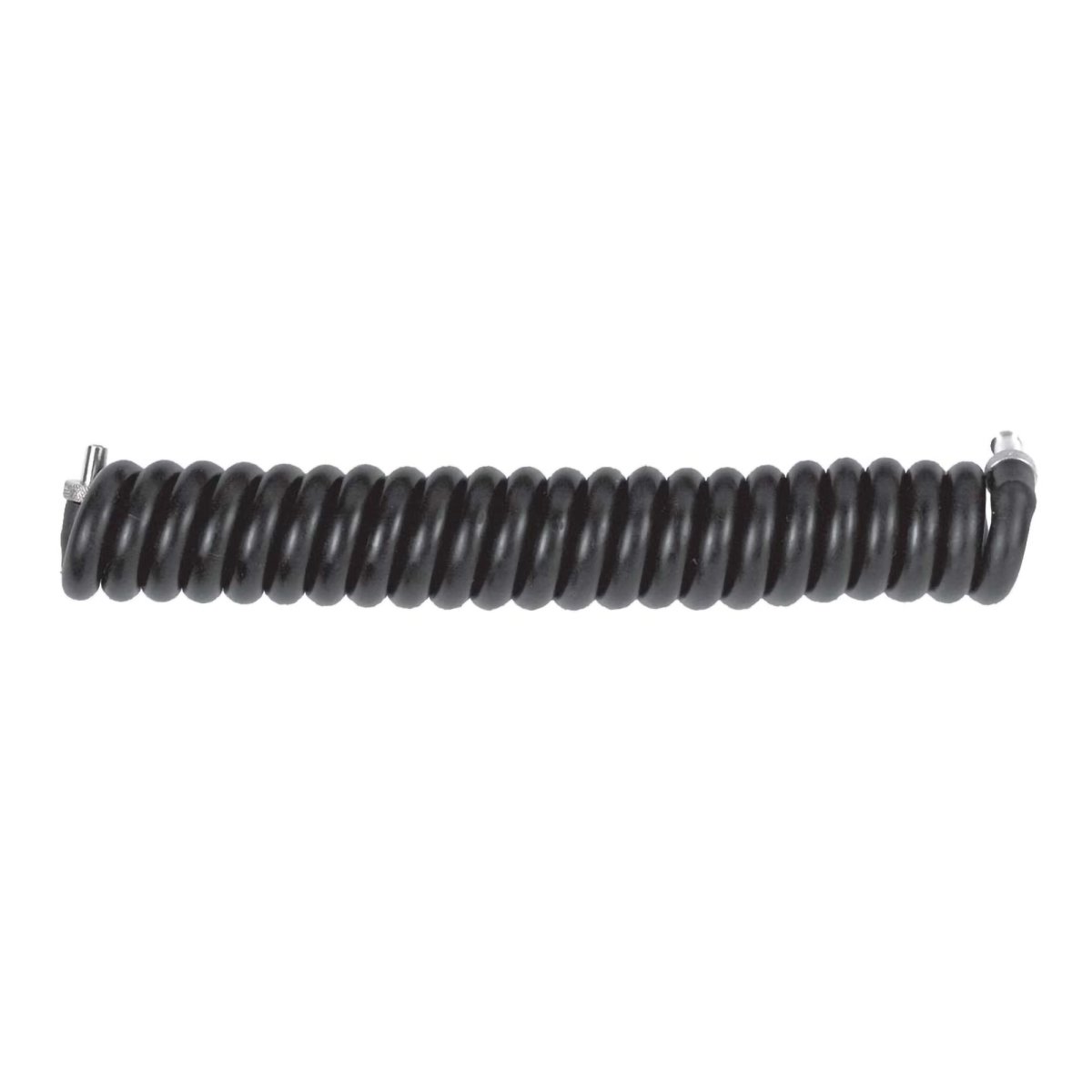
Extendex Blood Pressure Unit Tubing - 28789_EA - 1
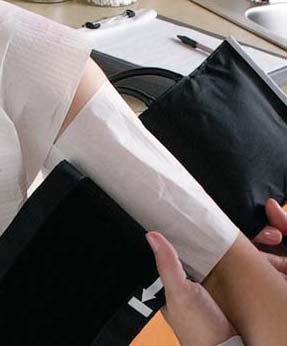
Blood Pressure Cuff Barrier, Large -Box of 50
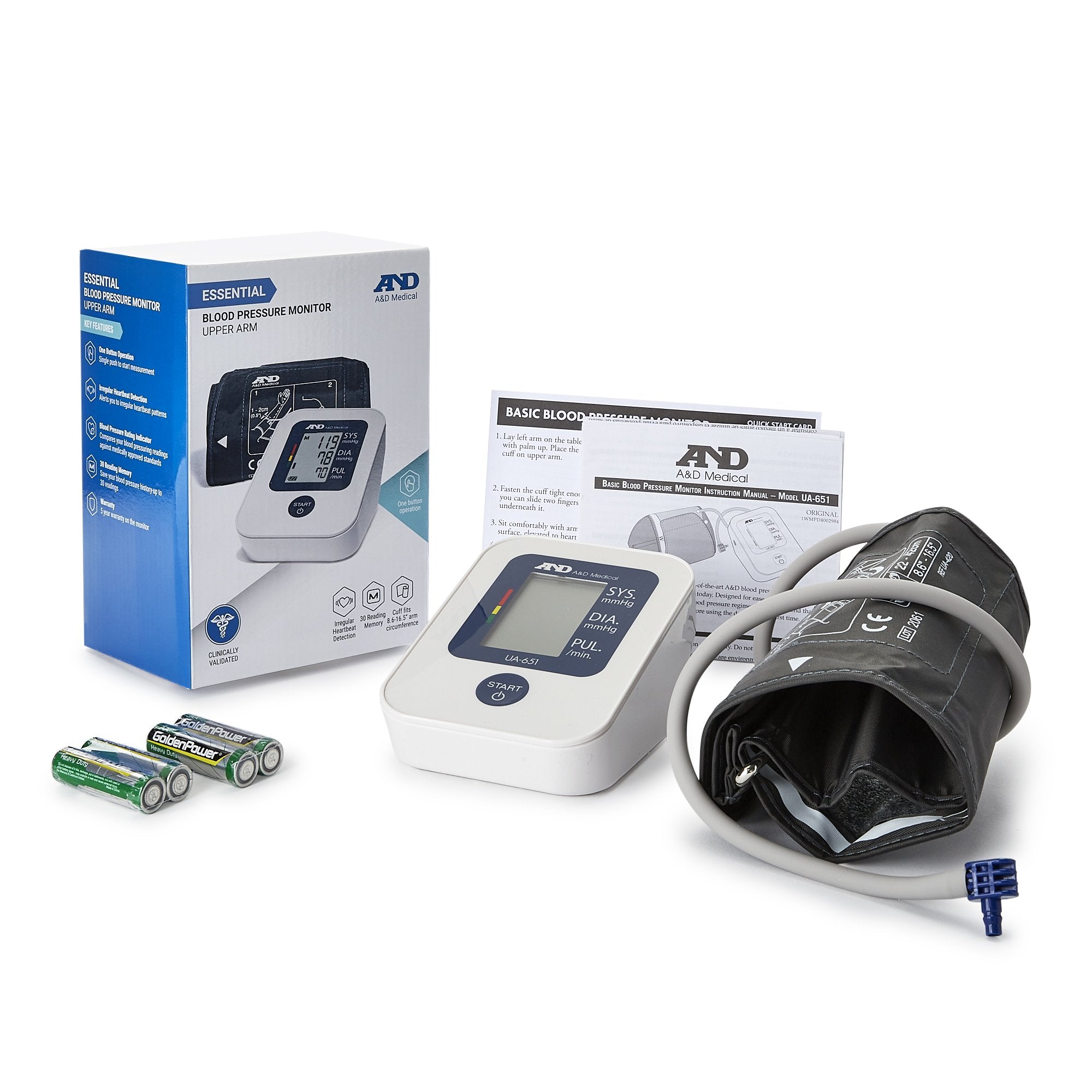
Blood Pressure Cuff Barrier
Sale priceFrom $16.99
Choose options
ADC Advantage Ultra Blood Pressure Monitor -Each
Advantage Blood Pressure Monitor, Medium -Each
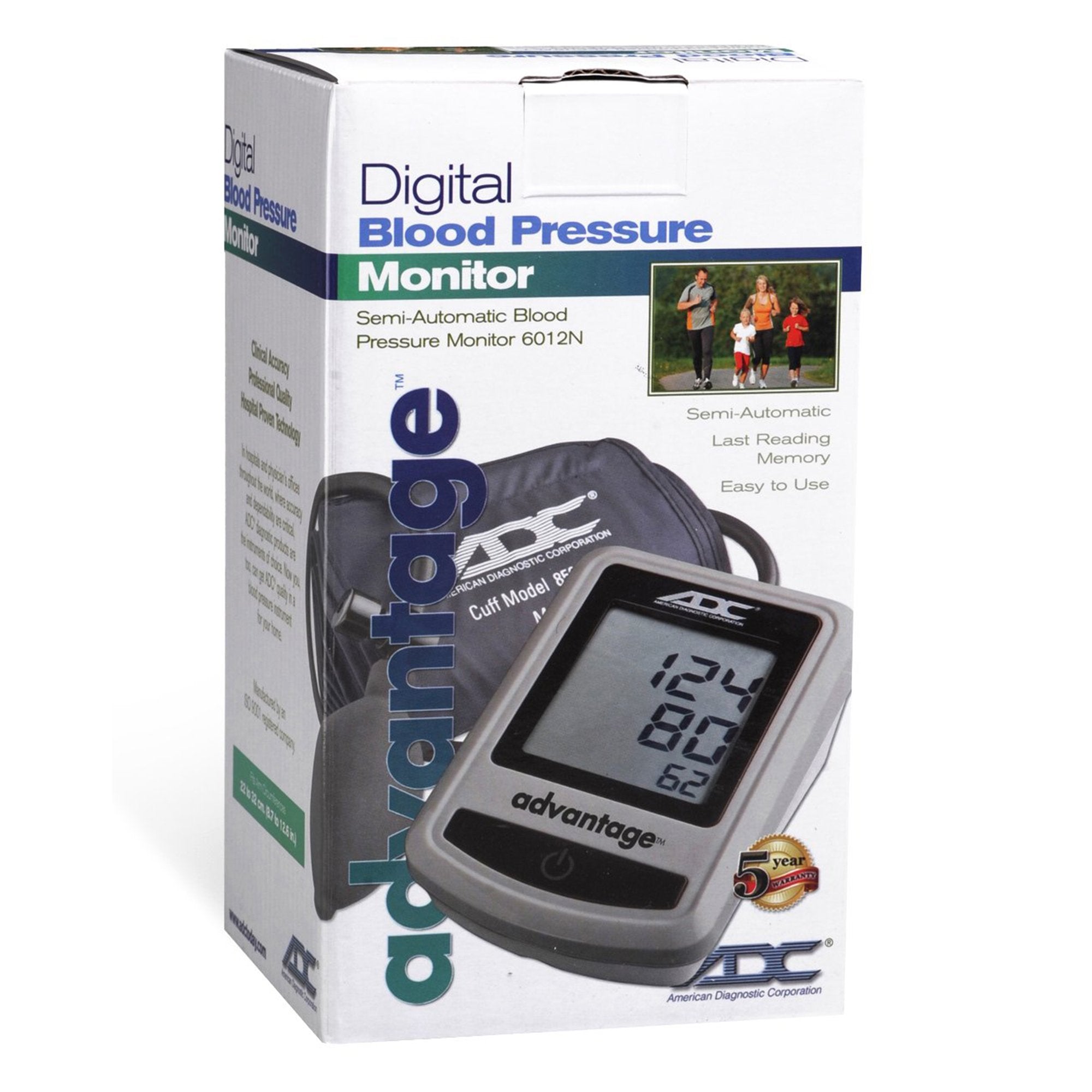
Advantage Blood Pressure Monitor
Sale priceFrom $46.99
Choose options
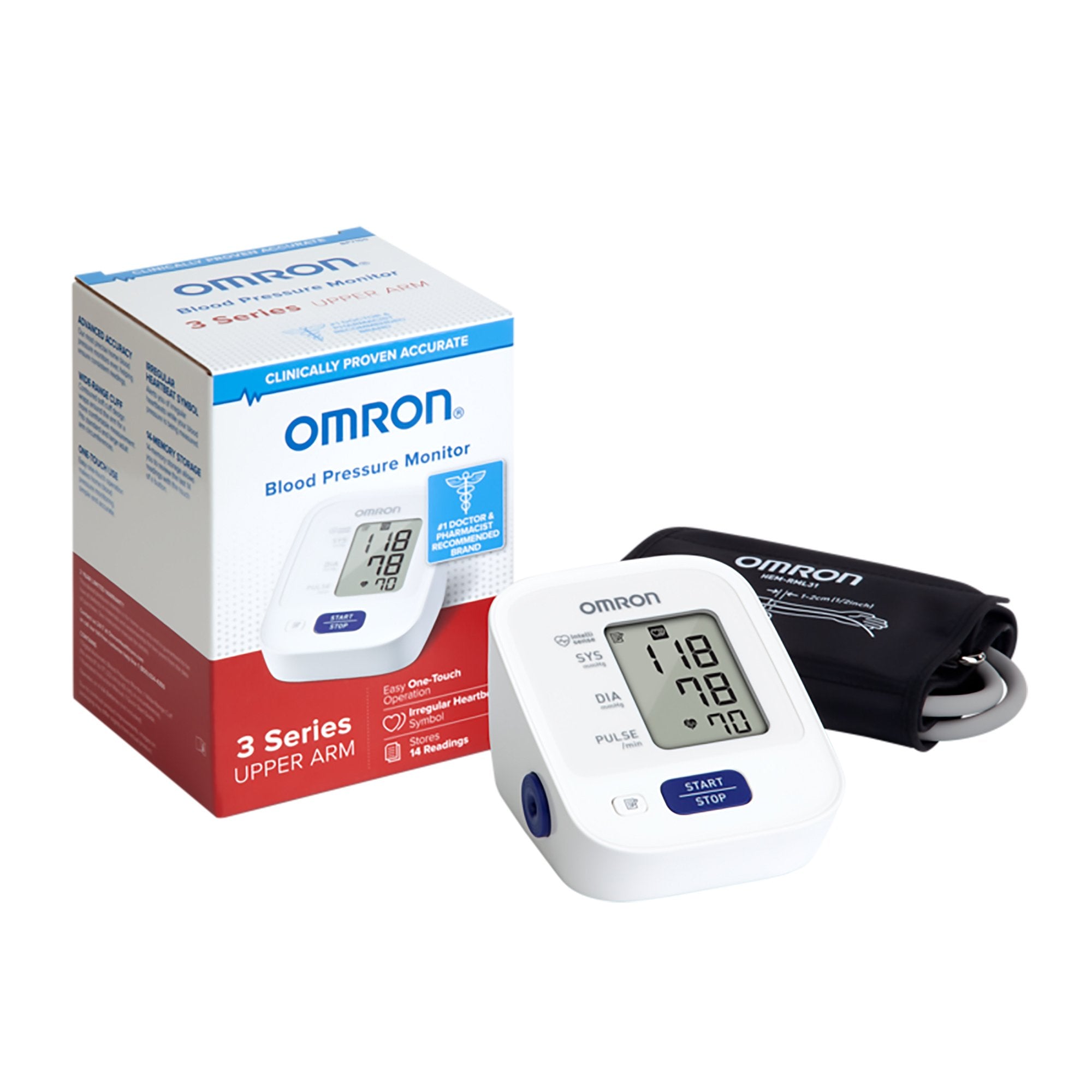
Omron 3 Series Digital Blood Pressure Monitoring Unit 1 Tube -Each

Frequently Asked Questions about Blood Pressure Monitors

A blood pressure monitor measures your blood pressure using an inflatable cuff wrapped around your upper arm. It applies pressure to your brachial artery, momentarily stopping the blood flow. As the pressure is released, the monitor detects the sounds of blood flow, known as Korotkoff sounds, and converts them into numerical readings displayed on the monitor.

Yes, home blood pressure monitors can provide accurate readings if used correctly. It is essential to follow the manufacturer's instructions for proper placement of the cuff, positioning of your arm, and consistent measurement technique. Select monitors that are validated for accuracy and regularly check their calibration against readings obtained by healthcare professionals.

The ideal blood pressure range for adults is typically considered to be around 120/80 mmHg (millimeters of mercury) or lower. However, the target range may vary based on factors such as age, underlying health conditions, and individual risk factors. It's best to consult with your healthcare provider to determine your specific target blood pressure range.

The frequency of blood pressure measurements at home depends on your specific medical condition and your healthcare provider's recommendations. In general, it is recommended to measure your blood pressure at least once in the morning and once in the evening. However, your doctor may suggest more frequent measurements, especially if you're monitoring any specific health concerns.

Yes, various lifestyle factors can impact your blood pressure readings. These include stress, physical activity, caffeine intake, smoking, alcohol consumption, and certain medications. It's advisable to avoid these factors for at least 30 minutes before taking a blood pressure measurement to ensure more accurate results.

Yes, white coat syndrome refers to a temporary increase in blood pressure when visiting a healthcare setting due to anxiety or stress. It can result in higher-than-usual blood pressure readings. Home blood pressure monitoring can help identify whether your blood pressure is genuinely elevated or if it's primarily influenced by white coat syndrome.

Wrist blood pressure monitors can be an alternative, but they may not be as accurate as upper arm cuff monitors. The position and movement of the wrist can impact the readings, and they may be less reliable in certain individuals, such as those with obesity or older adults. It's generally recommended to use an upper arm cuff monitor for more accurate blood pressure measurements.

To prepare for a blood pressure measurement, it's advisable to rest quietly for at least five minutes in a comfortable seated position. Avoid smoking, consuming caffeine, or engaging in vigorous physical activity before the measurement. Ensure your bladder is empty, and remove tight-fitting clothing from your upper arm. Follow the specific instructions provided with your blood pressure monitor.

If your blood pressure readings consistently indicate high blood pressure, it's important to consult your healthcare provider. They can evaluate your overall health, conduct further tests if necessary, and recommend appropriate lifestyle modifications, medications, or other interventions to manage and control your blood pressure effectively.

Yes, sharing your blood pressure readings with your doctor can be beneficial for monitoring your overall health and treatment progress. Some blood pressure monitors

Recently viewed