Filters

Folding Walkers

10 products

Showing 1 - 10 of 10 products

Folding Walkers: Enhance Mobility, Embrace Independence

Welcome to Cart Health, your online destination for finding the best folding walkers. If you're looking for a safe and convenient way to increase your mobility and enjoy greater independence, you've come to the right place. At Cart Health, we offer a wide range of folding walkers designed to meet your needs and improve your quality of life. Discover how these devices can provide you with the freedom you desire and deserve.
Showing 1 - 10 of 10 products
View
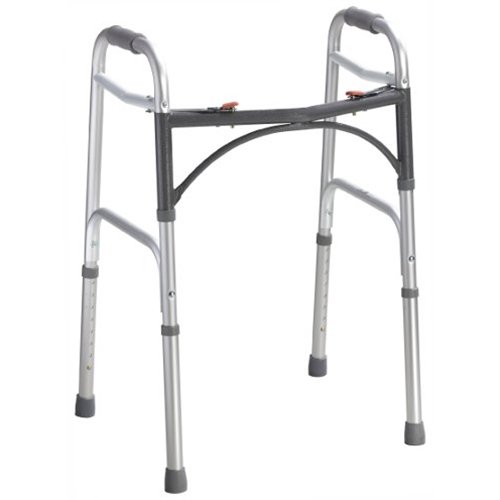
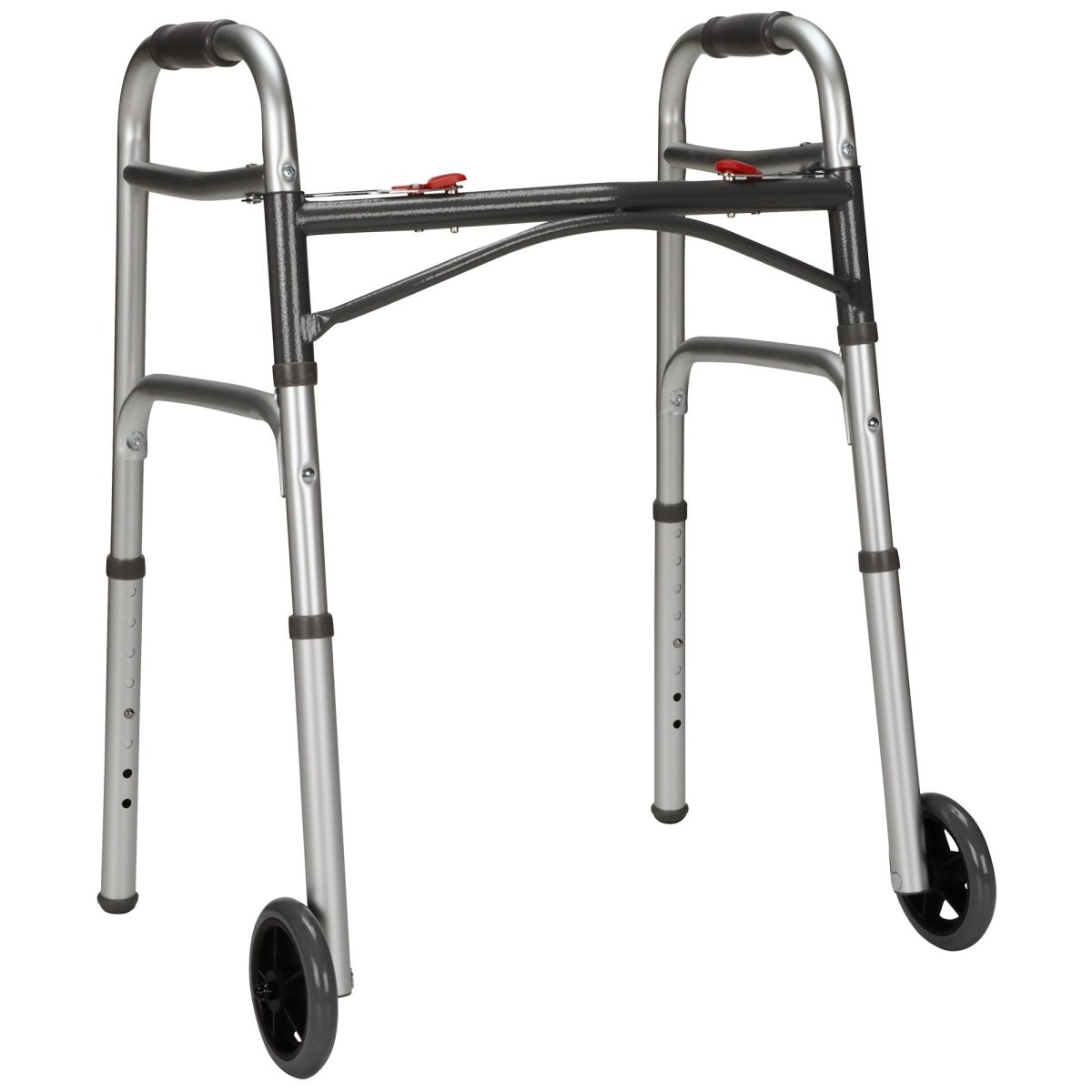
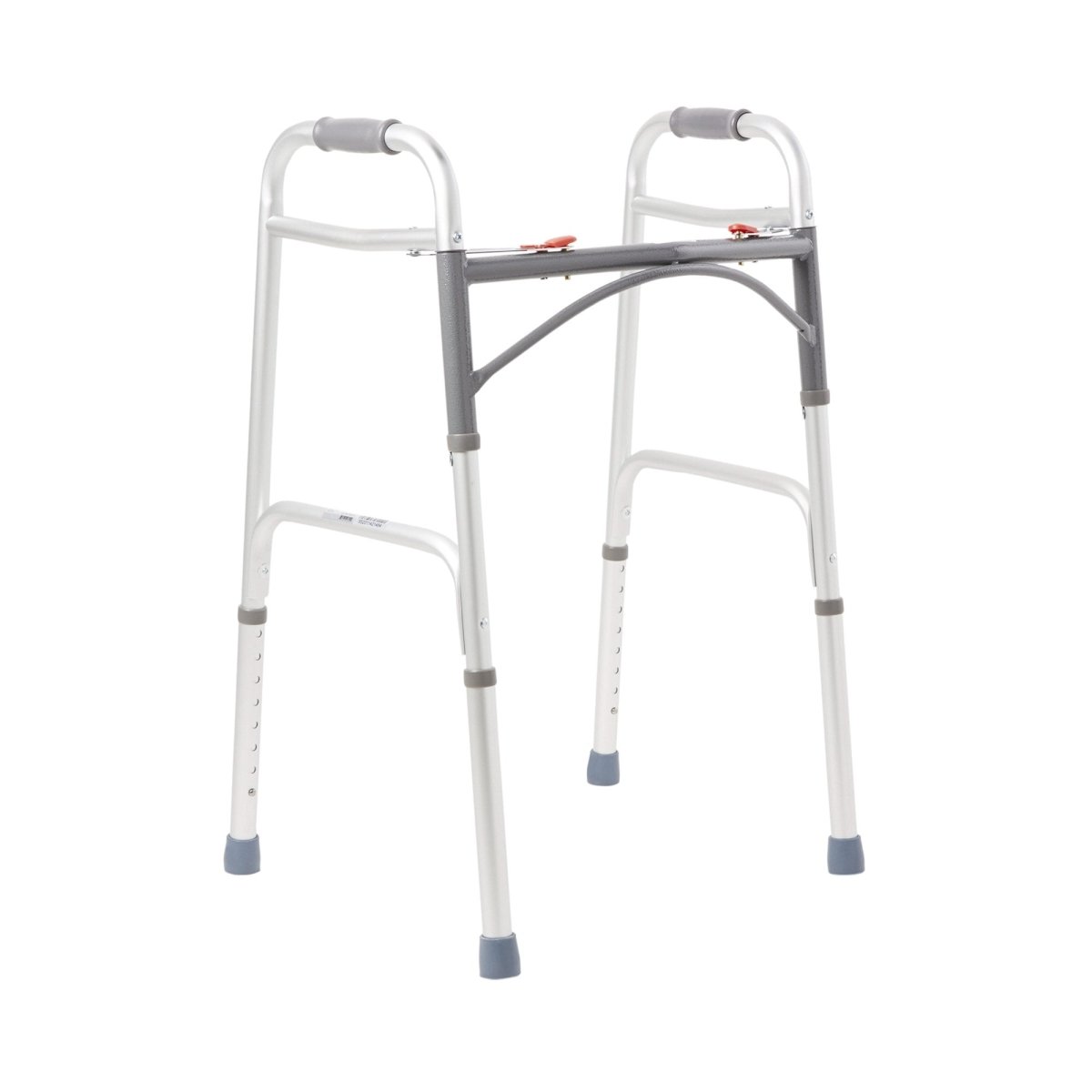
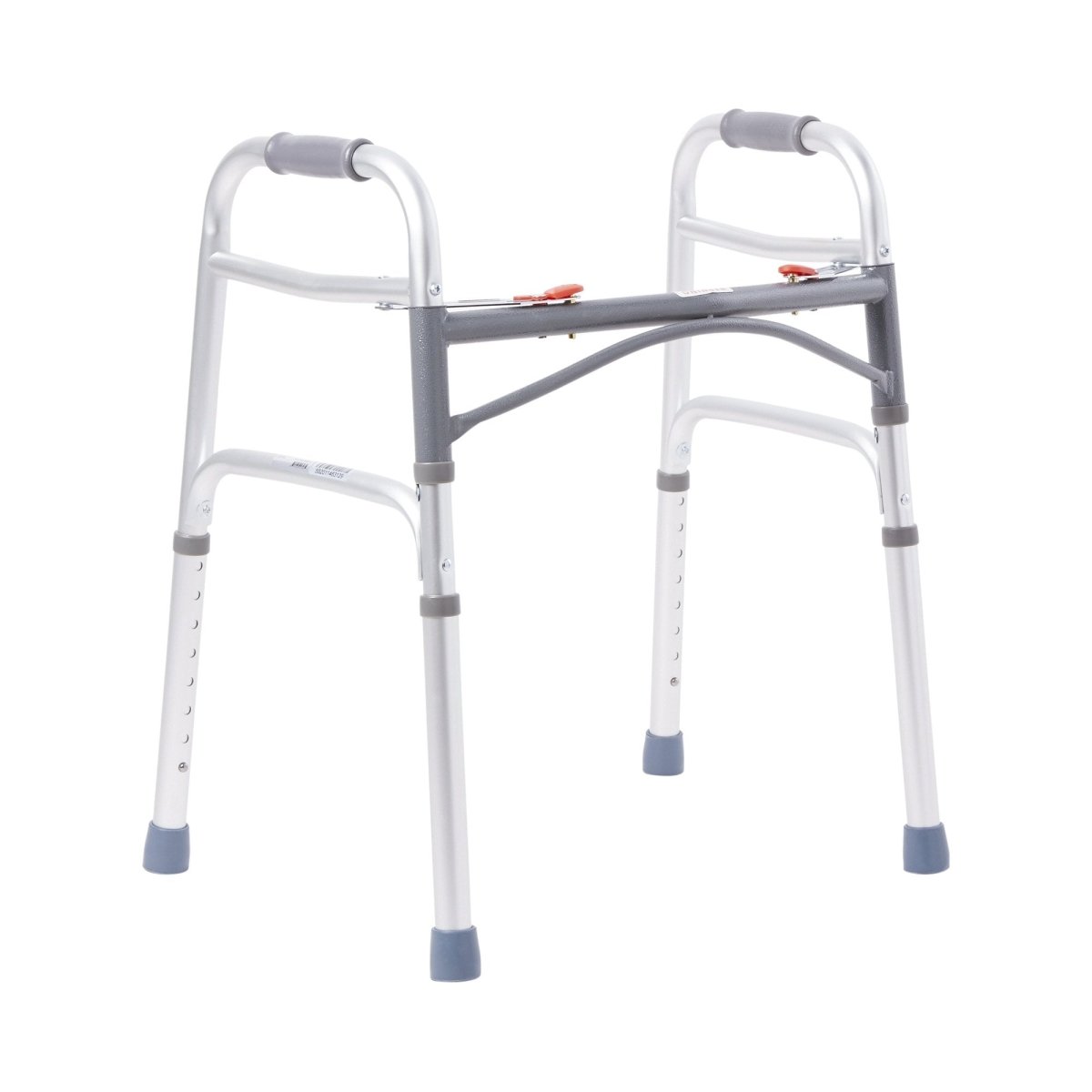
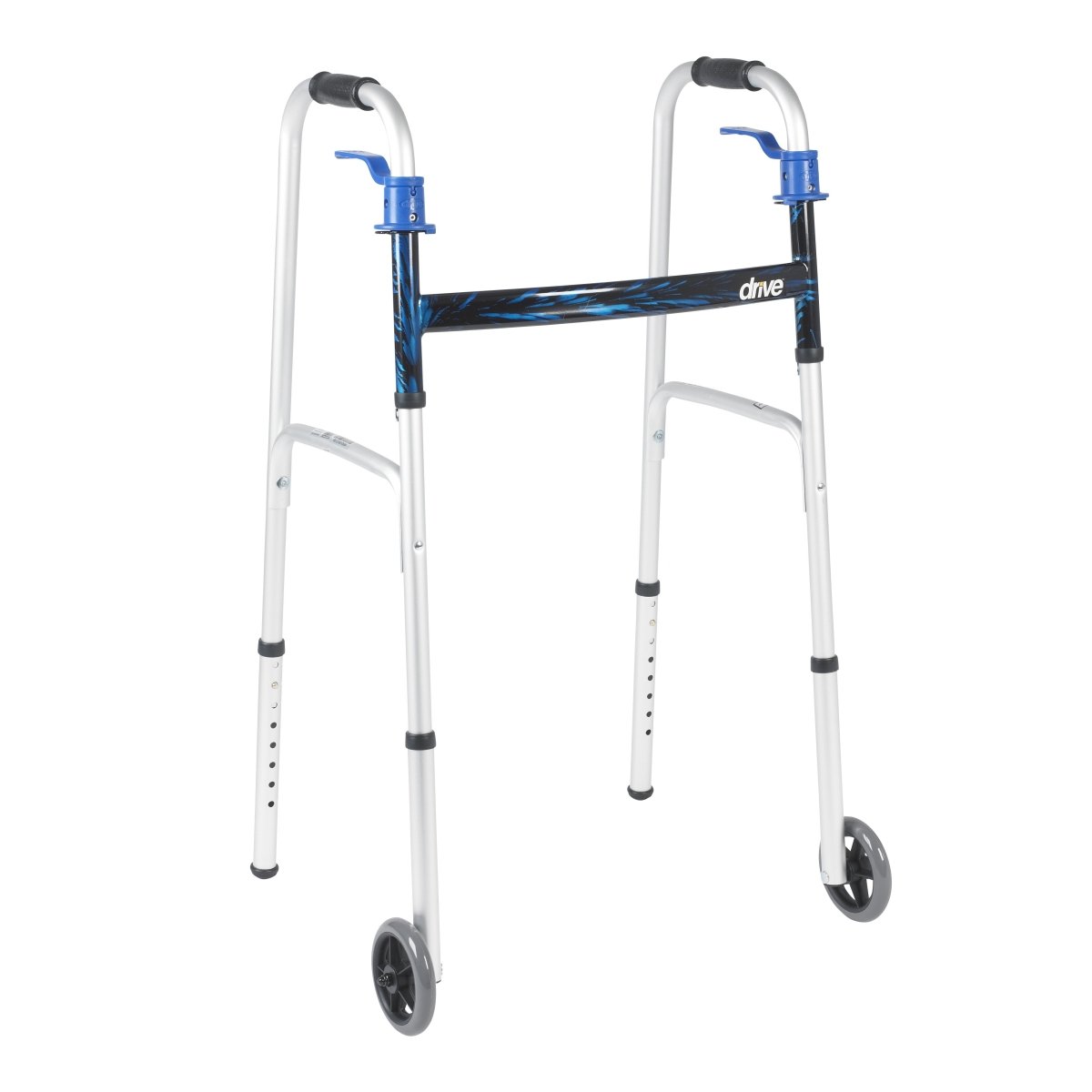
drive Aluminum Dual Release Folding Walker, 32 – 39 Inch Height - 741917_EA - 1
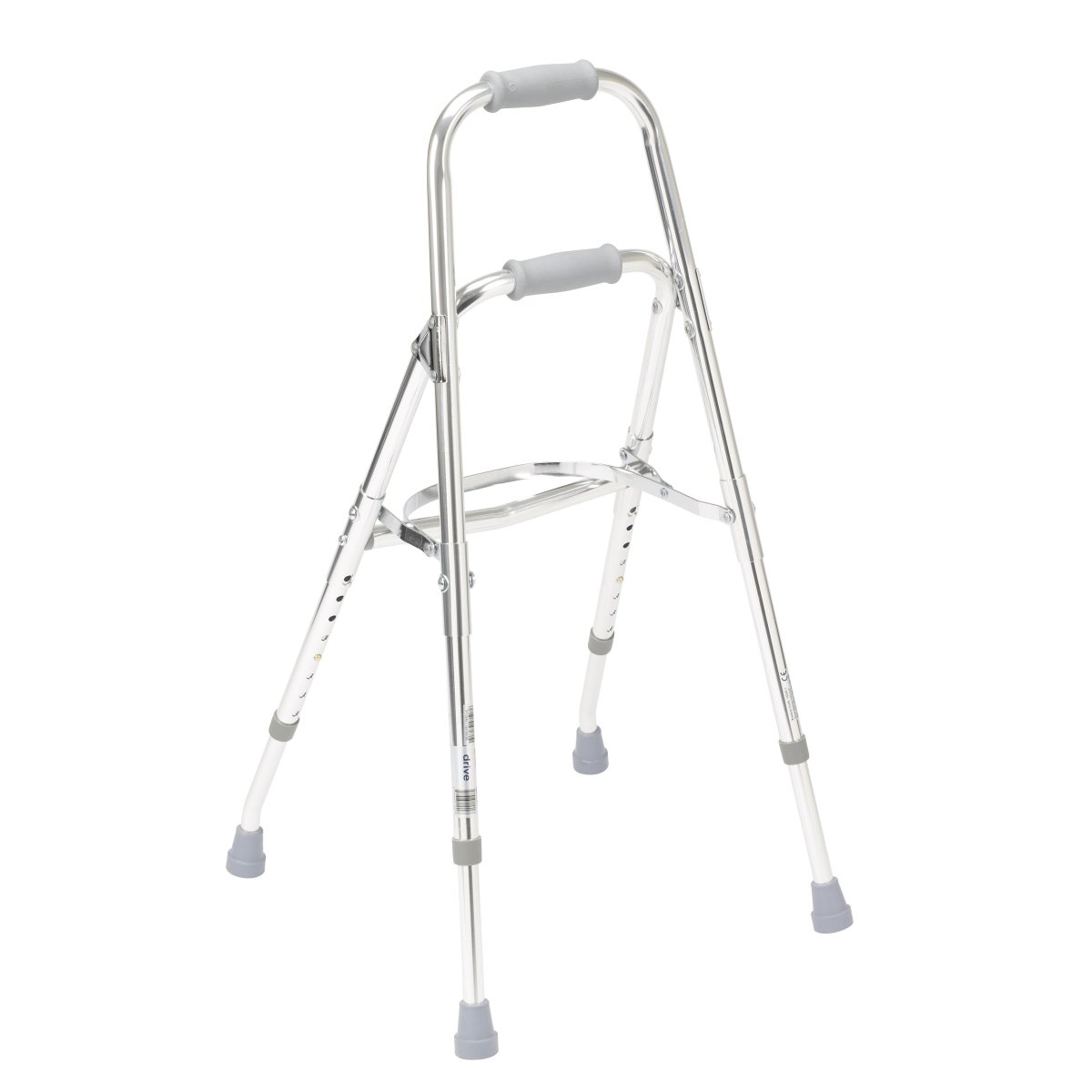
drive Hemi Aluminum Side Step Folding Walker, 29½ – 37 Inch Height - 740164_EA - 1
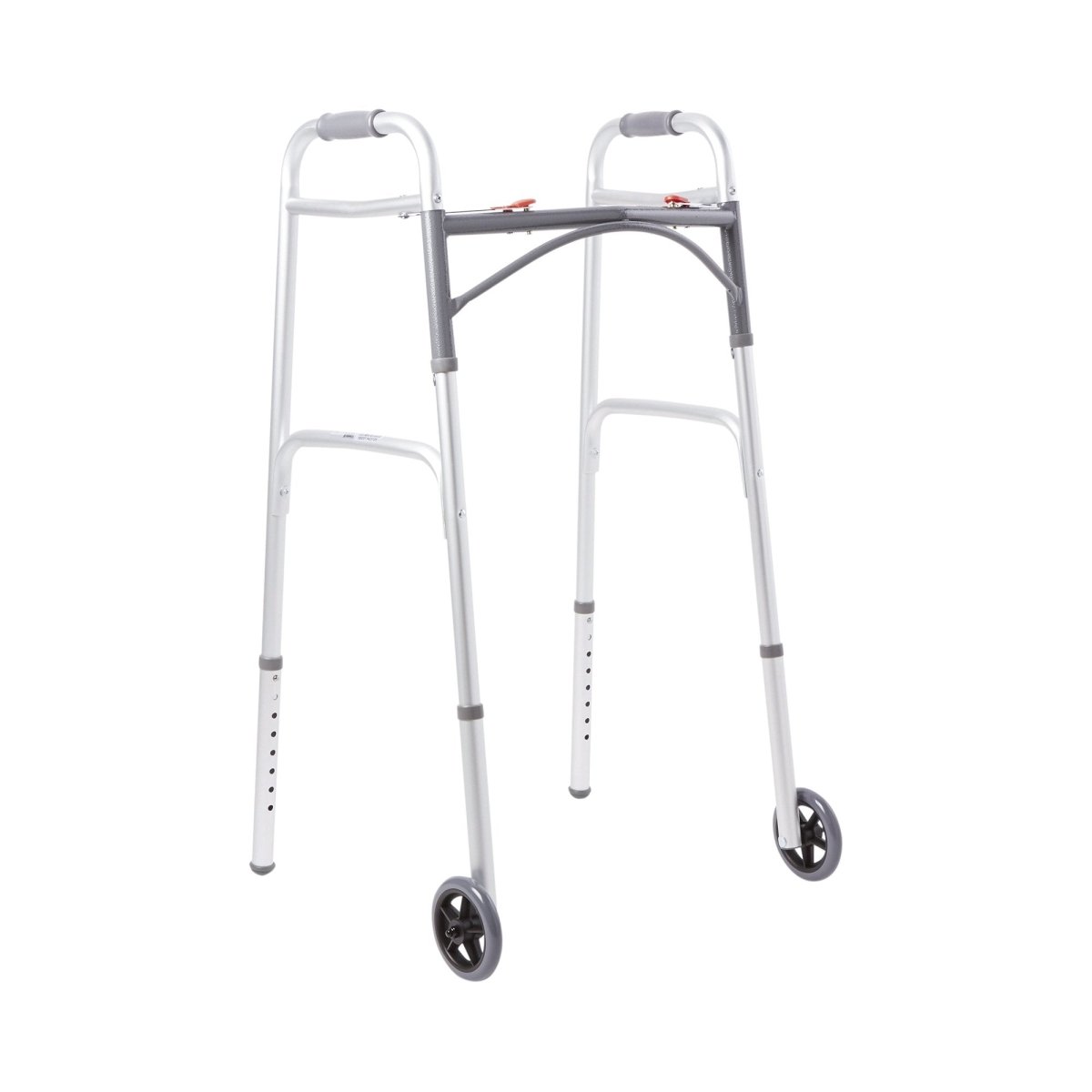
McKesson Aluminum Folding Walker, 32 – 39 Inch Height - 1128907_EA - 1
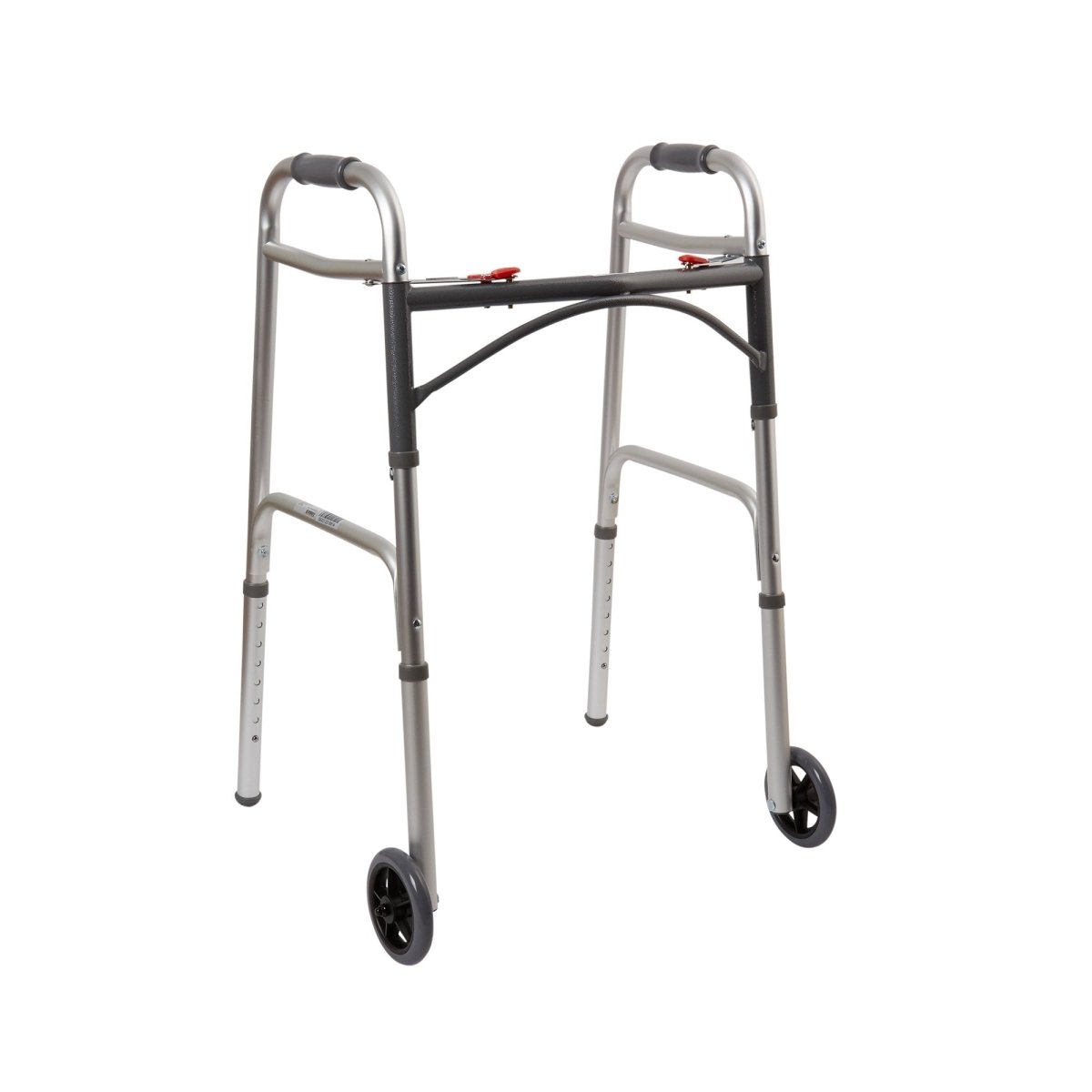
McKesson Adult Aluminum Folding Walker - 1088076_CS - 1
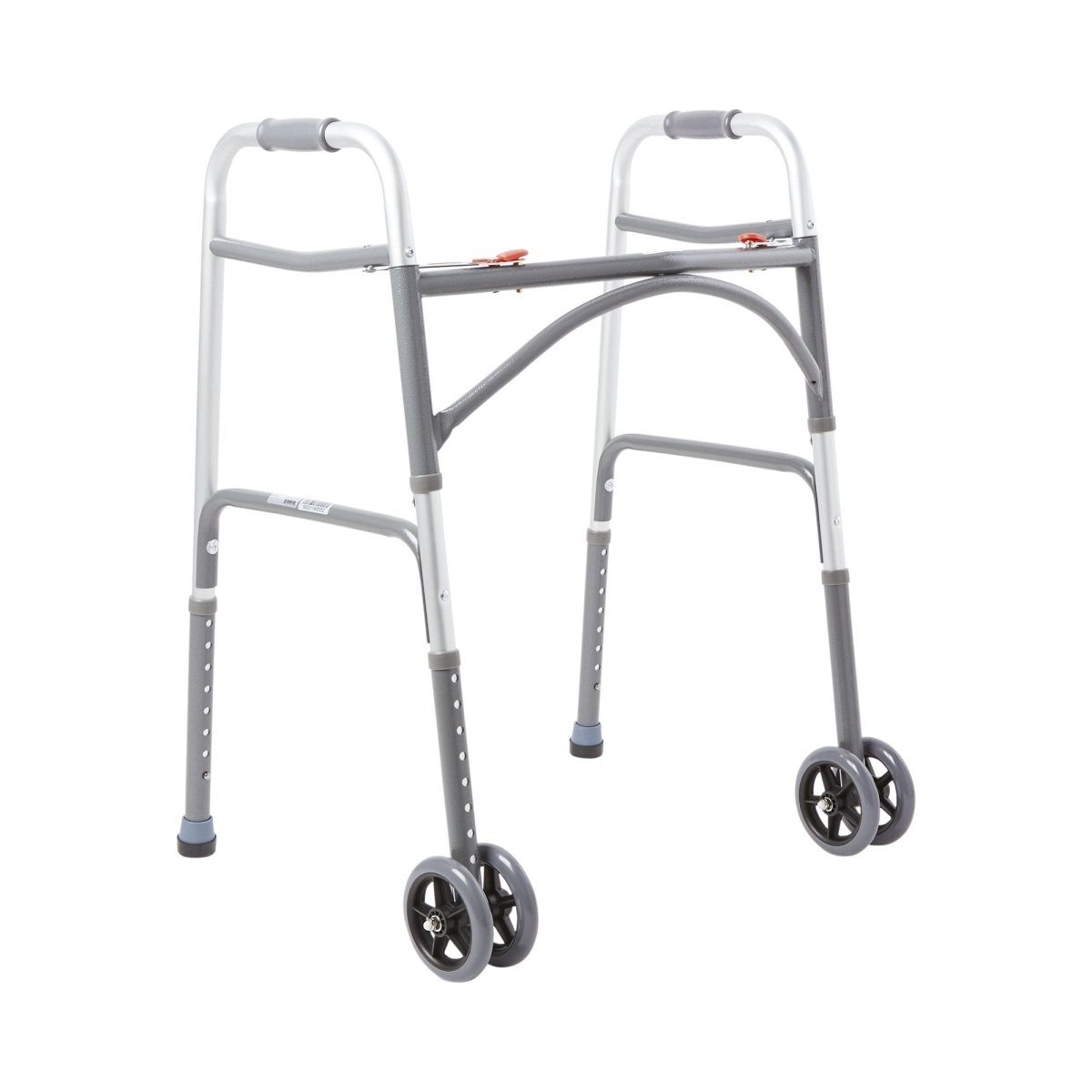
McKesson Folding Aluminum Walker - 1076176_EA - 1

Frequently Asked Questions about Folding Walkers

A folding walker is a mobility aid designed to assist those with difficulty walking due to injury, age, or disability. It features a lightweight, yet sturdy metal frame, with four legs that provide stability. It can be easily folded for transport or storage, and the user navigates by lifting and moving the walker forward.

Folding a walker is generally simple. First, ensure the walker is in a locked or stationary position. Next, locate the folding mechanism, usually situated in the center of the walker. Press, pull, or slide it (depends on the model), and the walker should fold. Unfolding involves releasing the same mechanism and pulling the sides apart until they lock into place.

To adjust the height of a folding walker, locate the adjustment holes on the legs of the walker. Push in the button or release the lever (depends on the model), then slide the leg up or down to the desired height. Always ensure all four legs are at the same height to provide stability and prevent tripping.

Regularly inspect your walker for signs of wear and tear, particularly on the rubber tips of the legs and the folding mechanism. Clean it with a damp cloth and mild detergent, and keep it dry to prevent rusting. Check that the folding mechanism operates smoothly and that all the parts are securely fastened. If you spot any issues, contact the manufacturer or a healthcare professional for advice.

While folding walkers provide stability, they are not suited for all terrains. They work best on flat, even surfaces such as pavements, corridors, and rooms. They may be harder to use on rough or uneven surfaces, including gravel, sand, or grass. Always use caution and consider alternative mobility aids for challenging terrains.

A folding walker typically has four legs and requires the user to lift and advance it. A rollator, on the other hand, has wheels on all four legs and includes a seat for resting. While folding walkers are lightweight and portable, rollators are more suitable for those with better balance and can navigate longer distances.

Yes, folding walkers are often used for rehabilitation purposes. They provide stability and support for those recovering from surgeries like hip or knee replacement. However, always consult with a healthcare professional to determine the best mobility aid for your specific needs.

Key considerations when buying a folding walker include the user's height, weight, and physical capabilities. Also consider the walker's weight, adjustability, ease of folding, and the type of terrain it will be used on. Additional features like padded handles or added accessories such as bags or trays may also be useful.

Yes, there are different types of folding walkers. Standard walkers have four legs with no wheels. Two-wheel walkers have wheels on the front two legs, providing a balance between stability and mobility. Four-wheel walkers or rollators offer the greatest mobility but require more balance to use.

Folding walkers are generally safe when used properly. They offer a high level of stability due to their four points of contact with the ground. However, it's important to ensure the walker is correctly adjusted to the user's height and that it is used on appropriate terrain. Regular maintenance checks for wear and tear are also essential to ensure safety.

Recently viewed