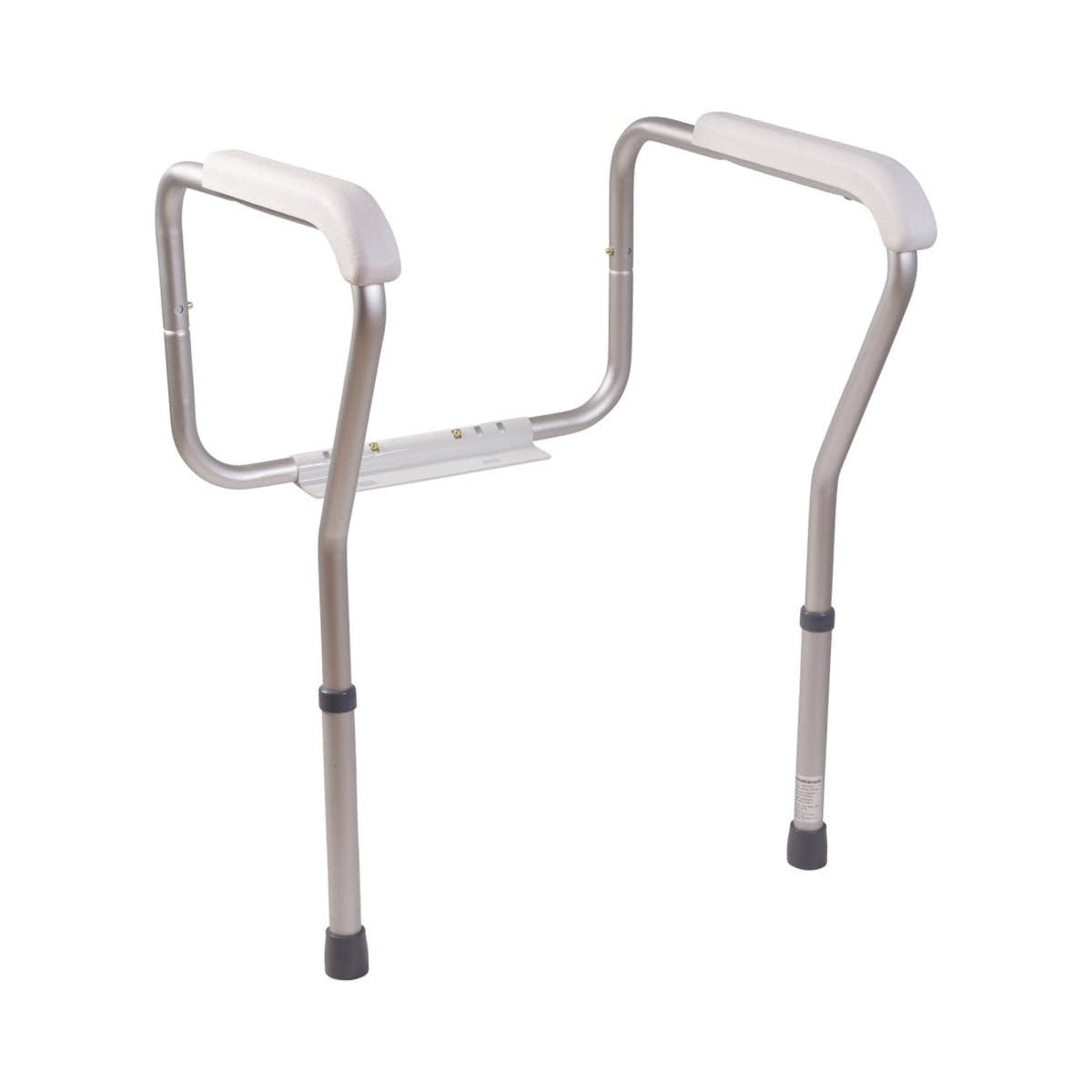
Grab bars are safety devices that are installed in bathrooms and other areas of a home to provide support and stability for individuals who have difficulty standing or maintaining balance. They are normally installed near the toilet, in the shower or tub, and near the entrance to the bathroom to help aid users in use of the toilet or shower. Grab bars can help prevent falls and injuries, and are particularly useful for older adults, individuals with mobility impairments, and those who are recovering from surgery or illness.
Grab bars are designed to help you maintain your balance and support your weight while moving around in a bathroom. They're normally installed near a toilet, shower, or bathtub, and provide a secure and sturdy handhold that you can use to steady yourself and prevent falls.
Grab bars are available in a wide range of styles, sizes, and materials, so you can choose the one that best fits your needs and preferences. They can be wall-mounted, floor-mounted, or ceiling-mounted, and are typically made of stainless steel, plastic, or other materials that are durable, corrosion-resistant, and easy to clean.
Choosing the right grab bar
When choosing a grab bar, it's important to consider the size, weight capacity, and mounting options.
Wall-mounted grab bars are the most common type, and are available in various lengths to fit different spaces and needs. They are typically mounted onto a wall using screws or other fasteners, and can be installed at any height that is comfortable and convenient for the user.
Floor-mounted grab bars are another popular option, and are typically used in showers and bathtubs. They are installed onto the floor using screws or other fasteners, and provide a secure and sturdy handhold that users can grab onto while standing or sitting.
Ceiling-mounted grab bars are a less common option, but are a great choice for people who need extra support while moving around in a bathroom or wet area. They are mounted onto the ceiling using screws or other fasteners, and provide a secure and sturdy handhold that users can grab onto while standing or sitting.
Grab bars are a vital safety feature for anyone who wants to maintain their balance and prevent falls in a bathroom or other area. They're available in a wide range of styles, sizes, and frame materials, so you can choose the one that best fits your needs and preferences. Try a grab bar today and make your bathroom safer and more accessible for all users.
Frequently Asked Questions about Grab Bars
Grab bars are safety devices installed in bathrooms and other areas of a home to provide support and stability for people who have difficulty standing or maintaining balance. Grab bars are commonly mounted near toilets, inside showers, and along tub walls to help users move safely and reduce the risk of falls.
Grab bars are designed for older adults, people recovering from surgery, and individuals living with mobility challenges, balance issues, or disabilities. Anyone who feels unsteady while using the toilet, entering a shower, or stepping in and out of a bathtub can benefit from having grab bars installed.
Start by locating wall studs or using toggle bolts rated for the expected load before mounting a wall grab bar. Grab bars should be anchored securely into solid wall material to support body weight — a grab bar that pulls free under pressure offers no protection and can cause serious injury.
Grab bars come in several styles including wall-mounted grab bars, suction-cup grab bars, toilet safety rails, tub rails, and bed grab bars. Each type is designed for a specific location or use case, so choosing the right grab bar depends on where support is needed and whether a permanent installation is possible.
Yes, suction-cup grab bars can be used without drilling and attach directly to smooth, non-porous surfaces like tile or fiberglass. However, suction-cup grab bars are generally considered a temporary or supplemental solution and may not support as much weight as permanently mounted wall grab bars.
The right grab bar length depends on where the grab bar will be installed and the user's reach and mobility needs. Grab bars are available in a range of lengths to fit different wall spaces and positions, so measuring the installation area and considering the user's height and range of motion will help narrow down the right size.
Yes, most grab bars are built to support significant body weight, but the actual weight capacity varies by product type and how the grab bar is installed. Wall grab bars anchored into studs typically offer the highest weight ratings, while suction-cup and clamp-on styles may have lower limits, so always check the weight capacity listed for the specific grab bar.
Because grab bars are specifically engineered to bear body weight, while towel bars are only designed to hold lightweight items and can pull free from the wall if grabbed for support. Using a grab bar instead of a towel bar in high-risk areas like the shower or near the toilet significantly reduces the chance of a dangerous fall.
Clean grab bars regularly with a mild soap and water solution or a non-abrasive bathroom cleaner to prevent soap scum and mildew buildup. For suction-cup grab bars, periodically remove the bar and clean both the suction cups and the wall surface to ensure the grab bar maintains a strong, reliable seal.
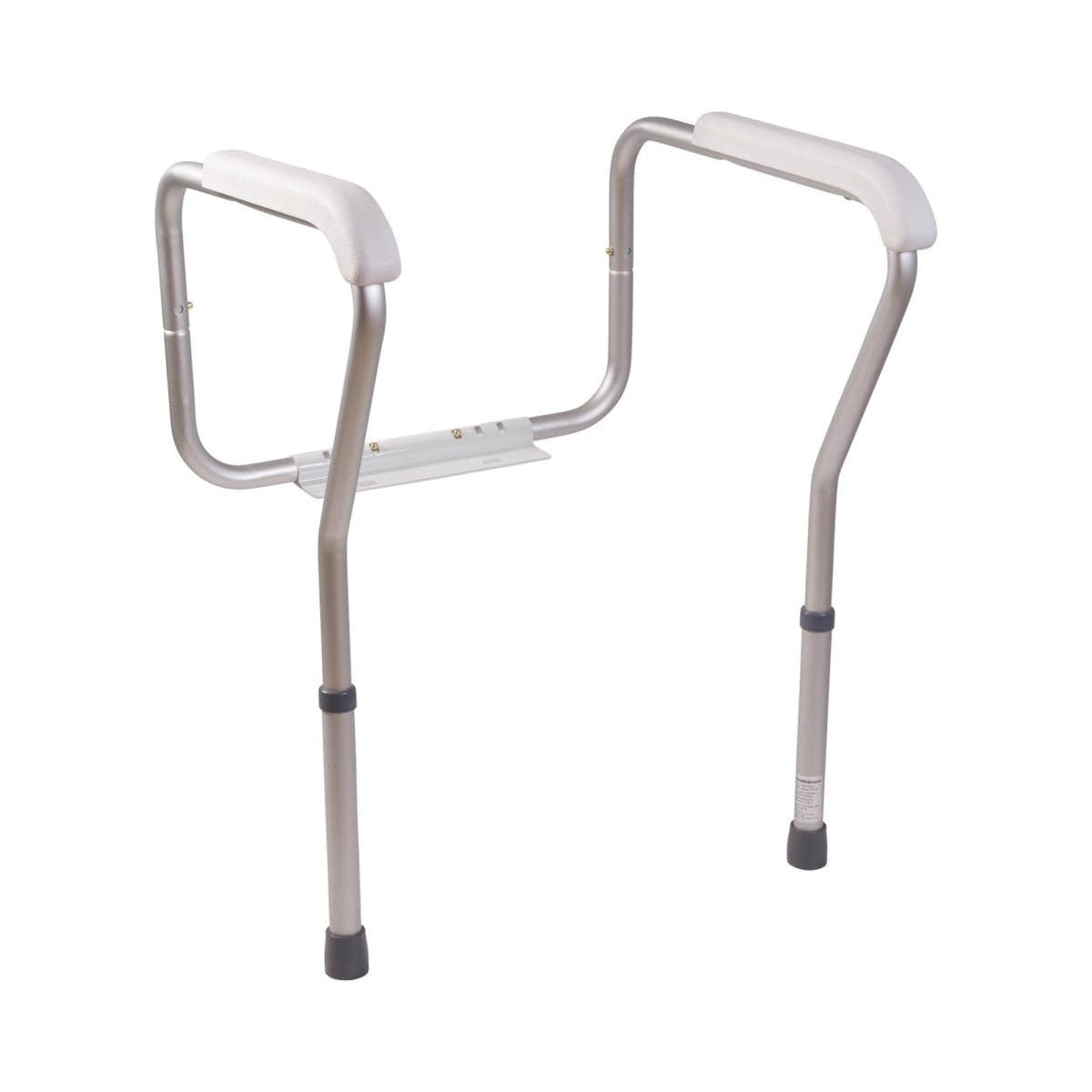
A grab bar is typically a fixed bar mounted to a wall, while a toilet safety rail is a freestanding or clamp-on frame that attaches directly to the toilet and provides armrests on both sides. Toilet safety rails are a good option when wall installation is not possible, and both types of grab bars serve the same core purpose of improving bathroom safety.
Do you still have questions about Grab Bars?
If we still haven't answered your question, you can contact us by live chat or email and we will get back to you as soon as possible.