Filters

Hearing Protection

8 products

Showing 1 - 8 of 8 products

Ultimate Guide to Hearing Protection: Safeguard Your Ears in Style

Introduction to Hearing Health

In a world where the clamor of urban environments and the bustle of modern life threaten the sanctuary of our senses, hearing protection has emerged as a non-negotiable shield in our auditory arsenal.
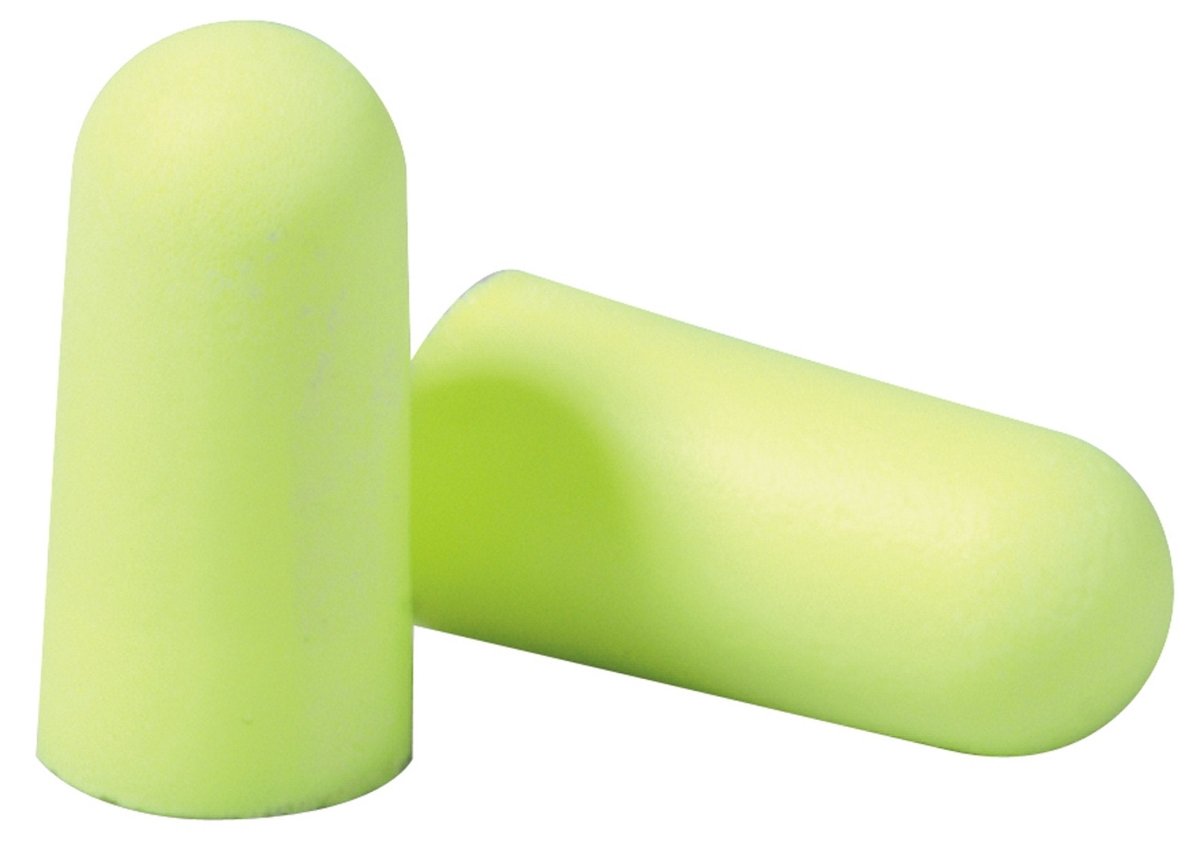
Showing 1 - 8 of 8 products
View
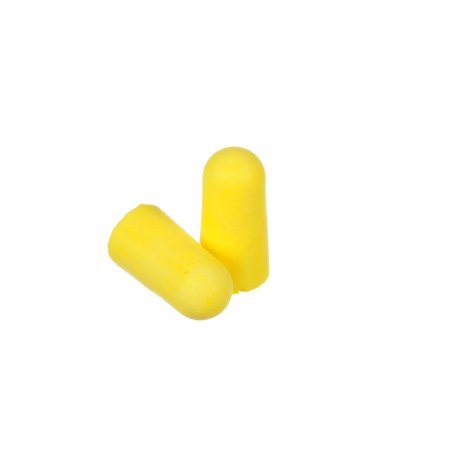
3M E-A-R TaperFit Ear Plugs - 765642_BX - 1
3M E-A-R TaperFit Ear Plugs
Sale priceFrom $61.99
Choose options
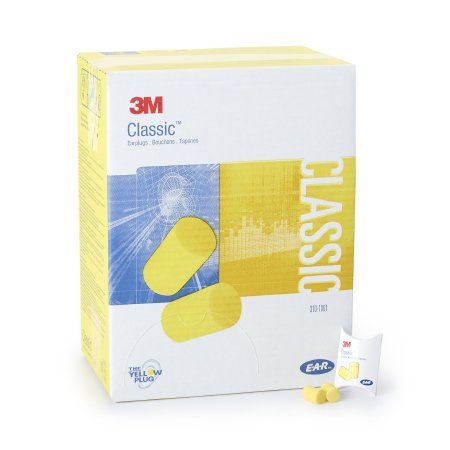
3M E-A-R Classic Cordless Earplugs - 650987_BX - 1
3M E-A-R Classic Cordless Earplugs
Sale priceFrom $52.99
Choose options
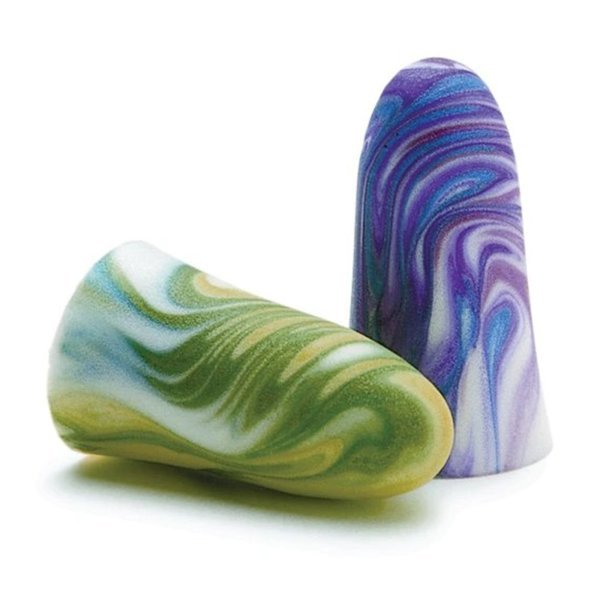
Ear Plugs Rockets Corded One Size Fits Most, Purple / Green -Box of 50
Moldex SparkPlugs Cordless Ear Plugs - 865447_PK - 1
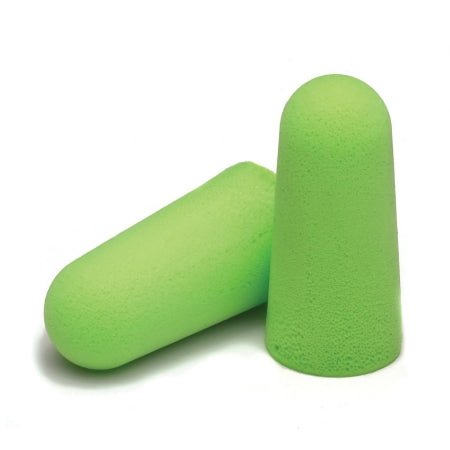
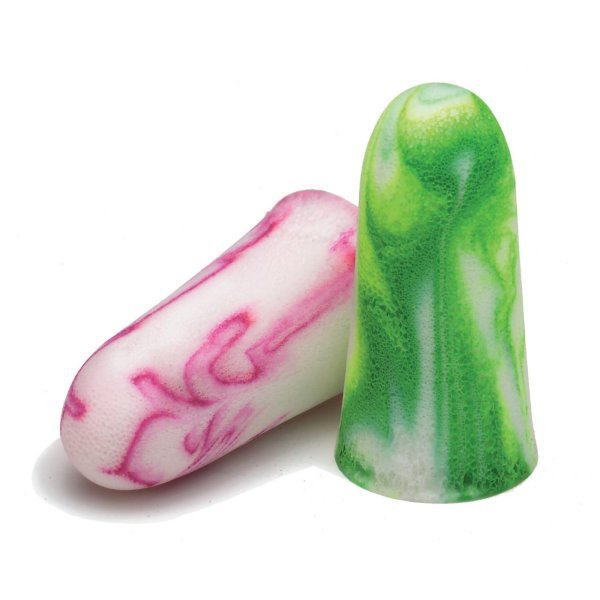
Pura-Fit Ear Plugs - 720992_BX - 1
Pura-Fit Ear Plugs
Sale priceFrom $62.99
Choose options
SparkPlugs Ear Plugs - 651847_BX - 1
SparkPlugs Ear Plugs
Sale priceFrom $46.99
Choose options

Frequently Asked Questions about Hearing Protection

The best types of hearing protection for loud environments include earmuffs, foam earplugs, custom-molded earplugs, and electronic noise-canceling headphones. The choice depends on the level of noise, comfort, and whether communication is also required.

Hearing protection devices work by creating a physical barrier that reduces the sound energy reaching the eardrum. Earplugs fit inside the ear canal to block sound, while earmuffs cover the entire outer ear to create a seal against noise.

Yes, certain types of hearing protection like soft foam earplugs can be used for sleeping to help block out snoring, traffic noise, or other disturbances.

The Noise Reduction Rating (NRR) is a measurement of how effectively a hearing protection device can reduce sound exposure. The higher the NRR number, the greater the potential for noise reduction.

Hearing protection should be replaced when it no longer provides a proper seal, becomes rigid, cracks, or if the cushioning is worn out. For earplugs, replace them if they are no longer pliable. Earmuffs can last several years with proper care.

Yes, there are specially designed earplugs and earmuffs for musicians that reduce noise levels without distorting sound, allowing musicians to hear music and conversations clearly while protecting their hearing.

No, children should use hearing protection that is specifically sized and designed for their smaller ear canals and heads. Adult-sized protection may not fit properly and could be ineffective or uncomfortable for children.

Yes, in many countries, occupational safety regulations require hearing protection in industries where workers are exposed to high levels of noise, such as construction, manufacturing, and aviation.

Passive hearing protection blocks out sound physically and does not require power, while electronic hearing protection uses sound technology to allow certain frequencies through (like speech) or provide active noise cancellation.

Earplugs should be replaced regularly; however, reusable ones can be cleaned with mild soap and water. Earmuffs should be cleaned with a damp cloth and have cushions and foam inserts replaced as needed to maintain hygiene and effectiveness.

Recently viewed