Lancets & Lancing Devices

56 products

Showing 1 - 24 of 56 products

Lancets and lancing devices are everyday essentials for blood glucose testing, giving people with Type 1 and Type 2 diabetes — and the caregivers who support them — a quick, comfortable way to collect a small blood sample. The right combination makes daily monitoring less of a chore and easier to keep up with.

Showing 1 - 24 of 56 products
View
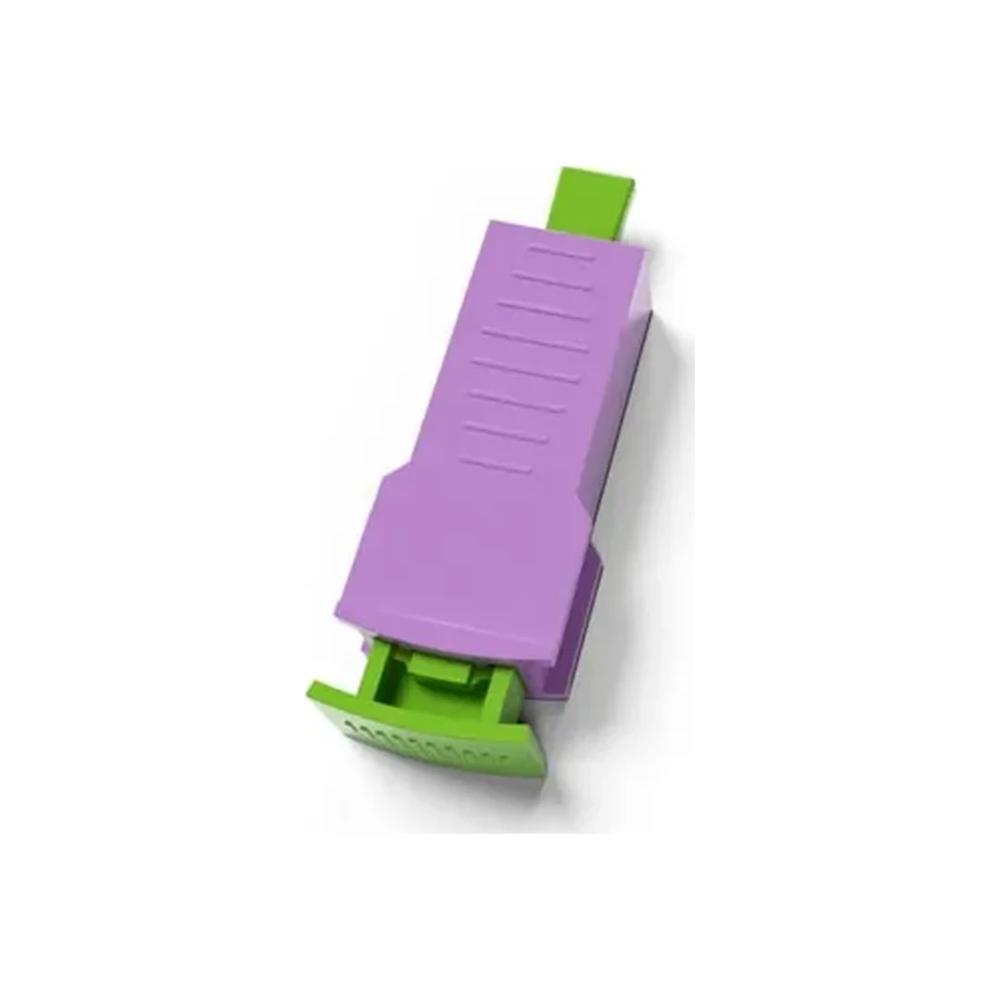
MedPride Stat Trio Lancing Device - 250/case
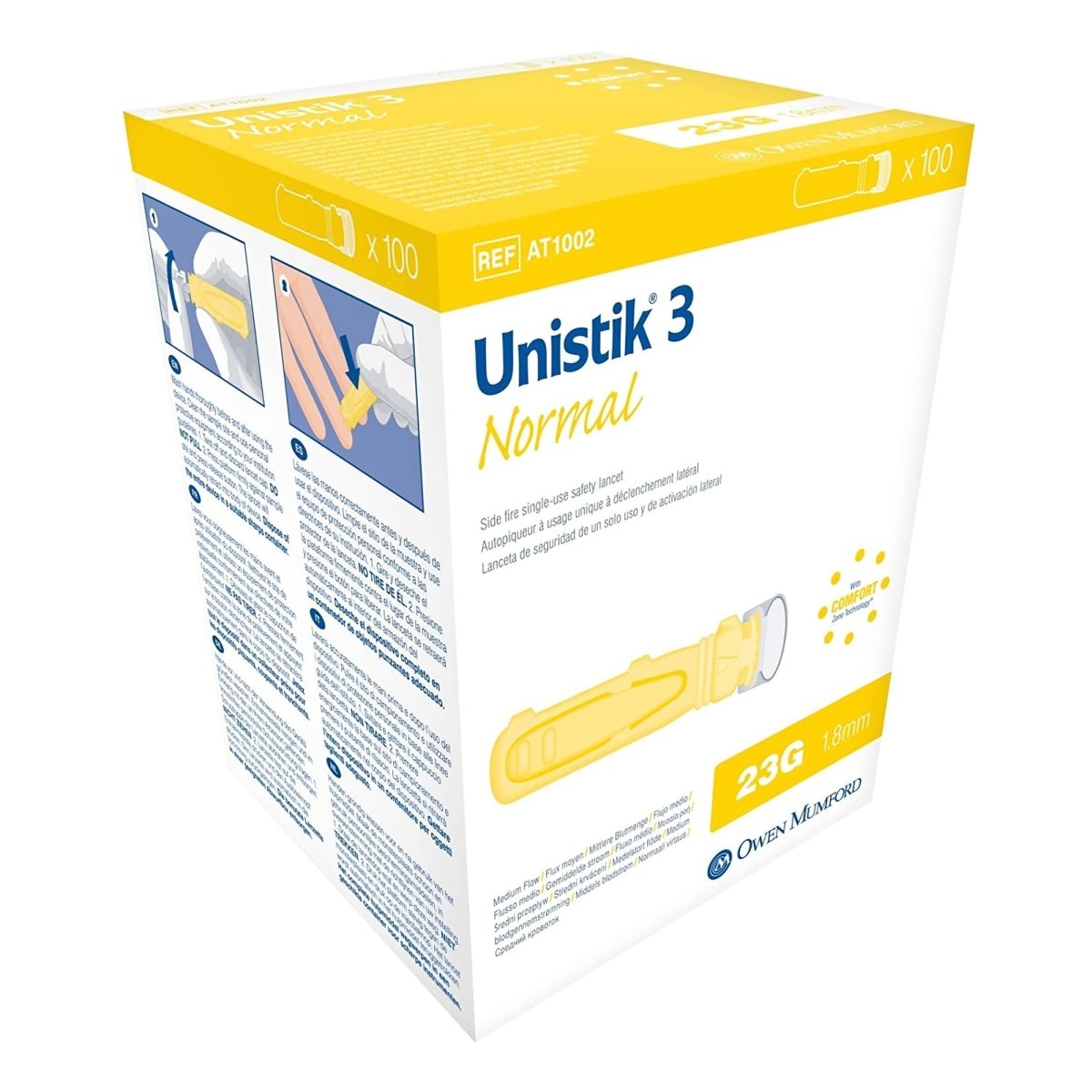
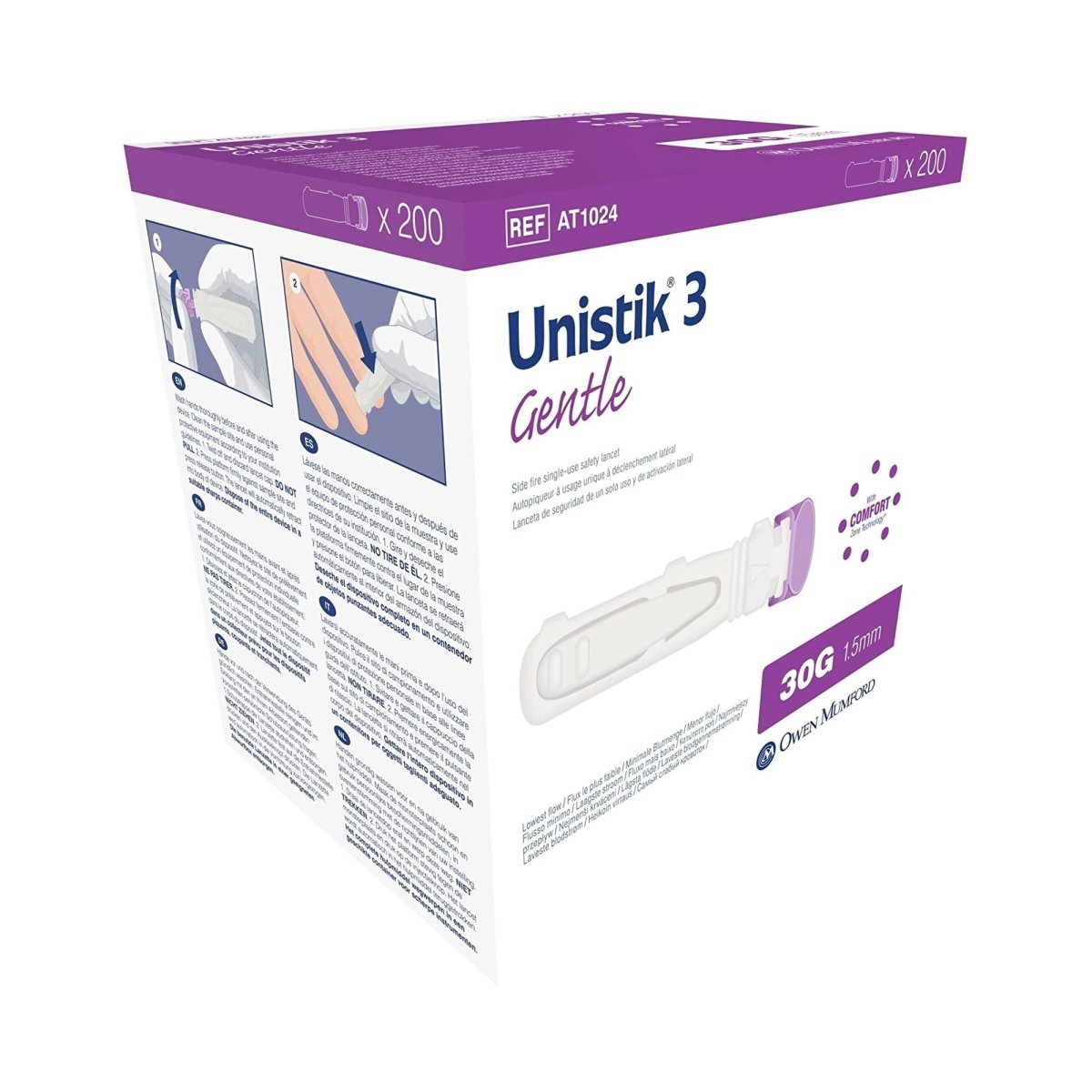
Unistik 3 Normal Safety Lancet - 475825_BX - 1
Unistik 3 Normal Safety Lancet
Sale priceFrom $30.99
Choose options
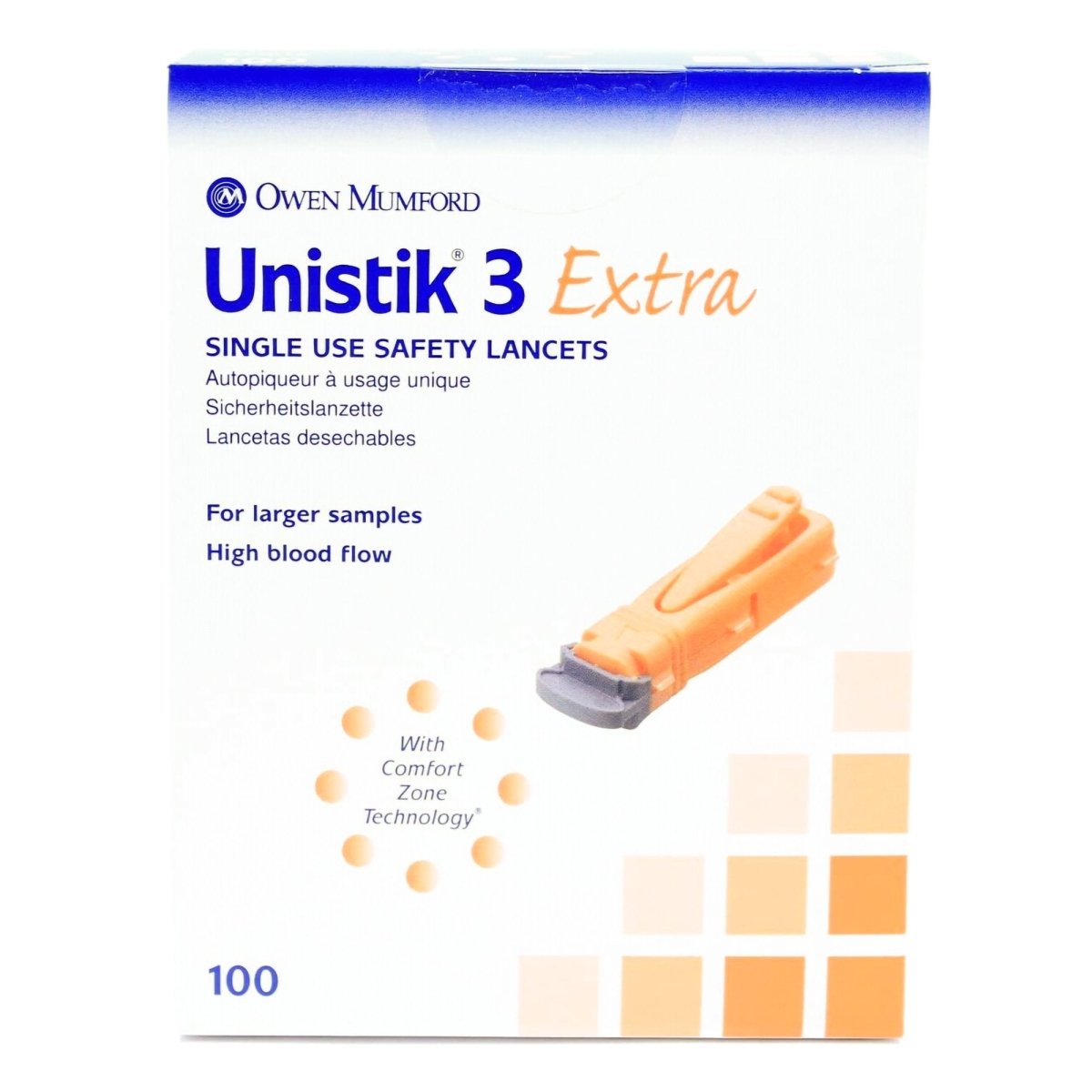
Unistik 3 Extra Safety Lancet - 539416_BX - 1
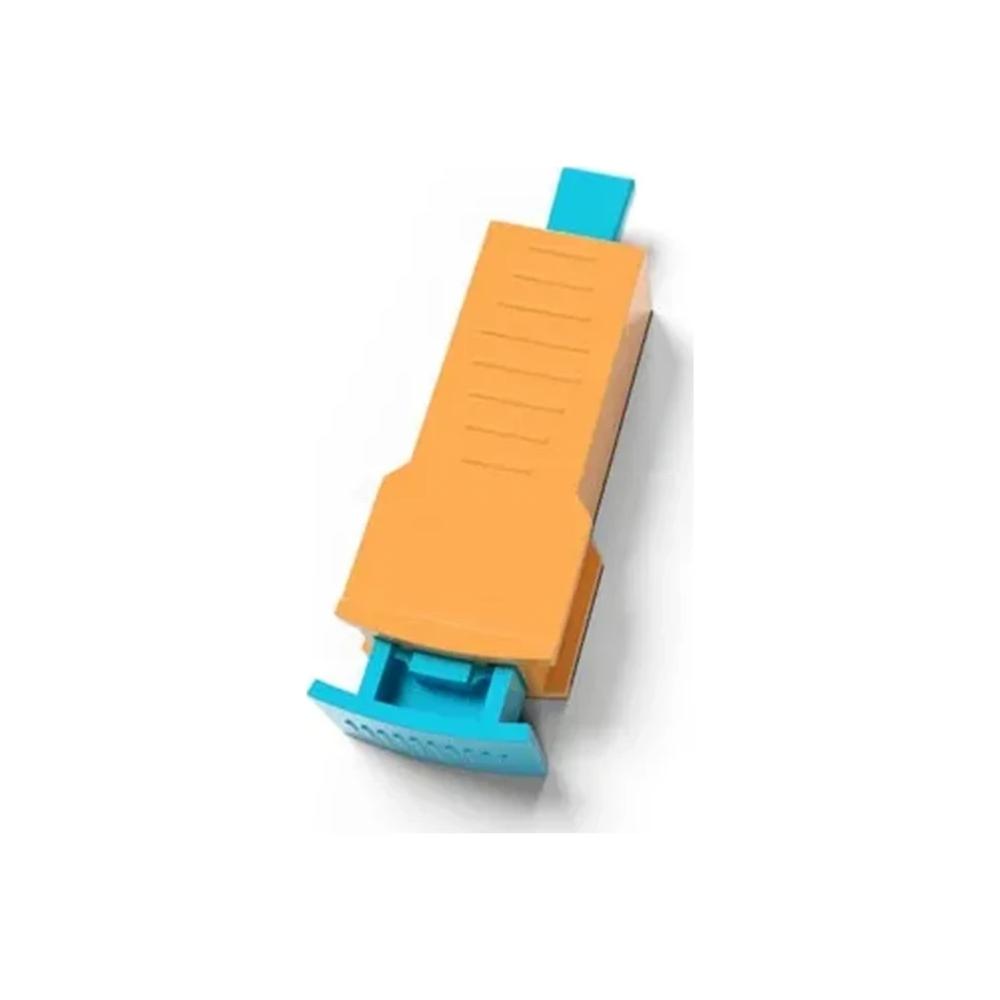
Unistik 3 Comfort Safety Lancet - 485757_BX - 1
Unistik 3 Comfort Safety Lancet
Sale priceFrom $17.99
Choose options
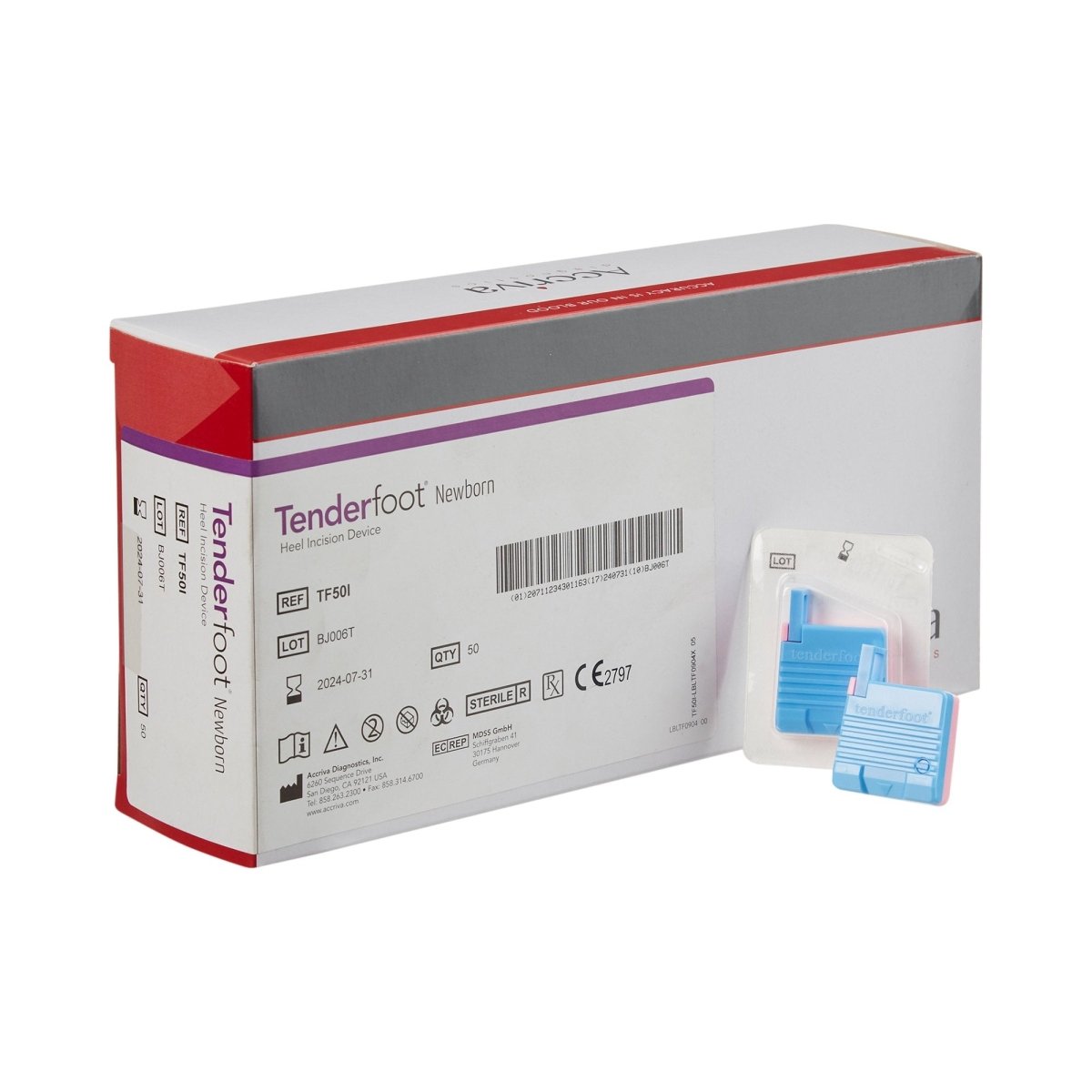
Tenderfoot Safety Lancet - 723763_BX - 1
Tenderfoot Safety Lancet
Sale price$189.99
OneTouch Ultrasoft Safety Lancet - 919536_BX - 1
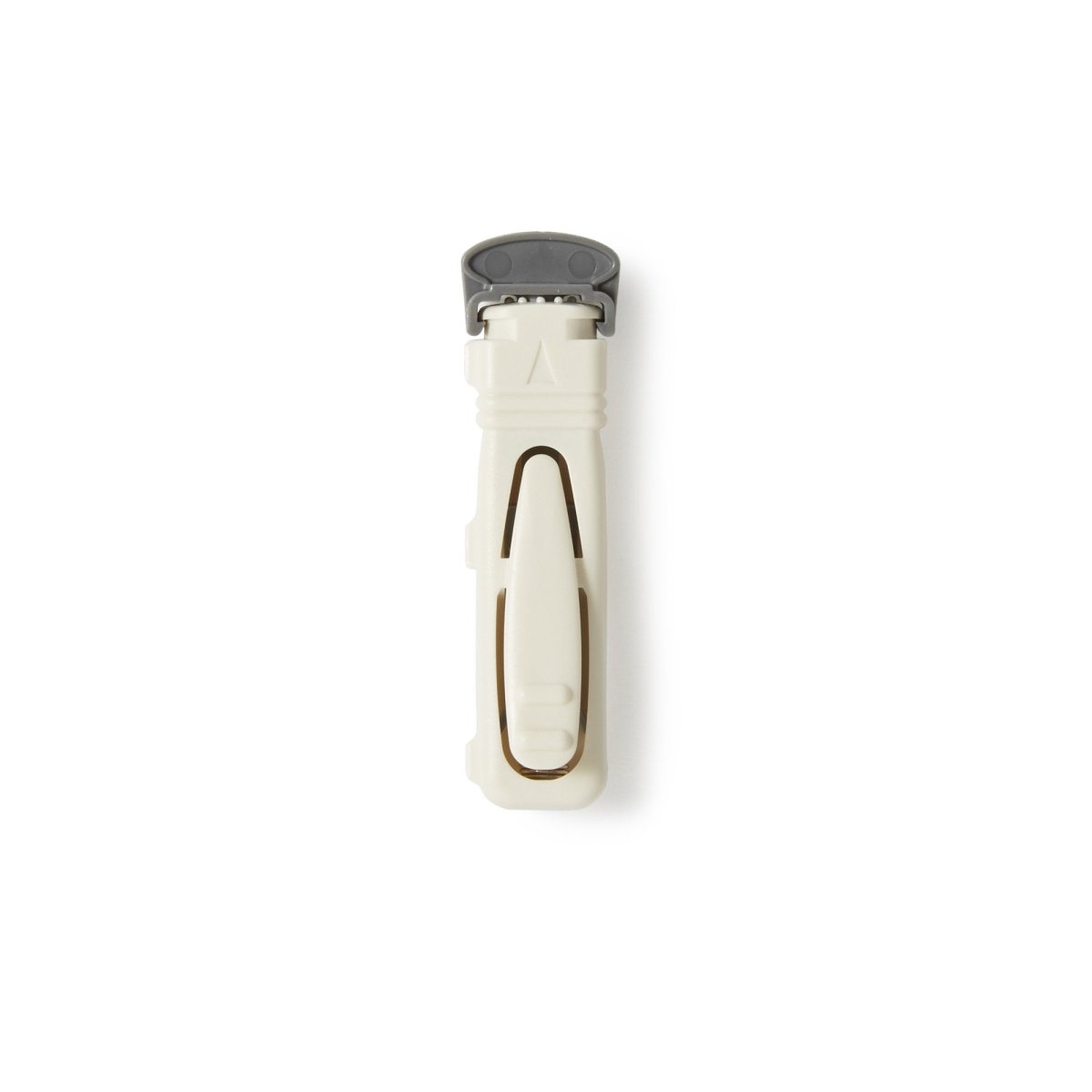
Capiject Safety Lancet - 682035_BX - 1
Capiject Safety Lancet
Sale priceFrom $40.99
Choose options
Unistik 2 Safety Needle 2.0 Depth 21 Gauge Push Button Activation - 1199762_BX - 1
CoaguSense Autoload Lancets - 1118300_BX - 1
CoaguSense Autoload Lancets
Sale priceFrom $16.99
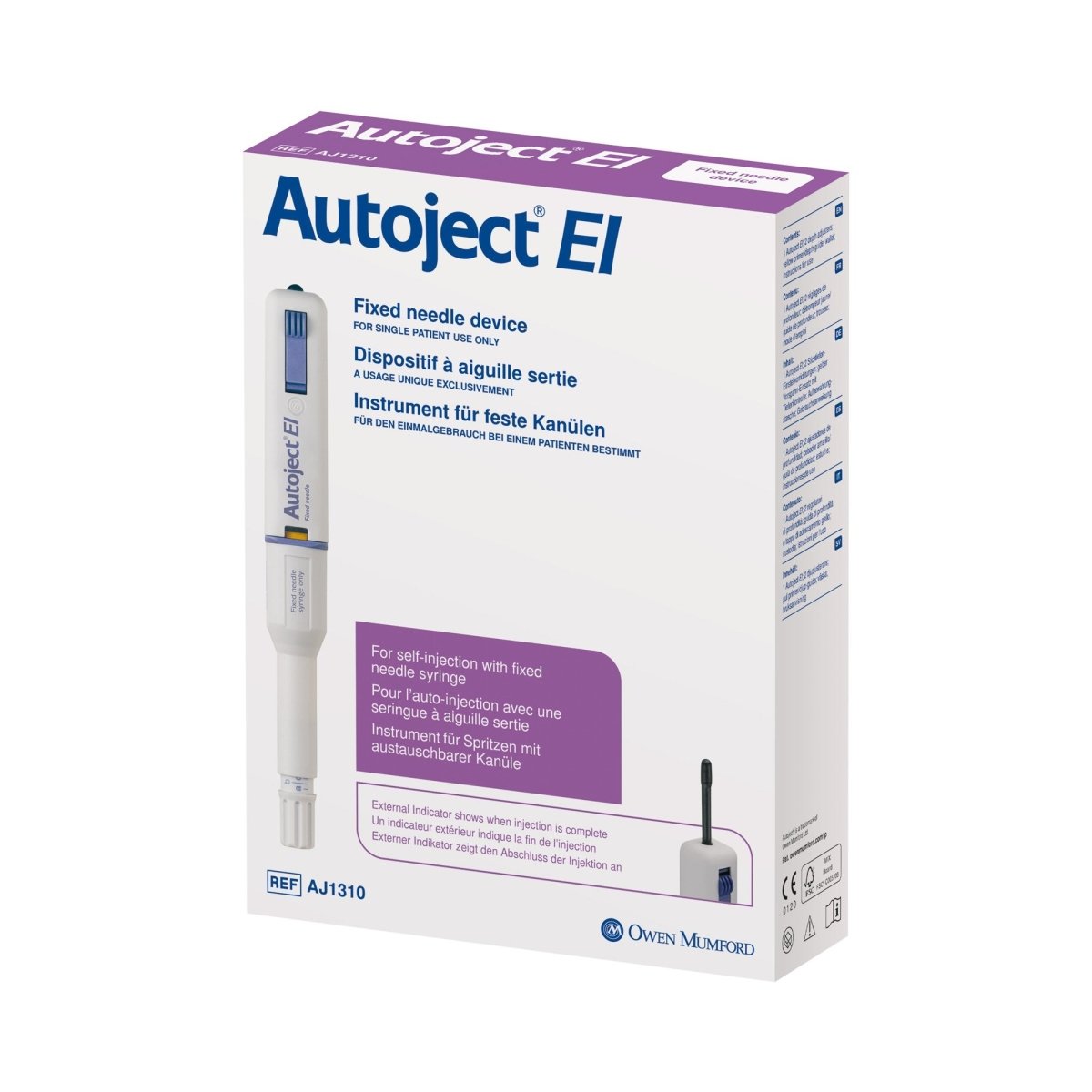
Autoject EI Reusable Automatic Self Injection Device - 1188747_BX - 1
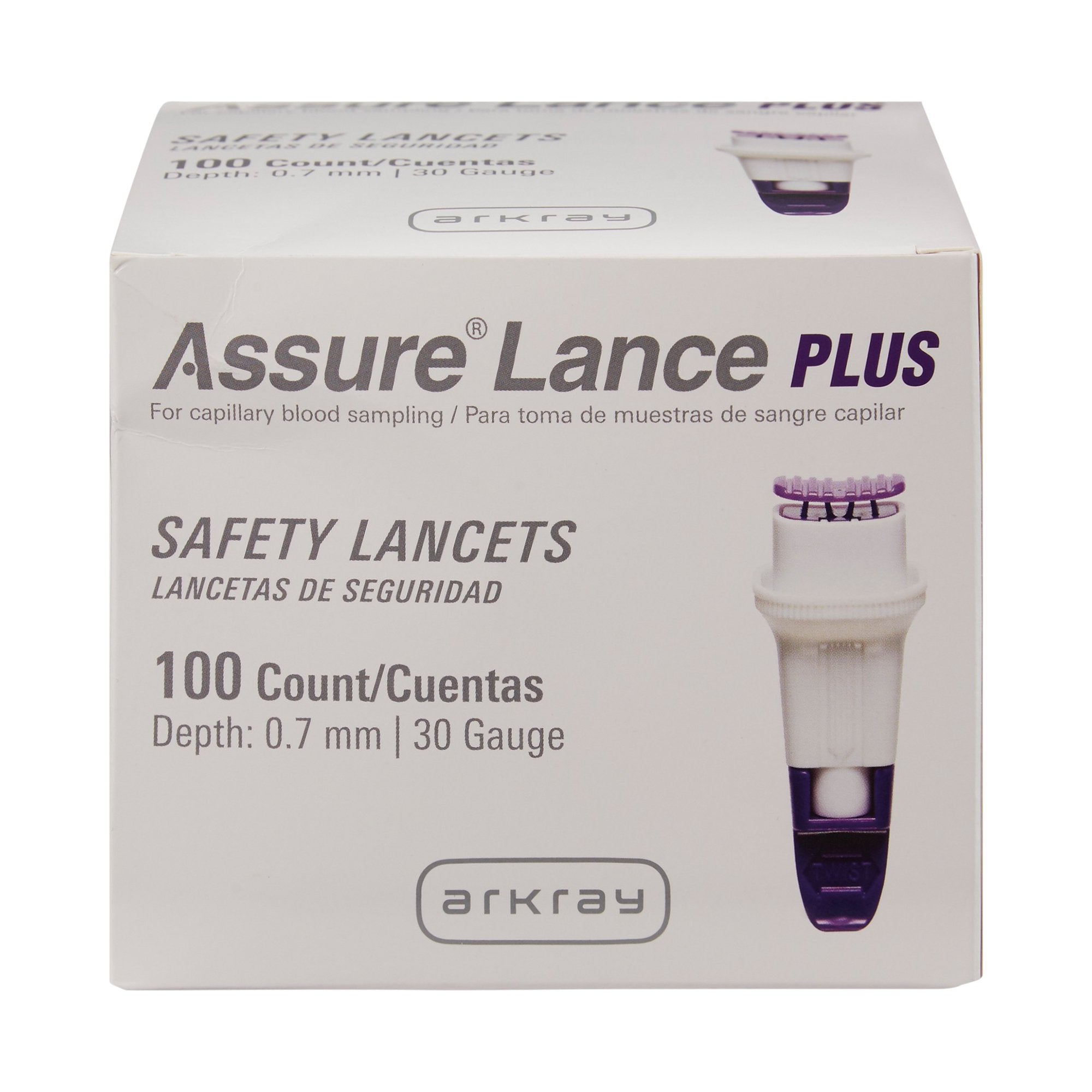
Assure Lance Plus Safety Lancet -Box of 100
Assure Lance Plus Safety Lancets
Sale priceFrom $12.99
Choose options
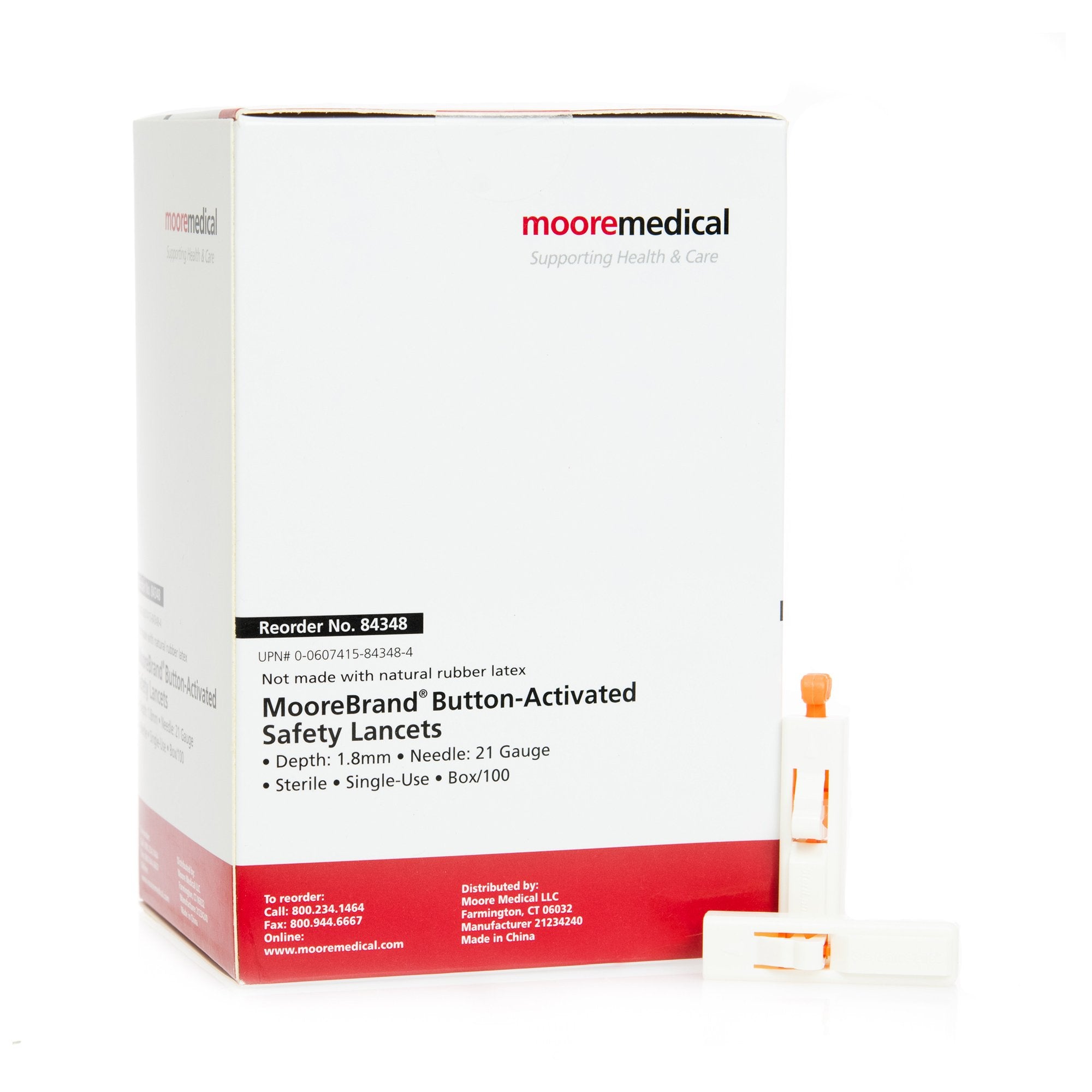
MooreBrand Push Button Activation Lancet -Case of 1000
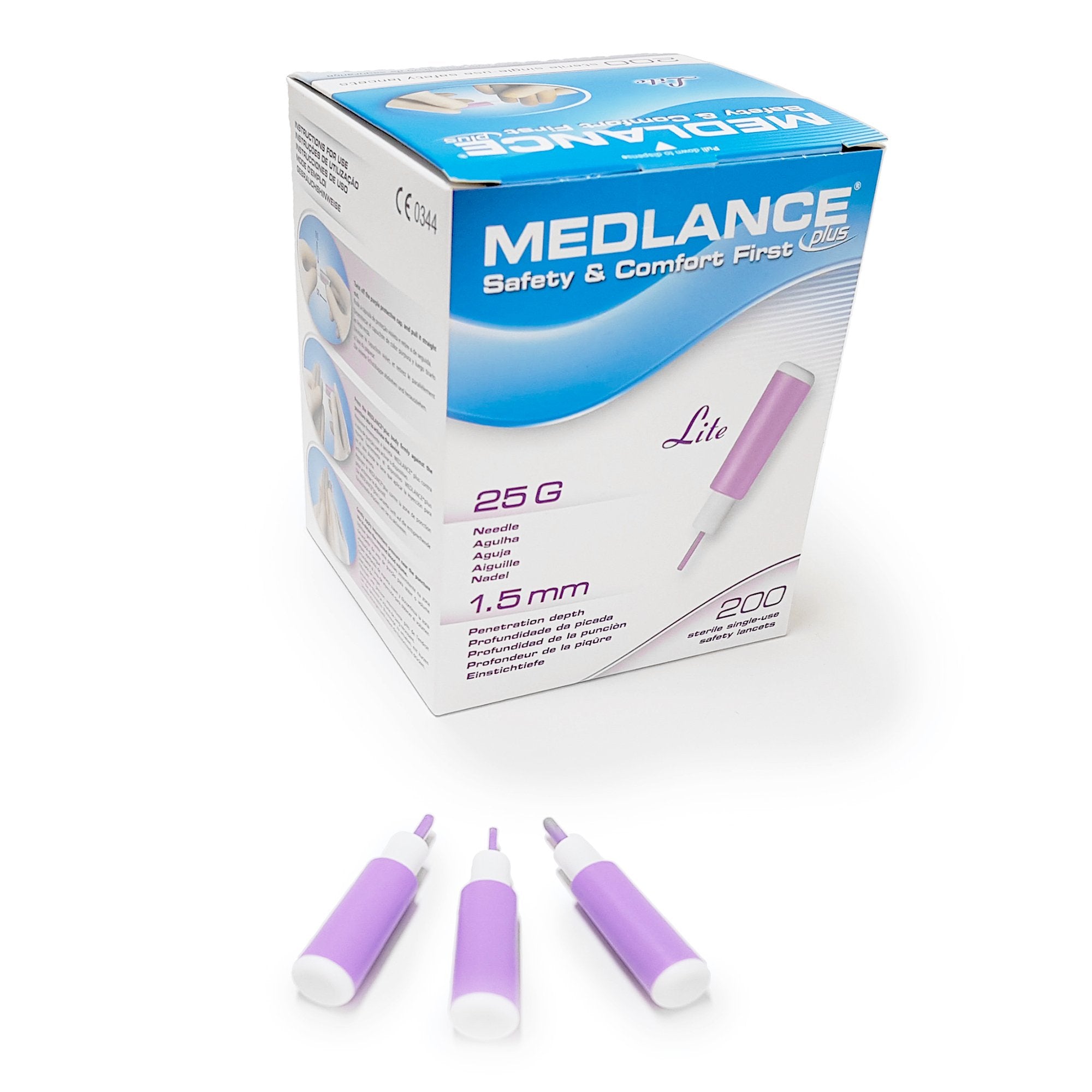
Medlance Plus Safety Lancets -Case of 2000
Medlance Plus Safety Lancets
Sale priceFrom $33.99
Choose options
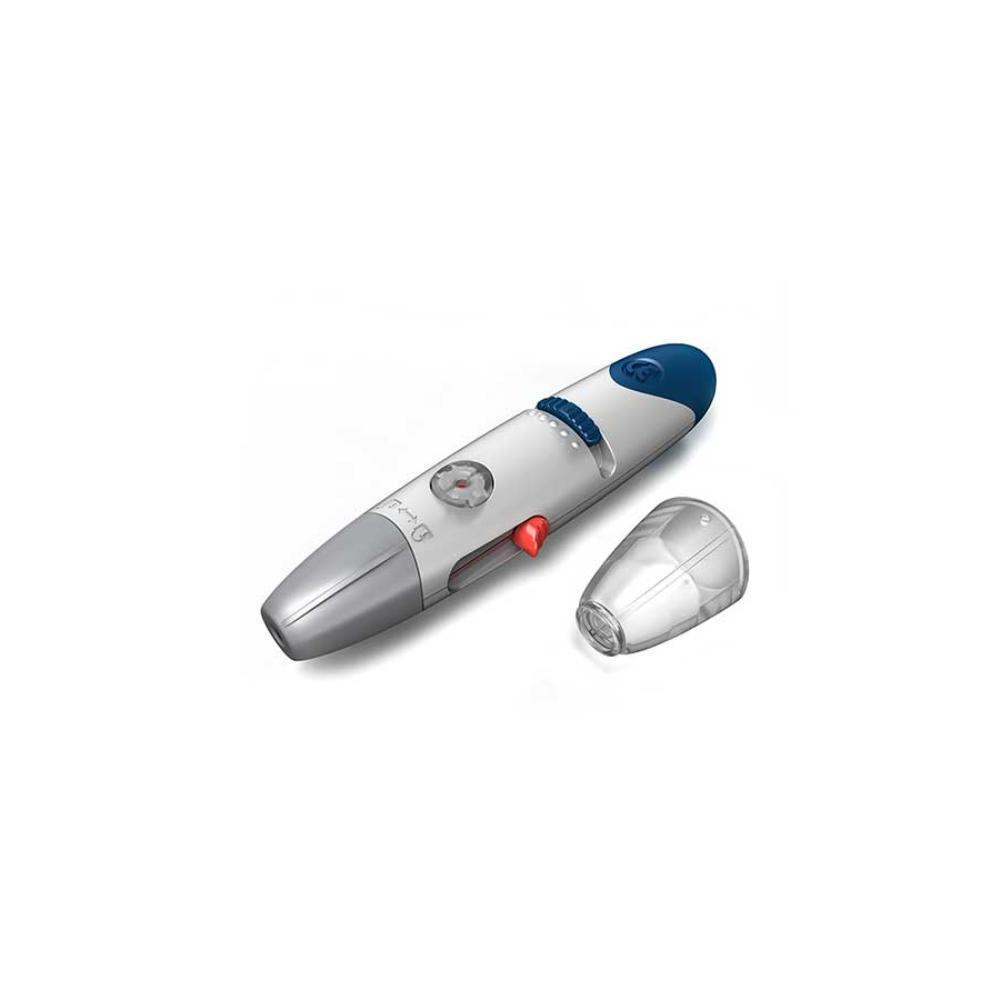
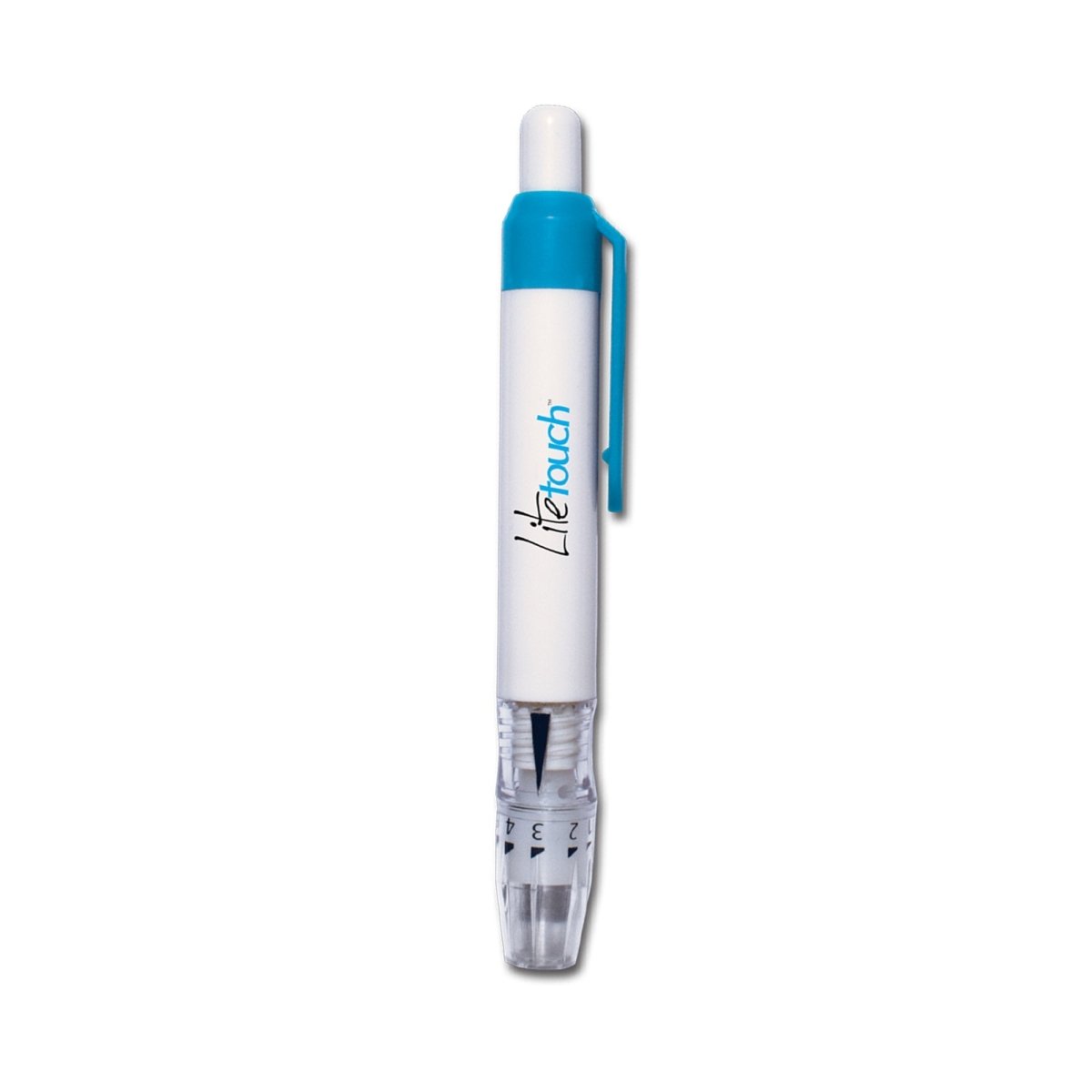
Litetouch Lancing Device - 848587_CS - 1
Litetouch Lancing Device
Sale price$808.99
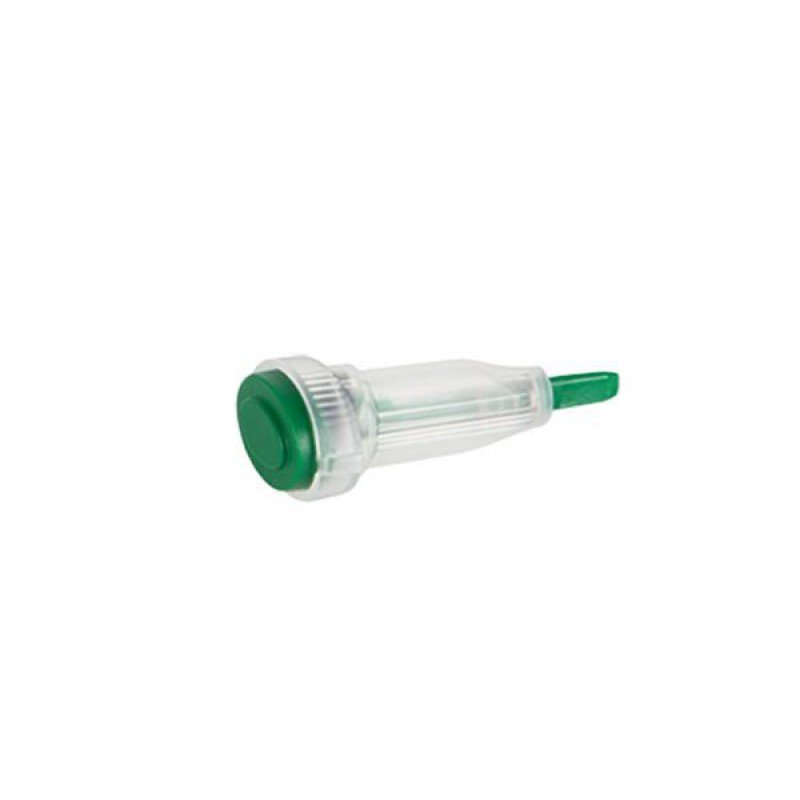
ReadyLance Safety Lancet -Box of 100
ReadyLance Safety Lancets
Sale priceFrom $21.99
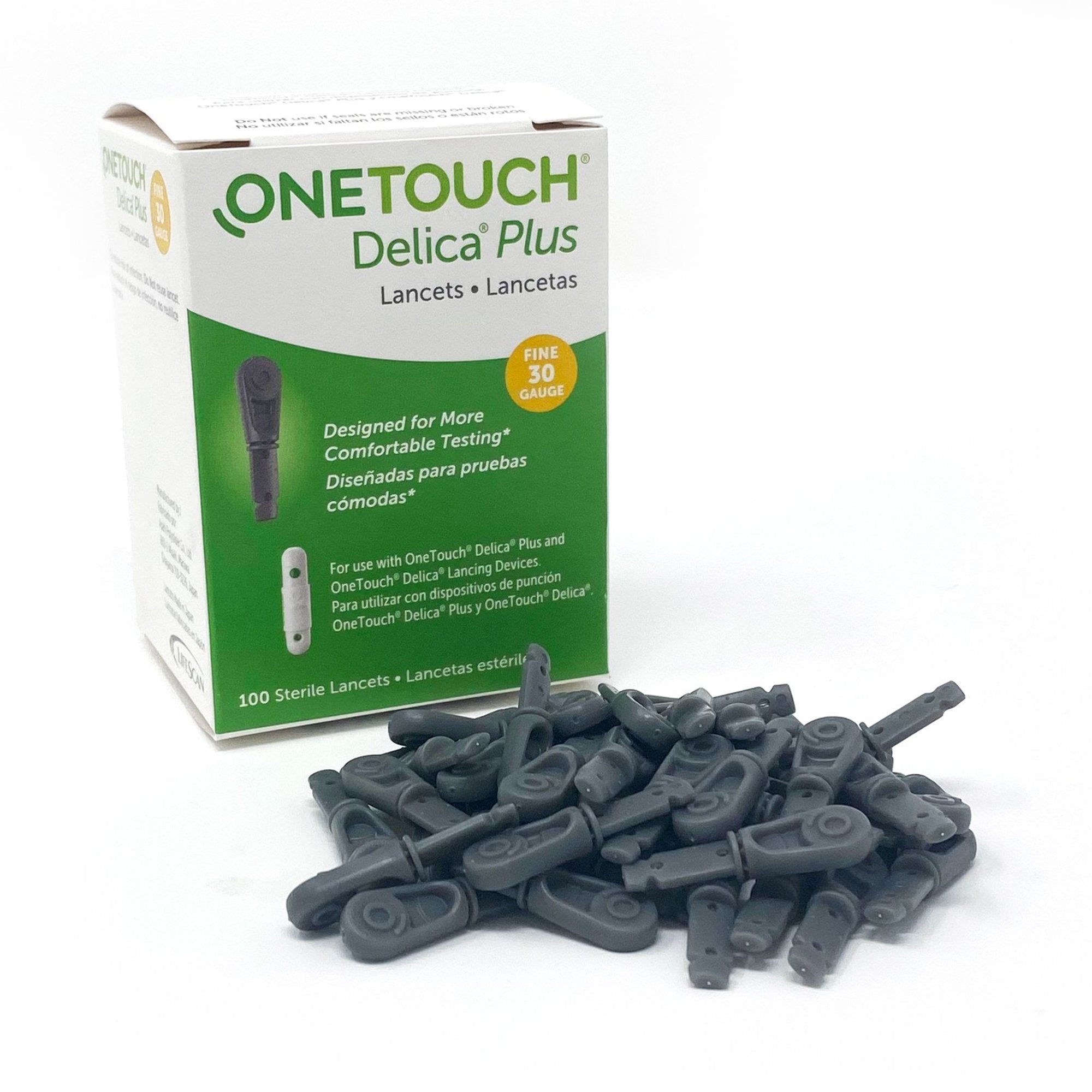
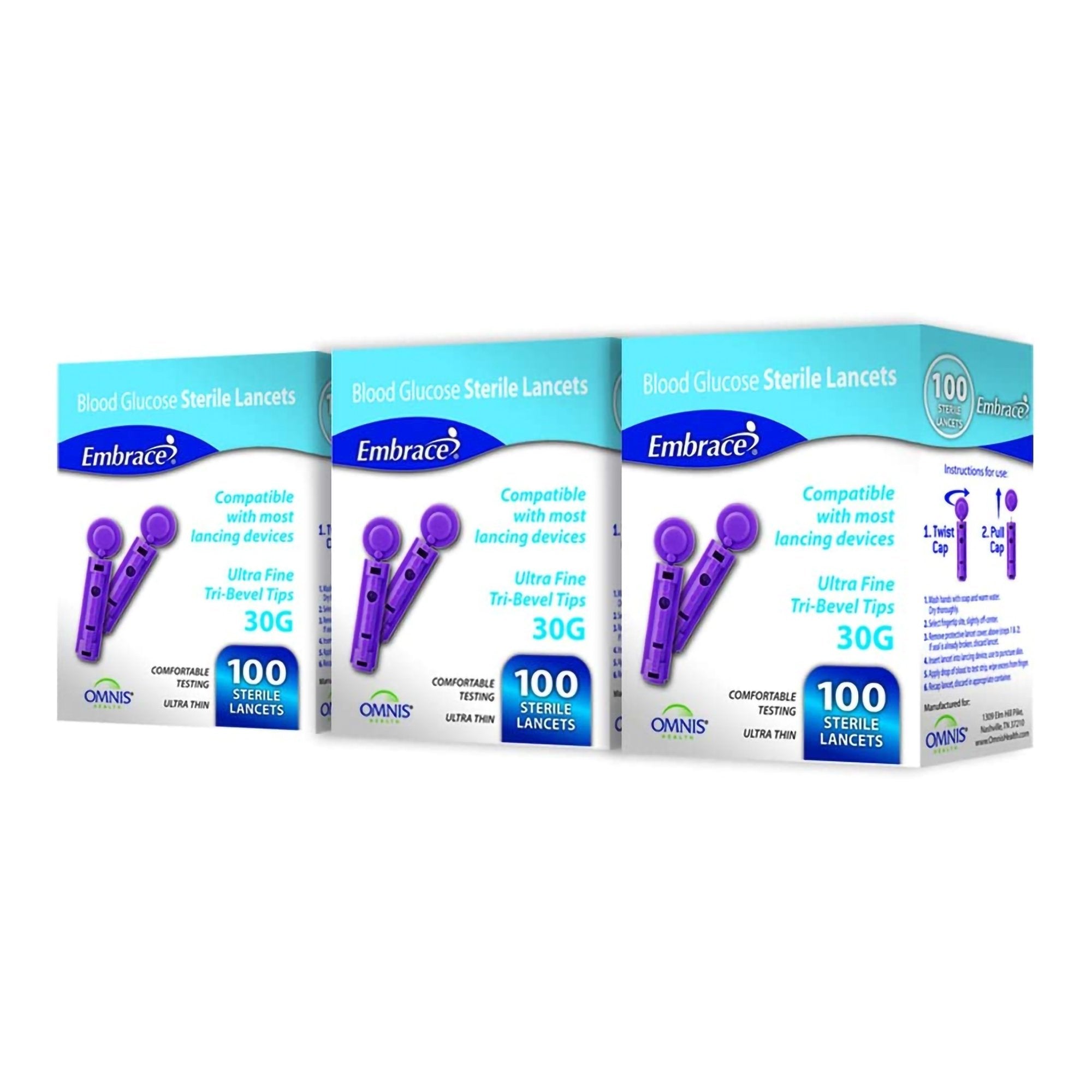
Embrace Safety Lancets, 30 Gauge -Case of 5000
Embrace Safety Lancets, 30 Gauge
Sale priceFrom $2.99
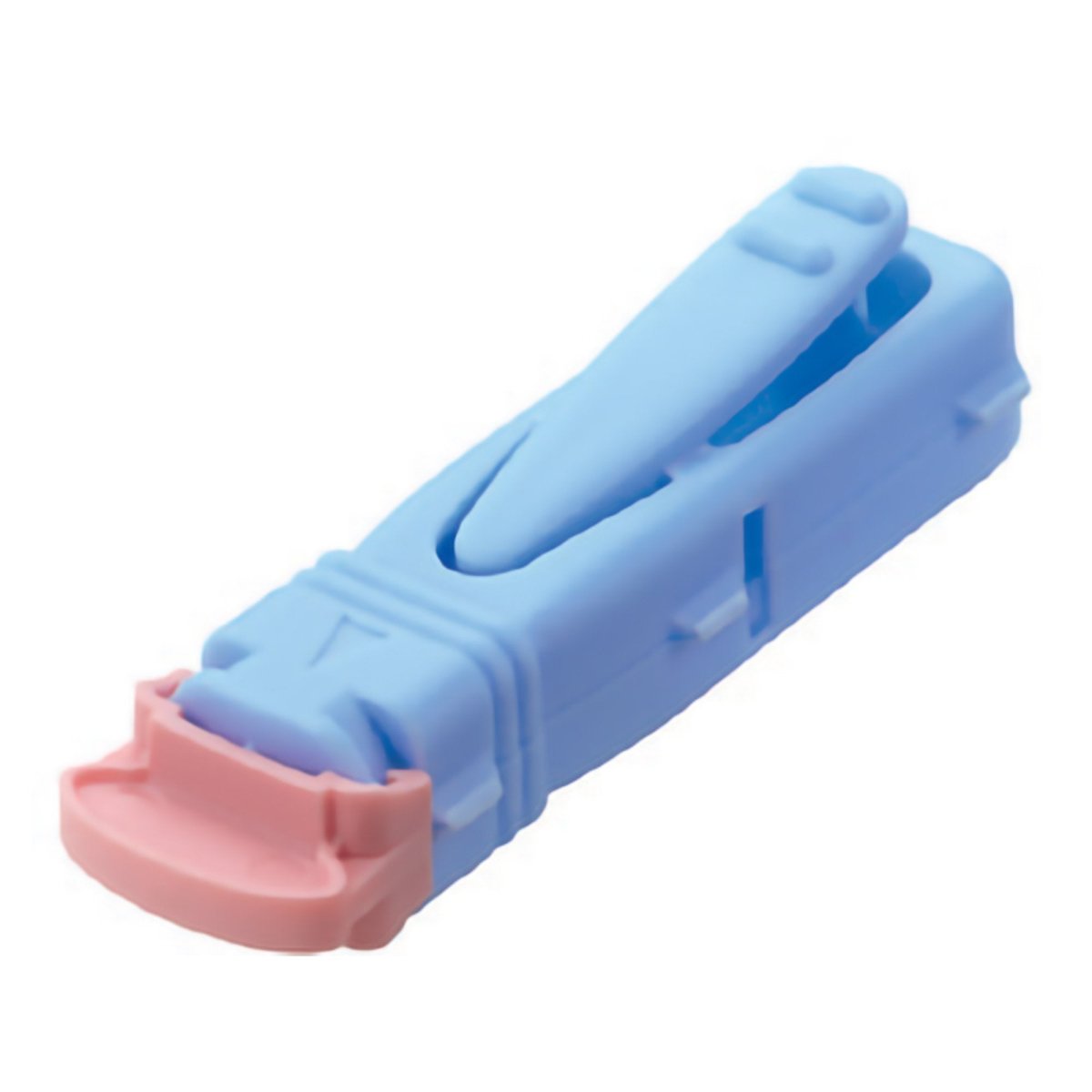
Choose options
Unistik 3 Dual Safety Lancets - 539419_BX - 1

Frequently Asked Questions about Lancets & Lancing Devices

Lancets and lancing devices are small medical tools used to prick the skin and collect a tiny blood sample, most commonly for blood glucose monitoring in people with diabetes. Lancets are the single-use needles, while lancing devices hold and trigger them for a controlled, consistent puncture.

Safety lancets are designed for anyone who needs to perform routine fingerstick blood testing, including people managing diabetes, caregivers administering tests on behalf of patients, and clinical staff collecting capillary blood samples. Pediatric lancet options are also available for use with infants and young children who require smaller, shallower punctures.

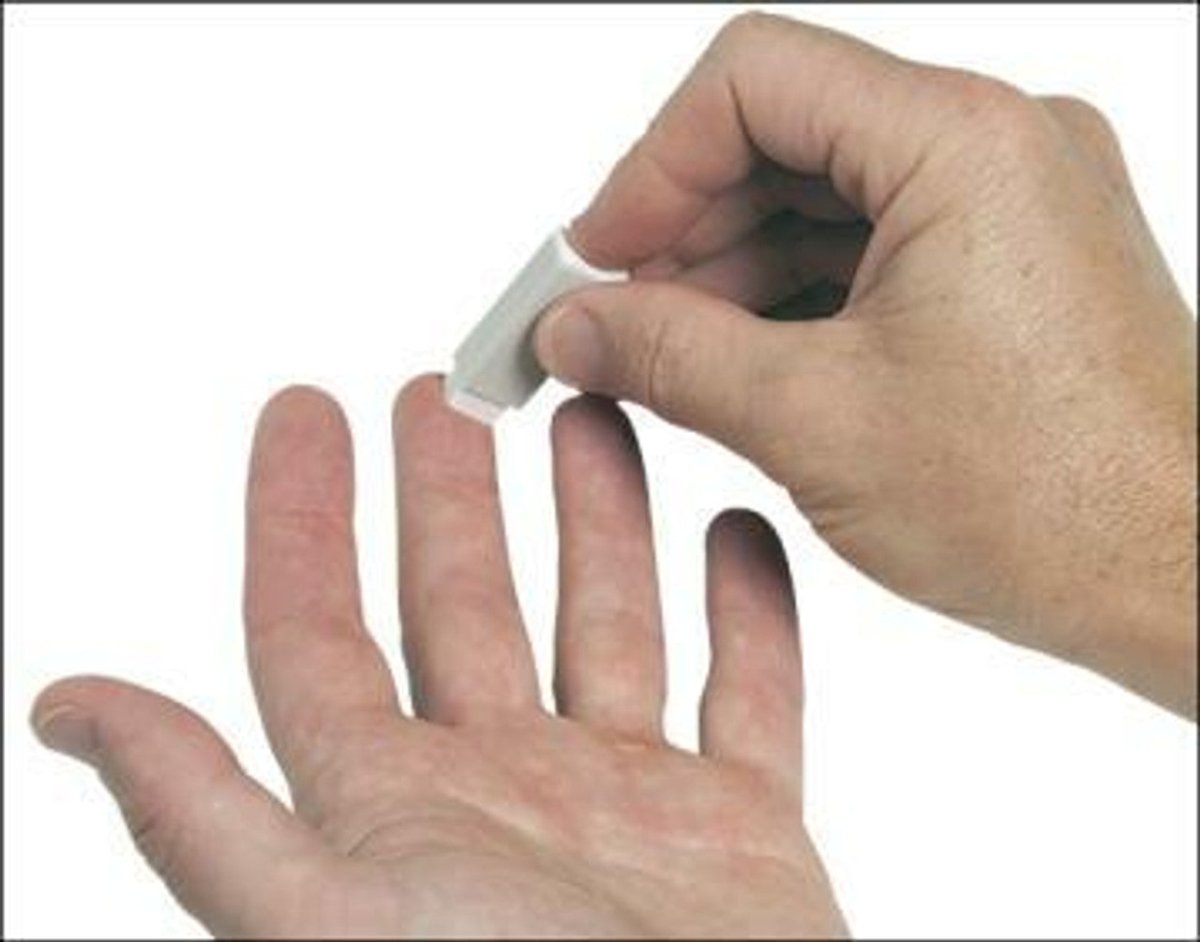
Start by loading a fresh lancet into the lancing device, then set the depth dial to your preferred penetration level before pressing the device firmly against the side of your fingertip and activating the trigger. Wipe away the first small drop of blood, then collect the second drop on your glucose test strip for an accurate reading.

Lancets and lancing devices are available in a range of gauges, with higher gauge numbers indicating a thinner, finer needle that typically causes less discomfort. Finer gauges such as 28g are often preferred for routine fingerstick testing, while lower gauges like 21g produce a slightly larger sample and may be used when a greater blood volume is needed.

Yes, safety lancets are designed for single use only and should be discarded in a sharps container immediately after each blood sample is collected. Reusing a lancet dulls the needle tip, increases the risk of infection, and can cause more pain during puncture. Most safety lancets include a built-in retraction or shielding mechanism to prevent accidental needlestick injuries after use.

Lancets are the small, sterile, single-use needles that actually pierce the skin, while lancing devices are reusable spring-loaded holders that accept lancets and control the depth and speed of the puncture. Using a lancing device with a compatible lancet typically results in a more consistent and less painful fingerstick than using a lancet alone.

No, not all lancets are universally compatible with every lancing device, as some devices are designed to accept only specific lancet sizes or styles. When purchasing lancets, check the manufacturer's compatibility guidelines for your lancing device to ensure a proper and secure fit before use.

Buying lancets in bulk is a cost-effective choice for people who test their blood glucose multiple times daily, since lancets must be replaced after every single use. Bulk quantities reduce the per-unit cost, minimize how often you need to reorder, and help ensure you always have an adequate supply on hand for consistent diabetes monitoring.

Lancets and lancing devices should be stored at room temperature in a clean, dry location away from direct sunlight and moisture to preserve sterility and device function. Keep unused lancets in their original sealed packaging until ready for use, and never store open or used lancets loosely where they could cause accidental injury.

Pediatric lancets are specifically designed with a shorter, finer needle tip to produce a shallower puncture depth appropriate for infants and young children, whose skin and capillary beds are more delicate than those of adults. Standard lancets are intended for adult fingerstick testing and are available in a wider range of gauges and penetration depths to accommodate different skin types and blood volume needs.

Recently viewed