Pain Relievers

60 products

Showing 49 - 60 of 60 products

Pain Relievers: Everyday Options for Common Discomfort

Whether someone is dealing with a tension headache after a long workday, muscle soreness after exercise, or minor joint aches, having a reliable pain reliever on hand makes a real difference. Cart Health's Pain Relievers collection brings together a range of trusted oral and topical options — from well-known ibuprofen and naproxen sodium tablets to lidocaine-based topical patches and creams — so shoppers can find a format and formula that fits their situation.
Showing 49 - 60 of 60 products
View
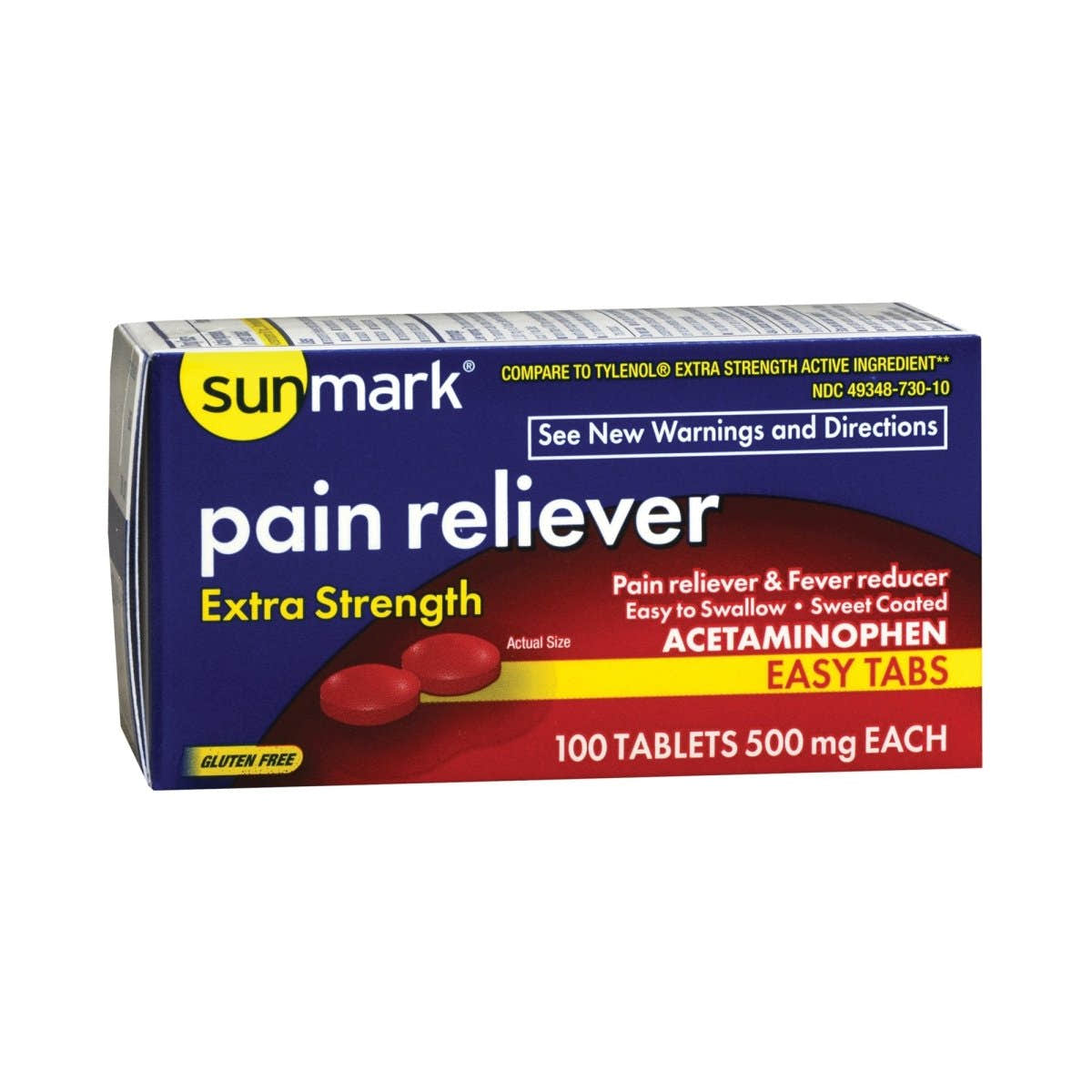
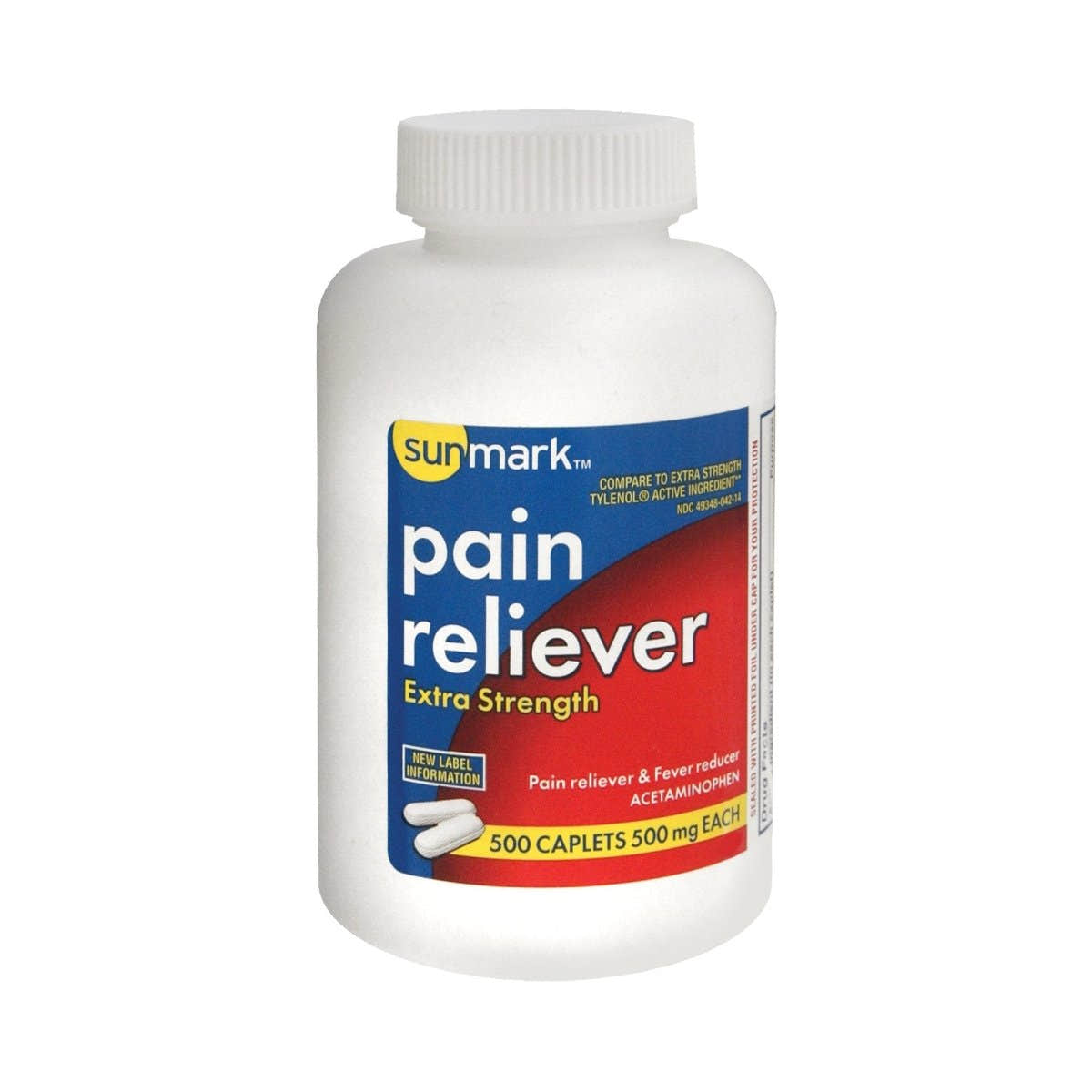
Sunmark Acetaminophen Pain Relief - 1181259_BT - 1
Sunmark Acetaminophen Pain Relief
Sale priceFrom $7.99
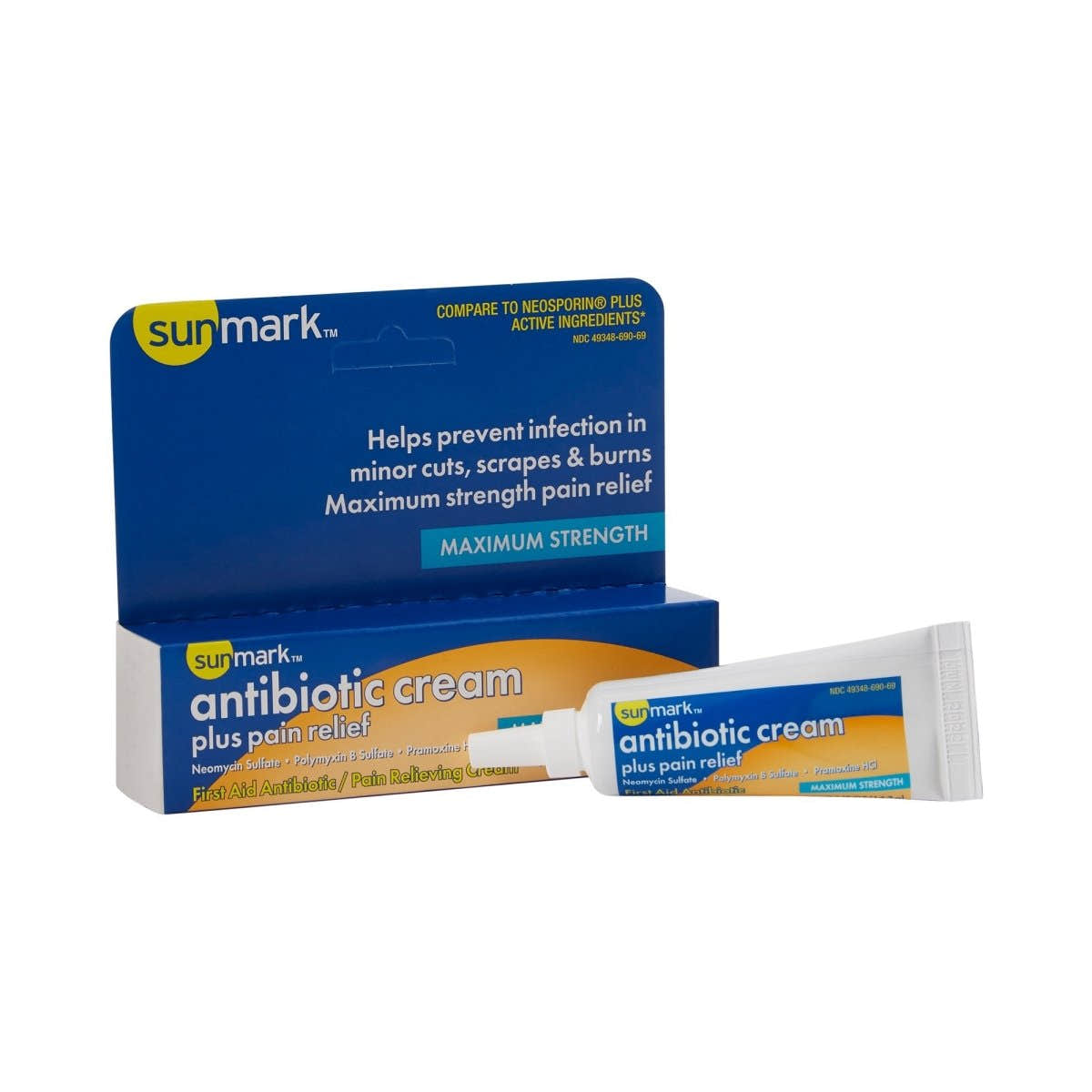
Sunmark Antibiotic Cream Plus Pain Relief - 552033_EA - 1
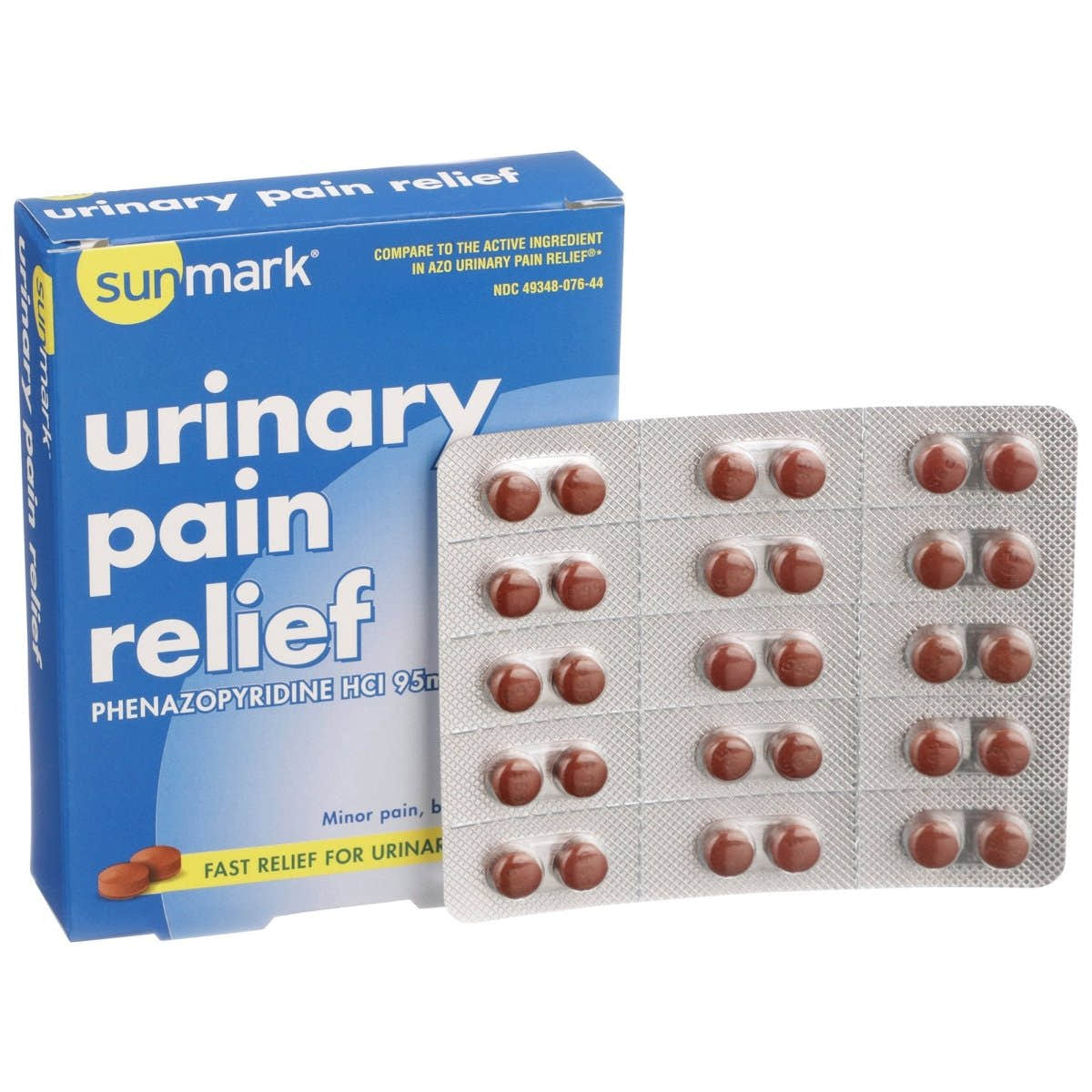
Sunmark Phenazopyridine Urinary Pain Relief - 997408_BX - 1
Sunmark Urinary Pain Relief
Sale price$7.99
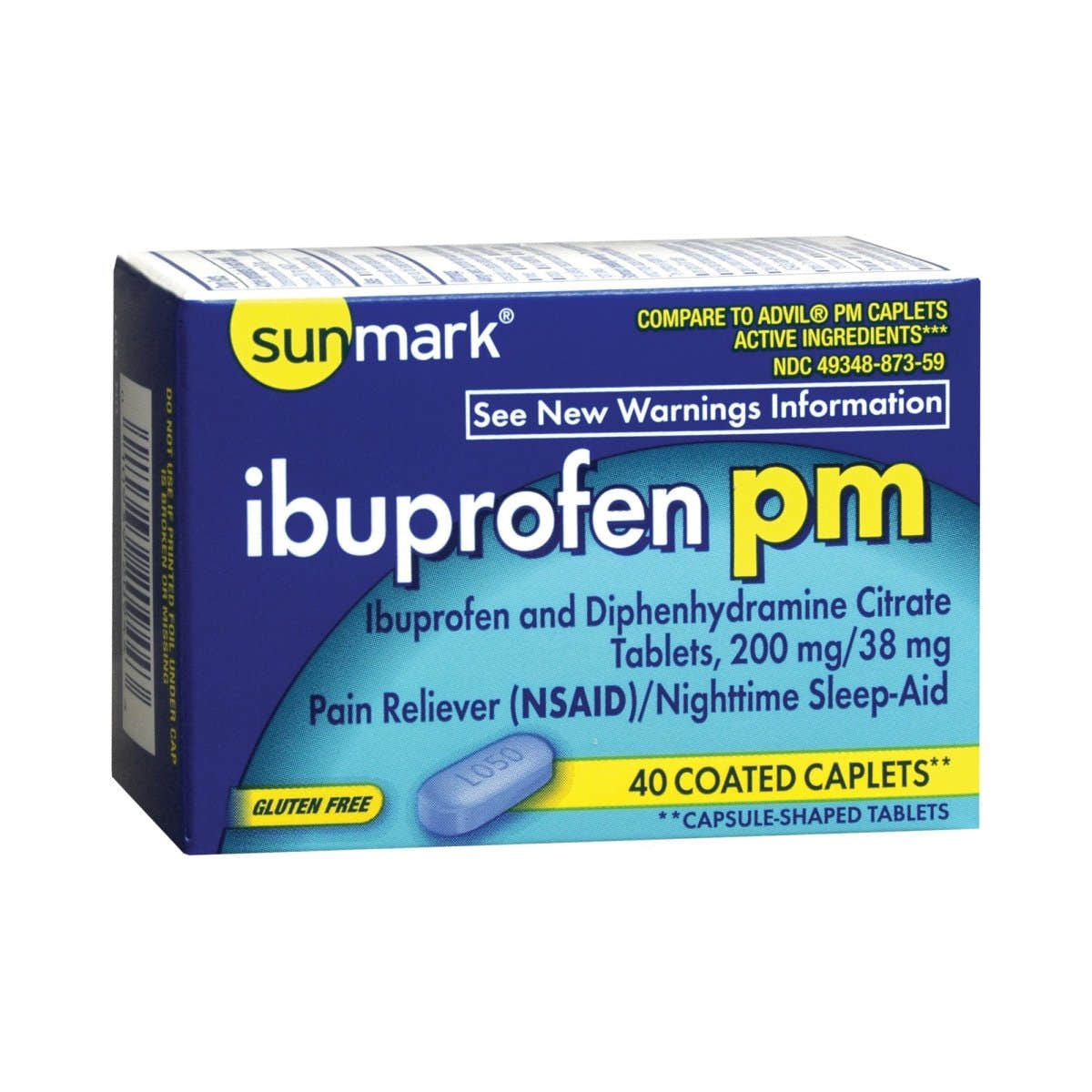
Sunmark Pm Ibuprofen / Diphenhydramine Pain Relief - 841487_BT - 1
Suppositoria Acetaminophen Pain Relief Rectal Suppositories - 245598_BX - 1
Topicaine Lidocaine Pain Relief - 887530_EA - 1
Triderma MD Lidocaine / Menthol Topical Pain Relief - 906175_EA - 1
Tylenol Sinus + Headache Acetaminophen / Phenylephrine Hcl Cold And Sinus Relief - 983046_BT - 1
Unisom Doxylamine Succinate Sleep Aid - 635292_BT - 1
Unisom Sleep Aid
Sale price$15.99
Voltaren Arthritis Pain Topical Gel - 1169332_EA - 1
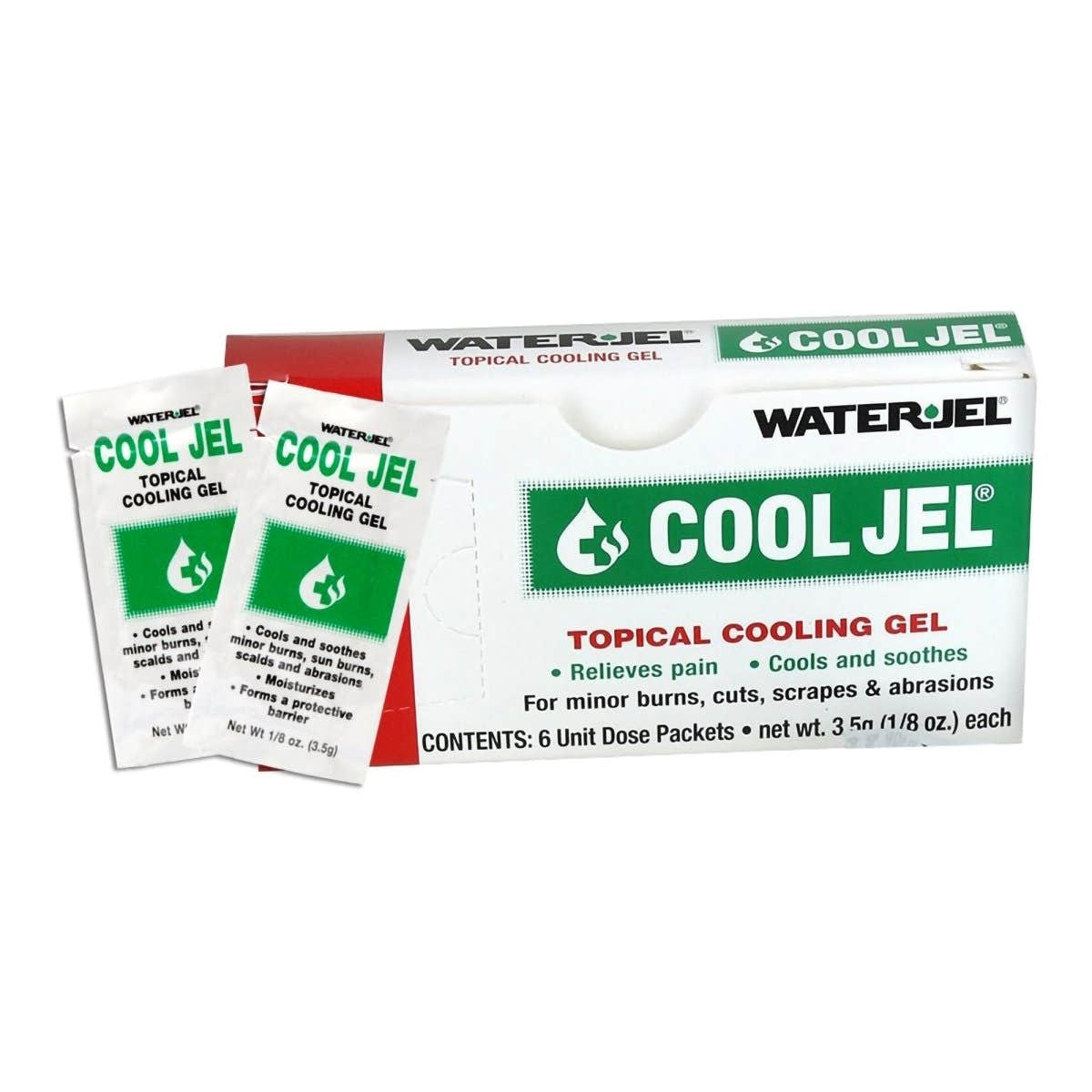
Waterjel Cool Jel Trolamine Salicylate Topical Pain Relief - 1071037_BX - 1

Frequently Asked Questions about Pain Relievers

Pain relievers are medications designed to reduce or eliminate discomfort caused by headaches, muscle aches, arthritis, menstrual cramps, minor injuries, and other common conditions. They come in oral forms like tablets and liquid gels, as well as topical options like creams, gels, patches, and sprays that target localized pain directly at the source.

Oral pain relievers work throughout the body by entering the bloodstream to reduce pain and inflammation systemwide, while topical pain relievers are applied directly to the skin over the painful area for targeted, localized relief. Topical options are often preferred by people who want to avoid systemic side effects associated with oral medications.

Topical pain relievers are designed for people who experience localized muscle or joint pain and prefer not to take oral medications, or those who have stomach sensitivities to pills. They are also a common choice for older adults managing arthritis or for anyone seeking relief in a specific area without affecting the whole body.

Start by identifying whether your pain is localized or widespread, since localized pain often responds well to topical pain relievers while generalized pain may call for an oral option. Consider the active ingredient, such as ibuprofen, naproxen sodium, acetaminophen, or lidocaine, as each works differently and suits different types of pain and health profiles.

Apply topical pain relievers directly to the clean, dry skin over the painful area and gently rub in creams or gels until absorbed, or press patches firmly onto the skin. Always follow the dosing instructions on the label, avoid applying to broken or irritated skin, and wash hands thoroughly after application unless treating the hands themselves.

No, most over-the-counter pain relievers are not intended for daily long-term use without medical supervision, as regular use can increase the risk of side effects such as stomach irritation, kidney strain, or liver stress depending on the active ingredient. If pain persists beyond the timeframe listed on the product label, consult a healthcare provider.

Yes, in many cases topical and oral pain relievers can be used together, but it depends on the active ingredients involved and your overall health. For example, using a topical salicylate alongside an oral NSAID may increase absorption and risk. Always read labels carefully and consult a pharmacist or doctor if you are unsure about combining pain relief products.

Because different types of pain respond to different active ingredients, the pain reliever category includes a wide range of formulations to match specific needs. Anti-inflammatories like ibuprofen and naproxen sodium address swelling-related pain, acetaminophen targets pain signals in the brain, and topical agents like lidocaine or arnica work locally without entering the bloodstream.

Store over-the-counter pain relievers in a cool, dry place away from direct sunlight, heat, and humidity, such as a medicine cabinet outside of the bathroom, since steam can degrade medications faster. Keep all pain relief products out of reach of children, check expiration dates regularly, and discard any product that has changed in color, smell, or texture.

Buying pain relievers from a medical supply store like Cart Health can offer better value through a wider selection of brands, product formats, and the convenience of ordering in bulk or alongside other health supplies. Many medical supply retailers also carry both name-brand and store-brand pain relief options, giving shoppers more flexibility to compare and choose based on their budget and preference.

Recently viewed