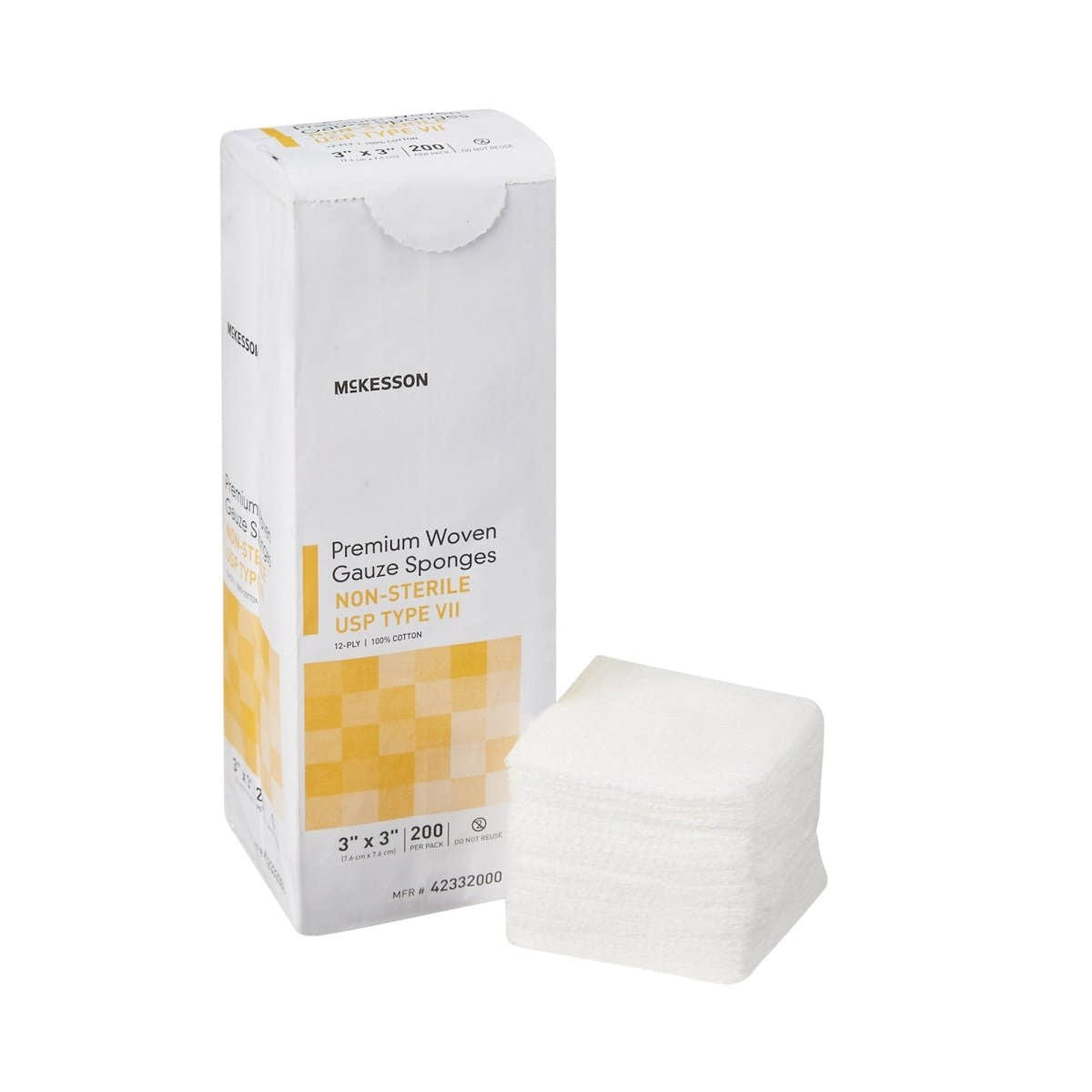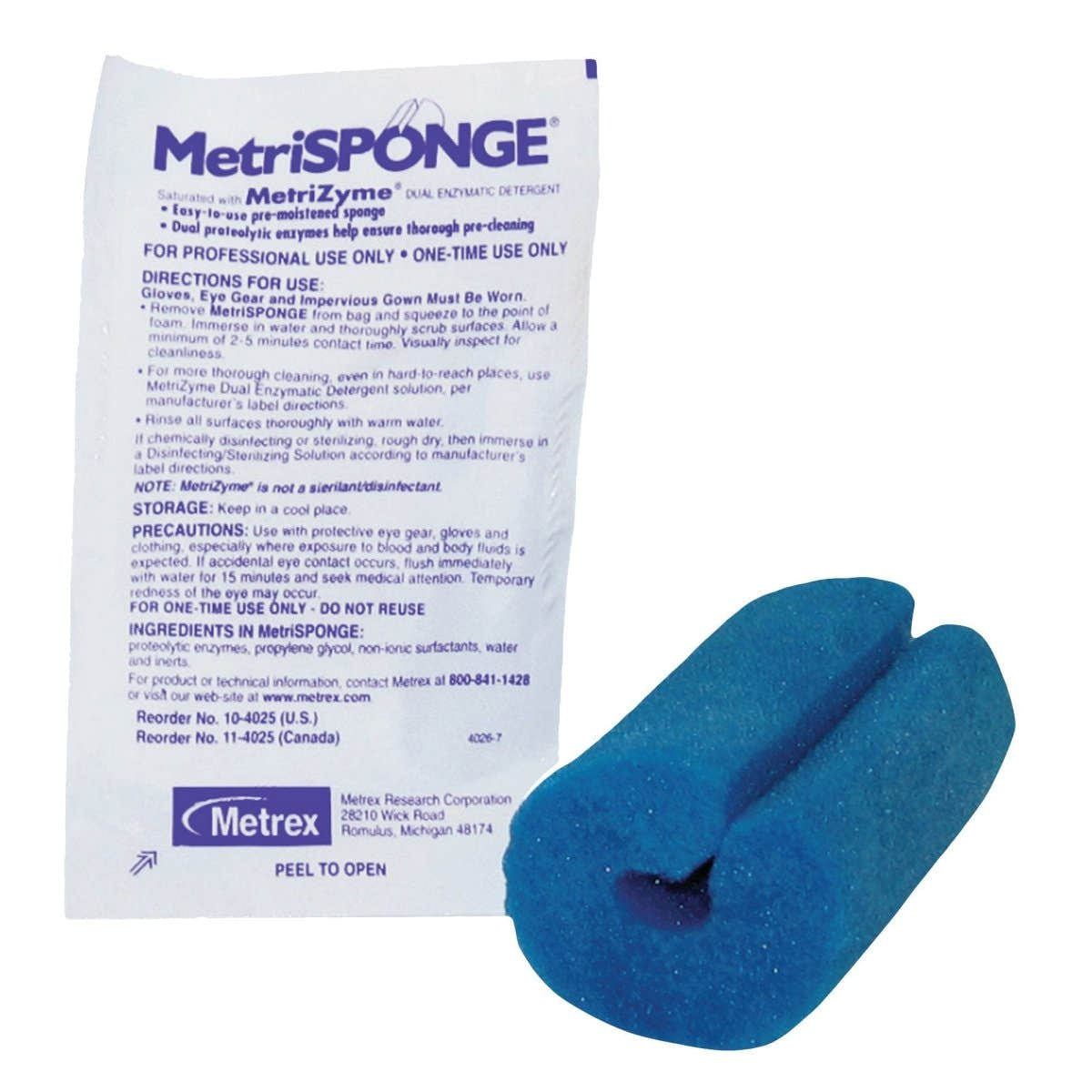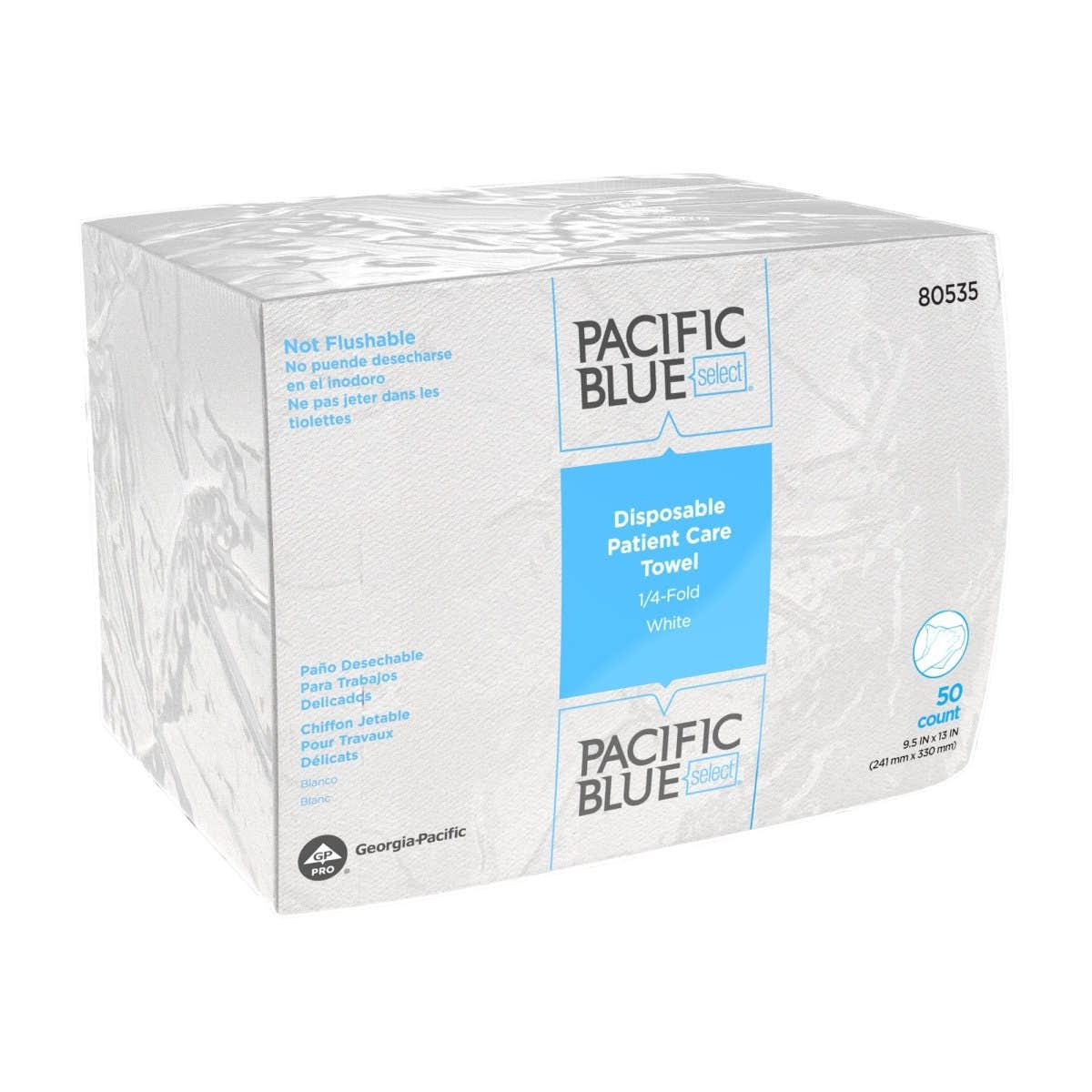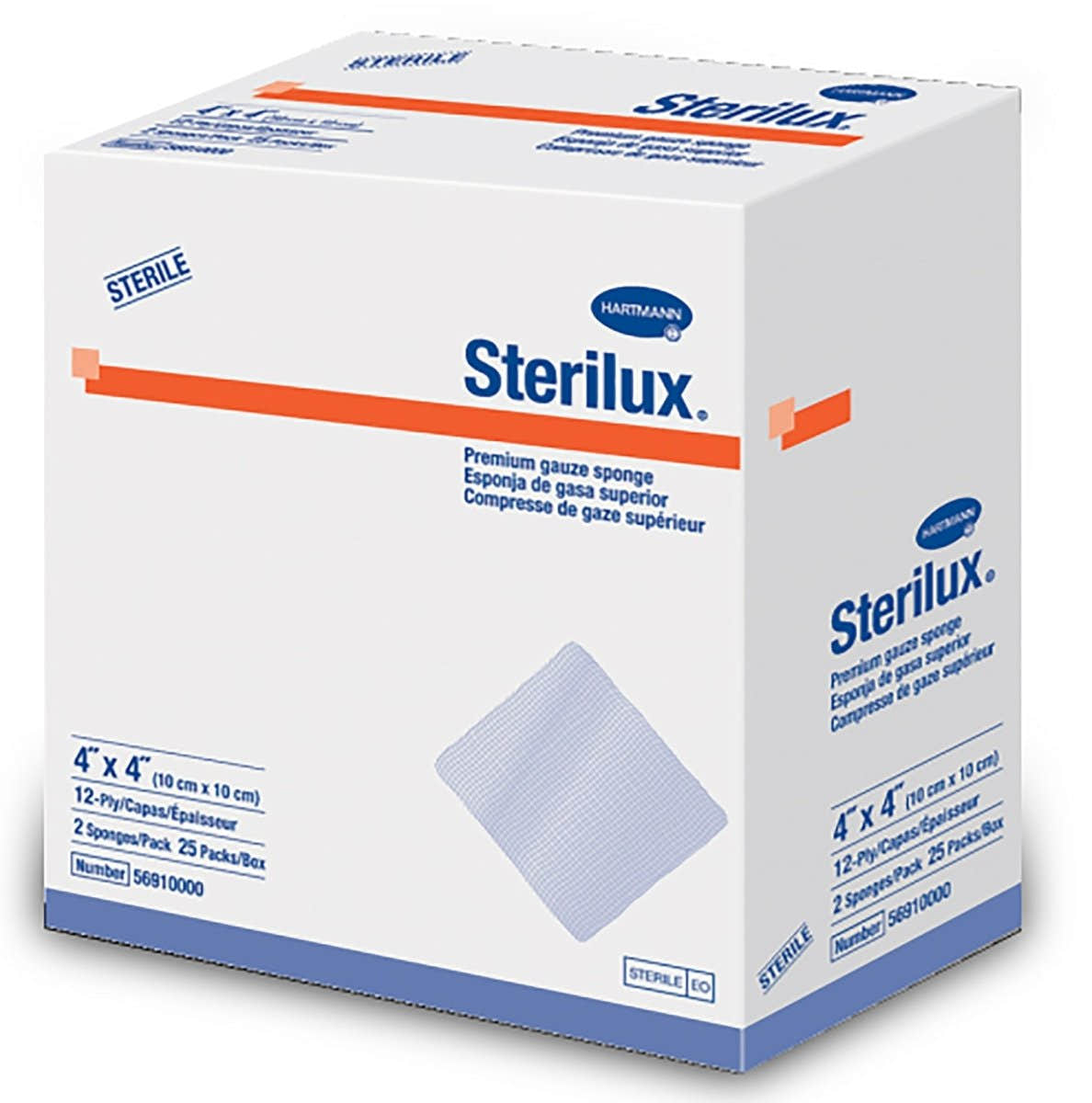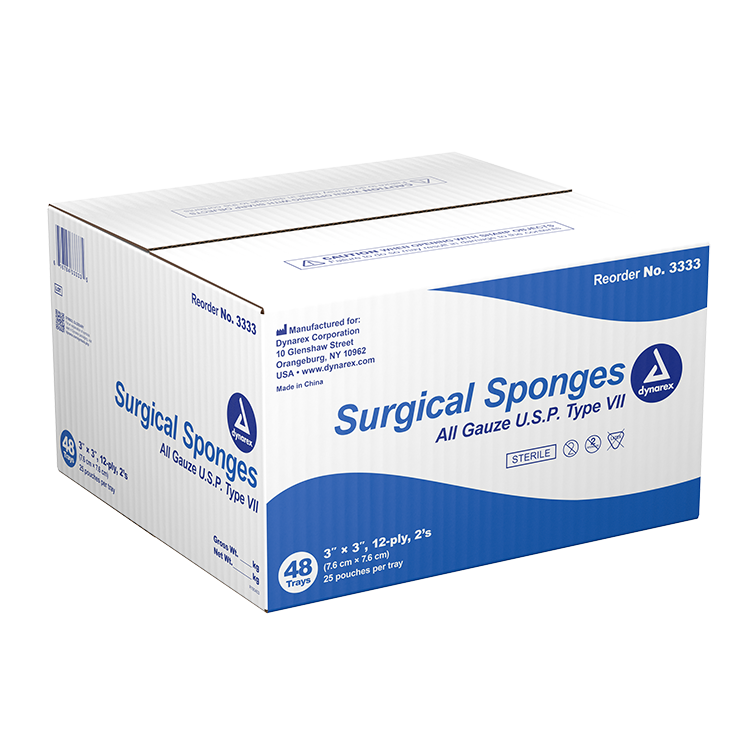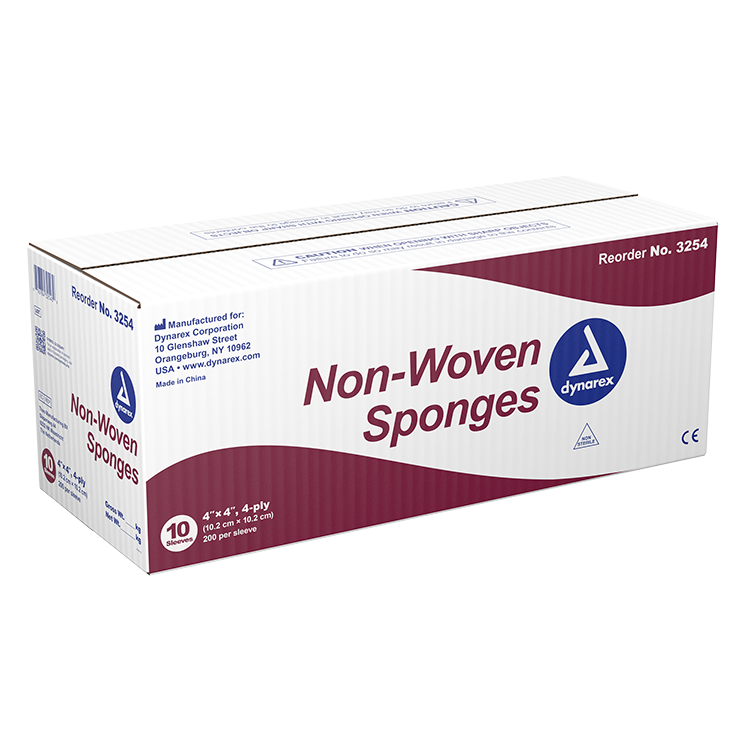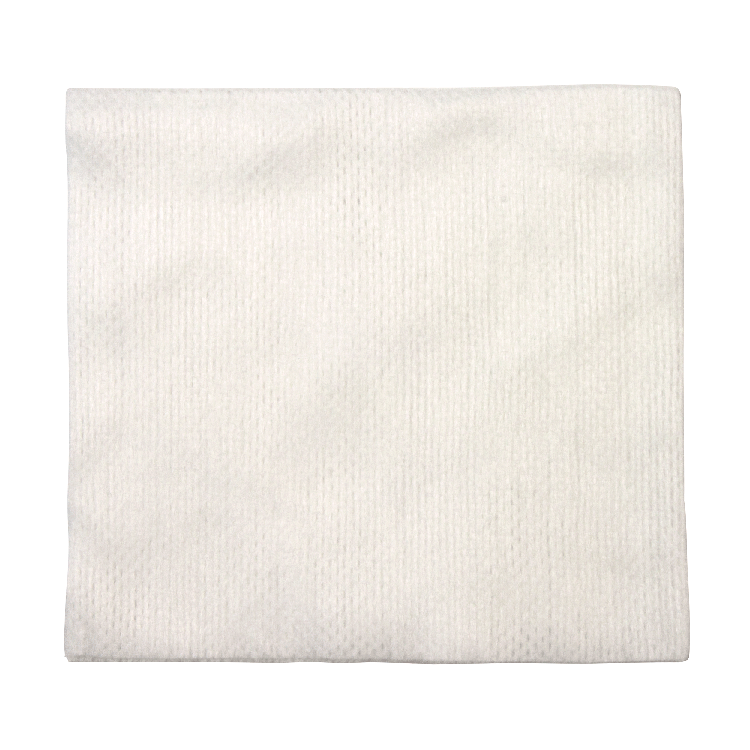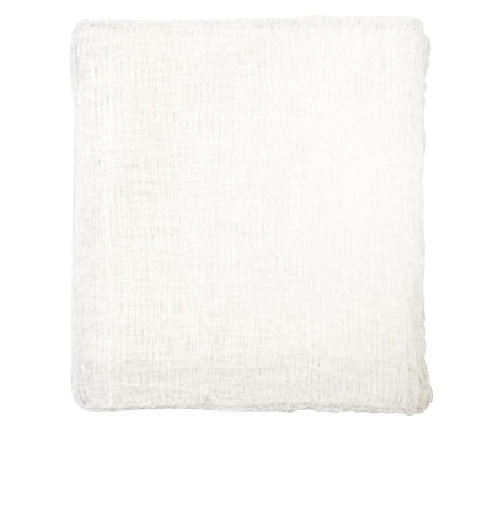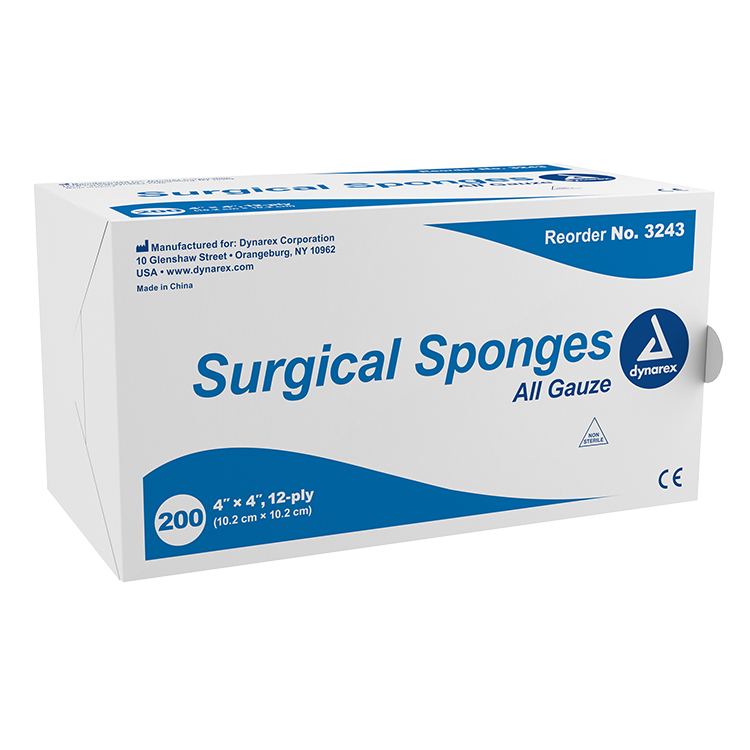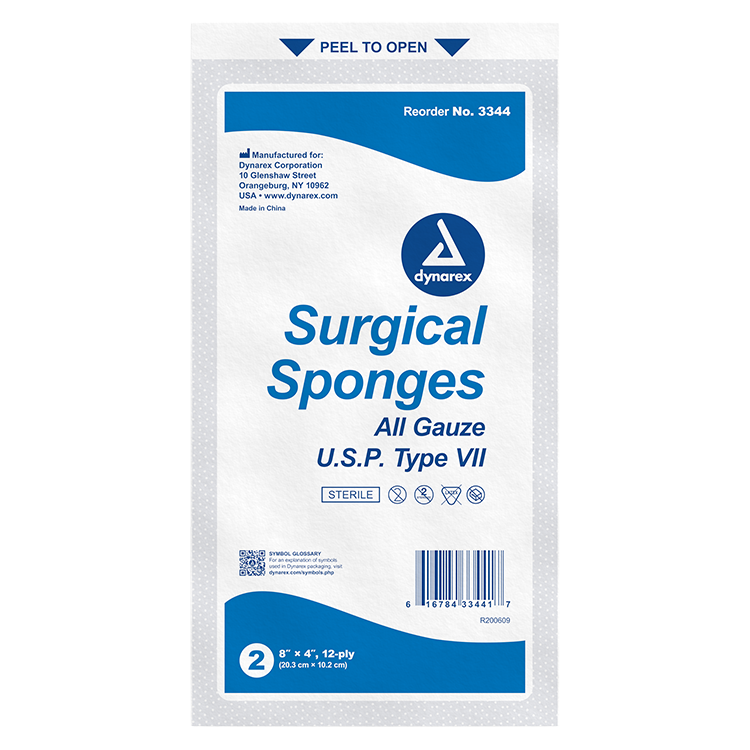
Sponges

136 products

Showing 49 - 72 of 136 products

Sponges & Task Wipes for Medical, Foodservice, and Industrial Settings

This collection brings together two essential categories of absorbent, single-use products: surgical sponges designed for clinical and operating room environments, and task wipes built for demanding professional settings including foodservice kitchens, industrial facilities, and cleanrooms. Whether you work in a hospital, a commercial kitchen, or a controlled manufacturing environment, you'll find purpose-built options from trusted brands like Teleflex Medical, AccuWipe, Amplitude, Bio-Screen, and Brawny.

Showing 49 - 72 of 136 products
View
Cypress Gauze Sponge - 540913_CS - 1
Cypress Gauze Sponge
Sale priceFrom $2.99
Cypress Nonwoven Sponge - 863411_PK - 1
Cypress Nonwoven Sponge
Sale price$4.99
Dermacea Drain Sponge - 516679_BX - 1
Dermacea Drain Sponge
Sale priceFrom $0.99
Choose options
Dermacea Nonwoven Sponge - 516459_BG - 1
Dermacea Nonwoven Sponge
Sale priceFrom $3.99
Choose options
Dermacea Sterile Gauze Sponge - 1121148_BX - 1
Dermacea Sterile Gauze Sponge
Sale priceFrom $0.99
Choose options
Dermacea Sterile Nonwoven Sponge - 915434_BX - 1
Dermacea Sterile Nonwoven Sponge
Sale priceFrom $0.99
Choose options
Ducare Drain Sponge - 645800_BX - 1
Ducare Drain Sponge
Sale priceFrom $0.99
Ducare Sterile Gauze Sponge - 645792_BX - 1
Ducare Sterile Gauze Sponge
Sale priceFrom $0.99
Choose options
Ducare USP Type VII Gauze Sponge - 645797_CS - 1
Ducare USP Type VII Gauze Sponge
Sale priceFrom $5.99
Dukal Nonsterile Gauze Sponge - 381308_BG - 1
Dukal Nonsterile Gauze Sponge
Sale priceFrom $3.99
Choose options
Dukal Nonsterile Nonwoven Sponge - 718125_BG - 1
Dukal Nonsterile Nonwoven Sponge
Sale priceFrom $2.99
Choose options
Dukal Sterile Gauze Sponge - 374444_BX - 1
Dukal Sterile Gauze Sponge
Sale priceFrom $4.99
Choose options
Dukal Sterile Nonwoven Sponge - 813502_BX - 1
Dukal Sterile Nonwoven Sponge
Sale priceFrom $4.99
Dukal X Ray Detectable Surgical Laparotomy Sponge - 943840_CS - 1
Dusoft Nonwoven Sponge - 645791_CS - 1
Dusoft Nonwoven Sponge
Sale priceFrom $4.99
Dusoft Sterile Nonwoven Sponge - 870107_BX - 1
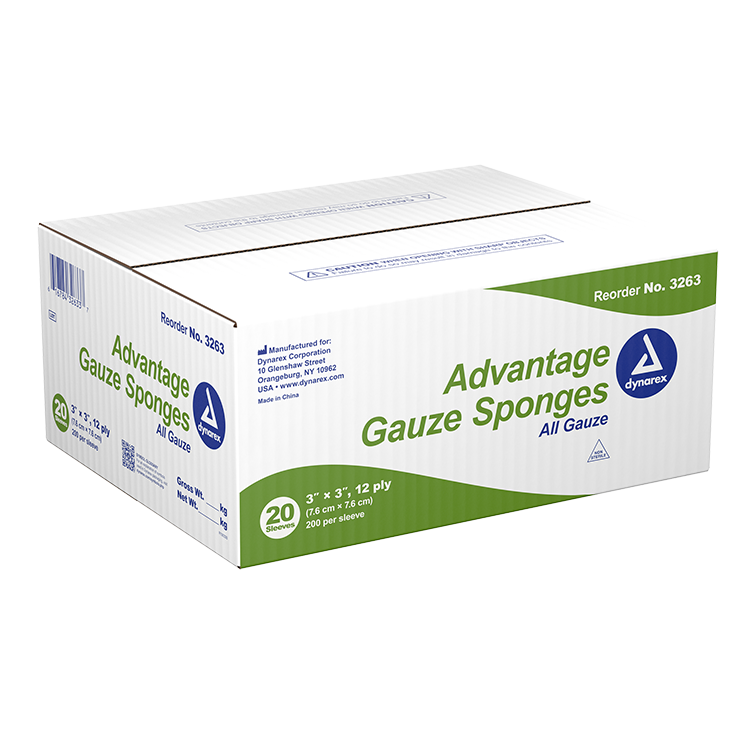
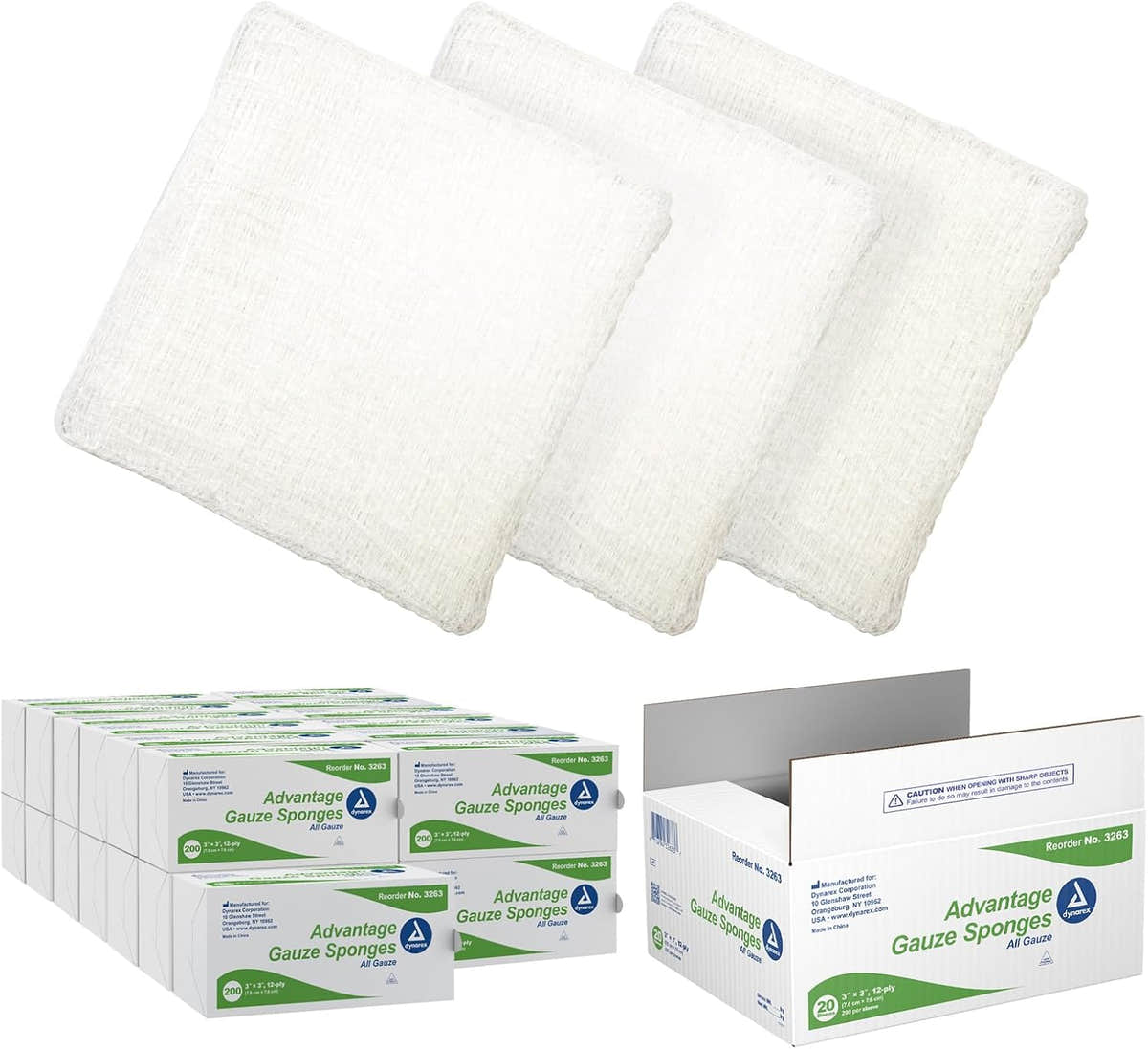
Dynarex Gauze Sponge - 670165_BX - 1
Dynarex Gauze Sponge
Sale priceFrom $4.99
Choose options
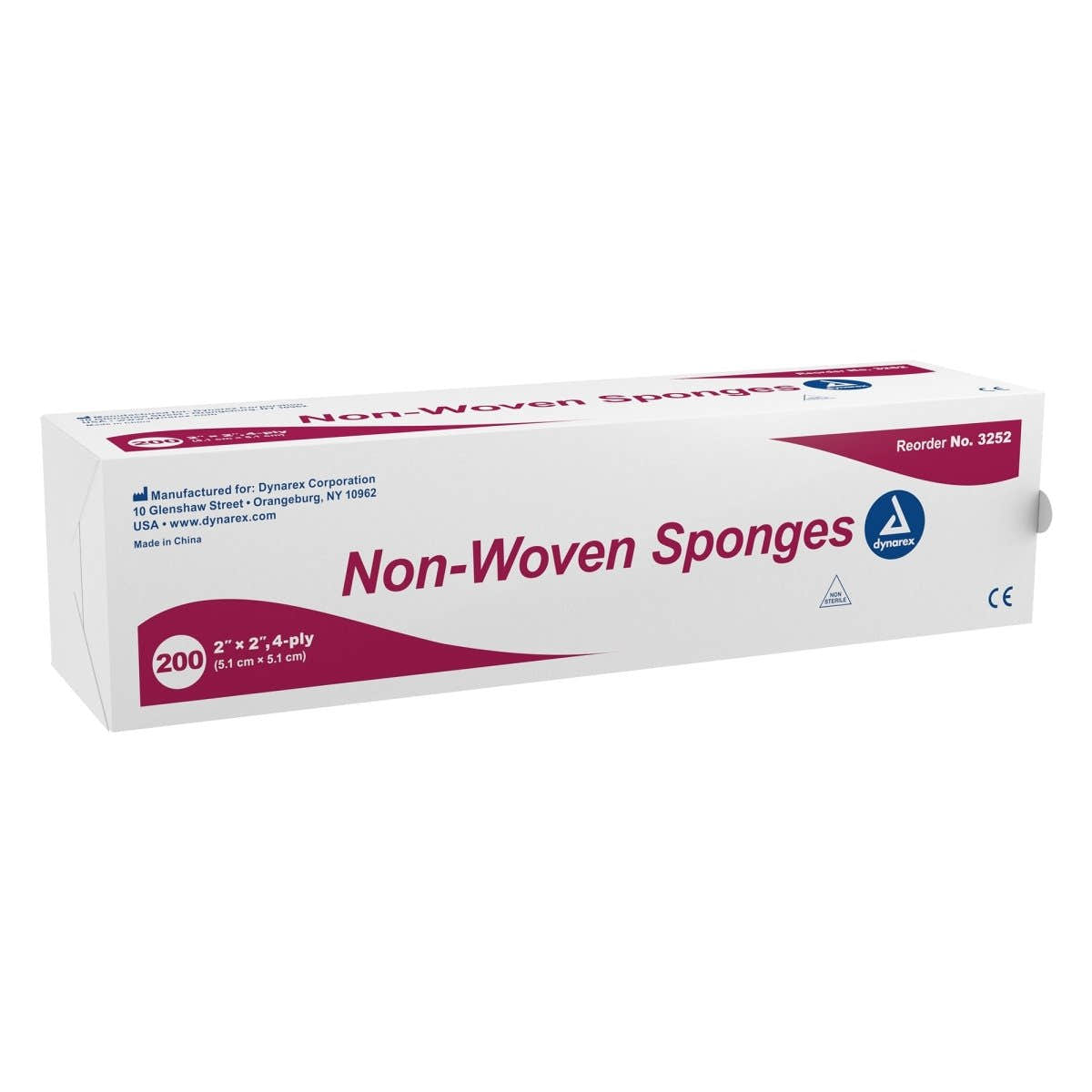
Dynarex Nonsterile Gauze Sponge - 798411_BX - 1
Dynarex Nonsterile Gauze Sponge
Sale priceFrom $2.99
Choose options
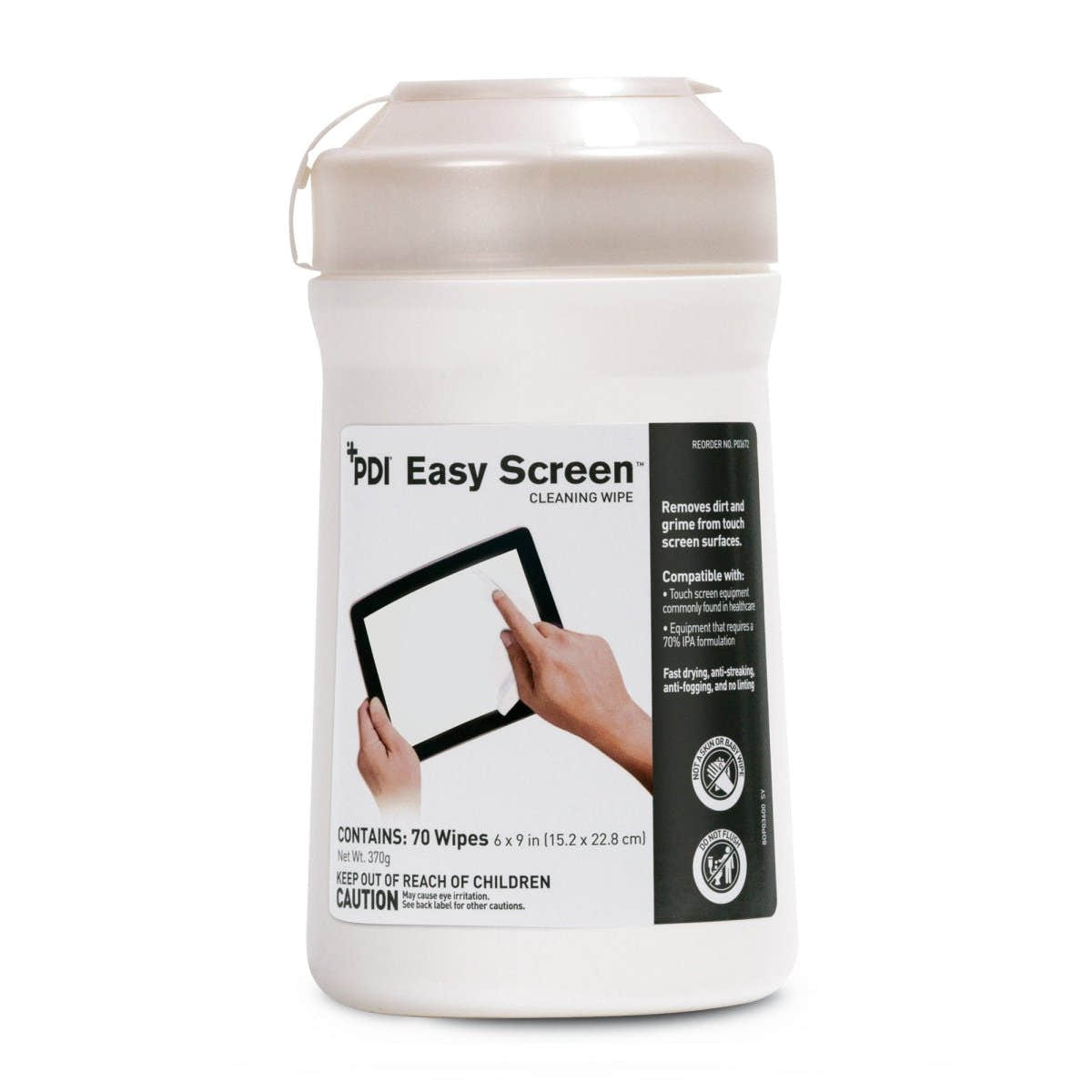
Easy Screen Cleaning Wipe - 1011705_CN - 1
Easy Screen Cleaning Wipe
Sale priceFrom $8.99
Choose options
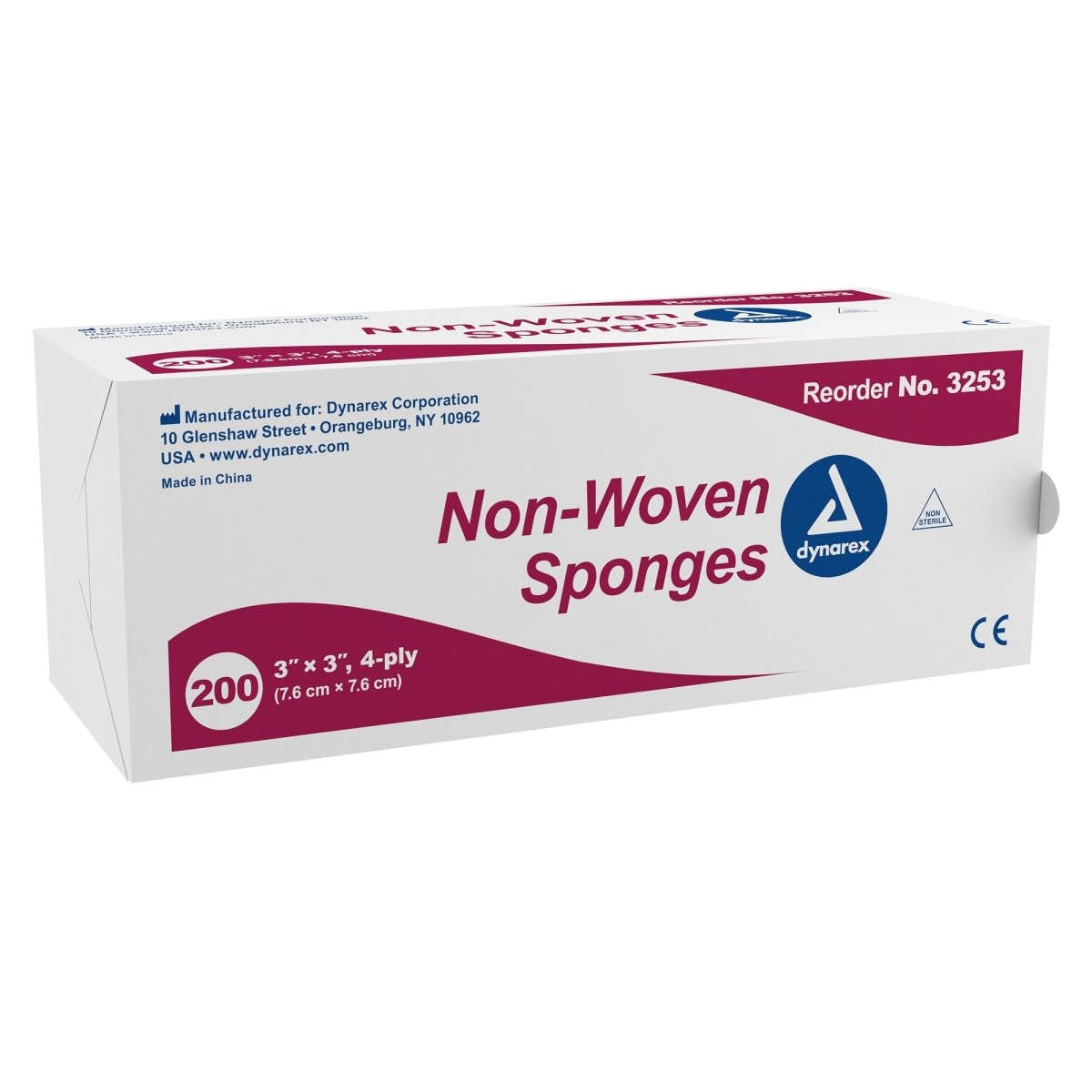
Econolux Nonsterile Gauze Sponge - 575852_BX - 1
Econolux Nonsterile Gauze Sponge
Sale priceFrom $2.99
Choose options

Frequently Asked Questions about Sponges

Medical sponges and task wipes are absorbent materials used to manage fluids, clean surfaces, and support clinical procedures in surgical, laboratory, and healthcare settings. Sponges are commonly used during surgery to absorb blood and fluids, while task wipes handle surface cleaning and contamination control across a range of environments.

Laparotomy sponges are large, flat surgical sponges designed to absorb significant volumes of fluid during open abdominal or major surgical procedures, while surgical peanut sponges are small, oval-shaped sponges used for blunt dissection and tissue manipulation in tight surgical spaces. The two serve very different roles and are not interchangeable during surgery.

Surgical sponges are designed for trained surgical teams including surgeons, surgical technologists, and scrub nurses working in sterile operative environments. These products are intended for professional clinical use and should not be used outside of a supervised medical or surgical setting.

Start by identifying the specific clinical or cleaning task — surgical fluid management, surface decontamination, biohazard cleanup, or delicate equipment wiping — then match the product type to that need. Surgical procedures require sterile-grade sponges, while surface and equipment cleaning calls for task wipes rated for the appropriate environment, such as cleanroom or foodservice settings.

Yes, certain task wipes are specifically manufactured for cleanroom use and are designed to minimize particle shedding and contamination. Not all task wipes meet cleanroom standards, so it is important to select wipes that are explicitly rated or validated for the contamination control level required by your facility.

Surgical sponges intended for invasive procedures are manufactured to meet strict safety standards, including radiopaque markers that allow detection via X-ray if a sponge is inadvertently retained in the body. Always verify that the sponges selected for a procedure are sterile, appropriately sized, and compliant with your facility's surgical safety protocols.

Because task wipes are disposable and pre-sized for single use, they eliminate laundering costs, reduce cross-contamination risk, and lower the labor burden associated with reusable cleaning cloths. In high-traffic clinical and foodservice environments, the consistent cleanliness and convenience of task wipes often make them more cost-effective over time than maintaining a supply of reusable alternatives.

Surgical sponges are sterile, highly absorbent materials used inside the body or sterile field during medical procedures, while task wipes are non-sterile disposable cloths designed for surface cleaning, equipment wiping, and contamination control outside the sterile field. Selecting the correct product type depends entirely on whether the application is clinical or environmental.

Store medical sponges and task wipes in a cool, dry location away from direct sunlight, moisture, and temperature extremes to preserve sterility and material integrity. Sterile surgical sponges should remain in their original sealed packaging until the moment of use, and any package showing damage, moisture, or expired dating should be discarded immediately.

Surgical sponges are available in a range of sizes suited to different procedural needs, with laparotomy sponges commonly produced in larger dimensions for major open surgeries and peanut sponges manufactured in small diameters for precision dissection work in confined anatomical spaces. The appropriate size should always be selected based on the surgical site and the specific clinical requirements of the procedure.

Recently viewed