Stethoscopes

30 products

Showing 25 - 30 of 30 products

Stethoscopes: Enhancing Medical Diagnosis with Precision

Welcome to our exceptional collection of Stethoscopes! Designed with utmost precision and advanced technology, our stethoscopes are essential tools for medical professionals, enabling accurate and reliable diagnoses. With a wide range of models tailored to different needs, we provide the finest selection of stethoscopes to enhance medical examinations and improve patient care.
Showing 25 - 30 of 30 products
View

Frequently Asked Questions about Stethoscopes

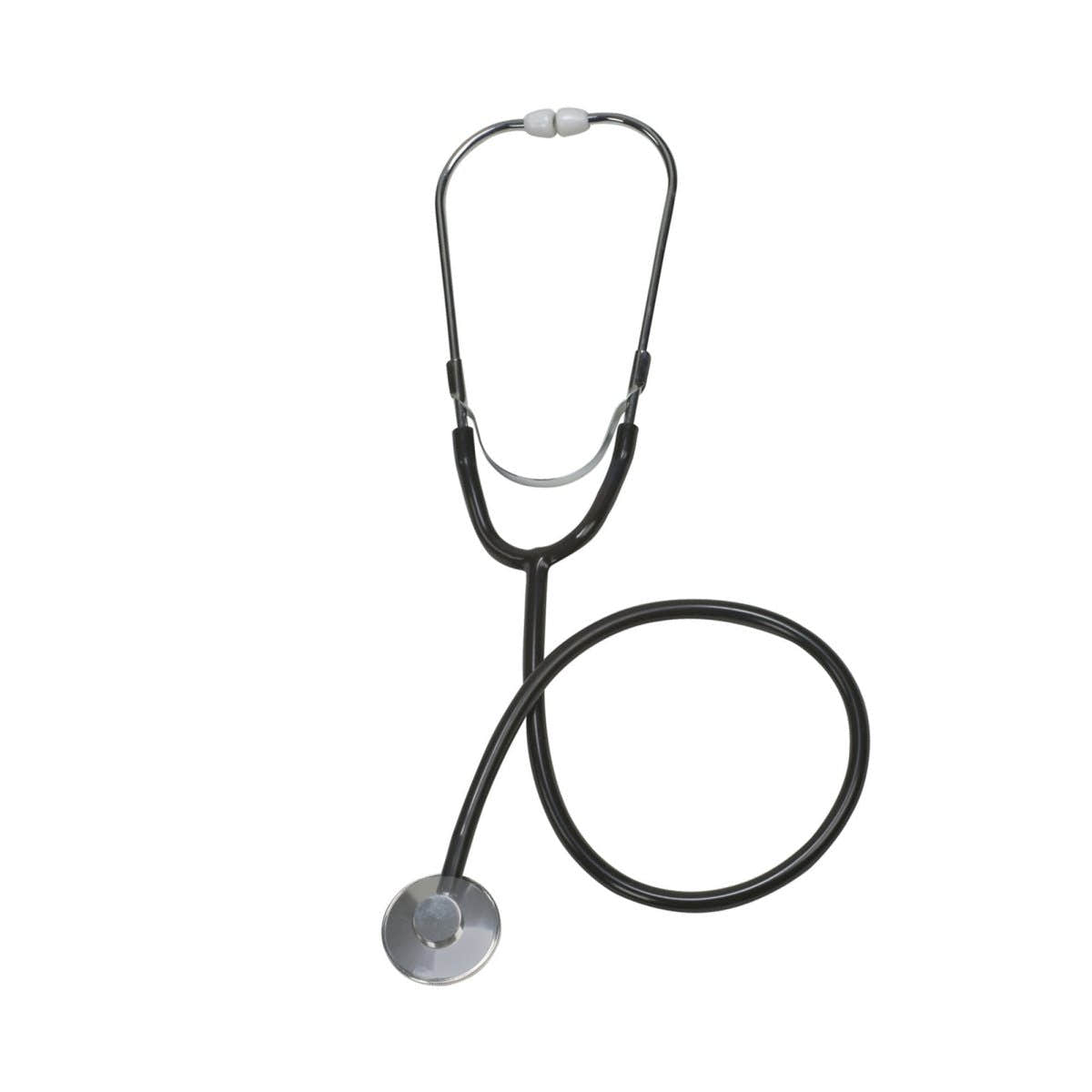
A stethoscope is a medical listening device used by healthcare professionals to hear internal body sounds such as heartbeats, lung function, and bowel activity during physical examinations. Stethoscopes amplify these sounds through a chestpiece, tubing, and earpieces, making them one of the most fundamental diagnostic tools in clinical practice.

Stethoscopes are designed for anyone involved in patient assessment, including physicians, nurses, medical students, paramedics, and veterinary professionals. Different stethoscope models are built for different skill levels and specialties, so both seasoned clinicians and those just starting their training can find an appropriate option.

Place the stethoscope earpieces in your ears with the tips angled slightly forward, then firmly press the chestpiece against the patient's bare skin to listen for sounds. Make sure the room is quiet, and rotate the chestpiece to the correct side — bell or diaphragm — depending on whether you are listening for low- or high-frequency sounds.

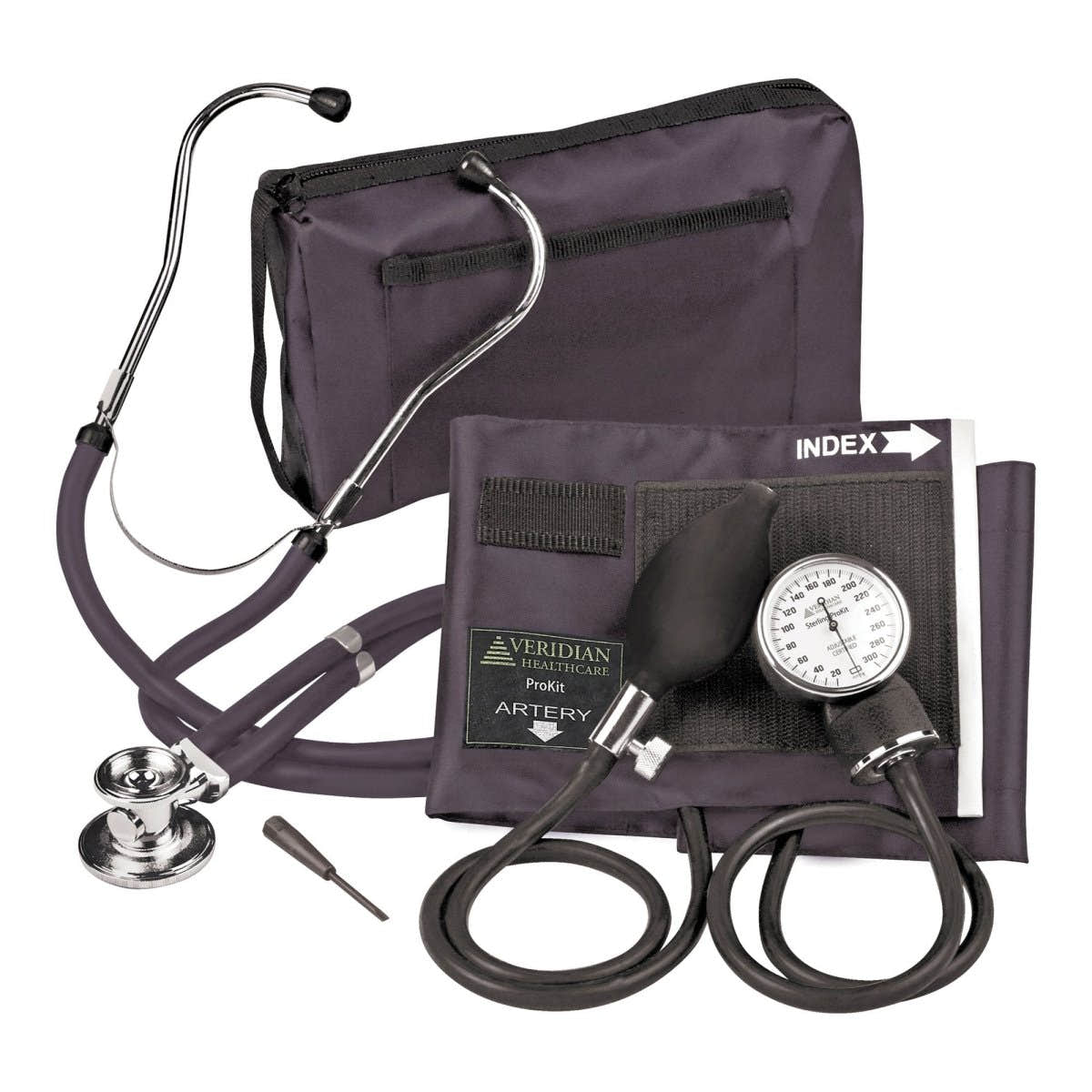
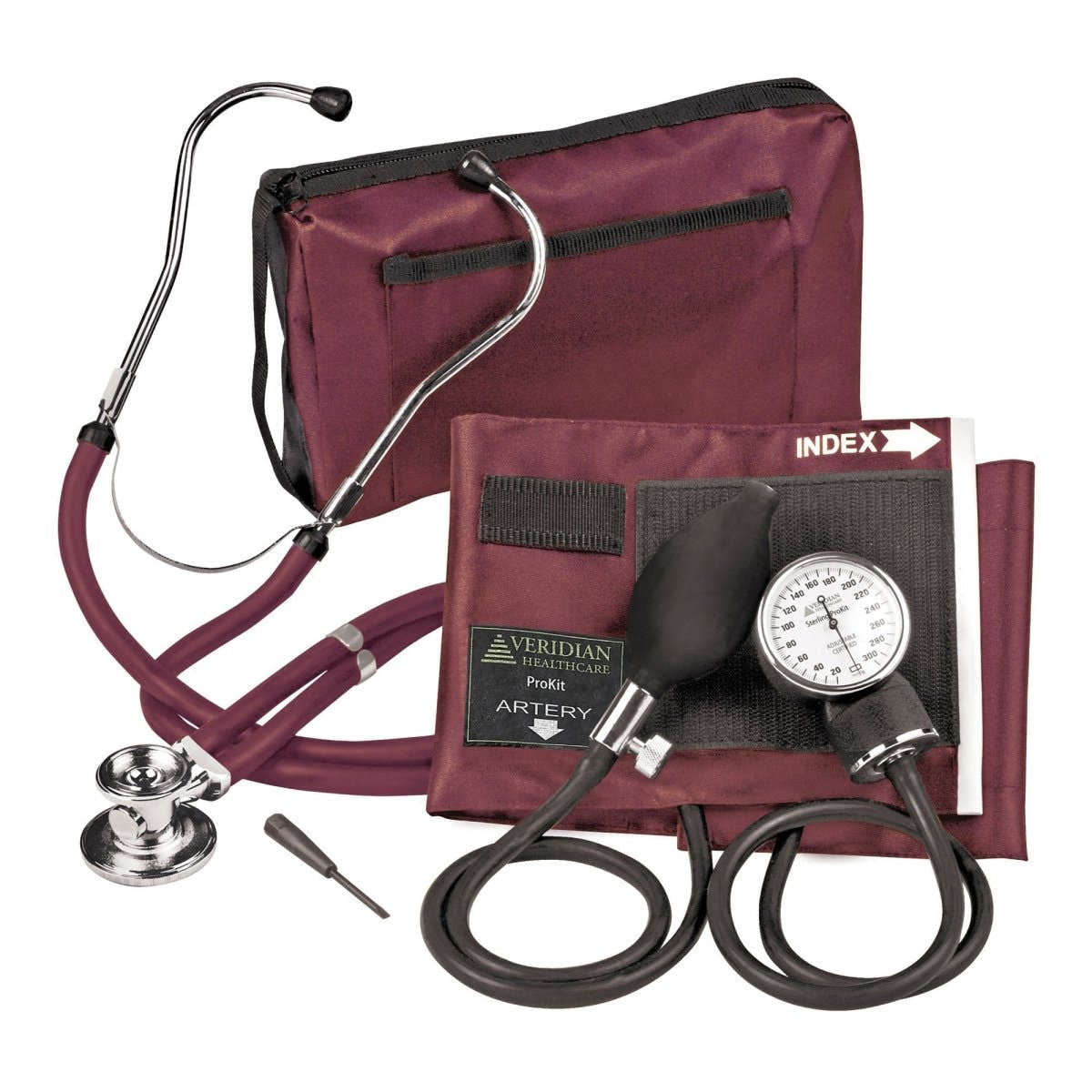
A Sprague Rappaport stethoscope features a dual-tube design with multiple interchangeable chestpiece attachments, making stethoscopes of this style especially versatile for assessing a wide range of patients. A classic single-tube stethoscope is lighter and simpler, offering reliable acoustic performance for routine examinations without the extra components.

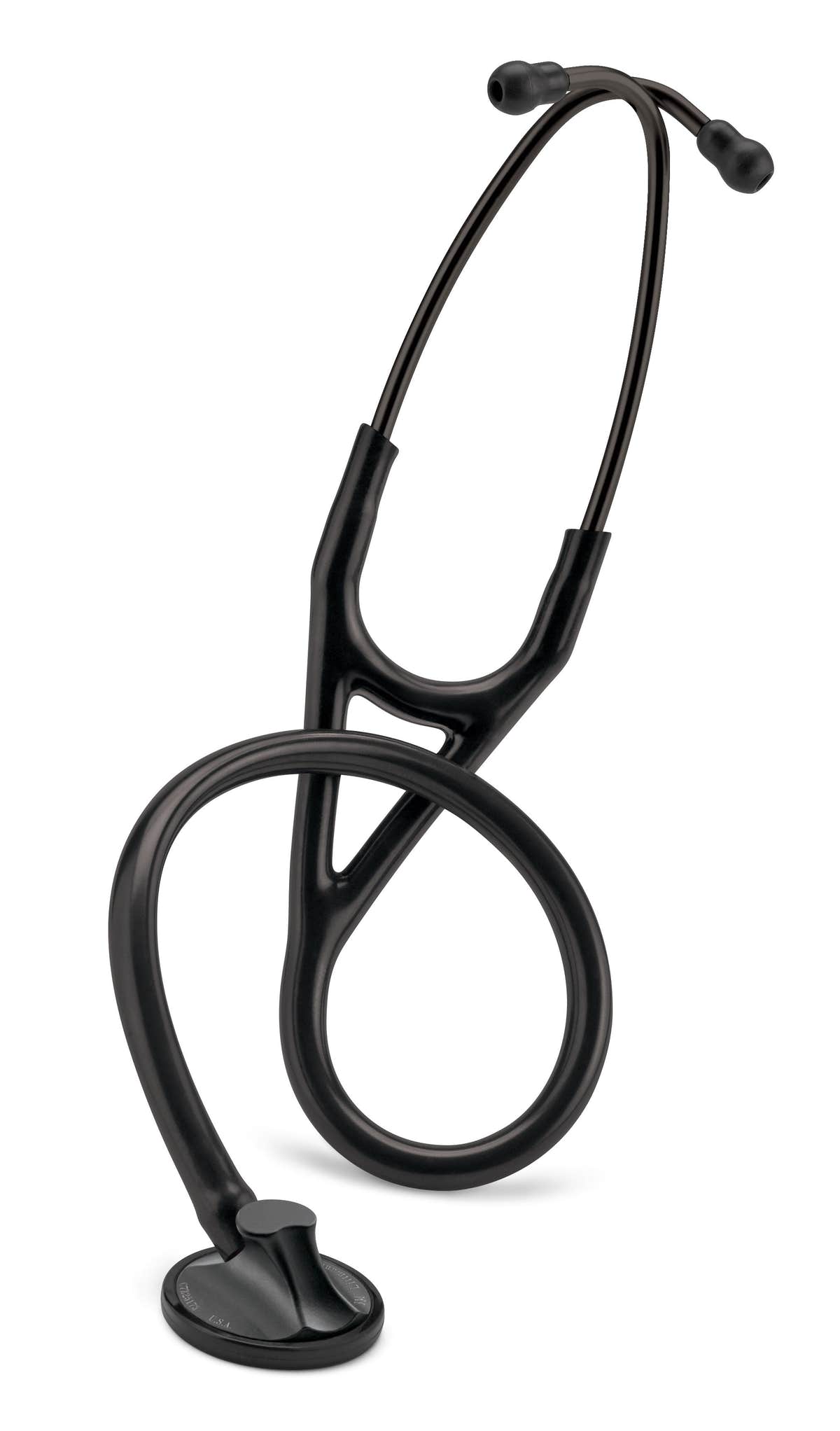
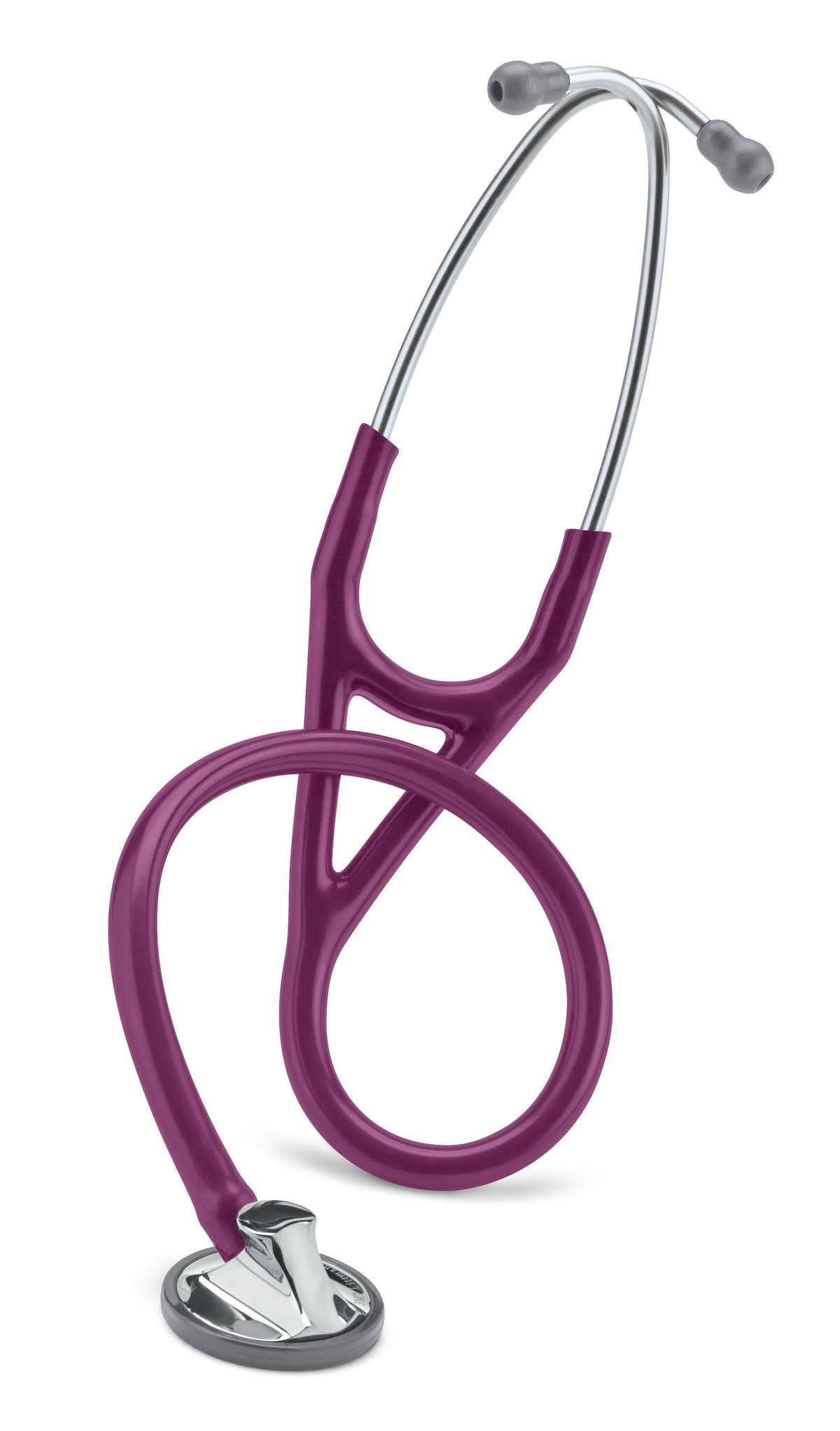
A cardiology stethoscope is the best choice for cardiac assessments because stethoscopes built for cardiology feature enhanced acoustic sensitivity that picks up subtle heart sounds and murmurs that standard models may miss. These stethoscopes typically have a larger, precision-tuned chestpiece and thicker tubing to deliver superior sound clarity.

Yes, certain stethoscopes are specifically designed for use on pediatric patients, featuring a smaller chestpiece that fits properly on a child's chest for accurate sound detection. Using a pediatric stethoscope rather than an adult model ensures a better seal and more reliable acoustic results during examinations of infants and young children.

Wipe down stethoscope tubing, the chestpiece, and earpieces regularly with a soft cloth dampened with 70% isopropyl alcohol to remove contaminants between patient uses. Avoid submerging a stethoscope in any liquid, and store stethoscopes away from extreme heat, direct sunlight, and oils, which can degrade the tubing over time.

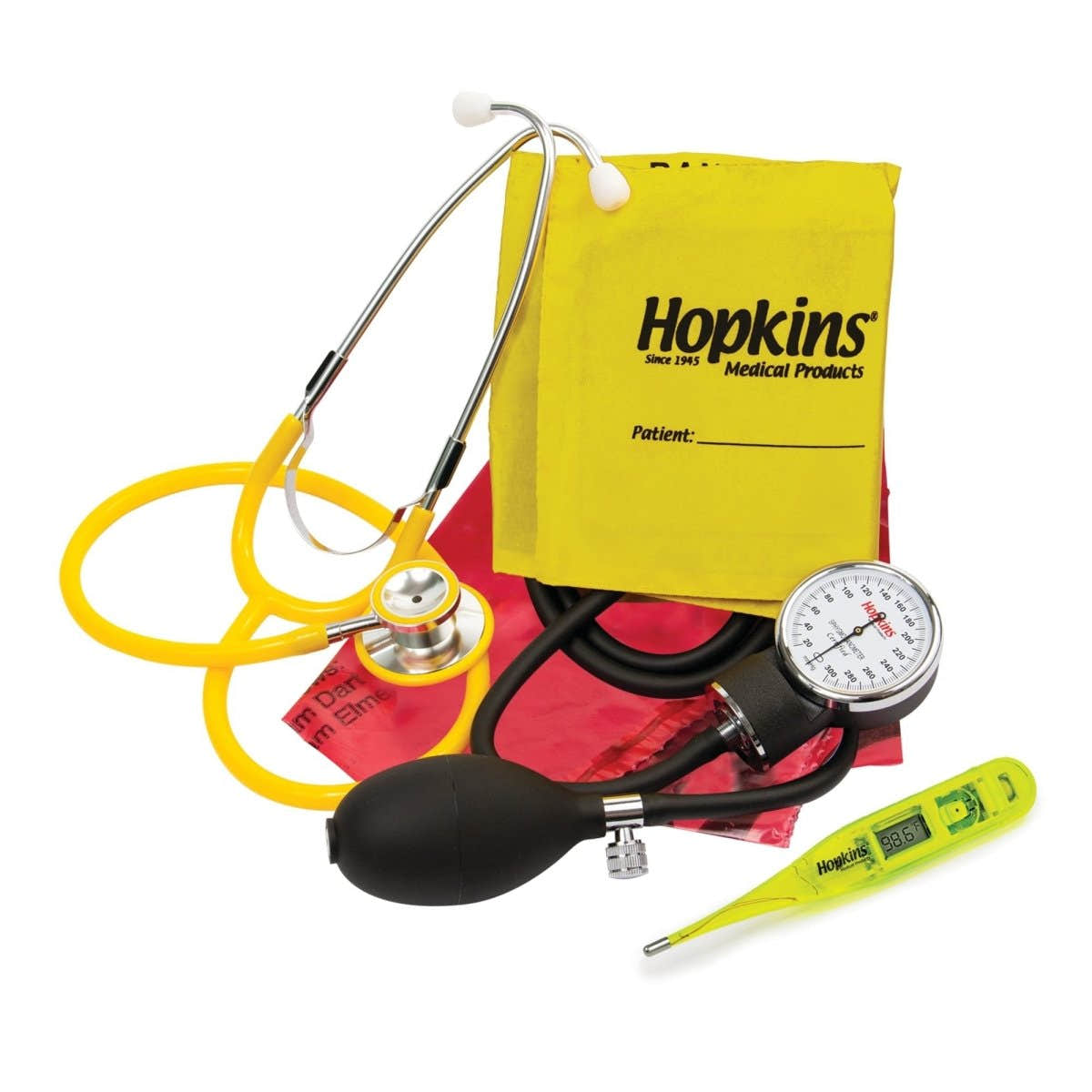
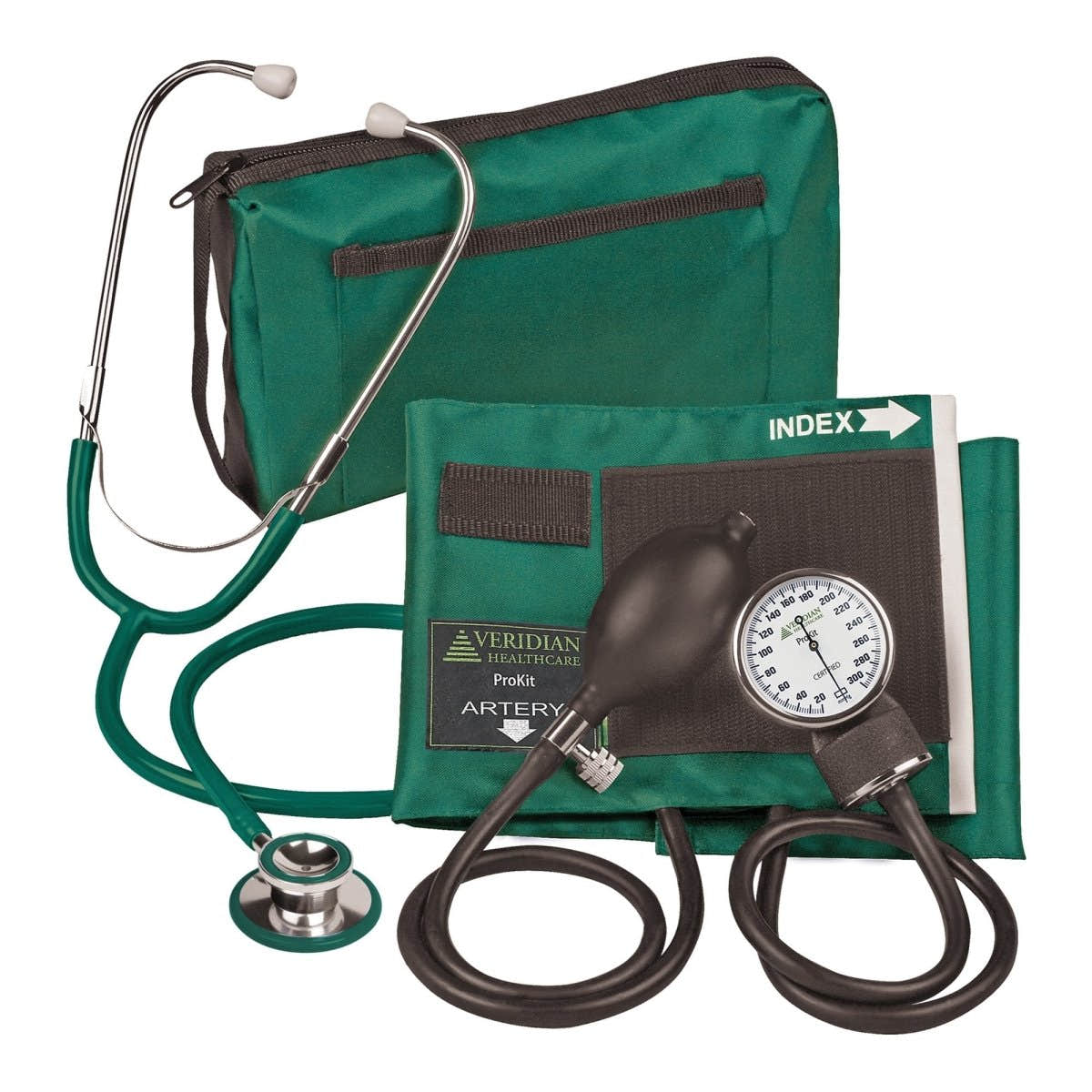
Yes, a stethoscope is necessary when using a manual aneroid blood pressure monitor because the stethoscope is used to listen for Korotkoff sounds in the artery as the cuff deflates, which indicates systolic and diastolic pressure readings. Some blood pressure kits include a stethoscope as part of a combo set for this reason.

Choosing the right stethoscope depends on your clinical role, the patient population you work with, and the level of acoustic performance you require. General practitioners and students often do well with a classic single-sided chestpiece stethoscope, while specialists working with cardiac or pediatric patients should look for models designed specifically for those assessments.

Store a stethoscope in a clean, dry location away from direct sunlight, chemicals, and extreme temperatures to preserve the integrity of the tubing and acoustic components. Many healthcare professionals drape stethoscopes around their neck or keep stethoscopes in a protective case to prevent kinking, cracking, or contamination between uses.

Recently viewed