Filters

Transfer Equipment

65 products

Showing 1 - 24 of 65 products

Patient lifting devices for healthcare settings

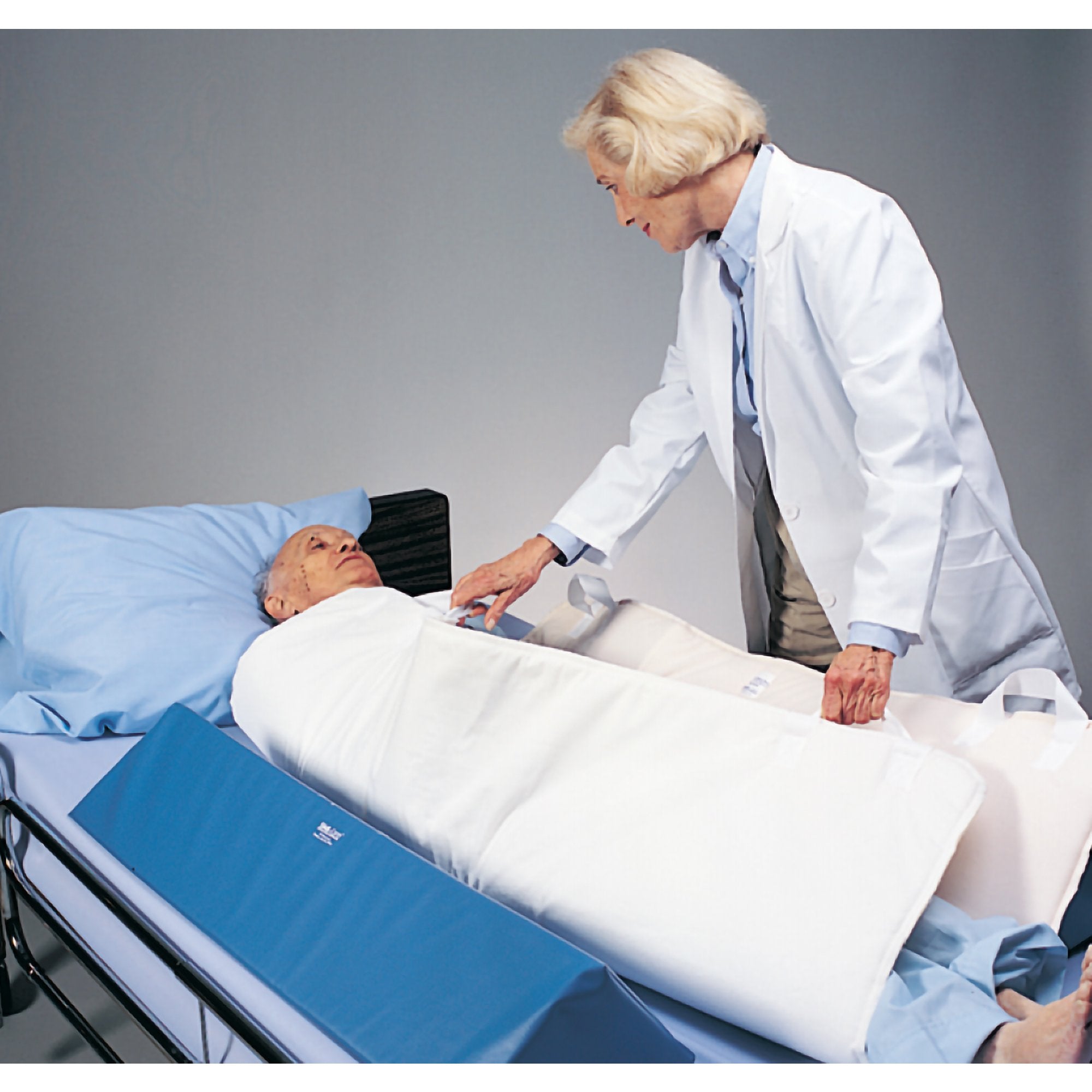
Medical transfer equipment plays a crucial role in ensuring the safe and efficient movement of patients within healthcare facilities. From hospitals and clinics to nursing homes and rehabilitation centers, these specialized devices are designed to assist healthcare providers in transferring patients from one location to another, while prioritizing patient comfort and safety.
Showing 1 - 24 of 65 products
View
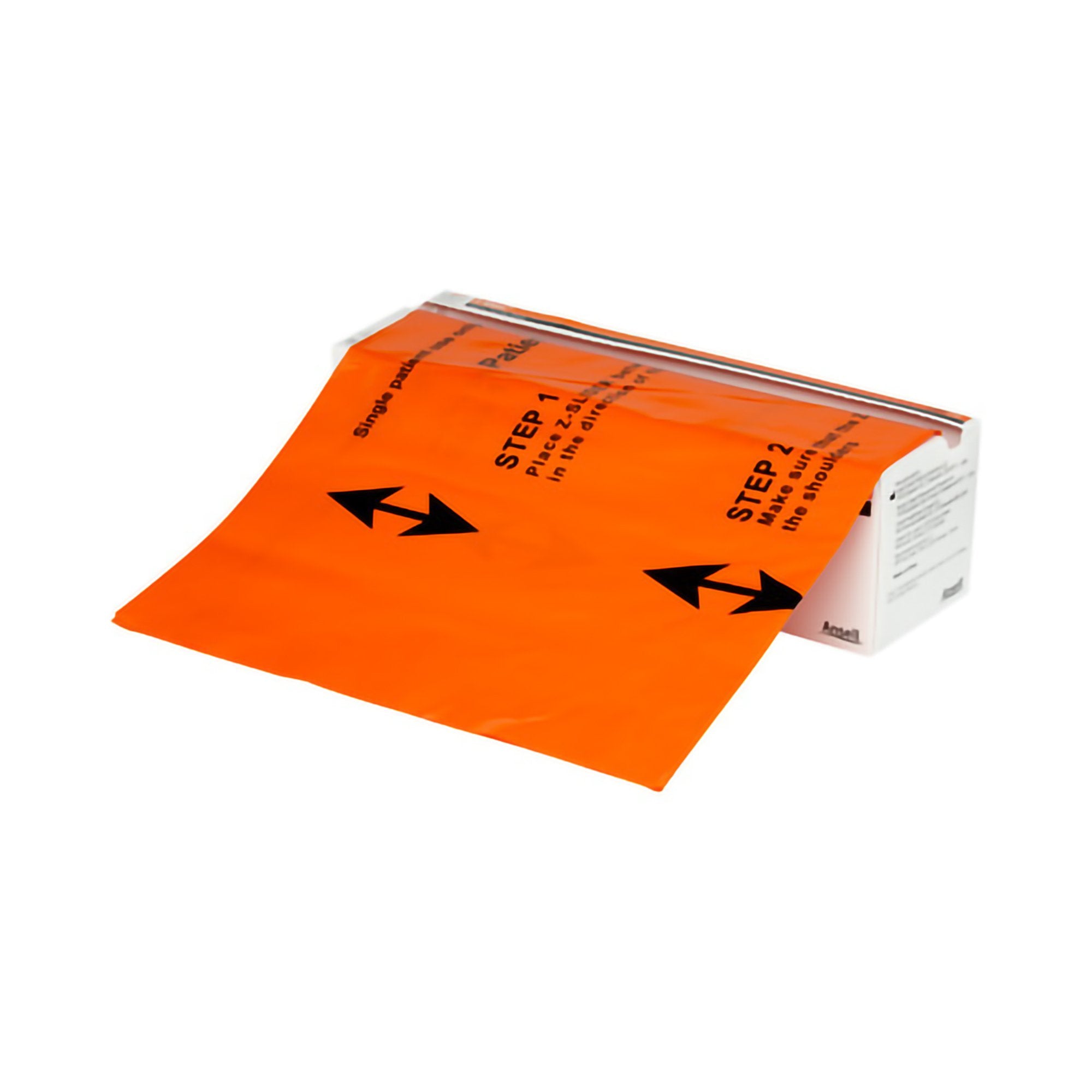
Z-Slider Transfer Sheet -Box of 30
Z-Slider Transfer Sheet
Sale priceFrom $4.99
Choose options
TLC Pad Replacement Positioning Pad -Each
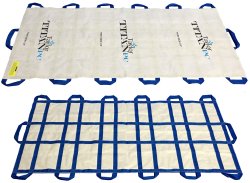
Titan PCX Transfer Sheet -Case of 10
Titan PCX Transfer Sheet
Sale priceFrom $37.99
Choose options
Titan PC Transfer Sheet, 40 x 80 Inch -Case of 10
Titan PC Transfer Sheet
Sale priceFrom $34.99
Choose options
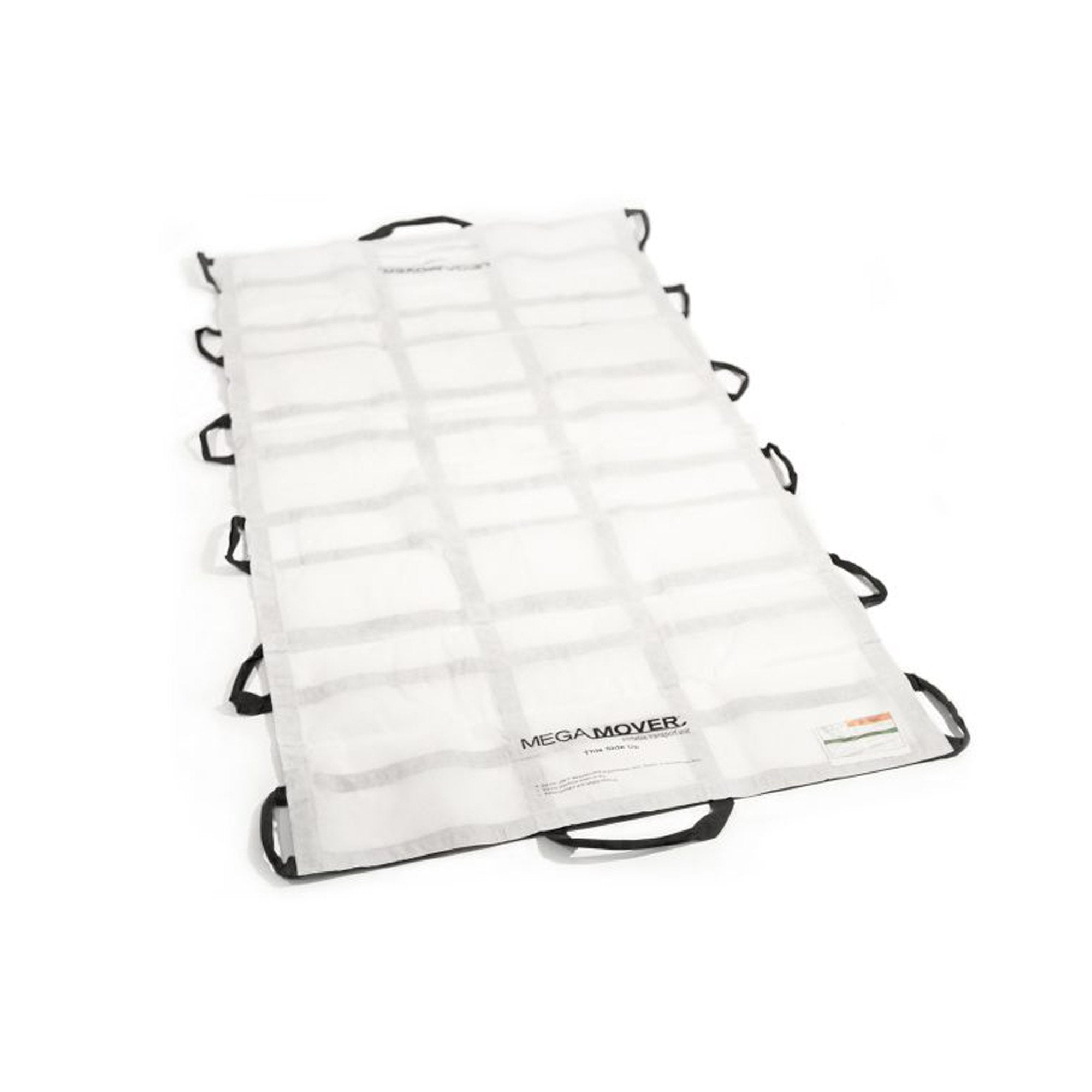
The MegaMover 1500 Transfer Sheet, 40 x 80 Inch -Case of 10
The MegaMover 1500 Transfer Sheet
Sale priceFrom $28.99
Choose options
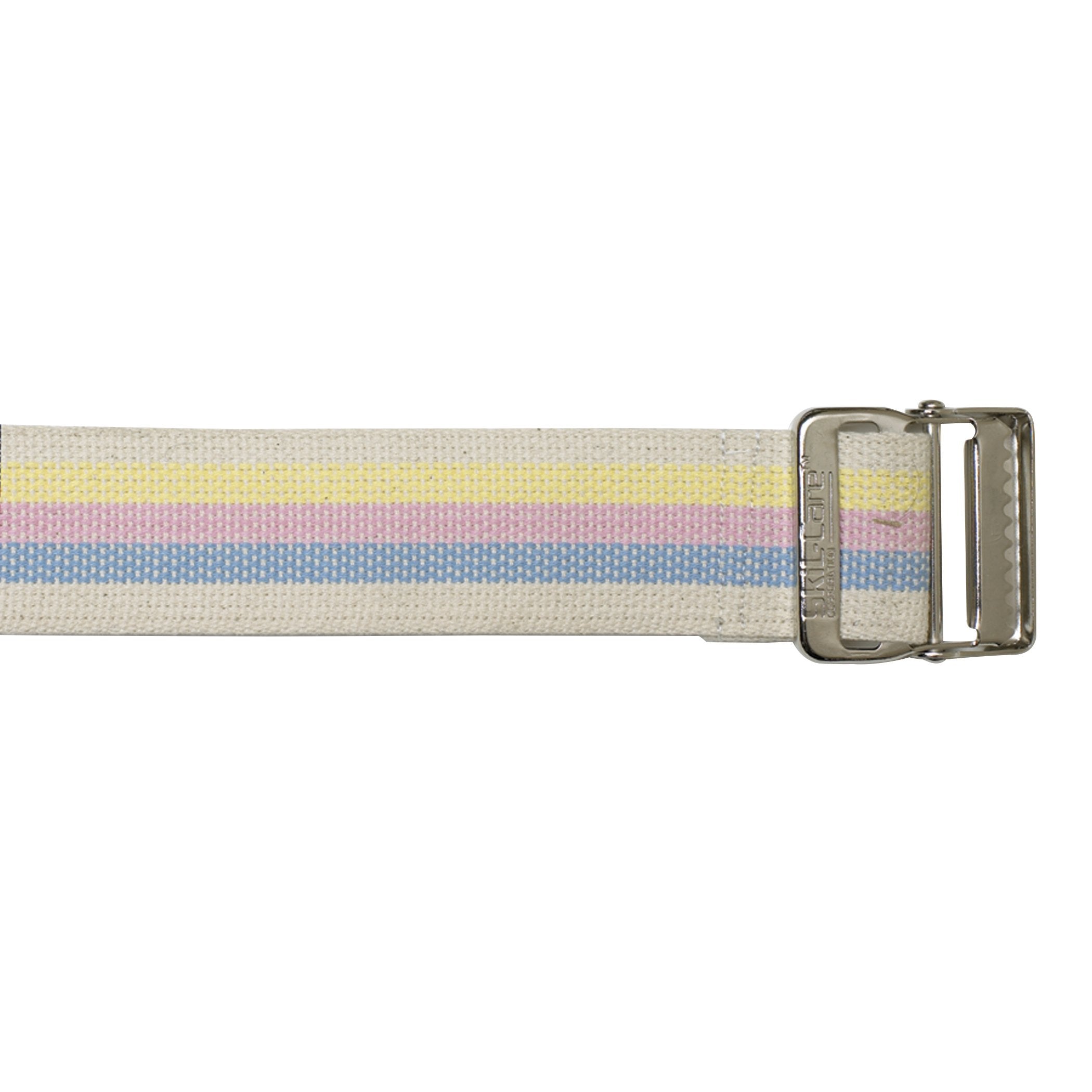
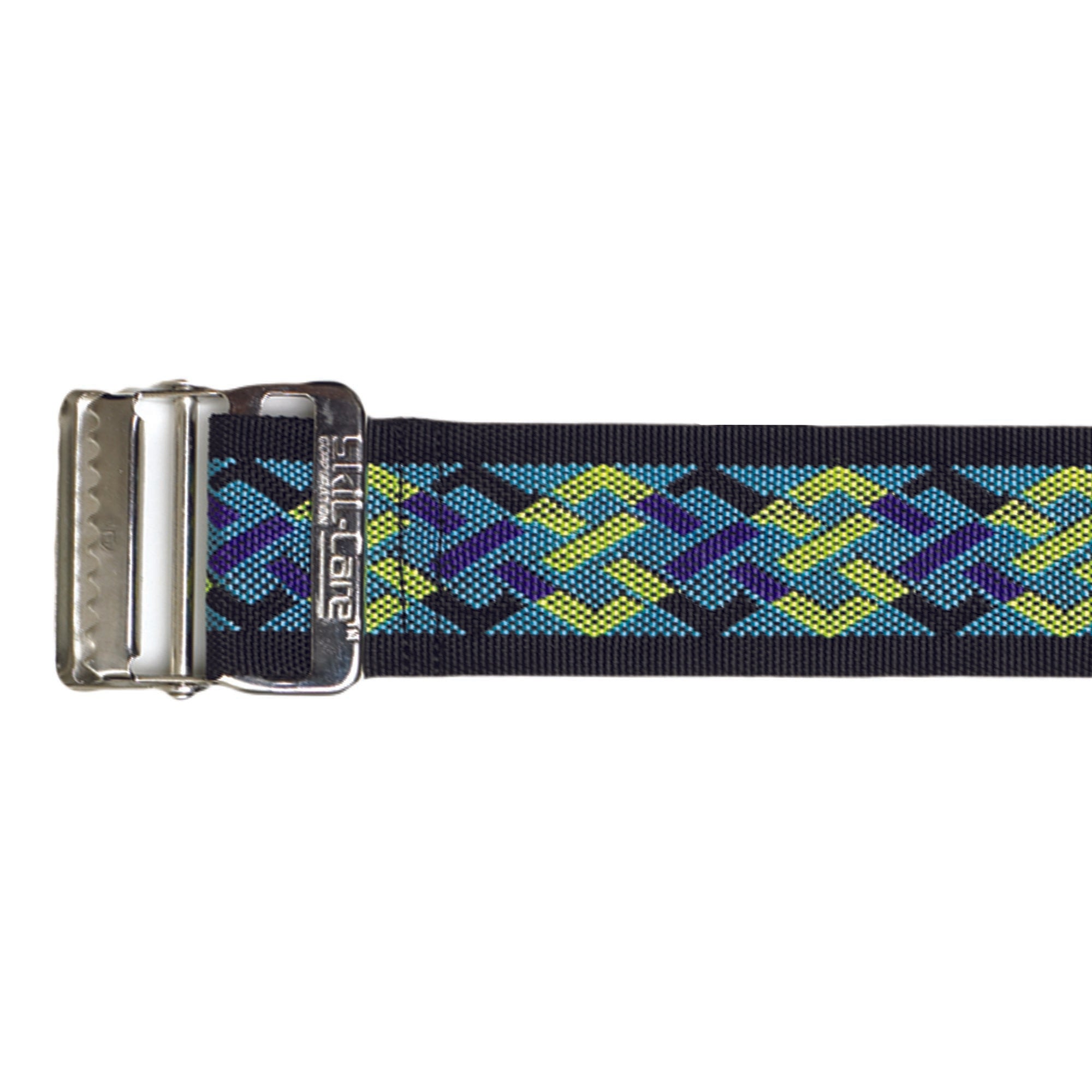
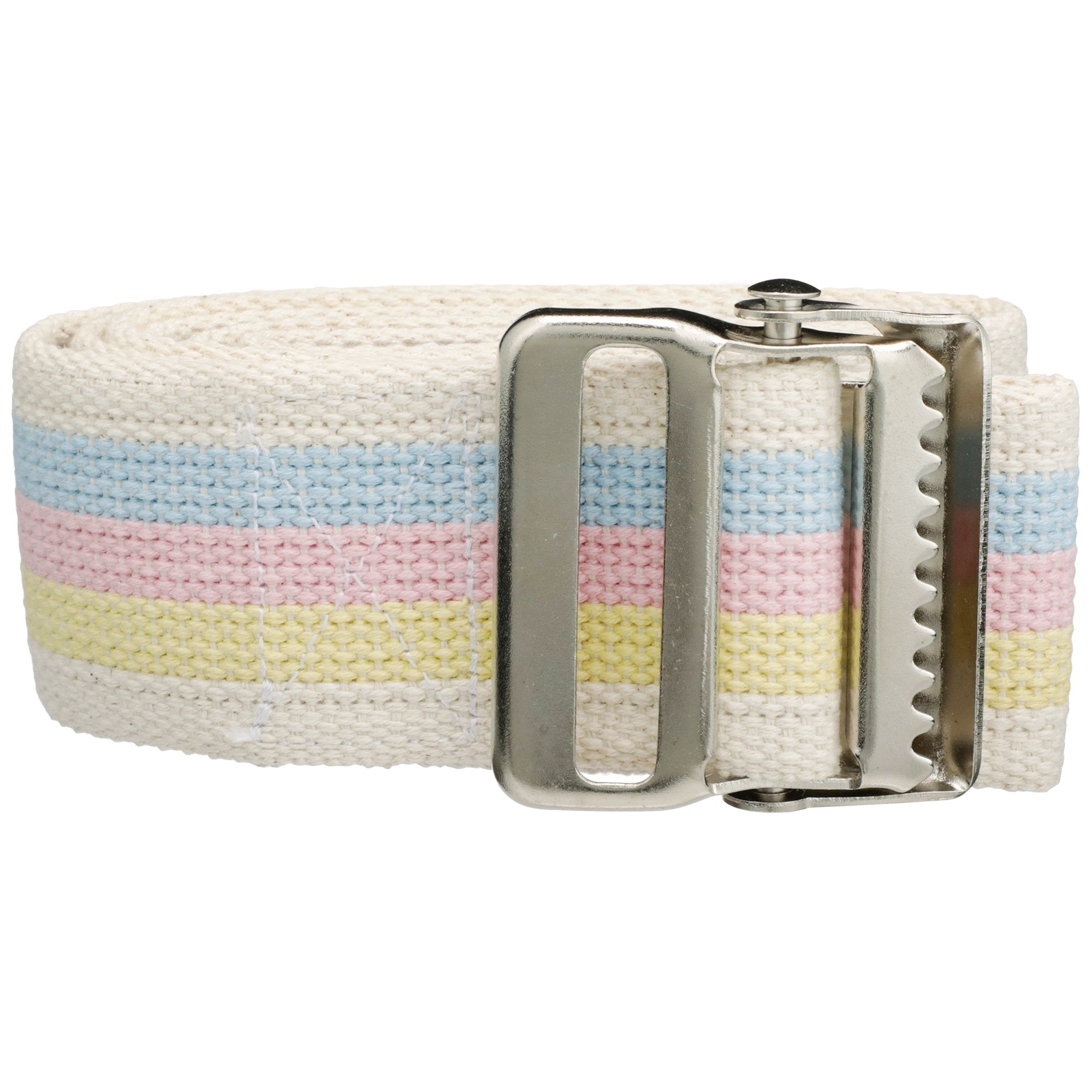
SkiL-Care Standard Gait Belt with Metal Buckle - 170948_EA - 1
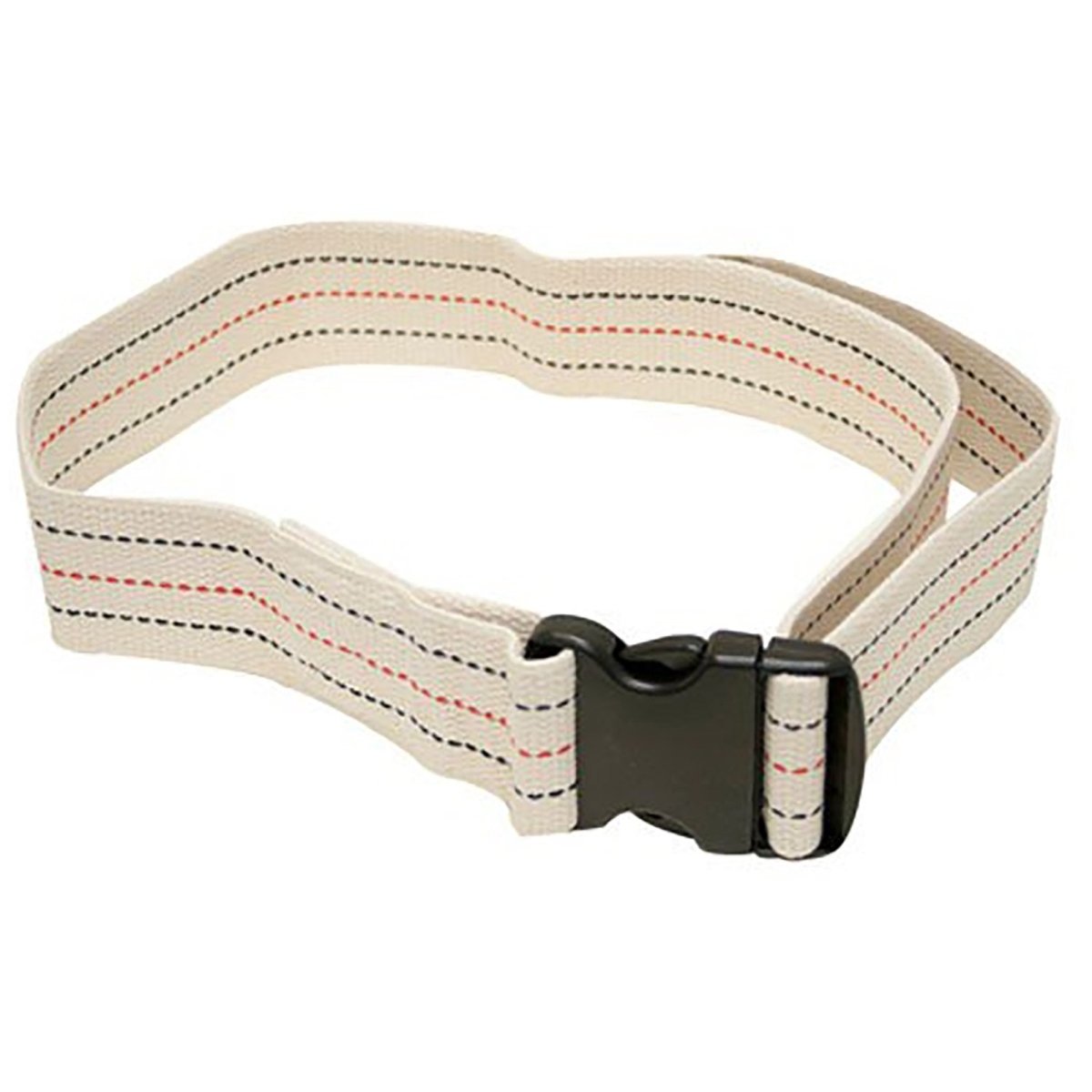
SkiL-Care Standard Gait Belt with Delrin Buckle - 171064_EA - 1
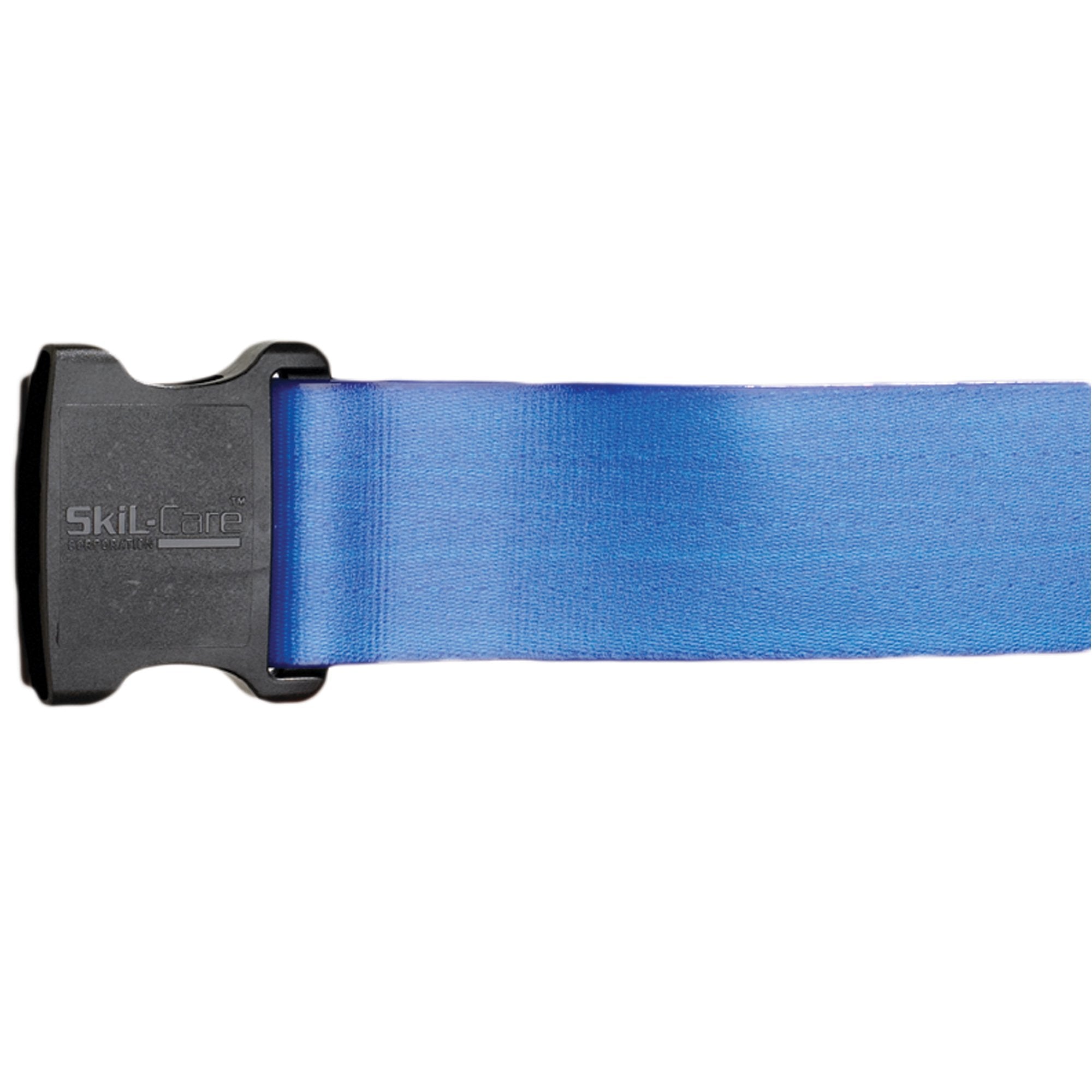
SkiL-Care 60 Inch Nylon Gait Belt with Metal Buckle, Geo-Pattern A -Each
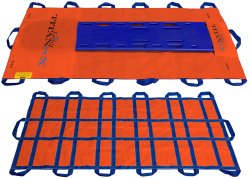
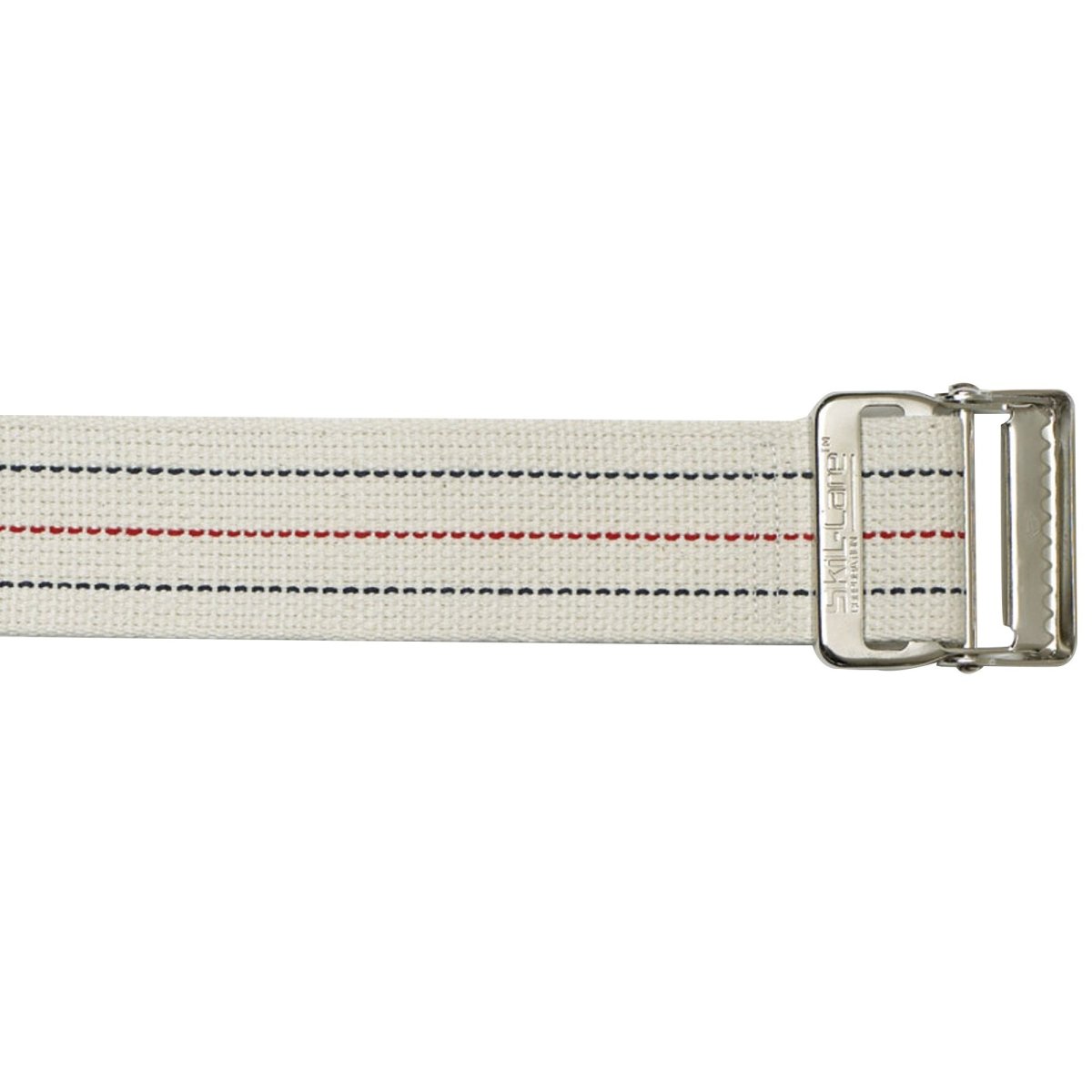
MegaMover Plus Transport Stretcher, 40 x 80 Inch -Case of 10
MegaMover Plus Transport Stretcher
Sale priceFrom $40.99
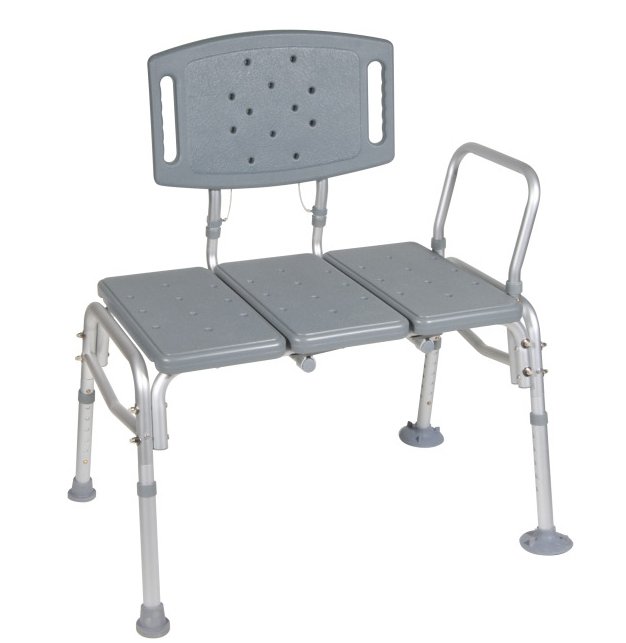
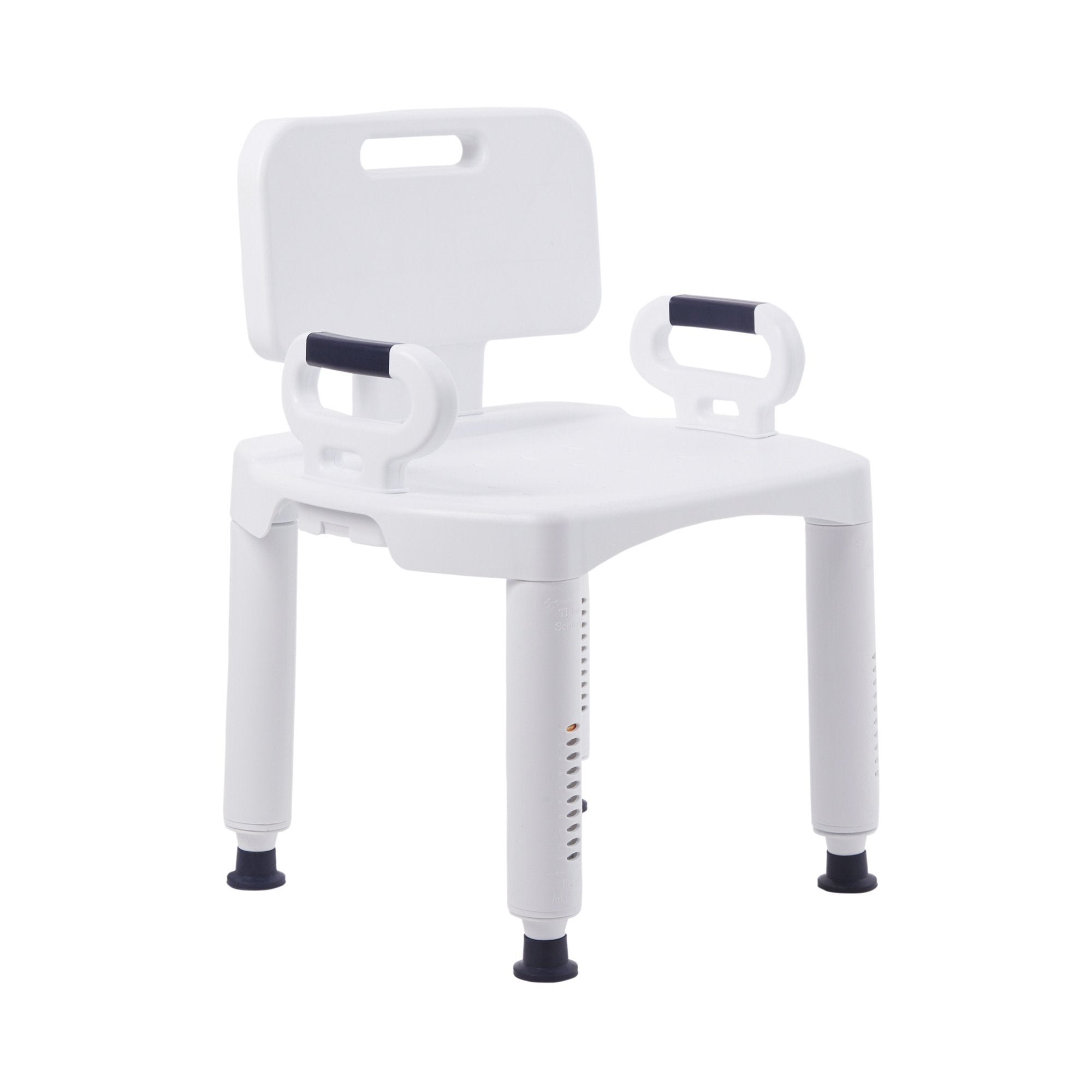
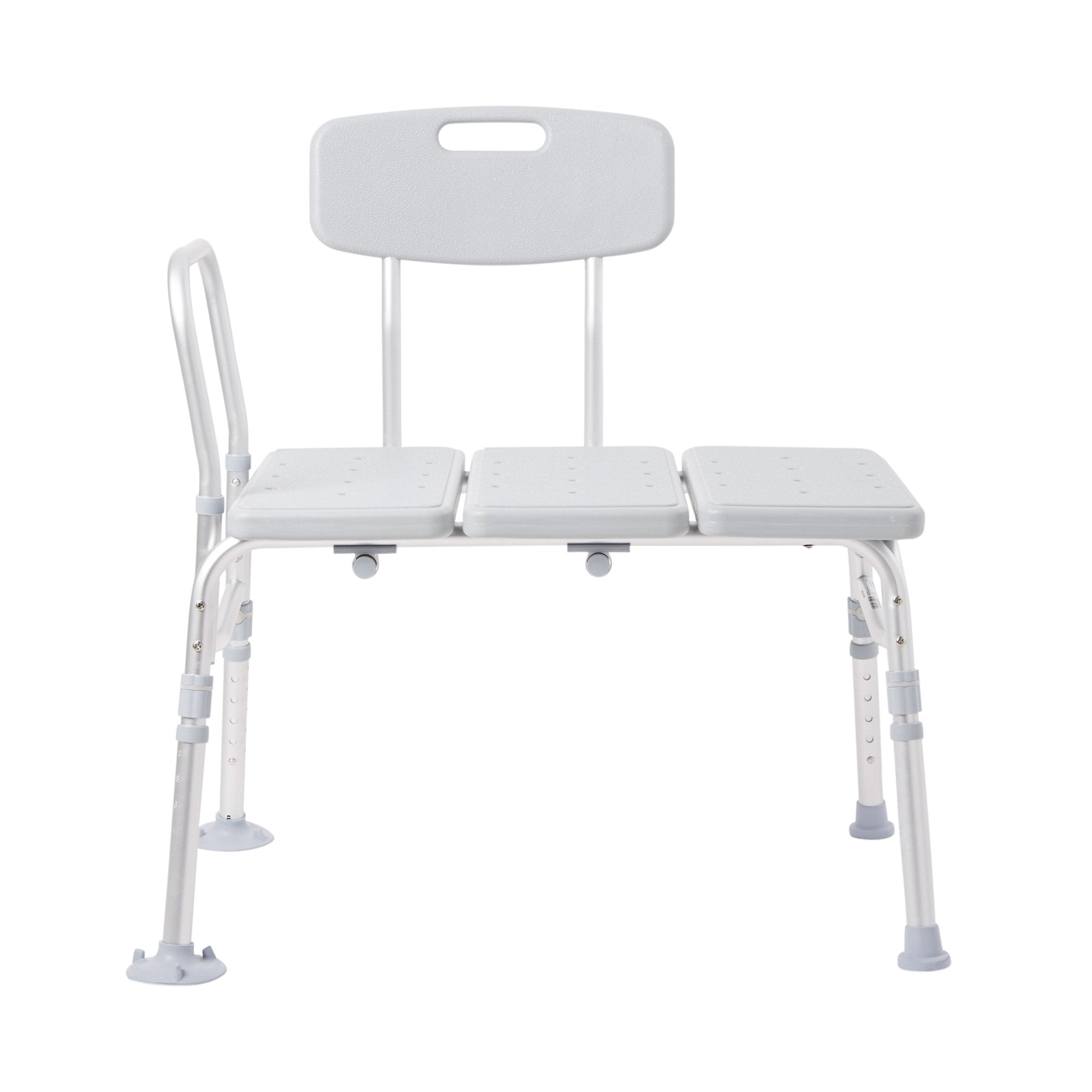
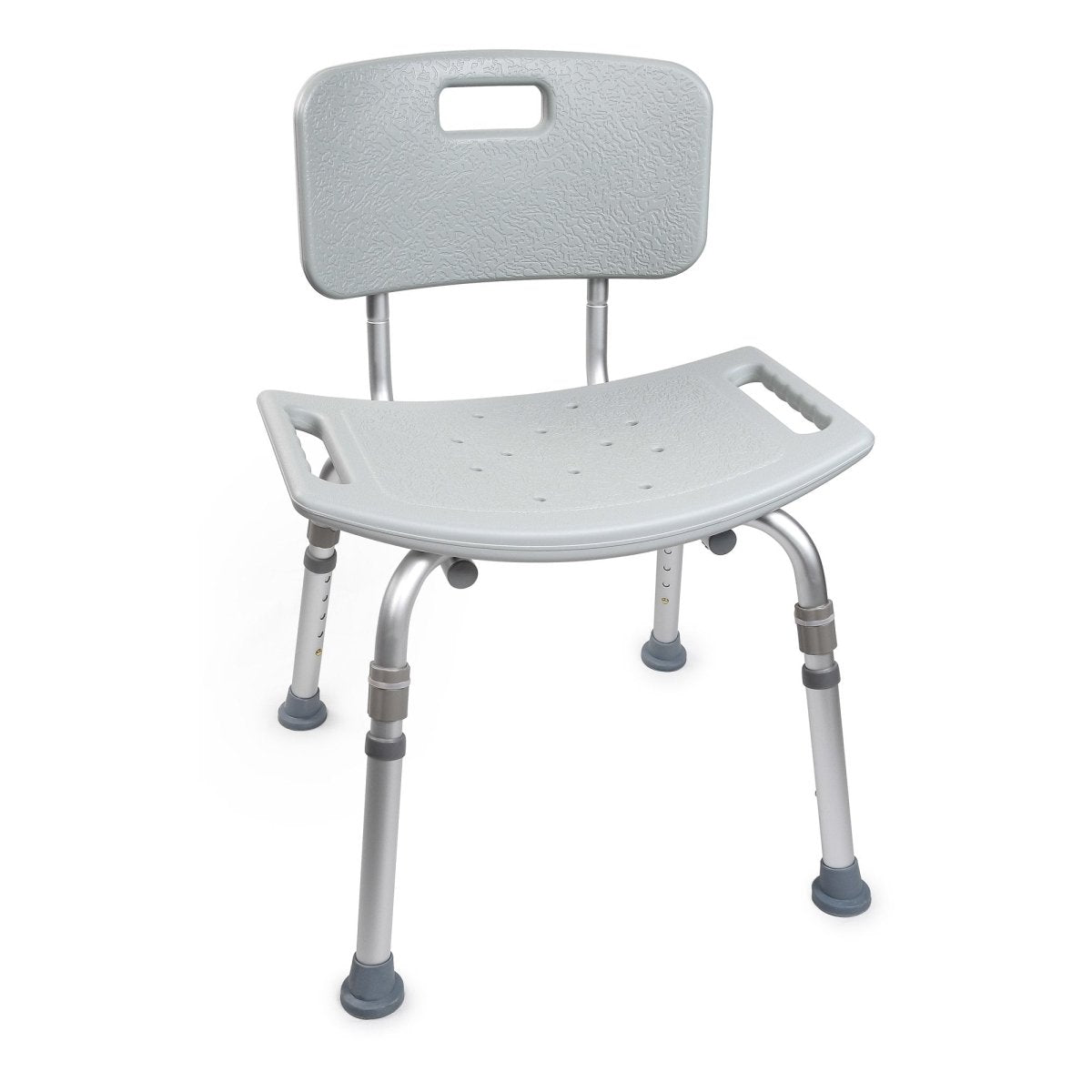
McKesson Transfer Bench - 1128903_EA - 1
McKesson Transfer Bench
Sale price$174.99
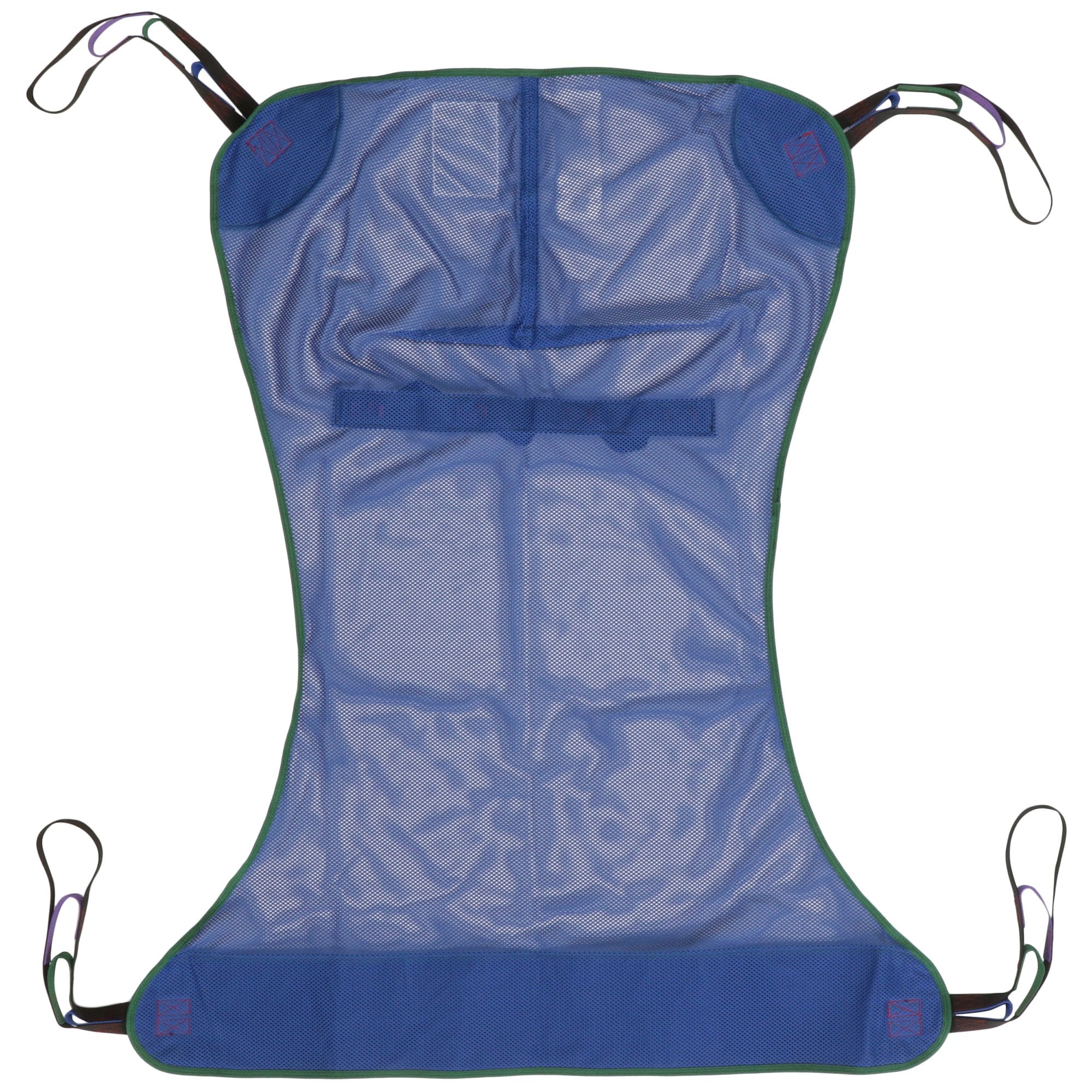
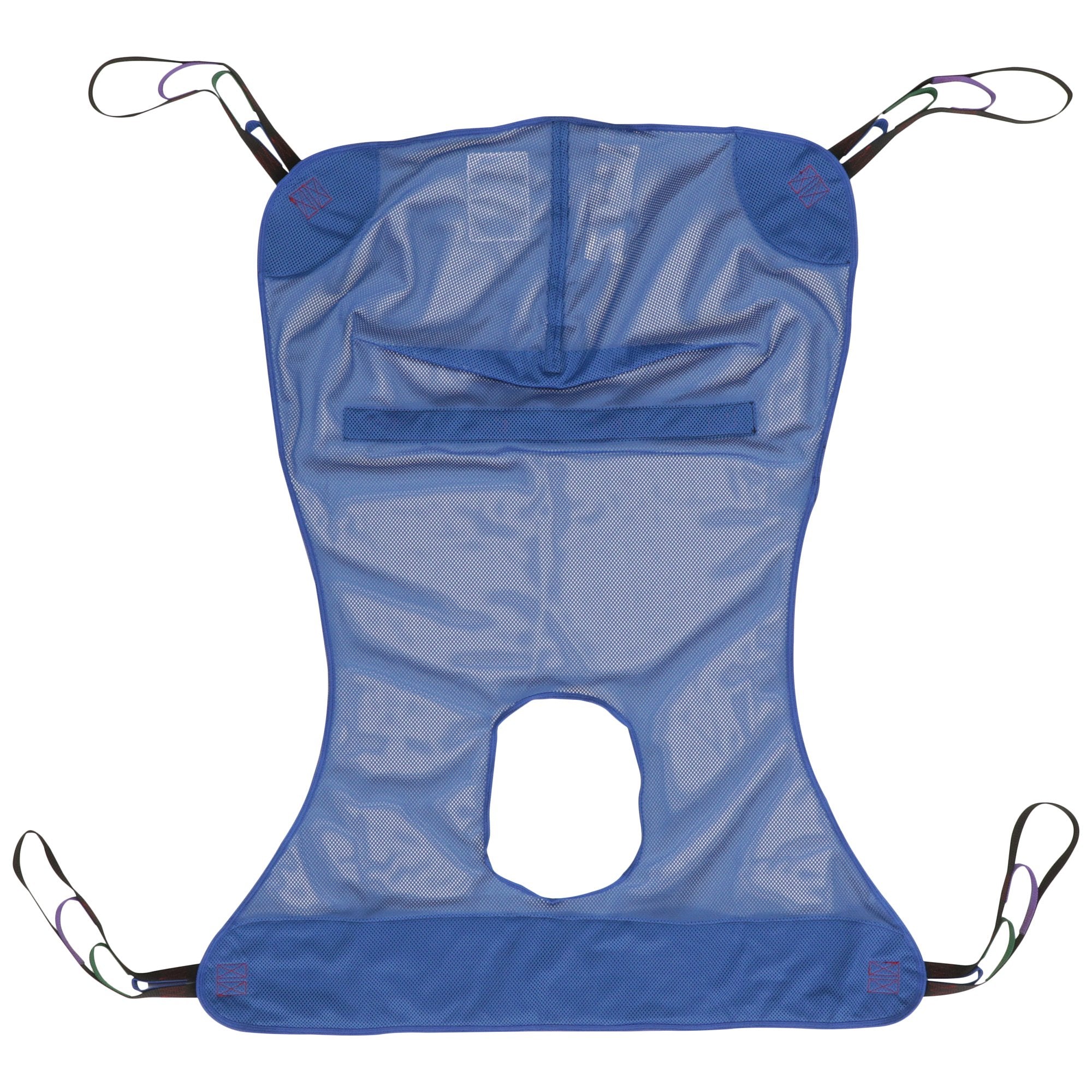
McKesson Mesh Full Body Sling, Large -Case of 12
McKesson Mesh Full Body Sling
Sale priceFrom $113.99
Choose options
McKesson Knocked Down Bath Transfer Bench -Each
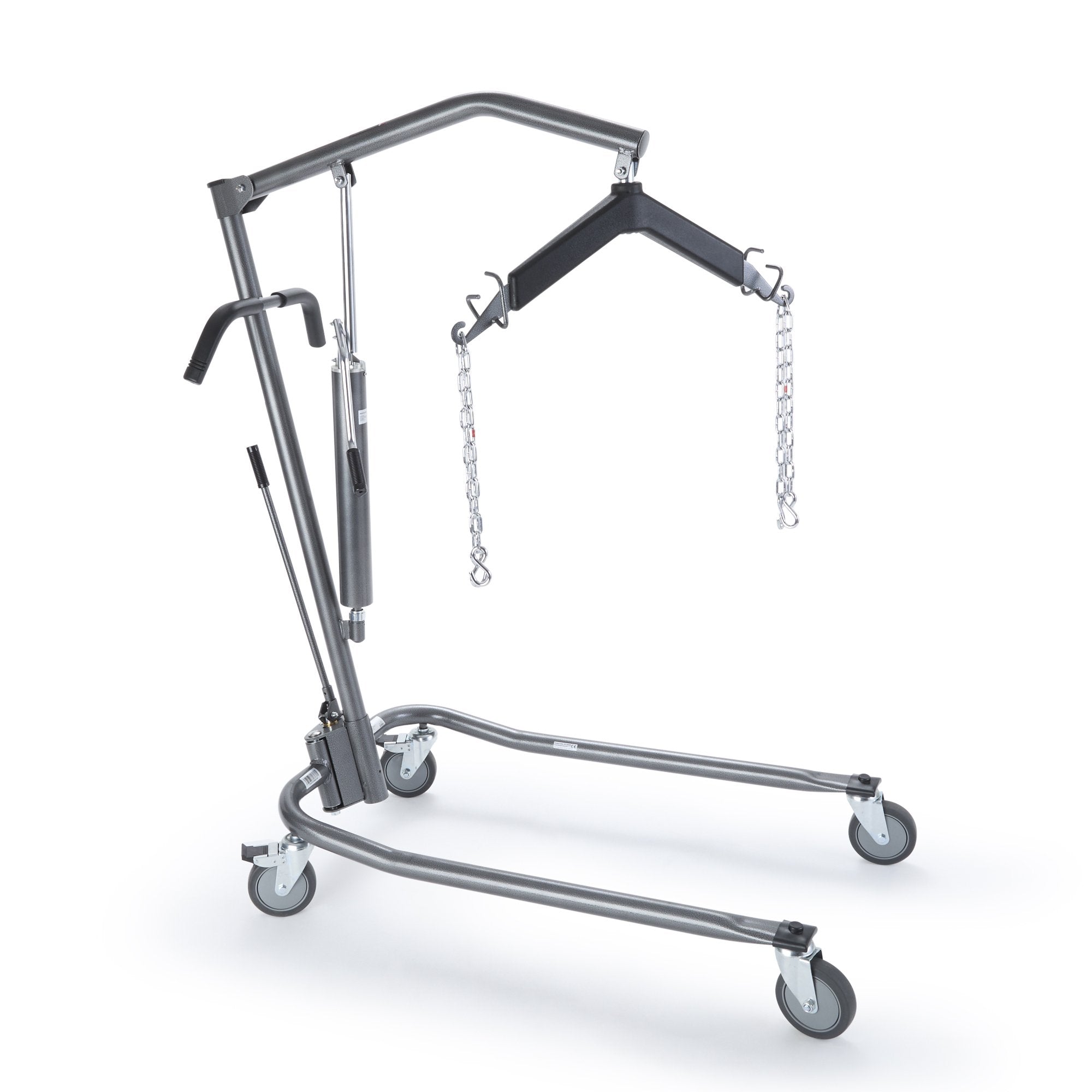
McKesson Hydraulic Patient Lift -Each
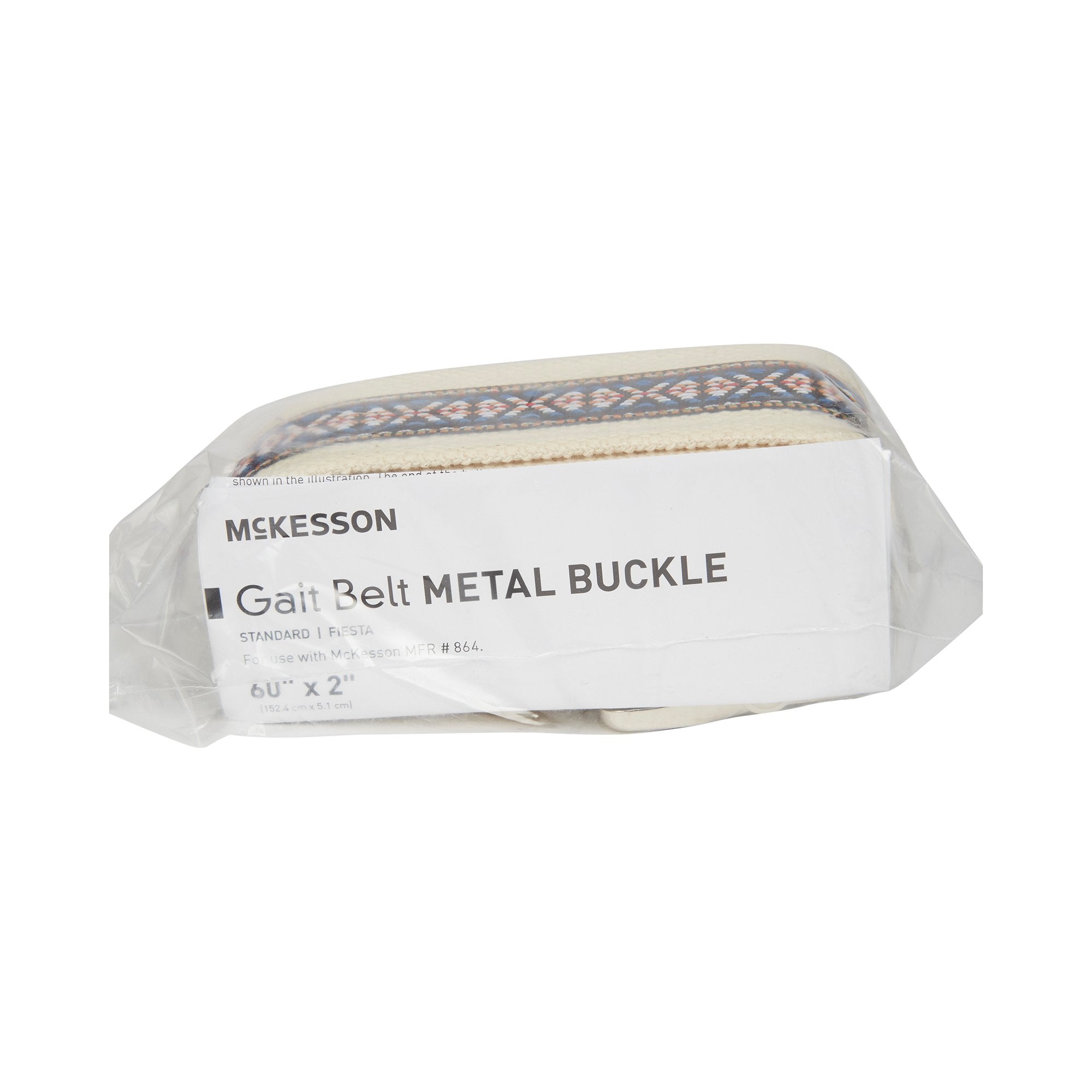
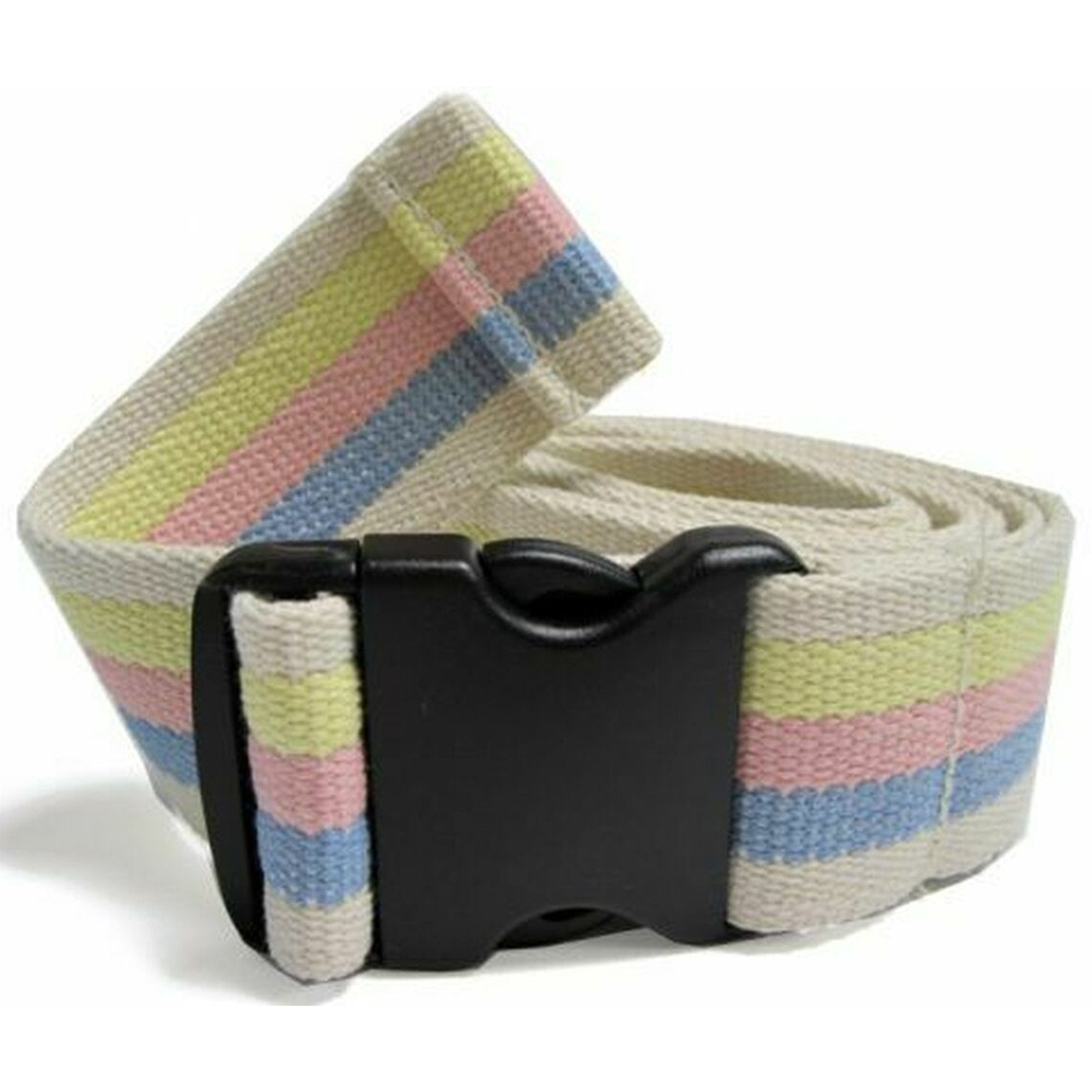
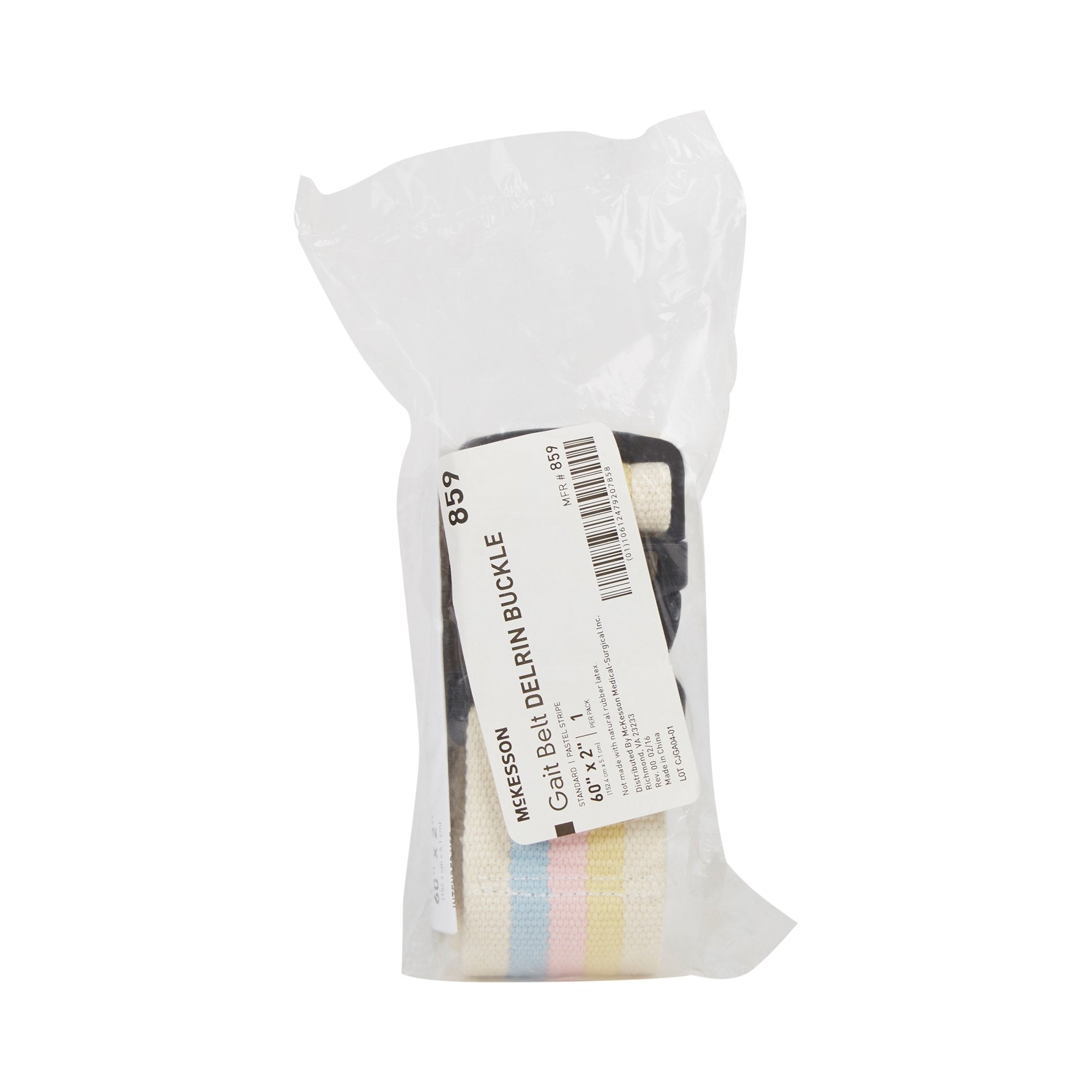
McKesson Gait Belt, 60 Inch, Fiesta Design -Case of 48
McKesson Gait Belt, 60 Inch
Sale priceFrom $9.99
Choose options
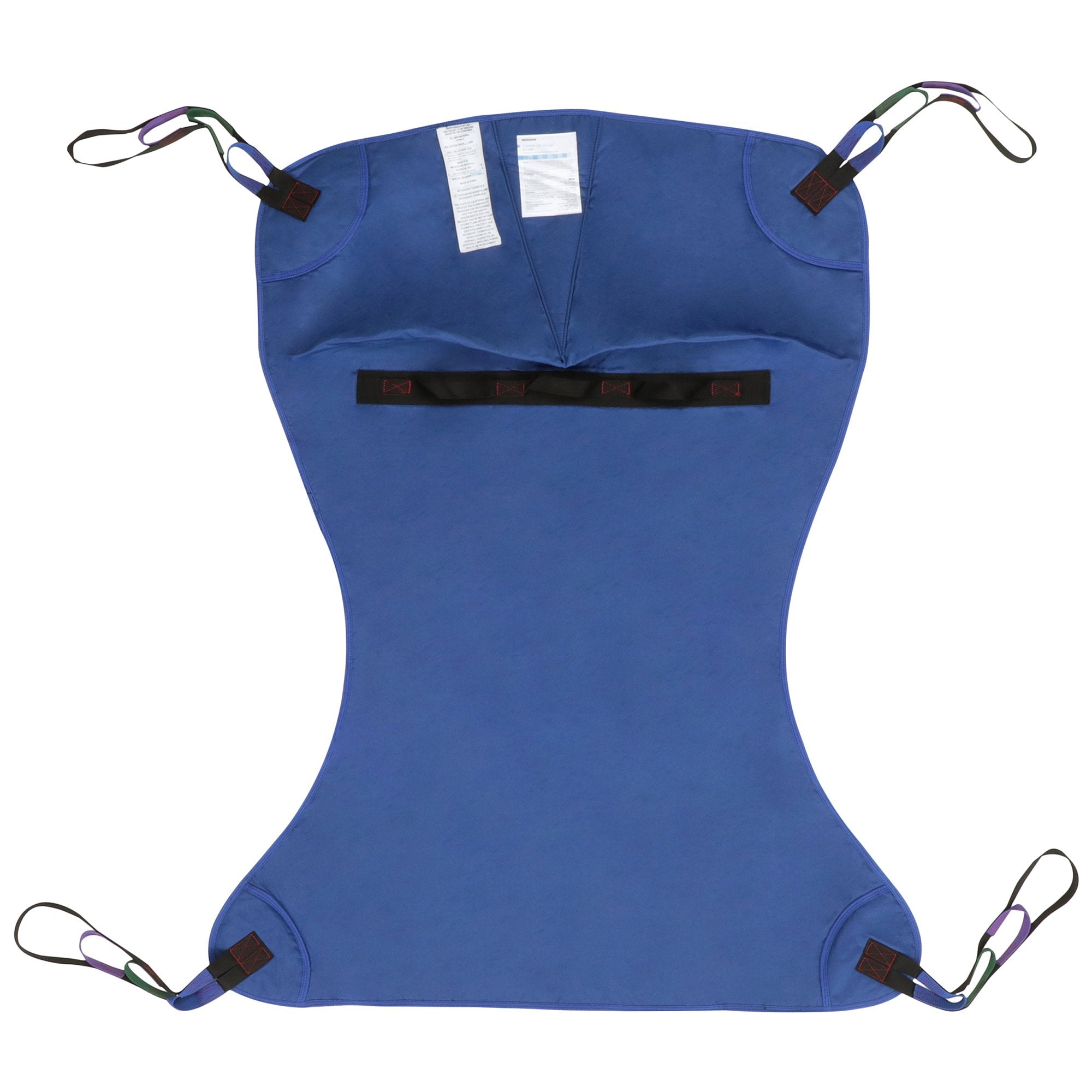
McKesson Full Body Sling, Extra Large -Case of 12
McKesson Full Body Sling
Sale priceFrom $106.99
Choose options

Frequently Asked Questions about Transfer Equipment

Transfer equipment refers to devices used to move patients from one location to another, such as from a bed to a wheelchair or stretcher. It ensures safe and efficient transfers.

Common types of transfer equipment include transfer boards, slide sheets, transfer belts, hoists, and mechanical lifts. These devices are designed to accommodate various patient needs and provide support during transfers.

When selecting transfer equipment, consider the patient's mobility level, weight, and specific transfer requirements. Consult with healthcare professionals, such as occupational therapists or physical therapists, to ensure the appropriate equipment is chosen for each individual case.

Yes, proper training is crucial for safely and effectively using transfer equipment. Healthcare professionals should receive training on the specific equipment they will be using, including techniques for proper body mechanics, patient positioning, and equipment operation. This training helps minimize the risk of injury to both the patient and the healthcare provider.

Transfer equipment is available in various sizes and weight capacities to accommodate different patients. However, it's important to assess the patient's condition and consult with healthcare professionals to determine if specific transfer equipment is suitable for a particular patient. Certain conditions or injuries may require specialized equipment or alternative transfer methods.

Safety is paramount when using transfer equipment. Ensure that the equipment is in good working condition, regularly inspected, and properly maintained. Follow the manufacturer's instructions for safe usage. Additionally, assess the patient's ability to participate in the transfer and use additional safety measures, such as non-slip mats or securing straps, as needed. Always prioritize the safety and well-being of the patient during transfers.

Patients with limited mobility may require additional assistance and specialized equipment, such as hoists or mechanical lifts. Ensure that healthcare providers are trained in proper techniques for transferring patients with limited mobility, and use equipment specifically designed to support their needs. Always communicate and coordinate with the patient to ensure their comfort and safety throughout the transfer process.

Yes, transfer equipment can be used in homecare settings to facilitate safe transfers for patients. However, it's crucial to assess the home environment, considering factors such as space constraints, flooring conditions, and accessibility. Consult with healthcare professionals to determine the most suitable transfer equipment for homecare and receive guidance on proper usage and potential modifications needed for a specific setting.

Transfer equipment should be inspected regularly for any signs of damage, wear and tear, or malfunctioning parts. Follow the manufacturer's recommendations for maintenance and inspection intervals. Additionally, healthcare facilities should establish protocols for equipment maintenance and keep records of inspections and repairs. Regular maintenance ensures that the transfer equipment remains in optimal condition for safe usage.

Transfer equipment can be purchased from medical supply companies, specialized mobility equipment providers, and online retailers. It's essential to choose reputable suppliers to ensure the quality, safety, and appropriate certifications of the equipment. Consider consulting with healthcare professionals for recommendations on reliable sources for purchasing transfer equipment.

Recently viewed