Your privacy matters to us! By using our site, you agree to the collection and use of your Personal Information as described in our Privacy Policy.
Incontinence Underpads
221 products
Showing 25 - 48 of 221 products
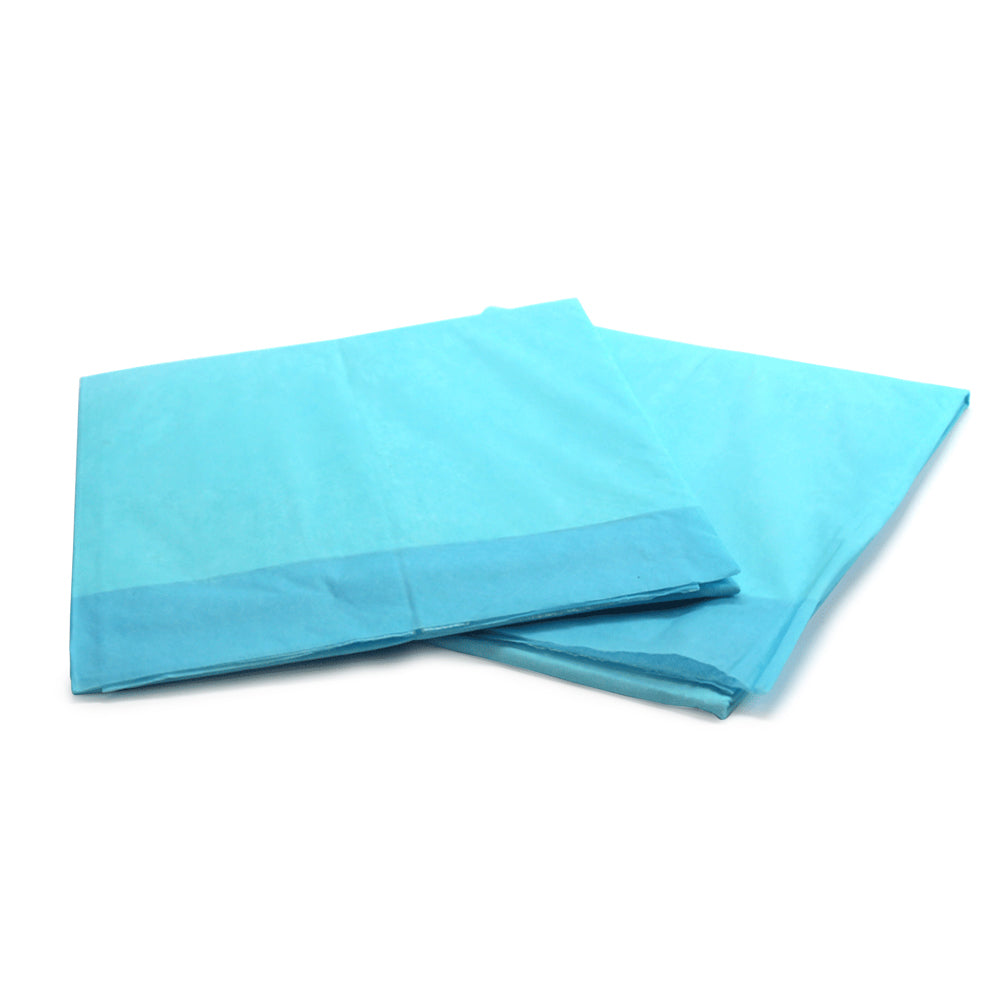
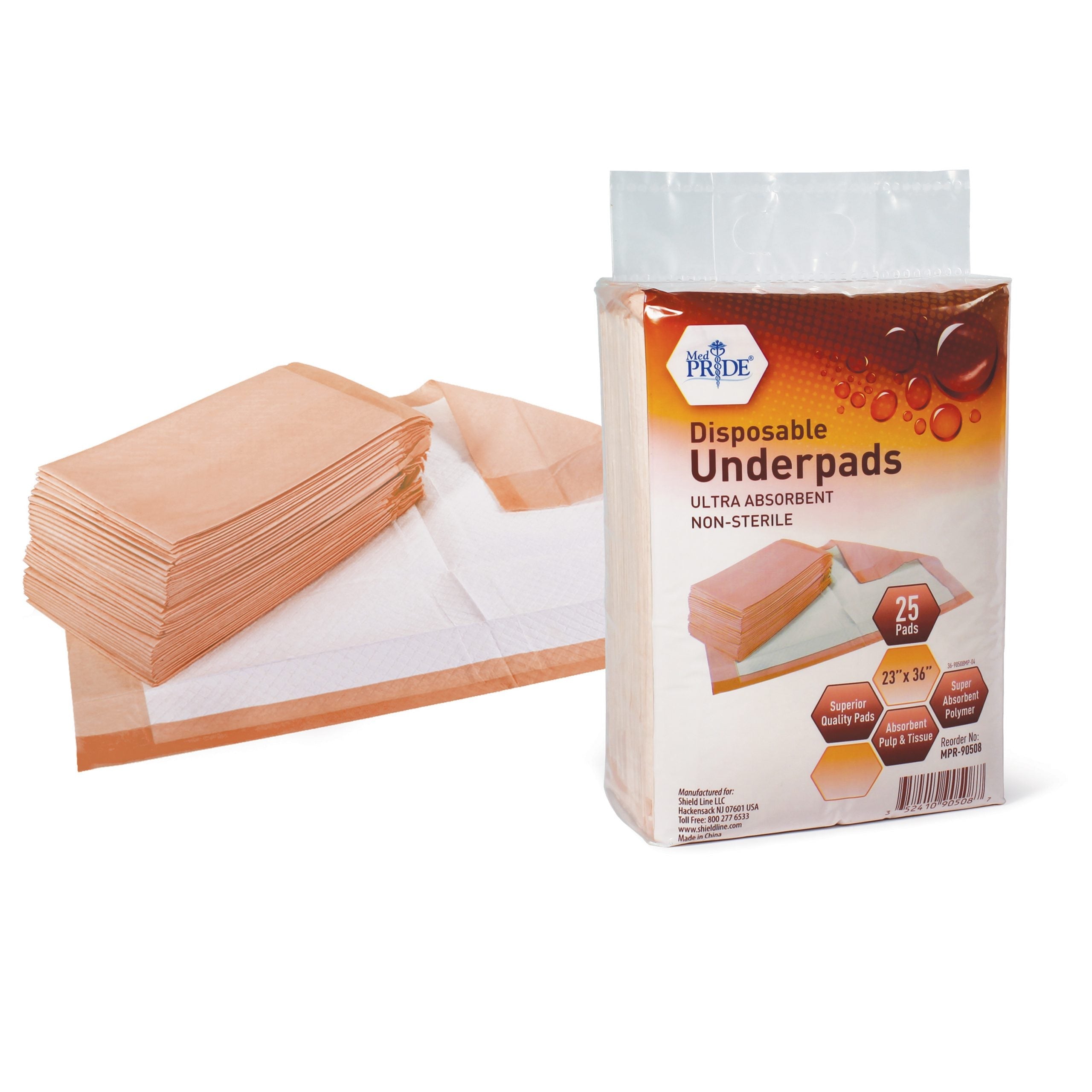
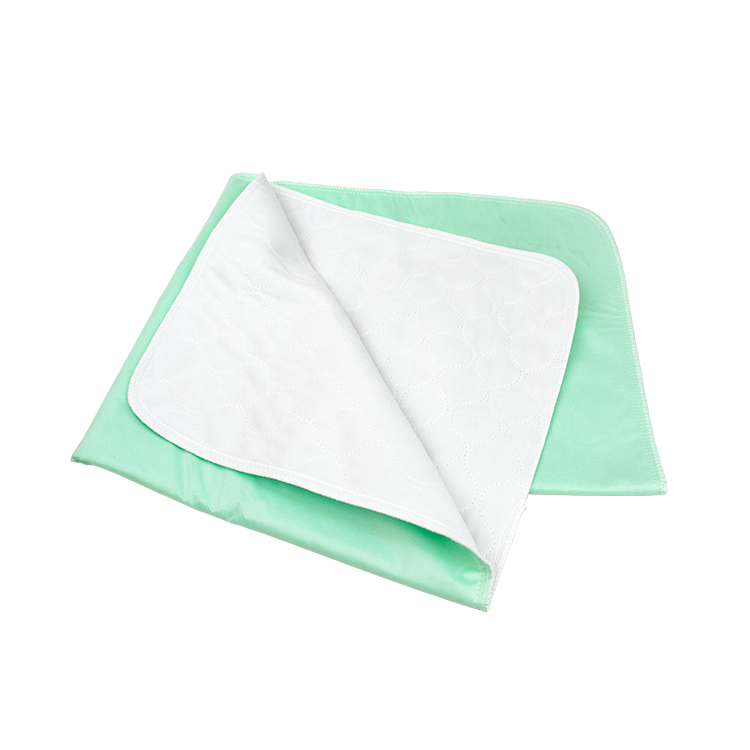
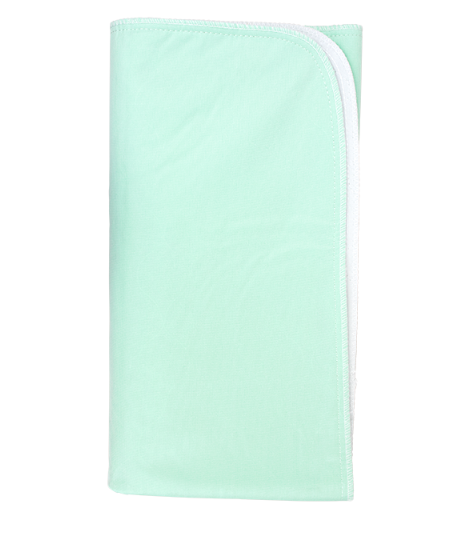
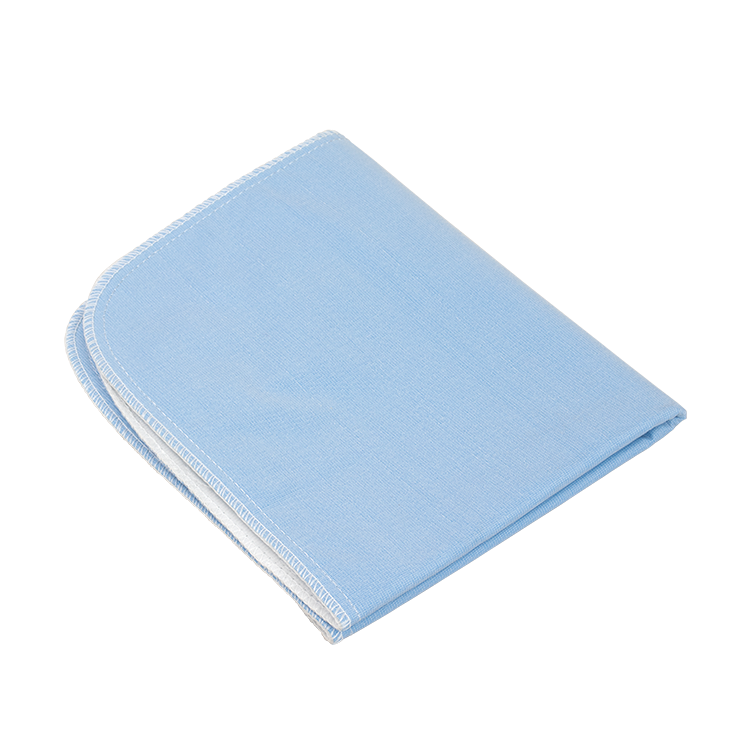
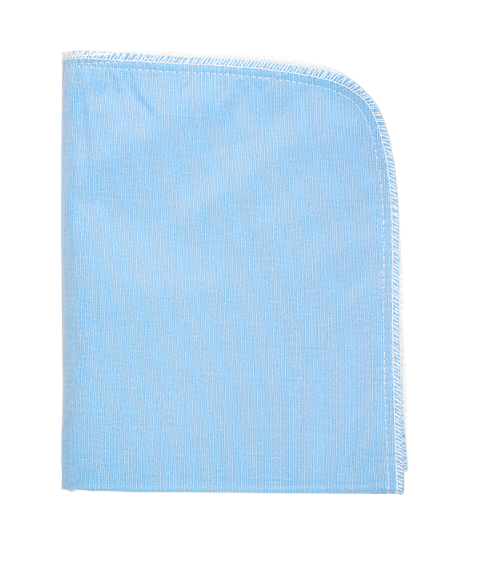
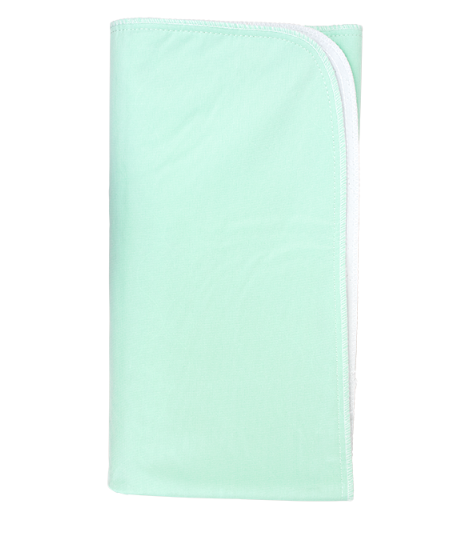
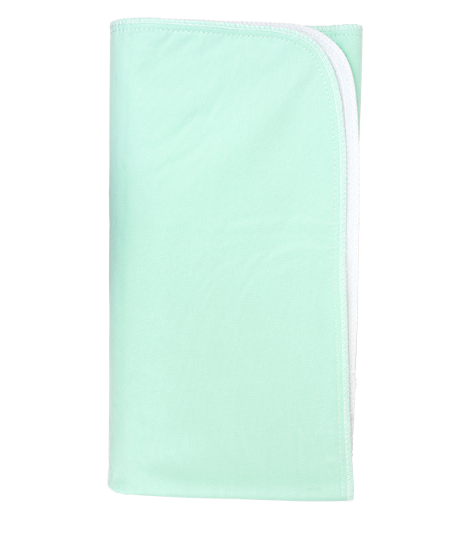
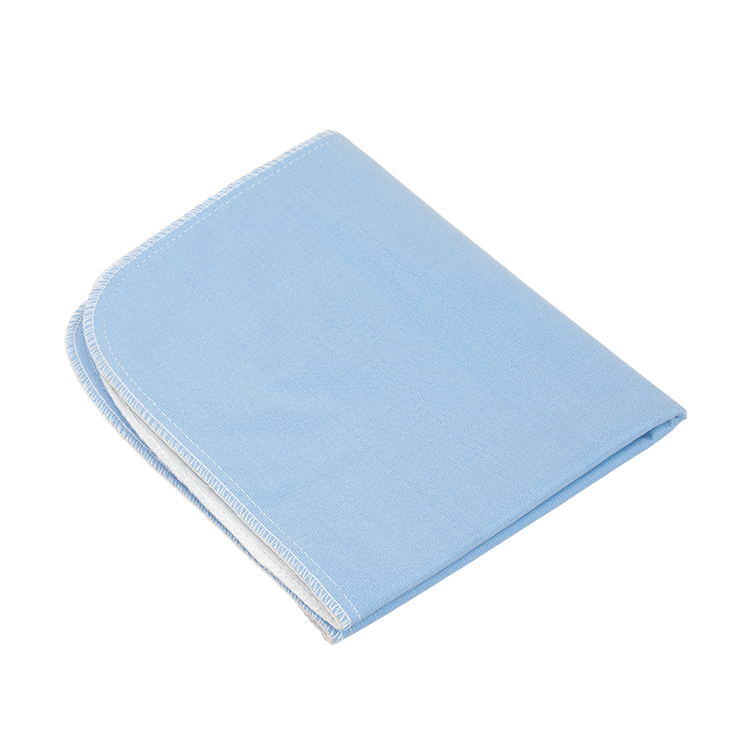
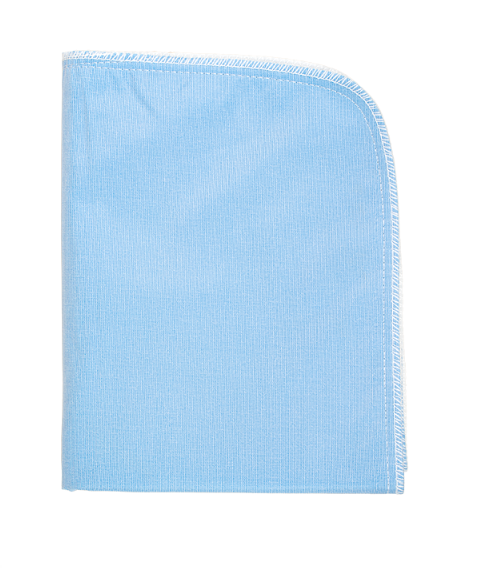
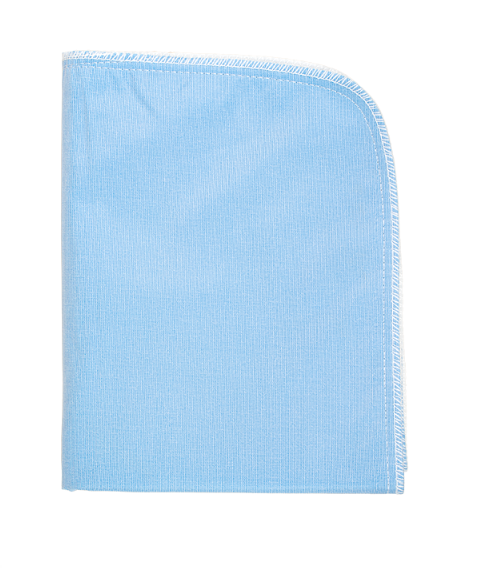
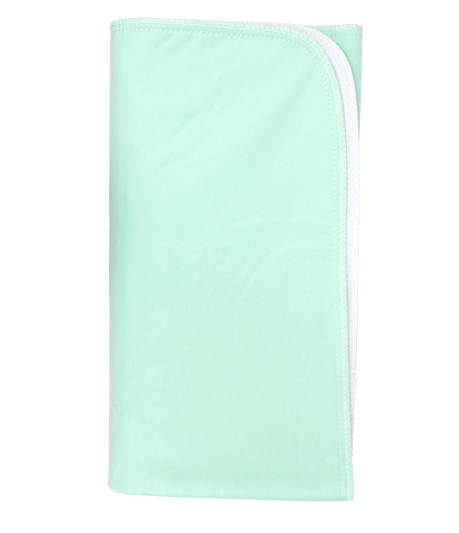
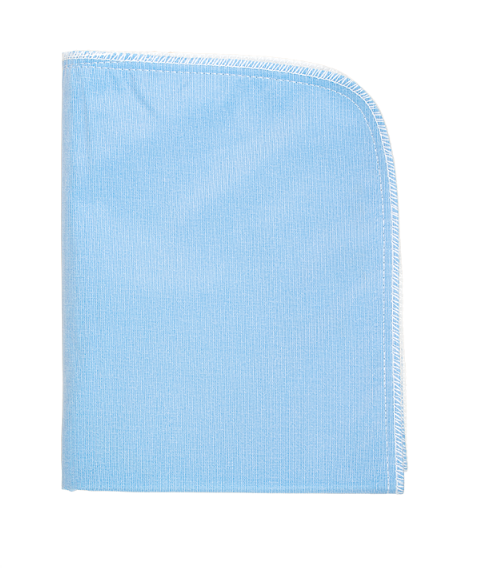
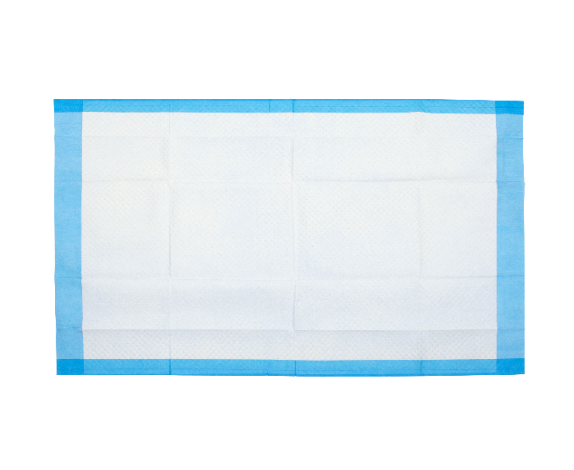
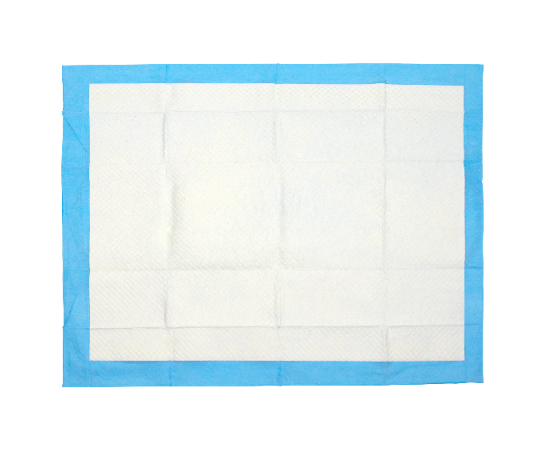
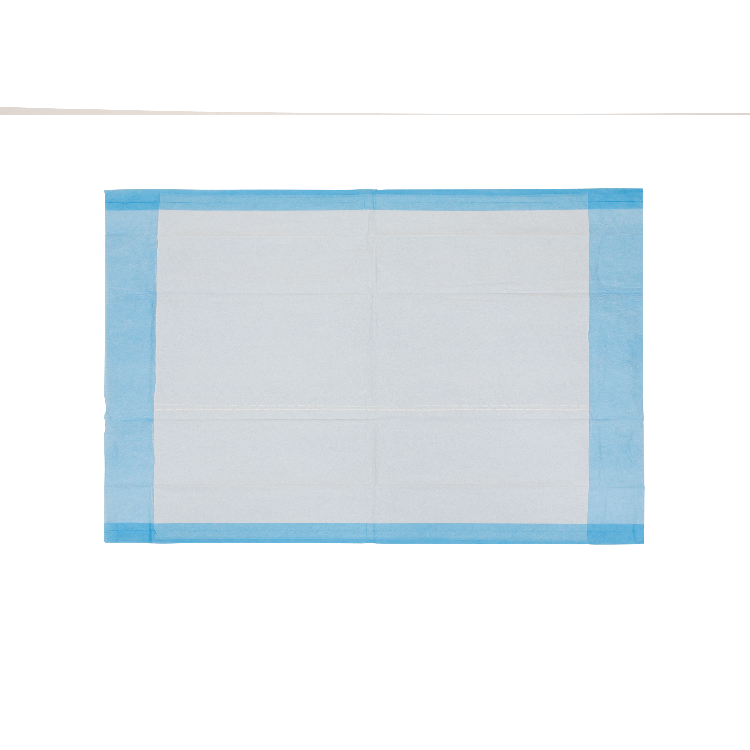
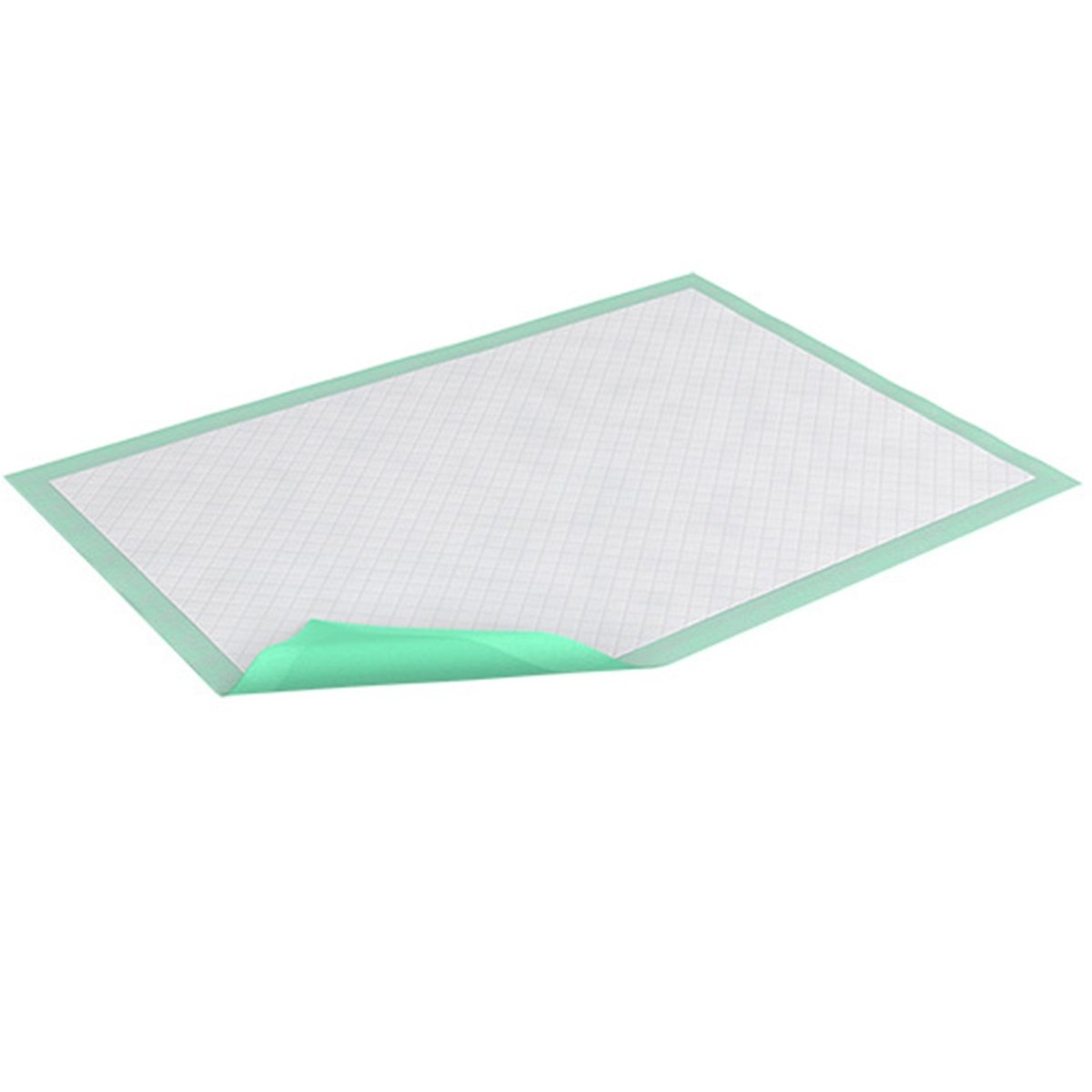
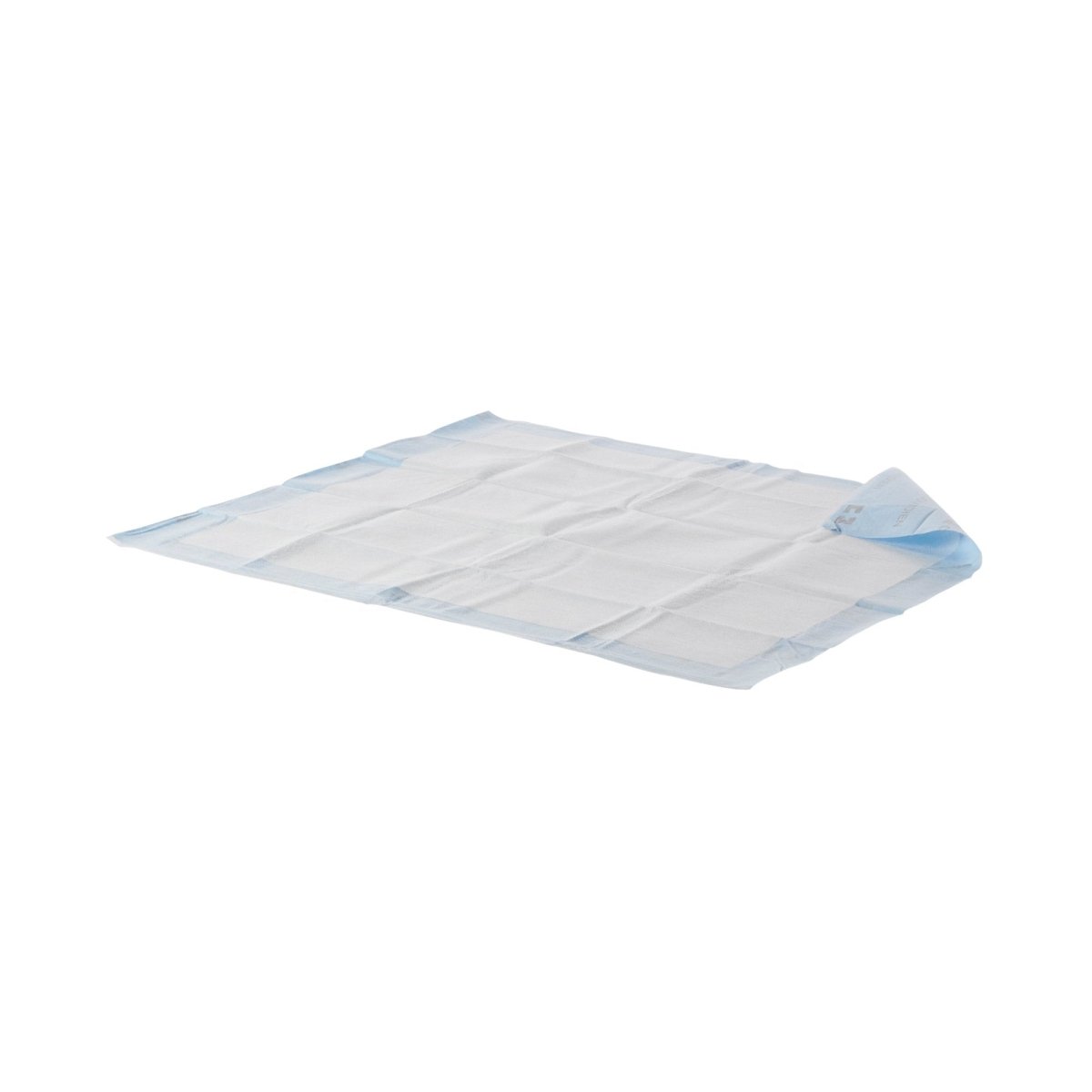
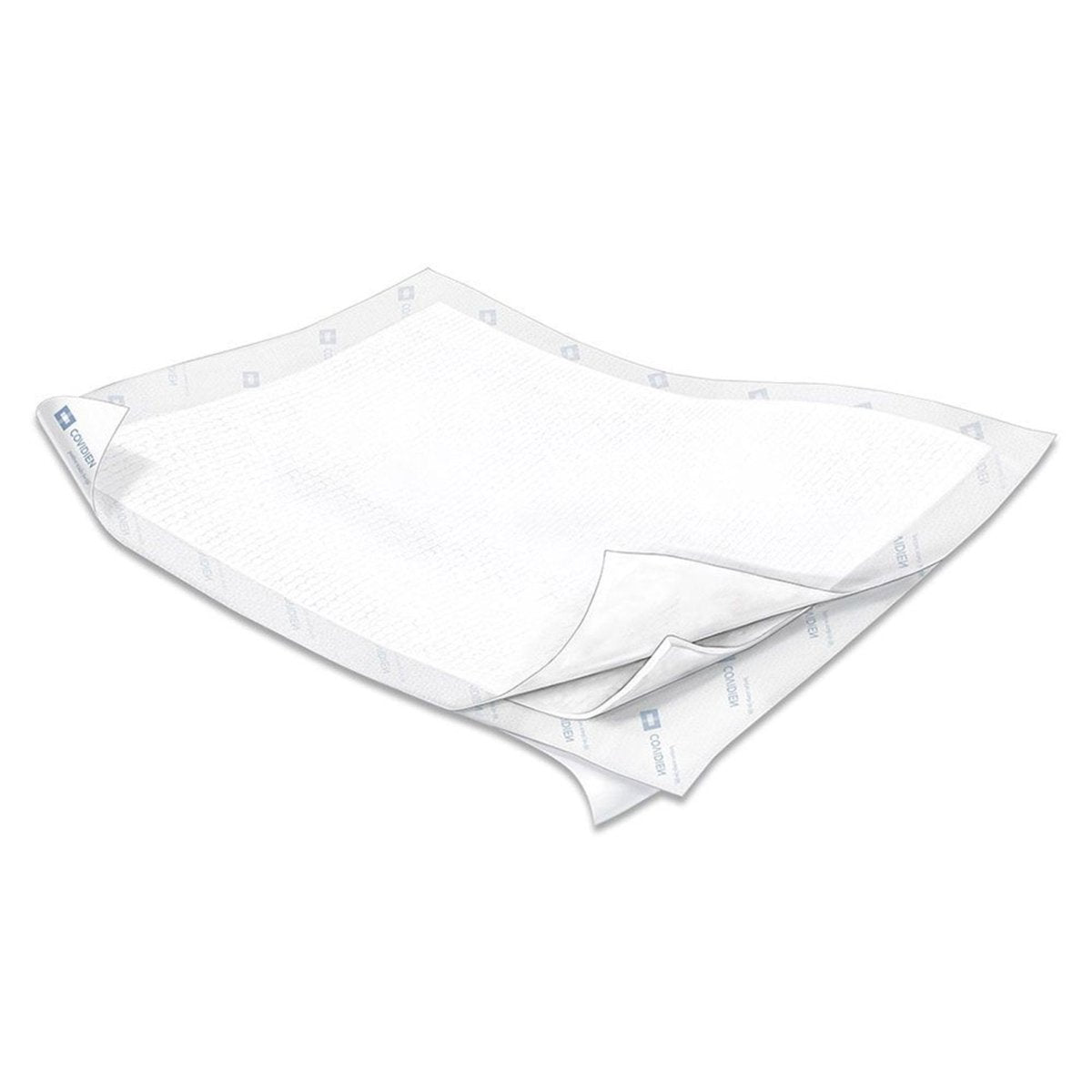
Protect your bed, furniture and floors with incontinence underpads. Underpads come in a variety of sizes to suite every need. From disposable underpads for your pets to reusable underpads for those with nighttime bladder issues. Choose your absorbency, size and type.
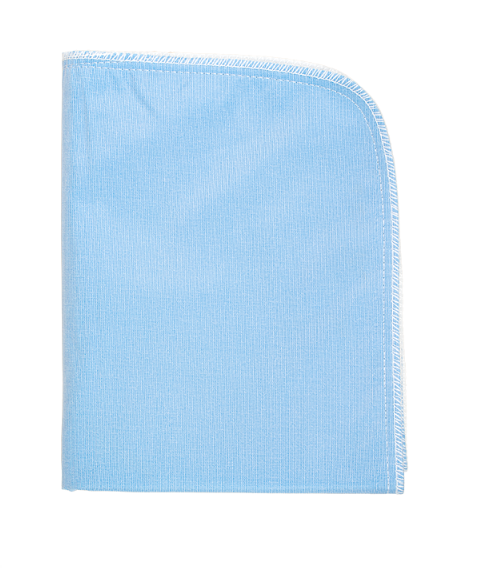
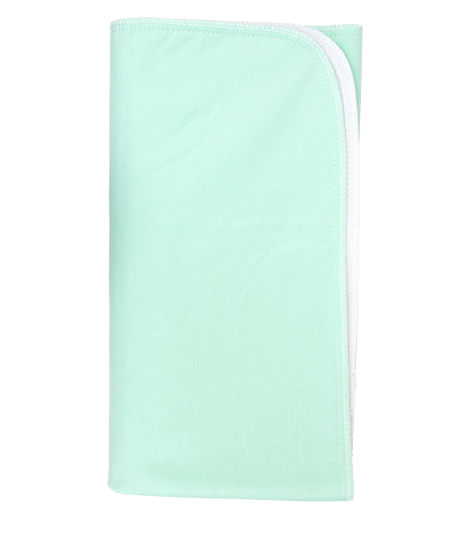
When choosing an underpad size, they come in a variety of dimensions. A few key things come into play in your decision. Where will you be using the underpad? Will it be on a bed? If so, what size bed? Who is the underpad for? Is it for an adult, a child or a pet? If you 're choosing an underpad for a child, you may want to go with a washable incontinence bed pad so that you can keep it clean while also keeping your long term costs down. If you are choosing an underpad for a small pet, you may want to go with a disposable pad that you can dispose of when it's been soiled on.
If you're looking for an underpad for a wheelchair, it's best to measure the wheelchair seat first, so that you can find the right size underpad that will fit without any folds or too much overhang. We suggest you use the filters on the this page to find the right dimensions for your needs.
Should I choose a Disposable Underpad or a Washable/Reusable Underpad?
When it comes to deciding between a disposable underpad or reusable/washable underpad, it really comes down to a few questions. Do you need Heavy Absorbency or will Light Absorbency be ok? If the pads underpads will be used purely for urine soiled protection, than it's best to go with a reusable pad. If you're more concerned with pets defecating on the pad, than you want to go with a disposable underpad that is waterproof so you can dispose of the waste in a sanitary manner.
What are the variations of underpads?
Underpads come in a variety of sizes and absorbency levels to suit different needs. They can be found in both disposable and reusable options, providing flexibility and choice for users.
What are underpads also known as?
Underpads are also commonly referred to as "chux pads." This alternative name is commonly used in healthcare settings and among individuals who require incontinence care.
What is the purpose of underpads?
Underpads are designed to prevent mishaps from spilling on surfaces when changing incontinence products. They provide a protective layer that helps keep beds, furniture, and floors clean and dry.
How are underpads made?
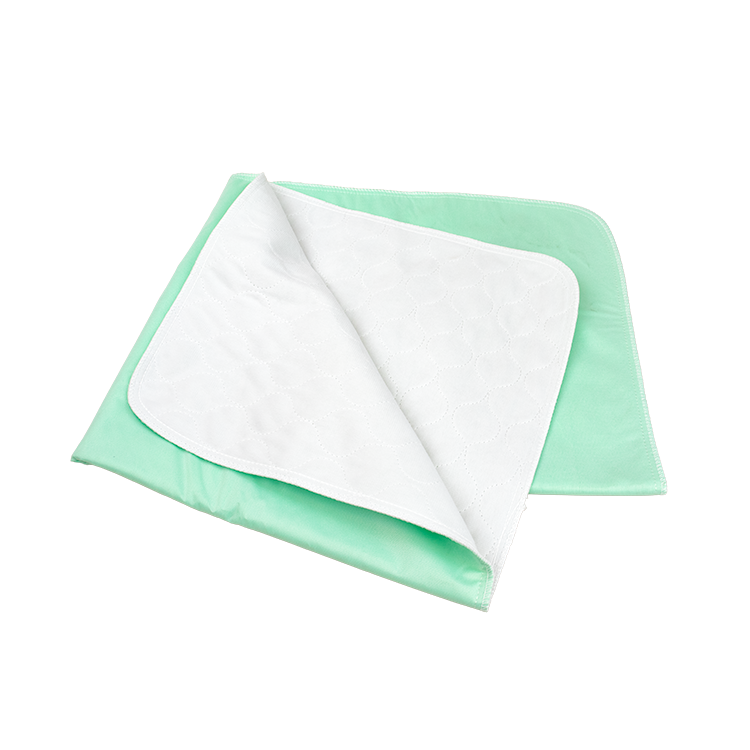
Underpads are made of thin, soft sheets of absorbent material with a watertight barrier attached to one side. This construction allows them to effectively collect and contain bowel and urine voids.
Frequently Asked Questions about Incontinence Underpads
Incontinence underpads are absorbent protective pads placed under a person, pet, or on furniture to capture urine and prevent leaks from reaching surfaces below. Underpads come in disposable and reusable versions, and they help protect mattresses, chairs, and floors from moisture and odor.
Incontinence underpads are designed for adults managing nighttime bladder leakage, caregivers protecting beds and furniture for patients with limited mobility, and pet owners training puppies or caring for older animals. Underpads work well in home care, hospital, and long-term care settings.
Place the incontinence underpad flat on the surface you want to protect, with the soft absorbent side facing up and the waterproof backing facing down. For bed use, center the underpad under the hips and lower back, where leakage is most likely to occur.
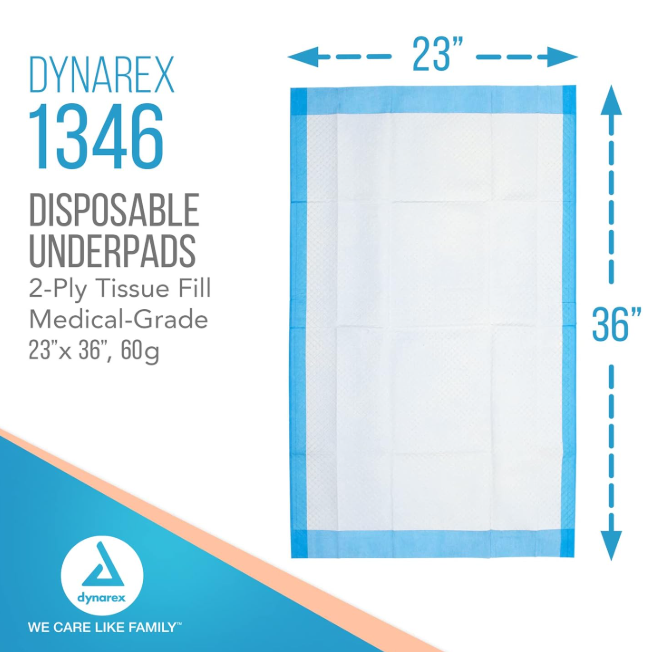
Incontinence underpad sizing depends on where you plan to use the pad and who it is for. Smaller sizes like 17x24 inches work well for chairs or children, while larger sizes such as 23x36 inches or XXL options are better suited for adult bed protection.
Disposable incontinence underpads are designed for single use and then thrown away, making them convenient for travel or high-volume caregiving situations. Reusable underpads are washable and can be laundered multiple times, which may reduce long-term costs and waste for everyday home use.
Choose an incontinence underpad absorbency level based on how heavy the leakage is and how long the pad will be in use. Light absorbency works for minor drips or pet training, while maximum absorbency underpads are better for overnight use or heavy incontinence.
Yes, incontinence underpads can be used for pets, including puppies during potty training and older dogs or cats with bladder control issues. Some pet-specific underpads include attractant scents to encourage animals to use the pad in a designated area.
Incontinence underpads are generally safe for skin contact because the top layer is designed to wick moisture away from the skin, helping reduce the risk of irritation or breakdown. Always check that the underpad stays dry on the surface side and replace disposable pads promptly after use.
Buying incontinence underpads in bulk is a practical way to lower the per-unit cost, especially for caregivers or households that use underpads daily. Many options are available in cases of 100 or more pads, making bulk purchasing a cost-effective choice for ongoing incontinence management.
Store incontinence underpads in a cool, dry location away from direct sunlight and moisture to preserve their absorbency and integrity. Keep disposable underpads in their original packaging until use, and ensure reusable underpads are fully dry before folding and storing them.
Do you still have questions about Incontinence Underpads?
If we still haven't answered your question, you can contact us by live chat or email and we will get back to you as soon as possible.