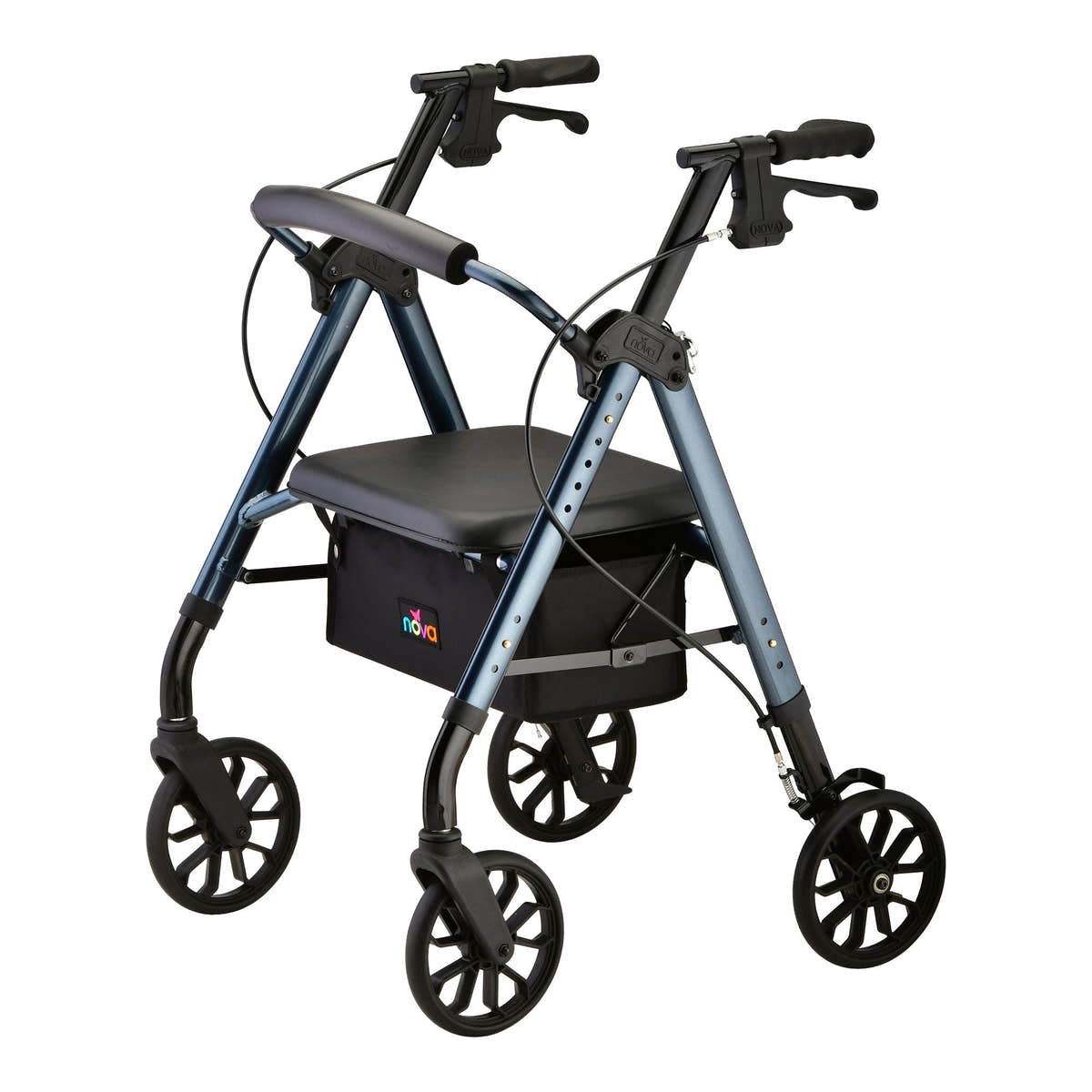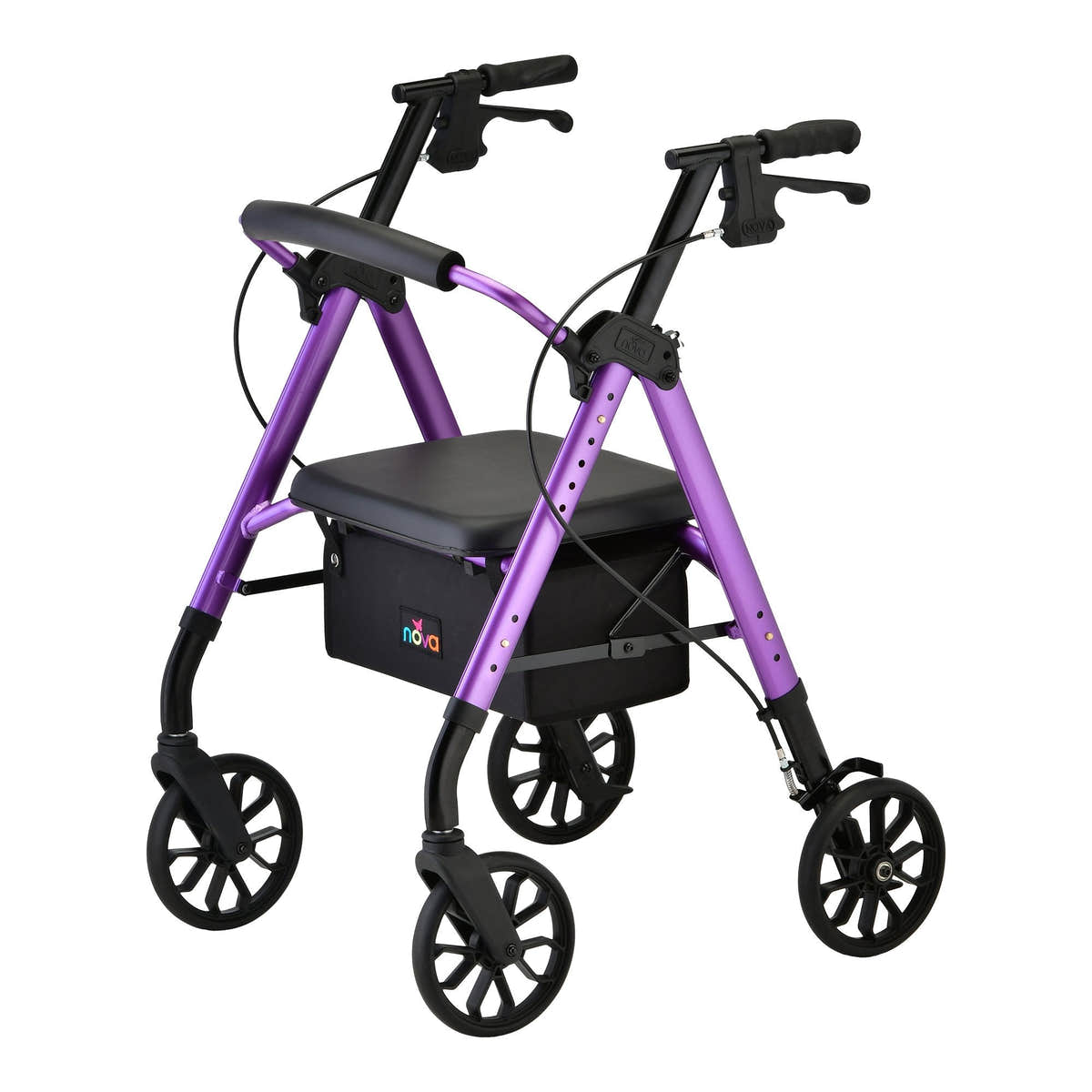

Choosing a rollator walker usually starts with one simple question: what will make walking feel safer without making daily life harder? If you are figuring out how to choose a rollator walker for yourself or someone you care for, the best option is not always the one with the most features. It is the one that fits the user, the home, and the places it will be used every day.
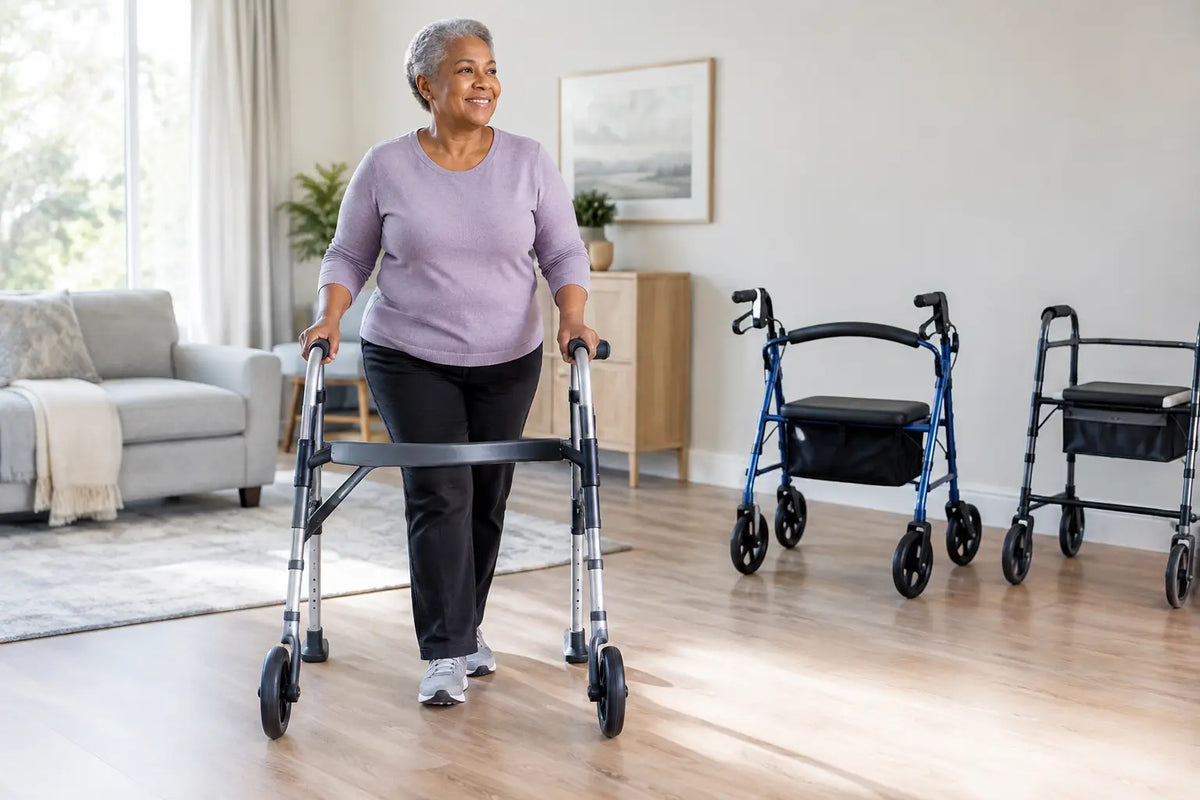
A rollator walker is different from a standard walker because it has wheels, hand brakes, and often a built-in seat. That added convenience can make a big difference for people who need support while walking but also want a smoother, less tiring experience. At the same time, not every rollator is right for every person. Weight, height, balance, storage space, and where the walker will travel all matter.
How to choose a rollator walker for daily use
The easiest way to narrow the options is to think about real-life use, not just product specs. A rollator that works well indoors may feel bulky in a small bathroom or narrow hallway. A lightweight model may be easy to lift into a car, but it may not feel as steady outdoors on uneven pavement.
Start with the user's walking pattern. Some people need light support for longer distances, especially when fatigue sets in. Others need more consistent help with balance and want a seat available at any time. If the user tends to lean heavily on the frame, stop often, or feel unsteady when turning, those details should guide the choice more than color or accessories.
It also helps to be honest about who will handle transport and setup. If a spouse or adult child will fold and lift the rollator into a trunk, overall weight matters. If the user lives alone, ease of folding and storage becomes even more important.
Pick the right size first
Fit is one of the most important parts of choosing a rollator. Hand grips should generally line up around wrist height when the user stands upright with arms relaxed. If the handles are too low, the user may hunch forward. If they are too high, shoulder strain and poor control can follow.
Seat height matters too. The user should be able to sit down and stand up without dropping too far or struggling to rise. A seat that is too high can feel unstable. A seat that is too low may be hard for someone with hip weakness, knee pain, or limited leg strength.
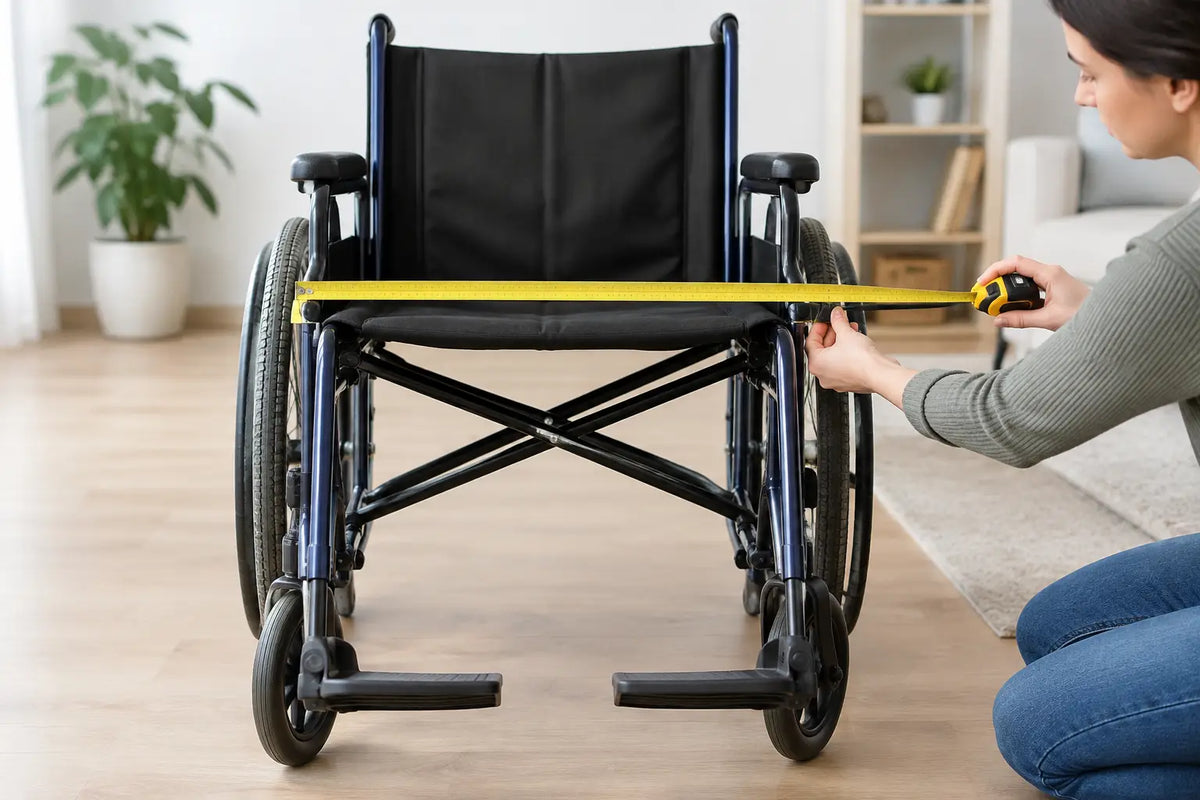
Many shoppers focus on adjustable handle height but forget frame width. Measure doorways, especially in older homes, apartments, and bathrooms. A wider rollator can feel more stable outdoors, but it may not move easily through tight indoor spaces. If the walker will be used in both settings, balancing maneuverability and stability is key.
Match the weight capacity to the user
Every rollator has a listed weight capacity, and it is important to stay within it. This affects not only durability but also safety. If the user is near the upper limit, it may be worth moving to a sturdier model rather than choosing the smallest frame available.
For some users, a bariatric rollator offers a better seat width and more stable frame even if they are not at the highest weight range. That said, these models are often heavier and wider, which can make transport and indoor use less convenient. This is one of those areas where the right answer depends on how the rollator will be used most often.
Wheel size changes how the rollator feels
Wheel size has a major impact on comfort and performance. Smaller wheels are often fine for smooth indoor floors and short trips. They can make the rollator lighter and easier to store, which is helpful for home use.
Larger wheels usually handle outdoor surfaces better. Sidewalk cracks, uneven pavement, grass, and parking lots are easier to manage with bigger wheels. If the user plans to take the rollator to appointments, stores, or neighborhood walks, larger wheels may provide a steadier ride.
There is a trade-off. Bigger wheels can mean a larger overall frame and slightly less agility in tight indoor spaces. For someone who mostly walks in a home with narrow rooms, that may be a drawback. For someone who spends more time outside, it may be worth it.
Three-wheel or four-wheel rollator?
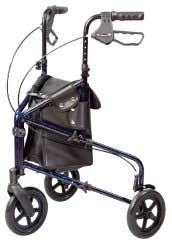
A three-wheel rollator can be helpful for users who need something narrow and easy to steer. These models often work well in tighter spaces and can feel lighter to move around. They are a practical option for people who do not need a seat and want more flexibility indoors.
A four-wheel rollator is usually the better fit for users who want a built-in seat and a more stable base. It is the style most people picture when shopping for a rollator walker. If rest breaks are part of daily mobility, or if the user wants a basket or storage pouch for personal items, four-wheel models tend to be the stronger choice.
Seat, backrest, and storage should fit the routine
A seat is only useful if it is comfortable enough to use and positioned at the right height. Some seats are padded and wider, while others are more compact to keep the frame lighter. If the user expects to sit often, comfort deserves more attention.
Backrests can add support during short breaks, but they vary in shape and firmness. Some are lightly padded and meant for quick rests rather than extended sitting. If the user will rely on the seat frequently while out of the house, a more supportive design may be worthwhile.
Storage is another everyday feature that affects satisfaction. A simple pouch may be enough for keys, glasses, and a phone. Caregivers may want room for water, paperwork, or small medical supplies. The best setup is the one that supports errands and appointments without making the rollator awkward to fold or push.
Brakes need to be easy to use
Hand brakes are not just a convenience. They are a core safety feature. The user should be able to squeeze the brakes comfortably and lock them without straining. If hand strength is limited because of arthritis, weakness, or nerve issues, brake style becomes especially important.
Before choosing a model, think about whether the user can control the rollator on slight slopes or during transitions like curb cuts and ramps. A brake that feels stiff in a quick test may become frustrating during daily use. Locking brakes should also be easy to engage before sitting down.
How to choose a rollator walker when balance is a concern
If balance is the main issue, stability should take priority over portability. That may mean choosing a four-wheel model with a solid frame, comfortable grip position, and seat that is easy to access. A very lightweight rollator can be appealing, but if it feels too easy to push away from the user, it may not provide the control they need.
This is also where a professional evaluation can help. Some users do better with a standard walker or another mobility aid depending on strength, posture, and fall risk. A rollator supports walking, but it should not be used as a wheelchair or as a substitute for the right mobility device.
Think about transport, folding, and storage
A rollator can look great online and still be frustrating if it is hard to fold, lift, or store. If it needs to go in and out of a car often, check the folded dimensions and overall weight. If it will live beside a bed or in a hall closet, measure that space too.
For caregivers, easy folding can save time and strain. For independent users, a simple folding mechanism can make the difference between using the rollator regularly and leaving it at home. Everyday convenience matters just as much as technical features.
Some shoppers also prefer a model that ships ready to use or requires only minimal assembly. That can be especially helpful when ordering for a parent or recovering patient who needs support right away.
What to check before buying
Before making a final decision, confirm five basics: user height, user weight, primary use location, seat need, and transport needs. Those details narrow the field quickly and help avoid returns.
It is also smart to compare how the rollator will be used one month from now, not just today. Recovery needs can change. Energy levels can fluctuate. A caregiver's schedule may shift. Buying for daily life rather than a single outing usually leads to a better fit.
For many shoppers, the best experience comes from choosing a dependable model that covers the basics well instead of chasing extra features. A rollator should support movement, make errands easier, and reduce the stress that comes with feeling unsteady on your feet.
If you are shopping online through a broad home health retailer like CartHealth, having multiple sizes, styles, and mobility categories in one place can make comparison easier. That matters when you are balancing safety, comfort, and convenience at the same time.
The right rollator walker should feel like practical support, not one more thing to manage. When the fit is right, the brakes are easy to use, and the frame matches the user's routine, daily movement tends to feel more confident and far less complicated.