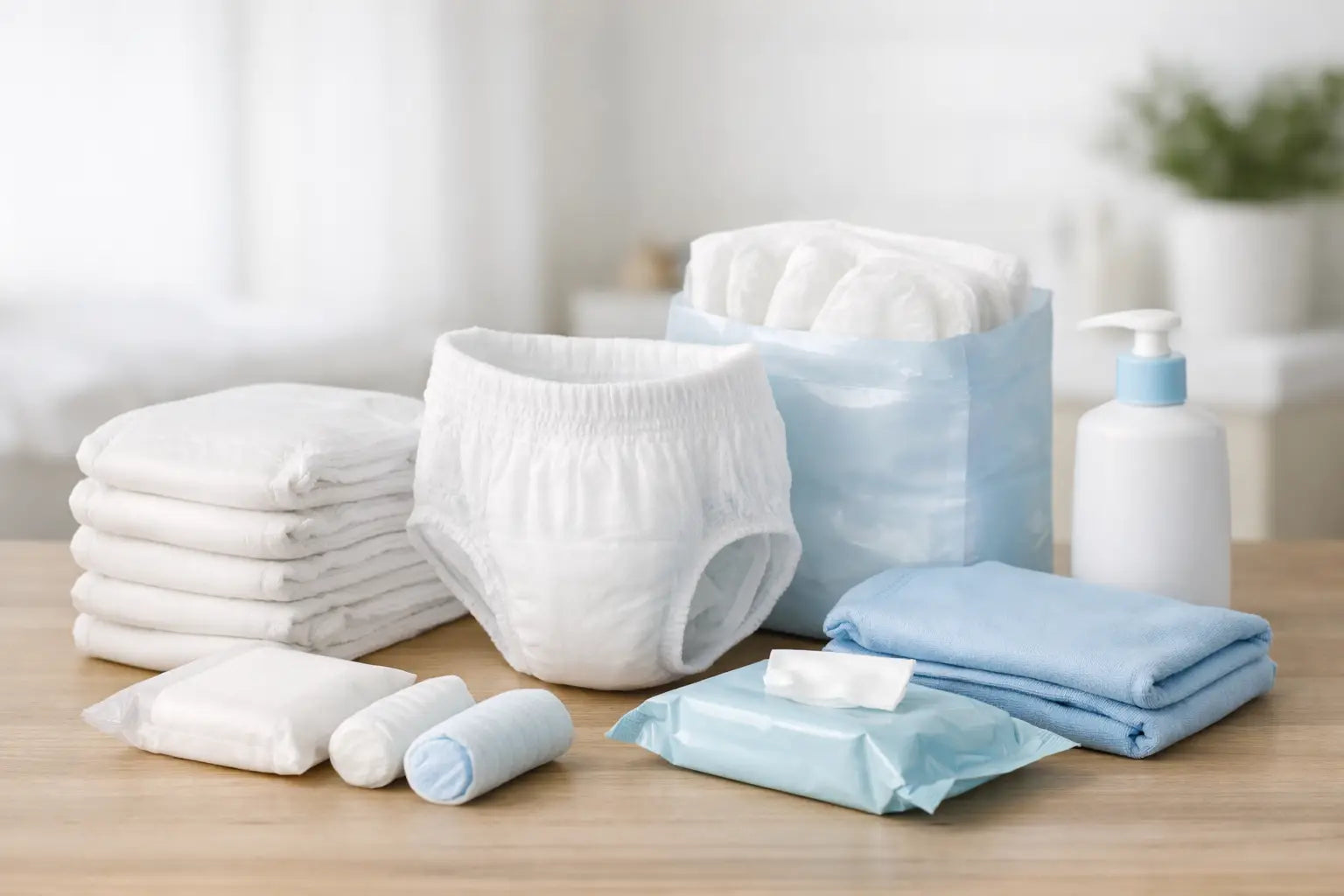
A product that works well at home can fail fast during a long car ride, overnight, or a full workday. That is why choosing the best incontinence products for adults is less about finding one universal option and more about matching the product to the person, the level of leakage, and the routine it needs to fit.
For some adults, a light liner is enough for occasional drips when coughing or exercising. For others, reliable overnight protection or full-coverage briefs make day-to-day life easier and less stressful. Caregivers also have a different set of priorities, including easier changes, skin protection, and products that hold up through longer wear times without frequent disruptions.
How to choose the best incontinence products for adults
The right starting point is not brand name. It is use case. Think about when leakage happens, how much protection is needed, whether the person can toilet independently, and how sensitive their skin may be.
Absorbency matters, but more is not always better. A very bulky product can feel hot, show under clothing, or be harder to position correctly. On the other hand, choosing too little absorbency often leads to leaks, more laundry, and skin irritation from repeated exposure to moisture. The best balance is enough protection for the real pattern of use, with a little margin for longer outings or overnight wear.
Fit is just as important. Even a highly absorbent product can leak if the leg openings gap or the waistband shifts. For pull-on styles, a close but comfortable fit usually works best. For tab-style briefs, secure fasteners and refastenable tabs can make adjustments easier, especially for caregivers.
Skin health should never be an afterthought. Breathable materials, moisture-wicking topsheets, and products designed to lock fluid away from the skin can make a noticeable difference for people wearing protection every day. If rashes or redness are already an issue, it may be worth pairing the product with gentle cleansing wipes and a moisture barrier cream.
Best incontinence products for adults by product type
Bladder control pads and liners
Pads and liners are often the best choice for light urinary incontinence. They are slim, easy to change, and usually work well for adults who are active and independent. Many people prefer them because they fit inside regular underwear and feel less noticeable than bulkier options.
These products are best for small leaks, post-partum bladder weakness, stress incontinence, or occasional urgency. They are not usually the right pick for heavy incontinence or bowel leakage. If a pad constantly shifts, bunches, or leaks at the edges, it is usually a sign that a more secure product type is needed.
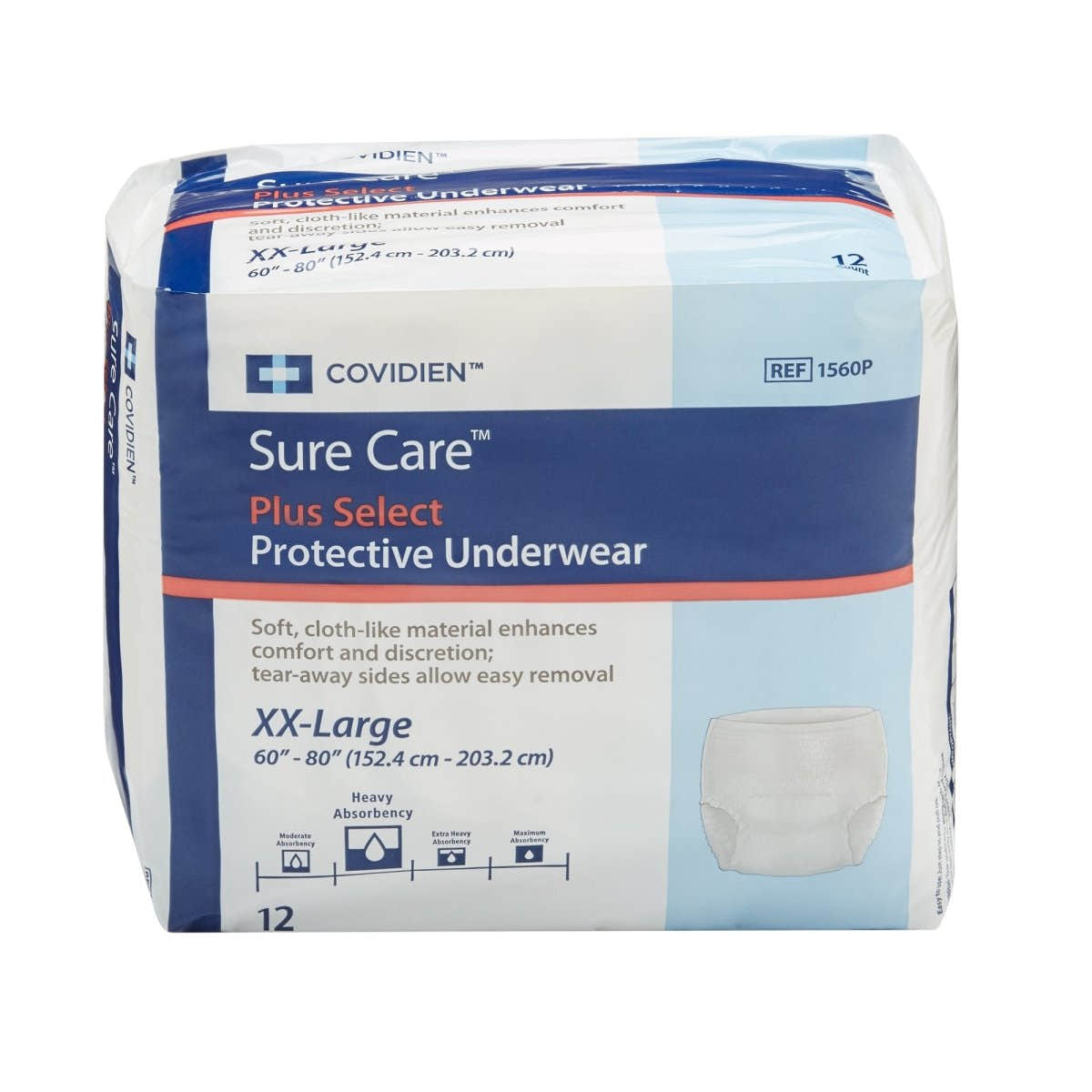
Protective underwear
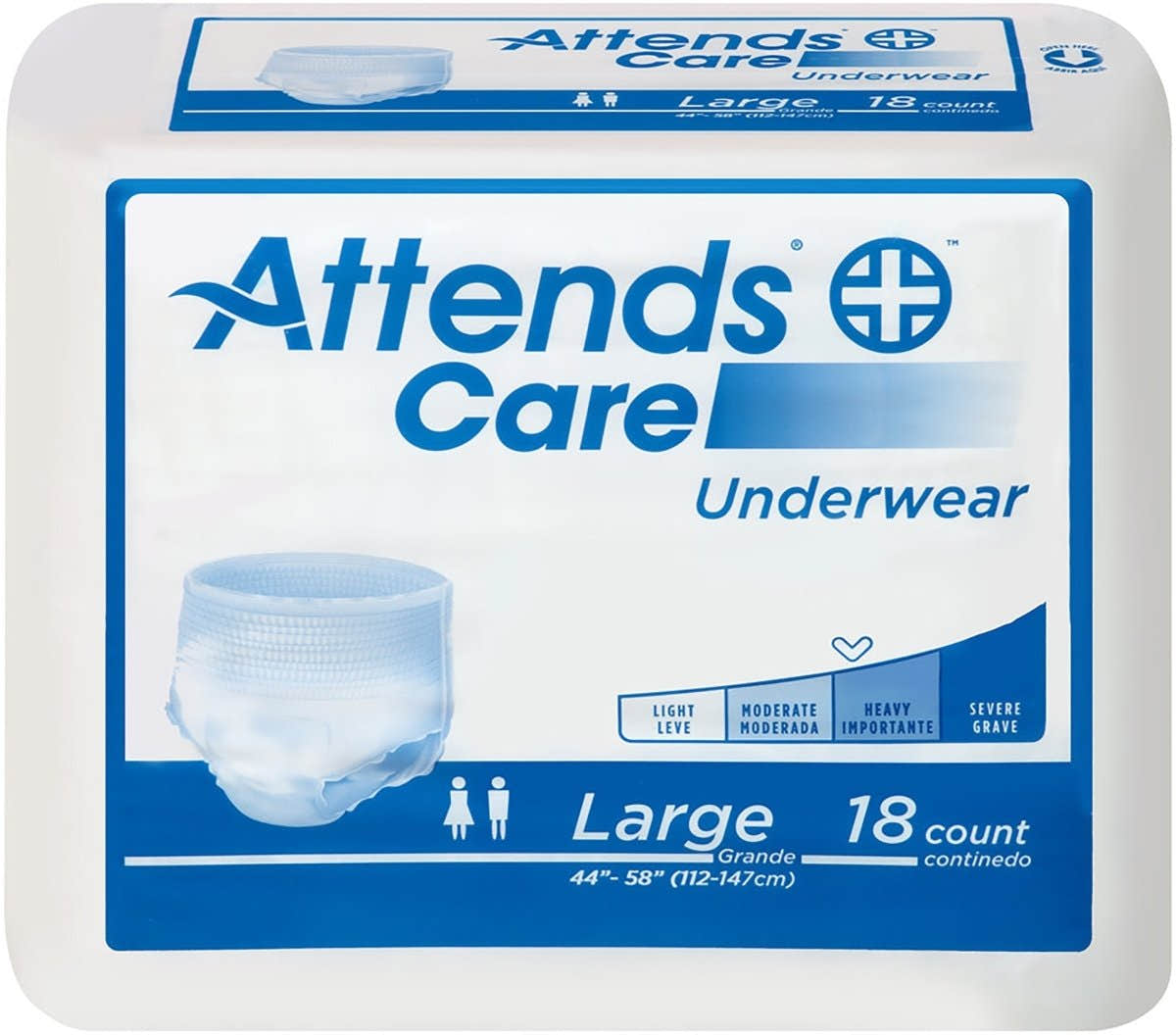
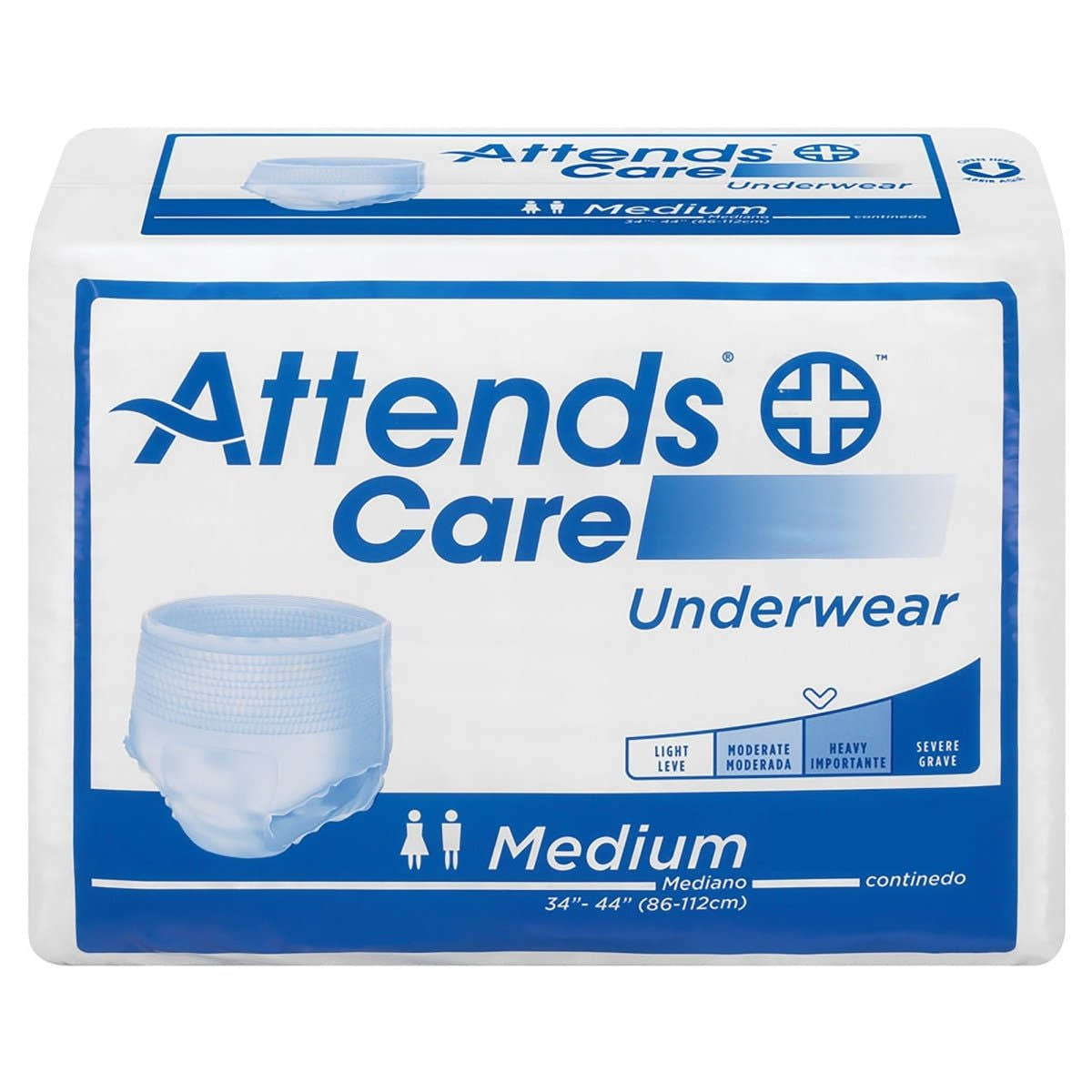
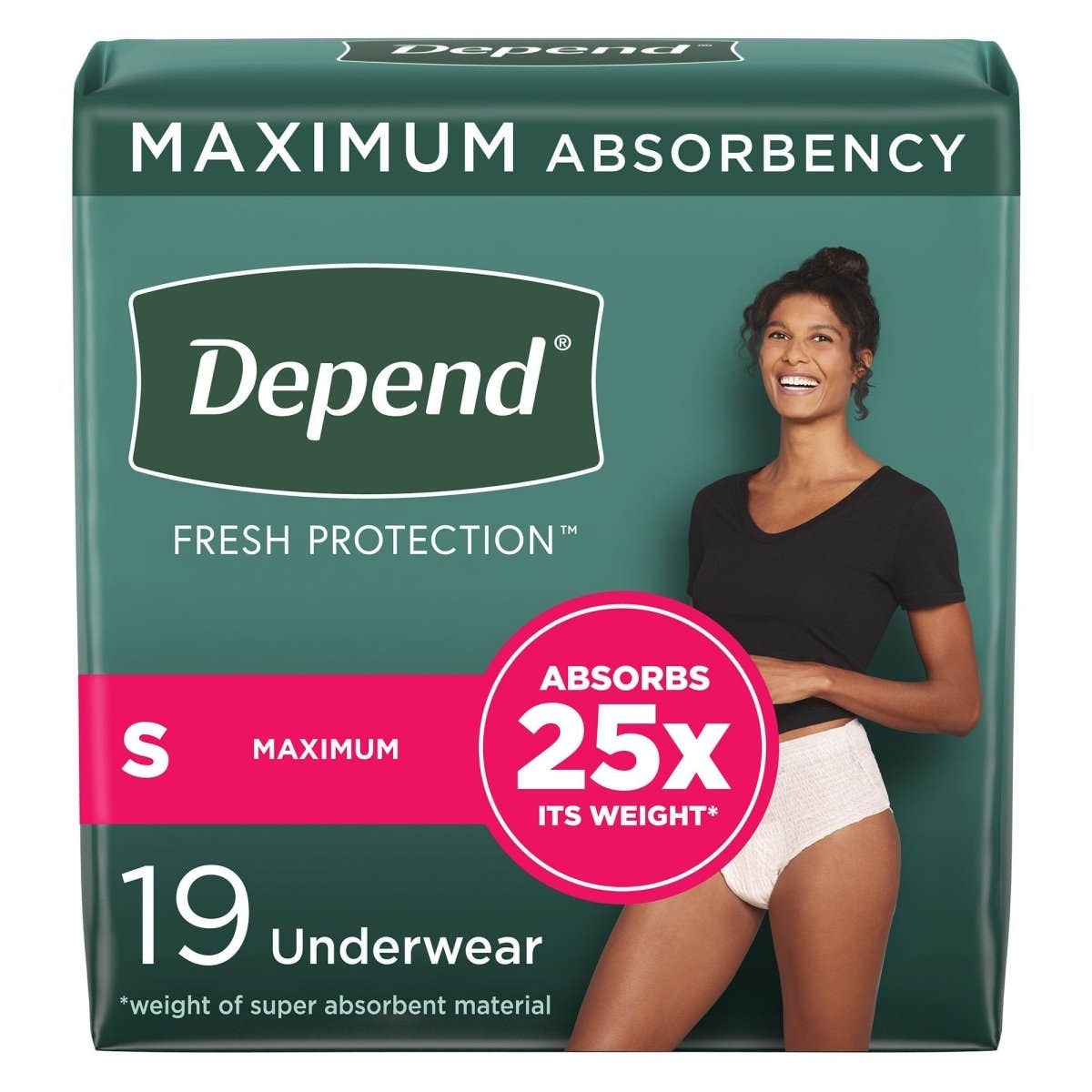
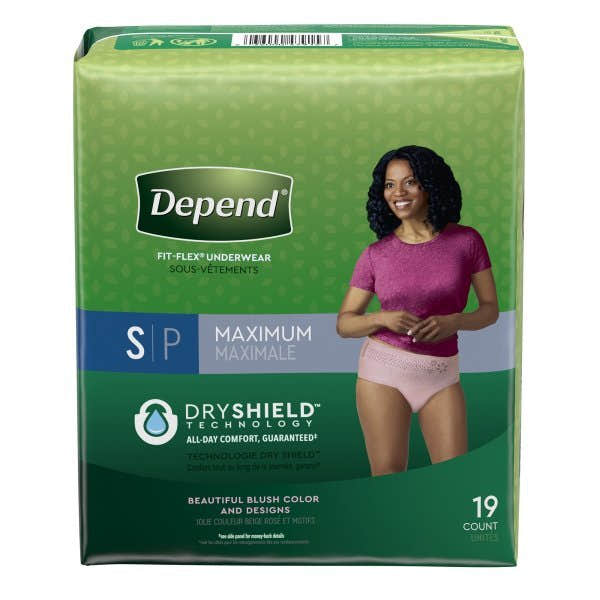
Protective underwear, sometimes called pull-ups, works well for adults who want a balance of discretion and absorbency. They are designed to pull on like regular underwear, which makes them a strong option for people who are mobile and prefer more independence.
This category can cover a wide range, from moderate daytime protection to heavier overnight styles. The trade-off is that changes may be less convenient than with tab-style briefs, especially if the wearer has limited mobility or is recovering from surgery. Tear-away sides can help, but for bedbound users or more involved care routines, briefs are often easier.
Briefs with tabs
Adult briefs are usually the better choice for heavy urinary incontinence, fecal incontinence, or people who need caregiver assistance. The tab closure allows the product to be adjusted while the person is lying down or seated, and it can simplify checks and changes.
This style tends to offer more absorbency and fuller coverage than pull-on underwear. That added protection is useful, but briefs can feel bulkier under clothes. For many households, that trade-off is worth it because fewer leaks and easier changes matter more than a low-profile fit.
Booster pads
Booster pads are not meant to replace a primary product. They are designed to add capacity inside a brief or protective underwear when extra absorbency is needed. They are especially helpful overnight, during travel, or for adults with changing fluid intake patterns.
A booster only works well when paired with a compatible primary product. If the base product already fits too tightly, adding a booster can create gaps and lead to leaks around the legs. Used correctly, though, they can extend wear time without moving to a much bulkier brief.
Underpads and bed protection
Wearable products handle personal protection, but underpads protect mattresses, furniture, wheelchairs, and car seats. They can reduce laundry, make nighttime care easier, and add peace of mind when someone is sick, recovering, or spending longer periods in bed.
Disposable underpads are convenient for quick cleanup and travel. Washable underpads can be more economical for ongoing use. Many caregivers use both, depending on the setting. An underpad should not be the only line of defense, but it is a smart backup for heavier incontinence or overnight care.
Matching the product to real-life needs
For light daytime leaks
Slim pads or light absorbency protective underwear usually make the most sense. The goal is comfort, discretion, and easy changes. Products that feel too thick often go unused, which defeats the purpose.
For moderate daily protection
Protective underwear is often the most practical middle ground. It offers more coverage than a pad without moving all the way to a tab brief. This is a common fit for adults who are active, out of the house, or managing urgency throughout the day.
For overnight use
Nighttime is where absorbency claims get tested. Adults who sleep on their side, change positions often, or go many hours without a change typically need higher-capacity underwear or briefs, and sometimes a booster pad plus an underpad. Overnight success usually depends on a full system, not just one product.
For bowel incontinence or mixed incontinence
Briefs with tabs are often the most dependable choice because they provide fuller coverage and easier cleanup. Odor control, containment, and secure leg cuffs matter more here than a low-profile look.
For caregivers assisting with changes
Ease of use becomes a top factor. Refastenable tabs, wetness indicators, soft panels, and dependable sizing can save time and reduce frustration. A product that is only slightly better in absorbency may still be the worse choice if it is difficult to apply correctly.
What to look for before you reorder
Once you find a product that mostly works, it is worth checking whether the fit and performance are consistent enough for repeat purchase. Frequent leaks at the legs often point to sizing issues. Damp skin after wear may mean the absorbent core is not locking in moisture well enough. Red marks can mean the product is too tight, while sagging usually means it is too large or overloaded.
It also helps to think in terms of routine. Some adults need one product for daytime and another for overnight. Others do better with a lighter option at home and a more absorbent one for long outings. Building a simple system around the day usually works better than forcing one product to cover every situation.
Common mistakes when shopping for incontinence products
One of the most common mistakes is choosing by the word discreet alone. Discretion matters, but if the product cannot handle the actual level of leakage, it creates more visibility in the long run through clothing changes, odor, or frequent bathroom trips.
Another mistake is buying solely by size label without checking the measurement range. A medium in one line may fit very differently from a medium in another. Waist and hip measurements are usually more useful than assumptions based on clothing size.
People also tend to underestimate how different daytime and nighttime needs can be. A product that performs fine for four or five daytime hours may not last through eight overnight. If leaks mainly happen at night, the answer is often a stronger overnight setup rather than changing every product used during the day.
Convenience matters more than people admit
For adults managing incontinence at home, practicality counts. Products need to be easy to reorder, available in the right sizes and absorbency levels, and consistent enough that you are not starting over every month. That is especially true for caregivers juggling multiple supplies at once, from wipes and gloves to underpads and skin care.
A broad selection helps because incontinence care is rarely one-size-fits-all. Someone may start with pads, move to protective underwear after surgery, and later need overnight briefs for added confidence. Shopping by care need instead of guessing from packaging can make the process much easier, which is one reason many households prefer a store like CartHealth that keeps multiple home health categories in one place.
The best product is the one that fits the person, protects the skin, and holds up in real life. If you are deciding between two options, choose the one that makes daily care easier to manage tomorrow, not just the one that sounds better on the package today.