When a family member comes home after surgery, starts managing diabetes, or needs help with mobility, the question usually gets practical fast: what are home health care products, and which ones do you actually need? In simple terms, they are the supplies, equipment, and daily-use items that help people manage health conditions, recover safely, and maintain comfort at home.
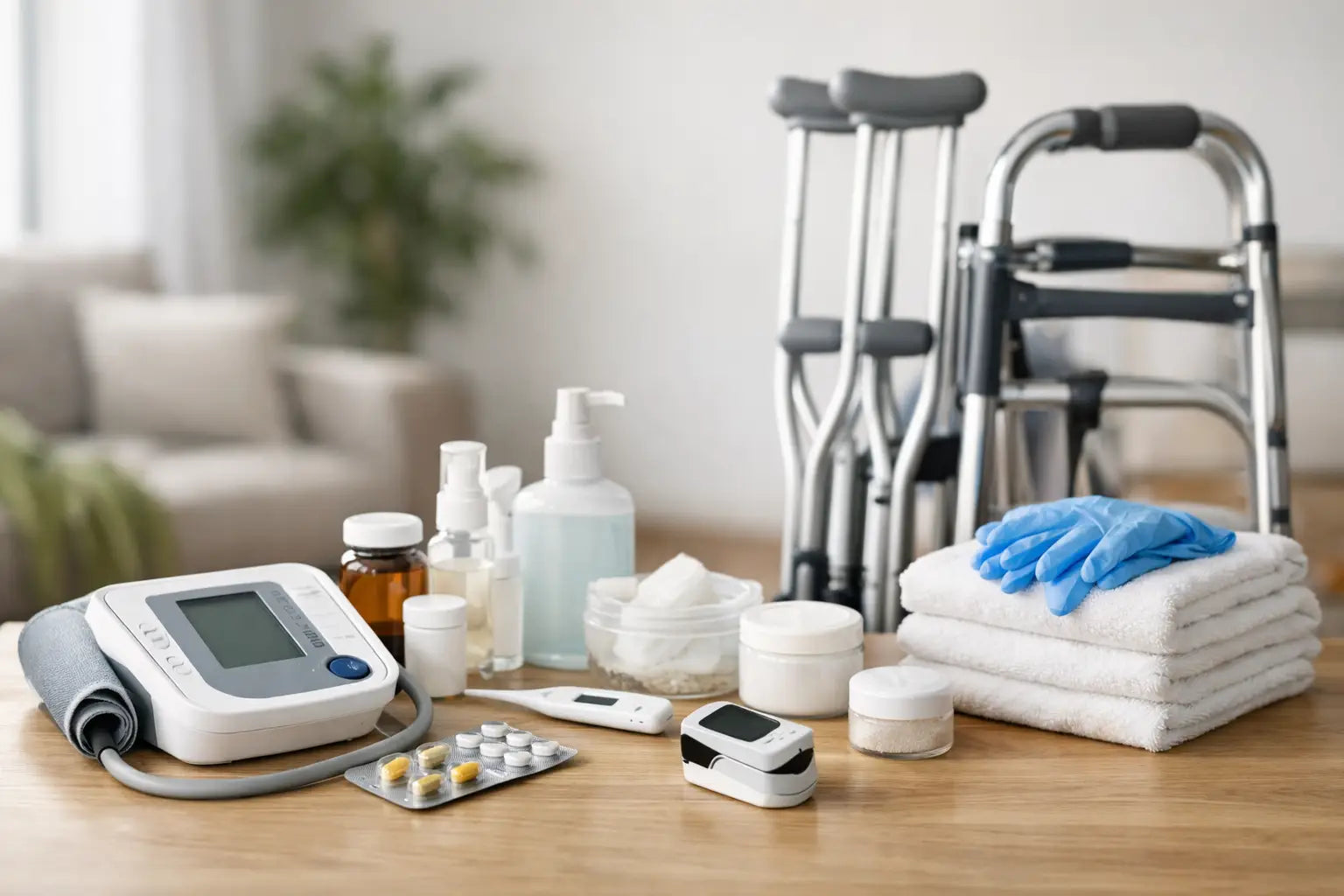
That definition covers a wide range. Some products are basic and disposable, like gloves, underpads, wound dressings, or incontinence briefs. Others are longer-term tools, such as walkers, shower chairs, braces, blood pressure monitors, or enteral feeding supplies. What connects them is their purpose - they support care outside a hospital or clinic, often on a recurring basis.
What are home health care products used for?
Home health care products are used to make everyday care more manageable, safer, and more consistent. For some households, that means helping an older adult stay independent. For others, it means supporting recovery after an injury, handling a chronic condition, or making caregiving less stressful.
The need can be temporary or ongoing. A person recovering from knee surgery may only need a cold therapy item, a cane, and a brace for a few weeks. Someone managing urinary incontinence, ostomy care, diabetes, or limited mobility may rely on recurring supplies every month. That difference matters because it affects what you buy, how often you reorder, and whether comfort or durability should be the priority.
In many cases, these products also reduce avoidable strain. A transfer aid can help prevent caregiver injury. Skin protection products can lower the risk of irritation from incontinence. A rollator can improve confidence for someone who feels unsteady walking from the bedroom to the kitchen. Home care is rarely about one item. It is usually about building a setup that supports daily routines.
Common categories of home health care products
The easiest way to understand what are home health care products is to look at them by care need. Most shoppers are not searching for a broad definition. They are looking for the right category for a real situation at home.
Incontinence and personal care
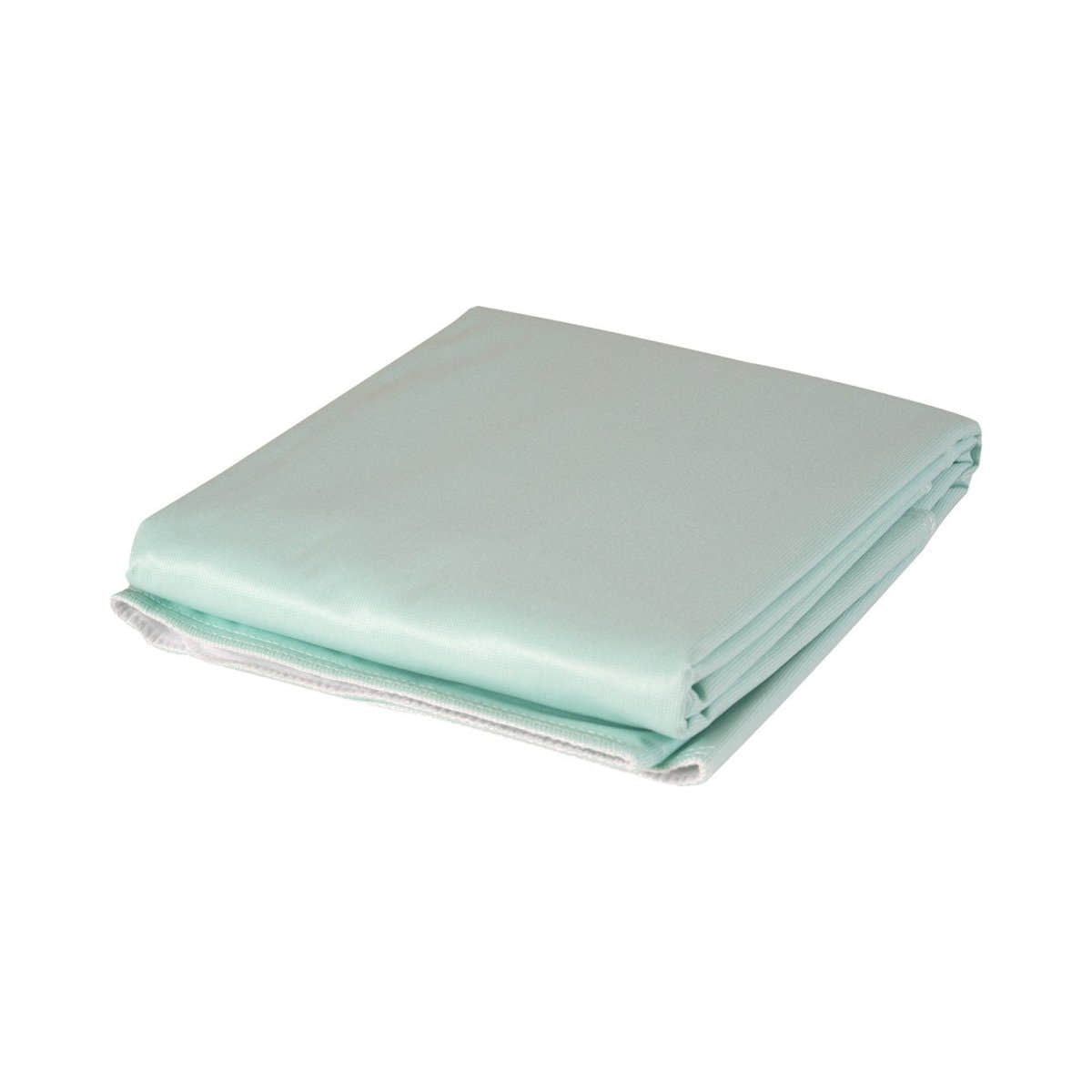
This category includes adult briefs, protective underwear, bladder control pads, underpads, wipes, gloves, and skin care products. These items help manage leakage, protect furniture and bedding, and support hygiene.
Fit and absorbency matter more than many first-time buyers expect. A product that is too large may leak, while one that is too tight may be uncomfortable and cause skin issues. For recurring use, comfort, odor control, and ease of changing often matter just as much as price.
Mobility and daily living aids
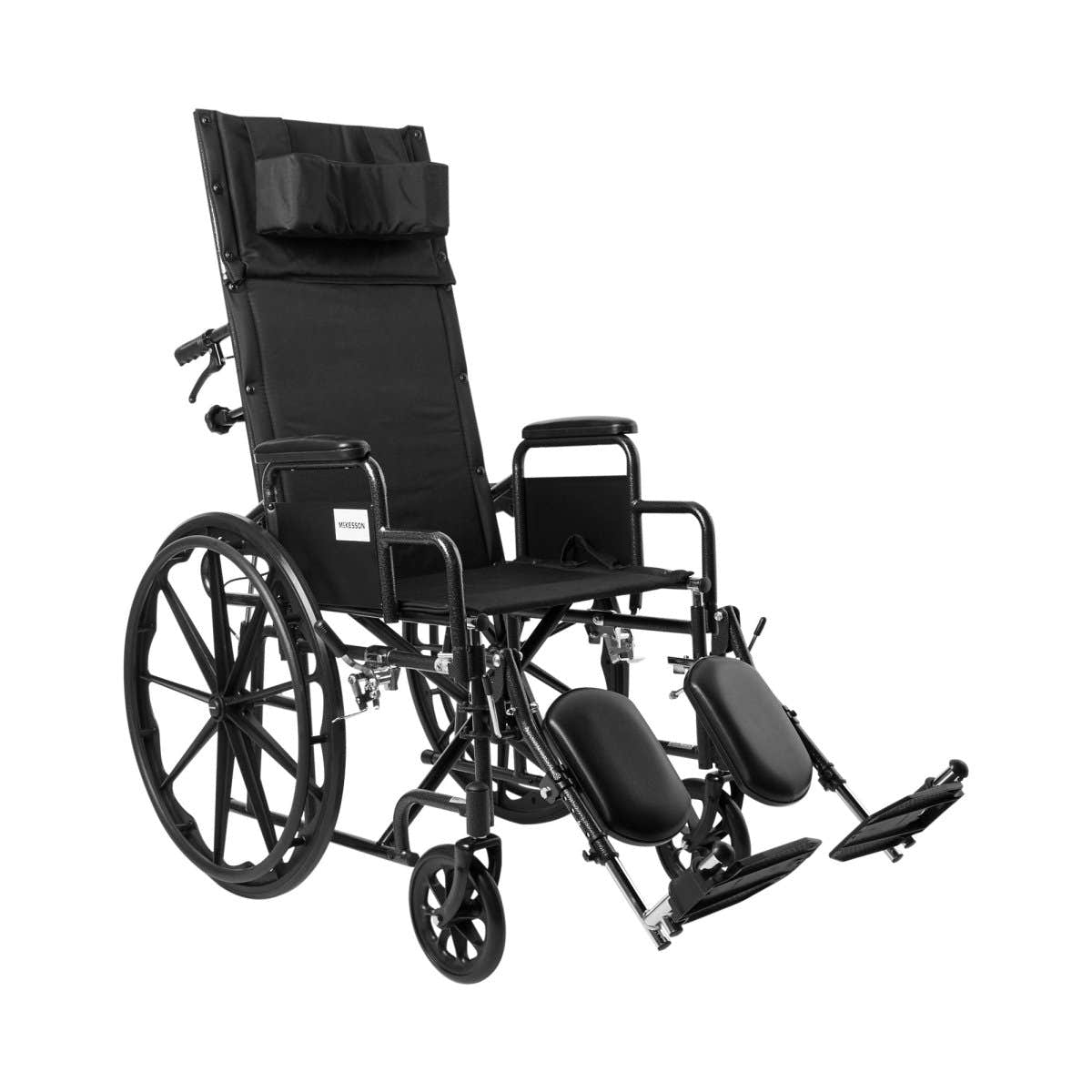
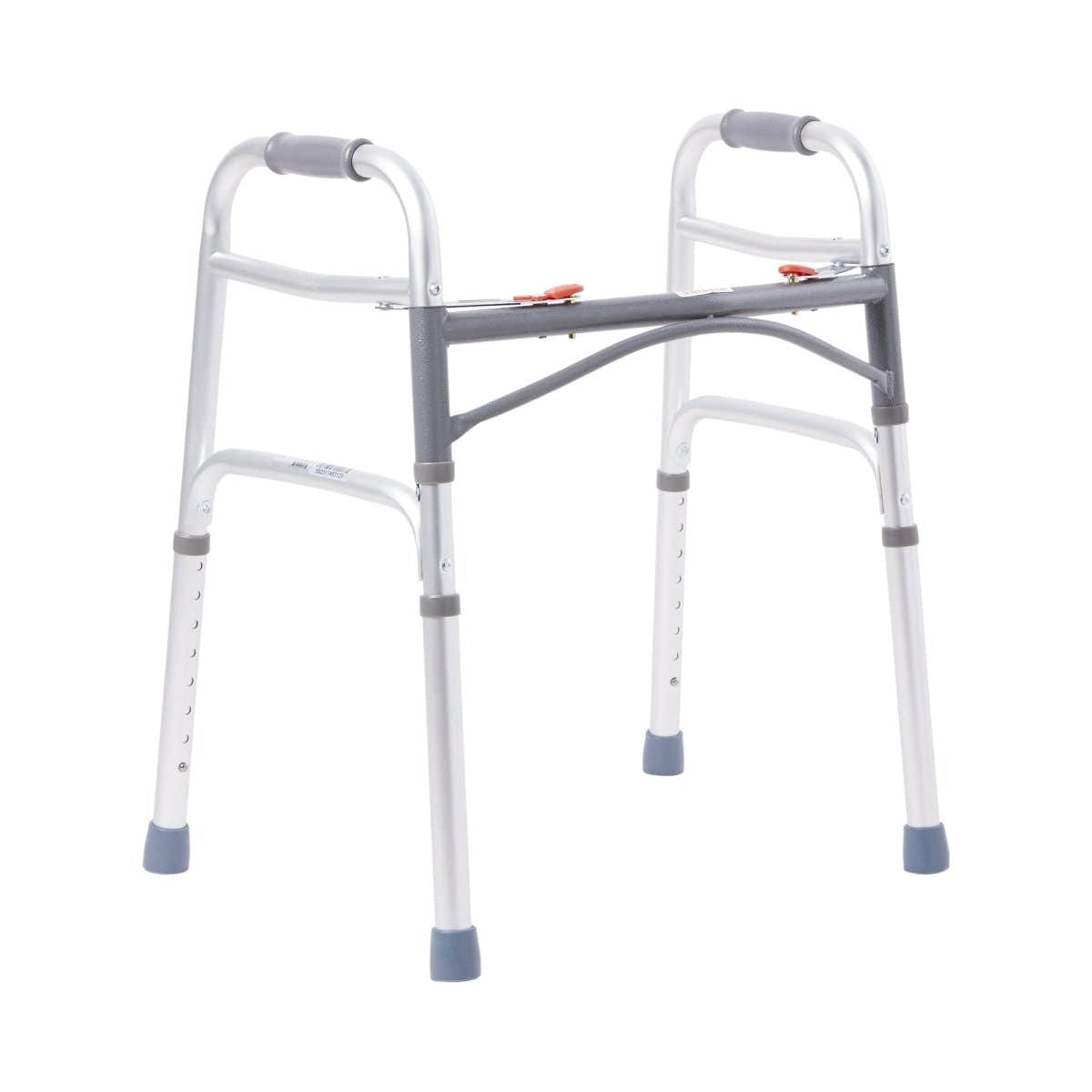
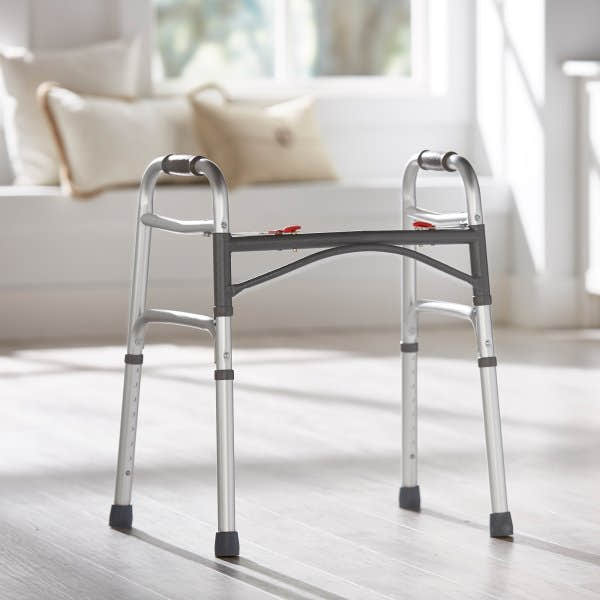
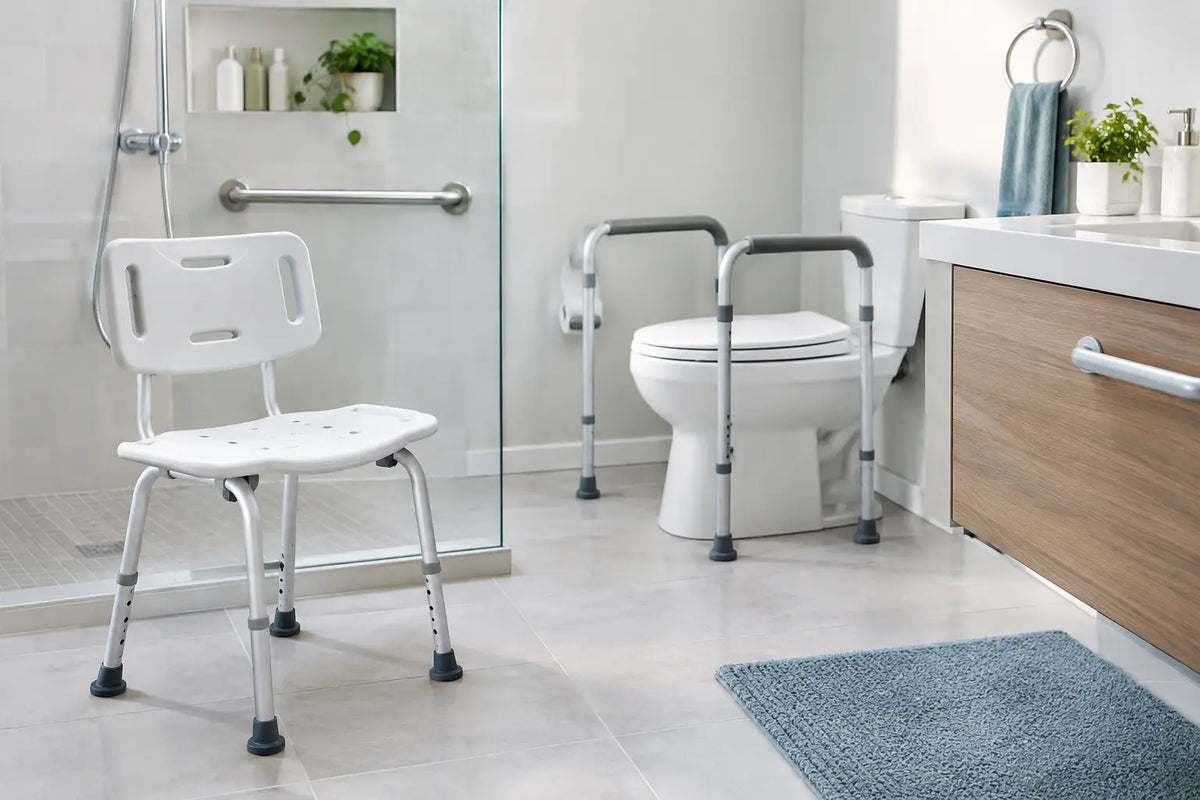
Mobility products include canes, crutches, walkers, rollators, wheelchairs, transfer benches, raised toilet seats, grab bars, and shower chairs. These are designed to improve safety and reduce fall risk around the home.
Some people need only one support item. Others benefit from several used together, especially in bathrooms and hallways where slips and unstable movement are more likely. The right choice depends on strength, balance, home layout, and whether the person needs help from a caregiver.
Wound care supplies
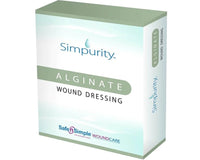
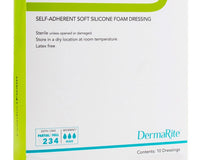
Home wound care products can include gauze, tape, dressings, wound cleansers, bandages, saline, adhesive removers, and protective barriers. These are commonly used after surgery, during recovery from injury, or for ongoing skin and wound management.
This is one category where product selection should follow medical guidance when possible. Not every dressing works for every wound. Absorption level, skin sensitivity, and frequency of dressing changes all affect what works best.
Diabetes care products
Diabetes supplies often include blood glucose monitors, test strips, lancets, alcohol prep pads, glucose tablets, and sharps containers. Some people also need nutritional products or foot care items as part of their routine.
Because these items are used regularly, reliability and reorder convenience matter. Running out of everyday diabetes supplies creates unnecessary stress, especially for caregivers managing supplies for someone else.
Nutrition and feeding supplies
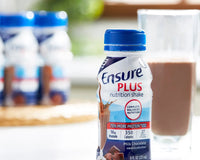
This category includes nutritional shakes, oral supplements, thickening agents, feeding bags, syringes, enteral feeding accessories, and related supplies. These products support people who need added calories, specialized nutrition, or tube feeding at home.
Needs vary widely here. One person may simply need a high-protein drink during recovery. Another may require a steady supply of enteral feeding products. In both cases, consistency matters because missed nutrition can affect energy, healing, and overall health.
Ostomy and urology products
Ostomy care products include pouches, wafers, barriers, rings, pastes, and skin protection items. Urology supplies can include catheters, drainage bags, cleansing products, and related accessories.
These are highly personal categories, and the right product often comes down to fit, wear time, comfort, and skin tolerance. People who are new to these products may need some trial and adjustment before finding a routine that works well.
Orthopedic supports and rehab products
Braces, compression supports, slings, hot and cold therapy products, and rehabilitation tools fall into this group. These products are often used after injury, during physical recovery, or for chronic joint pain and instability.
A knee brace, wrist support, or ankle support can be helpful, but only if it matches the condition and activity level. More support is not always better. In some cases, a lighter support is easier to wear consistently throughout the day.
Who typically buys home health care products?
The buyer is not always the end user. Adult children often purchase supplies for aging parents. Spouses manage recurring products for a partner with long-term health needs. Parents buy feeding, baby care, or recovery items for children. Many shoppers are also buying for themselves and want privacy, speed, and a straightforward way to reorder.
That is why convenience is not a small benefit in this category. When products are used daily, people want clear product categories, dependable availability, and home delivery that saves an extra stop. For many households, placing one online order for incontinence, wound care, and nutritional items is simply easier than trying to piece it together from multiple stores.
How to choose the right home health care products
If you are trying to figure out what are home health care products for your situation, start with the specific care task rather than the broad category. Ask what problem needs to be solved at home. Is it safe bathing, better mobility, skin protection, blood sugar monitoring, or easier cleanup during caregiving?
Then consider frequency of use. A product used once during short-term recovery can be chosen differently than one used every day for months. Disposable items often need a balance of price and performance, while durable equipment needs a closer look at weight capacity, adjustability, storage, and ease of cleaning.
Comfort also matters more than people think. A technically suitable product that is uncomfortable often goes unused. That can happen with braces, incontinence products, mobility aids, and ostomy supplies alike. For recurring purchases, the best product is usually the one that works reliably and fits into normal routines without causing frustration.
Finally, think about the full care environment. A walker may be fine in an open living room but awkward in a narrow bathroom. A bedside commode may help at night even if the person can use the regular bathroom during the day. Home health products work best when they match both the person and the space.
What to look for when shopping online
Online shopping for home health care products should make selection easier, not more confusing. Clear product categorization helps shoppers quickly find supplies by health need, whether that is diabetes care, mobility, wound care, ostomy, urology, or personal care.
Detailed product information is especially useful for repeat-use items. Shoppers often want to compare sizing, absorbency, packaging quantity, brand, compatibility, and whether a product is intended for day use, overnight use, or travel. For equipment, dimensions and weight limits are essential.
Availability matters too. Many home care products are not one-time purchases. If a household depends on monthly deliveries of underpads, catheters, nutritional drinks, or test strips, a broad and dependable selection makes life easier. That is part of why many customers prefer a retailer like CartHealth that brings multiple health categories into one place.
Why these products matter in everyday life
Home health care products are not just medical extras. They help turn a home into a workable care setting. Sometimes that means preserving independence. Sometimes it means making caregiving more manageable. Often, it means both.
The best setup is rarely the most complicated one. It is the one that supports daily routines with less stress, fewer interruptions, and more confidence. If you are starting from scratch, begin with the immediate need, choose products that fit the person and the home, and build from there. A few well-chosen supplies can make everyday care feel far more manageable.