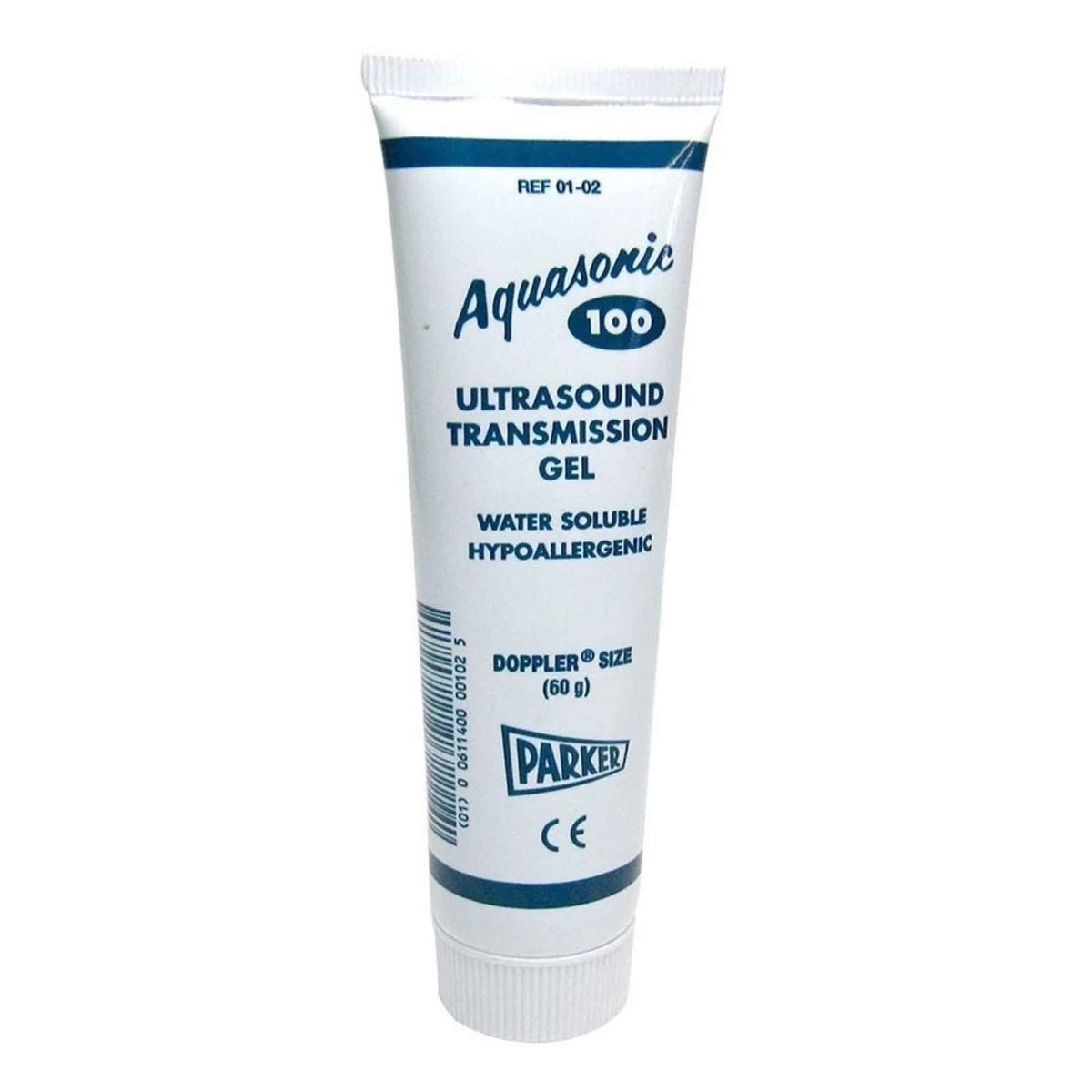
Aquasonic

2 products

Showing 1 - 2 of 2 products

Aquasonic Ultrasound Gel: Professional-Grade Acoustic Coupling for Clinical and Diagnostic Use

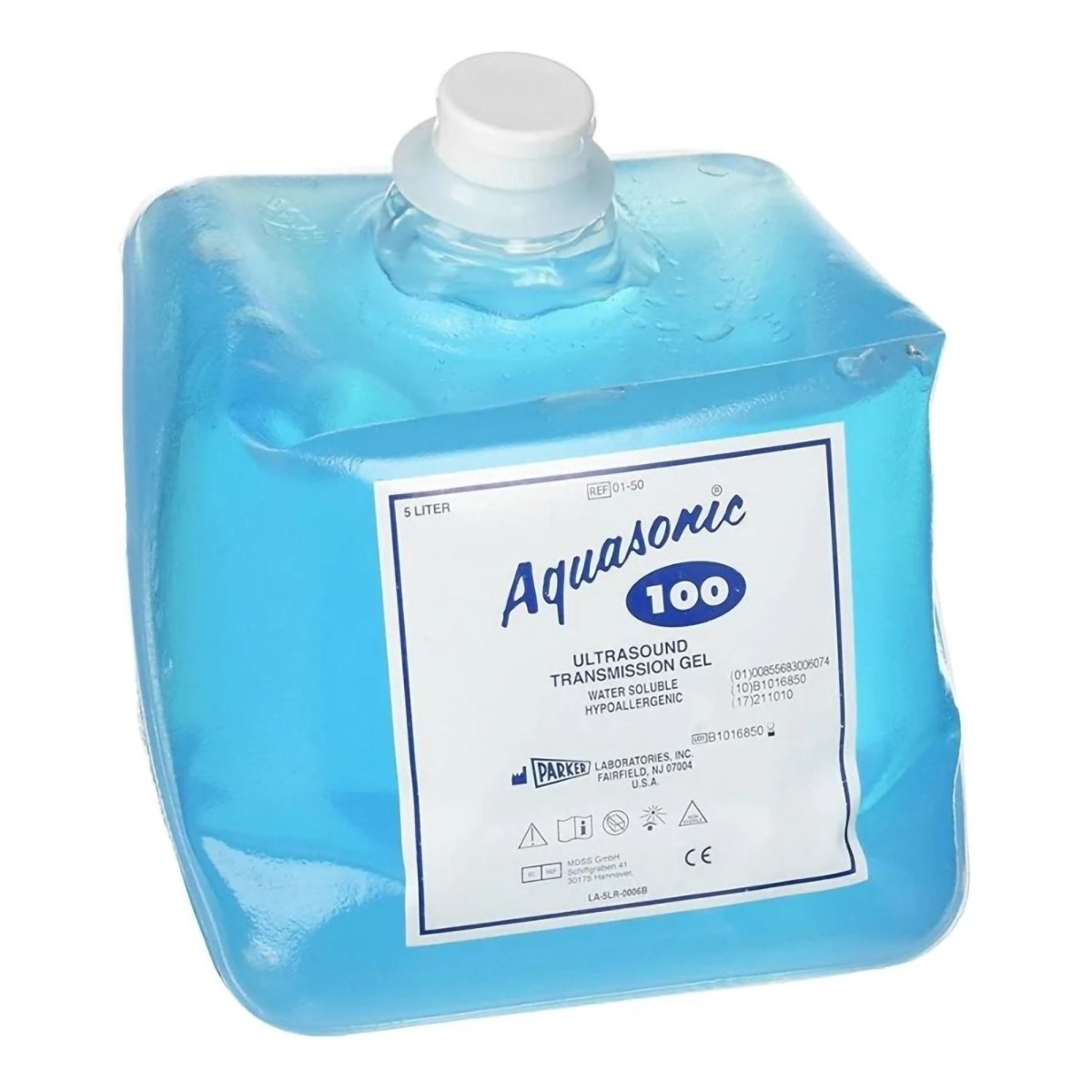
Aquasonic has long been a trusted name in ultrasound transmission gel, relied upon by sonographers, clinicians, and healthcare facilities for consistent, high-quality acoustic coupling. This collection brings together Aquasonic's core gel products, giving professionals and facilities a straightforward way to stock the supplies they need for reliable ultrasound procedures.
Showing 1 - 2 of 2 products
View

Frequently Asked Questions about Aquasonic

Ultrasound gel is a water-based conductive medium applied to the skin before ultrasound procedures to eliminate air pockets between the transducer and the body, allowing sound waves to transmit clearly. Without ultrasound gel, air interference would significantly degrade image quality. It is essential for both diagnostic imaging and therapeutic ultrasound treatments.

Ultrasound transmission gel is designed for licensed medical professionals, sonographers, physical therapists, and clinical staff who perform diagnostic imaging or therapeutic ultrasound procedures. It is also appropriate for trained technicians in sports medicine, chiropractic, and rehabilitation settings where ultrasound equipment is regularly used.

Apply ultrasound gel directly to the patient's skin or to the transducer head in a generous, even layer before beginning the procedure. Use enough ultrasound gel to fully cover the area being examined, and reapply as needed during longer sessions to maintain consistent conductivity and image clarity.

Yes, ultrasound gel is generally formulated to be hypoallergenic and safe for use on most skin types, including sensitive skin. Most professional-grade ultrasound gels are water-based, non-greasy, and free from harsh irritants, making ultrasound gel suitable for repeated clinical use across a wide range of patients.

No, ultrasound gel does not need to be warmed before use, though warming it can improve patient comfort during procedures, especially in clinical or therapy settings. Many facilities use gel warmers to bring ultrasound gel to body temperature, which helps patients feel more at ease during longer examinations.

Remove ultrasound gel from skin by wiping the area with a clean, dry cloth or a soft paper towel immediately after the procedure. Because ultrasound gel is water-based, it wipes away easily without leaving a greasy residue and does not typically require soap or water for full removal.

Diagnostic ultrasound gel is formulated primarily to enhance image clarity during imaging procedures, while therapeutic ultrasound gel is designed to support sound wave transmission during treatment applications like physical therapy. Many professional-grade ultrasound gels are suitable for both purposes, but always confirm the intended use listed on the product label before use.

Store ultrasound gel at room temperature, away from direct sunlight and freezing conditions, to maintain its consistency and conductivity. Exposure to extreme heat or cold can alter the gel's viscosity, which may affect how well ultrasound gel transmits sound waves during procedures. Always keep containers tightly sealed when not in use.

Because air is a poor conductor of sound waves, ultrasound gel is necessary to fill the gap between the transducer and the skin, ensuring clear signal transmission. Without ultrasound gel, air pockets would scatter or block the ultrasound waves, resulting in poor image quality or reduced therapeutic effectiveness during treatment sessions.

Yes, ultrasound gel is compatible with most standard ultrasound transducers used in clinical, diagnostic, and therapeutic settings. However, it is always recommended to verify compatibility with your specific equipment manufacturer's guidelines, as some specialty probes or transducer coatings may have unique requirements for which type of ultrasound gel is appropriate.

Recently viewed