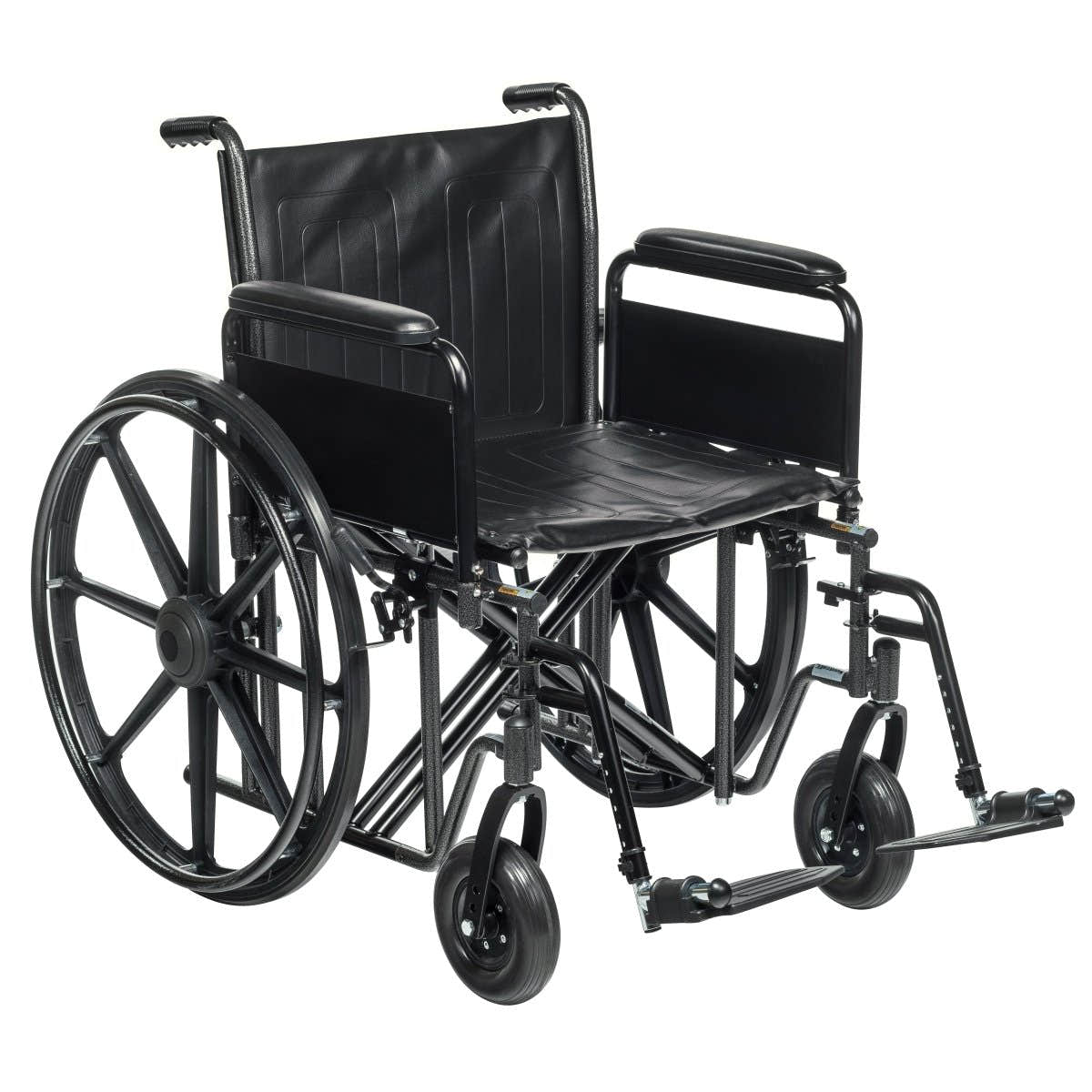
Bariatric Wheelchairs

12 products

Showing 1 - 12 of 12 products

Shop our selection of Bariatric Wheelchairs

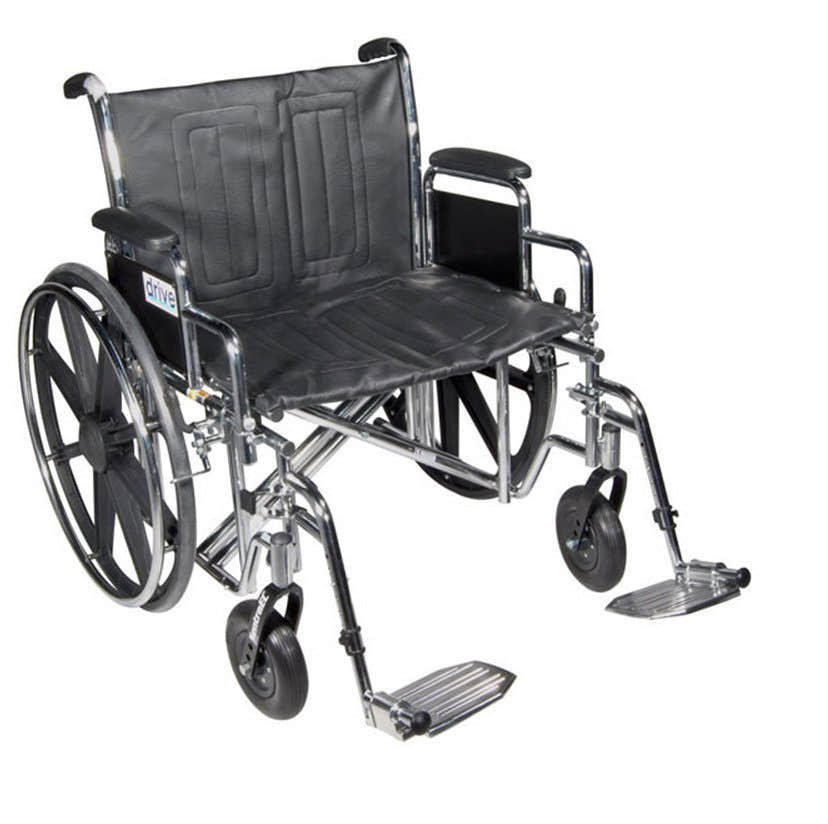
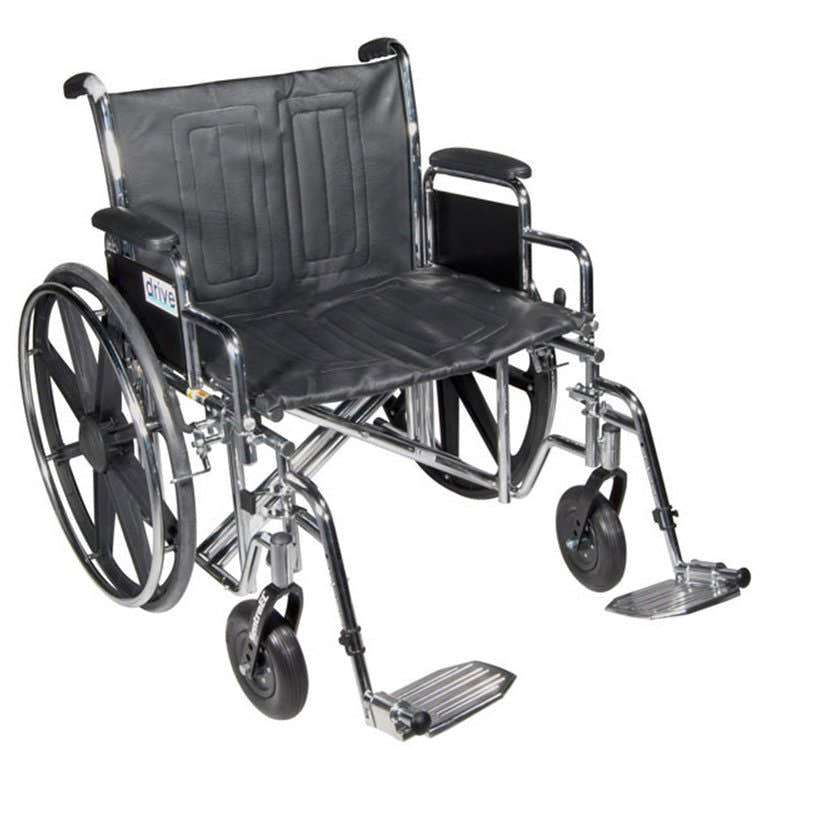
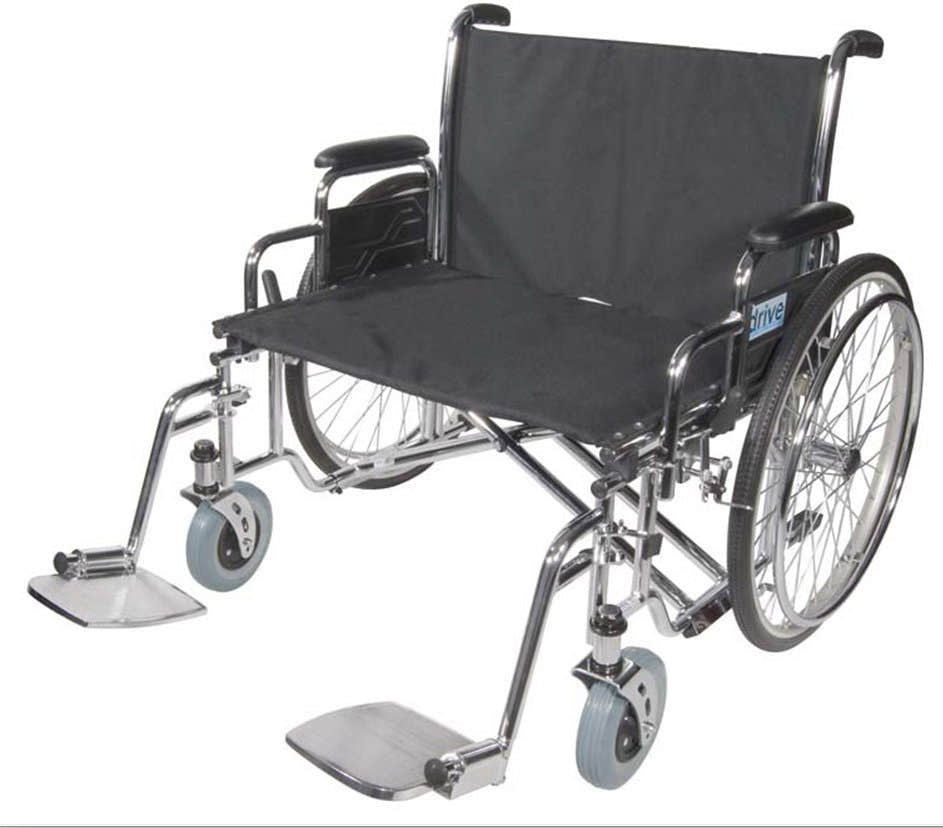
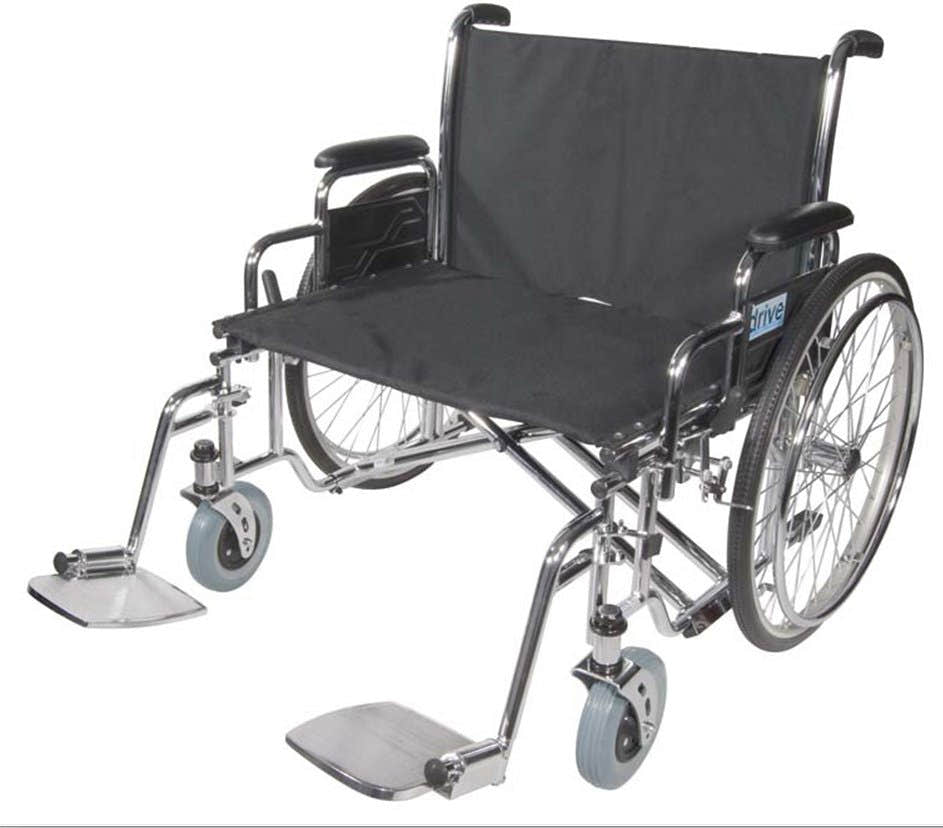
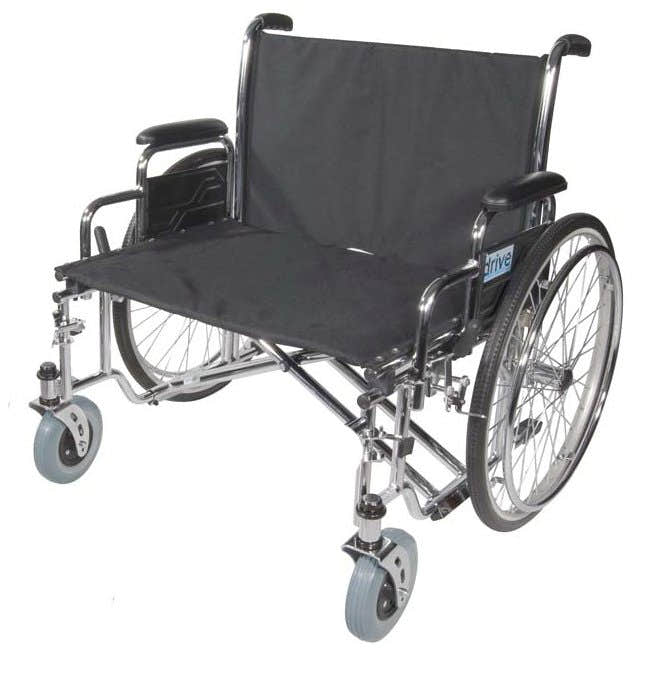
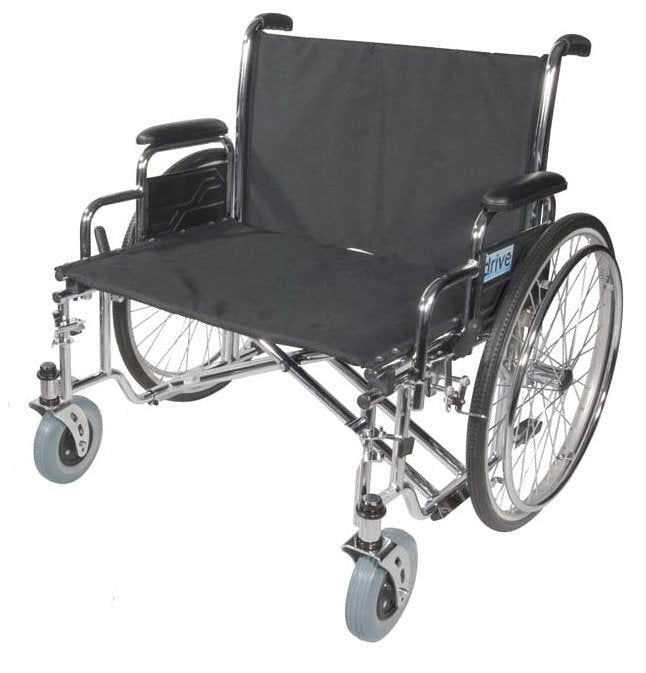
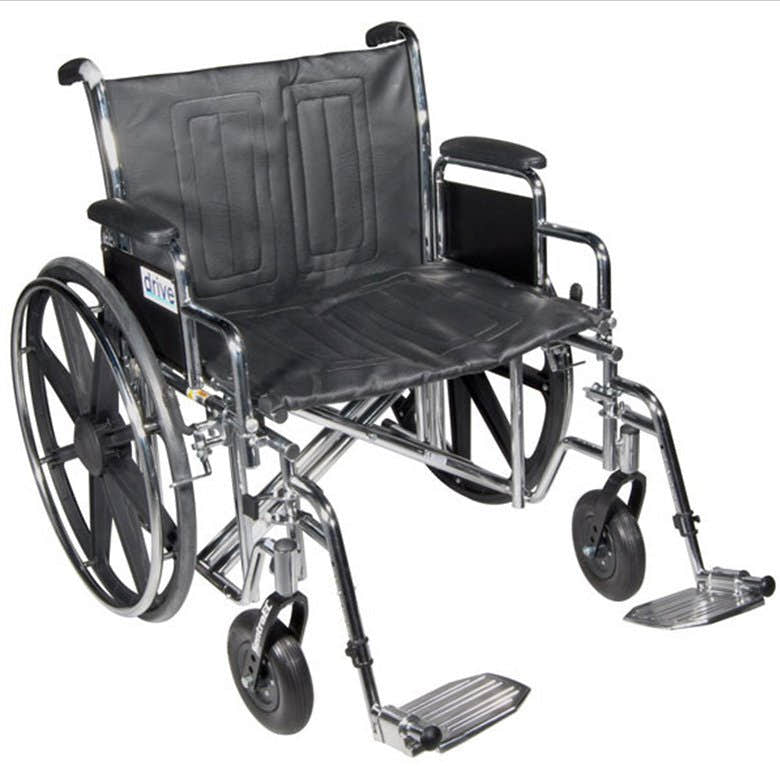
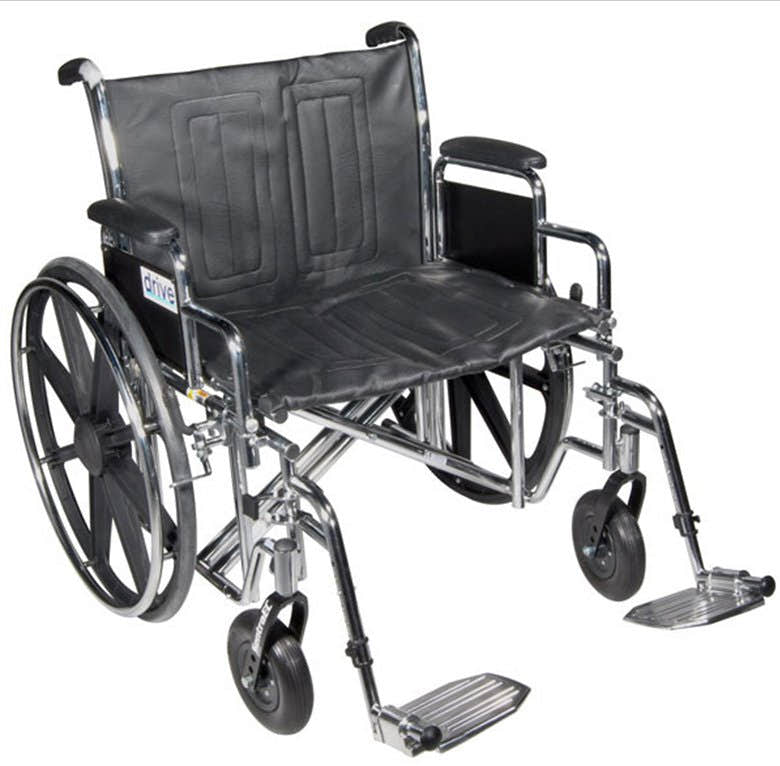
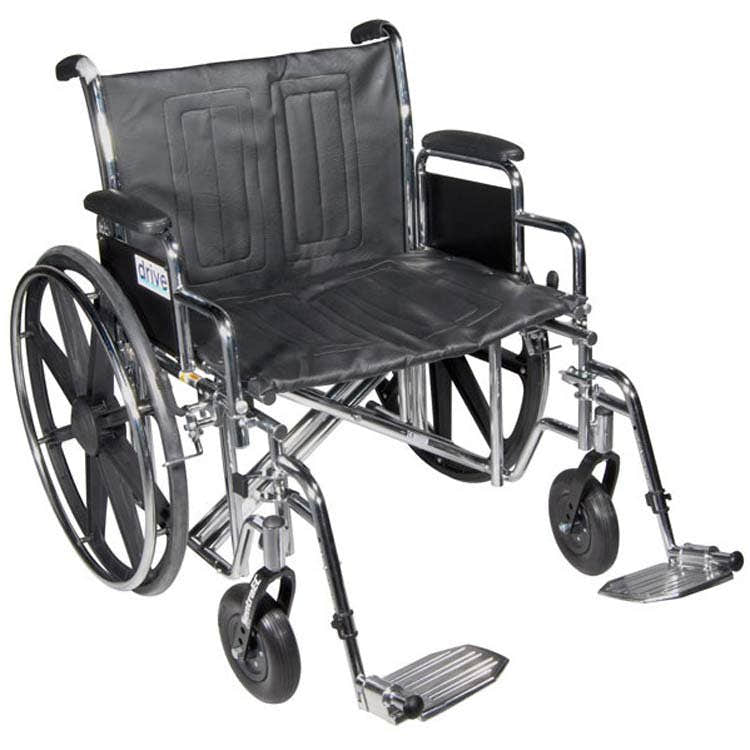
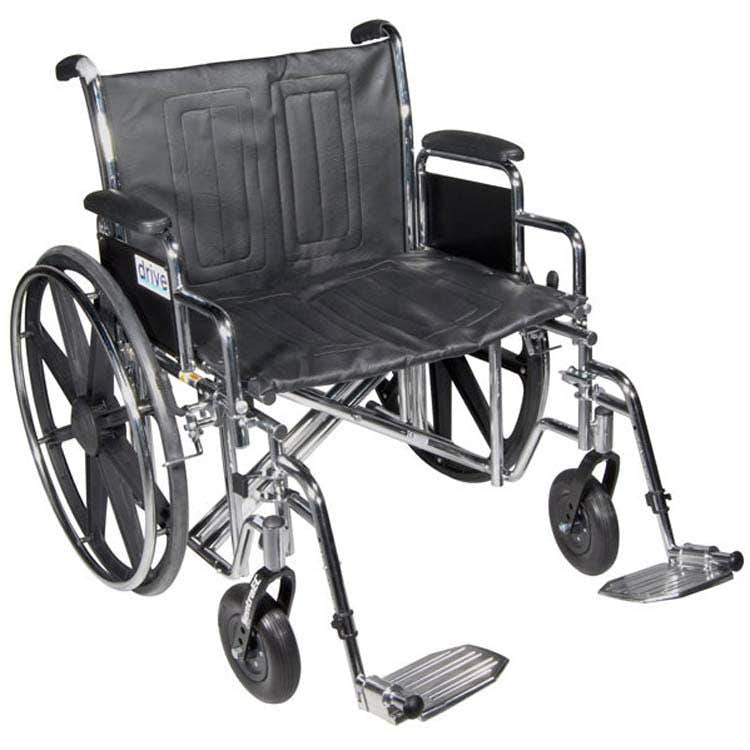
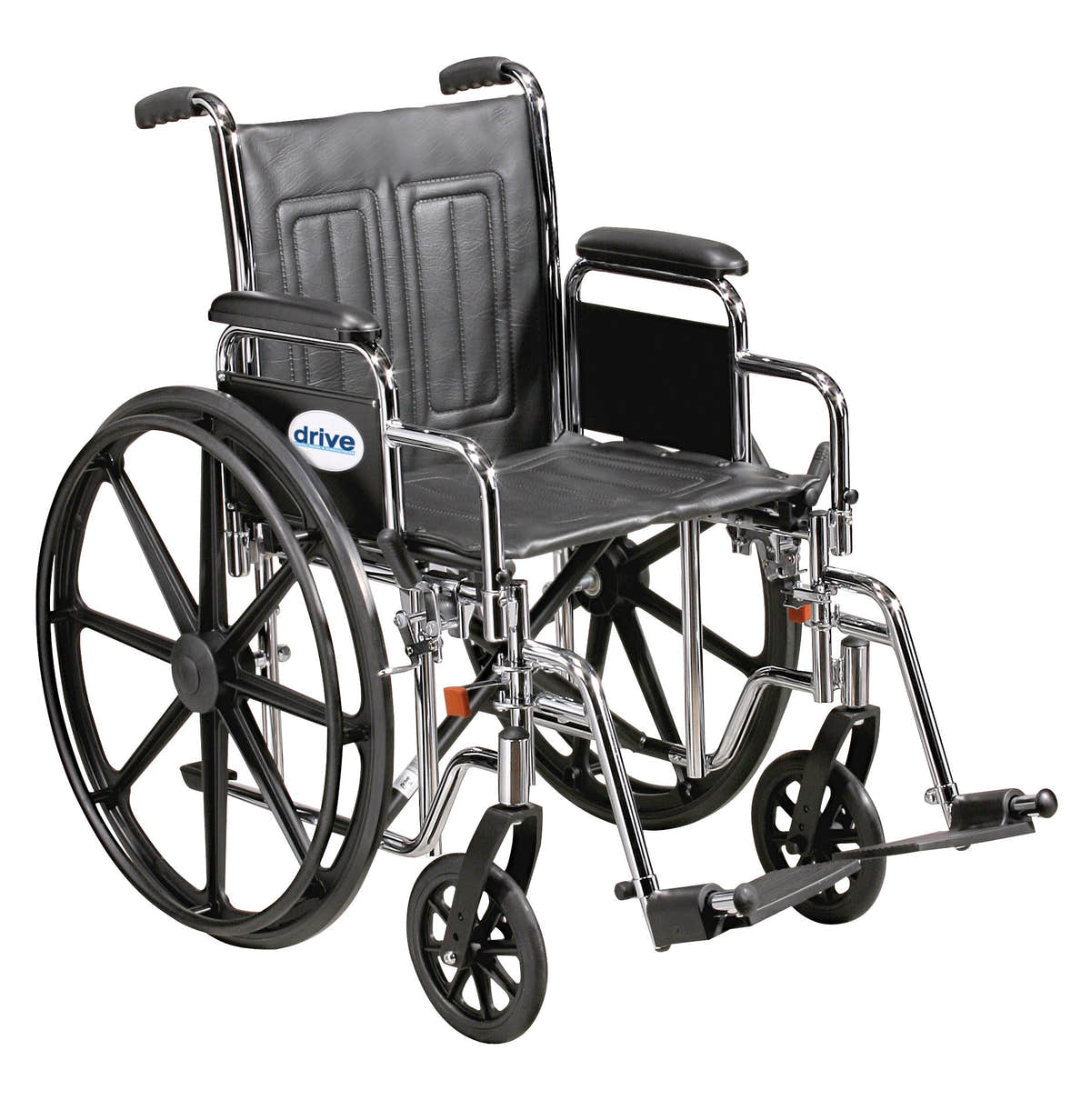
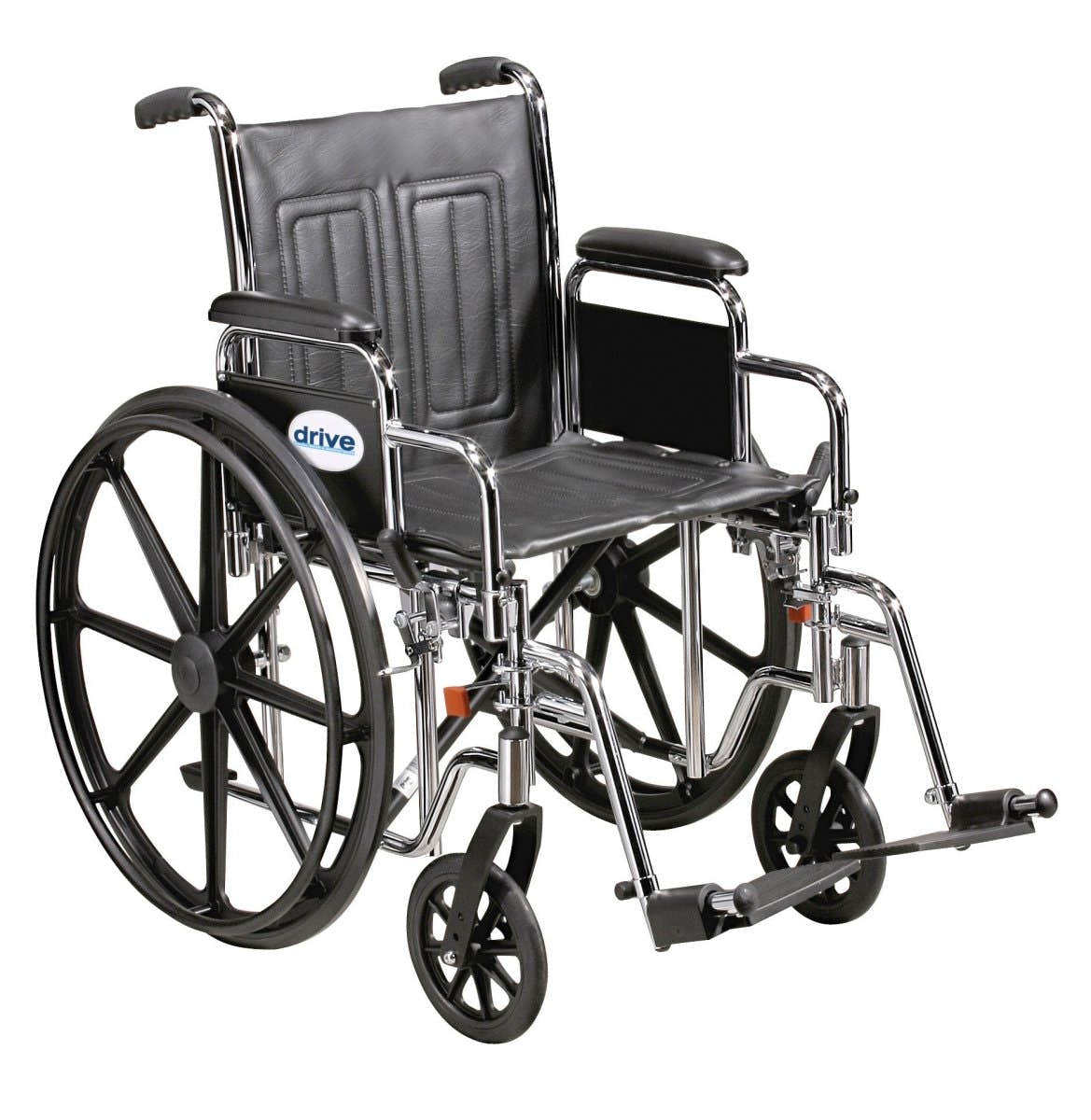
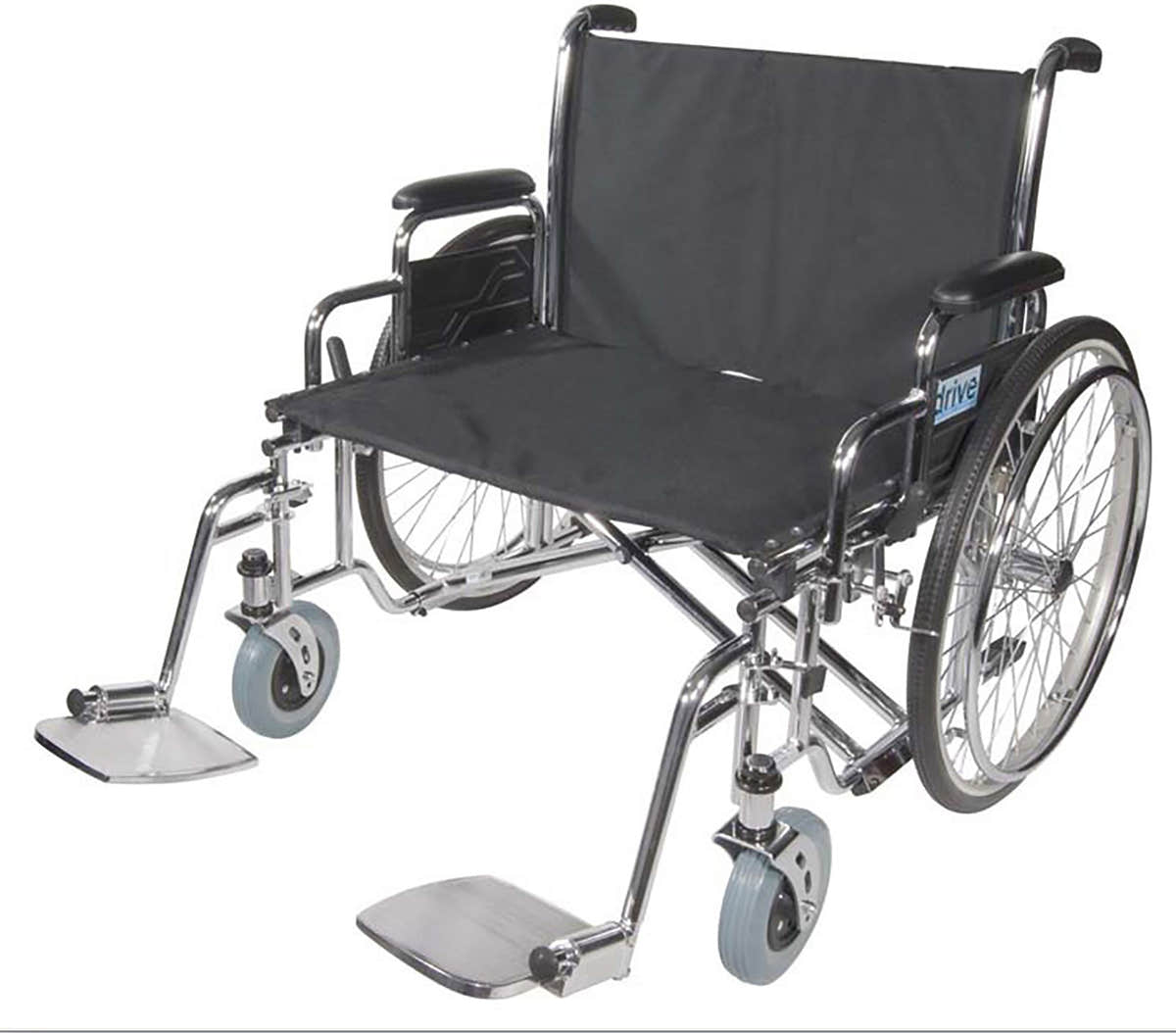
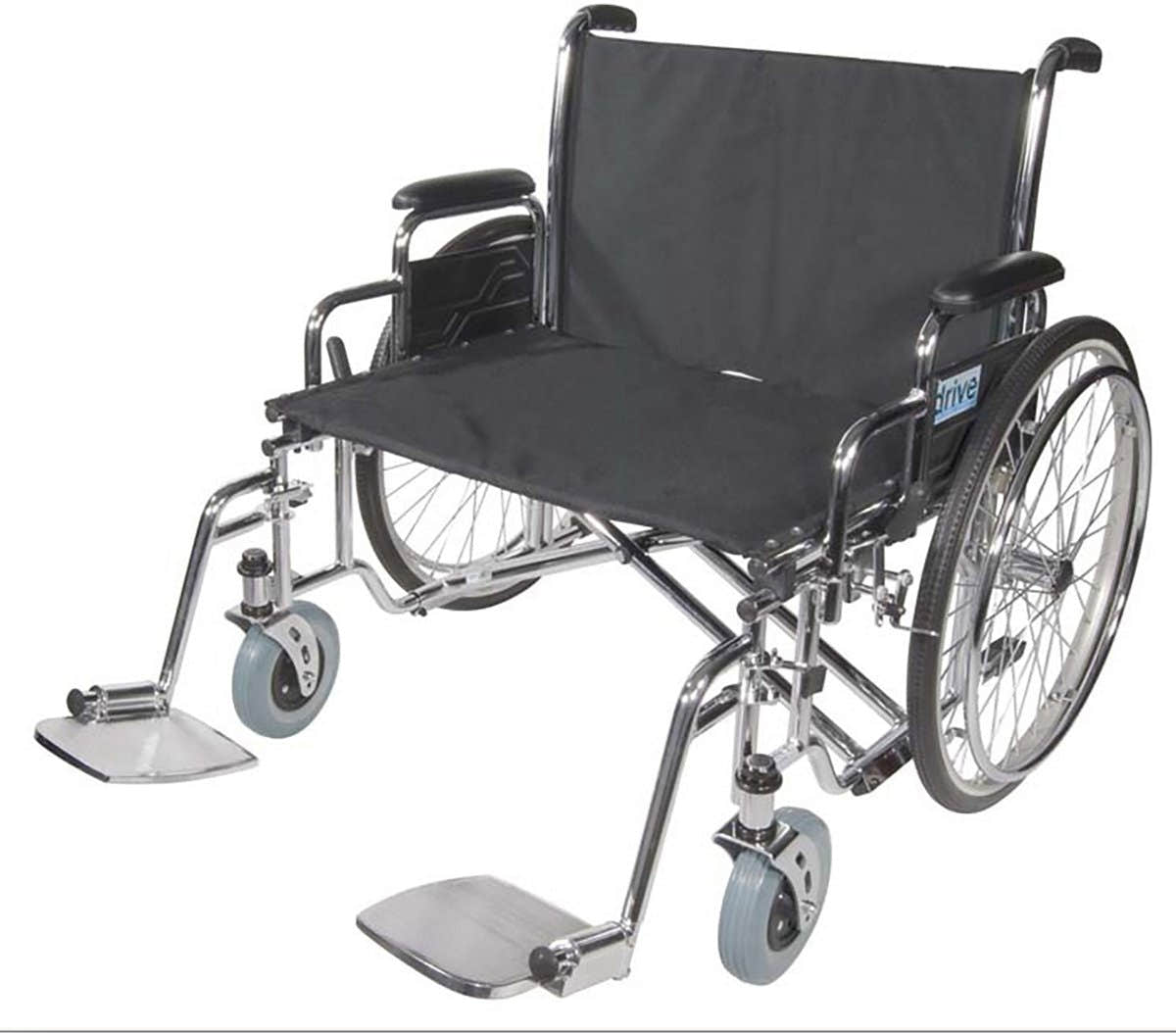
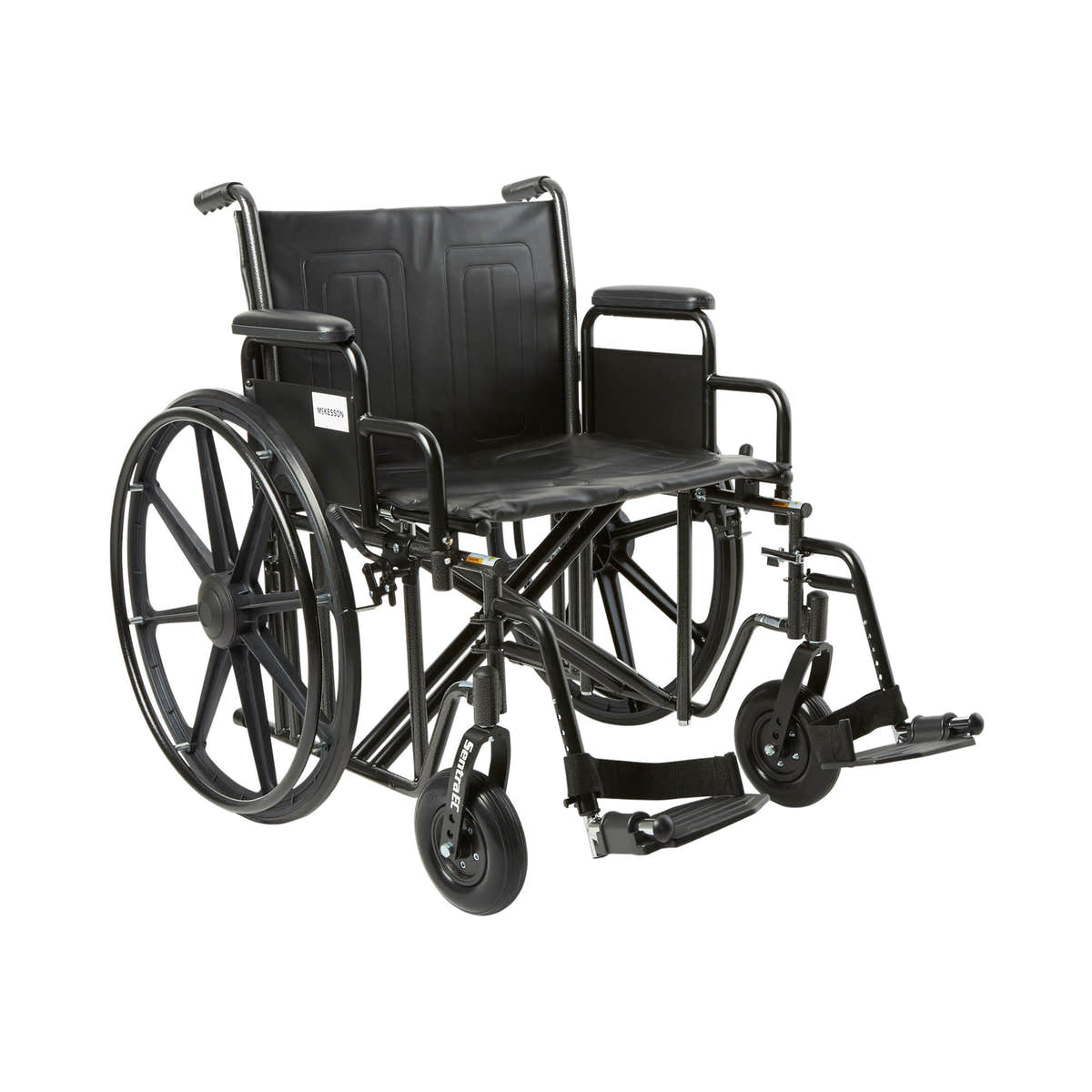
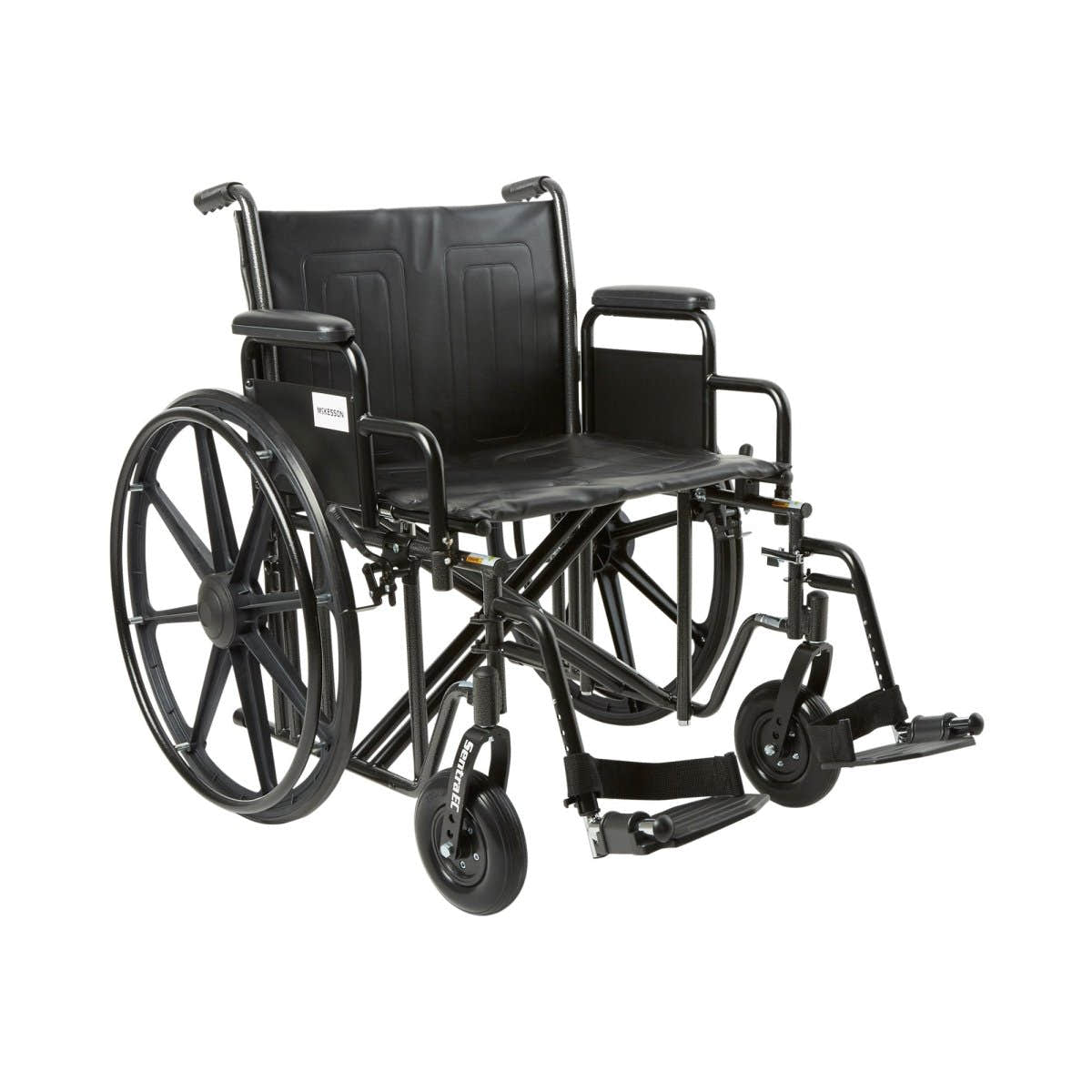
Bariatric wheelchairs are made for those who, because of their weight, require more assistance. To support heavier users, these wheelchairs include a sturdy frame, strengthened seats, and bigger wheels. Along with adjustable backrests and leg rests for optimal placement, they also have adjustable armrests and footrests for added comfort. Users can choose the ideal bariatric wheelchair for their needs from a selection of styles and colors available.
Showing 1 - 12 of 12 products
View

Frequently Asked Questions about Bariatric Wheelchairs

A bariatric wheelchair is a heavy-duty mobility chair specifically engineered to safely support users who exceed the weight limits of standard wheelchairs. Bariatric wheelchairs feature reinforced frames, wider seats, and strengthened components to provide reliable, comfortable mobility for larger users.

Bariatric wheelchairs are designed for individuals whose body weight or size exceeds the capacity of a standard wheelchair, typically those requiring a wider seat or a higher weight rating for safe daily mobility. A healthcare provider can help determine whether a bariatric wheelchair is the right fit based on a user's specific measurements and mobility needs.

Start by measuring the user's hip width while seated, then select a bariatric wheelchair with a seat width that allows roughly one inch of clearance on each side. Seat widths in this category range from 20 inches up to 30 inches, so matching that measurement carefully is the most important step before purchasing.

Bariatric wheelchairs are built to accommodate higher weight capacities than standard wheelchairs, with many models in this category rated to support significantly heavier users thanks to reinforced frames and heavy-duty seating components. Always check the specific weight rating listed on the product page before purchasing to confirm the chair meets the user's needs.

Position the bariatric wheelchair on a flat, stable surface, engage the wheel locks before the user transfers in or out, and adjust the armrests, footrests, and backrest to support a comfortable, upright seated posture. Regularly confirm that all adjustable components are securely locked in place before each use to keep the user safe during mobility.

Yes, most bariatric wheelchairs are designed for use on both indoor surfaces and smooth outdoor terrain, though performance on uneven or rough ground will vary depending on wheel size and frame construction. Checking the product specifications for wheel type and frame design will help confirm whether a specific model suits the environments where it will be used most.

When shopping for a bariatric wheelchair, prioritize seat width, weight capacity, and frame durability, along with comfort features like adjustable armrests, swing-away footrests, and elevating legrests that make transfers and positioning easier. Choosing a model with the right combination of these features ensures the wheelchair supports both the user's physical needs and daily routine.

Wipe down the frame and seat of a bariatric wheelchair regularly with a mild soap and water solution, and inspect the wheels, brakes, and adjustable components for wear or looseness on a routine basis. Keeping moving parts free of debris and tightening any loose hardware promptly will extend the life of the wheelchair and keep it functioning safely.

Yes, bariatric wheelchairs are often eligible for coverage through Medicare, Medicaid, or private insurance when a physician documents medical necessity for the equipment. Contacting your insurance provider directly and obtaining a prescription or letter of medical necessity from your doctor is the recommended first step to confirming your specific coverage.

A bariatric wheelchair differs from a standard wheelchair in that bariatric models feature a wider seat, a heavier-duty reinforced frame, and a higher weight capacity to safely accommodate larger users. Standard wheelchairs are typically designed for users up to a certain weight threshold, while bariatric wheelchairs are purpose-built to go beyond that limit without compromising stability or comfort.

Recently viewed