
Baseline

2 products

Showing 1 - 2 of 2 products

Baseline Fingertip Pulse Oximeters at Cart Health

The Baseline collection brings together fingertip pulse oximeters designed for straightforward, everyday use. Whether you're a healthcare professional monitoring patients, a caregiver supporting someone at home, or simply someone who wants a reliable tool on hand, Baseline offers options built with clarity and ease of use in mind.
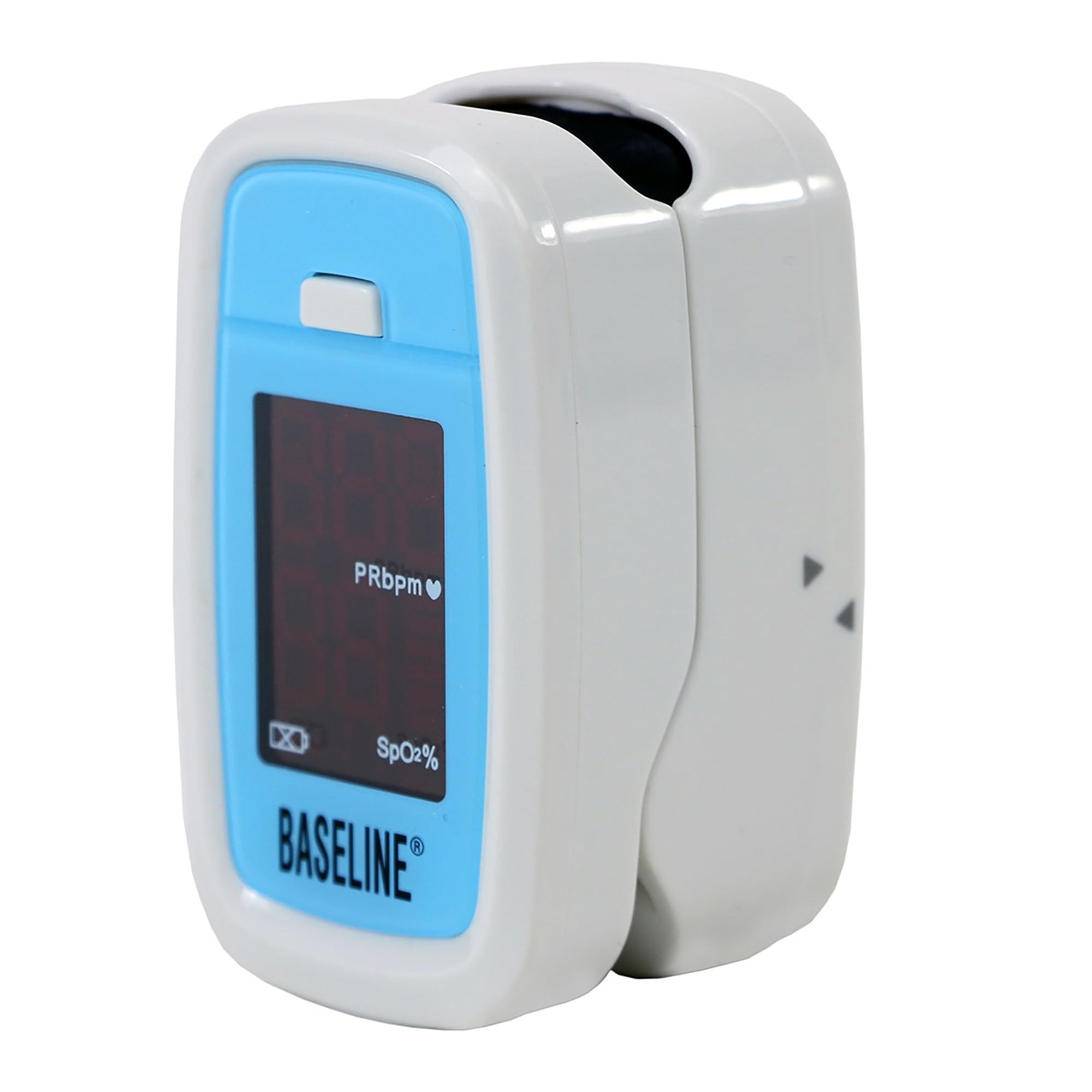
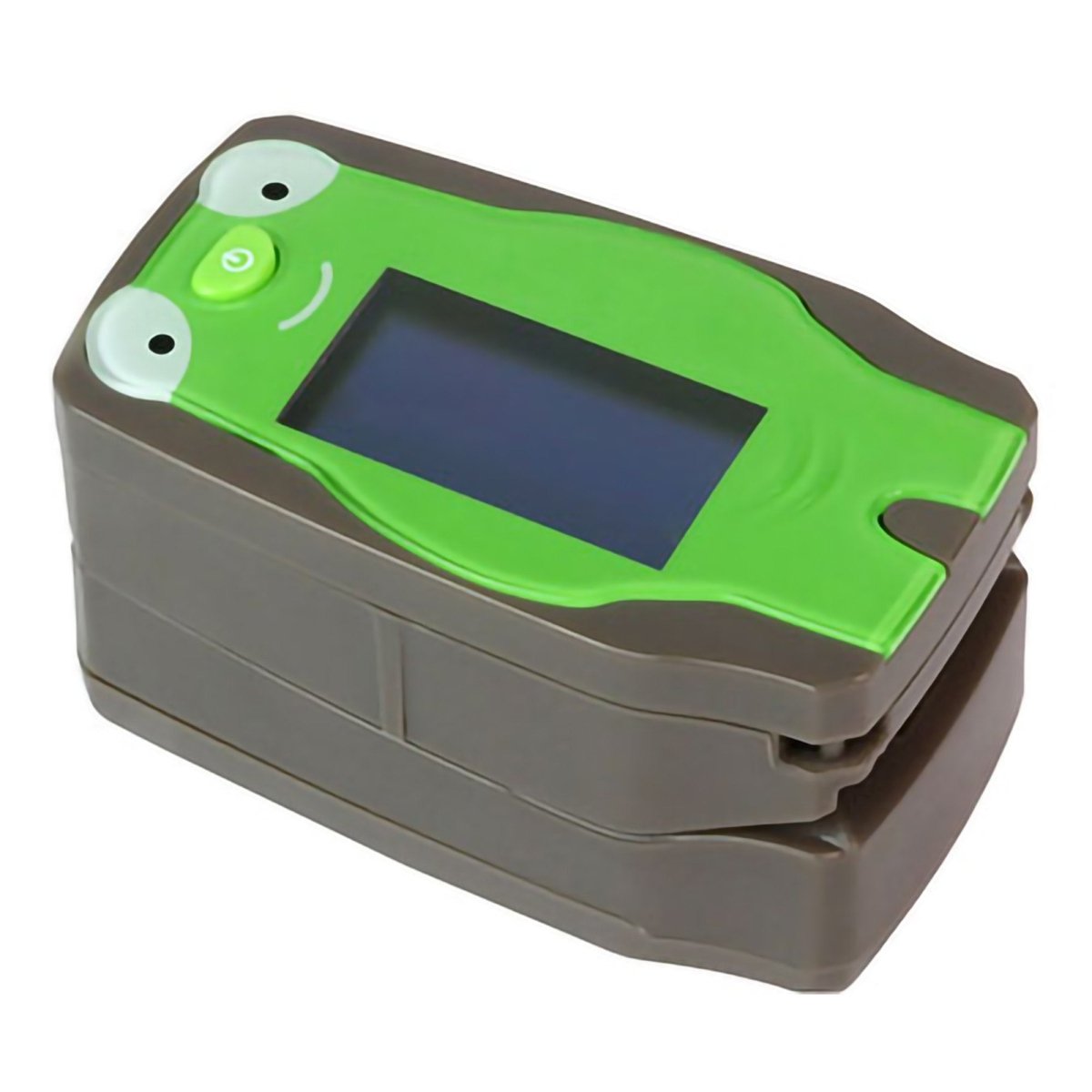
Showing 1 - 2 of 2 products
View
Baseline Pediatric Fingertip Pulse Oximeter - 1166905_EA - 1

Frequently Asked Questions about Baseline

A fingertip pulse oximeter is a small, clip-style device that measures blood oxygen saturation levels and pulse rate non-invasively by shining light through the fingertip. Fingertip pulse oximeters are commonly used at home, in clinics, and during recovery to monitor respiratory and cardiovascular health without drawing blood.

Fingertip pulse oximeters are designed for anyone who needs to monitor blood oxygen levels at home or in a clinical setting, including patients with asthma, COPD, heart conditions, or sleep disorders. Healthcare providers also recommend fingertip pulse oximeters for post-surgical monitoring and general wellness checks.

Place the fingertip pulse oximeter on a clean, warm finger — typically the index or middle finger — and hold still until the reading stabilizes, usually within a few seconds. Remove nail polish beforehand, since dark or gel polish can interfere with the light sensor and produce inaccurate readings.

Fingertip pulse oximeters are generally accurate within plus or minus two to three percentage points under normal conditions, making them reliable for routine monitoring. Accuracy can be affected by poor circulation, cold fingers, excessive movement, or dark nail polish, so readings should always be interpreted alongside other clinical signs.

The index or middle finger typically produces the most accurate readings on a fingertip pulse oximeter because those fingers have strong blood flow and fit most device sensors well. Avoid using the thumb or pinky finger, as irregular sizing can cause poor sensor contact and inconsistent results.

Yes, fingertip pulse oximeters are safe for home use and require no needles, skin breaks, or special training to operate. The devices use harmless infrared and red light to detect oxygen levels, making fingertip pulse oximeters appropriate for adults, children, and elderly users with routine monitoring needs.

Because some users — including those who are hard of hearing or monitoring patients in noisy environments — may not detect an audible alert alone, a fingertip pulse oximeter with a visible alarm adds a flashing light notification when oxygen or pulse readings fall outside safe ranges. This feature adds an important safety layer for caregivers and clinical settings.

Yes, fingertip pulse oximeters designed for pediatric use can be used on children, but it is important to choose a model sized appropriately for smaller fingers to ensure accurate sensor contact. Using an adult-sized fingertip pulse oximeter on a child may produce unreliable readings due to poor fit.

Store a fingertip pulse oximeter in a clean, dry location away from extreme heat, moisture, and direct sunlight to protect the sensor and battery. Wipe the device with a soft, lightly damp cloth between uses, and remove the batteries if the oximeter will not be used for an extended period to prevent corrosion.

Fingertip pulse oximeters are more compact and easier to use for quick spot-checks than wrist or handheld models, making fingertip pulse oximeters the most popular choice for home monitoring. Handheld and wrist models may offer continuous monitoring features or larger displays, which can be more suitable for clinical or overnight use.

Recently viewed